Number Activities That Make Early Math Fun & Easy
Early math doesn’t have to feel boring or complicated — in fact, young children learn numbers best through hands-on play, real-life experiences, and simple activities that spark curiosity. When kids touch, move, sort, count, and explore numbers in playful ways, they naturally build strong math foundations that prepare them for school and everyday life.
Here are fun, simple, and engaging number activities that make early math enjoyable, confidence-boosting, and completely stress-free.
Counting With Everyday Objects

Use household items like spoons, buttons, cups, blocks, or socks.
Ask your child to count them and group them in small sets.
This builds:
- Number sense
- One-to-one correspondence
- Early counting confidence
Kids learn faster when objects feel familiar.
Number Hunt Around the House
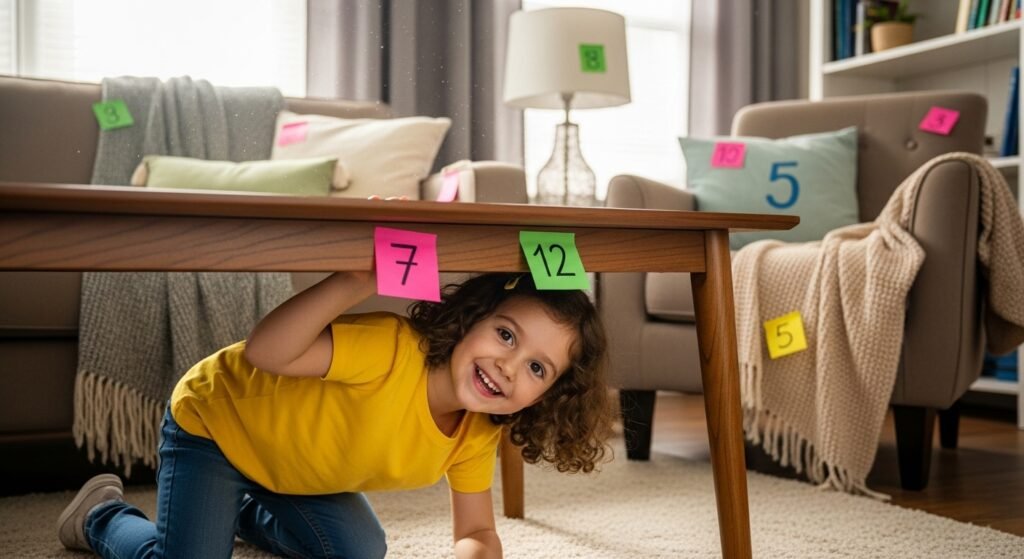
Hide number cards or sticky notes around the house and let kids find them like a treasure hunt.
You can ask them to:
- Name the number
- Match it to a counting object
- Put numbers in correct order
This turns learning into an exciting game.
Playdough Number Mats
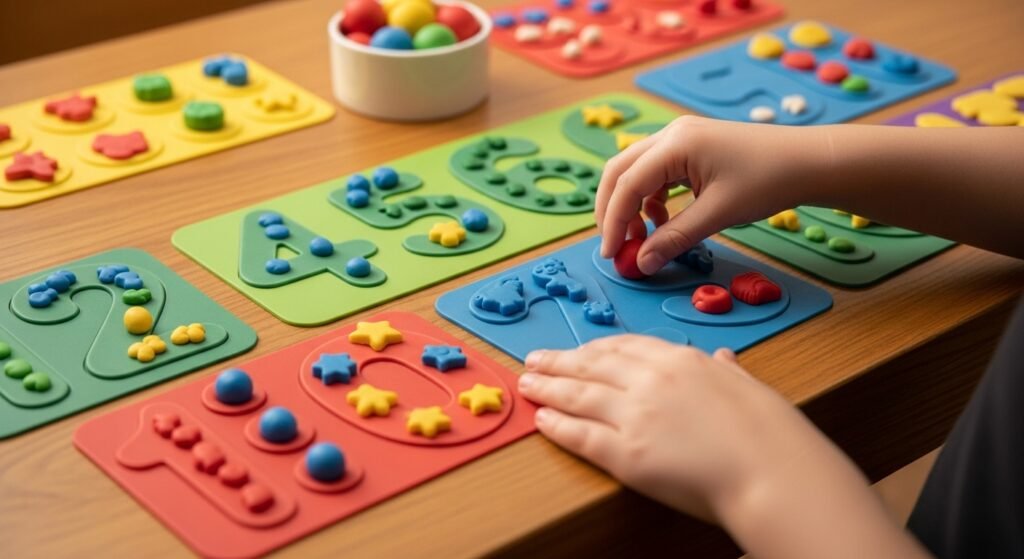
Print or draw mats with numbers.
Kids roll playdough “snakes” and shape them into the printed numbers.
They can also:
- Add playdough balls to match each number
- Trace the number with fingers
Hands-on learning makes numbers easier to remember.
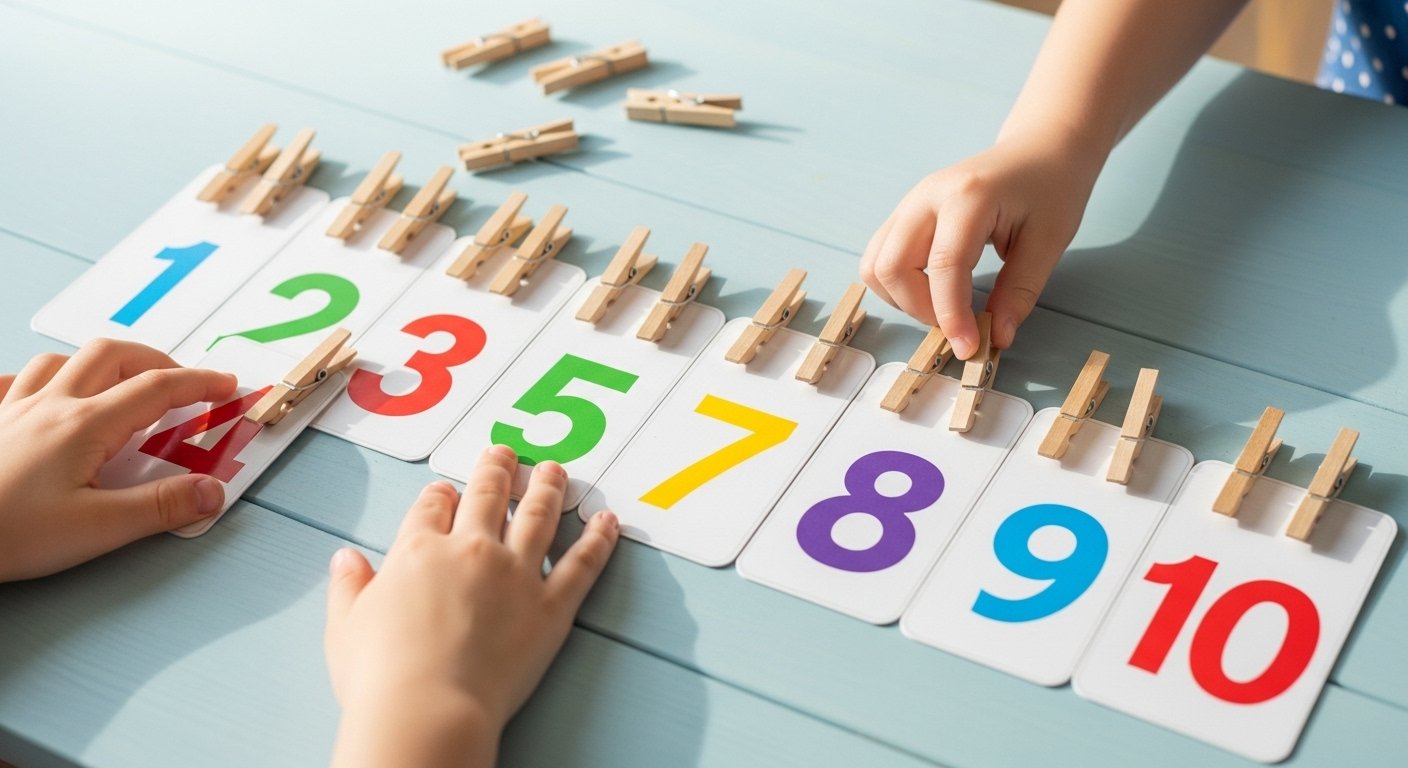
Clothespin Counting Cards
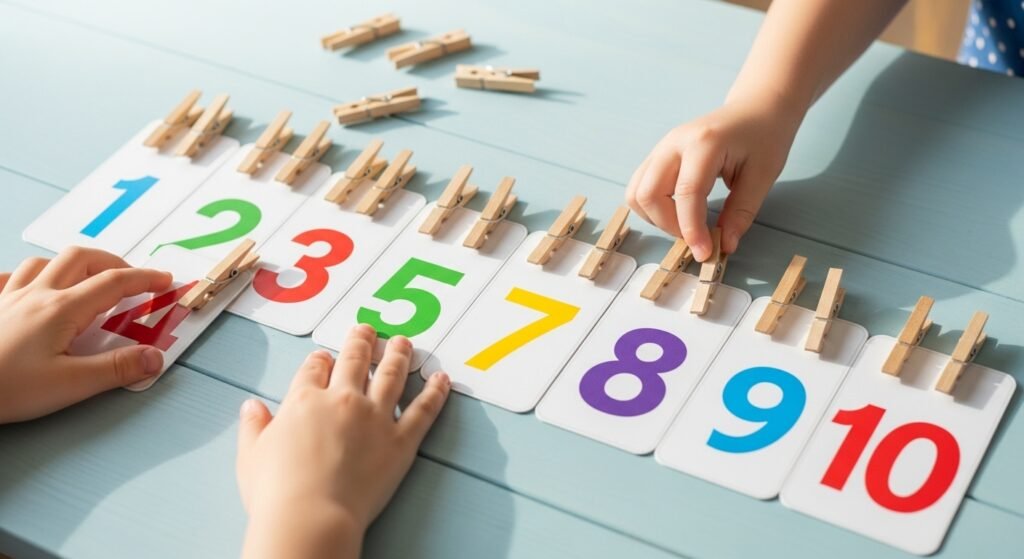
Make cards with numbers and pictures (dots, shapes, apples).
Kids place clothespins on the matching amounts.
Improves:
- Counting
- Number matching
- Fine motor skills
A perfect quiet-time activity.
DIY Number Line Hop
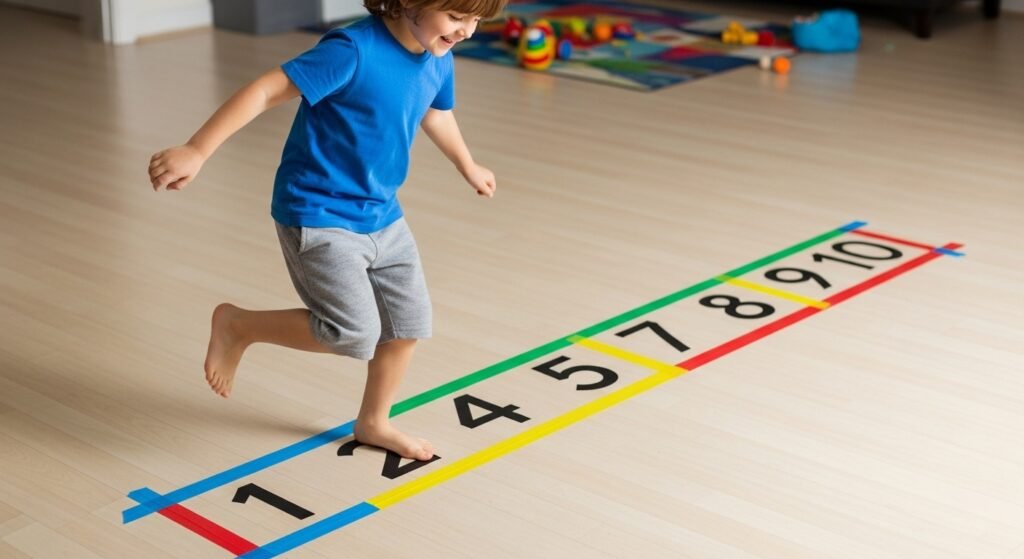
Use tape on the floor to create a number line.
Call out a number and let kids hop to it.
You can also try:
- Hop forward/backward
- Skip-counting jumps
- Simple addition hops
Movement + math = better learning.
Sorting by Quantity
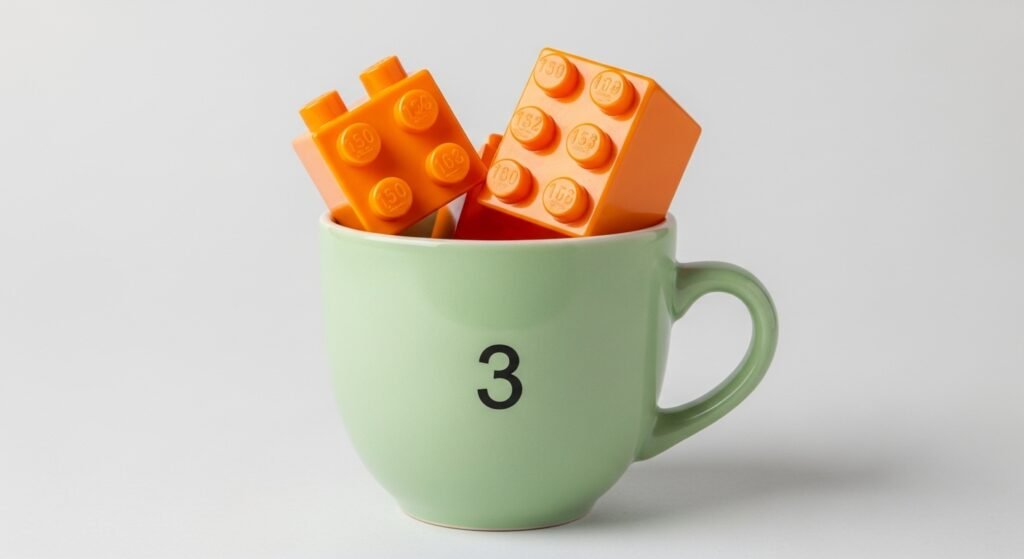
Give kids mixed items (toy cars, pom-poms, blocks).
Ask them to sort into groups of 1, 2, 3, 4, or more.
Sorting teaches:
- Grouping
- Counting
- Early comparison
A great introduction to bigger math concepts.
Sticker Number Pages
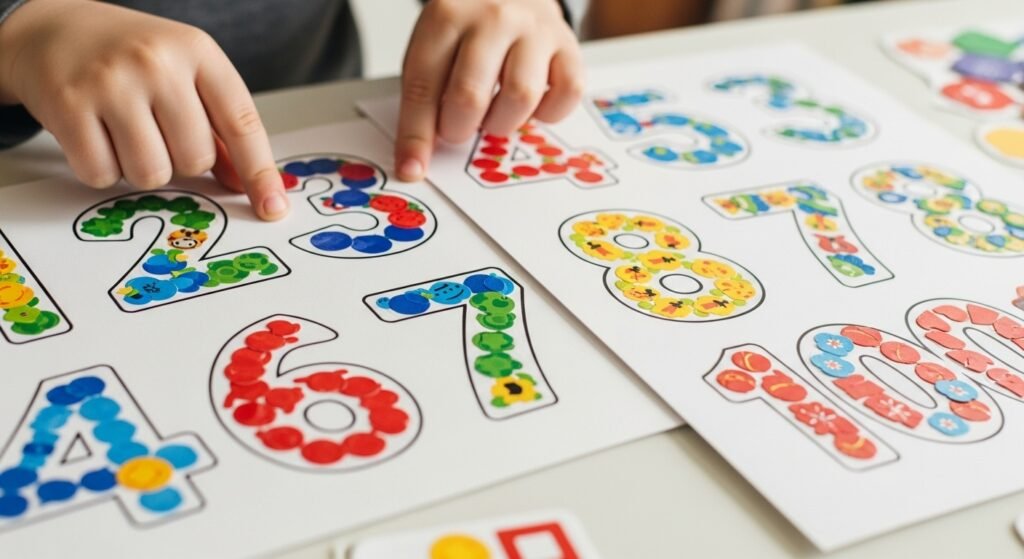
Kids love stickers!
Give them a sheet with large numbers and ask them to place the correct number of stickers on each.
For example:
3 → three stars
6 → six dots
9 → nine hearts
It’s fun, visual, and highly engaging.
Number Puzzles
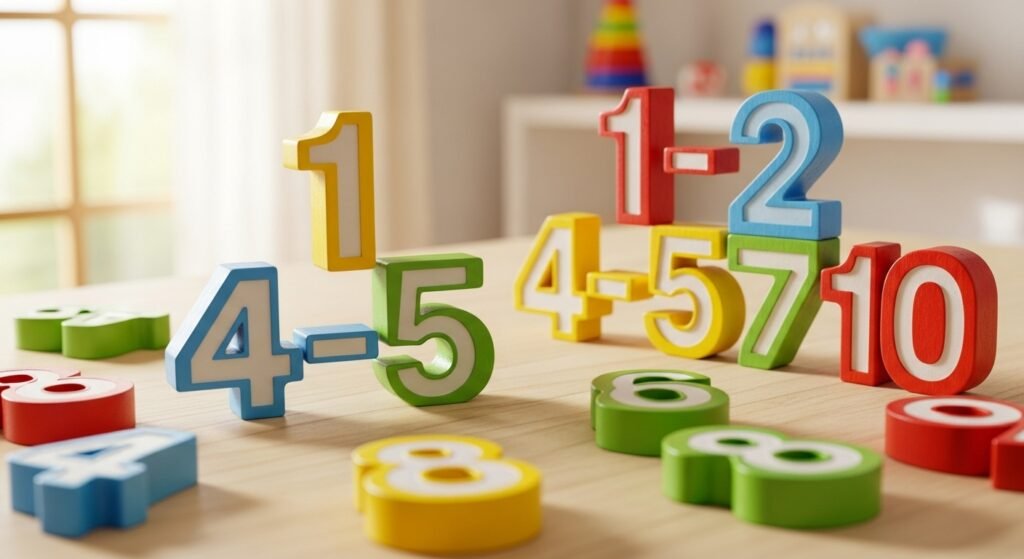
Use simple puzzles where kids match:
- Number to picture
- Number to dots
- Number to word
Helps build recognition and logical thinking.
Egg Carton Counting Game
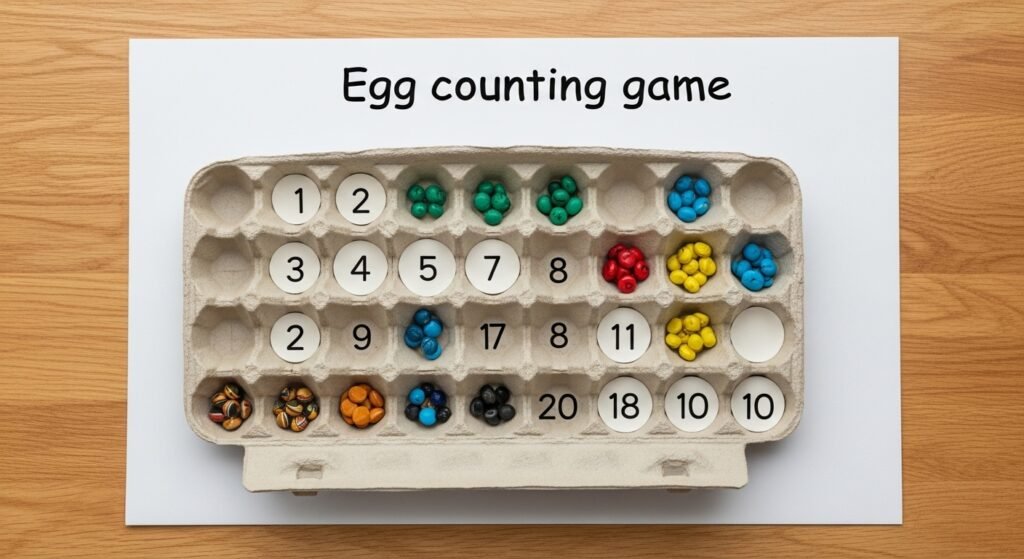
Label each egg cup with a number.
Kids place the matching amount of beans, beads, or buttons in each cup.
Great for tactile learners.
Outdoor Number Play
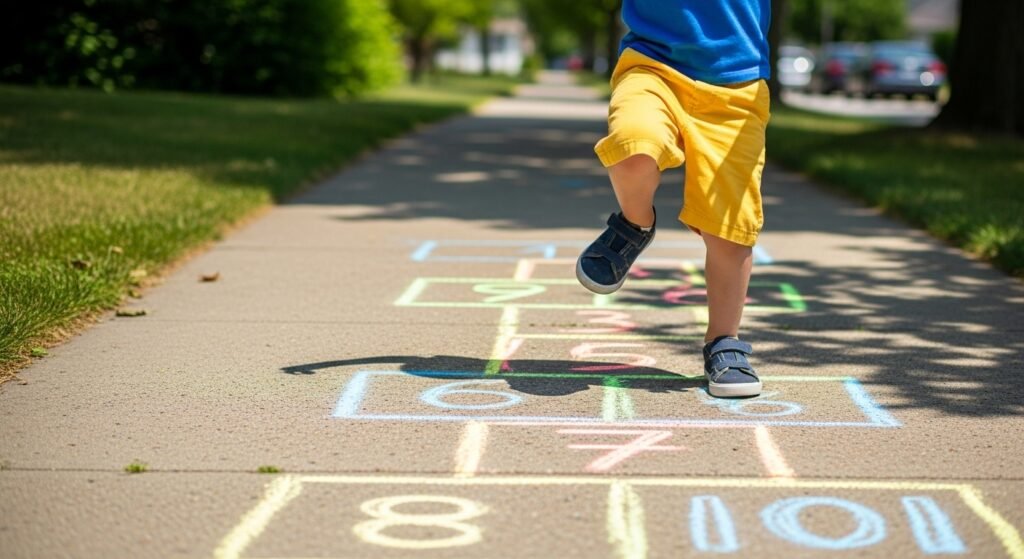
Take math outside!
Try:
- Chalk number hopscotch
- Collecting sticks or leaves and counting them
- Drawing giant numbers on the ground
- Counting steps, stones, or flowers
Nature makes learning more exciting.
Number Songs and Rhymes
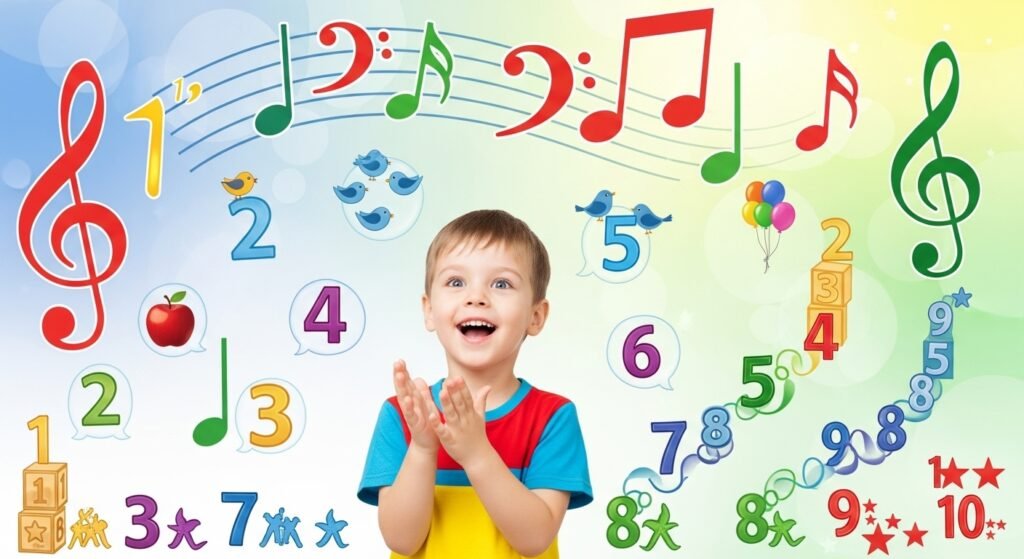
Songs like “Five Little Ducks,” “Ten in the Bed,” and “This Old Man” help kids memorize numbers effortlessly.
Music boosts:
- Rhythm
- Memory
- Counting fluency
Sing along while clapping or acting out the numbers.
Matching Caps and Bottles
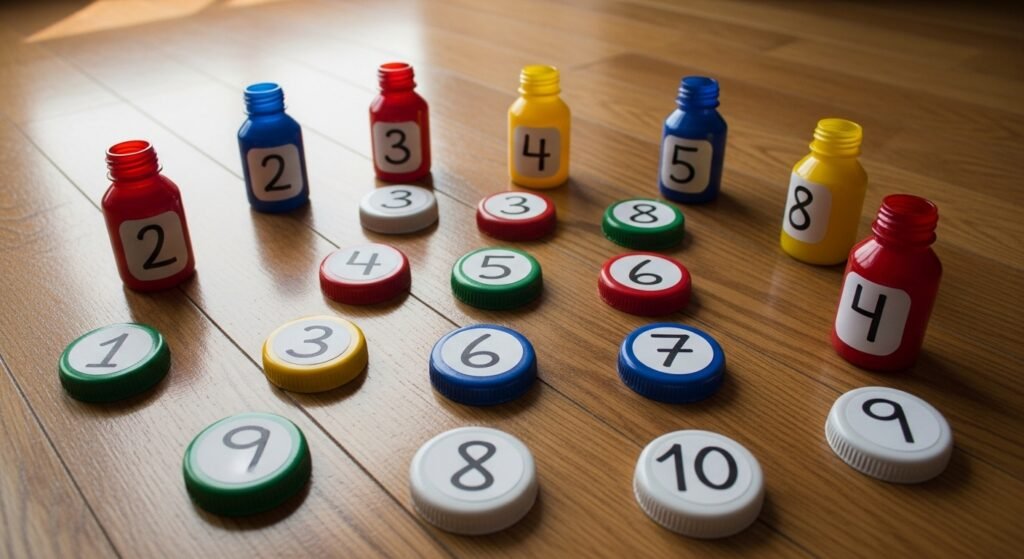
Write numbers on bottle caps and draw matching dots or shapes on bottles.
Kids match caps to bottles using numbers and quantities.
Perfect for fine motor development.
DIY Abacus Using Beads
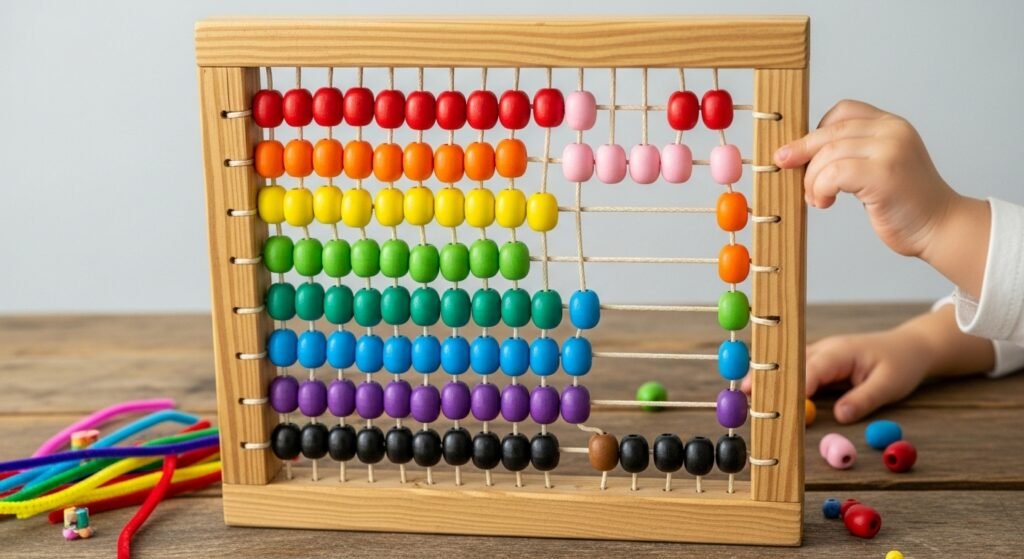
Use a shoebox frame and string beads to build a homemade abacus.
Kids slide beads to practice counting, adding, or subtracting.
A fun intro to early math tools.
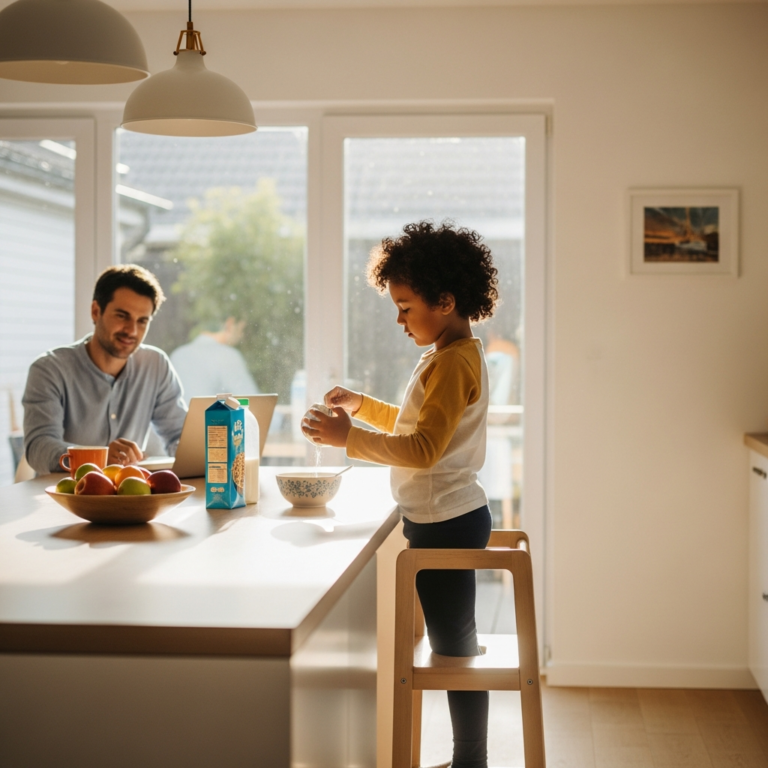
Snack Time Counting
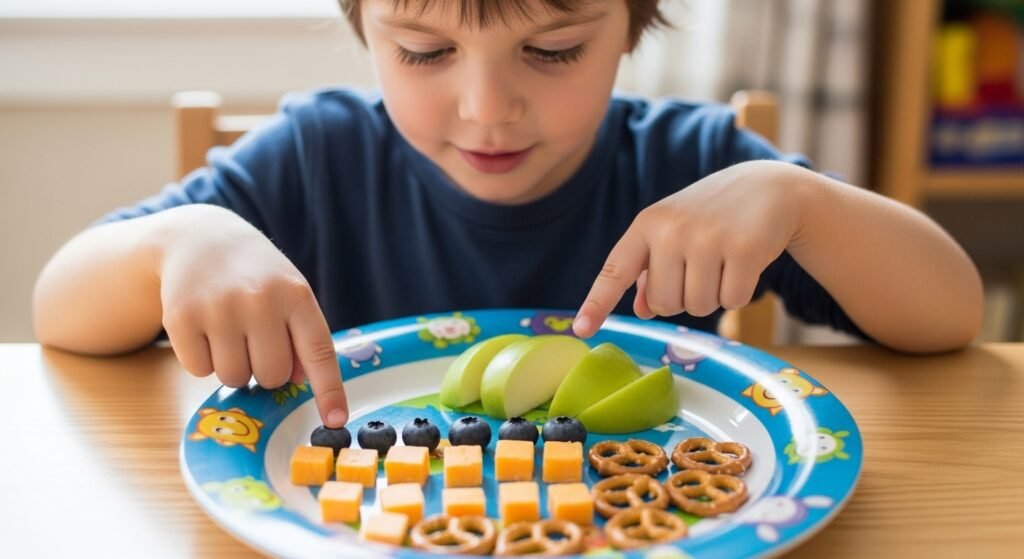
Turn snacks into math moments.
Use:
- Grapes
- Crackers
- Cereal loops
- Cut fruits
Ask kids to count, divide, or sort snacks.
Tasty learning is always a hit!
Final Thoughts
Numbers become easier, more meaningful, and much more enjoyable when kids learn them through play. These simple activities help children explore counting, recognizing numbers, comparing quantities, and understanding early math concepts in a natural, fun-filled way. With everyday materials, a little creativity, and plenty of encouragement, every child can build strong, confident math skills.