Welcome, new parent! The journey into parenthood is often described as a whirlwind of emotions, incredible joy, and, let’s be honest, a good dose of overwhelm. One of the biggest questions that often surfaces in the early days is, ‘When will we get into a routine?’ or ‘How do I even begin to schedule a newborn?’ The truth is, newborns aren’t really built for strict schedules, and trying to force one can lead to unnecessary stress for both you and your little one.
Instead of a rigid clock-watching regimen, this guide will walk you through creating a *gentle, responsive routine* week by week. Our goal isn’t perfection, but rather understanding your baby’s emerging patterns, responding to their unique needs, and building a flexible framework that supports healthy development and helps your family find its rhythm. We’ll focus on listening to your baby’s cues, embracing flexibility, and finding what truly works for *your* family. Remember, every baby is different, and this is a journey of discovery.
Embracing the Flow: Why Strict Schedules Don’t Work for Newborns

When you hear the word ‘schedule’ in relation to a newborn, it might conjure images of precise feeding times and mandated naps. However, a newborn’s primary tasks are eating, sleeping, and growing, and their tiny bodies are still figuring out the basics. Their stomach is small, requiring frequent feeds; their sleep cycles are short, leading to many naps and night wakings; and their brains are rapidly developing, meaning their needs can change daily.
Trying to impose a rigid schedule on a newborn can be counterproductive. It can lead to missed hunger cues, over-tiredness, and a lot of frustration. Instead, we advocate for a ‘responsive routine’ – a predictable flow of activities that is guided by your baby’s individual needs and natural rhythms, rather than the clock. This approach builds trust, supports breastfeeding if you choose that path, and helps your baby feel secure, knowing their needs will be met.
Understanding Your Newborn’s Rhythms

Before we dive into week-by-week suggestions, it’s essential to understand the basic rhythms of a newborn. Most newborns operate on a simple cycle often referred to as ‘Eat, Play, Sleep.’ This means they wake up, eat, have a short period of awake time (which for a newborn is often just a diaper change and a cuddle), and then go back to sleep.
Learning to recognize your baby’s cues is your most powerful tool. Are they rooting, mouthing, or turning their head? That’s a hunger cue. Are they yawning, rubbing their eyes, or getting fussy? Those are signs of tiredness. Becoming an expert in your baby’s unique language will allow you to respond promptly and help them build positive associations with feeding and sleep.
Weeks 0-2: Settling In and Surviving the Fourth Trimester

These first two weeks are often called the ‘fourth trimester,’ and for good reason. Your baby is adjusting to life outside the womb, and you, as parents, are recovering from birth and adjusting to your new roles. During this period, the focus should be purely on survival, bonding, and meeting your baby’s most basic needs.
Key Milestones and Needs
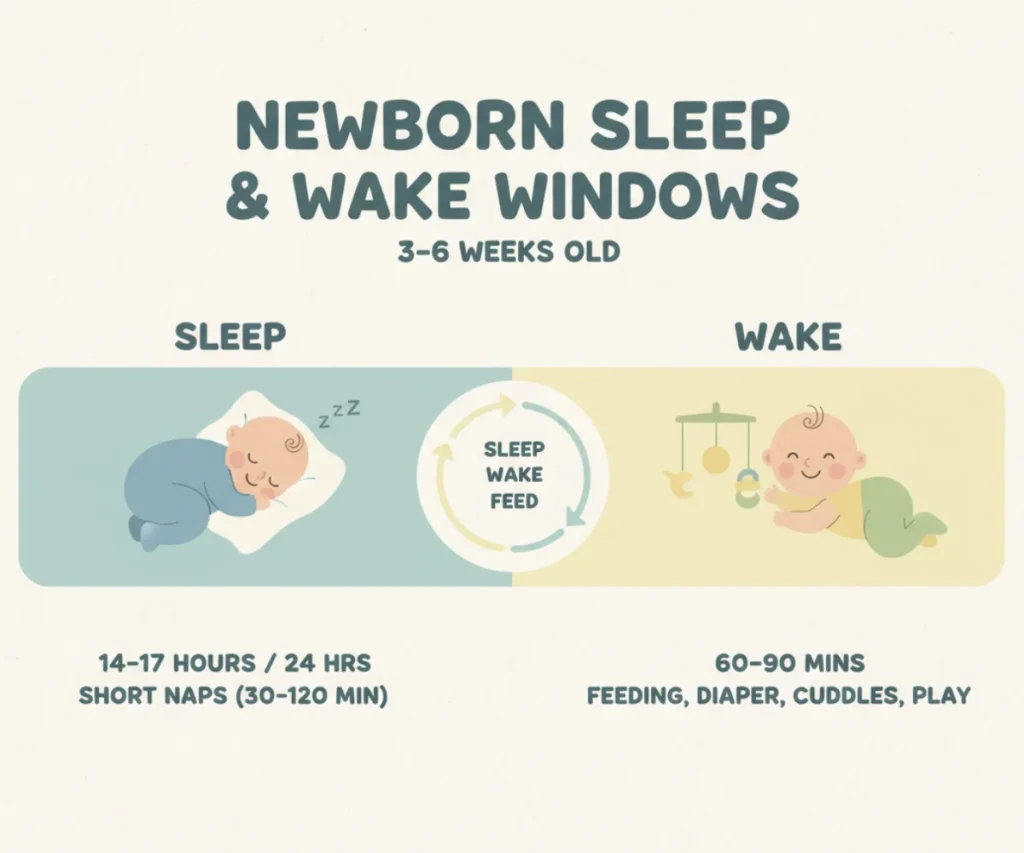
- Frequent Feedings: Newborns need to eat very often – typically every 2-3 hours, sometimes more, sometimes less. This is crucial for establishing milk supply (if breastfeeding) and ensuring proper weight gain. Feed on demand, whenever your baby shows hunger cues.
- Lots of Sleep: Newborns sleep a lot, often 16-18 hours a day, but in short bursts. Don’t expect long stretches of sleep, especially at night.
- Skin-to-Skin Contact: This is incredibly beneficial for both baby and parent, aiding bonding, regulating baby’s temperature, and promoting calm.
- Parental Recovery: Don’t forget yourself! Rest, accept help, and prioritize your own healing.
Gentle Routine Suggestions

During these initial weeks, there’s no real ‘schedule’ to speak of. It’s about responding to your baby. However, you can start to differentiate between day and night by:
- Nighttime: Keep lights dim, interactions minimal, and voices low. Focus on quiet feeding and quick diaper changes.
- Daytime: Expose your baby to natural light, normal household sounds, and gentle interaction during awake times.
- Swaddling: Many newborns love to be swaddled, which can help them feel secure and prevent the startle reflex from waking them.
- Safe Sleep: Always place your baby on their back to sleep in a crib or bassinet that meets safety standards.
Focus on getting through each feed and sleep cycle. Don’t worry about wake windows yet; just observe your baby for signs of tiredness after they’ve fed.
Weeks 3-6: Noticing Patterns and Gentle Guiding
As your baby approaches the one-month mark, you might start to notice some emerging patterns. Feeds might become slightly more spaced out, and they might have slightly longer stretches of awake time. This is where you can begin to gently guide them towards a more predictable (but still flexible!) routine.
Typical Development and Behavior
- Longer Awake Times: Your baby might be awake for 45-60 minutes between naps. These are precious moments for interaction!
- Social Smiles: You might start to see those first, heart-melting social smiles around 6 weeks.
- Fussiness Peaks: Many babies experience a ‘witching hour’ in the late afternoon or early evening. This is normal and will pass.
- Better Head Control: Your baby’s neck muscles are strengthening.
Creating a Flexible Framework

This is an excellent time to consciously implement the ‘Eat, Play, Sleep’ cycle. After a feed, engage your baby for a short ‘play’ period (tummy time, talking, singing, looking at high-contrast cards), and then put them down for a nap at the first signs of tiredness. This helps them learn to fall asleep independently and avoids over-tiredness.
Consider establishing a simple, calming bedtime routine. This could be a warm bath, a gentle massage, dimming the lights, and a final feed. Consistency helps signal to your baby that it’s time for longer sleep.
- Wake Windows: Aim for around 45-60 minutes of awake time, including feeding. Watch for sleepy cues!
- Bedtime Routine: Start a consistent, calm routine to signal the end of the day.
- Day/Night Differentiation: Continue to keep daytime bright and active, and nighttime dark and quiet.
Don’t be discouraged if some days feel completely off. Flexibility is your superpower. If a feed or nap goes awry, simply reset and start the next cycle when your baby is ready.
Weeks 7-9: Longer Stretches and More Predictable Days

By weeks 7-9, many babies are starting to show even more predictability in their feeding and sleeping patterns. You might even experience the joyous occasion of a slightly longer stretch of night sleep! Your baby is becoming more alert and interactive, making their awake times even more rewarding.
Newborn Capabilities and Growing Needs

- Improved Alertness: Awake windows may stretch to 60-75 minutes. Your baby is more interested in their surroundings.
- Tracking Objects: Their eyes can follow moving objects more smoothly.
- Reaching and Grasping: They might start batting at toys or attempting to grasp things within reach.
- More Predictable Feeds: While still on demand, you might notice feeds settling into more consistent intervals.
Refining Your Gentle Routine
Continue with your ‘Eat, Play, Sleep’ rhythm. This is a great time to be consistent with nap locations if possible (e.g., crib for most naps) to help your baby associate their sleep space with sleep. However, don’t shy away from naps on the go when life happens.
- Full Feeds: Ensure your baby is getting full feeds, especially before longer stretches of sleep, to help them stay content longer.
- Consistent Bedtime: Try to establish a relatively consistent bedtime, even if the exact time varies by 30-60 minutes each night.
- Wind-Down Time: Introduce a more structured wind-down period before naps and bedtime to help your baby transition from awake time to sleep. This could include reading a short book, singing a lullaby, or gentle rocking.
Remember, your baby’s development is still rapid. What works one week might need slight adjustments the next. Observe, adapt, and trust your instincts.
Weeks 10-12: Building on Consistency
As your baby approaches the three-month mark, you’ll likely feel like you’re getting a better handle on their rhythms. Many babies at this age begin to consolidate night sleep further and can manage slightly longer wake windows.