Bringing a new baby home is an incredible, life-changing experience. It’s filled with so much love, wonder, and tiny yawns. But let’s be honest, it also comes with a big, unavoidable challenge: sleep deprivation. As new parents, you’re suddenly operating on very little sleep, often for weeks or even months.
It can feel overwhelming, isolating, and downright exhausting. You might find yourself forgetting things, feeling grumpy, or just staring blankly into space. Rest assured, this is a completely normal part of having a newborn. Every parent has been there. This article is here to offer you a warm hand, some practical tips, and a reminder that you are not alone in this sleepy journey.
Understanding Newborn Sleep Deprivation

First, let’s acknowledge what you’re going through. Newborn sleep deprivation isn’t just “feeling a bit tired.” It’s a profound lack of restorative sleep that impacts your body and mind in many ways.
What It Feels Like
The effects of constant waking and short sleep cycles can be significant. You might experience a range of symptoms.
* Physical Exhaustion: Persistent tiredness, heavy eyelids, slow movements.
* Mental Fog: Difficulty concentrating, memory lapses, trouble making decisions.
* Mood Swings: Irritability, sadness, anxiety, or feeling teary.
* Reduced Patience: A shorter fuse, finding minor things incredibly annoying.
* Physical Symptoms: Headaches, feeling run down, increased appetite or loss of appetite.
Why It Happens
Newborns sleep a lot, but not in long stretches. Their tiny tummies need frequent feeding, and their sleep cycles are much shorter than an adult’s.
* Frequent Feedings: Whether breastfeeding or formula feeding, newborns need to eat every 2-4 hours, sometimes more often.
* Developing Sleep Cycles: Babies haven’t yet learned to connect sleep cycles, leading to short naps and frequent awakenings.
* Day-Night Confusion: Many newborns need time to figure out the difference between day and night.
Remember, this phase is temporary. Your baby will eventually sleep for longer periods, and you will get more rest. For now, let’s focus on coping.
Practical Strategies for Catching More Zzz’s (Even Small Ones)
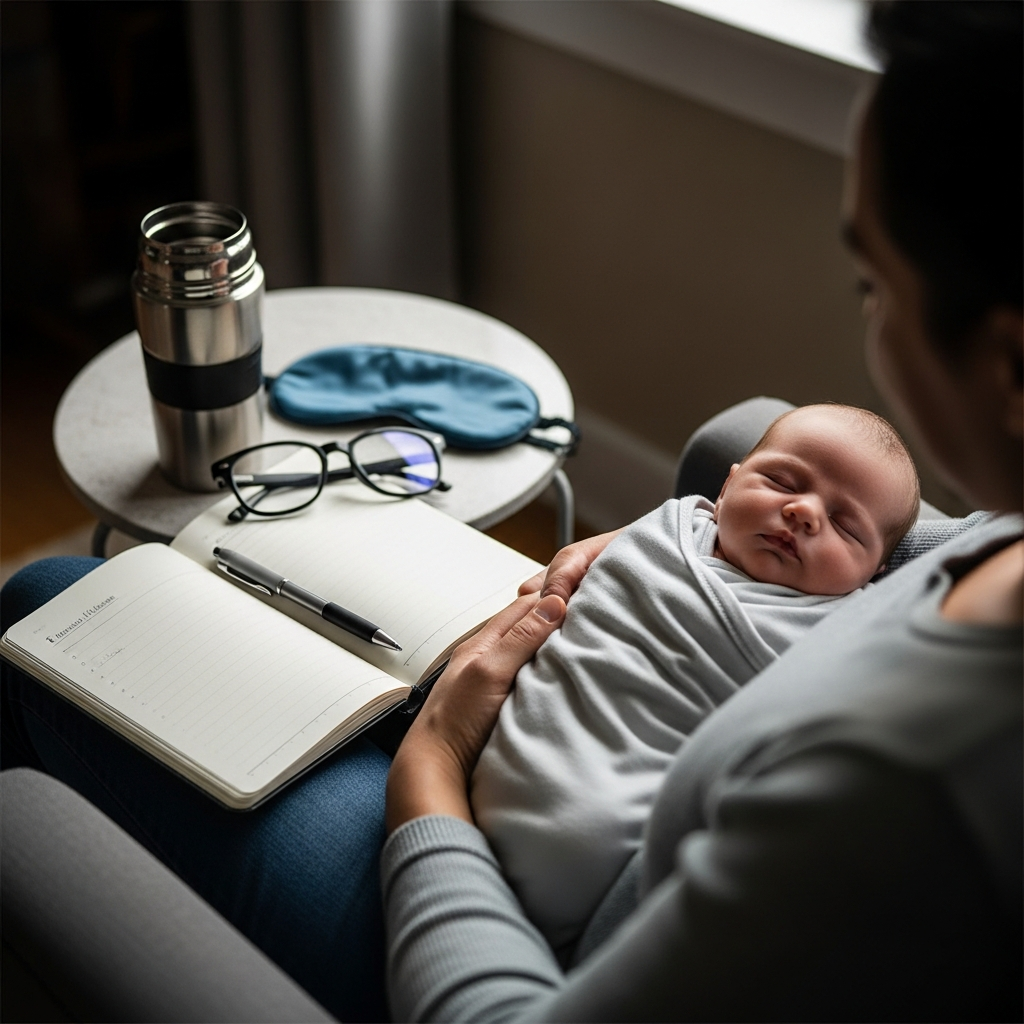
When your brain feels like cotton wool, thinking clearly about how to get more sleep can be tough. These strategies are designed to be simple and actionable.
Sleep When the Baby Sleeps (The Golden Rule)
This advice is everywhere for a reason, but it’s often the hardest to follow. Your instinct might be to do chores, cook, or catch up on emails. Resist that urge whenever possible.
* Prioritize Rest: See your baby’s nap time as *your* nap time.
* Create the Right Environment: Close the curtains, dim the lights, and put your phone away.
* Let Go of Chores: The laundry can wait. The dishes will still be there later. Your rest is more important.
* Short Bursts Count:* Even a 20-minute power nap can make a difference in your energy levels.
Tag-Teaming with Your Partner
If you have a partner, dividing night duties can be a lifesaver. Communication is key to making this work smoothly.
* Establish a Night Shift Schedule: One parent handles all wake-ups for a block of hours (e.g., 9 PM – 2 AM), while the other sleeps soundly. Then, you switch.
* Designate “Sleep In” Days: On weekends, one parent gets to sleep in while the other manages the morning.
* Bottle Feeding Advantages: If using formula or pumped milk, the non-feeding parent can take a full shift.
* Support During Breastfeeding: If you’re breastfeeding, your partner can still help by changing diapers, bringing the baby to you, or getting you water and snacks.
* Open Communication: Talk about who is feeling more exhausted and adjust the schedule as needed. Be flexible and empathetic with each other.
Embracing Naps (Yours, Not Just Baby’s)
Naps aren’t just for babies. They are crucial for tired parents too. Don’t feel guilty about taking them.
* Strategic Napping: If you can’t get a long stretch, aim for shorter, frequent naps.
* Power Naps: A 20-30 minute nap can boost alertness without making you feel groggy.
* Ask for Help for Naptime: Can a trusted friend or family member watch the baby for an hour so you can rest?
Optimizing Your Environment and Routine
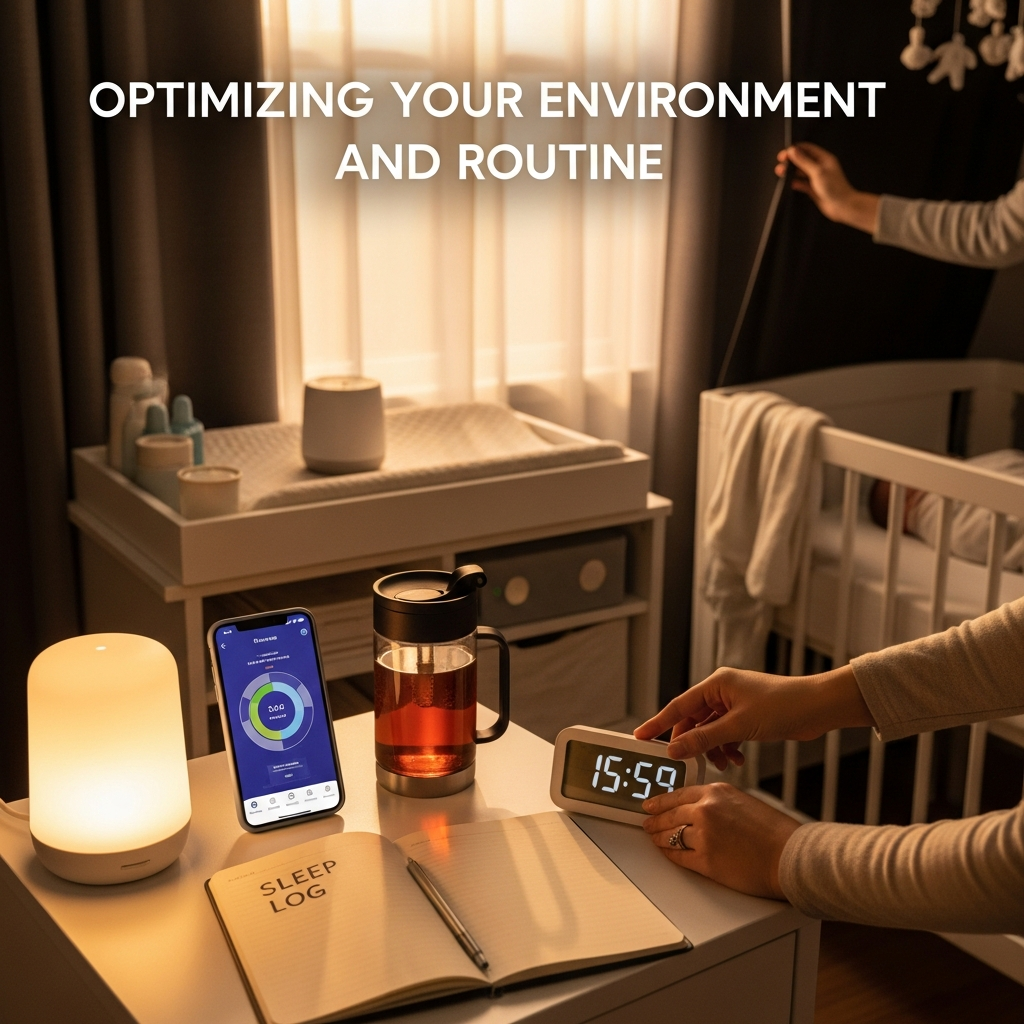
While newborns don’t have a strict schedule, you can create an environment that gently encourages sleep for both of you.
Creating a Conducive Sleep Space
Think about how you prepare for sleep yourself, and extend that to your baby’s sleep area.
* Darkness is Key: During night feeds, keep lights dim. For naps, darken the room to signal sleep.
* White Noise: A white noise machine can block out household sounds and mimic the womb environment.
* Comfortable Temperature: Keep the room cool but comfortable, usually between 68-72°F (20-22°C).
* Safe Sleep Practices: Always place your baby on their back in a firm, flat sleep surface without loose blankets, bumpers, or toys.
Establishing a Loose Routine (for Baby and You)
Newborns thrive on predictability, even if it’s gentle. This can help them distinguish day from night.
* Day vs. Night: During the day, keep things bright and noisy. At night, keep lights dim, voices low, and interactions minimal.
* Bedtime Routine: Even a simple routine like a warm bath, a gentle massage, and a feeding can signal to your baby that it’s time to wind down.
* Follow Baby’s Cues: While encouraging a routine, always respond to your baby’s hunger and comfort cues.
Preparing for Night Feeds
Minimize disruptions during night feeds to make them as smooth as possible.
* Night Station: Have a changing station ready with diapers, wipes, and a change of clothes.
* Your Essentials: Keep a water bottle and a small, healthy snack by your bedside.
* Keep It Dim: Use a very dim night light instead of bright overhead lights.
* Minimal Interaction: Try to keep talking and playing to a minimum to reinforce that it’s still nighttime.
Harnessing Support Systems

You don’t have to do this alone. Reaching out for help is a sign of strength, not weakness.
Don’t Be Afraid to Ask for Help
People generally want to help new parents, but they often don’t know how. Be specific.
* Meals: Ask friends or family to bring over a cooked meal. Accepting pre-made food is a huge energy saver.
* Household Chores: Can someone watch the baby while you shower, or help with a load of laundry?
* Errands: A quick grocery run or picking up supplies can free up your precious time.
* “Baby Holding” Support: Sometimes, you just need someone to hold the baby for an hour so you can rest or have a quiet moment.
Professional Support
Don’t hesitate to seek expert advice if you have specific concerns.
* Lactation Consultants: If breastfeeding challenges are adding to your stress and sleep loss, a consultant can provide invaluable support.
* **Postpartum Doulas:** These professionals can offer practical help with baby care, light household tasks, and emotional support.
* Pediatrician: Discuss any concerns about your baby’s sleep patterns, feeding, or overall health with their doctor.
Joining Parent Groups
Connecting with other new parents can provide immense emotional relief and practical tips.
* Online Forums: Websites and social media groups dedicated to new parents can be a great place to share experiences and get advice.
* Local Meetups: Many communities have new parent groups where you can connect in person.
* Share Experiences: Hearing that others are going through the same struggles can make you feel less isolated.
Self-Care Beyond Sleep

While sleep is the ultimate goal, sometimes it’s just not possible. In those moments, other forms of self-care become even more vital.
Nourish Your Body
When you’re tired, it’s easy to reach for quick fixes or forget to eat. Fueling your body properly can help.
* Healthy Snacks: Keep easily accessible, nutritious snacks nearby (fruit, nuts, yogurt, cheese sticks).
* Hydration: Drink plenty of water. Dehydration can worsen fatigue.
* Simple Meals: Focus on simple, wholesome meals that don’t require much effort to prepare. Don’t be afraid of quick microwave meals or takeout sometimes.
Gentle Movement and Fresh Air
Even a little bit of movement can make a big difference to your mood and energy.
* Short Walks: A 15-minute stroll around the block with your baby in the stroller can do wonders.
* Stretching: Gentle stretches in the morning or evening can relieve tension.
* Sunshine: Exposure to natural light helps regulate your own sleep-wake cycle.
Prioritize Tiny Moments of Joy
In the midst of the chaos, actively seek out small moments that bring you peace or happiness.
* A Warm Drink: Savor a cup of tea or coffee while your baby naps or is held by your partner.
* Music: Listen to your favorite calming or uplifting music.
* Quick Shower: A warm shower can feel like a mini-spa treatment and refresh you.
* Read a Page: Even a single page of a book can offer a mental escape.
Manage Expectations and Let Go of Perfection
This is not the time to strive for a spotless house or gourmet meals. Survival mode is perfectly acceptable.
* Lower Your Standards: It’s okay if the house is a mess, if you live in sweatpants, or if dinner is cereal.
* Be Kind to Yourself: You are doing an incredible job growing and caring for a human being. That is more than enough.
* It’s Okay Not to Be Okay: Acknowledge your feelings without judgment. It’s tough, and it’s normal to feel overwhelmed.
When to Seek Professional Advice
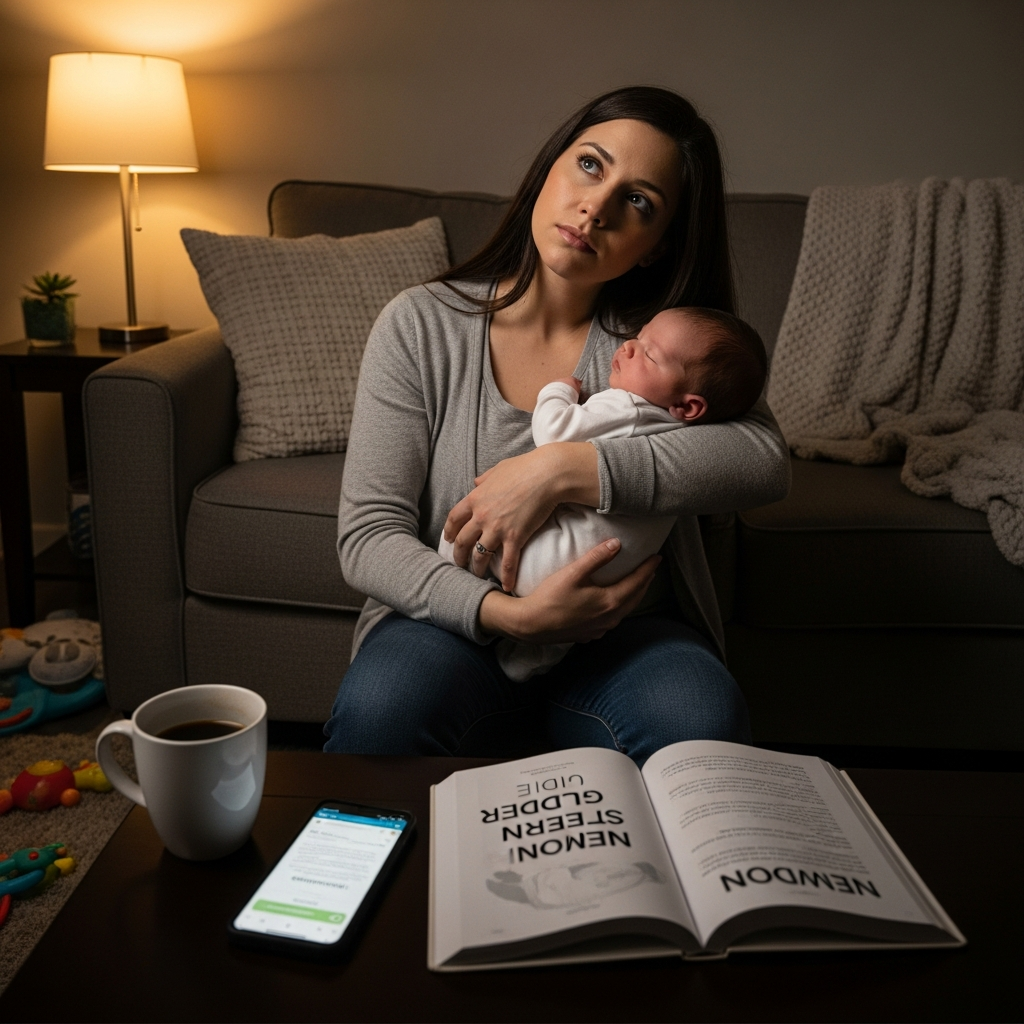
While sleep deprivation is common, there are times when you should reach out to a healthcare professional.
* Symptoms of Postpartum Depression or Anxiety: If feelings of sadness, anxiety, hopelessness, or irritability are intense, last longer than two weeks, or interfere with your ability to care for yourself or your baby.
* Concerns About Baby’s Sleep or Health: If you are worried about your baby’s feeding, weight gain, or unusual sleep patterns.
* Feeling Overwhelmed and Unable to Cope: If you feel completely depleted, unable to function, or are having thoughts of harming yourself or your baby.
Your doctor, midwife, or a mental health professional can provide support, guidance, and treatment if needed.
A Final Thought

Navigating newborn sleep deprivation is one of the most challenging parts of early parenthood. It tests your limits in ways you never imagined. But remember, this phase is temporary. Your baby will grow, sleep patterns will evolve, and you will eventually feel more rested.
For now, focus on survival. Be kind to yourself, accept all the help you can get, and cherish the tiny moments of joy that sparkle through the exhaustion. You are doing an amazing job. Hang in there, parent – you’ve got this.