How to Play with Your Newborn 0 to 3 Months
Welcome to the magical world of newborn play! When you picture ‘play,’ you might imagine elaborate games or noisy toys, but with a tiny human between 0 and 3 months, play is a beautiful dance of connection, gentle stimulation, and discovery. It’s about building the foundation for their future learning, all while strengthening that incredible bond you share. As a new parent, you might wonder how to ‘play’ with someone so small, who spends most of their time sleeping or feeding. The good news is, you’re probably already doing it! Every gentle touch, every soft word, every moment of eye contact is a form of play that nourishes your baby’s developing brain and spirit.

The “Why” of Newborn Play: More Than Just Fun
Beyond simply passing the time, playing with your newborn is a crucial part of their early development. It’s not just fun; it’s fundamental. These early interactions lay the groundwork for a lifetime of learning, emotional intelligence, and strong relationships. Understanding the profound impact of these simple moments can empower you as a parent.
Building Brain Pathways and Cognitive Growth
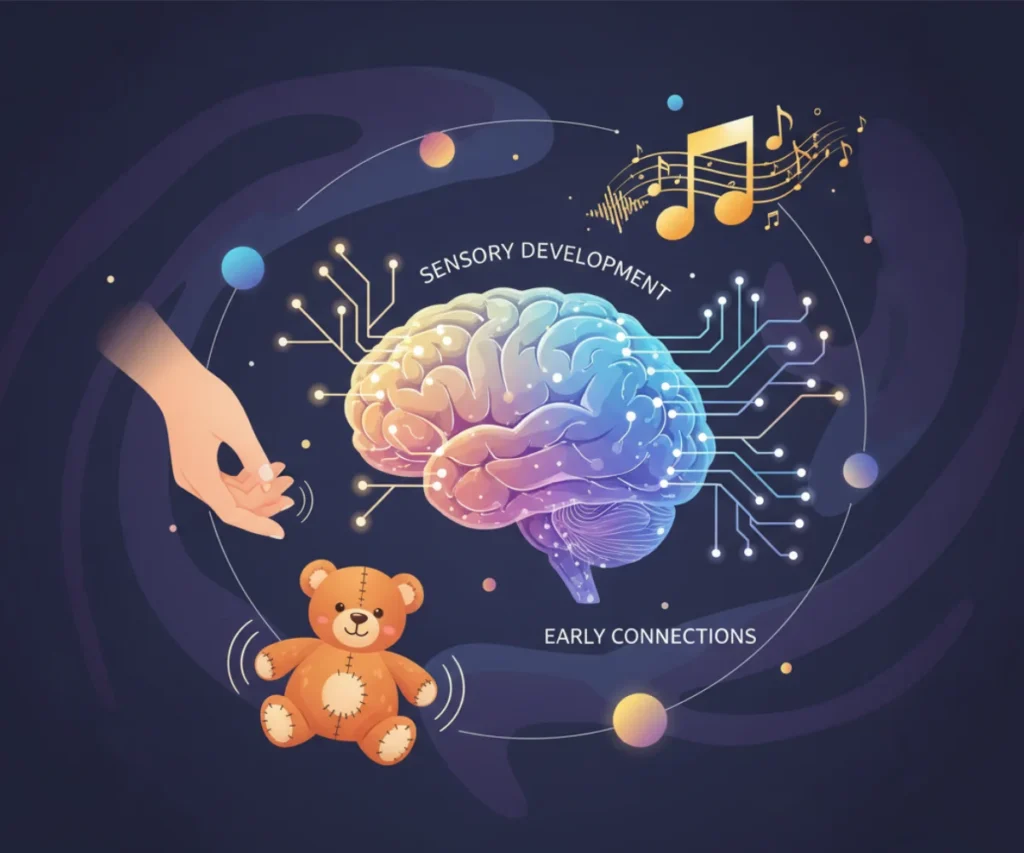
From the moment they’re born, babies’ brains are like sponges, soaking up every experience. Play stimulates their senses, helping to forge millions of new neural connections every day. This early sensory input is vital for cognitive growth, language acquisition, and problem-solving skills down the line. Each time you interact, you’re quite literally helping to wire their brain for future success.
Strengthening Your Bond and Attachment
Those tender moments of interaction—your baby reaching for your finger, smiling at your voice—are the building blocks of attachment. Play fosters trust and security, letting your baby know they are loved, safe, and seen. This secure attachment is key to their emotional well-being and forms the basis for all future relationships. It’s in these moments that your baby learns that the world is a safe and responsive place.
Developing Sensory Exploration Skills
Newborns are discovering the world through their senses. Gentle play helps them understand what they see, hear, feel, and even smell. High-contrast images, soft textures, and the sound of your voice all contribute to their sensory integration. They are learning to process the vast amount of information their new environment constantly presents, making sense of their surroundings one gentle interaction at a time.
Kicking Off Communication and Language
Long before words, babies communicate through coos, cries, gazes, and body movements. Responding to their sounds and gestures during play teaches them the back-and-forth rhythm of conversation, laying the groundwork for language. Even simple interactions like mimicking their coos or responding to their babbling are crucial steps in their linguistic journey.
Motor Skill Foundation and Body Awareness
Even seemingly passive play, like tummy time or gentle movement, helps strengthen their neck muscles, coordinate their limbs, and develop the gross and fine motor skills needed for rolling, crawling, and eventually walking. These early movements might seem small, but they are essential stepping stones for their physical development and body awareness.
Decoding Your Newborn: What 0-3 Month Babies Can Do
Before we dive into specific play ideas, let’s briefly understand what your newborn is capable of at this age. It helps us tailor our interactions to their incredible, yet tiny, world. Remembering their developmental stage allows us to offer appropriate stimulation without overwhelming them.

Limited Vision, Big Impressions
Newborns can see best at a distance of about 8-12 inches, roughly the distance from your arm to your face when holding them. They are fascinated by faces, particularly human faces, and prefer high-contrast patterns (black and white) because their color vision is still developing. Keep objects close, simple, and within their focal range to capture their attention. Their world is a blur beyond this short distance, so proximity is key.
Sensitive Hearing, Soothing Sounds
Your baby’s hearing is already quite good at birth. They are soothed by familiar sounds, like your voice, and may startle at loud noises. They particularly enjoy the rhythm and melody of human speech and singing. ‘Baby talk’ (also known as parentese)—that high-pitched, sing-song voice we naturally adopt—actually helps them learn language by emphasizing vowel sounds and exaggerated facial expressions.
Reflexes Rule Their Movements
Much of your newborn’s movement is driven by innate reflexes like the rooting, sucking, Moro (startle), and grasping reflexes. These are not conscious actions but involuntary responses that are crucial for survival. While not always ‘play’ in the traditional sense, understanding these reflexes can help you interact, for example, by gently touching their palm to elicit a grasp, which can be a fun bonding moment.
Short & Sweet Wake Windows
Newborns sleep a lot—up to 16-18 hours a day! Their wake windows are typically short, lasting only 45 minutes to an hour at a time. It’s crucial to fit play into these brief periods when they are alert, fed, and content, avoiding playtime when they’re hungry or overly tired. Pushing past their natural wake window will likely result in a fussy, overstimulated baby.
Gentle Play Ideas for Your Little One
Now that we understand their capabilities, let’s explore some wonderful, simple ways to engage and delight your newborn. Remember, consistency and presence are far more important than any specific toy or activity.

Eye Contact and Engaging Faces
Your face is your newborn’s favorite toy! They are hardwired to look at faces, especially yours. Make eye contact often, moving your face slowly from side to side to encourage their gaze to follow you. Stick out your tongue, raise your eyebrows, and make gentle, exaggerated facial expressions. Watch how they try to mimic you – it’s their earliest form of conversation!
- Mirroring Expressions: When your baby makes a small sound or facial expression, try to imitate it. This teaches them cause and effect and validates their attempts to communicate.
- Gentle Peek-a-Boo: Use your hands to cover and uncover your face while making soft sounds. This introduces the concept of object permanence in a playful way, even if they’re too young to fully grasp it.
- Singing and Smiling: Sing a gentle song while maintaining eye contact and smiling. Your warm expression and soothing voice create a powerful connection.
The Power of Your Voice
Your voice is music to your baby’s ears. They’ve been listening to it even before birth! Use it to narrate your day, describe what you’re doing, and simply talk to them. Don’t worry about sounding silly; ‘parentese’ is beneficial.
- Narrate Everything: “Mama’s changing your diaper now. Up go your legs!” or “We’re going for a walk, listen to the birds singing.” This helps them connect words to actions and build early vocabulary.
- Singing Lullabies and Nursery Rhymes: The rhythm and melody of songs are incredibly soothing and stimulating. You don’t need to be a professional singer; your baby just loves to hear your voice.
- Reading Simple Board Books: Even if they don’t understand the words, the sound of your voice, the colorful (or high-contrast) pictures, and the physical closeness during reading time are invaluable. Point to pictures and talk about them.
Tummy Time Adventures
Tummy time is vital for strengthening neck and shoulder muscles, preventing flat spots on their head, and developing gross motor skills. But it doesn’t have to be a chore! Start slow and make it fun.
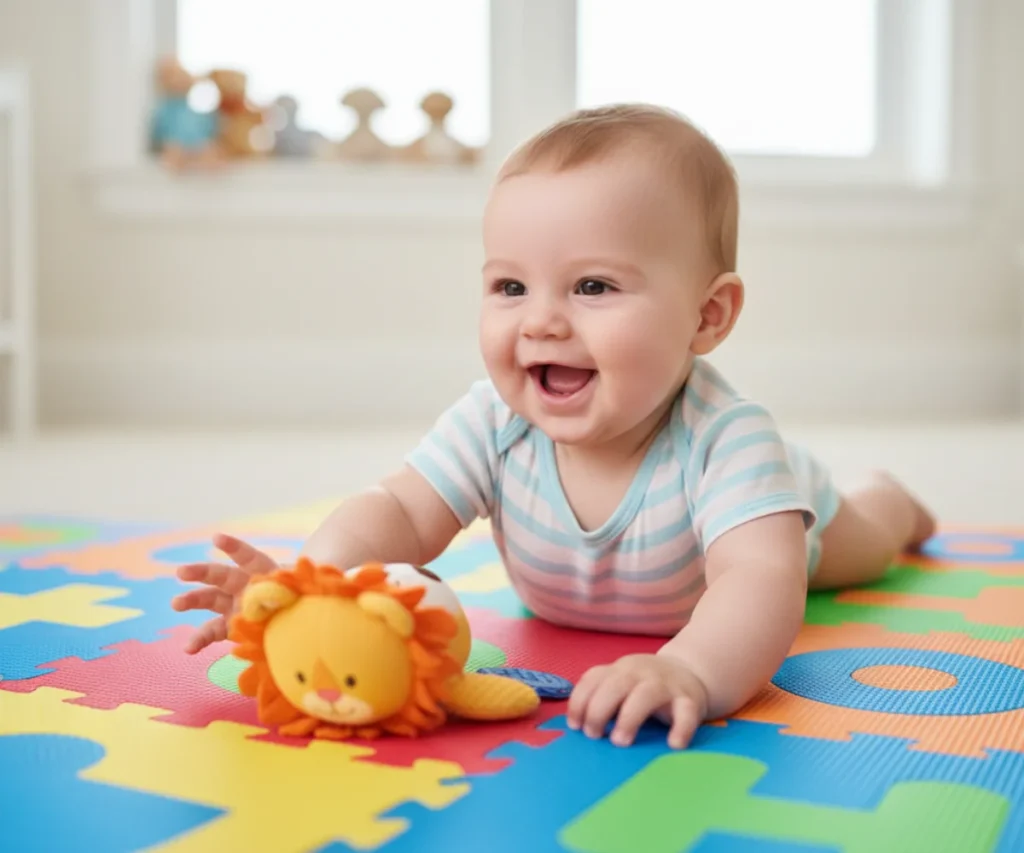
- Short and Sweet Sessions: Begin with 1-2 minutes, 2-3 times a day, and gradually increase as tolerated. It’s better to have frequent, short sessions than one long, frustrating one.
- Get Down to Their Level: Lie on the floor facing your baby, make eye contact, and talk to them. You can also place them on your chest while you recline.
- Use Engaging Props: Place high-contrast cards, an unbreakable baby-safe mirror, or a crinkly toy just out of their reach to encourage them to lift their head and engage.
- Variety of Surfaces: Try tummy time on a playmat, a firm bed (with supervision), or even across your lap.
Touch and Gentle Massage
Touch is one of the most powerful ways to communicate love and security. Gentle massage can relax your baby, improve circulation, and strengthen your bond.
- Skin-to-Skin Contact: Often called ‘kangaroo care,’ this is wonderful for both parents and babies. Hold your naked baby against your bare chest. The warmth, scent, and sound of your heartbeat are incredibly comforting.
- Gentle Strokes: Use slow, gentle strokes over their arms, legs, back, and belly (clockwise for digestion). Talk softly or sing during the massage. Always use a baby-safe oil if you wish, and ensure they are relaxed and receptive.
- Exploring Textures: Gently rub different soft fabrics (cotton, silk, velvet) against their skin, arms, and legs. Describe the textures as you go: “This is so soft,” “This feels smooth.”
Sensory Play: Sight, Sound, Touch
Engage all their developing senses with simple, age-appropriate items. Remember, less is often more to prevent overstimulation.
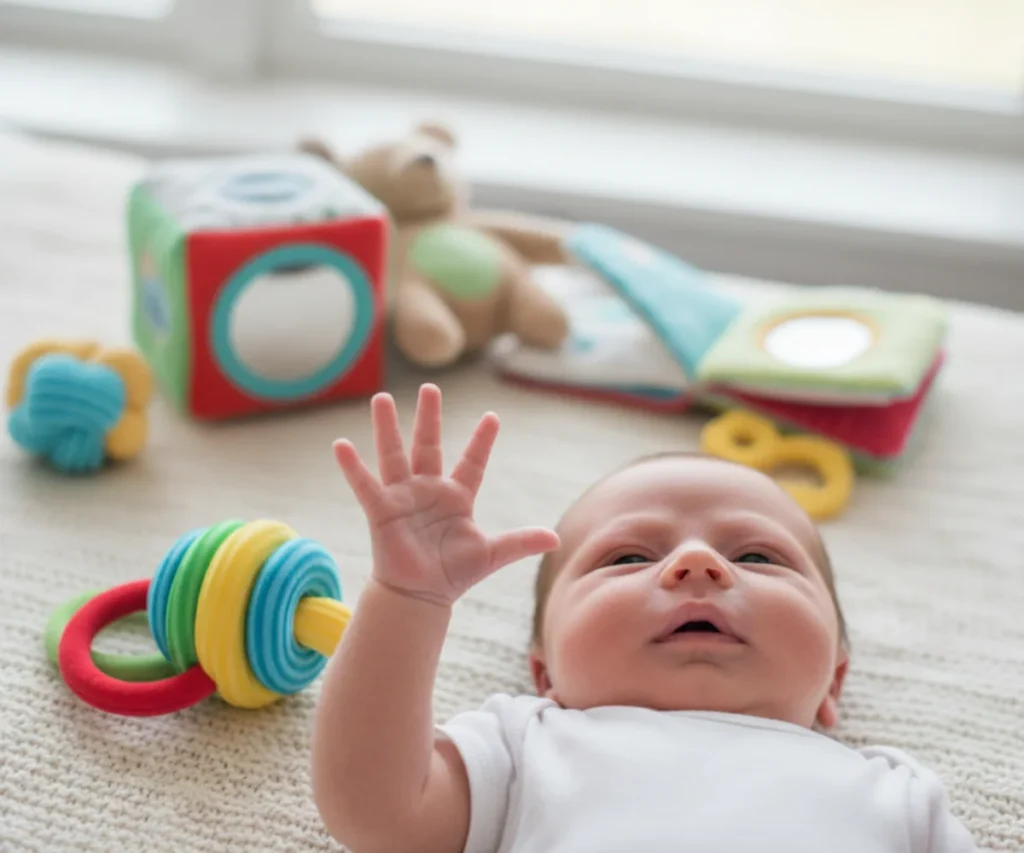
- Visual Stimulation: Hold black and white cards 8-12 inches from their face. Slowly move them from side to side. A simple mobile with high-contrast shapes placed above their crib (out of reach) can also captivate them. An unbreakable baby mirror can be fascinating as they begin to recognize reflections.
- Auditory Engagement: Shake a soft rattle gently. Sing various songs. Play quiet, soothing classical music or nature sounds. Talk about the sounds you hear together: “Do you hear the rain outside?”
- Tactile Exploration: Let them feel different textures like a soft blanket, a textured crinkle toy, or even your own smooth hand. Gently guide their hand to touch various safe objects.
Movement and Body Awareness
Babies love gentle movement, which helps them develop a sense of their body in space.
- Gentle Rocking and Swaying: Hold your baby close and gently rock or sway them. This vestibular stimulation is very comforting and helps develop their balance.
- “Bicycle Legs”: While your baby lies on their back, gently move their legs in a bicycle motion. This can help with digestion and also promote hip and knee flexibility.
- “Airplane” Rides: Carefully hold your baby securely on their belly, supporting their chest and head, and gently ‘fly’ them around the room (just a few inches off the ground). This changes their perspective and engages different muscles.
Mimicking and Responding
The earliest form of communication and a beautiful way to show your baby you understand and value their expressions.
- Echoing Sounds: When your baby coos or gurgles, make the same sound back to them. This teaches them about conversation and that their voice has an impact.
- Responding to Cues: If they kick their legs excitedly, respond with a happy voice. If they pull their arms in, give them a gentle squeeze. They learn that their actions elicit a response from you.
Creating a Nurturing Play Environment
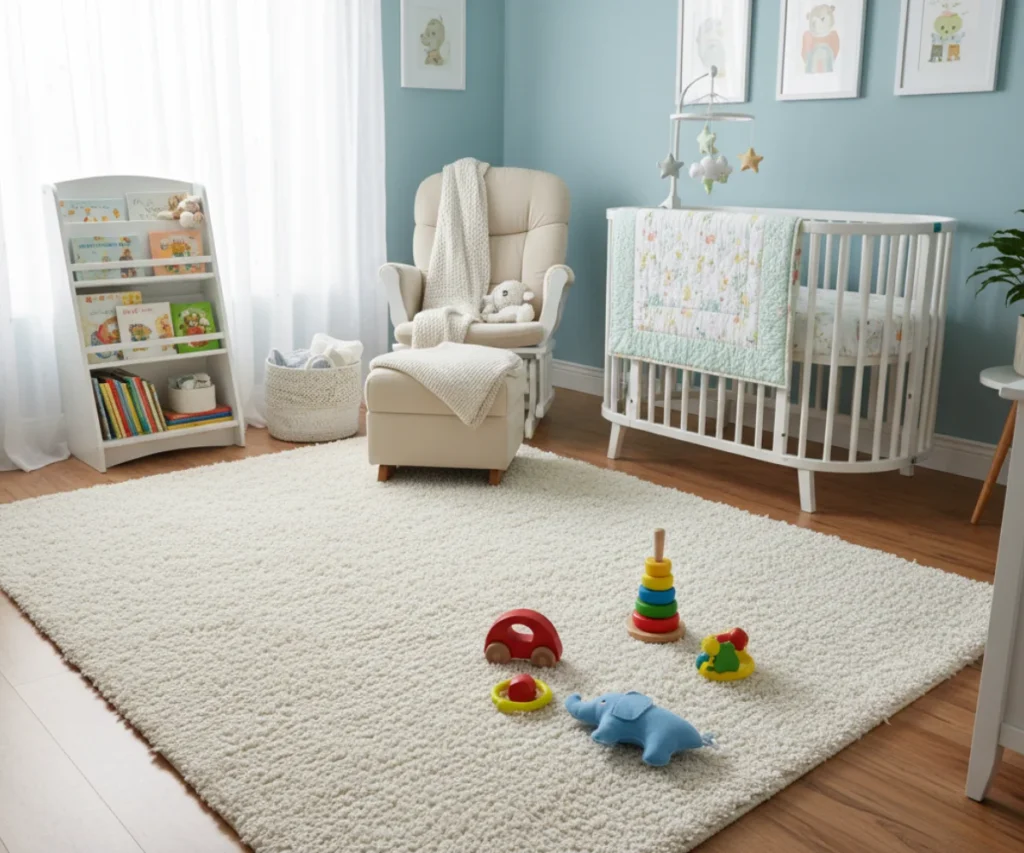
Your home doesn’t need to be a baby gym, but a few considerations can make play more effective and enjoyable for your newborn.
Safety First, Always
Ensure any play area is free from hazards. Keep small objects out of reach, supervise tummy time closely, and ensure any toys are age-appropriate and clean.
Minimalism Over Clutter
Newborns can easily get overstimulated. A few thoughtfully chosen toys or sensory items are better than a pile of overwhelming options. Rotate toys to keep things fresh without creating visual chaos.
Quiet Moments are Golden
While stimulation is good, quiet, calm moments are equally important. After active play, give your baby time to rest and integrate their new experiences in a peaceful environment.
Knowing When to Play and When to Pause
Your baby is the best guide. Learning to read their cues is crucial for successful play and preventing overstimulation.
Follow Their Lead
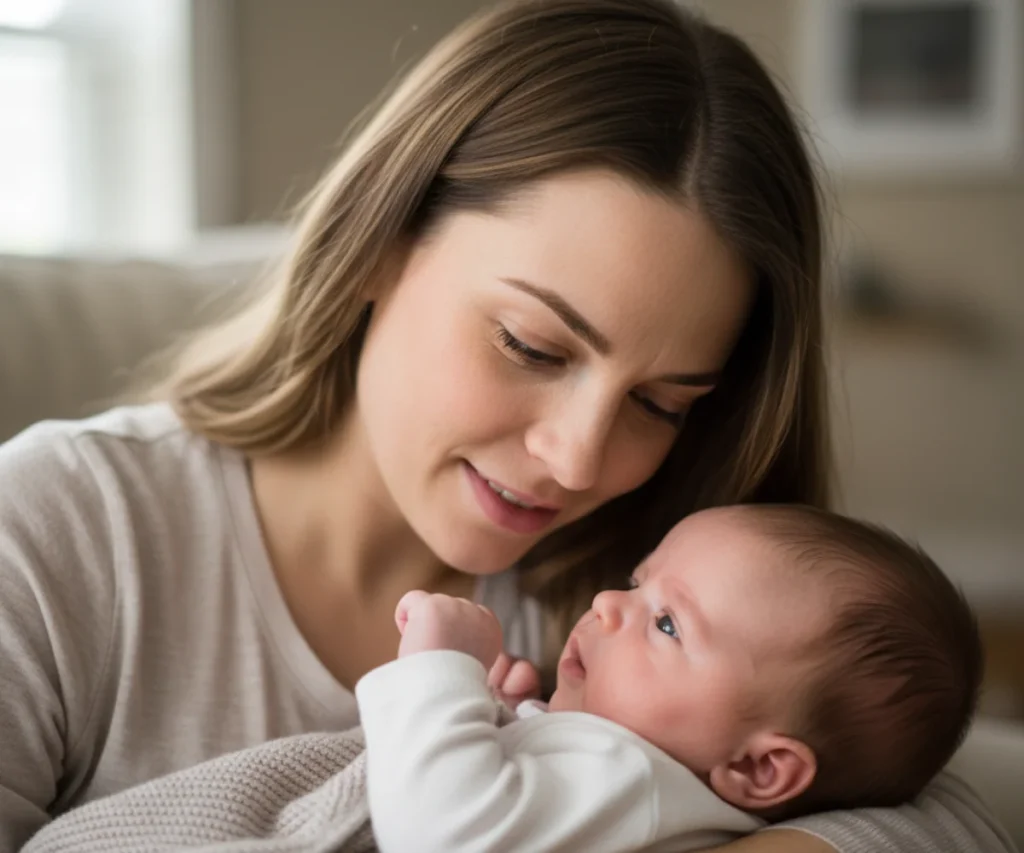
If your baby is alert, calm, and making eye contact, it’s a great time for interaction. If they’re fussing, turning away, or staring blankly, they might be tired or overstimulated and need a break.
Recognize Overstimulation Signs
Signs your baby is getting too much stimulation include turning their head away, arching their back, yawning, sneezing, hiccups, fussing, or crying. When you see these, gently end playtime and offer a quiet, calming activity like rocking or feeding.
Play Opportunities in Daily Routines
You don’t need to set aside dedicated ‘playtime’ blocks. Many of your daily interactions are perfect opportunities for connection and stimulation.
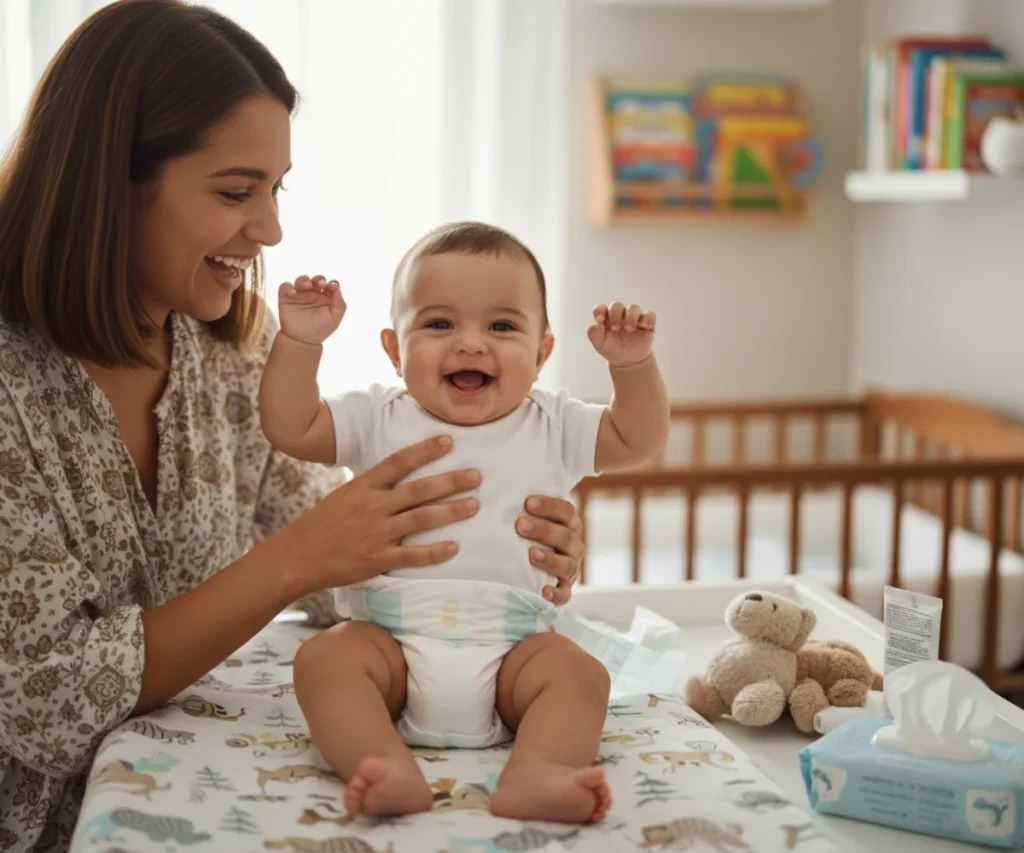
- Diaper Changes: This is a prime time for eye contact, talking, singing, and gentle leg movements. Make it a positive, interactive moment.
- Feeding Time: Whether breastfeeding or bottle-feeding, this is an intimate bonding experience. Look into your baby’s eyes, talk softly, and stroke their cheek.
- Bath Time: The warm water, gentle touch, and soft splashing sounds can be a sensory delight. Talk to your baby about the water and gently wash their little body.
Embracing Your Role as Playmate: A Parent’s Guide
Remember, you are the most important playmate your newborn will ever have. Your presence, your voice, and your loving touch are more valuable than any toy or elaborate setup.

- Trust Your Instincts: You know your baby best. Pay attention to what they enjoy and what makes them comfortable.
- Enjoy the Simplicity: There’s no need for complicated games. The simplest interactions are often the most profound for a newborn.
- No Need for Perfection: Don’t worry about ‘doing it wrong.’ Every parent is learning, and every interaction, even a quick smile, contributes to your baby’s development.
Conclusion
Playing with your newborn from 0 to 3 months is a journey of discovery, connection, and gentle joy. It’s about being present, responsive, and allowing yourself to be led by your baby’s unique cues and emerging personality. These early weeks are fleeting, so soak in every coo, every gaze, and every tiny grasp. You are not just playing; you are building the foundation of a loving relationship and nurturing a brilliant little mind. Trust your instincts, embrace the simplicity, and enjoy this incredibly special time.