Welcoming a new baby into the world is an extraordinary adventure, filled with emotions, firsts, and precious moments that feel both timeless and fleeting. In the whirlwind of labor, delivery, and those first few days, it’s easy for time to blur. Yet, these initial hours and days in the hospital are truly unique, marking the very beginning of your family’s new chapter.
While professional newborn photos often happen a few weeks later, there’s something incredibly raw and beautiful about capturing your baby’s earliest moments right there in the hospital. These aren’t about perfect poses or elaborate backdrops; they’re about authentic connection, tiny details, and the overwhelming love that fills the room.
You don’t need a fancy camera or photography skills. Your phone camera, a little natural light, and a loving eye are more than enough. This guide offers ten simple, heartfelt photo ideas to help you remember every precious detail of your baby’s hospital debut.
Why Hospital Photos are So Precious
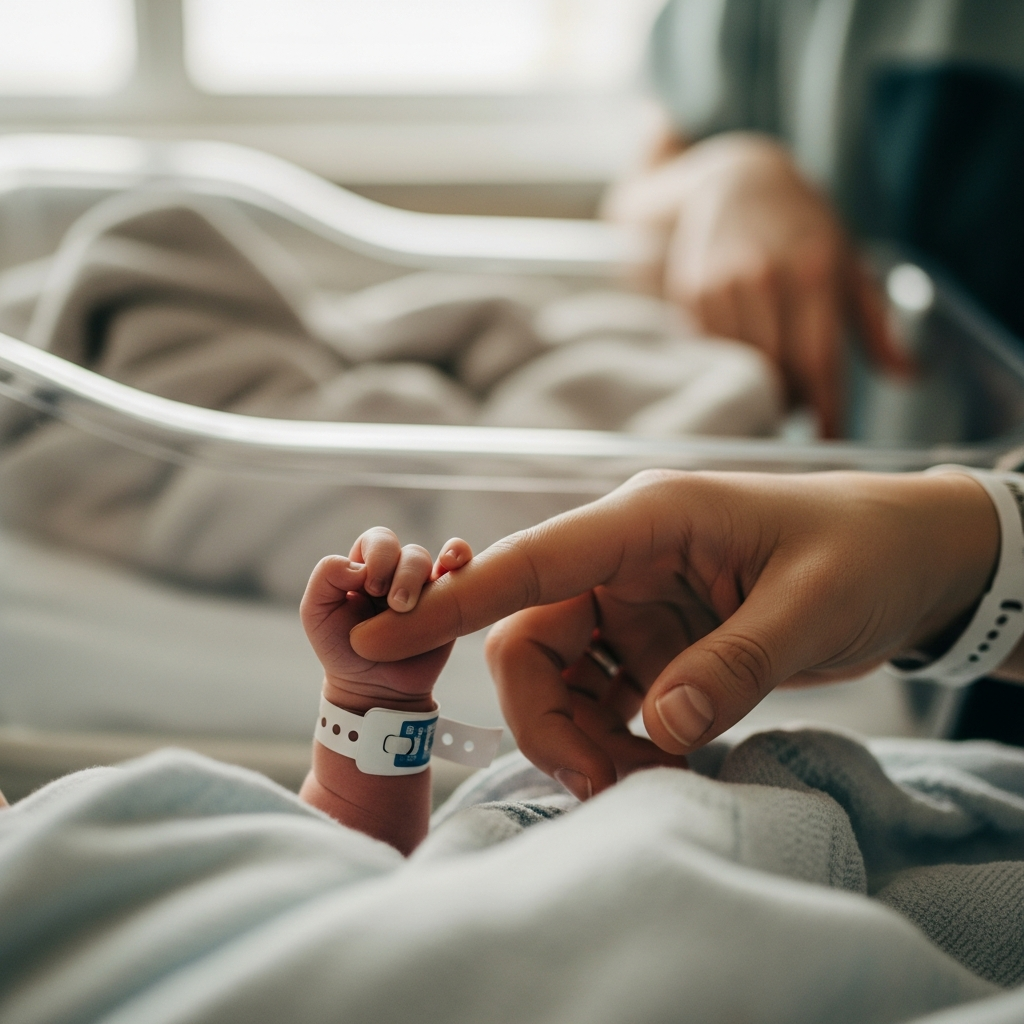
These first few photos capture a moment that will never happen again. They are often overlooked in the excitement, but they quickly become some of the most cherished memories.
Raw Emotions, Untouched Beauty
Hospital photos capture the unfiltered joy, exhaustion, and pure love of new parenthood. They show your baby in their freshest, most natural state, complete with a hospital hat, soft blankets, and that amazing newborn smell.
Firsts You Won’t Want to Forget
From the very first cuddle to a tiny yawn, these are the irreplaceable “firsts” that pass by in a blink. Having these visual reminders helps you revisit those tender beginnings years down the line.
A Unique Setting
The hospital room, while temporary, becomes a significant backdrop in your family story. It’s where your baby took their first breath, where you first held them, and where your new family officially began. Capturing elements of this setting adds to the story.
Preparing for Your Hospital Photo Session
You’ll be tired, but a little bit of foresight can make a big difference. Think of these as gentle suggestions, not strict rules.
Lighting is Key
Hospital rooms often have a window. If possible, try to take photos near it to use natural light. It’s usually the most flattering and softest light available. If natural light isn’t an option, use the room lights but try to avoid harsh overhead spots directly on your baby.
Keep it Simple
You don’t need props or complicated setups. The beauty of hospital photos is their simplicity. Focus on your baby, your connection, and the natural environment. A plain blanket or a simple white onesie can be perfect.
Ask for Help
Don’t hesitate to ask your partner, a visiting family member, or even a kind nurse to snap a few pictures for you. Sometimes, being in the moment yourself is more important than being behind the camera.
Don’t Stress About Perfection
These photos are about authenticity, not perfection. A messy background, an exhausted smile, or a baby mid-cry can all tell a beautiful, honest story. Embrace the realness.
The 10 Must-Have Hospital Newborn Photos
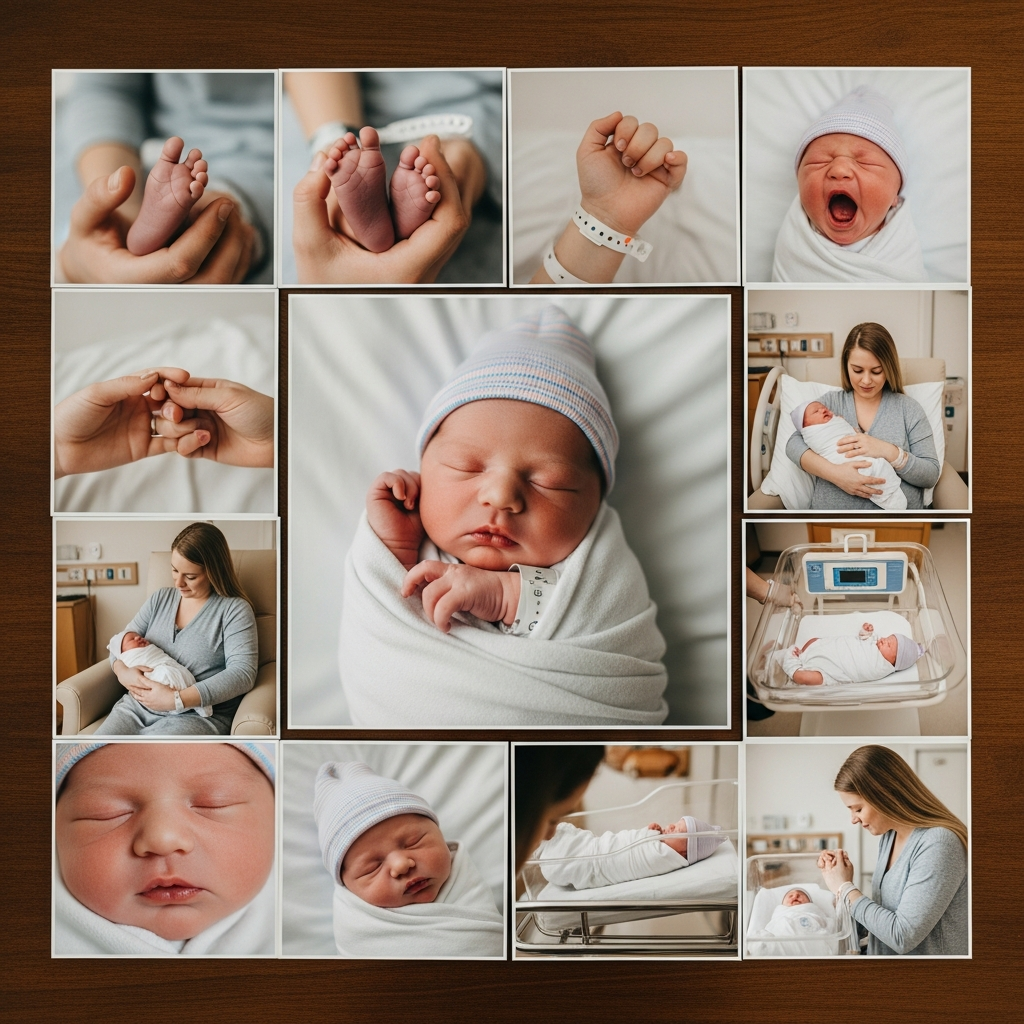
Here are ten specific moments and details you’ll be glad you captured before heading home.
1. The First Gaze
This is the moment when you or your partner are looking at your newborn for the very first time, or in those tender early hours. It’s a look of pure wonder, disbelief, and overwhelming love.
What to capture
Focus on the parents’ faces, especially their eyes, as they gaze at the baby. You can also capture the baby looking back, or simply snuggled into a parent’s arms.
Tips for success
Try to get close-ups of your faces. Catch that soft, adoring look. If you’re both looking at the baby, try to get both of your profiles in the frame with your newborn in the center.
2. Tiny Details
Newborns are full of delicate features that change so quickly. Their tiny fingers, toes, and little button nose are incredibly sweet and will grow before you know it.
What to capture
Close-up shots of individual features:
* Tiny hands grasping a finger
* Little wrinkled feet
* Fingernails or toenails
* Ears, nose, lips
* The swirl of hair on their head
Tips for success
Use your phone’s macro or zoom feature (if it has one) to get really close. Make sure there’s enough light so the details are clear. Try different angles to highlight each feature.
3. The Swaddle Snuggle
Hospital staff are experts at swaddling. Your baby will likely spend a lot of time wrapped up snugly, looking like a little burrito. This is a classic and comforting image.
What to capture
Your baby perfectly swaddled in their hospital blanket, sleeping peacefully. You can include their tiny head peeking out or just the wrapped body.
Tips for success
Capture them while they’re deeply asleep. This usually happens right after a feeding. You can gently place them in their bassinet or hold them close for the photo.
4. First Feedings
Whether it’s breastfeeding or bottle feeding, these moments are intimate, essential, and a big part of your bonding experience. They show the natural instinct of a newborn and the nurturing role of a parent.
What to capture
A natural shot of you feeding your baby. This could be a close-up of the baby’s mouth, or a wider shot showing the connection between parent and child.
Tips for success
Be discreet and respectful of the moment. Focus on the baby’s latch or the bottle, and the soft focus of the parent’s face. Natural light works beautifully here.
5. Dad’s Embrace
Dads (or partners) often have a unique way of holding a newborn, showcasing their strength and tenderness. These photos highlight the bond that forms right from the start.
What to capture
Dad holding the baby, perhaps skin-to-skin, or just cradling them gently. Focus on the size difference between Dad’s hands and the baby, or the expressions of both.
Tips for success
Encourage Dad to just relax and interact with the baby naturally. Capture moments of quiet connection, a gentle touch, or a soft smile.
6. Mom’s Touch (Skin-to-Skin)
Skin-to-skin contact is incredibly important for bonding and comfort. It’s a beautiful, tender moment that truly signifies the new beginning.
What to capture
Mom holding the baby close, ideally skin-to-skin. Capture the baby snuggled against Mom’s chest, feeling her warmth and heartbeat.
Tips for success
Focus on the baby’s back, head, and tiny hands resting on Mom. Get a shot of Mom looking down at the baby, or a profile showing their closeness.
7. Hospital Bracelet & Footprint
These are unique identifiers that mark your baby’s entry into the world. The hospital bracelet and the tiny footprint on official papers are incredible keepsakes.
What to capture
A close-up of the hospital bracelet on the baby’s tiny wrist or ankle. Also, get a clear photo of the footprint stamp on the birth certificate or any other hospital paperwork.
Tips for success
Place the baby’s bracelet on a plain background for clarity. For the footprint, make sure there’s good light and no shadows obscuring the print. You might need to take a photo of the paper after you’ve signed it.
8. The Bassinet View
The hospital bassinet is where your baby will spend their first few days. It’s a simple, iconic image of their earliest independence.
What to capture
Your baby sleeping or simply resting in their hospital bassinet. You can include a tiny arm peeking out or just their sweet face.
Tips for success
Try to get a shot from slightly above, looking down into the bassinet. You can also capture a wide shot that includes a part of the room, showing the baby’s temporary “home.”
9. The Family Welcome
This photo captures the complete picture of your new family. If you have older children visiting, this is especially precious. Even if it’s just you and your partner, this shot symbolizes your new beginning.
What to capture
All immediate family members (parents, siblings if they visit) gathered around or holding the new baby. Focus on the interactions and the combined joy.
Tips for success
Find a moment when everyone is relaxed. Encourage older siblings to gently touch or look at the baby. It’s less about perfect smiles and more about genuine connection. If it’s just parents, a simple group hug or loving gaze at the baby works beautifully.
10. The Yawn or Sneeze
Newborns make the most incredible, often hilarious, facial expressions. A wide yawn or a tiny sneeze are classic baby moments that are adorable to look back on.
What to capture
Be ready to snap a picture when you see their mouth opening wide for a yawn, or their face scrunching up for a sneeze.
Tips for success
This one requires patience and quick reflexes. Keep your camera (or phone) handy. You might even try recording a short video and then taking a screenshot of the perfect moment.
A Few More Gentle Reminders
As you navigate these first few days, remember that these photos are just one part of a much bigger, beautiful experience.
Trust Your Instincts
You know your baby best. If they’re uncomfortable or fussy, put the camera down. Their well-being and your comfort come first. The photos will happen naturally when the time is right.
Prioritize Rest
You’ve just been through an amazing journey. Rest whenever you can. Taking a few photos shouldn’t add stress to your recovery or your precious bonding time with your newborn.
These early hospital photos are more than just pictures; they’re anchors to a memory that will forever hold a special place in your heart. They’re a testament to the beginning of a magnificent love story, told through tiny details and heartfelt glances. Don’t worry about them being magazine-perfect. Worry about capturing the truth of your unique, beautiful beginning. Congratulations, new parents!