Welcoming a newborn into your life is exciting, but it can also feel overwhelming. From feeding to sleep to diaper changes, new parents often wonder: Am I doing this right? Don’t worry—this guide combines essential newborn care basics with clever hacks to help you through the early weeks.
Becoming a Parent: The Early Weeks

Those first days at home with your baby are full of learning. Expect frequent feedings, unpredictable sleep, and lots of trial and error—it’s all normal.
(Image idea: mom and dad cuddling newborn at home)
Feeding Your Newborn
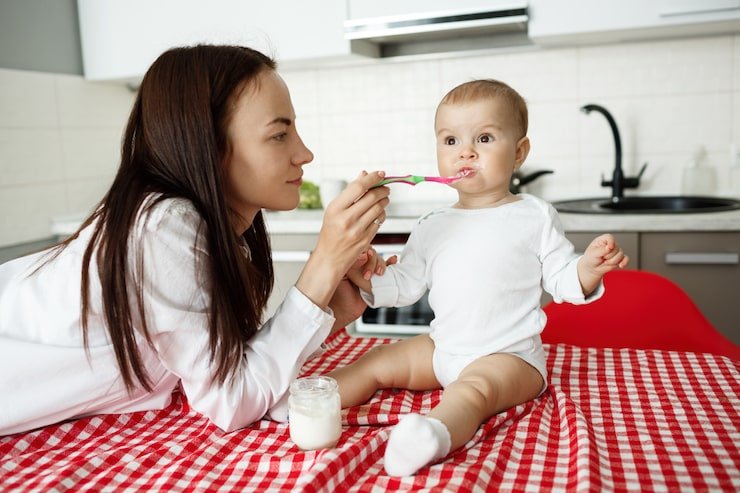
How Often Should a Newborn Feed?
Newborns usually eat every 2–3 hours, or 8–12 times in 24 hours.
Signs Baby Is Getting Enough Milk
- Steady weight gain after the first week
- 6+ wet diapers daily
- Content after feeding
Baby Feeding Hacks
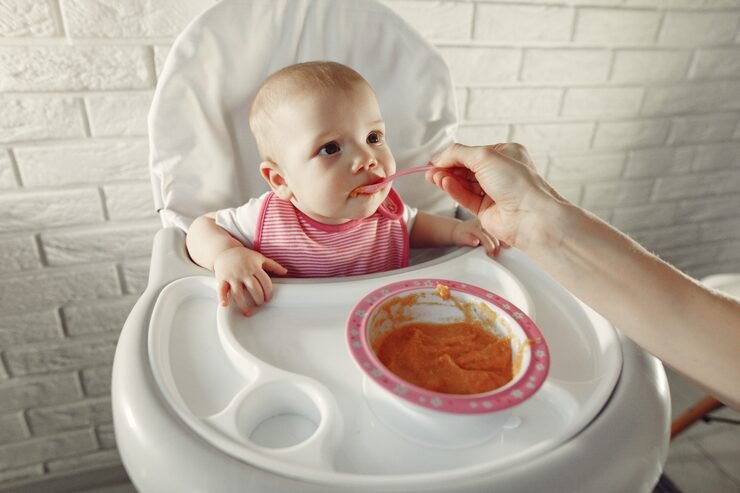
- Get Skin-to-Skin Time – Helps with bonding and milk supply.
- Introduce a Bottle Early – Even if breastfeeding, offering a bottle can make transitions smoother.
- Practice Nursing With a Cover – Builds confidence when feeding in public.
- Use a Nursing Pin – Clip it to remind yourself which side you fed from last.
(Image idea: mother breastfeeding newborn in cozy setting)
Why Newborns Cry (and How to Calm Them)
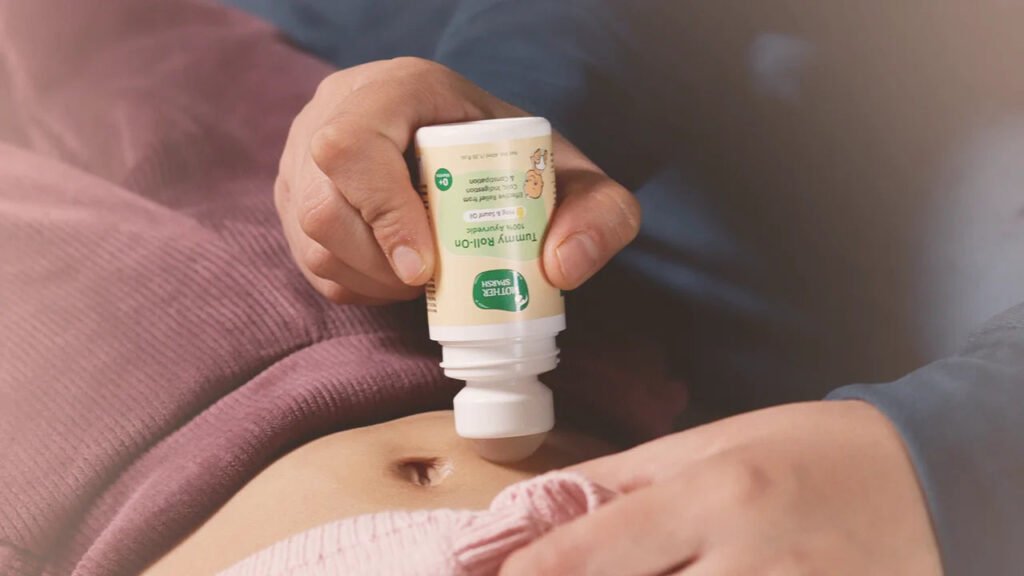
Crying is how babies communicate. Hunger, discomfort, tiredness, or needing closeness are the main causes.
Ways to Soothe a Crying Baby

- Swaddling
- White noise
- Rocking or gentle bouncing
- Offering a pacifier
- Holding skin-to-skin
(Image idea: baby wrapped in a swaddle, calm in parent’s arms)
Sleep & Comfort Tips

Newborn Sleep Patterns & Safety
- Expect 14–17 hours of sleep daily, broken into short stretches.
- Always place baby on their back to sleep in a crib or bassinet with no loose blankets.
Newborn Sleeping Hacks
- Create White Noise – Mimics the womb and helps babies settle.
- Swaddle Smart – A snug swaddle prevents startling awake.
- Use Blackout Curtains – Day/night cues help babies learn routines.
- Make It “Mom-Like” – Use warmth, smell, or closeness to soothe.
(Image idea: baby sleeping peacefully in bassinet with blackout curtains)
Diapering & Bath Time

Newborn Diapering Hacks
- Use a Clean Diaper as “Backup” – Place under during changes to catch accidents.
- Make Sure It’s Snug – Prevents leaks and blowouts.
- Avoid the Leg Lift After Feeding – To reduce spit-up.
- Master the Onesie Trick – Shoulder folds let you roll the onesie down during a blowout.
- Tackle Poop Stains – Sunlight naturally bleaches baby clothes.
Bathing Your Baby—How Often?

2–3 times per week is enough; daily baths can dry out skin.
Bathing Tips
- Use lukewarm water
- Keep baths short
- Have everything ready before starting
(Image idea: parent giving newborn a gentle sponge bath)
Common Newborn Questions
Sneezing & Hiccups: Normal or Not?
Yes, both are normal and usually harmless.
When Can Babies Have Water?
Not before 6 months—breastmilk or formula is all they need.
How to Burp a Newborn
- Over the shoulder
- Sitting upright with chin support
- Face-down on your lap
Peeling Skin & Rashes: What’s Normal?
Mild peeling, baby acne, or rashes are common in the first weeks. Usually they clear up on their own.
Self-Care for Parents

Taking care of a newborn is demanding—don’t forget yourself.
- Sleep When Baby Sleeps
- Accept Help – Let friends or family cook or clean.
- Let Some Things Go – A messy house is normal.
- Be Patient With Yourself – Parenting is a learning process.
- Take Time for You – Even a short shower or walk helps.
(Image idea: mom sipping tea while baby naps nearby)
Simple Daily Routine Tips for Parents

- Create a loose schedule, but stay flexible.
- Keep essentials (diapers, wipes, burp cloths) in multiple spots.
- Prepare a night feeding station with water, snacks, and diapers.
Final Thoughts
Every baby is different, and so is every parent’s journey. By combining newborn care basics with smart hacks, you’ll gain confidence, save time, and enjoy more of those precious newborn snuggles.