Regenerate Image
There are few things in this world as uniquely captivating as the scent of a newborn baby. It’s a gentle, sweet, almost indescribable aroma that instantly calms and brings a rush of pure love. For new parents, it’s often one of the most cherished sensory experiences, a smell that can make even the most sleep-deprived moments feel incredibly special.
But what exactly *is* this magical “new baby smell”? Is it just the laundry detergent, or is there something more profound going on? As it turns out, there’s quite a bit of fascinating science and evolutionary wisdom behind this irresistible fragrance. Let’s explore the truth about this precious scent and why it holds such a powerful place in our hearts.
What Exactly Is That “New Baby Smell”?

That distinct newborn scent is more than just a pleasant aroma; it’s a complex blend of elements unique to a brand-new human. It’s not something you can bottle and sell, though many have tried to replicate its essence. This special fragrance is often described as sweet, clean, milky, and simply “baby.”
It’s a combination of natural secretions, metabolic processes, and residual elements from their time in the womb. This makes each baby’s scent truly their own, a unique signature that parents quickly learn to recognize and adore.
The Science Behind the Sweet Scent
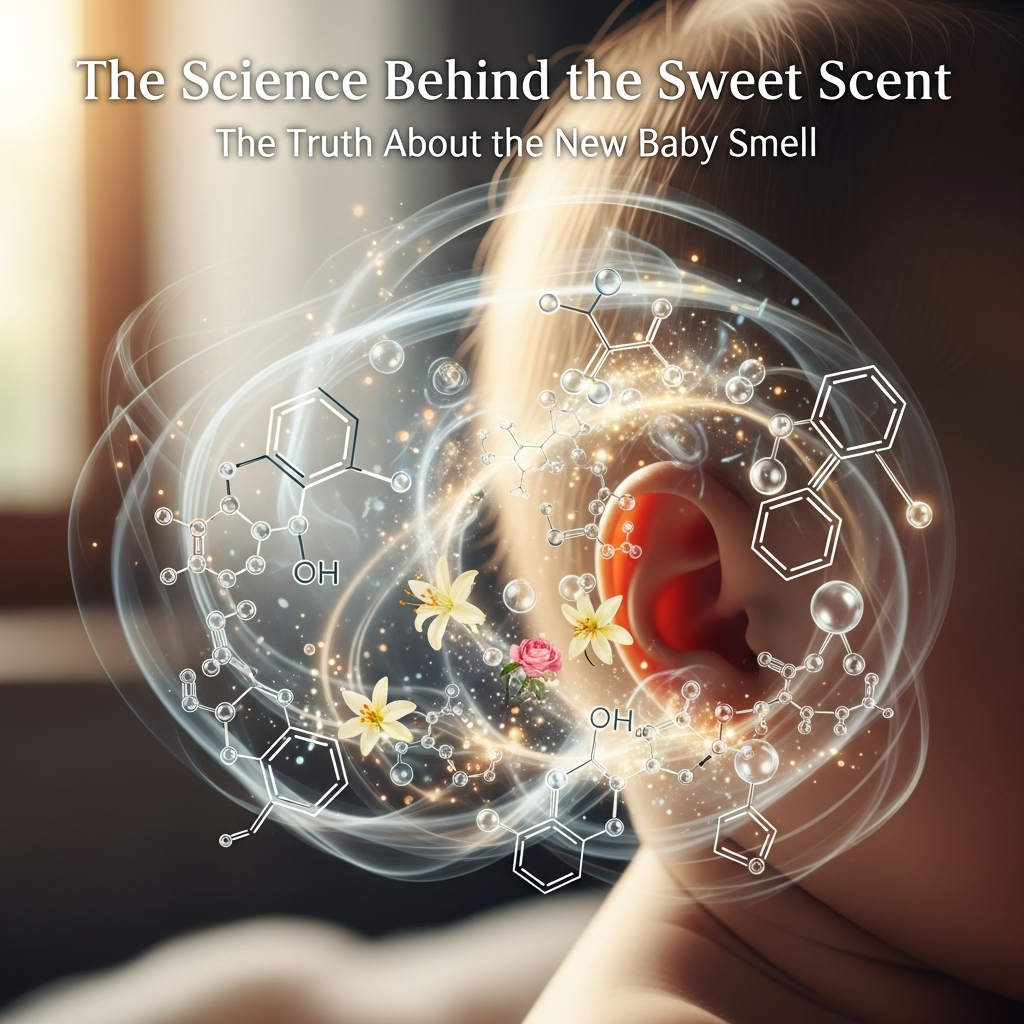
While the exact chemical composition of the new baby smell is still a topic of ongoing research, scientists have identified several key contributors. It’s a biological cocktail designed to aid in bonding and survival.
Vernix Caseosa: The Birthing Barrier
One of the primary contributors to that initial newborn smell is called vernix caseosa. This is the white, waxy, creamy substance that often covers a baby’s skin at birth.
Vernix serves several crucial purposes:
* Protection in the Womb: It protects the baby’s skin from the amniotic fluid.
* Lubrication for Birth: It helps the baby slide through the birth canal.
* Post-Birth Benefits: It acts as a natural moisturizer and has antibacterial properties.
When a baby is born, some of this vernix often remains on their skin, and its unique scent contributes significantly to that early newborn fragrance. Babies born prematurely may have more vernix, while those born post-term might have less.
Breast Milk and Baby’s Diet
A baby’s diet also plays a crucial role in their scent. For breastfed babies, the smell of breast milk often lingers on their skin, in their breath, and even on their clothes.
* Digestion Byproducts: As babies digest milk, their bodies produce certain metabolic byproducts that can contribute to their unique scent.
* Milk Residue: Tiny amounts of milk can remain on their faces, in neck folds, or when they spit up, adding to the overall “milky” fragrance.
This smell is often linked to feelings of comfort and nourishment, reinforcing the bond between parent and child.
Secretions from Baby’s Skin Glands
Babies, like adults, have various glands on their skin that produce secretions.
* Sweat Glands: Although not as active as an adult’s, a baby’s sweat glands contribute to their overall skin scent.
* Sebaceous Glands: These glands produce sebum, an oily substance that helps moisturize the skin. The unique combination of these natural oils and sweat creates a personalized body odor, albeit a very mild and pleasant one in newborns.
It’s a delicate balance of these natural processes that create the distinct smell we love.
Environmental Factors and Product Scents (A Minor Contributor)
While the core of the new baby smell is biological, external factors can also subtly influence it.
* Baby Products: Gentle, fragrance-free baby washes, lotions, and laundry detergents used on baby clothes can add a subtle layer to their natural scent. However, most parents find that even with these products, the natural baby smell shines through.
* Parent’s Scent: Close contact with parents means a baby’s scent can also mingle with the familiar smell of their primary caregivers, creating a comforting blend.
It’s important to remember that the natural, biological scent is the strongest and most evocative part.
Mama’s Influence: A Familiar Comfort
There’s a beautiful interplay between a mother’s scent and her baby’s. Through skin-to-skin contact, a shared microbiome, and even the remnants of amniotic fluid, a baby’s initial scent can carry subtle notes of their mother. This familiar aroma provides comfort and security to the newborn and further strengthens the bond.
Why Is This Smell So Powerful and Appealing?
It’s no accident that the new baby smell is so intoxicating. Evolution has designed this scent to be incredibly appealing, serving crucial purposes for both parents and baby.
The Bonding Hormone: Oxytocin
The new baby smell is a potent trigger for the release of oxytocin in parents, especially mothers. Oxytocin is often called the “love hormone” or “bonding hormone.”
* Emotional Connection: When you smell your baby, your brain releases oxytocin, which fosters feelings of love, attachment, and protectiveness.
* Caregiving Drive: This hormonal rush encourages parents to nurture, protect, and care for their vulnerable newborn.
It’s a powerful biological mechanism that ensures strong parental devotion right from the start.
Survival Instincts
From an evolutionary perspective, the appealing scent of a newborn is vital for their survival.
* Attracting Caregivers: Babies are entirely dependent on their parents. Their irresistible smell helps to draw caregivers close and reinforces the instinct to keep them safe and fed.
* Distinguishing Offspring: The unique scent also helps parents differentiate their baby from others, a subtle but important recognition mechanism.
It’s a natural strategy to ensure the species continues to thrive.
Memory and Emotion
Scents are incredibly powerful triggers for memory and emotion. The olfactory bulb, which processes smells, is directly connected to the brain’s limbic system, where emotions and memories are processed.
* Lasting Impressions: The scent of your baby creates deep, lasting memories that you’ll carry with you long after they’ve grown.
* Emotional Recall: Years later, catching a faint whiff of something similar can instantly transport you back to those precious newborn days, evoking strong feelings of nostalgia and love.
How Long Does the New Baby Smell Last?

Sadly, like all fleeting treasures, the intense “new baby smell” doesn’t last forever. It’s typically most potent during the first few weeks of life, gradually fading as your baby grows.
* Peak Period: The first few weeks after birth are when the smell is strongest, largely due to the vernix caseosa and the initial metabolic processes.
* Gradual Fading: As your baby gets older, their diet changes, their skin matures, and they start interacting more with the environment, their unique scent will naturally evolve.
* General Timeframe: Most parents report the distinct newborn smell lasting for a few weeks to a few months. By the time they’re toddlers, the specific newborn scent is usually gone, replaced by their own growing “kid” smell.
It’s a gentle reminder to savor every moment of this special time.
Cherishing the Scent: Practical Tips for Parents

Knowing how quickly this precious scent fades makes it even more important to appreciate it while it’s here. Here are some simple ways to cherish this unique aspect of your newborn.
Skin-to-Skin Contact
One of the best ways to immerse yourself in your baby’s scent and deepen your bond is through skin-to-skin contact.
* Holding Close: Cuddle your baby against your bare chest. This maximizes their scent exposure and allows you to breathe in their natural aroma.
* Kangaroo Care: This method is not only wonderful for bonding but also for regulating baby’s temperature and heart rate.
Minimal Intervention
Resist the urge to over-bathe your newborn or use heavily fragranced products.
* Gentle Baths: In the early weeks, babies don’t need daily baths. A sponge bath every few days is often enough. When you do bathe them, use warm water and only very mild, unscented baby washes.
* Fragrance-Free Products: Choose laundry detergents, lotions, and wipes that are fragrance-free to allow your baby’s natural scent to shine through.
* Avoid Strong Perfumes: Try to avoid wearing strong perfumes or colognes yourself, as these can mask your baby’s natural smell and be irritating to their sensitive noses.
Just Be Present
In the whirlwind of newborn care, it’s easy to rush through moments. Take a deliberate pause to simply be present.
* Mindful Sniffing: When you’re holding your baby, consciously take a moment to breathe in their scent. Notice its sweetness, its unique qualities.
* Create Scent Memories: These quiet moments of sensory connection will become some of your most cherished memories.
When the Smell Changes: What to Know
As your baby grows, their smell will naturally change and evolve. This is a normal part of development. However, it’s also helpful to know when a change in smell might indicate something else is going on.
Natural Evolution of Scent
As your baby matures, several factors will contribute to their changing aroma:
* Dietary Shifts: Once they start solids, their metabolism and waste products will change, altering their scent.
* Increased Activity: More movement means different sweat patterns and exposure to more environmental elements.
* Skin Maturation: Their skin’s natural balance of oils and microbes will continue to develop.
The fresh, sweet newborn smell will be replaced by the distinct scent of a growing baby, which is also lovely in its own way.
Signs of a Different Smell to Watch For
While a natural evolution is normal, some smells might warrant a closer look. Trust your instincts as a parent.
* Foul or Sour Smells: If your baby develops an unusually sour, yeasty, or foul smell, particularly in skin folds (neck, armpits, diaper area) or around their mouth, it could indicate an issue.
* Areas of Concern:
* Diaper Area: A very strong, unusual smell in the diaper could point to a diaper rash, yeast infection, or changes in stool due.
* Skin Folds: Redness and a strong smell in neck folds or armpits might indicate a yeast or bacterial skin infection, especially if moisture gets trapped.
* Mouth: A very sour breath could be a sign of thrush (a common yeast infection in babies) or reflux.
* Ears: If you notice a distinct smell coming from behind your baby’s ears or from the ear canal, it could be a sign of infection.
When to Consult a Doctor: If you notice a persistent, unusual, or unpleasant smell accompanied by other symptoms like fever, redness, irritability, poor feeding, or rash, it’s always best to contact your pediatrician. They can help identify the cause and recommend appropriate care. Most of the time, these issues are minor and easily treated, but it’s good to be aware.
The Lasting Impact of a Fleeting Fragrance
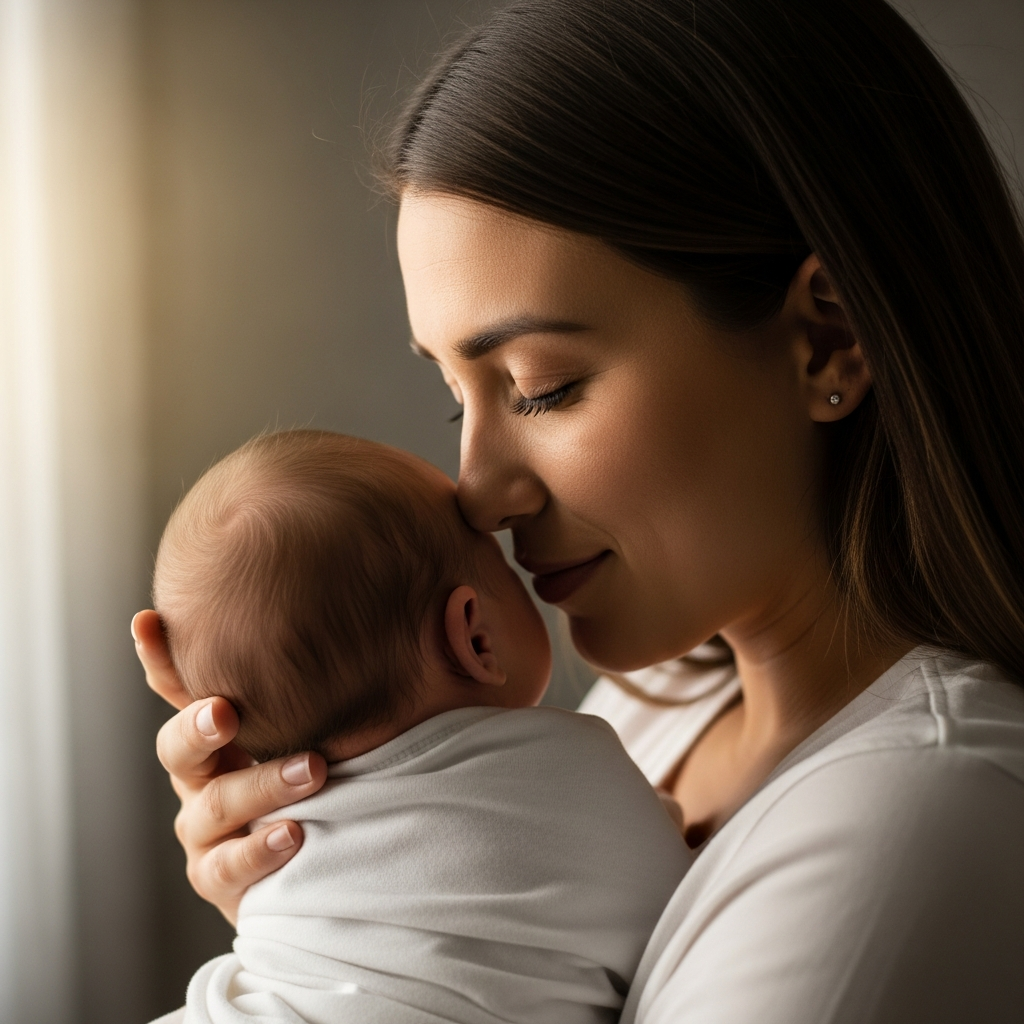
The new baby smell is more than just a pleasant aroma; it’s a powerful sensory anchor that deeply connects parents to their newborns. It’s a biological marvel that reinforces love, encourages care, and creates unbreakable bonds. Though it fades far too quickly, the memories and emotions it evokes will last a lifetime.
So, take a moment today, if you have a little one near, to breathe in that magical scent. It’s a precious gift, a reminder of new beginnings, and a testament to the incredible power of parental love.