Bringing a new baby into your life is a journey filled with so much love, joy, and a fair bit of worry. Among the many things new parents think about, taking care of that incredibly soft, delicate baby skin often ranks high on the list. You want to give your little one the best, and that usually means choosing products that are gentle, safe, and free from harsh chemicals.
Baby skin is wonderfully soft, but it’s also much thinner and more sensitive than adult skin. It’s more prone to dryness, irritation, and can absorb substances more easily. This is why many parents are turning towards natural skincare options, seeking ingredients that come straight from nature and are known for their soothing and protective qualities.
Choosing natural products can feel a bit overwhelming with so many options available. But don’t worry, we’re here to help you navigate this gentle world. In this article, we’ll explore seven natural skincare products that can help keep your baby’s skin healthy, happy, and well-protected.
Why Baby Skin Needs Special Care
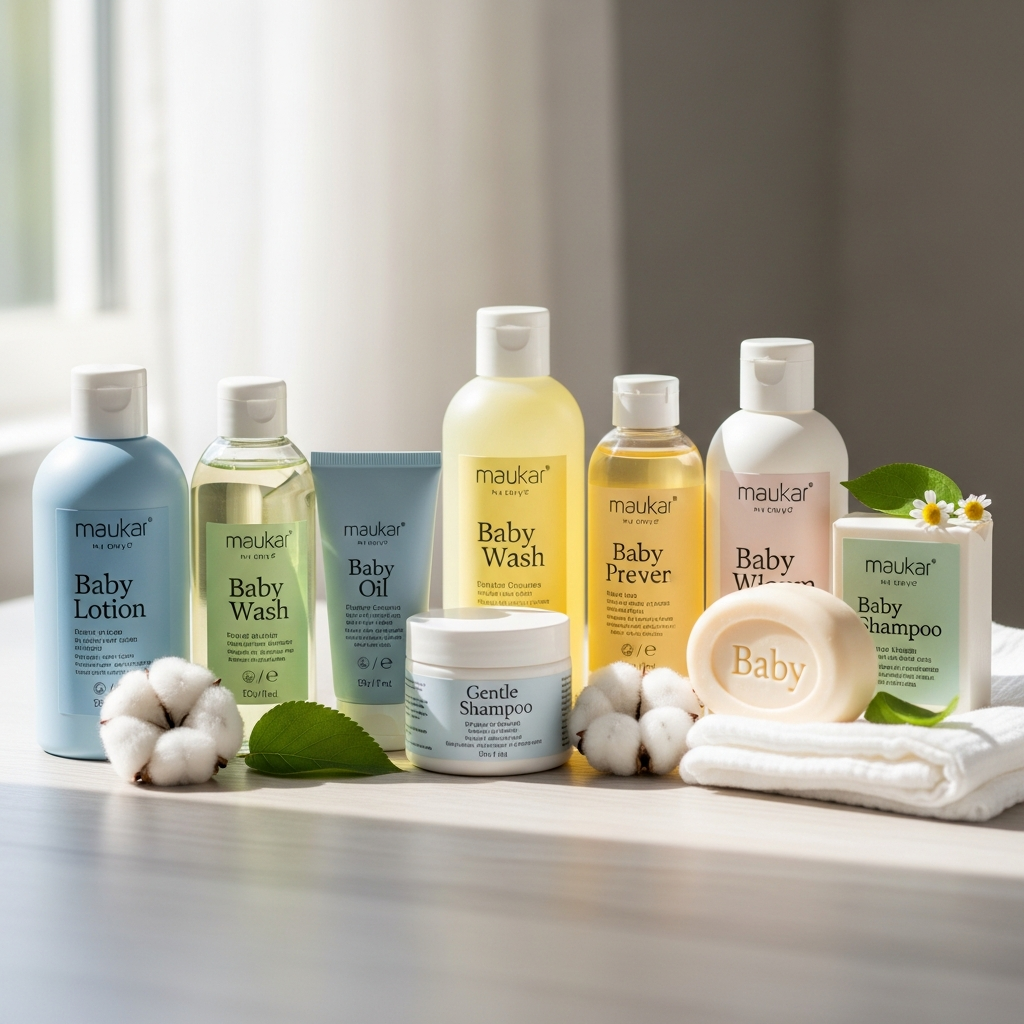
Before we dive into product recommendations, it’s helpful to understand just how unique baby skin truly is. It’s not just a smaller version of adult skin; it has its own distinct characteristics that make it more vulnerable.
A baby’s skin barrier, which is its protective outer layer, isn’t fully developed until they are about a year old. This means their skin loses moisture more quickly and is less effective at keeping out irritants and allergens. Because of this, anything you put on your baby’s skin has a more direct impact.
Natural ingredients, often derived from plants, tend to be gentler and less likely to cause irritation for sensitive skin. They work with the skin’s natural processes, rather than disrupting them. Opting for natural choices is a loving way to support your baby’s delicate skin as it grows and strengthens.
What to Look For (and Avoid) in Baby Skincare

When you’re standing in the baby aisle, reading labels can feel like deciphering a secret code. Knowing what ingredients are beneficial and which ones to steer clear of can make all the difference.
Key Ingredients to Seek Out
Focus on products with a short ingredient list and ones you can easily recognize. Nature offers a wonderful pantry of skin-loving ingredients.
* Plant-based oils: Look for oils like jojoba oil, sunflower seed oil, coconut oil, and sweet almond oil. These are excellent for moisturizing and creating a gentle barrier.
* Natural butters: Shea butter and cocoa butter are deeply nourishing and help to lock in moisture, making them great for dry patches.
* Soothing extracts: Ingredients like calendula extract, chamomile extract, and colloidal oatmeal are well-known for their calming and anti-inflammatory properties.
* Vegetable glycerin: A gentle humectant that draws moisture into the skin without being harsh.
* Zinc oxide: A mineral that provides a physical barrier and helps to soothe irritated skin, often found in diaper creams and sunscreens.
Ingredients to Avoid
Just as important as knowing what to look for is knowing what to avoid. Many common skincare ingredients can be harsh on a baby’s developing skin.
* Artificial fragrances and perfumes: These are common irritants and can cause allergic reactions. Opt for unscented products or those naturally scented with gentle plant extracts.
* Dyes: Artificial colors offer no benefit to the skin and can be a source of irritation.
* Parabens: Preservatives sometimes linked to hormone disruption. Look for “paraben-free” labels.
* Phthalates: Chemicals often found in plastics and fragrances, which are also linked to developmental concerns.
* Sulfates (SLS/SLES): Harsh detergents that can strip the skin of its natural oils, leading to dryness and irritation.
* **Harsh alcohols:** Can be very drying to delicate skin.
* Petroleum-based ingredients: While often used as a barrier, some parents prefer plant-based alternatives like beeswax or shea butter for a more natural approach.
* Strong essential oils: While natural, some essential oils can be too potent for baby skin and may cause sensitization or irritation. If used, they should be highly diluted and chosen with caution.
Our Top 7 Natural Skincare Products for Babies

Now, let’s explore the seven natural skincare products that every parent might consider for their baby’s delicate skin. These items are chosen for their gentle nature and effectiveness in addressing common baby skin needs.
1. Natural Baby Wash/Shampoo
Bath time is a special bonding experience, but the wrong wash can strip your baby’s skin of its natural moisture. A natural baby wash and shampoo are designed to cleanse gently without causing dryness or irritation.
Why it’s good for baby skin
These washes often use plant-derived cleansers that create a mild lather, avoiding harsh sulfates. Ingredients like oat, calendula, or chamomile provide extra soothing benefits. They clean effectively while preserving the skin’s natural protective barrier.
How to use it
A tiny amount is usually all you need. Dispense a small drop into your hand or a washcloth, gently lather, and wash your baby’s body and hair. Rinse thoroughly with lukewarm water. Remember, quick baths are best for newborns to prevent drying out their skin.
2. Pure Moisturizing Cream/Lotion
After a bath, or anytime your baby’s skin feels a bit dry, a good moisturizer is key. Natural creams and lotions provide essential hydration and help reinforce the skin’s barrier.
Why it’s good for baby skin
These products are rich in natural emollients like shea butter, cocoa butter, or plant oils such as jojoba or sunflower oil. They help seal in moisture, keeping the skin soft and supple. Look for formulations that are thick enough to provide lasting hydration but absorb easily.
How to use it
Gently massage a thin layer onto your baby’s skin immediately after bathing, while their skin is still slightly damp. This helps to lock in moisture. Pay special attention to areas prone to dryness, like elbows and knees.
3. Gentle Diaper Rash Cream
Diaper rash is a common challenge for many babies, causing discomfort and redness. A natural diaper rash cream can offer both protection and soothing relief.
Why it’s good for baby skin
Many natural diaper creams use non-nano zinc oxide as their primary active ingredient. Zinc oxide creates a protective barrier on the skin, shielding it from wetness and irritants. It also has mild astringent and antiseptic properties. Other natural additions like calendula, beeswax, and lanolin (if ethically sourced) can further soothe and protect.
How to use it
Apply a thin, even layer of cream to your baby’s clean, dry bottom with every diaper change. Make sure to cover any areas that look red or irritated. Frequent diaper changes are also crucial to prevent and heal rashes.
4. Pure Baby Oil (Massage Oil)
Baby massage is a wonderful way to bond with your little one and can help them relax and sleep better. Using a pure, natural baby oil makes the experience even more delightful and nourishing for their skin.
Why it’s good for baby skin
Oils like sweet almond oil, sunflower oil, or jojoba oil are lightweight, easily absorbed, and excellent moisturizers. They help to keep the skin soft and can improve its elasticity. These oils are typically free from mineral oil, which is petroleum-derived and preferred by some parents to avoid.
How to use it
Warm a small amount of oil between your hands before applying it to your baby’s skin. Use gentle, slow strokes to massage their body. It’s best done after a bath or before bedtime. If you use sweet almond oil, ensure your baby does not have a nut allergy, or choose a nut-free alternative like sunflower oil.
5. Soothing Baby Balm (for Dry Patches/Eczema-prone Skin)
Sometimes, a regular lotion isn’t quite enough for very dry patches or areas prone to eczema. A rich, soothing baby balm provides more intensive hydration and protection.
Why it’s good for baby skin
These balms often contain a higher concentration of protective and emollient ingredients like shea butter, beeswax, and colloidal oatmeal. Colloidal oatmeal is especially known for its ability to relieve itching and irritation associated with dry skin and eczema. These ingredients create a thicker barrier, offering more prolonged relief.
How to use it
Dab a small amount of balm onto specific dry or irritated areas, such as cheeks, elbows, or behind the knees. You can use it as needed throughout the day. It’s a great addition to your routine if your baby has very sensitive or reactive skin.
6. Natural Sunscreen (Mineral-based)
While babies under six months should generally be kept out of direct sunlight, for older babies (and when unavoidable for younger ones, after consulting your pediatrician), a natural sunscreen is important for protection.
Why it’s good for baby skin
Mineral sunscreens use zinc oxide and/or titanium dioxide as their active ingredients. These minerals sit on top of the skin and physically block UV rays, rather than being absorbed into the skin like chemical sunscreens. This makes them a safer choice for sensitive baby skin.
How to use it
For babies six months and older, apply a generous layer of mineral sunscreen to all exposed skin about 15-30 minutes before going outside. Reapply every two hours, or more often if sweating or swimming. Remember, sunscreen is just one part of sun safety; seeking shade and protective clothing are also vital.
7. Cornstarch or Arrowroot Powder (as an alternative to talc)
Baby powder can be helpful for absorbing moisture and preventing chafing in skin folds. However, many parents prefer to avoid talc-based powders due to concerns about inhalation. Natural alternatives offer a safer choice.
Why it’s good for baby skin
Cornstarch and arrowroot powder are natural, food-grade powders that effectively absorb excess moisture, helping to keep skin folds dry and prevent irritation. They are biodegradable and generally considered safer for topical use than talc.
How to use it
Sprinkle a very small amount of powder into your hand, away from your baby’s face, then gently pat it onto clean, dry skin folds (neck, armpits, groin). Avoid applying it directly to your baby, as the fine particles can be inhaled.
Patch Testing: A Gentle Reminder

Even with the most natural and gentle products, every baby’s skin is unique. What works wonderfully for one might cause a reaction in another. That’s why patch testing is always a good idea before introducing any new product into your baby’s routine.
To patch test, apply a tiny amount of the product to a small, discreet area of your baby’s skin, such as behind the ear or on a small patch of their thigh. Wait 24 hours to observe for any redness, rash, or irritation. If no reaction occurs, it’s generally safe to use more broadly.
When to Talk to Your Pediatrician

While natural skincare products are often a safe and gentle choice, they are not a cure-all. If your baby experiences persistent rashes, severe dryness, redness, or signs of an allergic reaction (like swelling or widespread hives), it’s important to consult your pediatrician.
They can help diagnose the issue and recommend appropriate treatment. Sometimes, a “natural” ingredient, like an essential oil, might still be an allergen for certain individuals. Always trust your instincts as a parent, and don’t hesitate to seek professional medical advice.
A Gentle Touch for Tender Skin
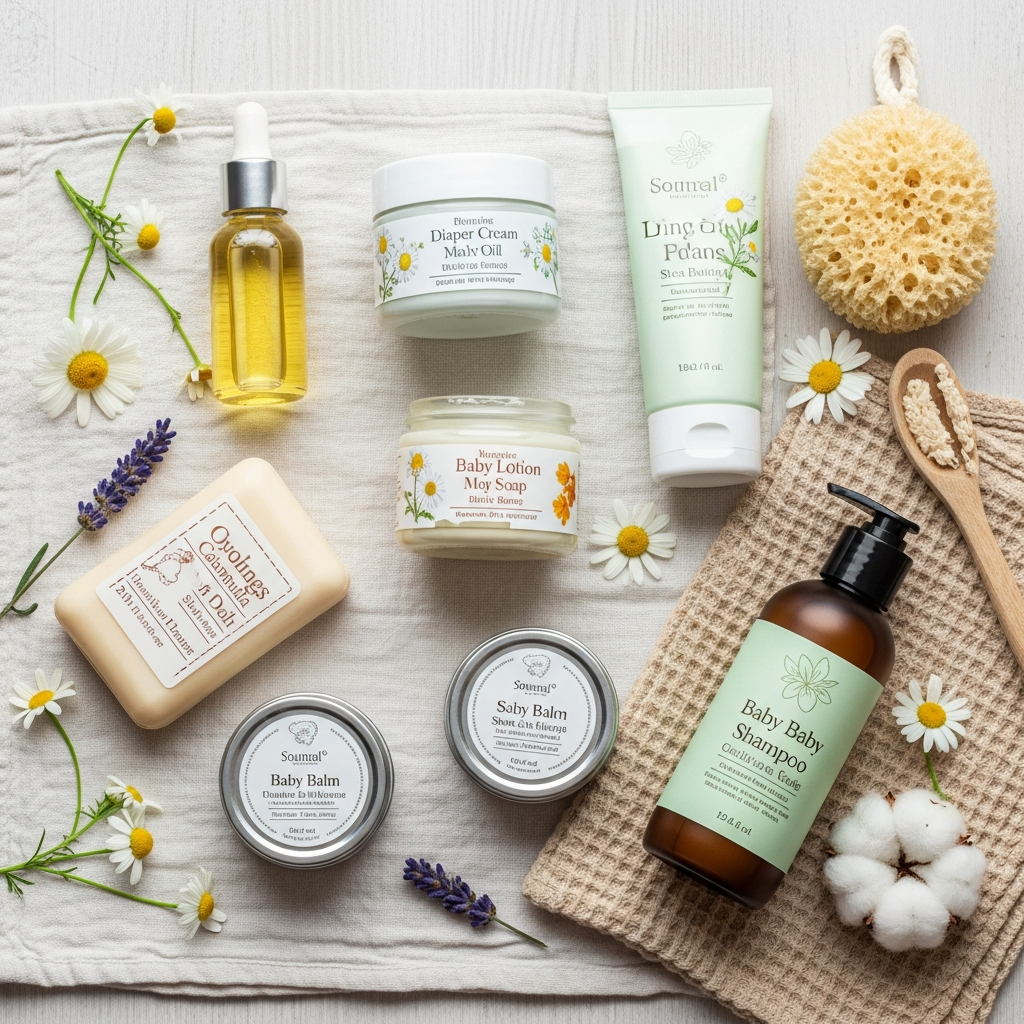
Choosing natural skincare products for your baby is a wonderful way to show extra care for their delicate skin. By understanding what ingredients to look for and how to use them, you can build a gentle routine that supports their skin’s health and protects it from common irritations.
Remember, parenting is about doing your best, and making informed choices is a big part of that. Opting for natural solutions can bring you peace of mind, knowing you’re providing a tender touch for your little one’s tender skin. Your baby’s comfort and well-being are what truly matter, and these natural products can certainly help you on that loving journey.