How to Create a Montessori Yes Space Even in Small Homes
How to Create a Montessori Yes Space Even in Small Homes
As parents, we dream of providing our children with environments that foster independence, curiosity, and a deep sense of calm. The Montessori “Yes Space” is exactly that—a magical concept where a child can freely explore, learn, and grow without constant intervention or the dreaded word “no.” But if you live in a cozy apartment or a smaller house, you might be thinking, “That sounds wonderful, but utterly impossible for my space!”
We hear you! The good news is that creating a Montessori-inspired Yes Space isn’t about having a sprawling home; it’s about intentional design, thoughtful organization, and embracing a mindset that empowers your child. You absolutely can cultivate this nurturing environment, even if your living room doubles as a playroom and your child’s bedroom is more nook than room. This guide will walk you through practical, parent-friendly steps to make a Montessori Yes Space a beautiful reality in your small home.
What is a Montessori Yes Space Anyway?
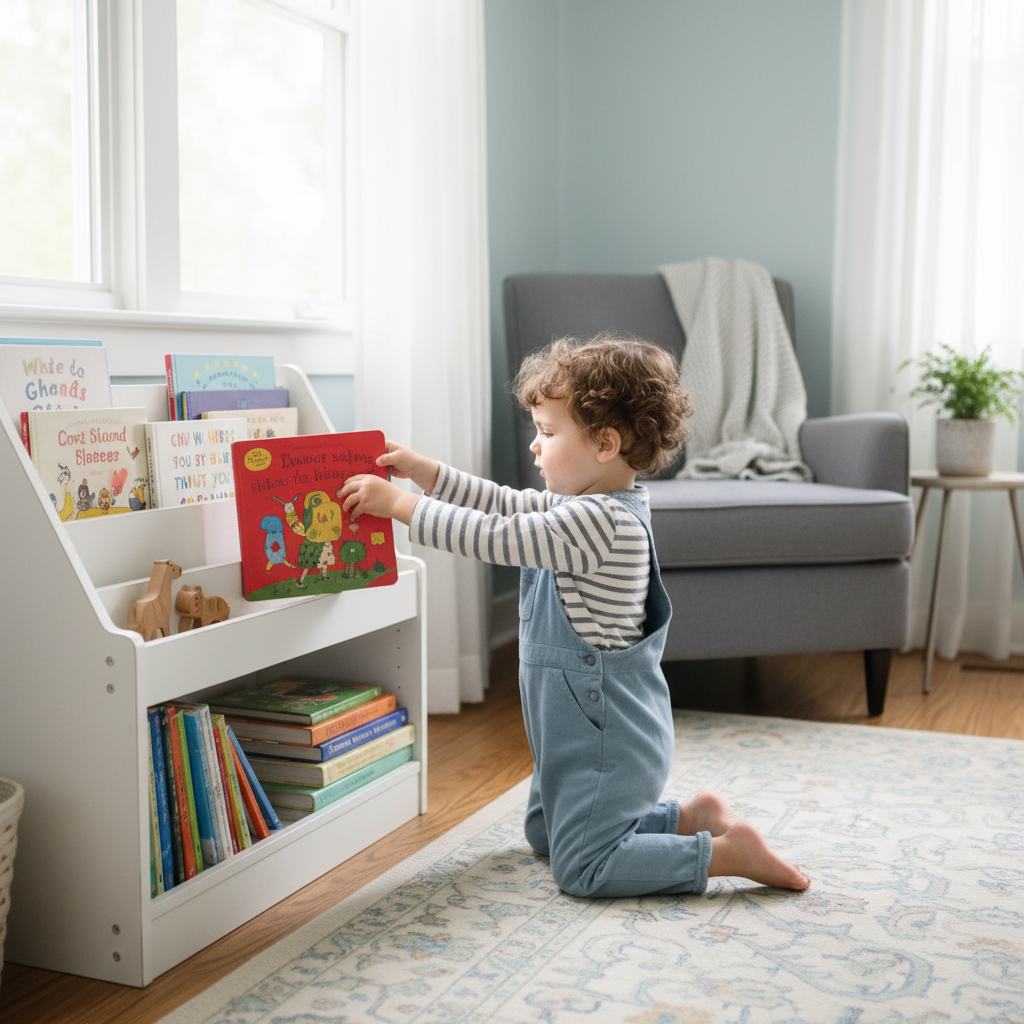
Imagine a space where your child can move, choose, and engage without you needing to hover or say “don’t touch.” That’s the essence of a Yes Space. Rooted in Dr. Maria Montessori’s philosophy, it’s a “prepared environment” designed to be entirely safe, accessible, and stimulating for your little one. Everything within it is purposefully chosen and placed to encourage self-directed activity and concentration.
In a Yes Space, items are at your child’s eye level and within their reach. Breakable or unsafe items are removed. Activities are rotated to keep things fresh and engaging without overwhelming them. It’s a place where they are trusted to explore, make choices, and develop their own capabilities—all leading to incredible confidence and a genuine love for learning.
Why a Yes Space is Essential, Especially for Little Ones
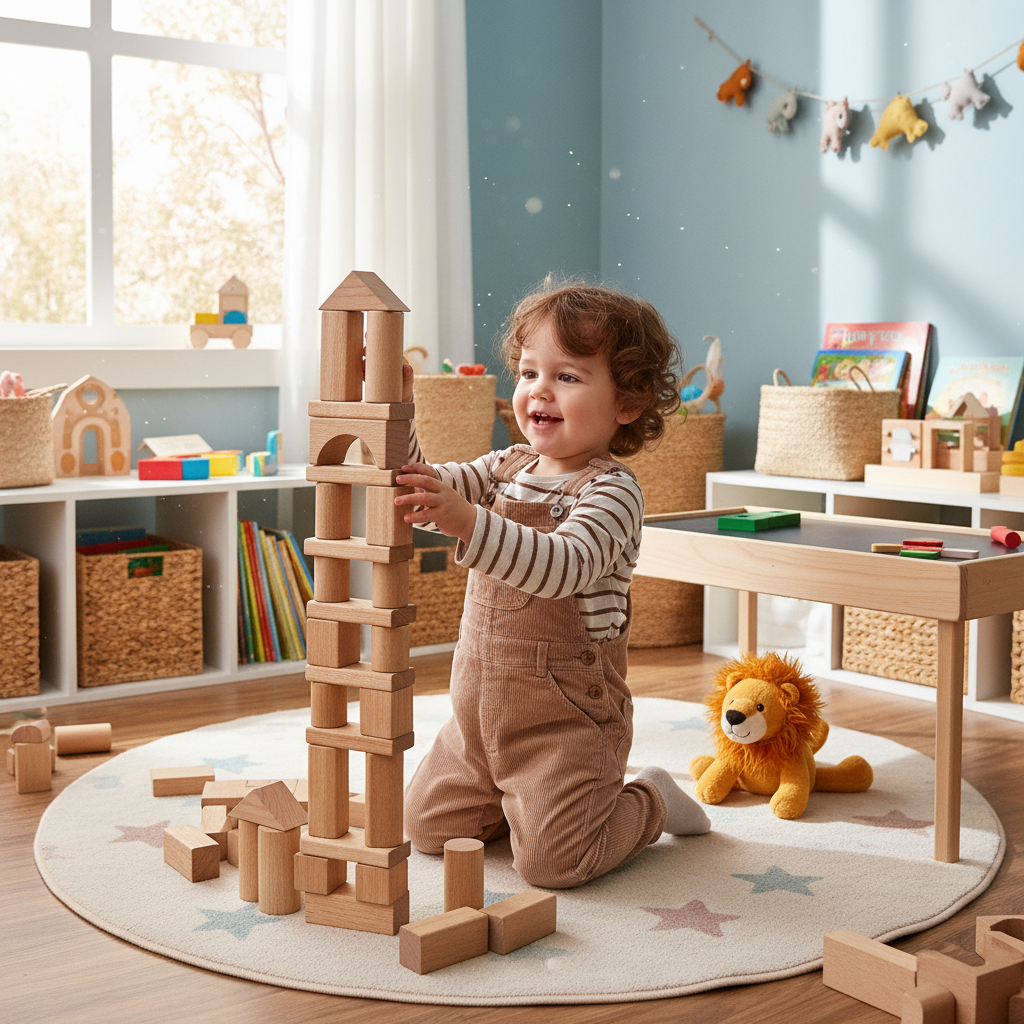
Beyond the philosophical ideals, a Yes Space offers tangible benefits for both children and parents, particularly in the demanding early years:
- Fosters Independence: Children learn they can do things for themselves, building self-reliance and problem-solving skills.
- Boosts Concentration: With fewer distractions and purposeful activities, children can focus deeply on their chosen tasks.
- Reduces Power Struggles: When the environment is set up for success, parents say “yes” more often, leading to less conflict and a more harmonious home.
- Encourages Freedom of Movement: Children are free to explore their physical capabilities and develop gross and fine motor skills naturally.
- Cultivates a Sense of Order: A well-organized space helps children understand sequence, categories, and predictability, which is comforting and aids cognitive development.
For parents, it means less stress, more moments of quiet observation, and the joy of watching your child flourish independently. It’s truly a gift of peace for the whole family.
The Core Principles of a Yes Space for Small Homes
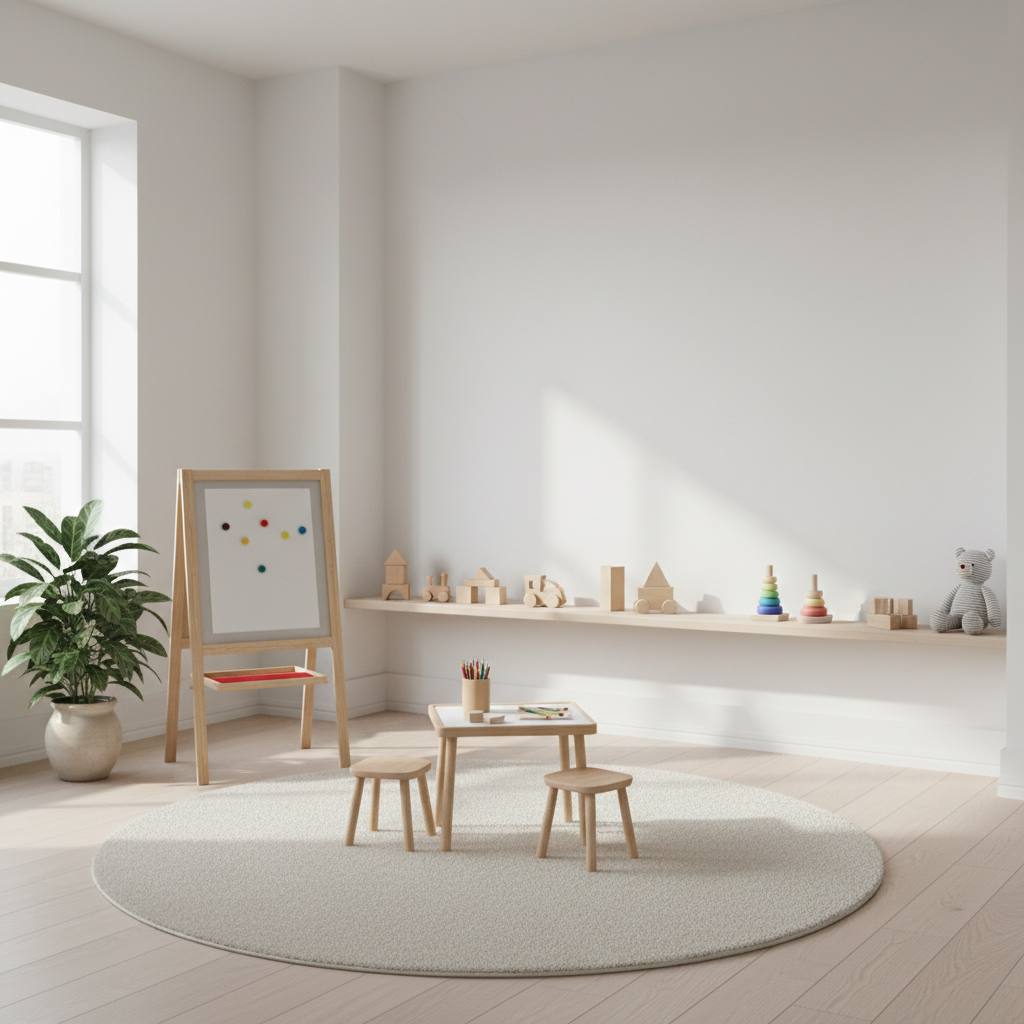
When space is limited, applying Montessori principles becomes an art of intentionality. Here’s how to adapt them:
- Accessibility: Every item your child is allowed to use should be within their reach, typically on low shelves or in open baskets.
- Order and Simplicity: A clutter-free environment is calming. Fewer items, thoughtfully arranged, reduce overwhelm and encourage focus.
- Freedom of Movement: Clear pathways and uncluttered floor space are crucial for crawling, walking, and exploring without obstacles.
- Beauty and Invitation: A Yes Space should be aesthetically pleasing—think natural materials, soft colors, and a tidy appearance that invites engagement.
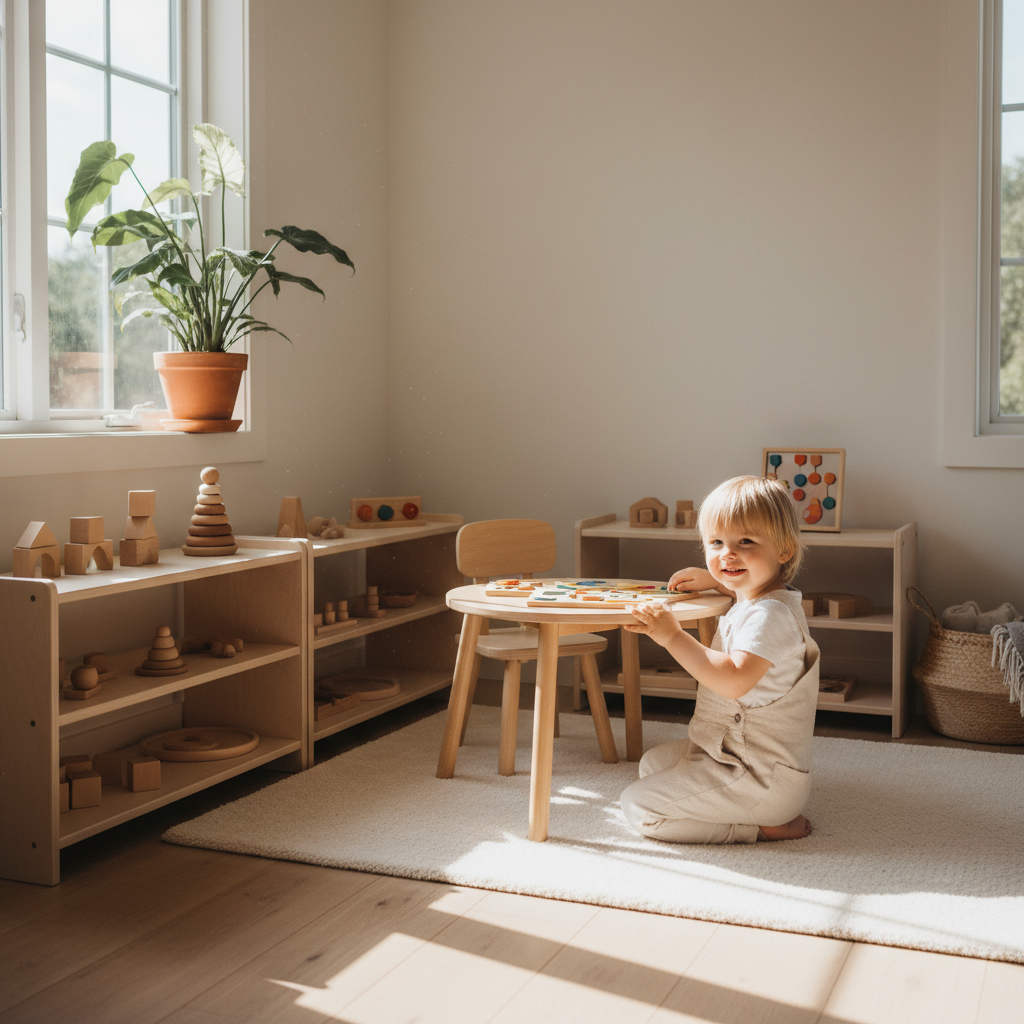
- Child-Sized: Wherever possible, provide furniture and tools that fit your child’s scale, like a small table and chair, or a low bed.
Remember, these principles are flexible. The goal is to create a functional, respectful space that adapts to your child’s needs and your home’s reality.
Practical Steps to Create Your Small-Home Yes Space
Declutter Ruthlessly and Mindfully
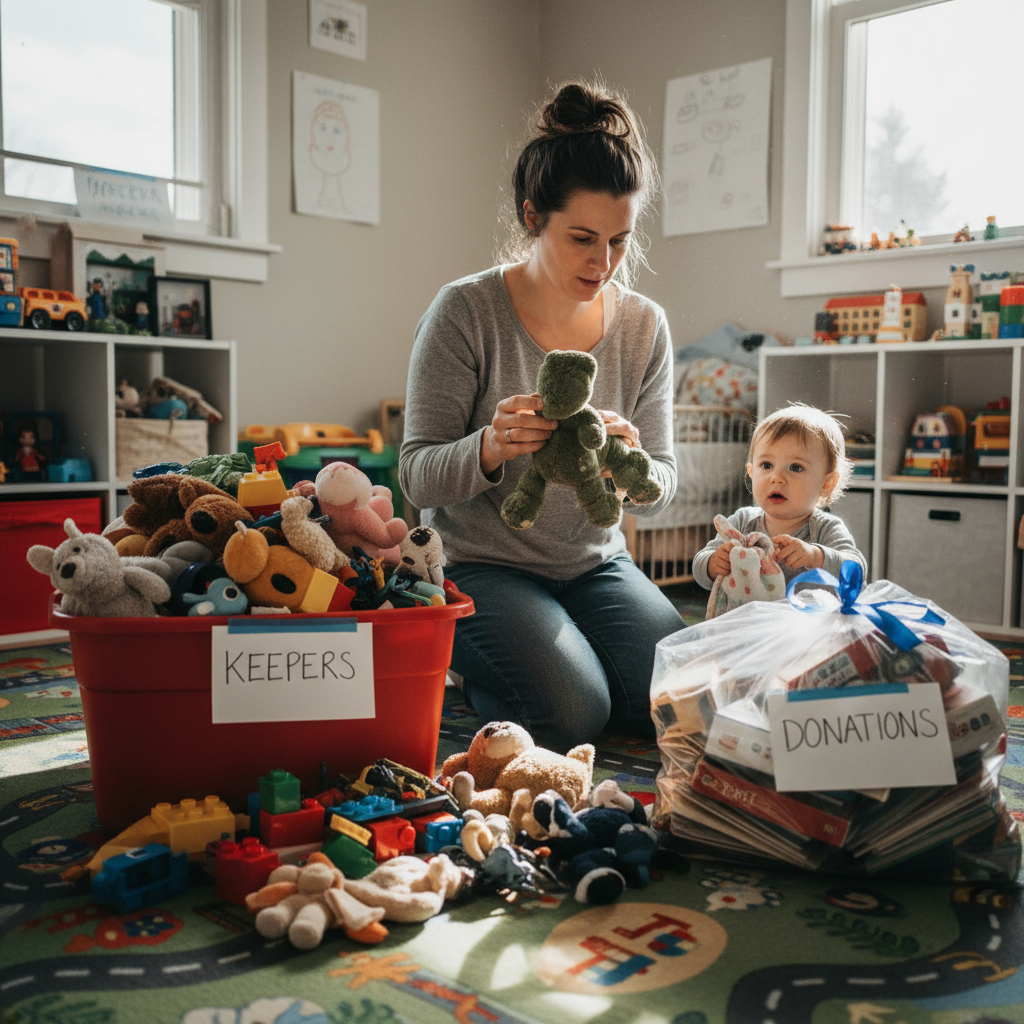
This is often the first and most impactful step. In a small home, less truly is more. Go through your child’s toys and materials with a critical eye. Ask yourself:
- Is this toy age-appropriate and genuinely engaging?
- Does it encourage active participation or passive entertainment?
- Do we have duplicates or similar items?
Keep only a carefully curated selection of items that are beautiful, purposeful, and in good condition. Store the rest out of sight for toy rotation.
Define Your Yes Zones
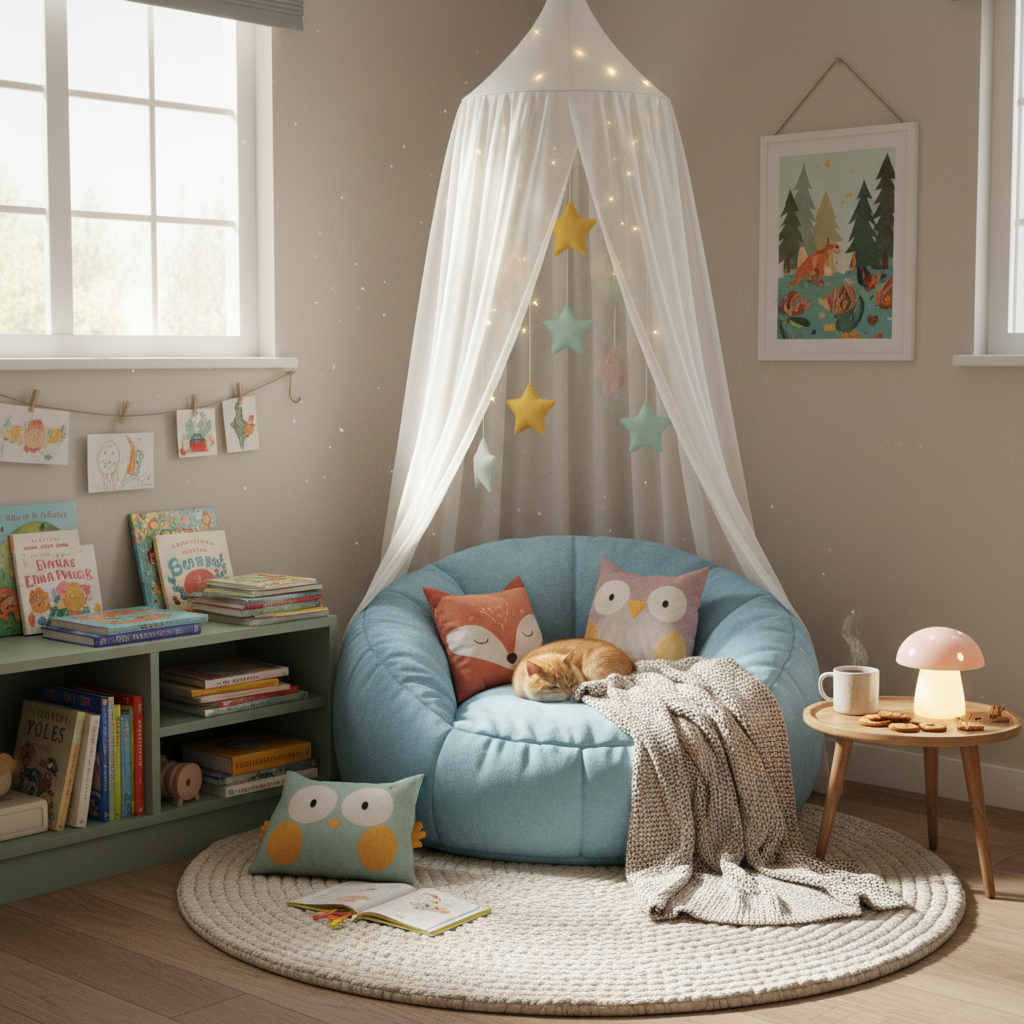
You don’t need an entire room. Identify specific corners or sections of existing rooms that can become dedicated “Yes Zones.” This might be:
- A low shelf in the living room for puzzles and books.
- A small table and chair in the kitchen for practical life activities like peeling fruit.
- A floor bed and a few baskets of clothes in their bedroom for dressing practice.
Even a simple mat on the floor can delineate a temporary Yes Zone for an activity.
Smart Furniture Choices
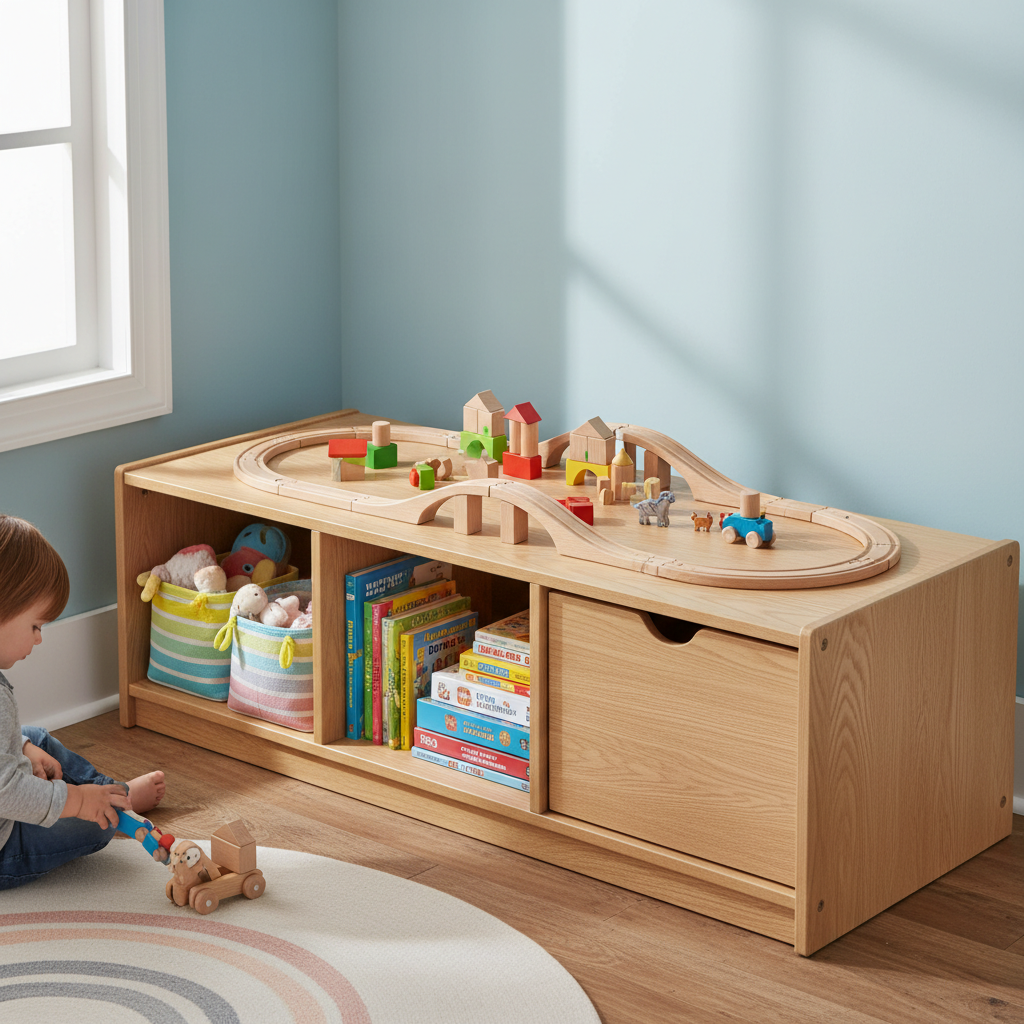
Invest in pieces that work hard for your space:
- Low, Open Shelving: Essential for accessibility. Look for slim or modular units.
- Multi-functional Furniture: An ottoman with storage, a bench that doubles as a reading nook.
- Child-Sized Table and Chair: Crucial for practical life activities, drawing, and independent eating. Foldable options are great for small spaces.
- Floor Bed: If possible, a floor bed in the child’s room promotes independence from infancy.
Prioritize pieces that are sturdy, safe, and made from natural materials where possible.
Vertical Space is Your Friend
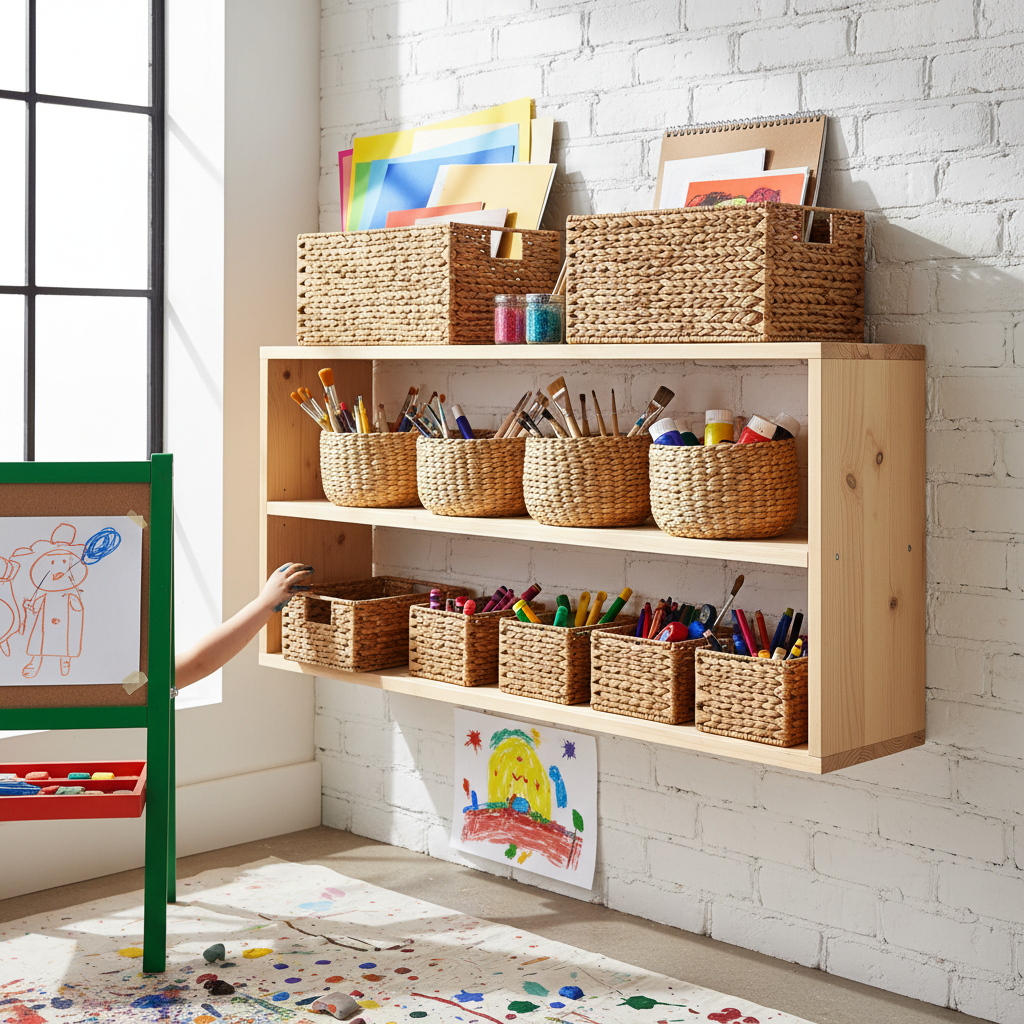
When floor space is limited, look up! Utilize walls for storage and display:
- Wall-Mounted Shelves: Use these for displaying a few rotated books or small, lightweight activity baskets. Ensure they are securely fastened and at child height.
- Hooks: Low hooks for coats, bags, or even aprons can empower children to manage their own belongings.
- Art Display: Frame your child’s artwork at their eye level on the wall, celebrating their creativity.
Just be mindful not to overcrowd vertical spaces, maintaining that sense of calm and order.
Thoughtful Toy and Material Rotation

This is a game-changer for small homes and maintaining interest. Instead of having all toys out at once, select 5-7 items for your Yes Space. Store the rest in an inaccessible closet or bin. Rotate these items every week or two, or when your child loses interest. This keeps the space uncluttered, prevents overwhelm, and makes old toys feel new again. It also teaches children to appreciate what they have.
Safety First Always
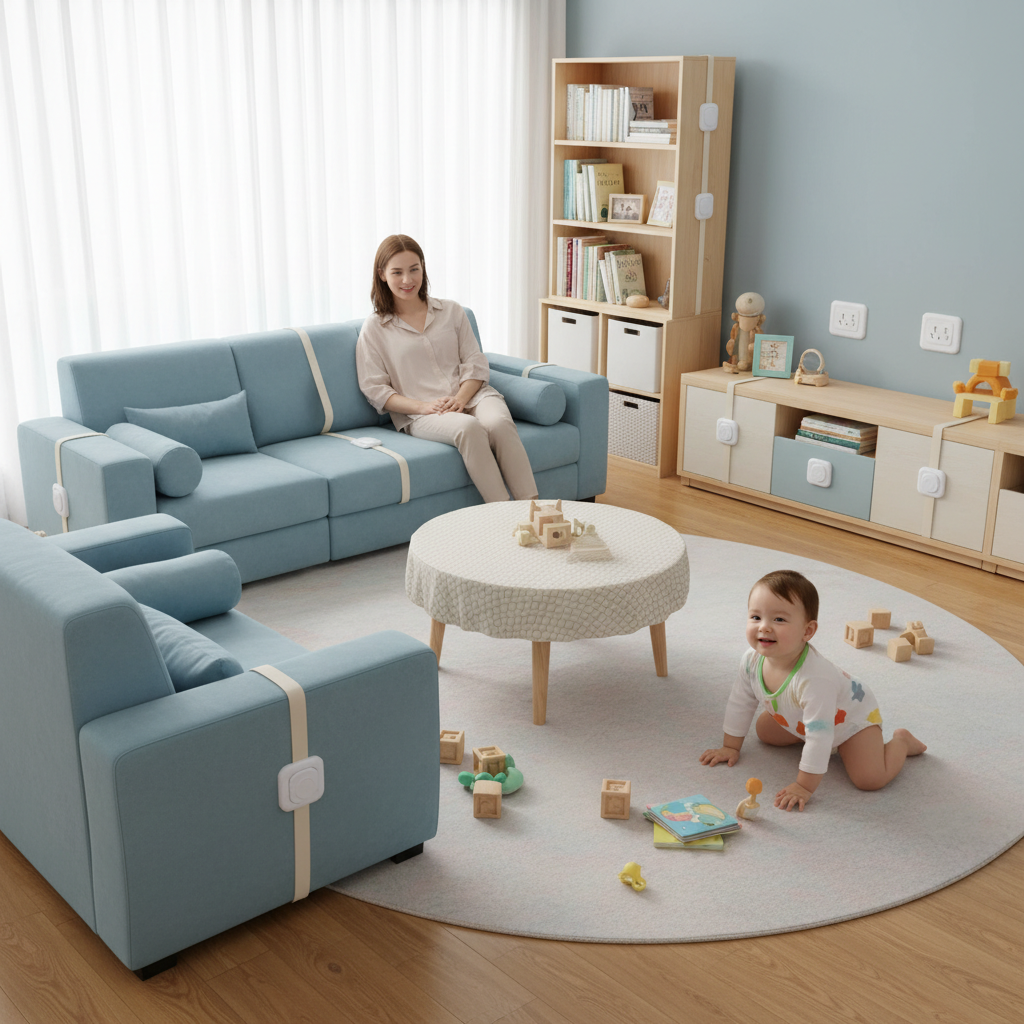
A Yes Space means freedom, but freedom within safe boundaries. Before inviting exploration, thoroughly childproof the area:
- Secure all furniture to the wall to prevent tipping.
- Cover electrical outlets.
- Remove any small, choke-hazard items.
- Ensure windows are secure and cords are out of reach.
- Use non-toxic cleaning supplies and store them securely.
Walk through the space at your child’s eye level to spot potential hazards you might otherwise miss.
Involve Your Child in the Process
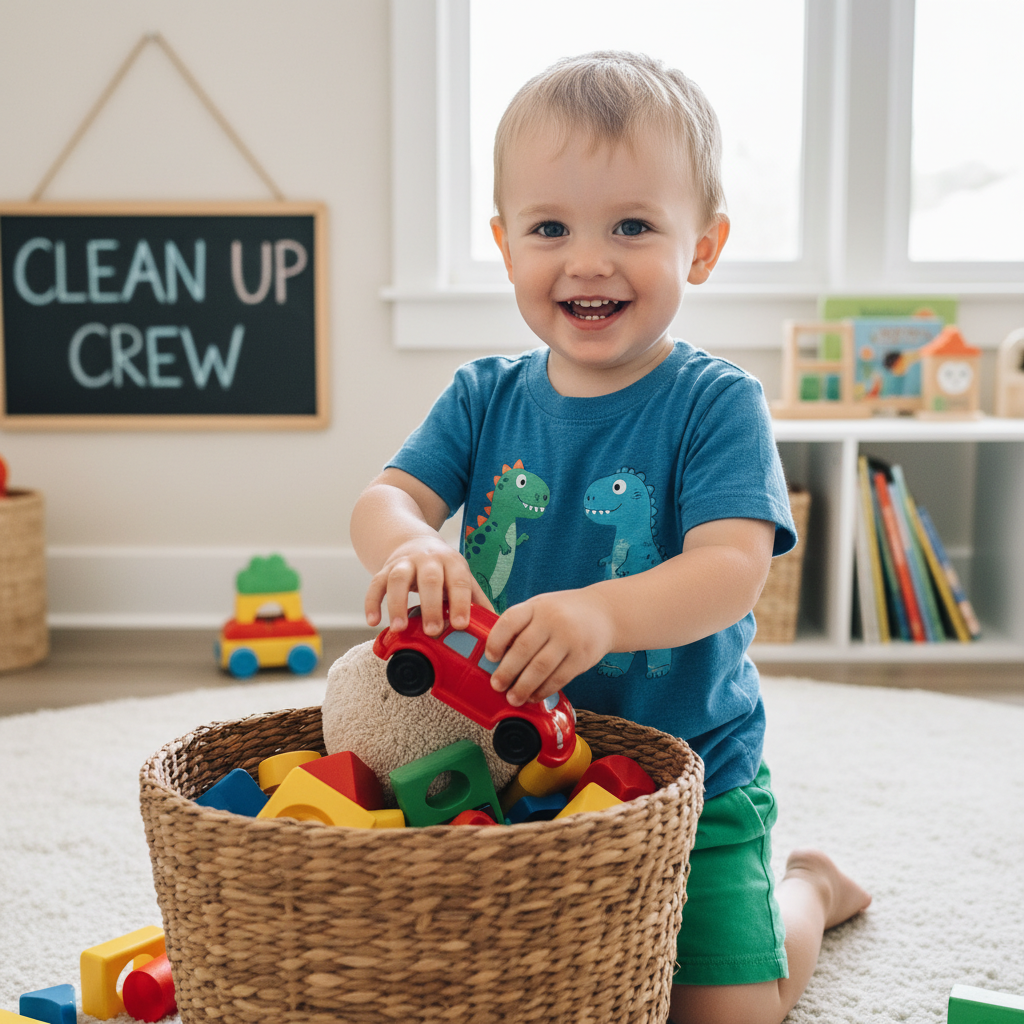
Even toddlers can participate! Involving your child fosters a sense of ownership and responsibility. Ask them to help choose which toys to keep out (from a pre-selected group), or where certain items should go. Model tidying up and make it a natural part of the daily routine. When they feel respected as contributors, they are more likely to respect the space.
Overcoming Common Challenges in Small Spaces
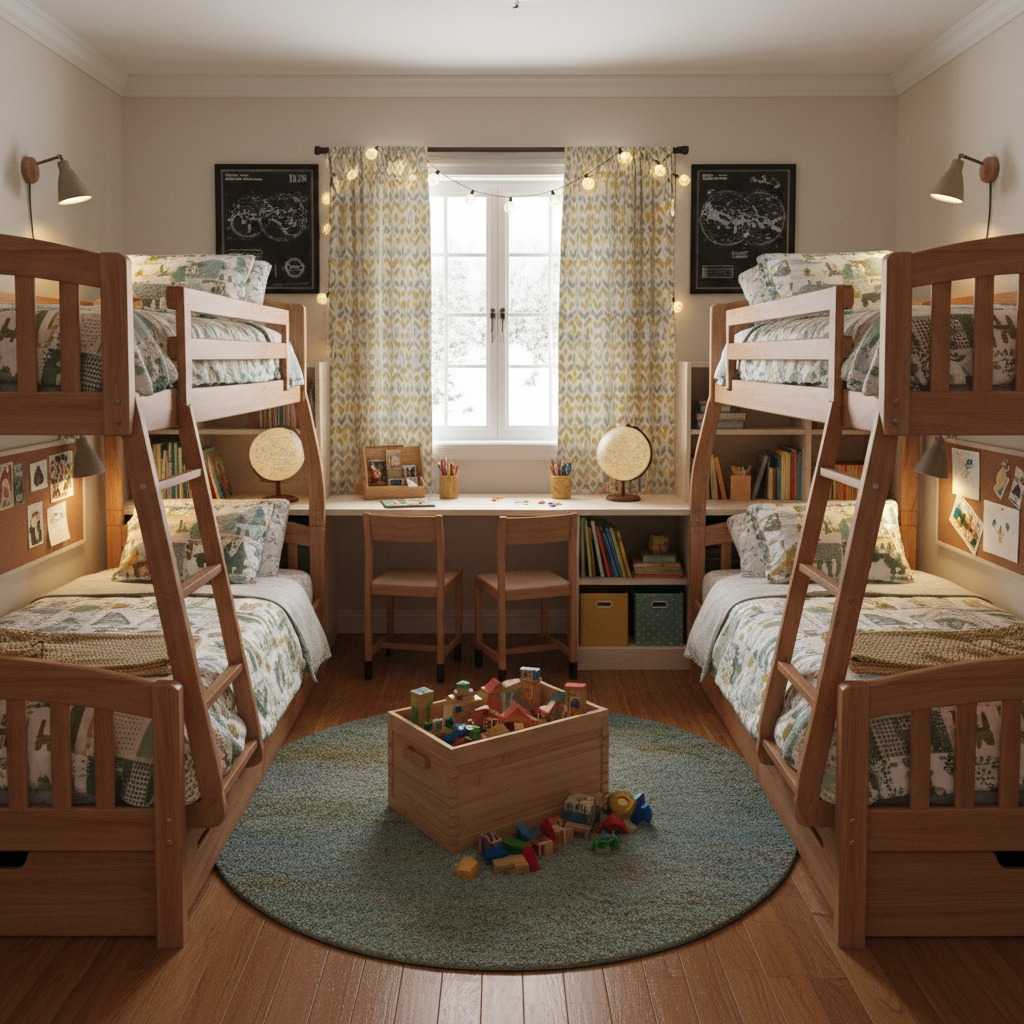
- Shared Rooms: If siblings share a room, create individual “micro-zones” for each child, or collaborate on a shared Yes Space that caters to both their needs and interests.
- Open-Plan Living: Use rugs, low bookshelves, or even the back of a sofa to subtly define a child’s area within a larger open space.
- Keeping it Tidy: Consistency is key. Make tidying a part of the daily rhythm, and model it yourself. Remember, perfection isn’t the goal; progress and respect for the space are.
Your Yes Space Journey – A Gentle Reminder
Creating a Montessori Yes Space, especially in a small home, is an ongoing journey, not a one-time project. It will evolve as your child grows and their interests change. Don’t strive for perfection; strive for functionality, peace, and an environment that truly serves your child’s developmental needs. Embrace the process, adapt as you learn, and celebrate the small victories.
Conclusion
You absolutely have the power to transform even the smallest corner of your home into a vibrant, empowering Montessori Yes Space. By decluttering, being intentional with your choices, utilizing smart storage, and embracing the spirit of child-led learning, you’ll create an environment where your child can flourish independently. This isn’t just about organizing toys; it’s about fostering a respectful, joyful relationship with your child and their innate desire to learn. Start small, take one step at a time, and watch your little one thrive in their very own world of “yes.”