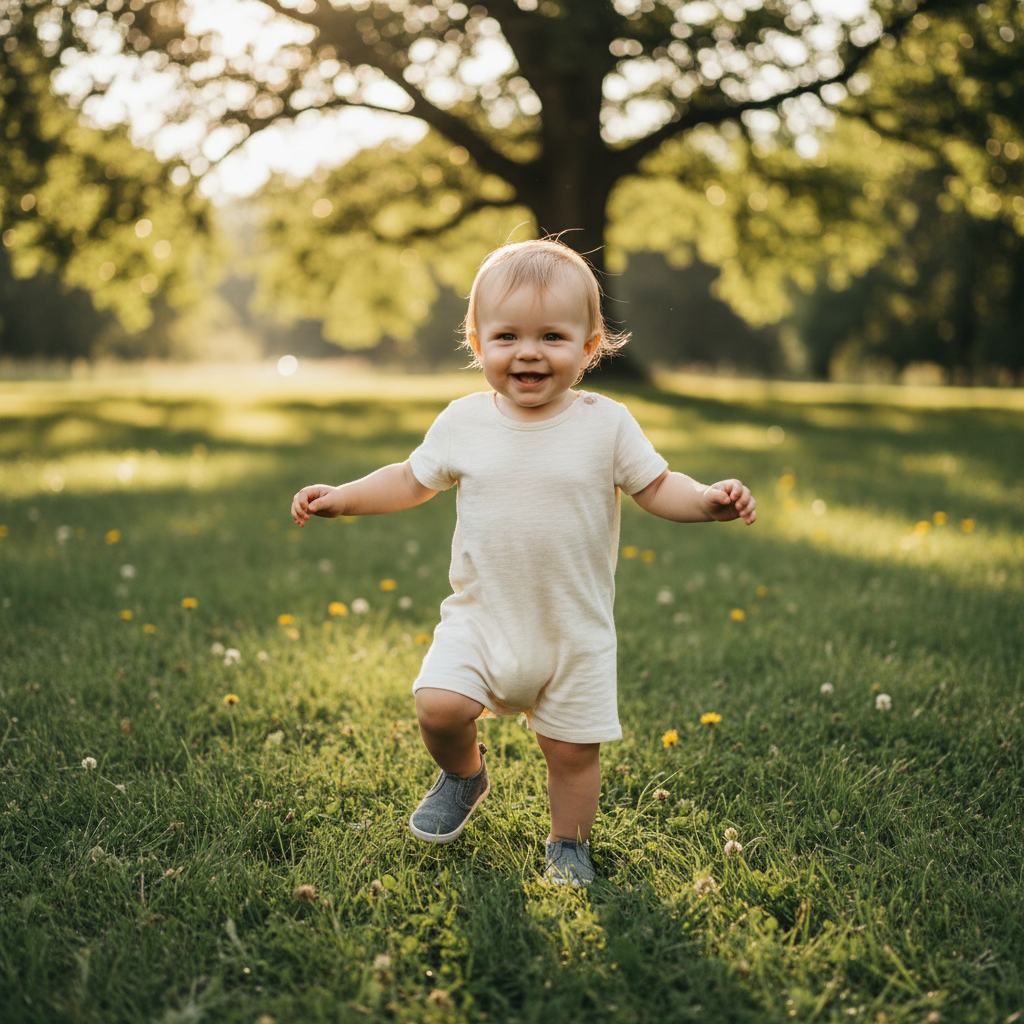
Best Montessori Shoes for Toddlers Learning to Walk
Watching your little one take their first wobbly steps is a magical milestone, a moment etched forever in a parent’s heart. As they transition from crawling to walking, a common question arises for many parents: ‘What are the best shoes for this crucial stage?’ The world of toddler footwear can be overwhelming, but by embracing Montessori principles, we can make choices that truly support natural development and encourage confident movement.
This guide will walk you through understanding what makes a shoe ‘Montessori’ for learning walkers, why it matters, and how to choose the perfect pair to support your toddler’s incredible journey into independent walking.
Understanding Montessori Principles for Toddler Footwear
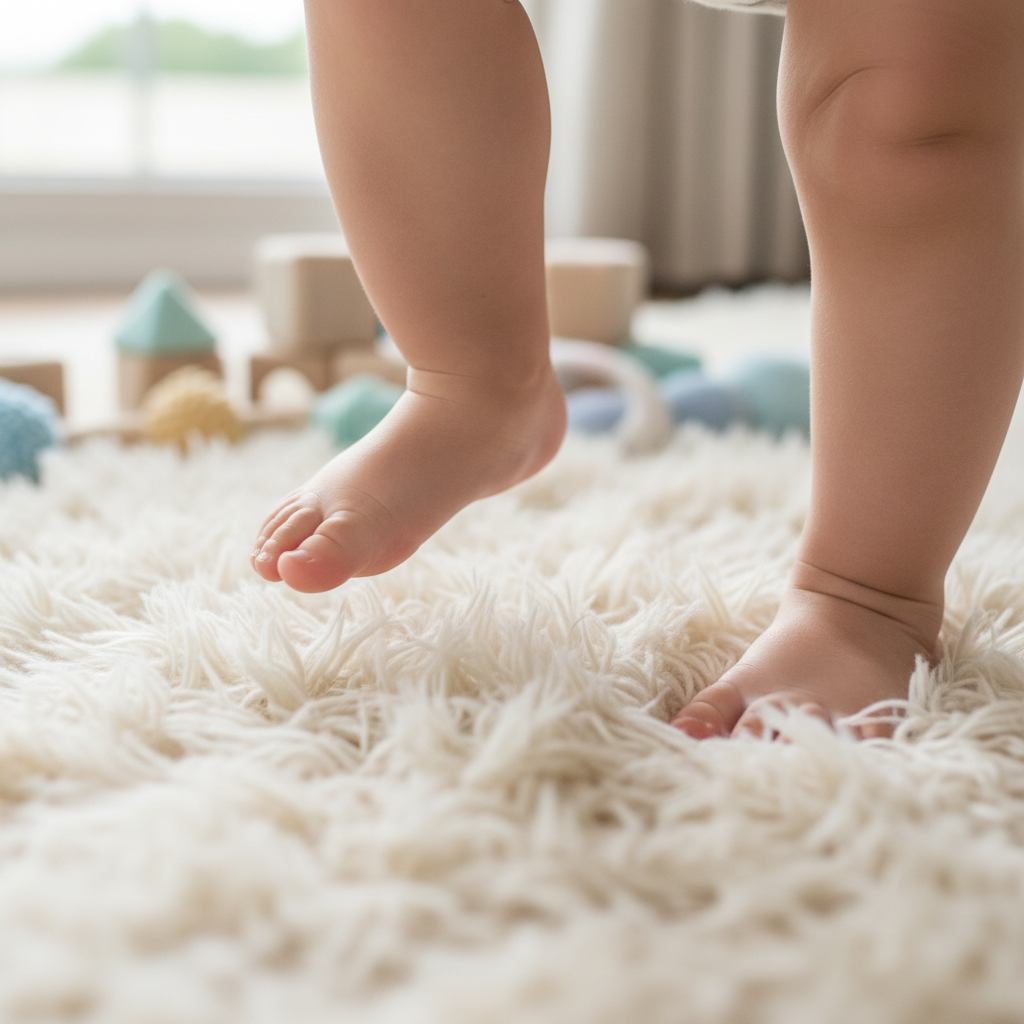
The Montessori philosophy emphasizes fostering a child’s natural development and independence. When it comes to footwear, this means allowing a child’s feet to develop as naturally as possible, almost as if they were barefoot. The goal is to provide protection without hindering the intrinsic movements and sensory feedback essential for building strength, balance, and coordination.
Think of it this way: a baby’s foot has 26 bones, 33 joints, and over 100 muscles, tendons, and ligaments. It’s a complex structure designed for movement and sensory input. Restrictive shoes can impede this natural process, potentially affecting gait and overall development.
Why Barefoot is Best and When Shoes Become Essential
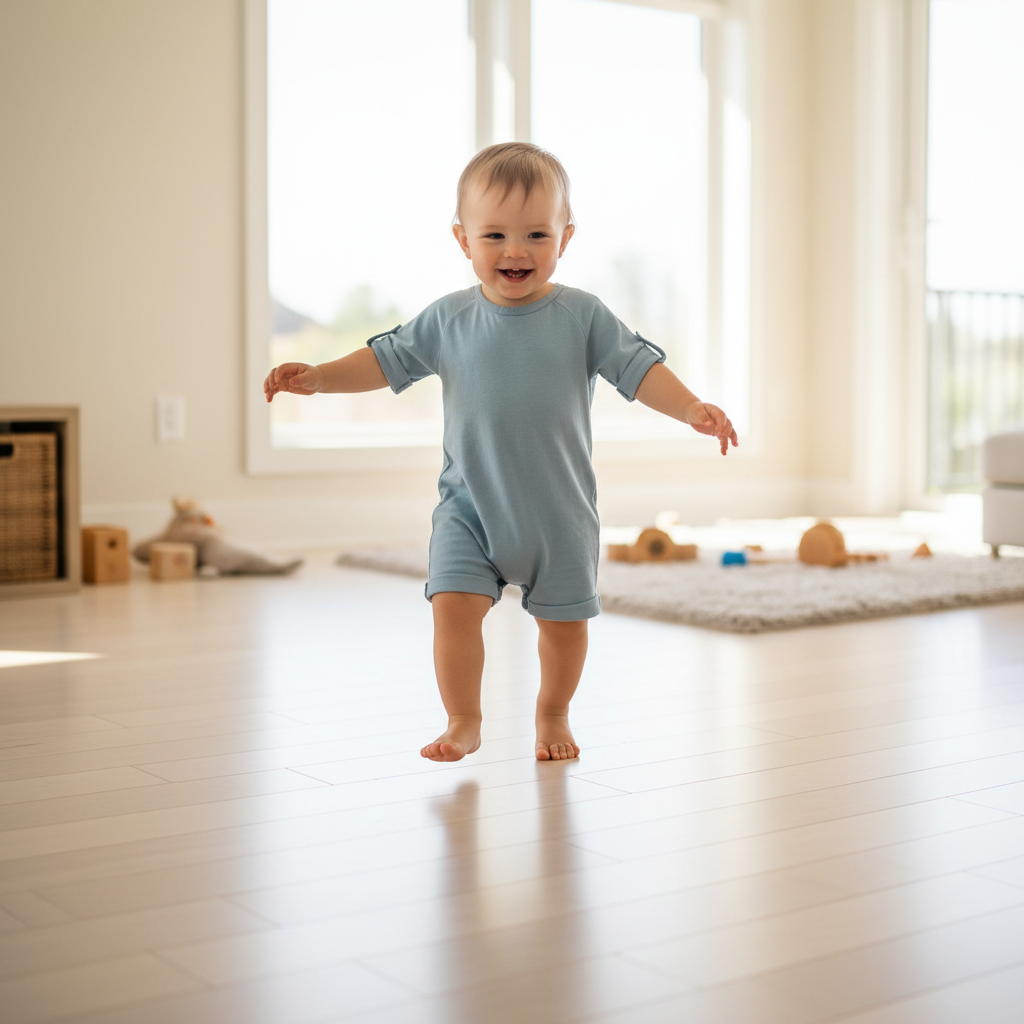
Experts widely agree that for optimal foot development, being barefoot is ideal, especially indoors. Barefoot walking allows toddlers to:
- Strengthen Foot Muscles: The foot’s intricate muscles work harder, developing strength and flexibility.
- Improve Balance and Coordination: Sensory receptors in the soles of the feet send vital information to the brain, helping with balance and proprioception (awareness of body position).
- Enhance Gait Development: Natural foot movement leads to a more natural and efficient walking pattern.
- Develop Arch Formation: The arch develops naturally through movement and weight-bearing, not through artificial support from shoes.
However, shoes become necessary for protection, warmth, and hygiene when walking outdoors or on rough surfaces. This is where Montessori-inspired shoes come into play – they offer protection while mimicking the benefits of being barefoot.
Key Features of Montessori Shoes for Learning Walkers
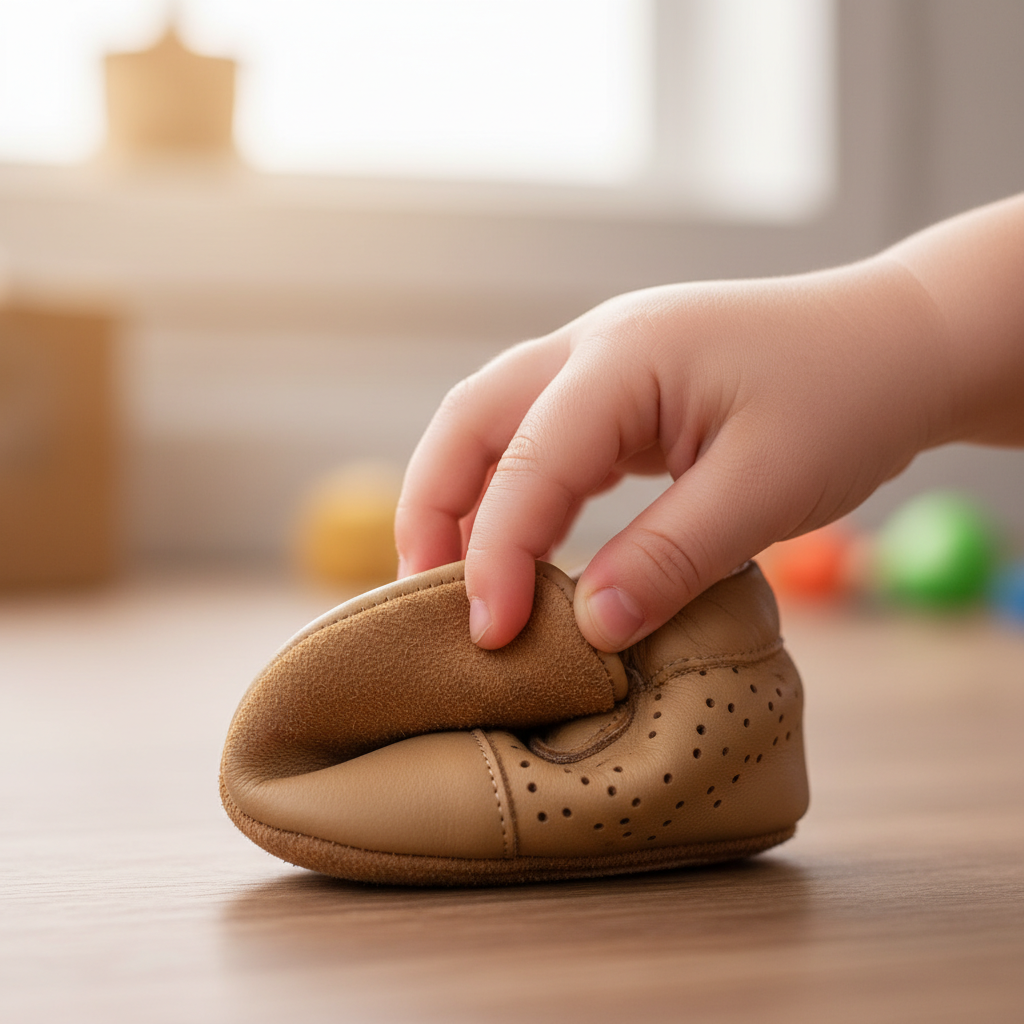
When selecting shoes for your toddler, keep these Montessori-aligned features in mind:
1. Flexibility- Freedom of Movement
The shoe should be incredibly flexible, allowing the foot to bend, flex, and move naturally. You should be able to twist and fold the shoe easily. Stiff soles restrict natural foot articulation, which is crucial for developing strong arches and a stable gait.
2. Thin, Non-Slip Sole- Ground Feedback
A thin sole (around 3-6mm) allows the toddler to feel the ground beneath them, providing essential sensory feedback. This helps them learn about different textures and surfaces, improving balance and spatial awareness. The sole should also be non-slip to prevent falls.
3. Wide Toe Box- Room to Wiggle
The toe box should be wide and spacious, allowing your toddler’s toes to splay out naturally. This is vital for balance and proper toe development. Cramped toes can lead to discomfort and potential long-term foot issues.
4. Lightweight Materials- Unrestricted Steps
Heavy shoes can be cumbersome for a learning walker, making each step require more effort. Opt for lightweight materials that don’t add unnecessary bulk, allowing for easier, more natural movement.
5. Breathable Fabrics- Healthy Feet
Toddler feet can get sweaty! Choose shoes made from breathable materials like natural leather, canvas, or mesh to keep feet cool and dry, preventing odor and discomfort.
6. Secure but Non-Restrictive Fastening- Stay Put Comfort
Look for adjustable fastenings like Velcro straps or laces that keep the shoe securely on the foot without being too tight or restrictive. The shoe should stay on during active play but not dig into the skin.
7. Zero-Drop Heel- Natural Posture
A zero-drop heel means the sole is completely flat from heel to toe, with no elevation. This promotes a natural posture and gait, similar to walking barefoot, and prevents unnatural pressure on the joints.
Sizing and Fitting- A Perfect Match
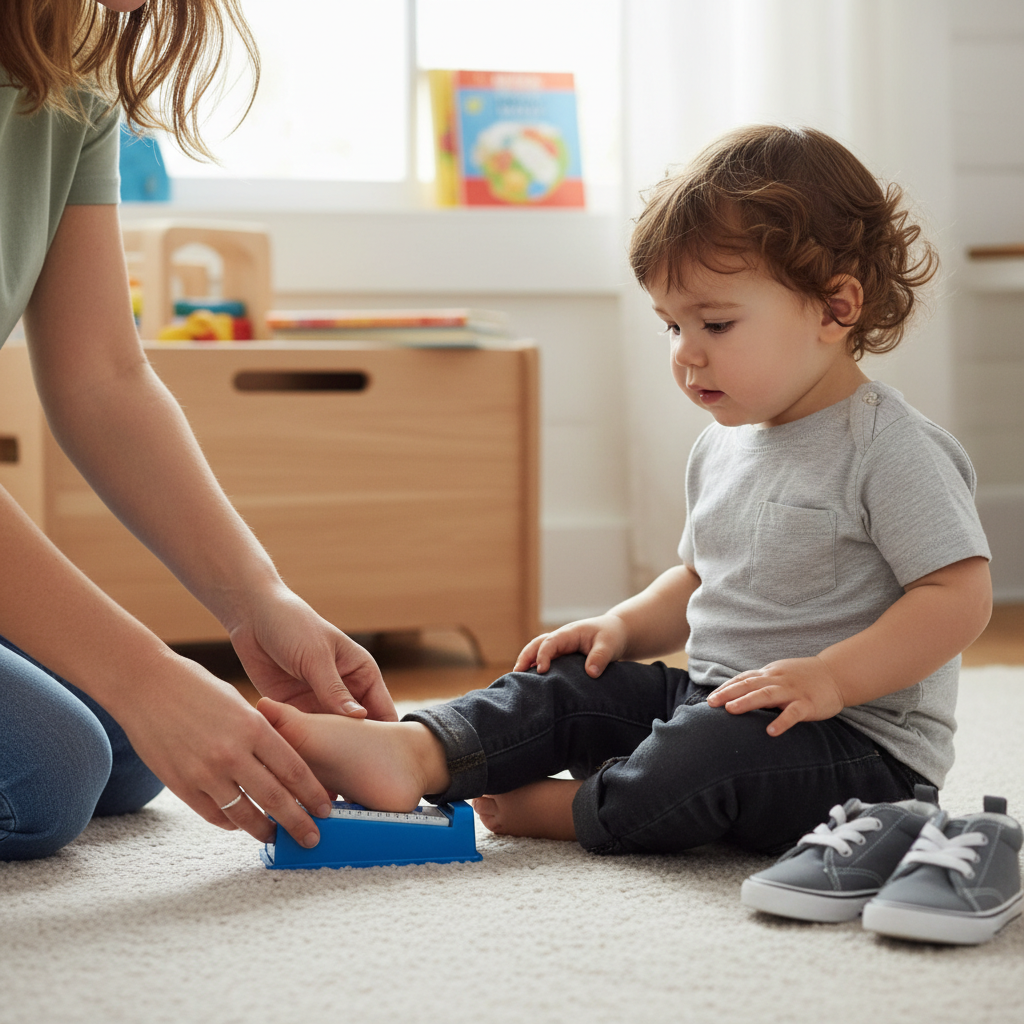
Getting the right size and fit is paramount. Toddlers’ feet grow rapidly, so regular checks are essential.
- Measure Regularly: Measure your child’s feet every 2-3 months. It’s best to measure both feet, as one can be slightly larger.
- Allow for Growth: Ensure there’s about a thumb’s width (1/2 inch or 1.2 cm) between the longest toe and the end of the shoe. This allows for growth and natural foot movement.
- Check the Width: The shoe should be wide enough that the foot isn’t compressed. You should be able to pinch a small amount of material at the sides of the shoe.
- Heel Fit: The heel should fit snugly without slipping up and down as your child walks.
- Try Them On: Always try shoes on with your child standing and walking to ensure they are comfortable and don’t cause any rubbing or pressure points.
Transitioning to Shoes- Gentle Steps
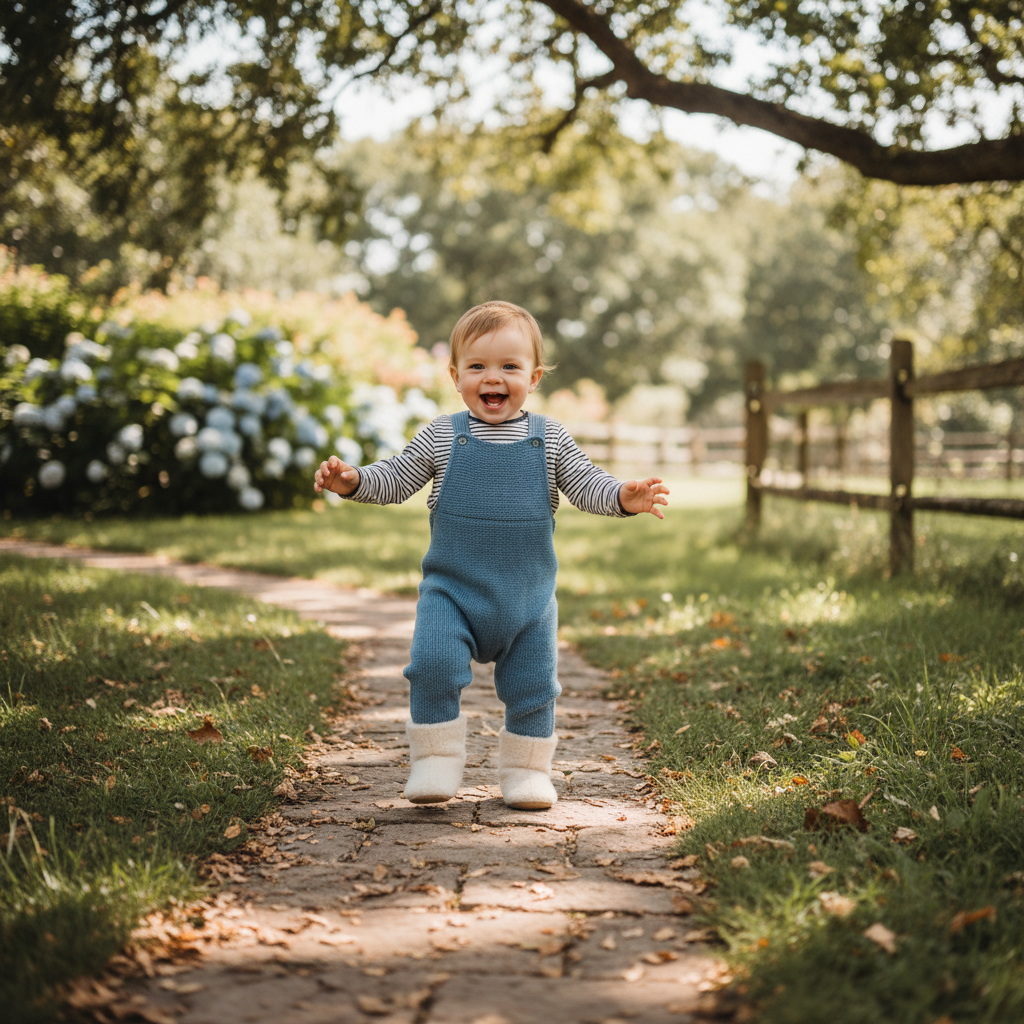
When introducing shoes, do so gradually. Start with short periods, perhaps just for outdoor playtime. Allow your toddler to get used to the feeling. Make it a positive experience, praising their efforts and making sure the shoes are comfortable. Remember, the goal is not to rush but to support their natural progression.
Common Mistakes to Avoid
As tempting as cute or hand-me-down shoes can be, avoid:
- Stiff, Rigid Soles: They hinder natural foot development.
- Narrow Toe Boxes: Restrict toe splay and can cause discomfort.
- Excessive Arch Support: Toddlers’ arches develop naturally; artificial support can interfere.
- Hand-Me-Downs: Shoes mold to the previous wearer’s foot, which can be detrimental to your child’s unique foot development.
- Heavy, Bulky Shoes: They can make walking more challenging and tiring.
Conclusion
Choosing the best Montessori shoes for your toddler learning to walk is about more than just aesthetics; it’s about supporting their foundational physical development. By prioritizing flexibility, a thin sole, a wide toe box, and lightweight materials, you empower your child to explore their world with confidence, comfort, and the freedom their growing feet deserve. Trust your instincts, observe your child’s comfort, and celebrate every wobbly, wonderful step they take.