Fatherhood has undergone a beautiful and significant transformation over the past few decades. The image of the distant, authoritarian father has largely faded, replaced by a new generation of dads who are deeply involved, emotionally connected, and hands-on from day one. This shift isn’t just about presence; it’s about active participation, shared responsibility, and a redefined understanding of what it means to be a father in the 21st century.
Modern dads are stepping into their roles with enthusiasm, challenging old stereotypes, and forging unique bonds with their children. This evolution benefits not only the children, who thrive with engaged father figures, but also partners, who experience a more equitable division of labor, and the dads themselves, who find immense joy and fulfillment in these deeper connections. Let’s explore seven key ways modern dads are parenting differently, shaping a richer, more vibrant family life for everyone.
1. Embracing Hands-On Care from Day One
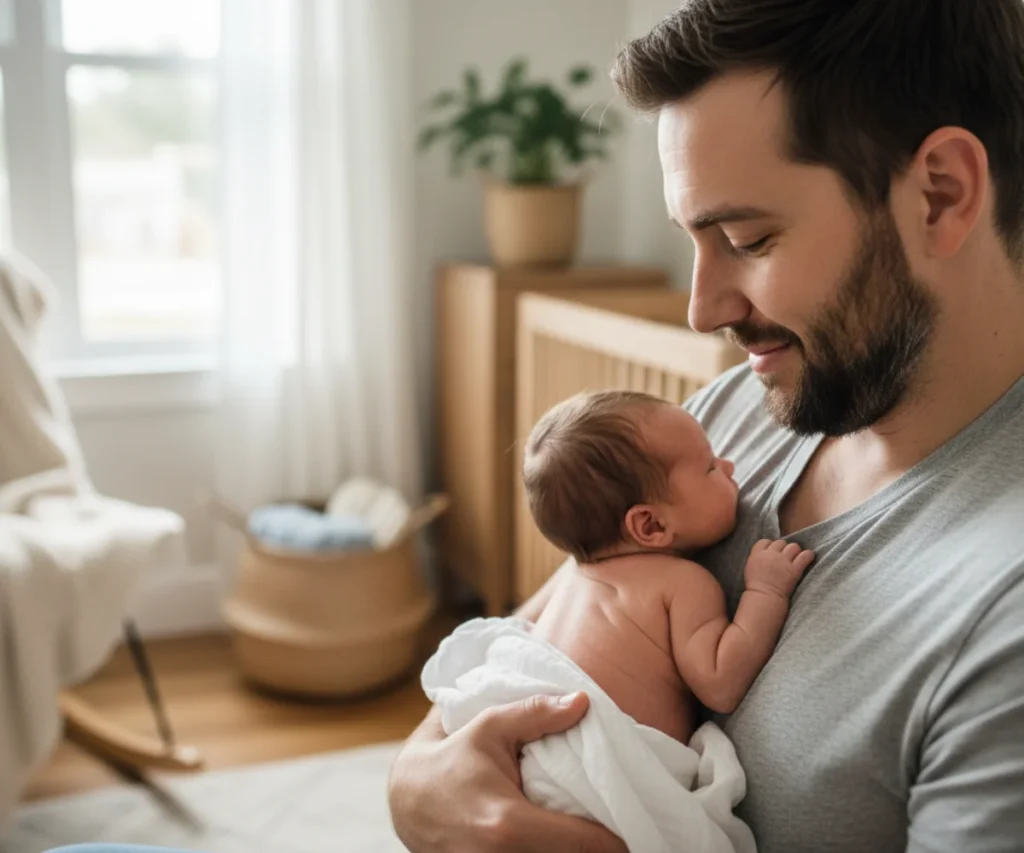
Gone are the days when childcare was seen as solely the mother’s domain. Modern dads are diving headfirst into the nitty-gritty of daily baby and child care right from birth. This isn’t just about occasional babysitting; it’s about shared responsibility for feeding, changing diapers, bathing, comforting, and soothing. Many new fathers are actively involved in prenatal classes, birth support, and the immediate postpartum period, forming an early, strong bond with their infants.
This early involvement sets a precedent for their parenting journey. It builds confidence in their caregiving abilities and strengthens the father-child attachment from the very beginning. For example, you’ll often see modern dads:
- Taking paternity leave to fully immerse themselves in newborn care.
- Being the primary caregiver during specific blocks of time, like nighttime feedings or morning routines.
- Mastering babywearing, bath time rituals, and diaper duty with confidence and skill.
This hands-on approach isn’t just practical; it’s profoundly emotional, fostering a deep sense of connection and shared experience that traditional fatherhood models often lacked.
2. Prioritizing Emotional Connection and Nurturing

Another significant shift is the emphasis on emotional connection. Modern dads are increasingly comfortable expressing affection, empathy, and vulnerability with their children. They understand that being a strong father doesn’t mean being stoic or emotionally distant; it means being present, listening actively, and validating their children’s feelings.
This involves more than just saying ‘I love you.’ It means:
- Engaging in meaningful conversations, even with young children, about their day, their feelings, and their challenges.
- Being a safe space for children to express sadness, anger, or fear without judgment.
- Modeling healthy emotional expression and teaching emotional literacy.
- Participating in imaginative play, storytelling, and other activities that foster closeness and understanding.
By nurturing their children’s emotional well-being, modern dads are helping to raise emotionally intelligent and resilient individuals. They are role models for healthy relationships and communication, showing their children that true strength lies in empathy and connection.
3. Challenging Traditional Gender Roles and Stereotypes

Modern dads are actively dismantling rigid gender stereotypes within the family. They are not confining themselves to the role of ‘breadwinner’ but are instead embracing a broader spectrum of responsibilities and identities. This means they are often just as likely to be found doing laundry, cooking meals, or helping with homework as they are working outside the home.
This conscious effort to defy traditional roles has several benefits:
- It teaches children that roles aren’t dictated by gender, promoting equality and flexibility.
- It allows both parents to pursue their careers and personal interests more freely.
- It creates a more balanced and harmonious household environment where contributions are valued regardless of their traditional association.
For instance, a modern dad might proudly share photos of himself baking with his daughter, or discuss with his son the importance of empathy, challenging outdated notions of masculinity. This redefinition of roles is not just about fairness; it’s about creating a richer, more inclusive family experience.
4. Actively Engaging in Child Development and Education

Beyond basic care, modern dads are deeply invested in their children’s developmental milestones and educational journeys. They are partners in learning, not just spectators. This includes:
- Attending parent-teacher conferences and school events.
- Helping with homework and projects, offering encouragement and guidance.
- Reading to their children regularly and fostering a love of learning.
- Engaging in stimulating activities that promote cognitive and social development, such as trips to museums, nature walks, or educational games.
This active involvement signifies a recognition that a father’s role extends to intellectual and social growth. They are not just providing for their children, but also helping to shape their minds and futures. This partnership in education sends a powerful message to children about the value of learning and the unwavering support they have from both parents.
5. Adapting Work-Life Balance for Family Priorities
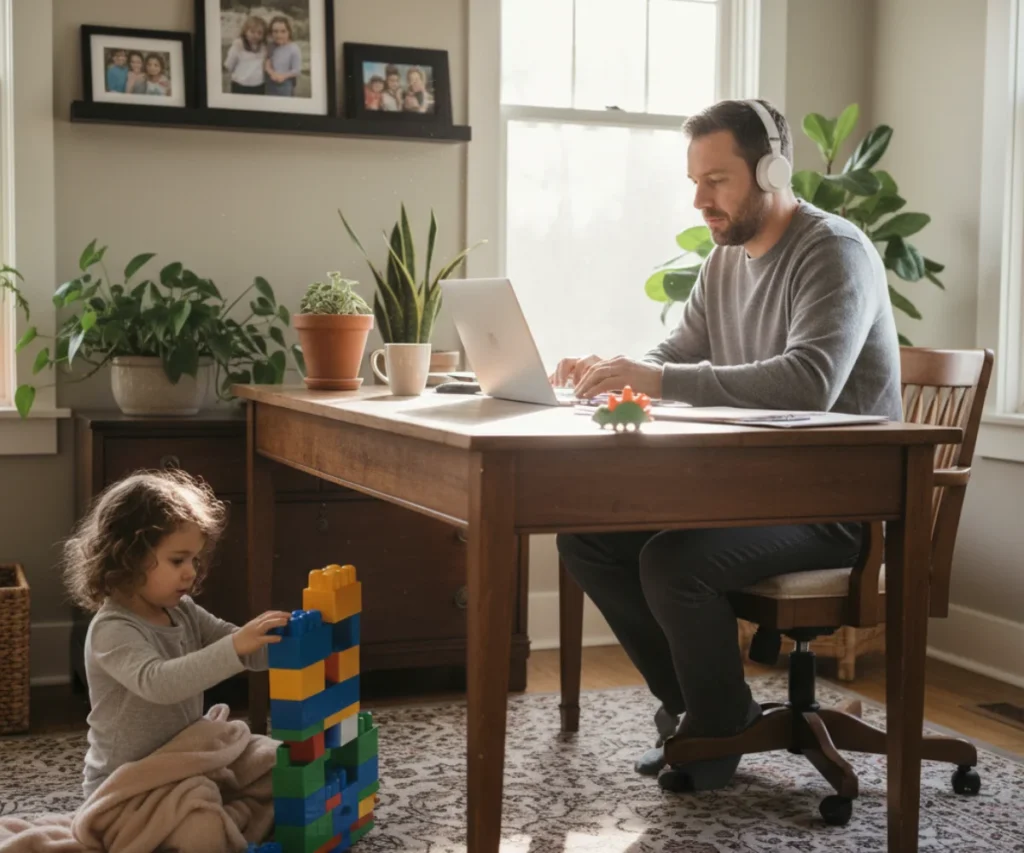
The pursuit of a healthy work-life balance is a cornerstone of modern fatherhood. Many dads are making conscious choices, sometimes even career sacrifices, to be more present in their children’s lives. This might involve:
- Seeking jobs with more flexible hours or remote work options.
- Reducing travel for work or declining promotions that demand more time away.
- Prioritizing family dinners, bedtime stories, and weekend outings over extra hours at the office.
- Advocating for better paternity leave policies in their workplaces.
This shift reflects a changing societal value where personal and family well-being are given equal, if not greater, importance than solely career advancement. Modern dads understand that their presence and time are invaluable investments in their children’s happiness and development, and they are willing to rearrange their lives to make that happen. This is not always easy, but it’s a commitment to being an active, visible part of their children’s daily lives.
6. Leveraging Technology for Connection and Information

Technology, often seen as a distraction, is being harnessed by modern dads as a tool for connection and empowerment. While mindful of screen time, they use it to:
- Stay connected with children when away for work through video calls.
- Access a wealth of parenting information, from developmental guides to support forums.
- Share family moments and milestones with extended family and friends.
- Discover educational apps and games that foster learning and interaction.
- Use smart home devices to manage schedules, reminders, and family logistics.
This isn’t about letting screens replace real-world interaction, but about using technology strategically to enhance parenting. It allows for broader learning, easier communication, and access to a global community of parents, helping dads feel more informed and supported in their roles. They engage with online parenting communities, seeking advice and sharing experiences, thereby normalizing the challenges and joys of fatherhood.
7. Embracing Vulnerability and Seeking Support
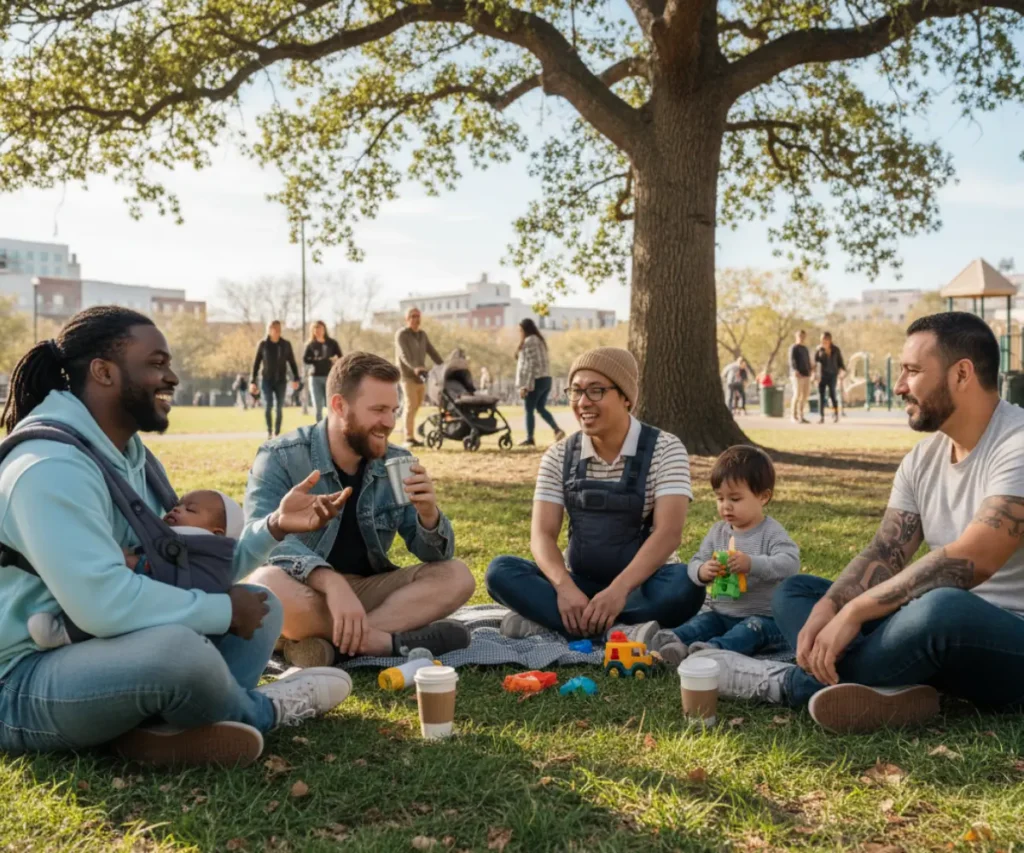
Perhaps one of the most profound differences is the willingness of modern dads to be vulnerable and seek support. The ‘strong, silent’ archetype has given way to dads who are comfortable admitting when they’re struggling, asking for help, and openly discussing the challenges and joys of parenting.
This manifests in several ways:
- Joining dad-specific parenting groups, both online and in person.
- Openly discussing their parenting struggles and triumphs with their partners, friends, and family.
- Seeking professional guidance when needed, whether for parenting advice or personal well-being.
- Being more open about their own mental health and modeling self-care.
This embrace of vulnerability is crucial. It creates a healthier environment for children, who learn that it’s okay not to be perfect and to ask for help. It also strengthens parental partnerships by fostering open communication and mutual support. Modern dads understand that asking for help isn’t a sign of weakness, but a sign of strength and a commitment to being the best parent they can be.
The Evolving Landscape of Fatherhood
The journey of modern fatherhood is a dynamic and rewarding one. It’s a testament to the evolving understanding of family, gender roles, and the profound impact a father has on his children’s lives. These seven ways demonstrate a powerful shift: from fathers who were once primarily providers and disciplinarians to partners in every sense of the word—caregivers, emotional anchors, developmental guides, and active participants in the daily tapestry of family life.
This evolution benefits everyone. Children grow up with more engaged, emotionally available role models. Partners experience more equitable and supportive relationships. And dads themselves discover a deeper, more fulfilling connection to their families than ever before. If you’re a modern dad, embrace these changes, celebrate your unique parenting style, and know that your involvement is not just appreciated, it’s foundational to the well-being and happiness of your family.