Life with kids is a beautiful whirlwind. From school runs to playdates, homework to bath time, the hours fly by. And often, right in the middle of all that wonderful chaos, comes the familiar question: “What’s for dinner?” Or perhaps, “What are we packing for lunch tomorrow?”
For many parents, mealtimes can feel like another mountain to climb, filled with last-minute decisions, grocery dashes, and the endless struggle to please tiny taste buds. But what if there was a way to bring a little calm to the culinary storm? Enter meal prepping for kids. It’s not about becoming a gourmet chef; it’s about smart planning that saves your sanity, time, and ensures your children get nourishing meals with less fuss. Let’s make mealtime easier, together.
Why Meal Prepping for Kids is a Game-Changer
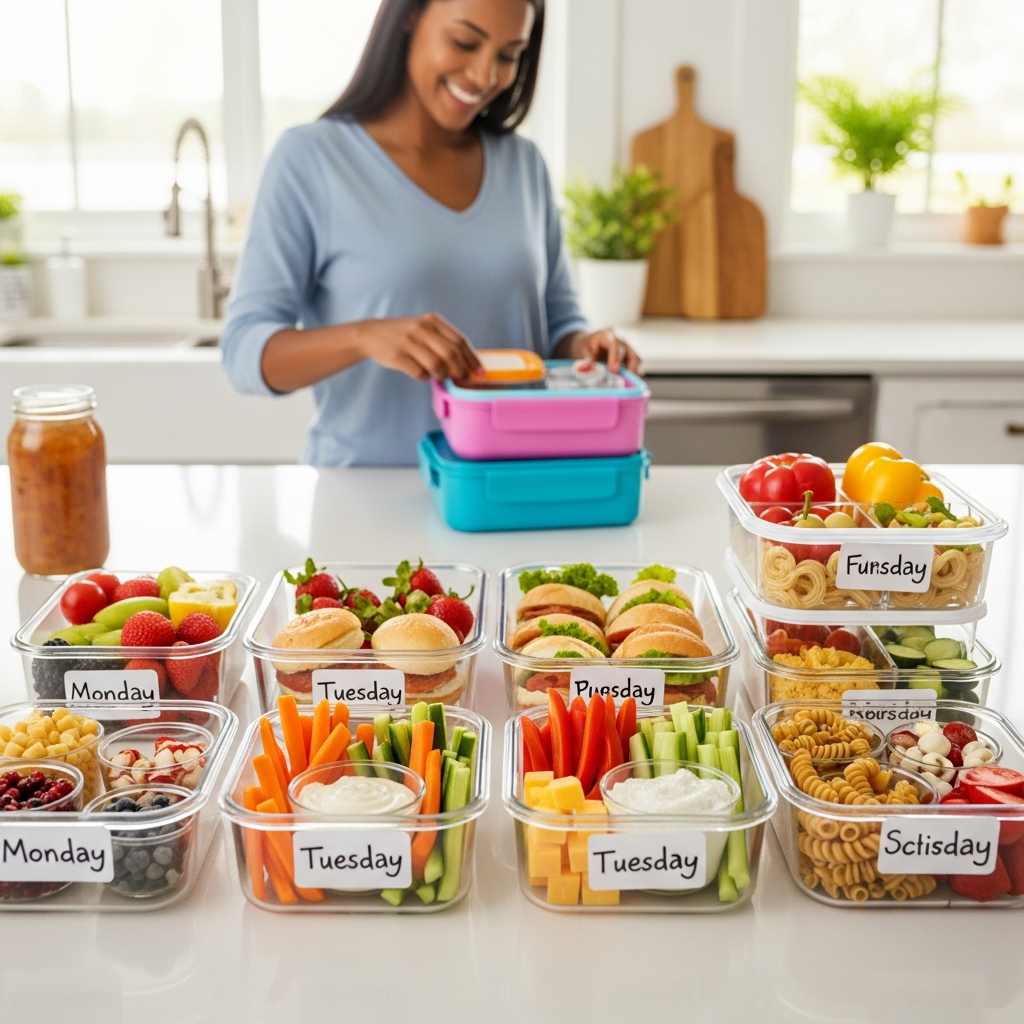
Meal prepping might sound like another chore, but it’s actually a secret weapon for busy families. It simplifies your week in ways you might not expect.
Saving Time and Stress
Imagine coming home after a busy day and not having to wonder what to cook. Or opening the fridge on a Monday morning to find perfectly packed lunchboxes ready to go. Meal prepping frees up precious time during the week, allowing you to spend more moments connecting with your family instead of scrambling in the kitchen. It reduces decision fatigue and the “what’s for dinner” panic.
Healthier Choices
When you prep meals, you’re in control of the ingredients. This means less reliance on processed snacks or last-minute takeout. You can easily incorporate more fruits, vegetables, and whole grains into your kids’ diets, knowing exactly what’s going into their bodies. It helps establish good eating habits early on.
Reducing Food Waste
Ever bought fresh produce with good intentions, only for it to wilt in the fridge? Meal prepping helps you use ingredients efficiently. By planning meals and snacks ahead, you buy only what you need and use it before it spoils, saving money and reducing waste.
Empowering Kids
Involving your children in the meal prep process, even in small ways, can make them more invested in what they eat. They learn about different foods, how meals are put together, and might even be more willing to try new things when they’ve helped prepare them. It builds independence and healthy relationships with food.
Getting Started: The Essential Prep Steps

You don’t need to overhaul your entire kitchen or become a master chef overnight. Starting small and building confidence is the key.
Planning is Key
Every successful meal prep journey begins with a solid plan. Think of it as your roadmap for the week.
Involve Your Kids
Ask your children for their input. What are some of their favorite healthy foods? Are there new veggies they’d be willing to try? Giving them a say makes them feel valued and more likely to eat what’s prepared.
Check the Pantry First
Before you even think about shopping, take a peek in your fridge, freezer, and pantry. What ingredients do you already have on hand? This prevents duplicate purchases and inspires meals based on what needs to be used up.
Create a Weekly Meal Plan
Grab a notebook, a whiteboard, or use an app. Jot down your breakfast, lunch, dinner, and snack ideas for the upcoming week. Consider themes like “Meatless Monday” or “Taco Tuesday” to make planning easier.
Smart Shopping
Once your plan is ready, your shopping list will practically write itself.
Make a Detailed List
Stick to your list like glue. Organize it by grocery store aisles (produce, dairy, pantry, etc.) to save time and prevent impulse buys. Don’t forget essentials like milk or bread that aren’t part of a specific recipe.
Shop Smart
Try to shop at off-peak hours to avoid crowds. Look for sales on staples, and consider buying certain items in bulk if they are freezer-friendly or have a long shelf life.
The Right Tools
You don’t need a fancy kitchen to meal prep, but a few key items can make the process much smoother.
Storage Containers
This is perhaps the most important tool. Invest in good quality, airtight containers. Glass containers are great for reheating and stain resistance, while BPA-free plastic is lighter for lunchboxes. Look for containers that are stackable and leak-proof.
Basic Kitchen Gear
Ensure you have sharp knives, a good cutting board, measuring cups and spoons, mixing bowls, and baking sheets. These essentials will cover most of your meal prep needs.
Simple Meal Prep Strategies for Busy Parents
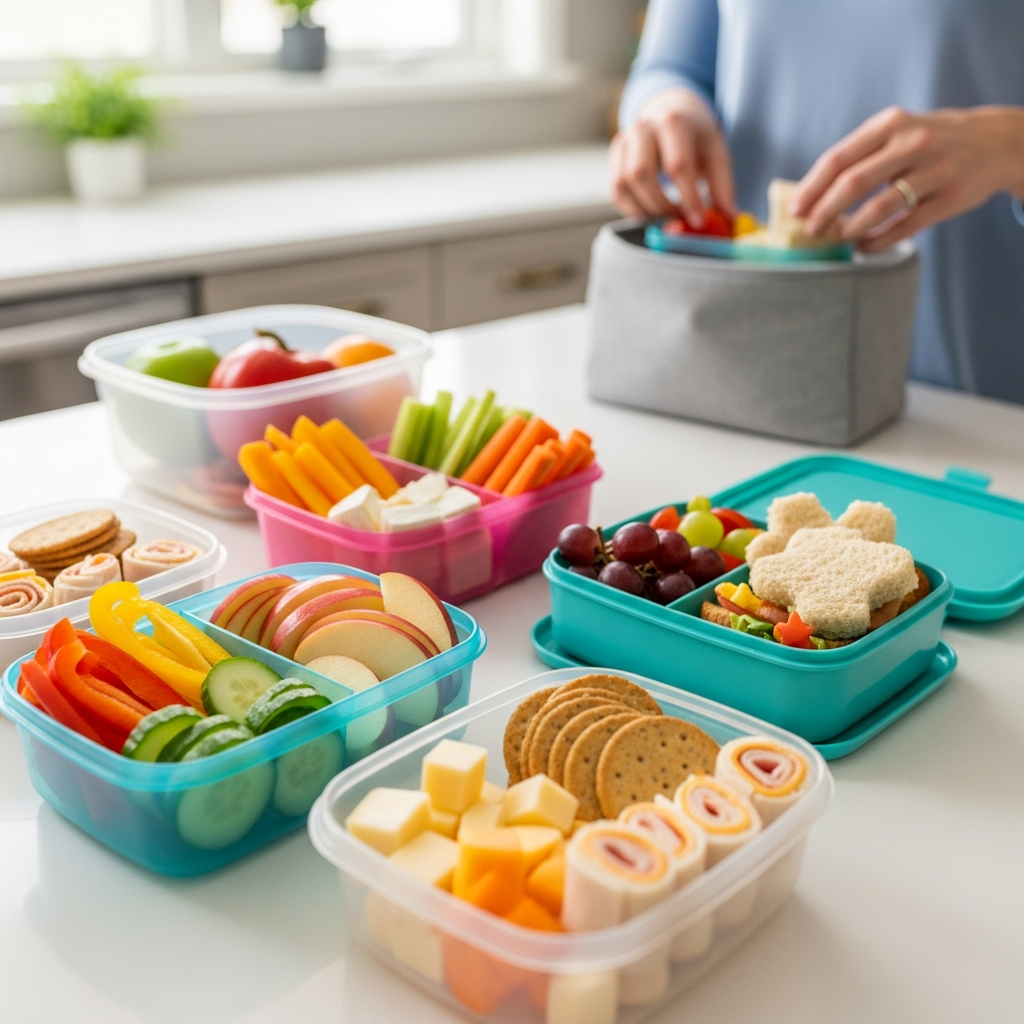
Now for the fun part: getting into the kitchen! These strategies are designed to be efficient and effective for families.
Batch Cooking Basics
Batch cooking means making large quantities of one item that can be used in multiple meals or served throughout the week.
Cook Grains in Bulk
Rice, quinoa, or pasta can be cooked in a big batch at the beginning of the week. Store it in the fridge and use it as a base for stir-fries, sides, or salads.
Roast Veggies Ahead
Chop up a variety of vegetables like broccoli, carrots, bell peppers, and sweet potatoes. Toss them with a little olive oil and seasonings, then roast them all at once. They’re perfect for adding to lunches, omelets, or as a quick side dish.
Prepare Proteins
Cook a large chicken breast, ground beef, or a batch of hard-boiled eggs. Shredded chicken can go into wraps, quesadillas, or salads. Hard-boiled eggs are fantastic for quick breakfasts or snacks.
Component Prepping
Instead of cooking full meals, prepare individual components that can be mixed and matched later.
Chop and Wash Produce
Wash and chop fruits and vegetables like carrots, celery, cucumbers, melon, and grapes. Store them in separate containers so they’re ready for snacks, salads, or additions to meals.
Make Dressings and Dips
Whip up a batch of homemade salad dressing, hummus, or yogurt dip. Store in small containers. This saves time and ensures healthier options are always available.
Freezer-Friendly Favorites
The freezer is your best friend for longer storage and saving meals for truly hectic days.
Label Everything Clearly
Always label frozen items with the date and content. This helps you keep track of what you have and ensures you use food within its recommended freezer life.
Proper Thawing
Plan ahead for thawing. Most frozen meals or components can be moved to the refrigerator the night before. Smaller portions can sometimes be reheated directly from frozen or thawed in the microwave.
Kid-Friendly Meal Prep Ideas

Meal prepping works best when the food is something your kids will actually eat. Here are some ideas that tend to be winners.
Breakfast Boosters
Start the day right with prepped breakfasts that save precious morning minutes.
Overnight Oats
Mix oats, milk (dairy or non-dairy), chia seeds, and your child’s favorite fruit or sweetener in a jar. Let it sit overnight in the fridge for an instant breakfast.
Mini Frittatas
Bake eggs with chopped veggies and cheese in muffin tins. These are great to grab-and-go and can be eaten warm or cold.
Smoothie Packs
Portion fruit, spinach, and a scoop of protein powder into freezer bags. In the morning, just add liquid and blend.
Lunchbox Legends
Make packing lunches a breeze with these prepped ideas.
Bento Box Inspiration
Prepare components like cheese cubes, crackers, chopped fruit, veggie sticks, and a small portion of a main dish. Kids love the variety and colorful presentation.
Wraps and Roll-ups
Spread cream cheese, hummus, or a thin layer of peanut butter on tortillas. Add sliced turkey, cheese, or banana, then roll up and slice.
Pasta Salads
Cooked pasta mixed with chopped veggies, a light dressing, and a source of protein (like shredded chicken or chickpeas) makes a satisfying, easy lunch.
Dinner Done Right (and Leftovers)
Prep dinners that can be easily reheated or assembled, and don’t shy away from intentional leftovers.
Easy Casseroles
Make a big casserole like a shepherd’s pie or a chicken and veggie bake. Portions can be refrigerated for a few days or frozen for later.
Soups and Stews
Soups and stews often taste even better the next day. Make a large pot, portion it out, and you have healthy, comforting meals ready to go.
Build-Your-Own Stations
Prepare ingredients for “build-your-own” meals like tacos, pizza, or pasta bowls. Have cooked taco meat, chopped toppings, pre-made pizza dough, or pasta and sauce ready. Kids love customizing their meals.
Healthy Snack Solutions
Avoid the “I’m hungry!” meltdown with pre-portioned, healthy snacks.
Pre-portioned Fruits and Veggies
Wash and cut apples, oranges, carrots, celery, or bell peppers. Store them in individual baggies or small containers.
Homemade Energy Bites
Mix oats, nut butter, honey, and add-ins like mini chocolate chips or flax seeds. Roll into balls and refrigerate. They’re a perfect sweet treat.
Safety First: Storing Prepped Meals
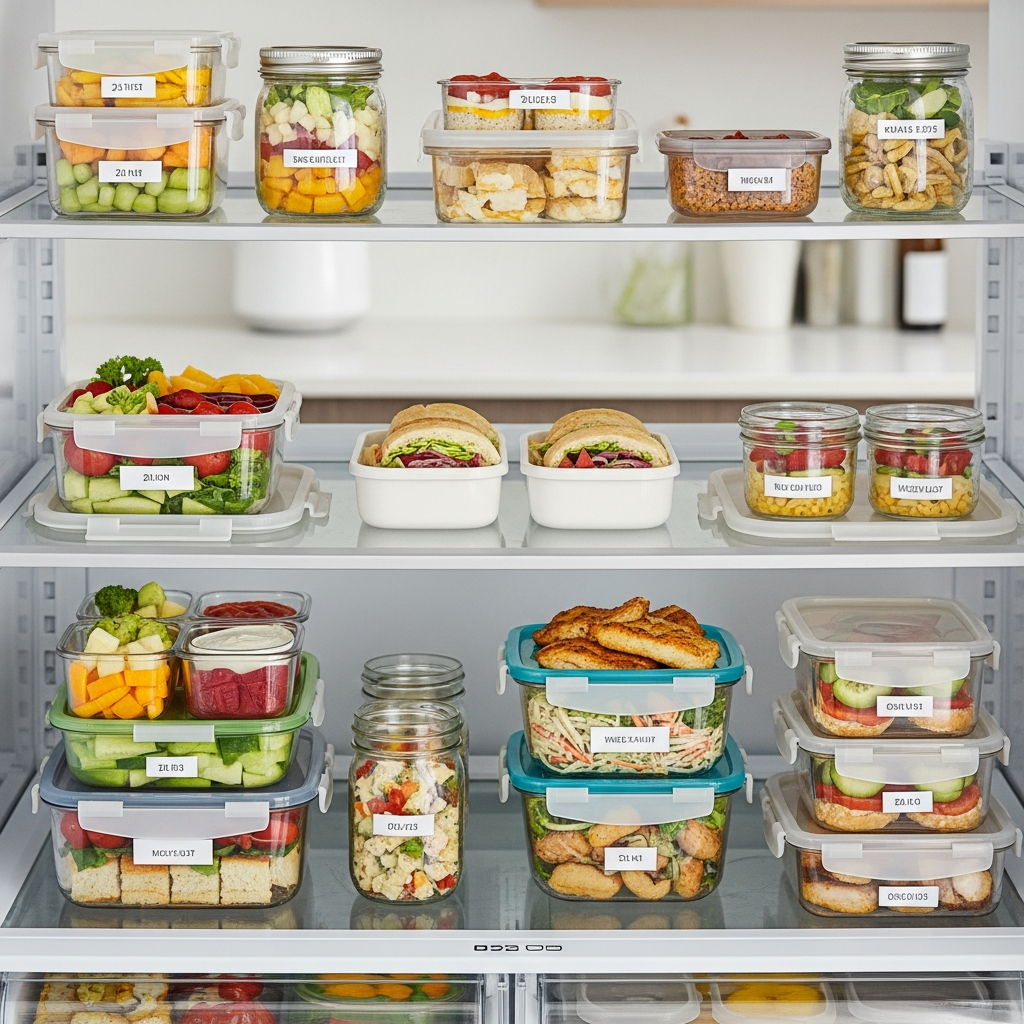
Proper food storage is crucial to ensure your family’s safety and keep food fresh.
Proper Cooling
Always cool cooked food quickly before refrigerating. Divide large quantities into smaller, shallow containers to help them cool faster. Don’t leave food out at room temperature for more than two hours.
Airtight Containers
Use airtight containers to prevent spoilage and keep food fresh. This also helps prevent odors from spreading in your fridge.
Refrigeration and Freezing Times
Generally, prepped meals last 3-4 days in the refrigerator. In the freezer, most cooked dishes can last for 2-3 months. Always refer to specific food safety guidelines for individual items.
Overcoming Common Meal Prep Challenges
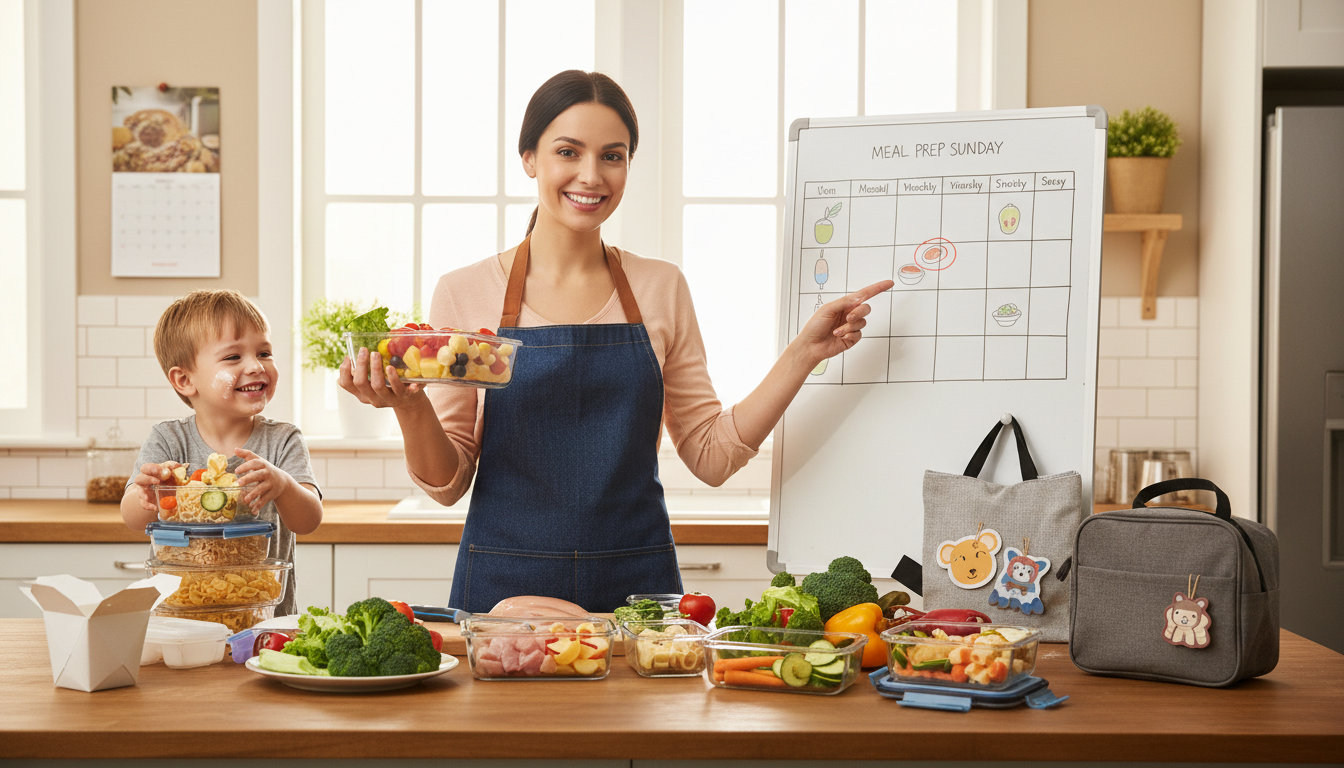
Even with the best intentions, you might hit a few bumps. That’s perfectly normal.
Picky Eaters
Focus on incorporating ingredients you know your child likes. Introduce new foods slowly, perhaps alongside familiar favorites. Presenting food in fun shapes or allowing them to help prepare it can also increase acceptance. Don’t force it; keep offering.
Running Out of Ideas
Look for inspiration online, in cookbooks, or ask other parents for their favorite kid-friendly recipes. Keep a running list of successful meals to refer back to. Sometimes, just tweaking an old favorite can make it feel new again.
Lack of Time
Remember, meal prepping doesn’t have to be an all-day event. Even 30 minutes of chopping veggies or cooking a batch of grains can make a huge difference. Start small, perhaps by prepping just lunches or dinners for a couple of days, and gradually expand as you get more comfortable.
Making it a Family Affair
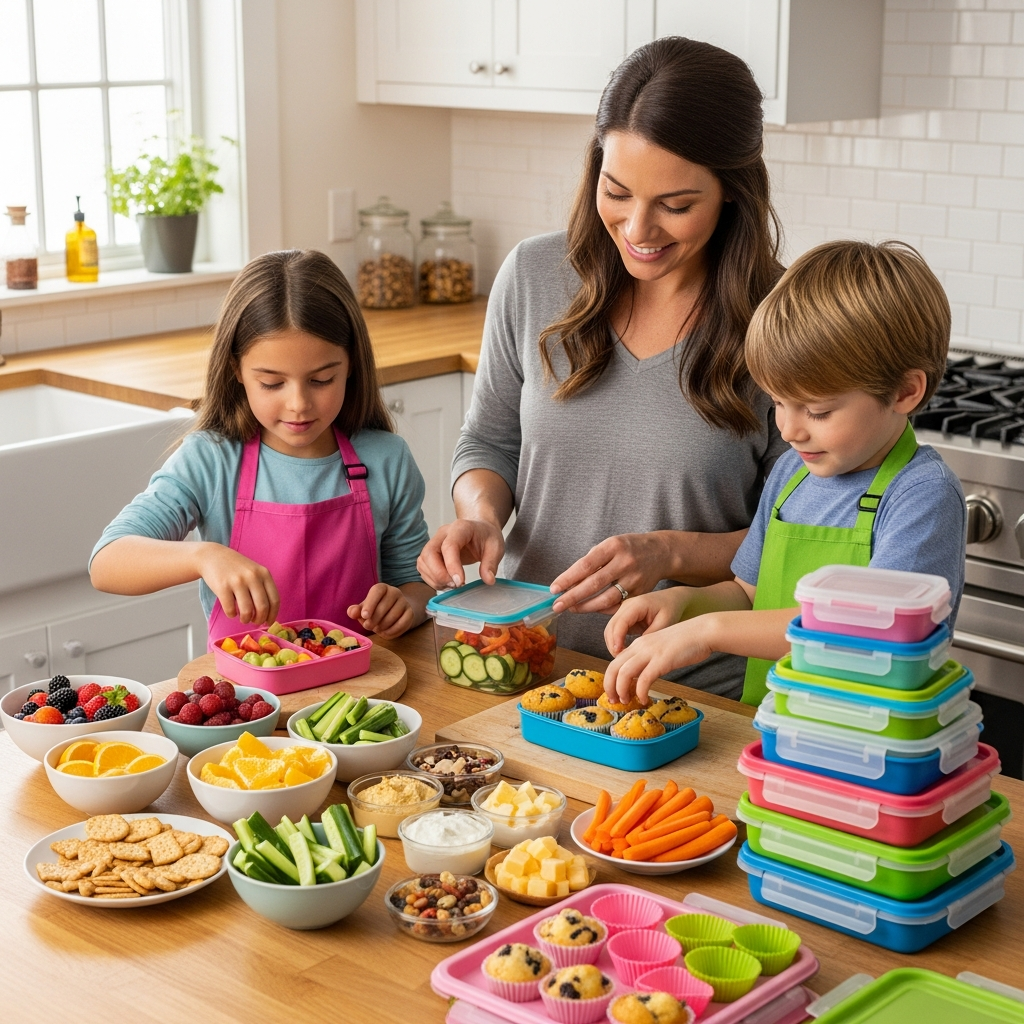
Meal prepping can be more than just a chore; it can be a wonderful family activity.
Age-Appropriate Tasks
Even young children can help wash vegetables, stir ingredients, or put non-breakable items into containers. Older kids can chop, measure, and follow recipes. Assign tasks that match their skill level.
Learning Life Skills
Involving kids in meal prep teaches them valuable life skills like cooking, nutrition, organization, and teamwork. It’s a practical way to spend quality time together and prepare them for independence.
Meal prepping for kids might seem like a big undertaking at first, but with a little planning and practice, it truly can become an easy, enjoyable part of your family routine. Imagine more peaceful evenings, less stress, and healthier meals for everyone. You’ve got this, parent! Take a deep breath, choose one small step to start, and enjoy the benefits of a more organized, delicious week.