4 Easy Meal Prep Tips That Make Family Cooking Simpler
As parents, we know the dinner dilemma all too well. The clock ticks towards evening, energy wanes, and suddenly, the thought of deciding what to cook, let alone actually cooking it, feels like climbing Mount Everest in flip-flops. We want to feed our families nutritious, delicious meals, but the reality of busy schedules, picky eaters, and endless to-do lists often leads to takeout menus or repetitive dishes.
What if there was a way to reclaim your evenings, reduce kitchen stress, and still get wholesome food on the table? Enter meal prep. It’s not about spending your entire Sunday in the kitchen, but rather about making small, strategic choices that pay off big during the week. Think of it as giving your future self a wonderful gift – the gift of time, peace of mind, and delicious food.
We’re here to share four easy, actionable meal prep tips that can genuinely simplify family cooking, making your weeknights smoother and your family happier. Let’s dive in!
The Power of Planning – Weekly Meal Schedules
The first step to simpler family cooking isn’t about chopping vegetables; it’s about planning. A well-thought-out weekly meal schedule is your roadmap to stress-free mealtimes. It removes the dreaded “what’s for dinner?” question and ensures you have all the necessary ingredients on hand.
Why a Plan Matters
Imagine this: It’s 5 PM, everyone is hungry, and you’re staring blankly into the fridge, hoping inspiration strikes. Sound familiar? A meal plan eliminates this daily scramble. It also helps you:
- Reduce food waste by buying only what you need.
- Save money by avoiding last-minute takeout or impulse grocery purchases.
- Eat healthier by consciously planning balanced meals.
- Free up mental space for other important parenting tasks.
How to Create Your Weekly Schedule
Start simple. Grab a whiteboard, a notebook, or even a digital app. Jot down your family’s favorite meals. Consider theme nights like “Taco Tuesday,” “Pasta Wednesday,” or “Pizza Friday” to make planning easier and more fun for everyone. Here’s a step-by-step approach:
- Review Your Week Look at your family’s schedule. Are there late nights with activities? Early dinners needed? Plan quicker meals for busier days.
- Involve the Family Ask your children and partner for their favorite meals. When kids have a say, they’re more likely to eat what’s served.
- Build Around Staples Do you have certain ingredients that are always in your pantry? Plan meals that utilize them.
- Plan for Leftovers Intentionally cook extra for lunch the next day or for another dinner later in the week. This is a huge time-saver!
- Keep it Flexible Life happens! If a meal doesn’t work out, swap it for another planned meal or a simple backup like scrambled eggs. The plan is a guide, not a rigid rule.
Don’t strive for perfection; aim for consistency. Even planning three or four meals a week is a fantastic start.
Smart Shopping – Efficiency at the Store

Once your meal plan is ready, the next step is transforming it into an efficient grocery list. Smart shopping isn’t just about saving money; it’s about saving precious time and mental energy, ensuring you have exactly what you need without endless trips to the store.
Building Your Master Grocery List
Your meal plan is the foundation. Go through each meal you’ve planned and list every ingredient required. Then, add your family’s regular pantry staples, breakfast items, snacks, and household necessities. Categorize your list by sections of the grocery store (produce, dairy, pantry, frozen, meat) to make your shopping trip quicker and more focused.
Pro-Tip: Keep a running list on your fridge or phone for items that run out during the week, so you never forget to restock.
Batch Buying for Savings and Convenience
Consider buying certain non-perishable items or freezer-friendly staples in larger quantities when they are on sale. Items like rice, pasta, canned goods, frozen vegetables, and certain meats can often be purchased in bulk, saving you money and reducing the frequency of your shopping trips.
- Check Unit Prices Always compare the price per unit to ensure bulk buying is truly a good deal.
- Storage Space Make sure you have adequate pantry or freezer space for bulk items.
- Don’t Overdo It Only buy what you know your family will realistically consume before it expires.
Sticking to your list is paramount. Those enticing displays at the end of the aisle are designed to tempt you! A focused list helps you resist impulse buys and keeps your budget in check.
Prep Ahead – Your Future Self Will Thank You
This is where the “prep” in meal prep truly comes into play. Dedicating a little time upfront to preparing ingredients can drastically cut down on cooking time during the week. Think of it as front-loading your effort for smoother sailing later.
Chopping and Dicing Day
Choose one day, often a Sunday or a quieter evening, to tackle the most time-consuming prep tasks. This might include:
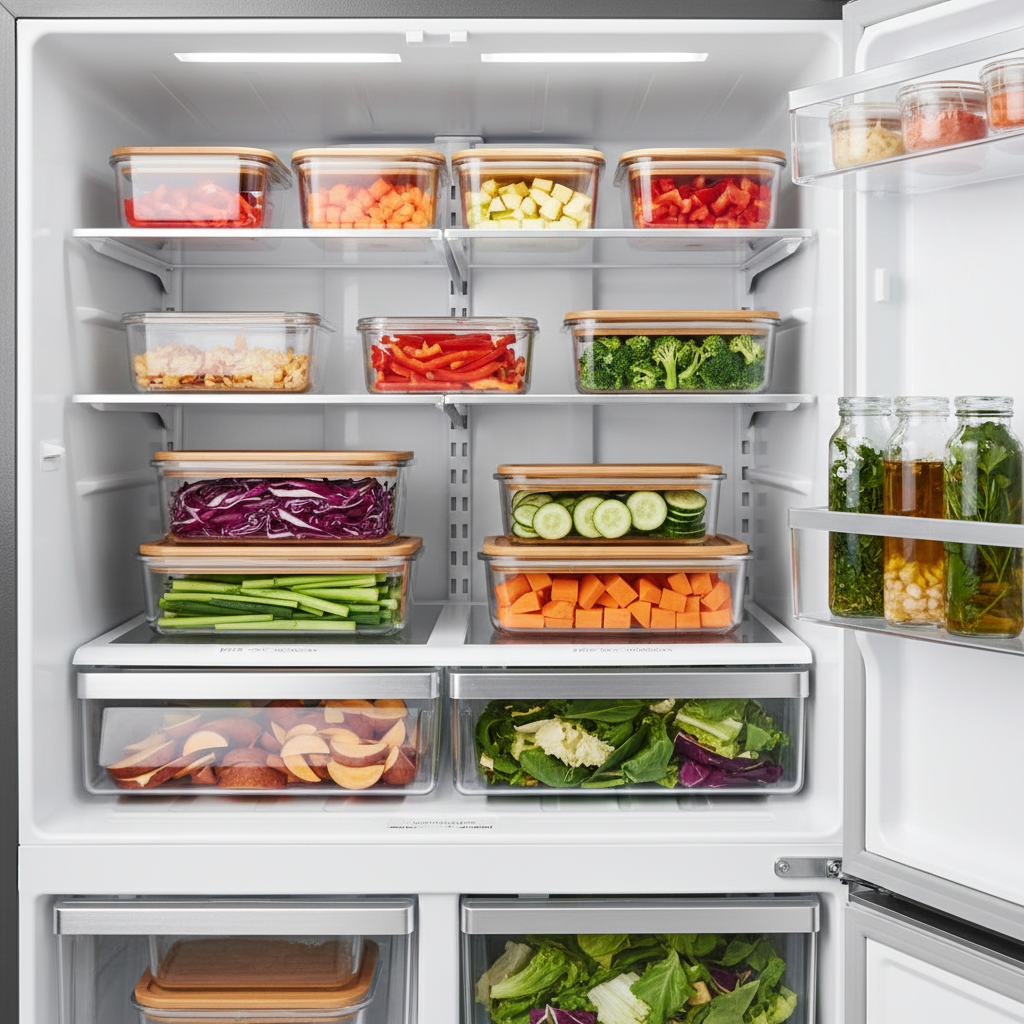
- Washing and chopping vegetables Store them in airtight containers. Carrots, celery, bell peppers, onions, broccoli, and cauliflower all hold up well.
- Washing and drying leafy greens Ready for salads or quick sautés.
- Cooking grains Make a big batch of quinoa, rice, or pasta to use in multiple meals.
- Making sauces or dressings Homemade vinaigrettes or marinades can be prepped.
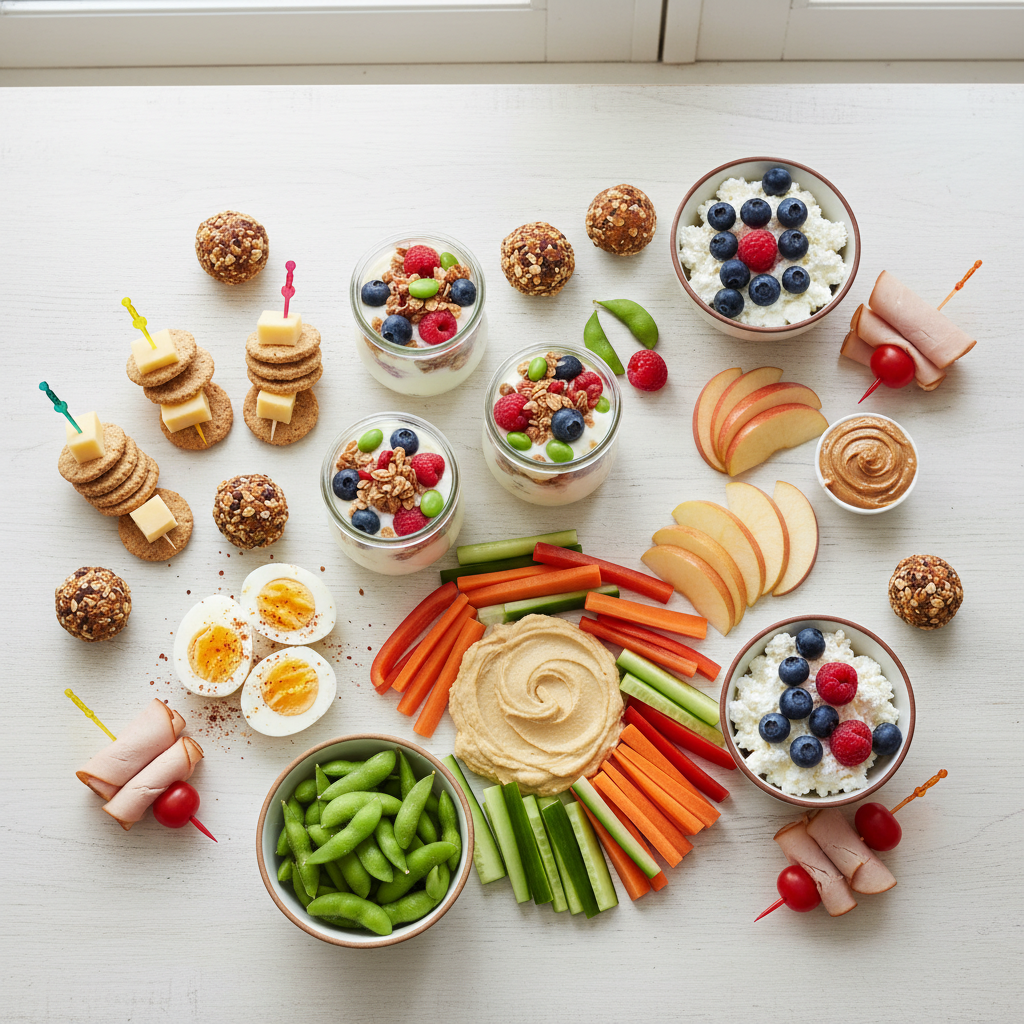
- Pre-portioning snacks Divide nuts, fruit, or veggies into individual bags for grab-and-go options.
Even 30-60 minutes of focused prep can make a world of difference when you’re racing against the clock on a Tuesday evening.
Batch Cooking Basics
Consider cooking larger quantities of certain components that can be used in various meals throughout the week. For example:
- Roast a whole chicken Use it for dinner one night, then shred the leftovers for tacos, sandwiches, or salads.
- Cook a large batch of ground meat Season it differently for chili, pasta sauce, or lettuce wraps.
- Hard-boil a dozen eggs Perfect for quick breakfasts, snacks, or adding to salads.
The key is versatility. Think about how one prepared item can be transformed into several different dishes.
Embrace Freezer-Friendly Meals – Your Secret Weapon
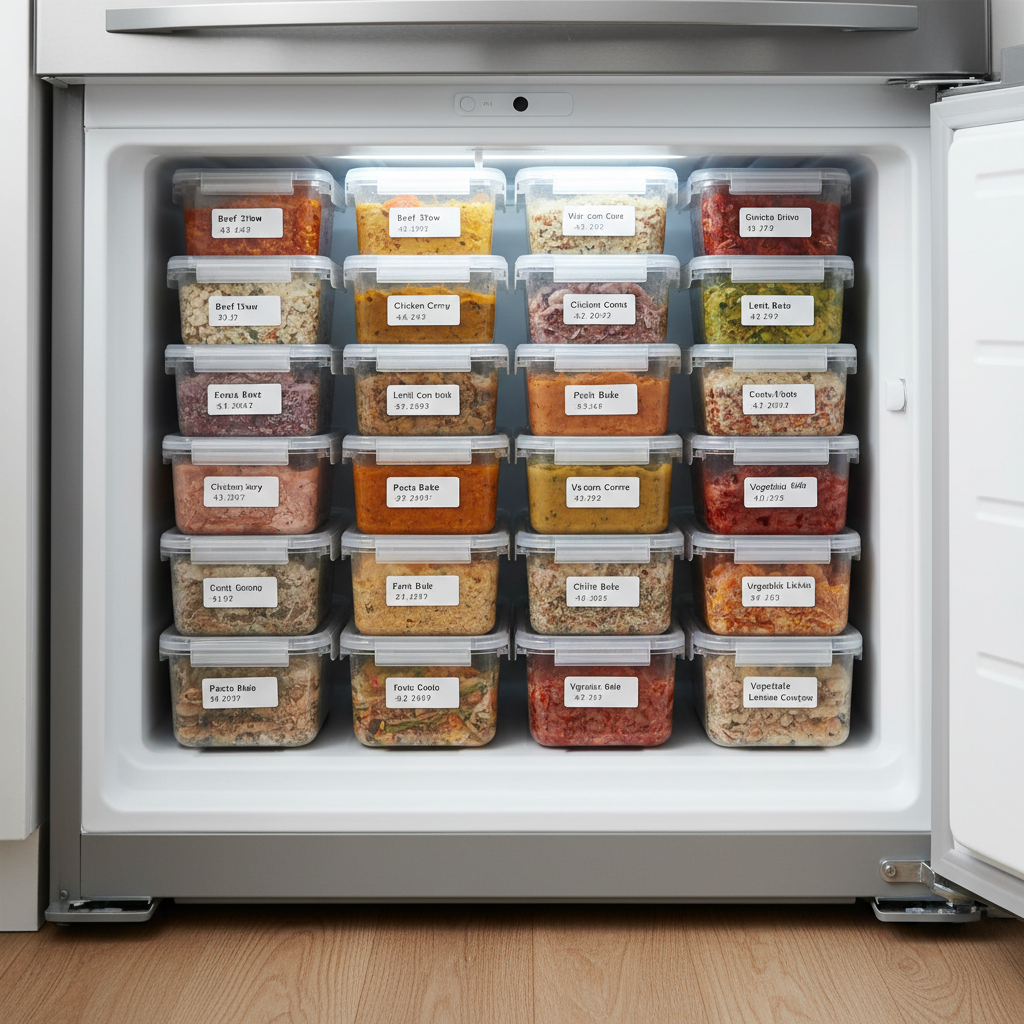
The freezer is a parent’s best friend. Preparing meals that can be frozen and reheated is like having a secret stash of homemade goodness ready for those truly chaotic days. It’s the ultimate “set it and forget it” strategy for healthy family eating.
What Freezes Well
Many dishes are excellent candidates for freezing. Think about meals that are liquid-based or have a good amount of sauce, as this helps prevent them from drying out. Great options include:
- Soups and stews
- Chili
- Casseroles (like lasagna or shepherd’s pie)
- Pasta sauces (without the pasta)
- Meatballs or meatloaves
- Breakfast burritos or muffins
- Cooked chicken or ground meat (plain or seasoned)
Avoid freezing foods with high water content that can become mushy, like lettuce or cucumber, or dishes with creamy sauces that might separate.
Freezing for Future Feasts
When you’re cooking a meal that freezes well, simply double the recipe. Enjoy one portion now and freeze the other for later. Remember these tips for successful freezing:
- Cool Completely Always allow food to cool to room temperature before freezing to prevent ice crystals and maintain quality.
- Use Airtight Containers This prevents freezer burn. Freezer-safe bags, glass containers, or aluminum foil pans work well.
- Label Everything Include the dish name and the date it was frozen. This is crucial for knowing what you have and ensuring freshness.
- Portion Smartly Freeze in family-sized portions or individual servings, depending on how you’ll use them.
Most frozen meals are best consumed within 2-3 months for optimal taste and quality. Thaw overnight in the refrigerator for best results, or use your microwave’s defrost setting.
Beyond the Four Tips – Making it a Habit
Meal prep isn’t about perfection; it’s about progress and finding what works for your unique family. Integrating these tips into your routine will take time and practice, and that’s perfectly okay!
Start Small, Stay Consistent
Don’t feel pressured to implement all four tips at once. Perhaps you start by just planning your dinners for three days a week. Once that feels comfortable, add a grocery list. Then, try prepping one type of vegetable. Small, consistent steps build lasting habits.
Get the Family Involved
Meal prep can be a wonderful family activity. Even young children can help wash vegetables, stir ingredients, or label containers. Older kids can take on more responsibility, like chopping or even planning a meal. Not only does this lighten your load, but it also teaches them valuable life skills and fosters a love for cooking and healthy eating.
Remember, there will be weeks when the best-laid plans go awry, and that’s part of the parenting journey. Be kind to yourself, embrace flexibility, and know that every effort you make to simplify family cooking is an investment in your well-being and your family’s.
Conclusion
Family cooking doesn’t have to be a daily battle. By embracing the power of planning, smart shopping, prepping ahead, and utilizing your freezer, you can transform chaotic mealtimes into calm, connected moments around the table. These four easy meal prep tips are designed to give you back valuable time, reduce stress, and ensure your family enjoys delicious, home-cooked meals more often.
Which tip will you try first? Pick one that resonates most with you and give it a go this week. You might be surprised at how much simpler family cooking can become!