Major Lifestyle Changes After Having a Baby
Bringing a new baby home is an incredible, life-altering experience. The moment you hold your little one, your world shifts in the most profound ways. While the love and joy are immense, it is also true that nearly every aspect of your daily life will undergo major changes. These shifts can be exciting, challenging, and sometimes overwhelming, all at once.
Understanding these lifestyle adjustments ahead of time, or recognizing them as you navigate parenthood, can help you feel more prepared and less alone. This article will walk you through some of the biggest changes you can expect, offering a gentle guide to this amazing new chapter.
The New Rhythm of Sleep (or Lack Thereof)
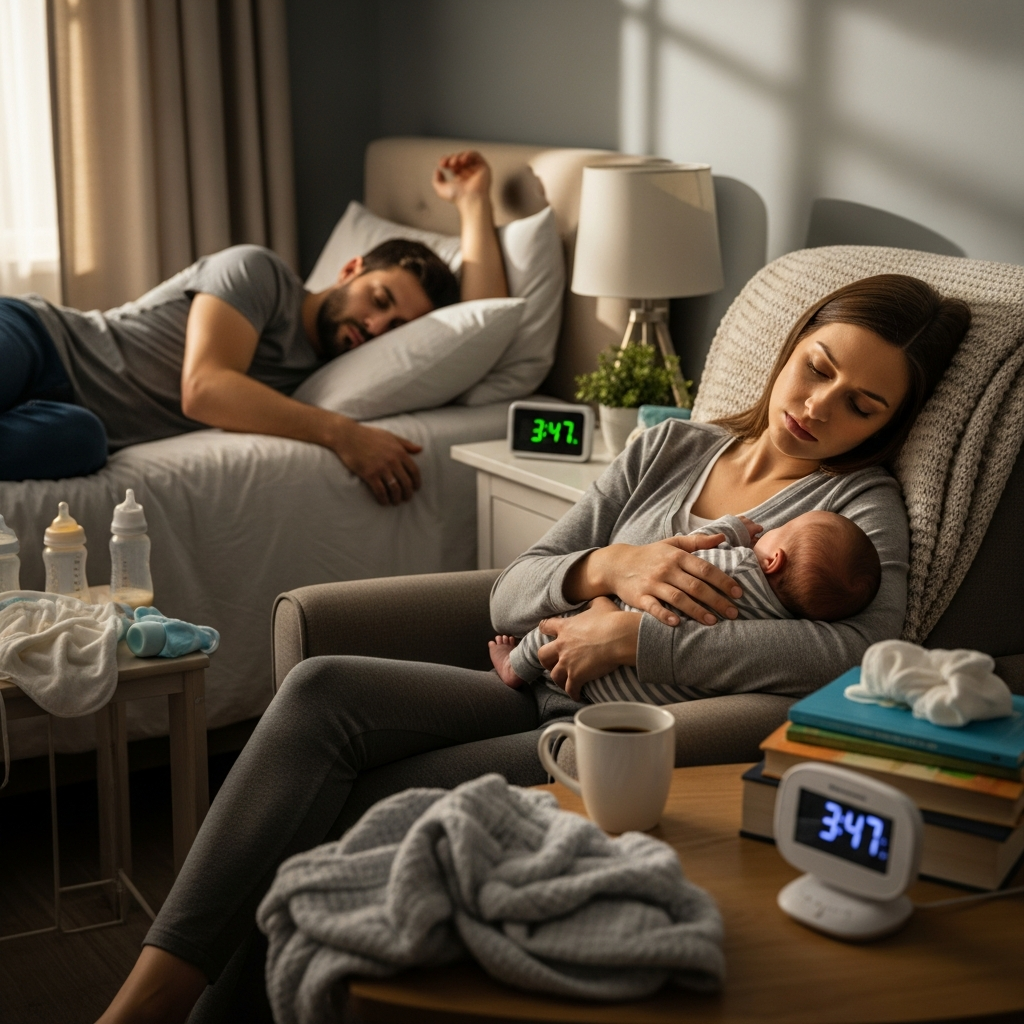
One of the most immediate and impactful changes you will experience is to your sleep. Gone are the days of uninterrupted eight-hour nights, at least for a while. Newborns have their own unique sleep patterns, and yours will revolve around theirs.
Understanding Newborn Sleep Patterns
Newborns sleep a lot, but in short bursts. They typically sleep for 2-4 hours at a time, waking to feed, be changed, and often just for comfort. This means your sleep will be fragmented, leaving you feeling tired and often quite sleep-deprived. It is a natural part of caring for a tiny human who needs frequent nourishment and reassurance.
Strategies for Surviving Sleep Deprivation
While you cannot avoid broken sleep entirely, you can adopt strategies to manage it. The most common advice, “sleep when the baby sleeps,” is truly golden. This might mean napping during the day, even if it feels unproductive.
Another helpful tip is to share night duties with a partner if possible. Taking shifts can allow each parent a longer stretch of sleep. Remember, this period does not last forever, and establishing a consistent, calming bedtime routine for your baby will eventually lead to more predictable sleep for everyone.
Time Reimagined: Every Minute Counts
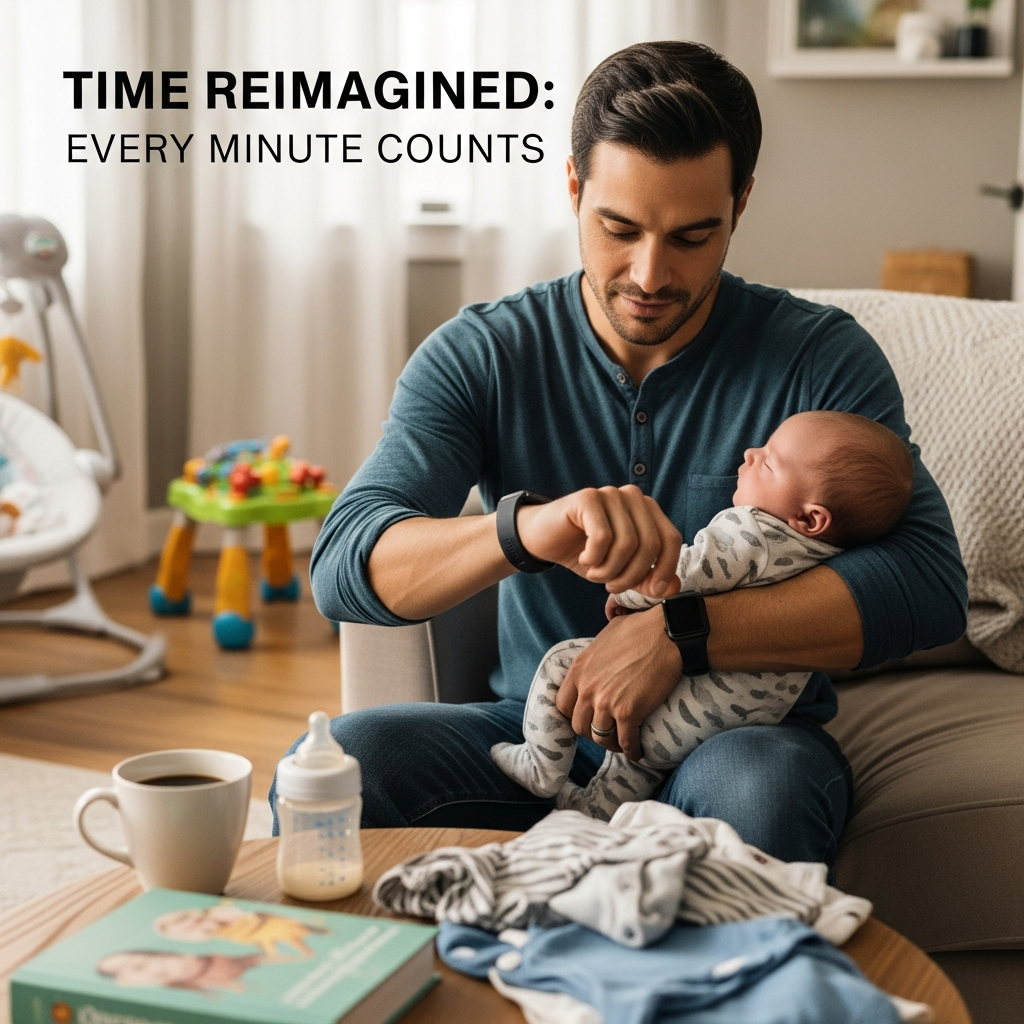
Before a baby, your time was largely your own. You could decide to spend an evening out, pursue a hobby, or simply relax. After a baby, your personal time becomes a precious, rare commodity.
The Vanishing Free Time
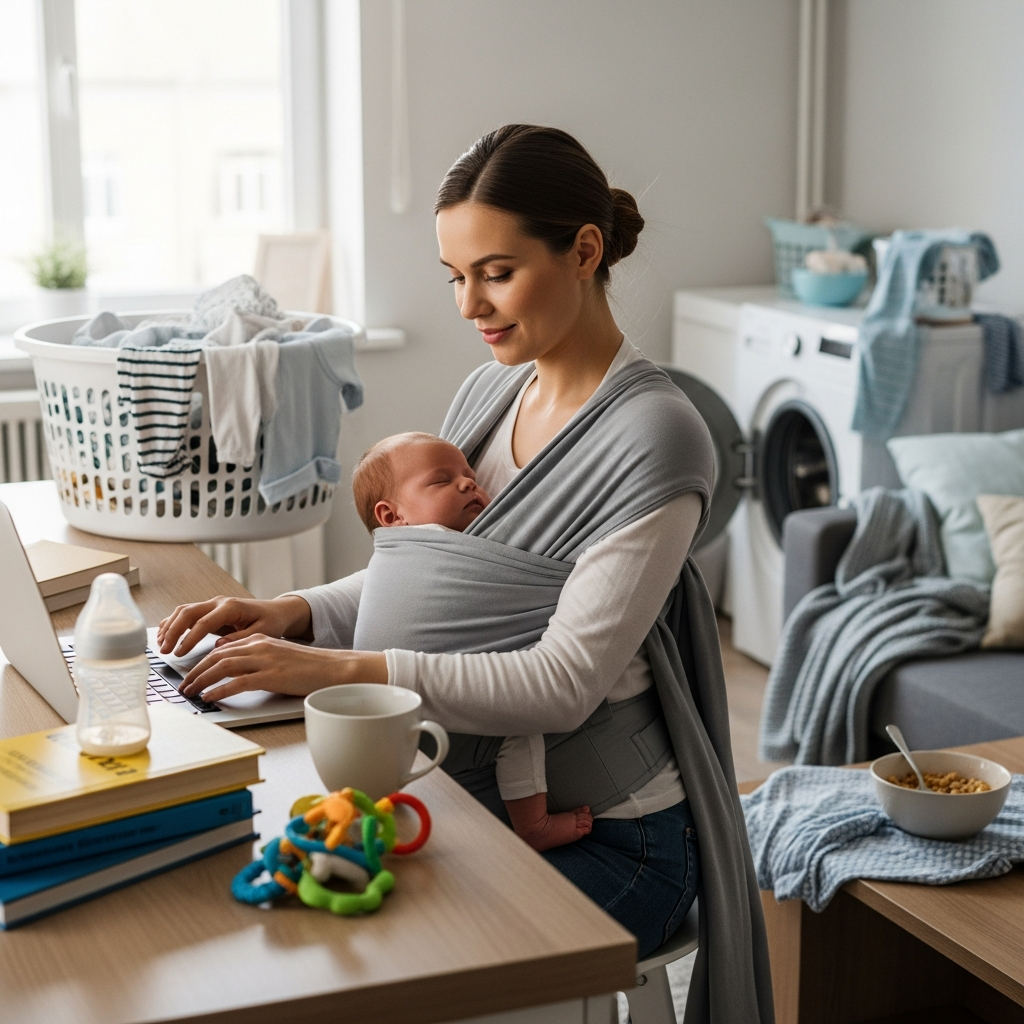
Suddenly, every moment is dedicated to your baby’s needs. Feeding, changing diapers, soothing cries, playing, and comforting take up the vast majority of your day. This can leave little to no time for your previous hobbies, self-care routines, or even simple tasks like cooking a meal or doing laundry. It is a significant shift that requires patience and a new perspective on productivity.
Mastering New Routines
Your daily routine will be completely overhauled. Instead of following your old schedule, you will now follow your baby’s cues. This involves learning to anticipate their needs and building a flexible routine around them.
Feeding Schedules
Whether you are breastfeeding or formula feeding, mealtimes become the anchors of your day. Newborns feed frequently, often every 2-3 hours, day and night. This means planning your outings, appointments, and even your showers around feeding times.
Diaper Changes and Naps
Diaper changes happen dozens of times a day, and naps, while offering a short break, also dictate when you can do other things. Developing a consistent, yet flexible, daily flow that incorporates these essential baby care tasks will help bring a sense of order to your new life.
Shifting Social Circles and Connections

Your social life will undoubtedly change. Spontaneous evenings out with friends will likely be replaced by quiet nights at home, or carefully planned outings that include a baby carrier and a diaper bag.
Adjusting Your Social Life
It is common to find yourself going out less frequently, especially in the early months. Large gatherings or loud places might not be suitable for a newborn. Your focus shifts from adult-centric activities to those that can accommodate your baby, or to periods when childcare is available. This can sometimes feel isolating, but it is a temporary phase.
Nurturing Existing Friendships
Maintaining friendships requires effort in this new chapter. True friends will understand your limited availability and be happy to visit you at home or join you for baby-friendly outings. It is important to communicate your new constraints and lean on those who are supportive. Perhaps invite friends over for coffee during a nap time, or suggest a walk in the park.
Building a New Parent Community
One wonderful aspect of this change is the opportunity to connect with other new parents. Joining parent groups, attending baby classes, or simply meeting other parents at the park can lead to new friendships with people who truly understand what you are going through. These connections can be incredibly valuable for support and shared experiences.
Evolving Relationships: Partners, Family, and Self

The arrival of a baby reshapes nearly all your significant relationships, especially with your partner, family, and even your own sense of self.
Strengthening Your Partnership
Your relationship with your partner will evolve as you both step into the roles of parents. You are now a team in a new way, navigating sleep deprivation, feeding schedules, and emotional ups and downs together. Communication becomes more critical than ever. Making time for each other, even if it is just a short conversation after the baby is asleep, helps keep your bond strong. Remember to be patient and empathetic with each other, as you are both adjusting.
Navigating Family Dynamics
Grandparents, aunts, uncles, and other family members often become more involved after a baby arrives. This can be a huge source of support, but it can also bring new challenges as you navigate differing opinions on parenting or requests for visits. Setting healthy boundaries and communicating your needs clearly, but gently, is key to maintaining positive family relationships.
Rediscovering Your Personal Identity
Many parents experience a shift in their personal identity. You are no longer just an individual; you are a parent. This new role often brings immense joy and purpose, but it can also lead to questioning who you are outside of your new responsibilities. It is important to acknowledge this shift and make conscious efforts to hold onto aspects of your pre-baby self that are important to you, even if they look different now.
Financial Adjustments and Budgeting

Babies, while priceless, do come with significant costs. Your financial landscape will almost certainly change as new expenses arise and income might shift.
New Expenses on the Horizon
From diapers and formula to clothes, gear, and childcare, the costs associated with a baby can add up quickly. Medical expenses, even with insurance, can also be a factor. It is wise to prepare for these new outlays and adjust your budget accordingly.
Smart Budgeting Tips
Creating a detailed budget is essential. Look for ways to save, such as buying gently used baby items, accepting hand-me-downs, or making your own baby food. Consider how your income might change if one parent takes extended leave or reduces working hours. Many parents find they become more mindful of their spending and prioritize differently once a baby is in the picture.
Career and Work-Life Integration
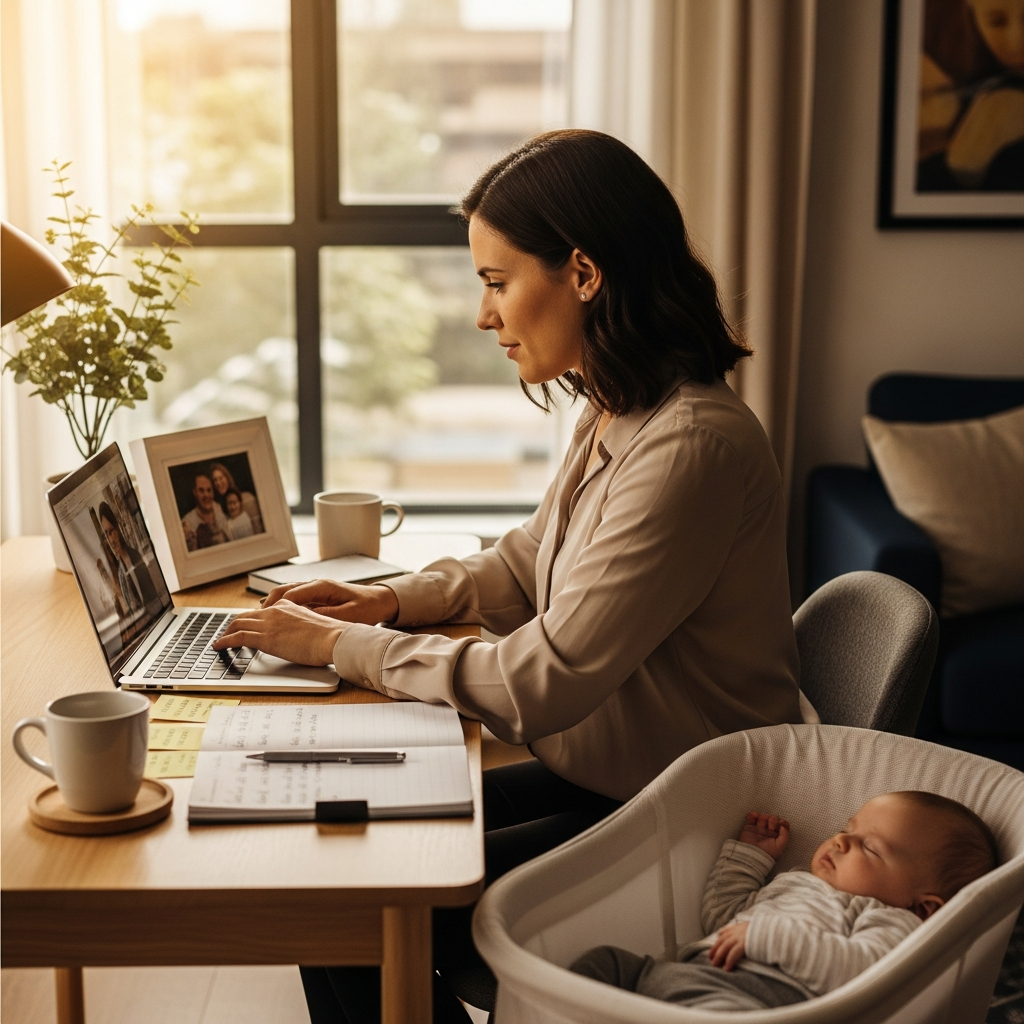
For many parents, a baby brings significant changes to their professional lives and the balance between work and home.
Maternity/Paternity Leave Considerations
Taking maternity or paternity leave is a major change, offering a period of intense bonding and adjustment. This time away from work requires planning and understanding your company’s policies and financial implications. It is a unique window to focus solely on your baby and your family’s new rhythm.
Returning to Work with a Baby
The transition back to work can be challenging. Finding reliable childcare, managing pumping schedules for breastfeeding mothers, and juggling work responsibilities with the demands of home life requires considerable effort. Many parents find they need to adjust their expectations and routines to make this balance work.
Balancing Career Aspirations and Parenthood
Some parents choose to make long-term career changes, such as reducing hours, seeking more flexible roles, or even temporarily stepping away from their careers to focus on family. This is a very personal decision, and there is no right or wrong answer. It is about finding what works best for your family’s unique circumstances and values.
Prioritizing Your Physical and Mental Well-being
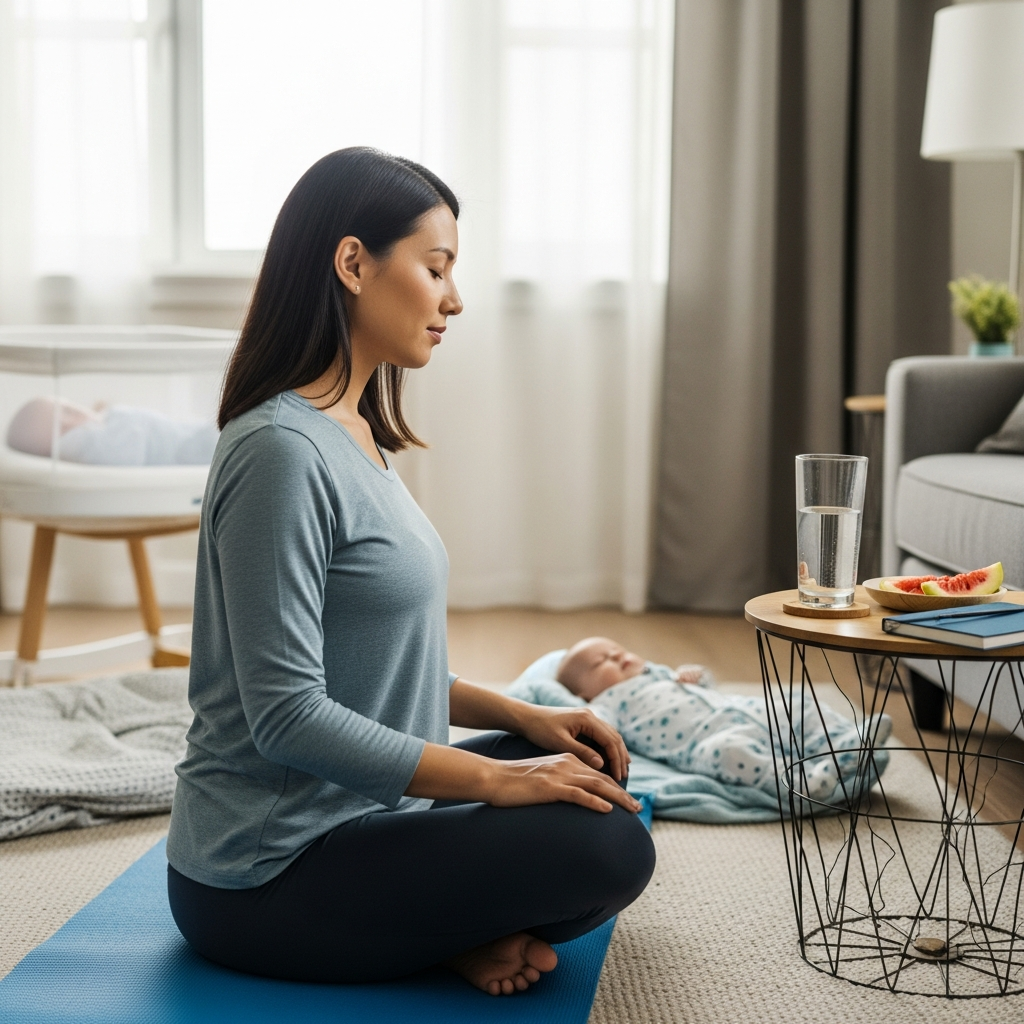
Amidst all the focus on the baby, it is easy to neglect your own physical and mental health. However, taking care of yourself is crucial for being the best parent you can be.
Postpartum Recovery and Body Changes
For mothers, postpartum recovery is a real and often challenging physical process. Your body has gone through immense changes, and healing takes time. Beyond recovery, many experience ongoing body changes that can affect self-image. Be patient and kind to your body; it has done an incredible thing.
Making Time for Self-Care
Self-care might look different now. It might be a 15-minute uninterrupted shower, a cup of tea in silence, or a short walk. Even small moments of self-care can make a big difference in replenishing your energy and mental state. Do not feel guilty about taking these small breaks; they are essential.
Recognizing and Addressing Postpartum Emotions
The emotional landscape after having a baby can be complex. Joy, love, and wonder are often intertwined with anxiety, exhaustion, and sometimes sadness. It is important to be aware of the “baby blues” and the signs of more serious conditions like postpartum depression or anxiety. Reaching out for support from a partner, friends, family, or a medical professional is a sign of strength, not weakness.
The Transformation of Your Home Environment
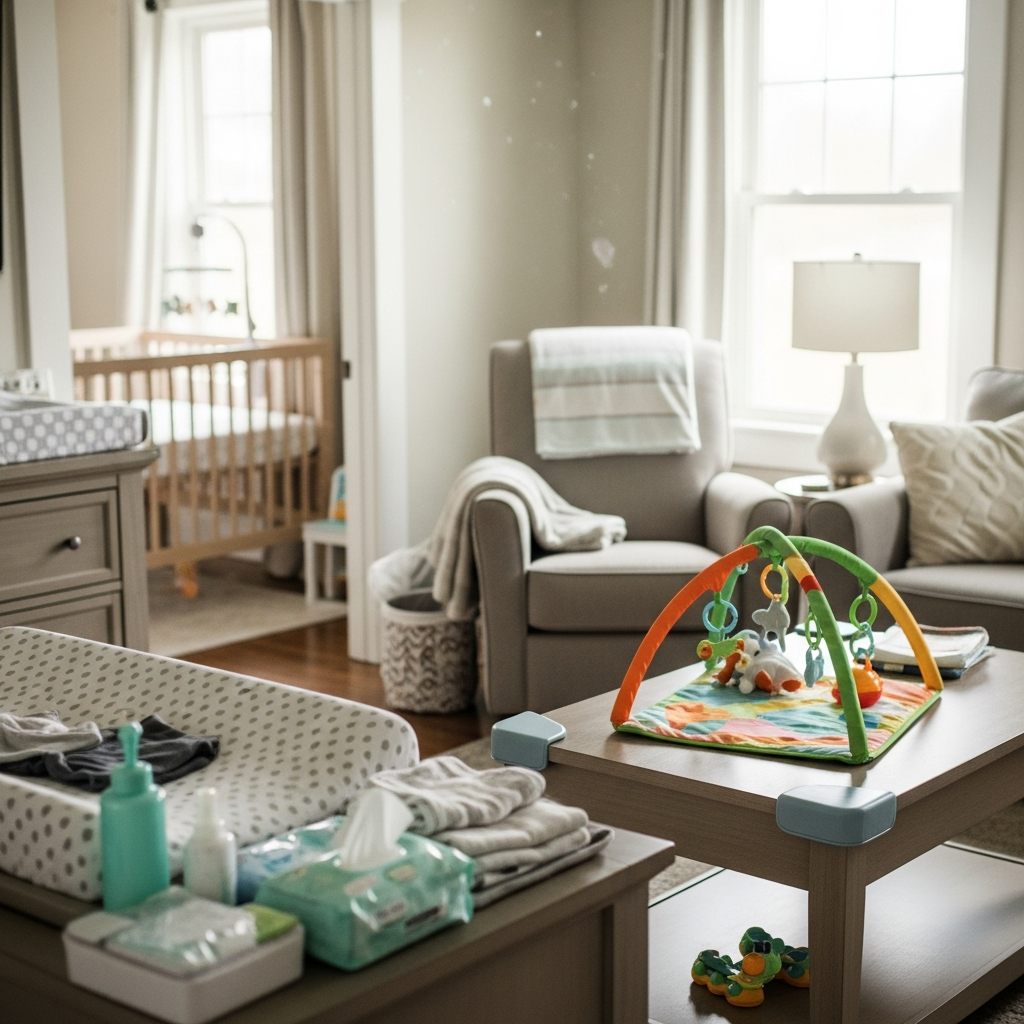
Your home, once a reflection of your adult life, will quickly transform into a family-centric space, often characterized by baby gear and playful clutter.
From Adult Space to Family Hub
Expect to see bouncers, playmats, diaper caddies, and toy bins becoming permanent fixtures in your living areas. Your home becomes more about functionality for the family, with less emphasis on pristine decor. Embrace the shift; it is a sign of a vibrant, loving home.
Baby-Proofing Your World
As your baby grows and starts to move, baby-proofing becomes a necessity. This involves securing cabinets, covering outlets, gating stairs, and moving fragile items out of reach. It is a gradual process that ensures your home is a safe environment for your curious little one to explore.
Bringing a baby into your life is an unparalleled adventure. These major lifestyle changes, from sleep and social life to finances and personal identity, are all part of the journey. While they can feel overwhelming at times, they are also opportunities for immense growth, deeper love, and a profound re-evaluation of what truly matters. Embrace the newness, seek support when you need it, and remember that you are doing an amazing job navigating this incredible chapter of parenthood.