As parents, we dream of raising children who are not only happy and successful but also deeply kind. Teaching kindness isn’t just about good manners; it’s about nurturing empathy, compassion, and a genuine desire to make the world a better place. It’s a foundational life skill that helps children navigate friendships, family relationships, and their place in the wider community.
Sometimes, it can feel overwhelming to know where to start. How do we move beyond just talking about kindness to actually practicing it? The good news is that kindness can be taught and learned through simple, everyday actions. These actions become habits, and habits build character. This article will walk you through 15 wonderful and easy kindness activities you can do with your children to help them grow into thoughtful, caring individuals.
Why Teaching Kindness Matters So Much
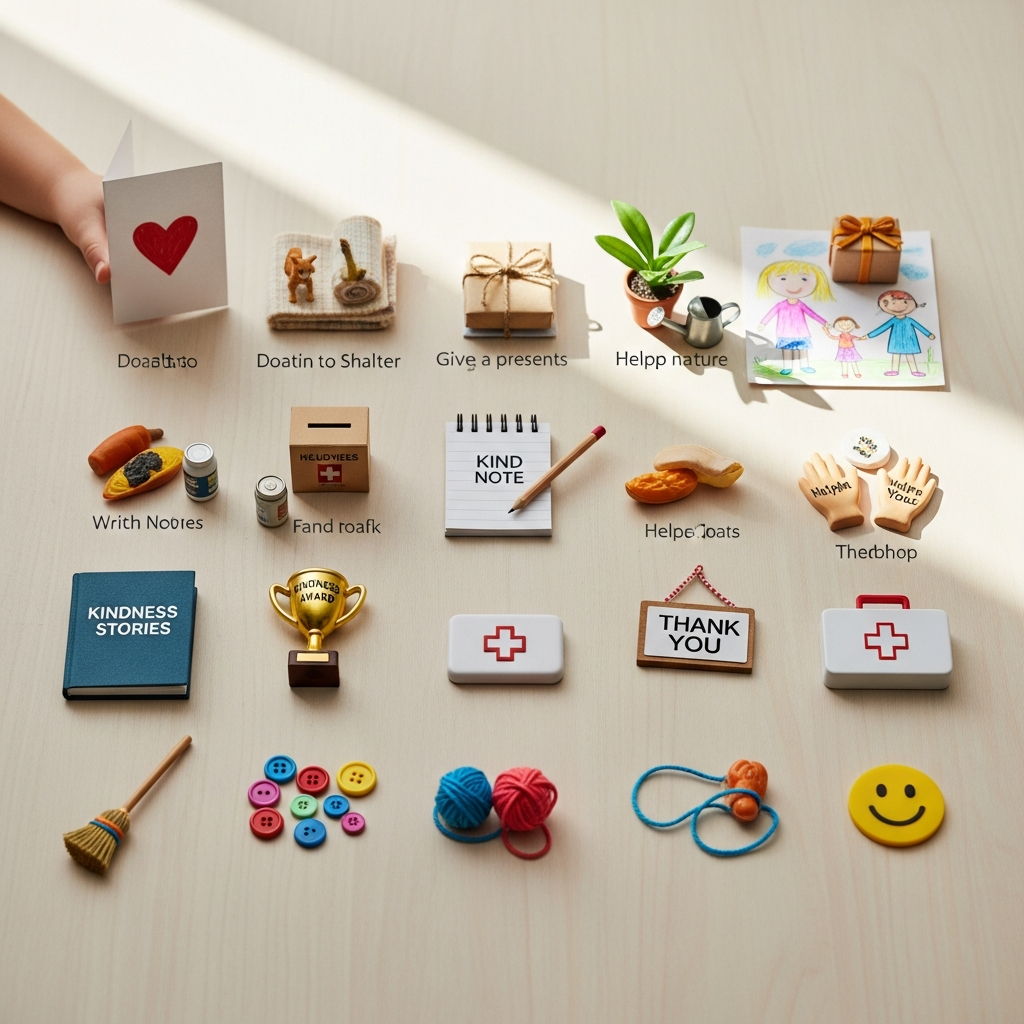
Kindness is more than just being nice. It’s about understanding others’ feelings and choosing to act in a way that brings comfort, joy, or help. When children learn kindness, they gain a host of benefits that shape their entire lives.
For kids, practicing kindness can boost their self-esteem and make them feel good about themselves. It helps them build stronger friendships, resolve conflicts peacefully, and develop a sense of empathy for others. A kind child is often a happier child, better equipped to handle life’s ups and downs because they understand the power of connection and giving.
Beyond their personal growth, kind children contribute positively to their families, schools, and communities. They are the ones who offer a helping hand, share their toys, or include a lonely friend. These actions create a ripple effect, inspiring others and making the world a warmer, more compassionate place for everyone.
Simple Ways to Build a Kind Heart in Your Child
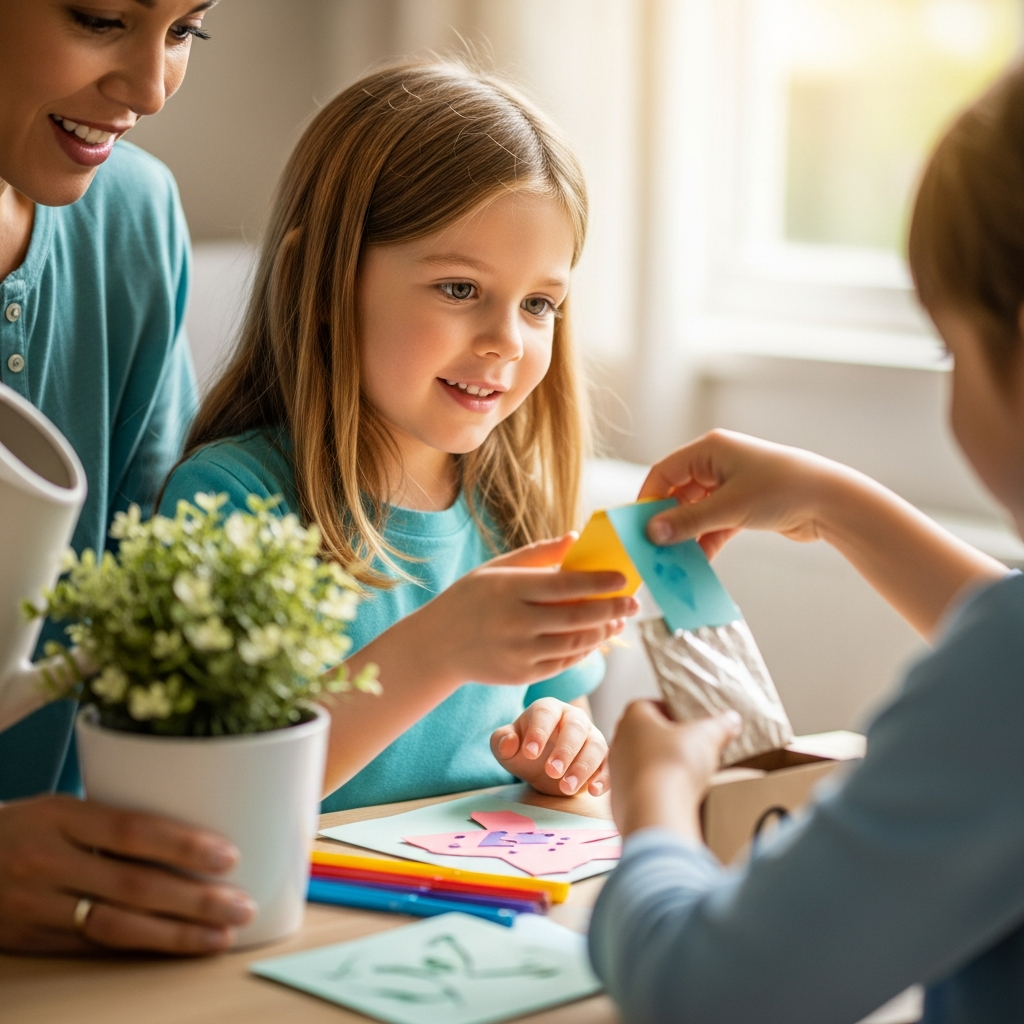
Before we dive into specific activities, remember that building a kind heart often starts with small, consistent efforts at home. Your actions as a parent are the most powerful lesson. Show kindness to your children, to your partner, and to others you encounter throughout the day.
Talk about feelings openly. When your child sees you being empathetic, they learn how to be empathetic too. Point out acts of kindness you observe in books, movies, or in daily life. Celebrate their small acts of kindness, whether it’s sharing a snack or comforting a sibling. These daily moments lay the groundwork for a truly kind spirit.
15 Wonderful Kindness Activities for Kids
Regenerate Image
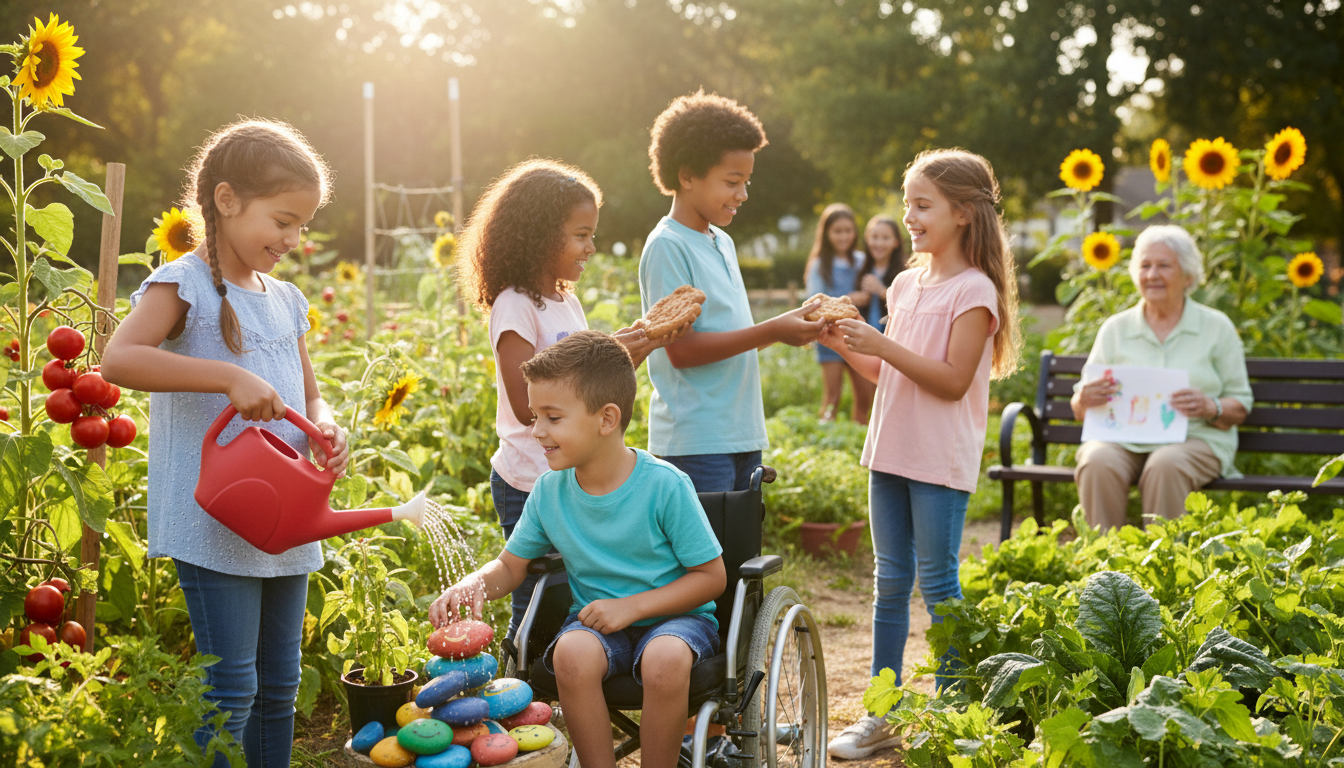
Here are 15 engaging and easy activities to help your children explore and practice kindness, making it a natural part of their lives.
1. “Thank You” Note Creators
Writing a simple thank you note is a powerful way to show appreciation. It teaches children to acknowledge the efforts of others.
Encourage your child to write or draw notes for people who do helpful things, like your mail carrier, a friendly librarian, their teacher, or even a family member who cooked dinner. It’s a wonderful way to pause and recognize the kindness they receive from others.
2. Donation Station
Help your child sort through their toys, books, or clothes that they no longer use. Create a “Donation Station” box.
Talk about children who might not have as many things and how their unused items can bring joy to someone else. Take a trip together to a local charity or donation center to drop off the items, making the act of giving tangible.
3. Community Clean-Up Crew
Litter is a problem in many places. Grab some gloves and a bag, and head to a local park or walking trail to pick up trash.
This activity teaches responsibility towards the environment and community. Your child learns that caring for public spaces is an act of kindness to everyone who uses them. Make it a fun scavenger hunt for trash.
4. “Kindness Rocks” Project
This creative activity involves painting rocks with uplifting messages or pictures and then placing them in public spaces for others to find.
Your child can write words like “Smile,” “You are loved,” or draw a happy sun. When someone finds a rock, it can brighten their day unexpectedly, spreading kindness through art and words.
5. Bake for a Neighbor
Whipping up some simple cookies or muffins and sharing them with a neighbor is a classic act of kindness.
Your child can help with measuring, mixing, or decorating. Then, together, you can deliver the treats. It helps build community connections and teaches the joy of sharing homemade goodness.
6. Compliment Card Game
Gather your family members and write each person’s name on a separate index card. Pass the cards around, and each person writes a sincere compliment about the person whose name is on the card.
This game helps children learn to notice and appreciate the good qualities in others, and it fills the room with positive feelings. It’s a great way to boost everyone’s spirits.
7. Helping Hands at Home
Encourage your child to look for ways to help around the house without being asked. This could be setting the table, tidying their room, or helping put away groceries.
Frame these actions as acts of kindness to family members, showing that they care and want to make everyone’s life a little easier. It fosters a sense of contribution and teamwork.
8. Sharing is Caring
Practice active sharing with toys, snacks, or even attention. When playing with siblings or friends, encourage them to take turns and offer their things to others.
Talk about how sharing makes everyone feel included and happy. If your child struggles, start with small, low-stakes items to build their confidence in sharing.
9. Care Package Creators
Work with your child to assemble small care packages for specific needs. This could be for a sick friend, a grandparent, or even for local shelter residents.
Include items like a handmade card, a small toy, a book, or comforting snacks. This activity helps children think about the needs of others and how they can offer support.
10. Animal Shelter Supporters
If your child loves animals, this is a wonderful way to practice kindness. Collect old blankets, towels, or toys that are no longer used at home.
Take them to a local animal shelter. Your child will learn that kindness extends to all living creatures and that even small contributions can make a big difference to animals in need.
11. Phone Call to Grandparents/Elderly Relatives
Encourage your child to make a special phone call or video call to grandparents or other elderly relatives. The goal isn’t just to talk, but to listen.
This simple act shows thoughtfulness and brings joy to older family members who often appreciate hearing from the younger generation. It teaches the value of connection and listening.
12. Garden of Giving
Plant some flowers or easy-to-grow herbs together. Once they bloom or are ready to harvest, your child can give them as gifts to neighbors, teachers, or family friends.
This teaches patience, nurturing, and the joy of creating something beautiful to share with others. It’s a wonderful way to connect with nature and kindness.
13. Librarian’s Little Helper
When at the library or even at home, encourage your child to help re-shelve books neatly. If they are older, they could offer to help tidy a specific section at a local library (after checking with staff).
This teaches respect for shared resources and a willingness to help maintain order for the benefit of all users. It’s a quiet but significant act of kindness.
14. School Helper
Talk with your child about ways they can be kind helpers at school. This might be offering to help a classmate who dropped their books, holding the door open, or offering a crayon to a friend who needs one.
These small, everyday acts make the school environment more pleasant for everyone and help children feel empowered to make a difference in their immediate surroundings. Always ensure they follow school rules and adult guidance.
15. Smile Spreader
This is perhaps the simplest activity, yet incredibly powerful. Challenge your child to make eye contact and smile at five new people they encounter during a trip to the park, grocery store, or on a walk.
With you close by, this teaches them the power of a friendly gesture. A smile can be contagious and can brighten someone’s day, demonstrating that kindness doesn’t always require grand gestures.
Making Kindness a Habit
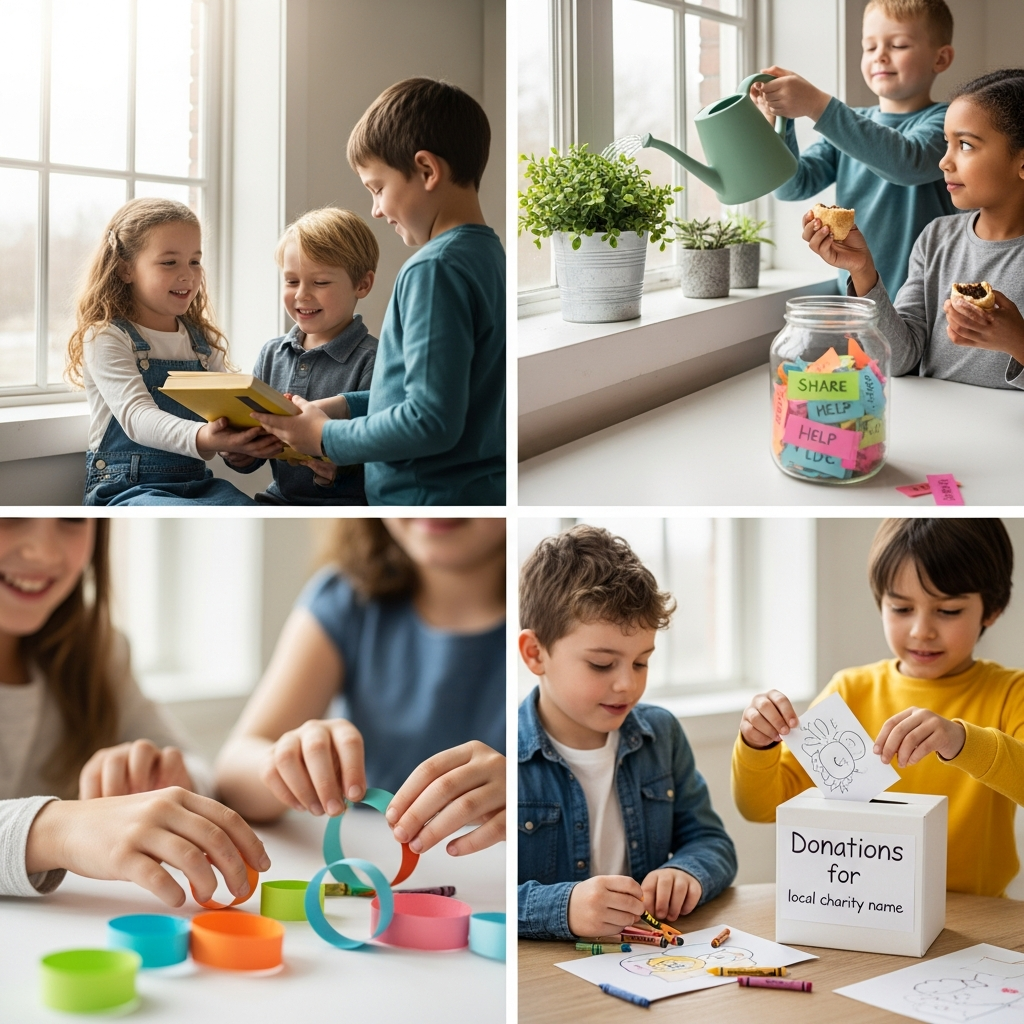
Introducing these activities is a great start, but making kindness a habit requires ongoing effort. Try to incorporate one or two kindness activities into your weekly routine. It doesn’t have to be a big production every time; sometimes, the smallest acts have the biggest impact.
Celebrate your child’s kind acts with specific praise. Instead of just saying “Good job,” say, “I saw how you shared your snack with your friend, that was very kind and made them happy.” This helps them connect their actions to the positive feelings that come from being kind.
What If My Child Resists?
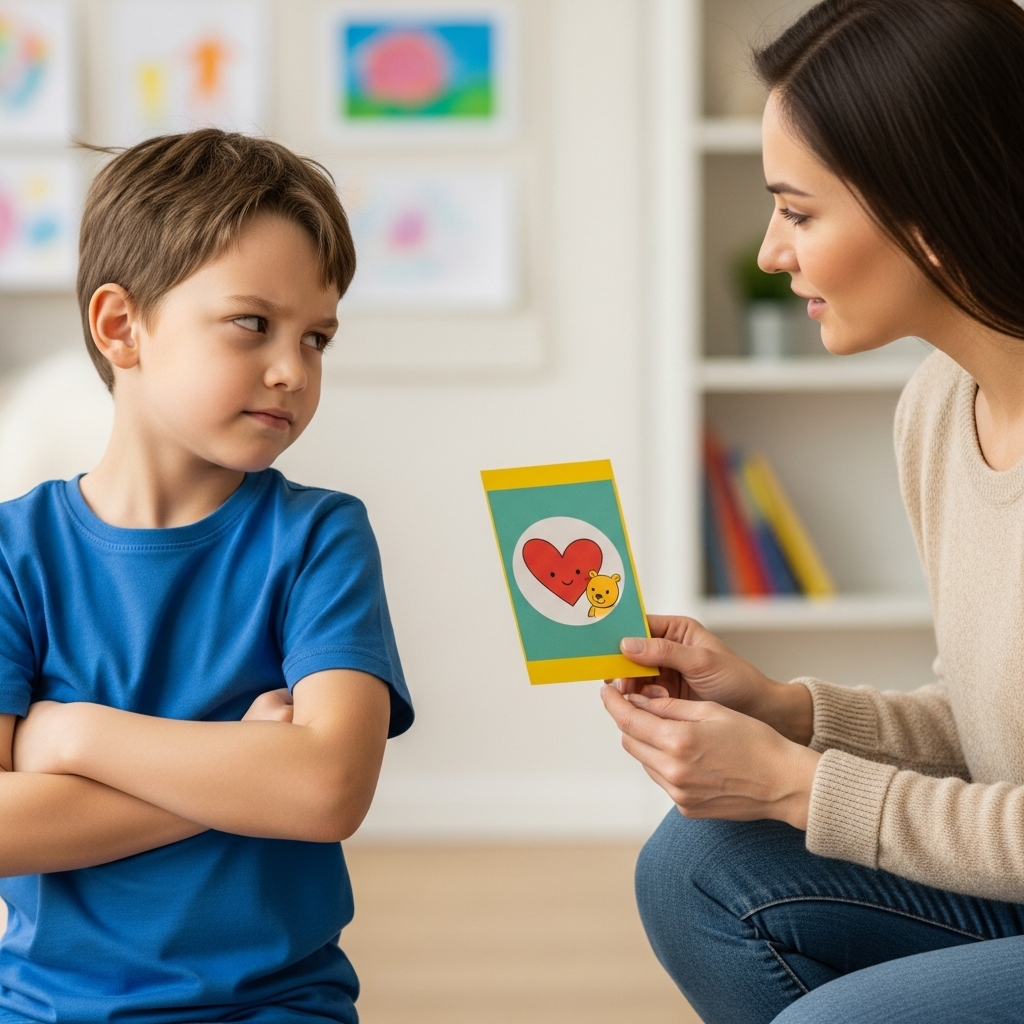
It’s perfectly normal for children to resist an activity sometimes, even one centered around kindness. Don’t push too hard. Instead, try these gentle approaches:
* Lead by Example: The most effective way to teach kindness is to model it yourself. Let your child see you being kind to others.
* Start Small: If a big activity feels overwhelming, break it down. Instead of a whole care package, maybe just draw one card.
* Offer Choices: “Would you rather write a thank you note or help clean up the park today?” Giving them a choice can increase their engagement.
* Connect to Their Interests: If they love animals, focus on animal-related kindness. If they love art, try kindness rocks.
* Talk About Feelings: Discuss how different actions make people feel. “How do you think Grandma felt when you called her?”
Remember, teaching kindness is a journey, not a race. There will be good days and challenging days. The goal is to consistently plant the seeds of compassion and empathy.
Conclusion
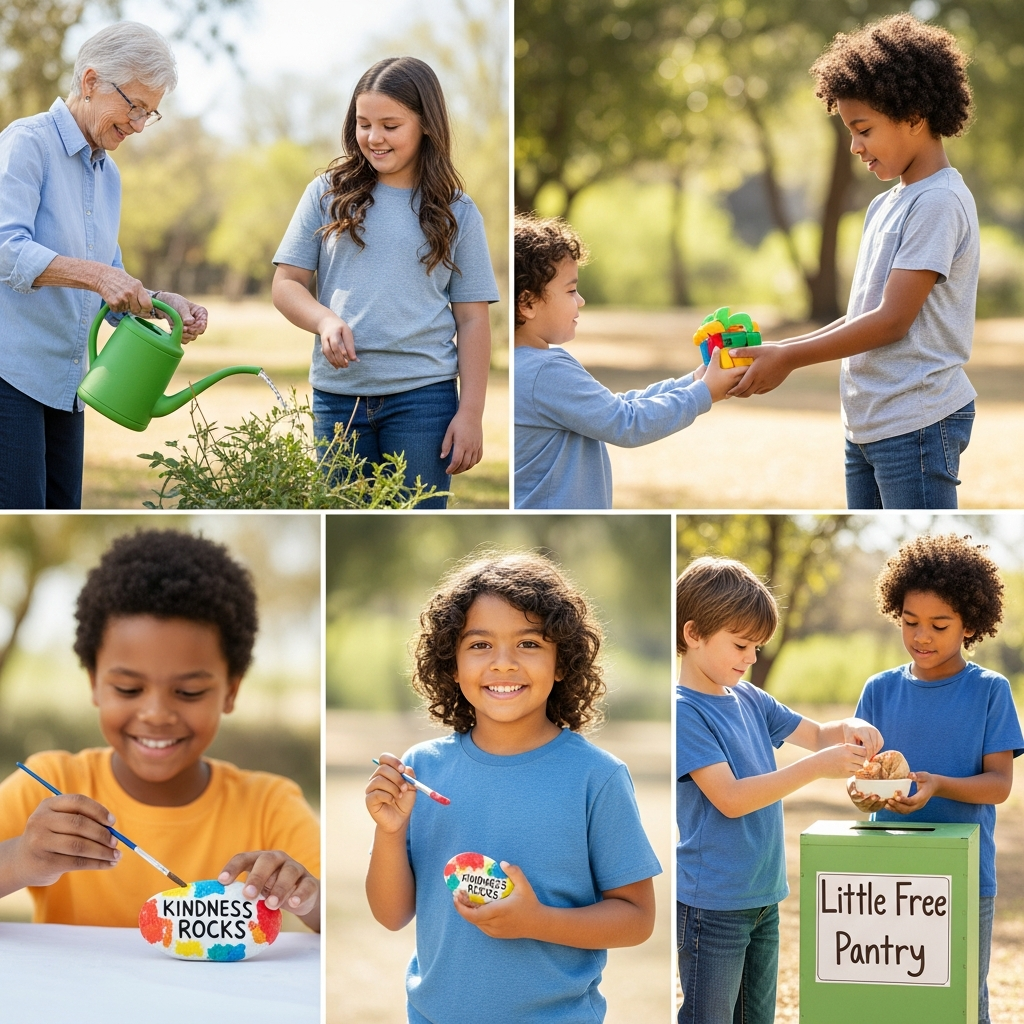
Raising kind children is one of the most rewarding parts of parenting. These 15 activities offer a practical and joyful way to weave kindness into the fabric of your family life. By engaging in these simple acts, your children will not only learn the importance of empathy and compassion but will also experience the profound joy that comes from giving and making a positive difference in the world. Every small act of kindness practiced today builds towards a more compassionate tomorrow, for your child and for everyone around them.