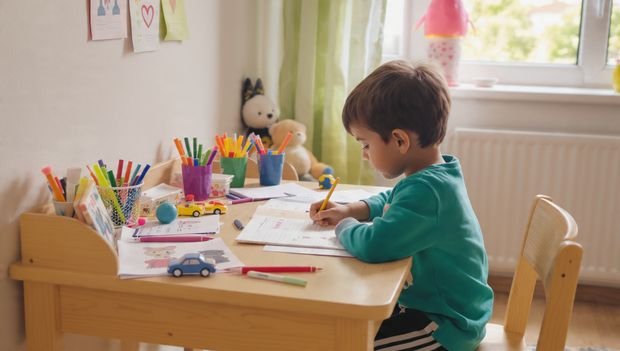
Kids Work-Life Balance Ideas to Support School and Play
Just like adults, kids also need a healthy balance between work (school, homework, responsibilities) and play (relaxation, fun, hobbies). When children enjoy both learning and free time, they feel happier, perform better in school, and develop strong emotional well-being. Work–life balance helps kids avoid stress, burnout, and frustration — and builds a childhood filled with joy and growth.
Here’s a simple, practical guide to helping kids balance school and play with routines that support learning and happiness.
Create a Predictable Daily Routine
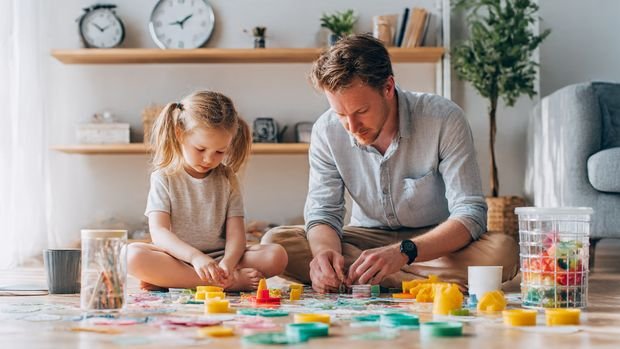
A clear routine helps kids feel secure and organized.
Try including:
- School time
- Homework time
- Outdoor play
- Indoor quiet time
- Bedtime routine
Routines reduce stress and improve cooperation.
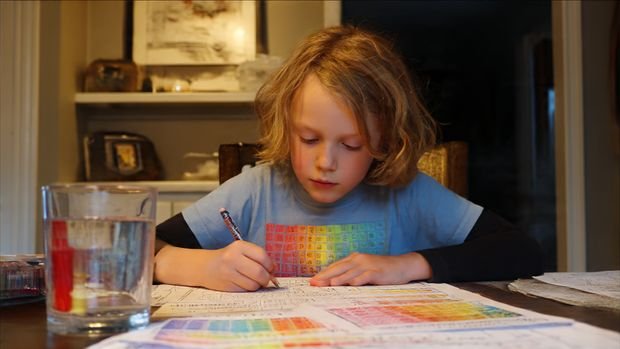
Set a Homework Time That Works for Them
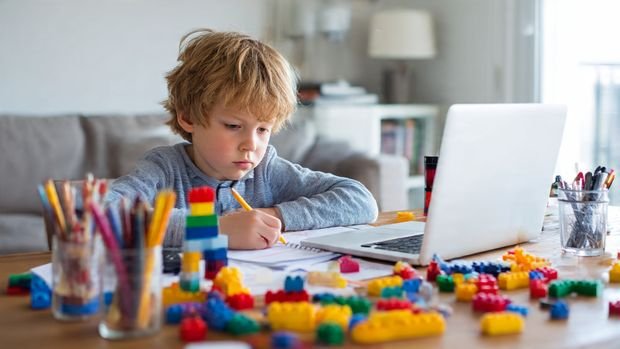
Choose a time when your child is calm and not too tired.
Good options:
- Right after a snack
- 30 minutes after getting home
- Early evening
Consistency helps develop strong study habits without pressure.
Give Breaks Between Study Sessions
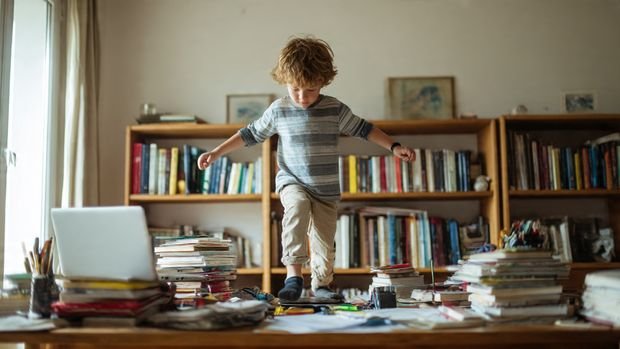
Kids need movement to refresh their mind.
Break ideas:
- 5–10 minutes of stretching
- Quick dance
- Snack break
- Short walk
- Deep breathing
Breaks improve focus and reduce frustration.
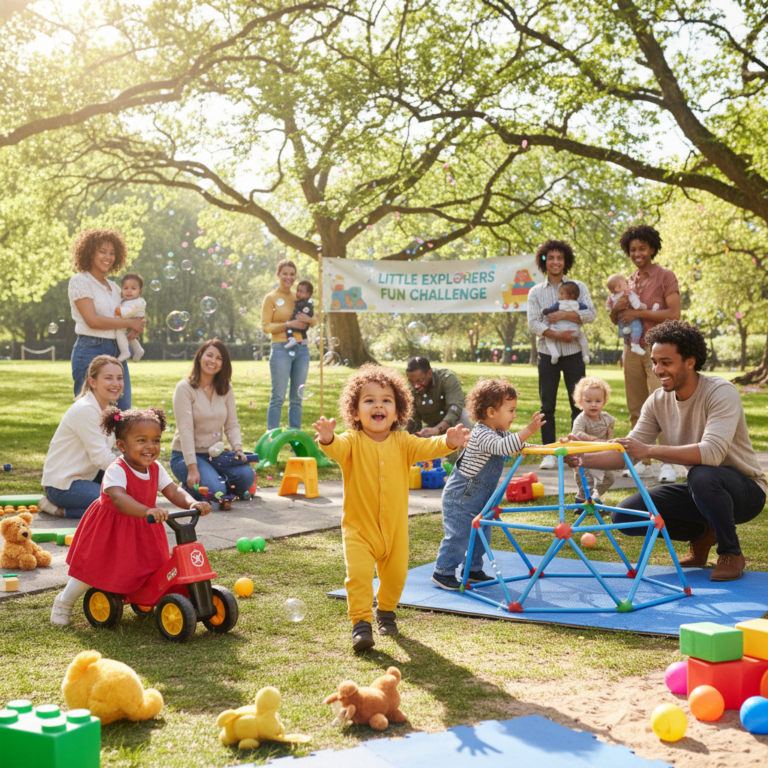
Make Space for Unstructured Play

Free play boosts creativity, confidence, and emotional growth.
Kids need some time each day to:
- Build with blocks
- Draw or craft
- Play pretend
- Explore toys
- Make up games
Unstructured play is essential — not optional.
Encourage Outdoor Time Every Day
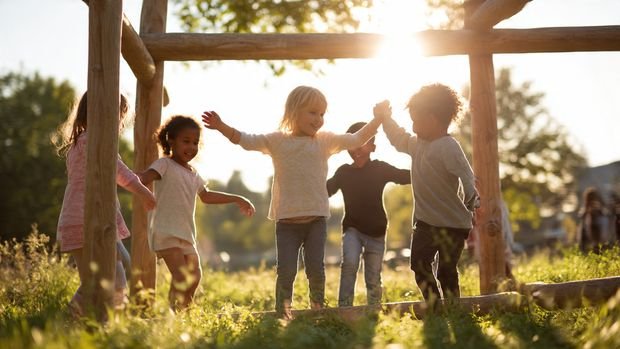
Fresh air resets the mind and body.
Ideas include:
- Biking
- Running games
- Playground fun
- Nature walks
- Ball games
Outdoor play reduces stress and improves sleep.
Set Limits on Screen Time
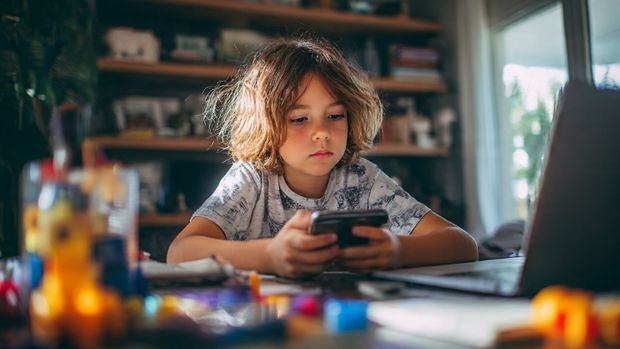
Screens are fun but can take away from schoolwork, sleep, and movement.
Try:
- No screens during meals
- No screens before bedtime
- Screen time after homework
- Screen-free family evenings
Balance builds healthier habits.
Let Kids Choose Their After-School Activities
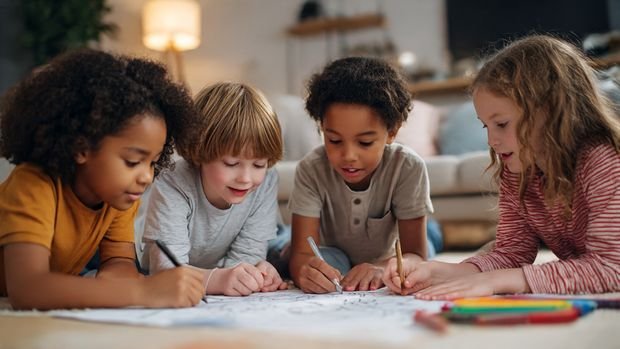
Extracurriculars are wonderful — but too many can exhaust kids.
Choose:
- Max 1–2 activities a week (depending on age)
- Activities they genuinely enjoy
- Time that doesn’t overload evenings
Kids need time to relax, not just perform.
Teach Simple Time-Management Skills
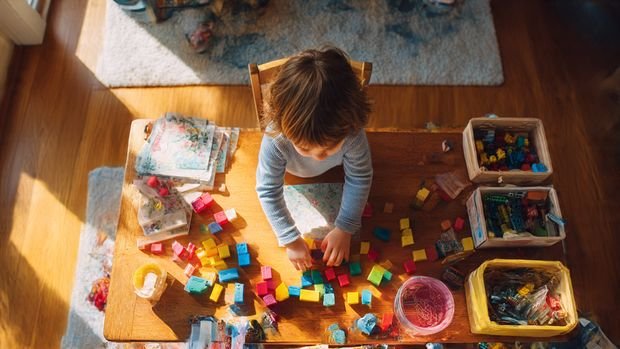
Kids can learn early how to manage their responsibilities.
Teach them to:
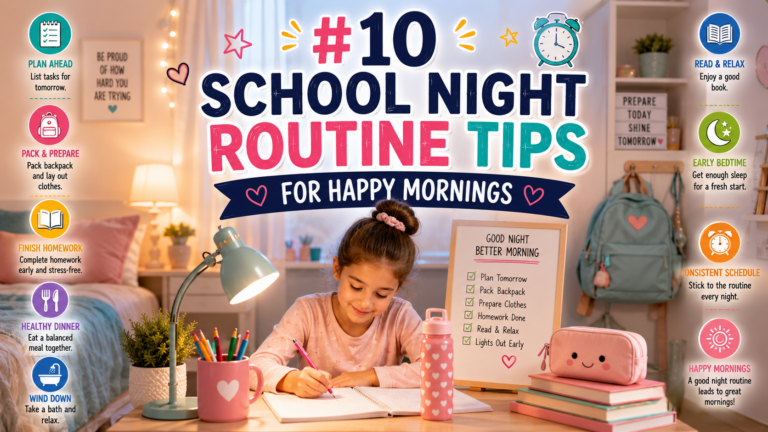
- Use checklists
- Break tasks into small steps
- Prioritize homework and fun
- Prepare school items at night
These habits make them confident and independent.
Allow Down-Time for Mental Rest

Children need quiet moments without noise or stimulation.
Calm activities:
- Reading
- Drawing
- Listening to music
- Journaling
- Puzzles
Downtime helps with emotional balance.
Celebrate Effort, Not Perfection
Kids feel more balanced when parents focus on effort.
Say things like:
- “You tried your best!”
- “I’m proud of your hard work.”
- “You don’t have to be perfect.”
Encouragement reduces pressure and builds confidence.
Make Weekends Relaxing and Fun

Weekends are for recharging.
Try:
- Family outings
- Baking together
- Fun games
- Free play mornings
- Outdoor adventures
Limit homework overload when possible.
Let Kids Have a Voice in Their Schedule
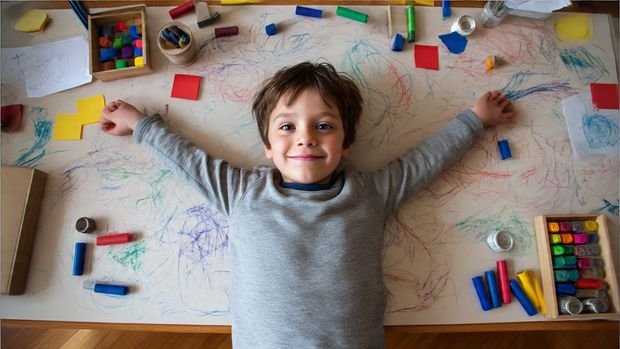
Involving kids increases cooperation.
Ask:
- “When would you like to do homework?”
- “What should we add to your playtime today?”
- “Do you need a break right now?”
Kids feel empowered when they make choices.
Model Balance Yourself

Kids copy what they see.
Show them:
- Taking breaks
- Managing responsibilities calmly
- Enjoying hobbies
- Having screen-free time
- Practicing self-care
Your example teaches them balance naturally.
Don’t Overload Kids With Academic Pressure
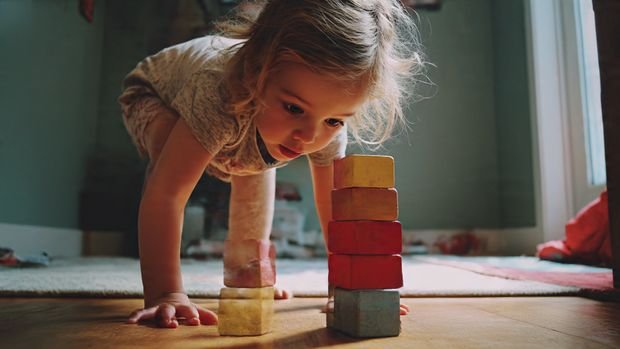
A child who feels overwhelmed cannot learn well.
Remember:
- Play supports learning
- Rest improves focus
- Emotional health matters more than grades
Balanced children grow into healthier adults.
Final Thoughts
Work–life balance isn’t just for adults — kids need it too. When children enjoy a steady rhythm of learning, playing, resting, and connecting, they feel happier, more confident, and more successful in school and at home. With simple routines, supportive habits, and plenty of play, your child can grow in a balanced, joyful, and emotionally healthy way.