As parents, we spend a lot of time thinking about what goes into our children’s bodies – what they eat, what they drink, and whether they’re getting enough nutrients. But often, what happens *after* the food goes in is a bit of a mystery, or at least, something we don’t fully understand. We might associate “gut health” with just tummy aches or constipation, but the truth is far more fascinating and, dare we say, surprising.
Your child’s gut health is a cornerstone of their overall well-being, influencing everything from their mood and energy levels to their immune system and ability to focus. It’s a hidden world of activity that plays a huge role in how they grow, learn, and feel every single day. Let’s uncover the secrets of this vital system and empower you with practical ways to nurture your little one’s internal balance.
What Exactly Is “Gut Health” in Kids?

Regenerate Image
When we talk about gut health, we’re really talking about the amazing ecosystem living inside your child’s digestive tract. It’s not just about one organ, but a whole community of tiny living things working together.
The Gut Microbiome Explained
Think of your child’s gut as a bustling city, teeming with billions of microscopic residents. This community is called the gut microbiome, and it’s made up of bacteria, fungi, viruses, and other microorganisms. Most of these residents are friendly and helpful!
These tiny helpers play crucial roles far beyond just digesting food. They help break down nutrients, create vitamins, and even teach the immune system what’s a friend and what’s a foe. A healthy gut is one where there’s a good balance of different types of these helpful microorganisms.
Why Your Child’s Gut Matters More Than You Think

Regenerate Image
It’s easy to focus on the immediate discomforts like tummy troubles, but the impact of a healthy or unhealthy gut stretches much further. The connections are truly surprising.
Beyond Digestion: The Wider Impact
Your child’s gut is deeply connected to many other systems in their body. It’s not an isolated system; it’s a central hub for health.
* Immunity: A huge portion of your child’s immune system actually resides in their gut. A balanced gut microbiome helps train the immune cells to react appropriately, protecting them from illnesses and potentially even reducing allergies.
* Brain-Gut Connection: This is perhaps one of the most surprising links. There’s a constant two-way conversation between the gut and the brain, often called the “gut-brain axis.” What happens in the gut can influence your child’s mood, behavior, focus, and even sleep patterns.
* Nutrient Absorption: Even if your child eats a nutritious meal, a poorly functioning gut might struggle to absorb all those vital vitamins and minerals. A healthy gut ensures they’re getting the full benefits from their food.
* Skin Health: Have you noticed your child’s eczema flaring up, or unexplained rashes appearing? Sometimes, skin issues can be a reflection of an imbalance in their gut. The gut plays a role in managing inflammation throughout the body.
Signs Your Child’s Gut Might Need Some Love

Regenerate Image
As parents, we’re always trying to decode our children’s signals. When it comes to gut health, there are several clues that might suggest their internal ecosystem needs a little extra support.
Common Clues to Watch For
It’s important to remember that every child is different, but here are some common indicators that their gut might be feeling a bit off balance:
* Persistent Digestive Issues: This is the most obvious one. If your child frequently deals with constipation, diarrhea, excessive gas, bloating, or acid reflux that isn’t easily explained, their gut health could be a factor.
* Frequent Illnesses: Does your child seem to catch every cold that goes around daycare or school? A weakened immune system, often linked to gut health, can make them more susceptible to infections.
* Unexplained Mood Changes: If your child is often irritable, anxious, or has sudden shifts in mood without an apparent reason, it could be a sign. Remember the gut-brain connection!
* Skin Problems: Eczema, unexplained rashes, or persistent dry skin can sometimes signal an internal inflammatory response tied to gut imbalance.
* Trouble Sleeping: While many things affect sleep, an unhappy gut can contribute to discomfort or an imbalance in neurotransmitters that regulate sleep, making it harder for your child to rest.
* Low Energy Levels: If your child seems unusually tired or lacks their typical energy, even after a good night’s sleep, it might be worth considering their gut’s ability to absorb nutrients and produce energy.
The “Surprising” Factors Affecting Kids’ Guts
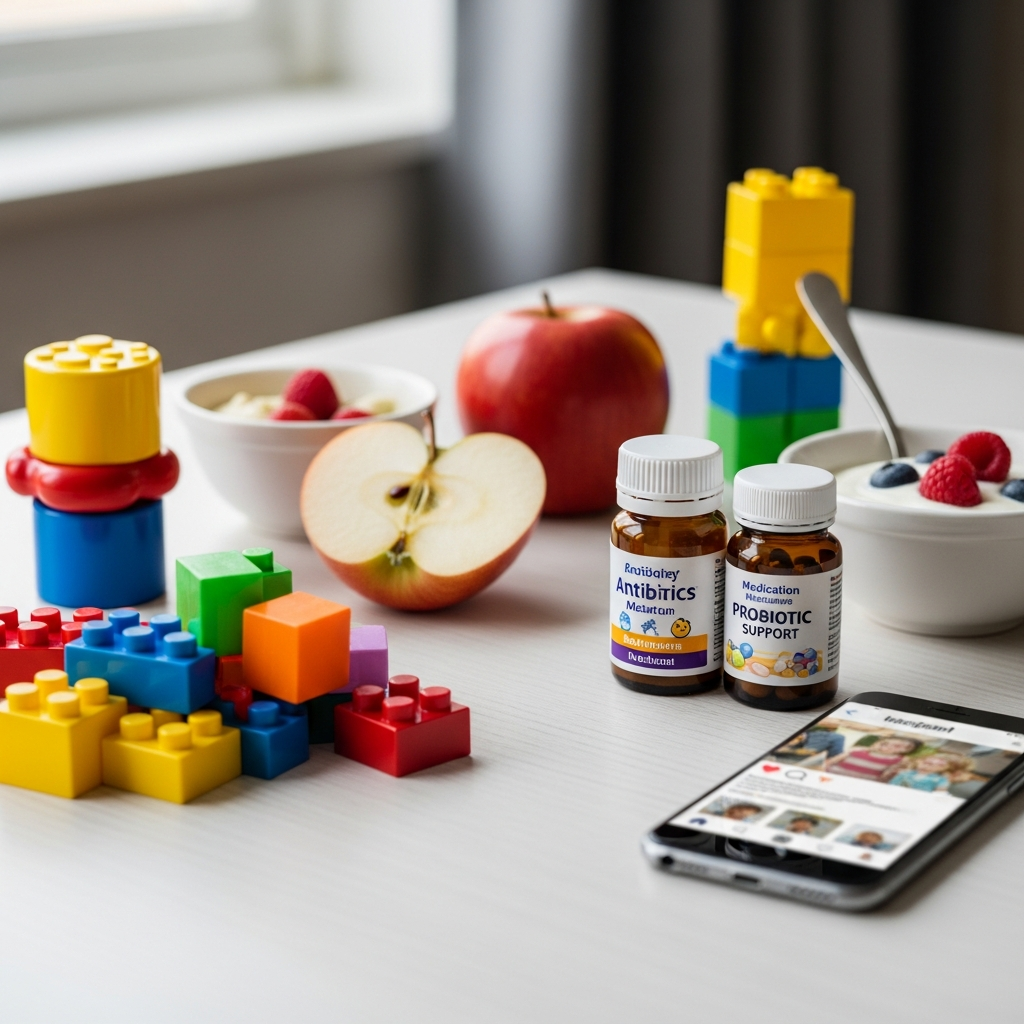
When we think about gut health, diet is usually the first thing that comes to mind. While food is undeniably important, there are many other surprising influences on your child’s microbiome.
It’s Not Just What They Eat
The world around your child, and even their earliest experiences, can shape their gut health in profound ways.
Early Life Influences
* **Birth Mode:** A baby born vaginally is exposed to their mother’s beneficial bacteria, which helps colonize their gut from day one. C-section babies miss this initial exposure, which can impact their developing microbiome.
* Feeding Method: Breast milk is a superfood for the gut. It contains prebiotics (food for good bacteria) and even some probiotics, helping to establish a healthy gut flora. Formula-fed babies develop a different, though still healthy, microbiome.
Modern Life’s Impact
* **Antibiotics:** These medications are lifesavers, but they don’t discriminate between good and bad bacteria. They wipe out many beneficial microbes along with the harmful ones, which can take time for the gut to recover from.
* **Stress and Emotions:** Your child’s emotional state, and even the emotional environment at home, can directly impact their gut. Stress can alter gut motility, increase inflammation, and change the balance of gut bacteria.
* Environment and Play: Our obsession with hygiene has a downside. Exposure to dirt, playing outside, interacting with pets, and general environmental microbes all contribute to a diverse and robust microbiome.
* Sleep: Quality sleep isn’t just for tired parents; it’s crucial for gut repair and regulation. Poor sleep can disrupt the gut microbiome and its functions.
* Screen Time: While not directly affecting the gut, excessive screen time can reduce outdoor play, disrupt sleep patterns, and increase stress, all of which indirectly influence gut health.
Nurturing a Happy Tummy: Practical Steps for Parents

The good news is that you, as a parent, have a lot of power to positively influence your child’s gut health. Small, consistent efforts can make a big difference.
Food First: Feeding the Good Guys
What your child eats is a primary driver of their gut health. Focus on wholesome, diverse foods.
* Embrace Fiber-Rich Foods (Prebiotics): Think of prebiotics as fertilizer for the good bacteria in the gut. These are non-digestible fibers found in many plant foods.
* Fruits: Apples, bananas, berries
* Vegetables: Broccoli, carrots, leafy greens, garlic, onions
* Whole Grains: Oats, whole wheat, brown rice
* Legumes: Lentils, beans
* Introduce Probiotic-Rich Foods: These foods contain live, beneficial bacteria that can add to your child’s gut population.
* Yogurt and Kefir: Choose plain, unsweetened varieties with live active cultures.
* Fermented Vegetables: Sauerkraut, kimchi (start with small amounts, look for naturally fermented options).
* Tempeh and Miso: Soy-based fermented foods.
* Prioritize a Diverse Diet: Offer a wide variety of foods from all food groups. The more diverse your child’s diet, the more diverse their gut microbiome will likely be. This variety introduces different types of fiber and nutrients that support various beneficial bacteria.
* Limit Processed Foods and Sugar: These can feed less beneficial bacteria and contribute to inflammation in the gut, upsetting the delicate balance. Aim for fresh, whole ingredients as much as possible.
Lifestyle Habits for a Thriving Gut
Beyond food, daily habits play a significant role in fostering a healthy gut environment.
* Encourage Outdoor Play and “Healthy Dirt“: Let your kids get messy! Playing in the garden, at the park, or with pets exposes them to a wider range of microbes, which can build a more resilient gut.
* Prioritize Consistent Sleep: Establish a regular bedtime routine. Aim for the recommended amount of sleep for your child’s age, as sleep is when the body (and gut) gets to rest and repair.
* Manage Stress: Both your stress and your child’s stress can affect their gut. Create a calm home environment, practice mindfulness together, or simply ensure plenty of loving connection and downtime.
* Stay Hydrated: Water is essential for proper digestion and keeping things moving smoothly through the digestive tract. Make sure your child drinks plenty of water throughout the day.
* Mindful Antibiotic Use: When antibiotics are necessary, they are invaluable. However, discuss with your doctor if they are truly needed for viral infections. If your child does take antibiotics, talk to your pediatrician about ways to support their gut during and after treatment, perhaps with probiotic-rich foods or a supplement.
When Supplements Might Help (and When to Talk to Your Doctor)
Sometimes, diet and lifestyle alone aren’t quite enough, especially after an illness or course of antibiotics.
* Probiotic Supplements: These can be helpful in specific situations, but it’s crucial to choose the right strain for the particular issue. Not all probiotics are created equal.
* Other Supplements: Omega-3 fatty acids and Vitamin D can also play a supportive role in gut health and overall well-being.
* Always Consult Your Doctor: Before starting any supplements for your child, it is always best to speak with your pediatrician or a qualified healthcare professional. They can offer personalized advice based on your child’s specific needs and health history.
Debunking Gut Health Myths for Parents

Regenerate Image
With so much information out there, it’s easy to fall for misconceptions. Let’s clear up a few common ones about kids’ gut health.
Common Misconceptions
Understanding these myths can help you make more informed decisions for your child.
* “All gut problems are just tummy aches.” This is far from the truth. While tummy aches are a symptom, an unhealthy gut can manifest as frequent illnesses, skin issues, mood swings, and difficulties with focus. It’s a whole-body system.
* “Probiotics are a magic bullet.” Probiotics can be very helpful, but they are just one piece of the puzzle. They work best as part of an overall healthy diet and lifestyle, not as a standalone fix for all gut issues. Think of them as helpful reinforcements, not the entire army.
* “Kids need a perfectly sterile environment to be healthy.” While good hygiene is important, an overly sterile environment can actually hinder the development of a diverse and resilient gut microbiome. A little dirt and exposure to everyday microbes are beneficial for building a strong immune system.
The surprising truth is that your child’s gut is a powerful engine driving so much of their health and happiness. It’s a complex, dynamic system that responds to what they eat, how they live, and even how they feel. By understanding these connections and making mindful choices, you can empower your child with a strong foundation for lifelong well-being.
Remember, every step, no matter how small, contributes to building a healthier gut. Be patient with yourself and your child, and celebrate the journey towards a balanced and thriving internal world. If you have concerns, always reach out to your pediatrician for personalized guidance. You’re doing a great job nurturing your little ones, inside and out!