
The Joy and Challenges of Homeschool Parenting
Homeschooling is one of the most rewarding choices a parent can make — but it’s also one of the most demanding. It combines two full-time roles: parent and teacher. You’re not just raising your children; you’re also shaping their education, guiding their growth, and managing their daily learning experience.
For many families, homeschooling offers freedom, flexibility, and the chance to bond in ways that traditional schooling doesn’t always allow. But it also comes with challenges — from balancing responsibilities to managing burnout.
If you’re a homeschooling parent or considering becoming one, this article explores both the joys and challenges of homeschool parenting — and how to make the journey fulfilling for your entire family.
1. The Joy of Learning Together

One of the greatest joys of homeschooling is the chance to learn alongside your children.
When you teach your kids, you’re not just instructing — you’re discovering with them. You get to explore their interests, dive into topics that excite them, and even revisit subjects you may have forgotten since your own school days.
Why it’s joyful:
- You get to see your child’s curiosity come alive in real time.
- Learning becomes a shared adventure rather than a chore.
- You can tailor lessons to your child’s pace, strengths, and interests.
Watching your child grasp a difficult concept or express creativity through learning is an incredibly rewarding experience — and it strengthens your bond as a family.
2. The Gift of Quality Time
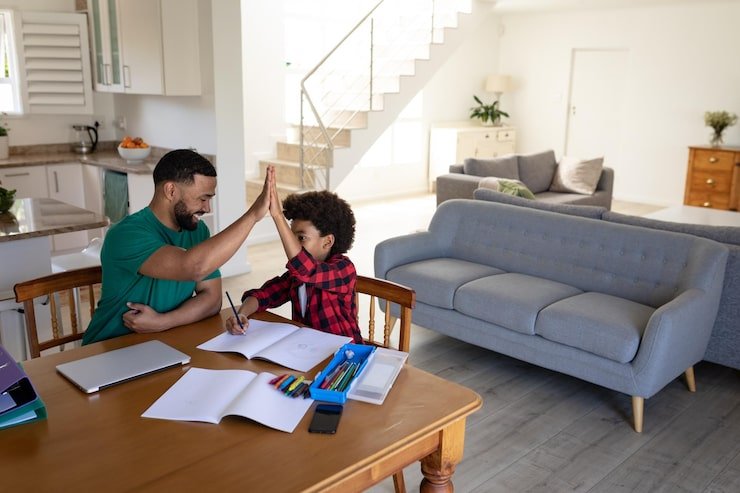
Homeschooling naturally creates more opportunities for family connection. Instead of quick goodbyes in the morning and tired conversations at night, you share everyday moments of growth, laughter, and learning.
You become a constant part of their day — witnessing milestones, having meaningful discussions, and shaping their values.
The benefits of quality time:
- Stronger emotional connection between parent and child.
- A more nurturing, personalized learning environment.
- The ability to incorporate life lessons into everyday activities.
Homeschooling doesn’t just educate your child — it gives you time together that you’ll never regret investing in.
3. Flexibility in Learning and Lifestyle
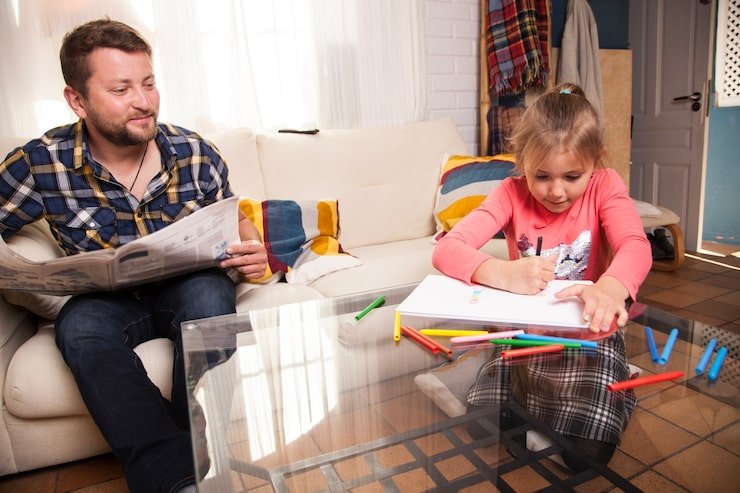
Flexibility is one of the biggest advantages of homeschooling. You’re not bound by strict schedules or limited curriculums.
What flexibility looks like:
- You can plan lessons around your family’s rhythm — mornings, afternoons, or even evenings.
- You can take learning outside the classroom — to the park, kitchen, library, or museum.
- You can adapt to your child’s unique learning style — visual, hands-on, or auditory.
You also have the freedom to travel, take spontaneous field trips, or spend extra time on subjects your child loves. Learning becomes part of life, not separate from it.
4. Freedom to Personalize Education

Every child is different — and homeschooling lets you honor those differences.
Instead of following a one-size-fits-all approach, you can design a curriculum that fits your child’s needs, interests, and goals.
Personalization in homeschooling means:
- Adjusting lessons to your child’s learning speed.
- Exploring deeper topics they’re passionate about (like art, space, or history).
- Using creative methods — projects, videos, games — instead of relying only on textbooks.
This individualized learning fosters confidence, independence, and a lifelong love of learning.
5. Teaching Beyond Academics

Homeschooling goes far beyond math and reading. It’s an opportunity to teach life skills and values — lessons that shape your child’s character and future.
From cooking and budgeting to time management and empathy, homeschooling lets you blend academics with practical life education.
Examples of life lessons in homeschooling:
- Grocery shopping becomes a math lesson.
- Gardening turns into a science experiment.
- Volunteering teaches compassion and community.
These experiences create well-rounded children who are not just knowledgeable but capable and kind.
6. A Safe and Supportive Environment

For many parents, homeschooling offers peace of mind. It provides a safe, nurturing space where children can learn without pressure, bullying, or comparison.
You control the social environment, the influences, and the pace. You can prioritize emotional health and ensure learning happens in a supportive atmosphere.
This safety often allows children to thrive academically and emotionally, especially those who may struggle in traditional classrooms.
7. The Challenge of Balancing Roles

Of course, homeschooling isn’t all joy and ease. One of the biggest challenges parents face is balancing the many roles they play — teacher, caregiver, cook, employee, and more.
It can feel overwhelming trying to manage lessons, housework, and personal responsibilities all in one day.
Tips to manage balance:
- Create a realistic daily schedule — not a perfect one.
- Involve your kids in household tasks as part of learning.
- Accept that some days will be messy — and that’s okay.
- Take breaks to recharge when needed.
Balance doesn’t mean doing everything perfectly; it means giving yourself permission to adjust and adapt as life happens.
8. Managing Time Effectively
Time management is one of the hardest skills for homeschooling parents to master. Without a school bell or external structure, it’s easy to lose track of the day.
Practical ways to manage time:
- Set clear daily and weekly goals for both learning and household tasks.
- Use planners or apps to stay organized.
- Establish consistent start and end times for lessons.
- Schedule “downtime” — it’s just as important as study time.
Remember: flexibility is valuable, but too little structure can lead to burnout. Finding the right rhythm takes time and patience.
9. Socialization Concerns

A common worry about homeschooling is that children won’t get enough social interaction. While this can be a challenge, it’s absolutely manageable with intention.
Ways to encourage social growth:
- Join local homeschooling groups or co-ops.
- Enroll your child in sports, art, or music programs.
- Organize playdates or study groups.
- Encourage volunteer or community activities.
Socialization doesn’t have to happen in a classroom — it happens anywhere kids connect, collaborate, and communicate.
10. The Pressure to “Do It Right”

Many homeschooling parents struggle with self-doubt — wondering if they’re doing enough or teaching effectively.
It’s easy to compare yourself to others or worry that your child might “fall behind.” But homeschooling is not about competition; it’s about growth and progress at your child’s pace.
To ease the pressure:
- Focus on learning progress, not perfection.
- Celebrate small victories and milestones.
- Connect with other homeschooling parents for reassurance and advice.
You are your child’s biggest cheerleader — and that’s what matters most.
11. Dealing with Burnout

Homeschool burnout is real — for both parents and children. When you’re together 24/7, fatigue can set in quickly.
Signs of burnout:
- Feeling overwhelmed or irritable.
- Loss of motivation or joy in teaching.
- Constant guilt about not “doing enough.”
How to prevent it:
- Schedule breaks for both you and your child.
- Take “teacher-free” days for creative exploration.
- Join support groups for encouragement and fresh ideas.
- Remember to nurture your own hobbies and interests.
You can’t be an effective teacher if you’re emotionally drained. Taking care of yourself is part of being a good parent — and a great homeschooler.
12. Financial and Practical Adjustments

Homeschooling can sometimes mean adjusting your family’s lifestyle or income, especially if one parent stays home to teach.
Ways to manage finances:
- Use free online resources and printable materials.
- Borrow books from libraries or second-hand sources.
- Join co-ops where parents share teaching duties and materials.
- Look for community programs or online classes to supplement learning.
Homeschooling doesn’t have to be expensive — creativity often matters more than cost.
13. The Joy of Watching Growth Up Close

One of the greatest rewards of homeschooling is witnessing your child’s growth firsthand. You get to see their “aha” moments — when something finally clicks or when they discover a new passion.
You’re not just hearing about their day; you’re part of it. That closeness builds connection and trust that lasts well beyond school years.
Every milestone — from reading the first book to completing a project — becomes a shared victory.
14. Building a Lifelong Love for Learning

Homeschooling nurtures curiosity in a way that rigid systems often can’t. When children learn in an environment that values exploration and creativity, they develop a natural love for learning.
They see education not as something they have to do, but something they get to do.
This love for learning carries into adulthood, helping them become independent thinkers and lifelong learners.
15. Finding Community and Support

Homeschooling can feel isolating if you try to do it alone. Thankfully, there are vibrant homeschooling communities — both local and online — where families share resources, organize events, and support each other.
How to find community:
- Search for homeschooling co-ops or Facebook groups in your area.
- Attend local homeschool events or fairs.
- Connect with other parents for advice or curriculum swaps.
Community brings encouragement, new ideas, and a reminder that you’re not on this journey alone.
16. Preparing for the Future

Homeschooling isn’t just about the present — it’s also about preparing your children for life beyond your home.
As they grow, teach them independence, self-discipline, and goal-setting. Encourage them to take ownership of their education and explore their career or college interests.
Homeschooling can build strong, self-motivated learners who are well-prepared for higher education, entrepreneurship, or whatever path they choose.
Conclusion
Homeschool parenting is both an incredible privilege and a tremendous responsibility. It’s filled with joy — the laughter, the learning, the deep family bonds — but it also brings challenges that test your patience, time, and energy.
The key to success is balance: knowing when to push forward and when to pause, when to teach and when to simply enjoy being together.
If you approach homeschooling with love, flexibility, and an open heart, you’ll discover that it’s more than an educational choice — it’s a lifestyle of growth, connection, and discovery for both you and your children.
Homeschooling isn’t easy, but it’s deeply meaningful. Through its joys and challenges, you’re not just raising students — you’re raising lifelong learners and strong, confident human beings.