As a parent, you’re constantly thinking about your little one’s growth and development. One nutrient that plays a truly big role, especially during the busy toddler years, is iron. It’s a powerhouse mineral that fuels their rapid growth, supports their buzzing brains, and keeps their energy levels up for all that exploring.
It can feel overwhelming to make sure your toddler gets all the right nutrients, especially with picky eating phases. But don’t worry, we’re here to help make it a little easier. In this article, we’ll dive into why iron is so important, which foods are packed with it, and give you some easy, yummy recipes to try.
Why Iron is So Important for Your Toddler

Toddlers are like tiny superheroes in training, and just like superheroes, they need the right fuel. Iron is one of those crucial fuels. During these early years, their bodies and brains are developing at an incredible pace, and iron is right at the heart of it all.
The Role of Iron in Growth and Development
Think of iron as the MVP of oxygen delivery. It helps make hemoglobin, a part of red blood cells that carries oxygen from the lungs to every part of your toddler’s body. This oxygen is vital for energy, muscle function, and, perhaps most importantly, brain development. Without enough iron, their little bodies can’t get the oxygen they need, leading to tiredness and other issues.
Recognizing Iron Deficiency in Toddlers
Sometimes, toddlers don’t get enough iron, which can lead to iron deficiency. While only a doctor can properly diagnose this, common signs might include unusual tiredness, pale skin, a lack of energy, or even frequent infections. If you have any concerns about your toddler’s health or energy levels, it’s always a good idea to chat with your pediatrician.
Daily Iron Needs for Toddlers
Toddlers between the ages of 1 and 3 years need about 7 milligrams of iron each day. This might sound like a small amount, but it’s quite a bit for their little bodies to take in, especially considering how quickly they grow and how selective they can be about food! That’s why offering a variety of iron-rich foods regularly is key.
Heme vs. Non-Heme Iron: What’s the Difference?
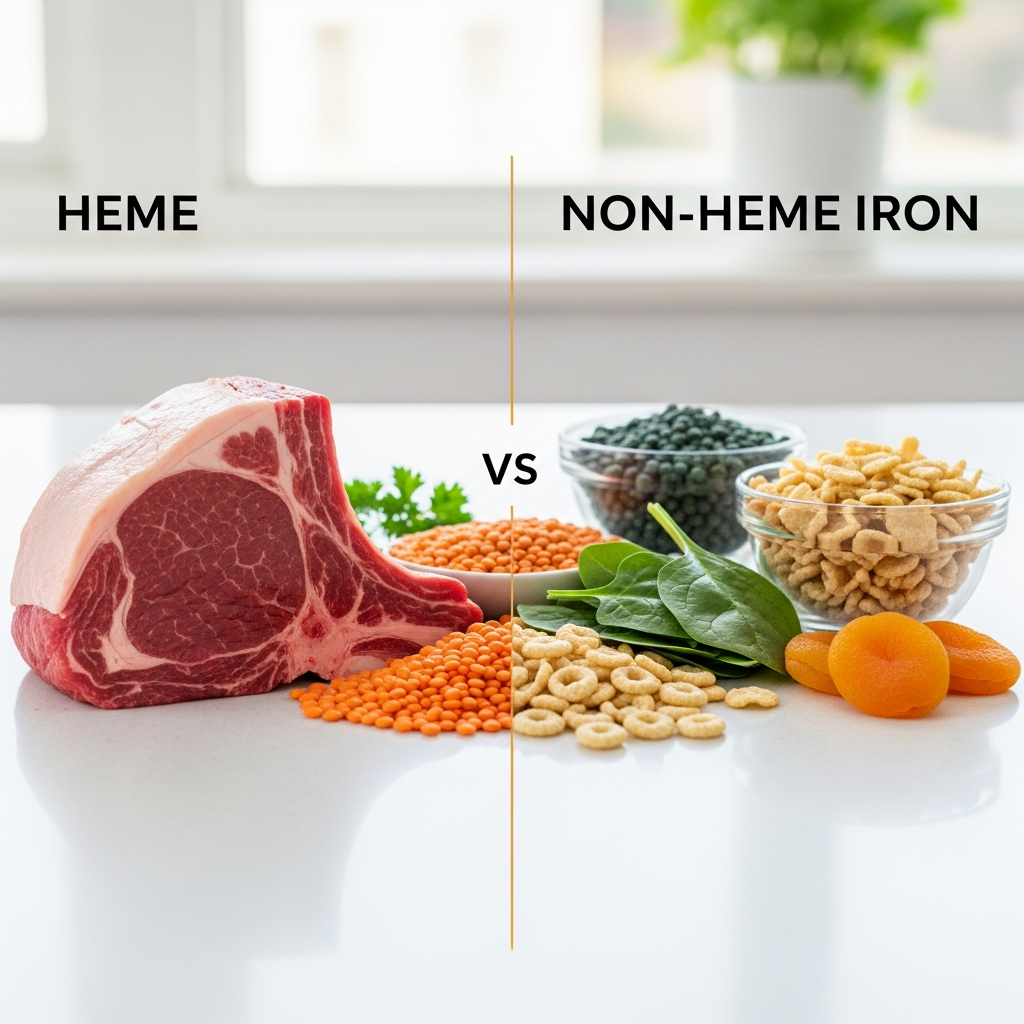
When we talk about iron in food, you’ll often hear about two types: heme and non-heme. Knowing the difference can help you make the most of the foods you offer your toddler.
Heme Iron: Best Absorbed
Heme iron comes from animal sources. This type of iron is easily absorbed by the body, which means your toddler gets more bang for their buck, so to speak. Think of it as the most efficient form of iron.
Non-Heme Iron: Plant-Based Power
Non-heme iron is found in plant foods and fortified products. While it’s still very good for your toddler, it’s not absorbed as easily as heme iron. But don’t worry, there’s a simple trick to boost its absorption!
The Vitamin C Connection
Here’s a fantastic tip: serving non-heme iron foods alongside foods rich in Vitamin C can dramatically increase how much iron your toddler’s body absorbs. So, a bowl of fortified cereal with some strawberries, or lentils with bell peppers, is a winning combination!
11 Iron-Rich Foods Your Toddler Will Love (or Learn To!)
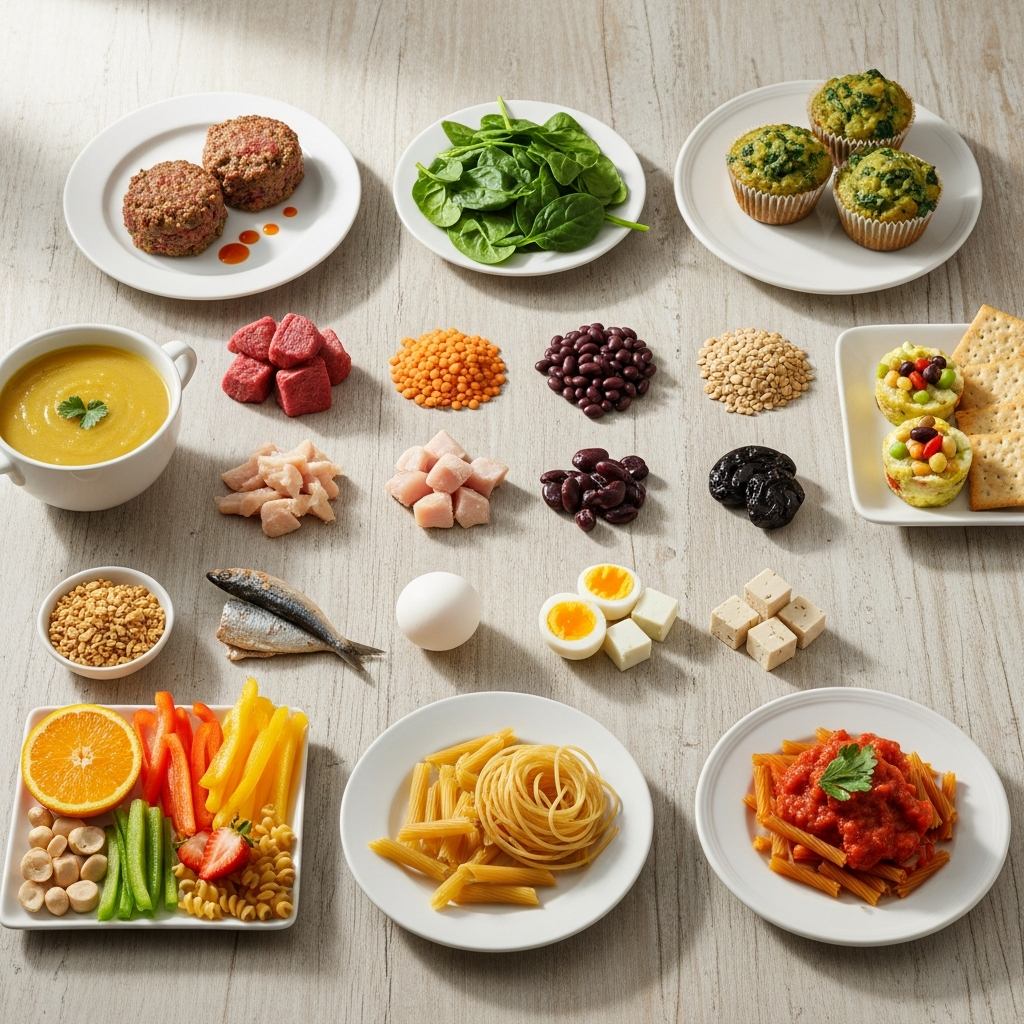
Introducing new foods to toddlers can be a journey, often involving a bit of patience and creativity. Here are 11 iron-packed foods to add to their menu, along with simple ways to offer them.
1. Lean Red Meat (Beef, Lamb)
Red meat is a fantastic source of heme iron.
Offer it finely minced in pasta sauce, as tiny meatballs, or thinly sliced and cooked until very tender for easy chewing.
2. Poultry (Dark Meat Chicken or Turkey)
Dark meat from chicken or turkey contains more iron than white meat.
Shredded chicken or turkey can be added to soups, stir-fries, or served alongside vegetables.
3. Iron-Fortified Cereals
Many breakfast cereals are specifically fortified with iron, making them an excellent choice.
Serve with whole milk or a fortified plant-based milk and add some sliced berries for extra Vitamin C.
4. Beans and Lentils
These plant-based powerhouses are full of non-heme iron, fiber, and protein.
Offer mashed beans (like black beans or kidney beans) as a spread, or add cooked lentils to soups, stews, or even a Shepherd’s pie.
5. Spinach and Other Dark Leafy Greens
Spinach, kale, and other greens are packed with non-heme iron and lots of vitamins.
Finely chop and mix into scrambled eggs, pasta sauce, smoothies, or bake into muffins.
6. Broccoli
Broccoli not only provides non-heme iron but also a good dose of Vitamin C to help with absorption.
Steam it until tender, cut into small florets, and serve as a finger food. You can also roast it with a little olive oil.
7. Tofu
A versatile plant-based protein, tofu is a great source of non-heme iron.
Cut firm tofu into small cubes and bake or sauté, or crumble it into a “scramble” with other veggies.
8. Eggs
While not the highest source of iron, eggs contain some heme iron and are very nutritious overall.
Serve scrambled, hard-boiled and mashed, or in an omelet with some added spinach.
9. Dried Fruits (Apricots, Prunes)
Dried apricots and prunes are concentrated sources of non-heme iron and fiber.
Always cut dried fruits into very small, bite-sized pieces to prevent choking hazards. Offer as a snack or mix into oatmeal.
10. Nut Butters (Peanut, Almond)
Nut butters (like peanut or almond butter) offer non-heme iron, protein, and healthy fats.
Spread thinly on toast, crackers, or apple slices. *Always ensure your toddler is not allergic and introduce cautiously.*
11. Oats
Plain oats are a good source of non-heme iron and can be a staple in your toddler’s diet.
Cook into oatmeal and top with berries or a swirl of nut butter. You can also use oats in baking.
Tips for Boosting Iron Absorption

Getting iron into your toddler’s diet is one step, but helping their body use it efficiently is just as important.
Pair with Vitamin C
This is perhaps the most important tip. Always try to serve non-heme iron foods with a source of Vitamin C. Think bell peppers, strawberries, kiwi, oranges, tomatoes, or broccoli. This simple pairing can make a huge difference in how much iron their body actually takes in.
Avoid Tannins
Some drinks, like tea and coffee, contain compounds called tannins that can hinder iron absorption. It’s best to avoid giving these to toddlers altogether. Even excessive milk consumption can sometimes interfere with iron absorption if it displaces iron-rich foods, so make sure milk isn’t their only drink.
Cooking in Cast Iron
Using a cast iron skillet for cooking can actually impart a small amount of iron into your food. While it shouldn’t be relied upon as the sole source, every little bit helps, and it’s a traditional, sturdy cooking method!
6 Simple, Toddler-Friendly Iron-Rich Recipes
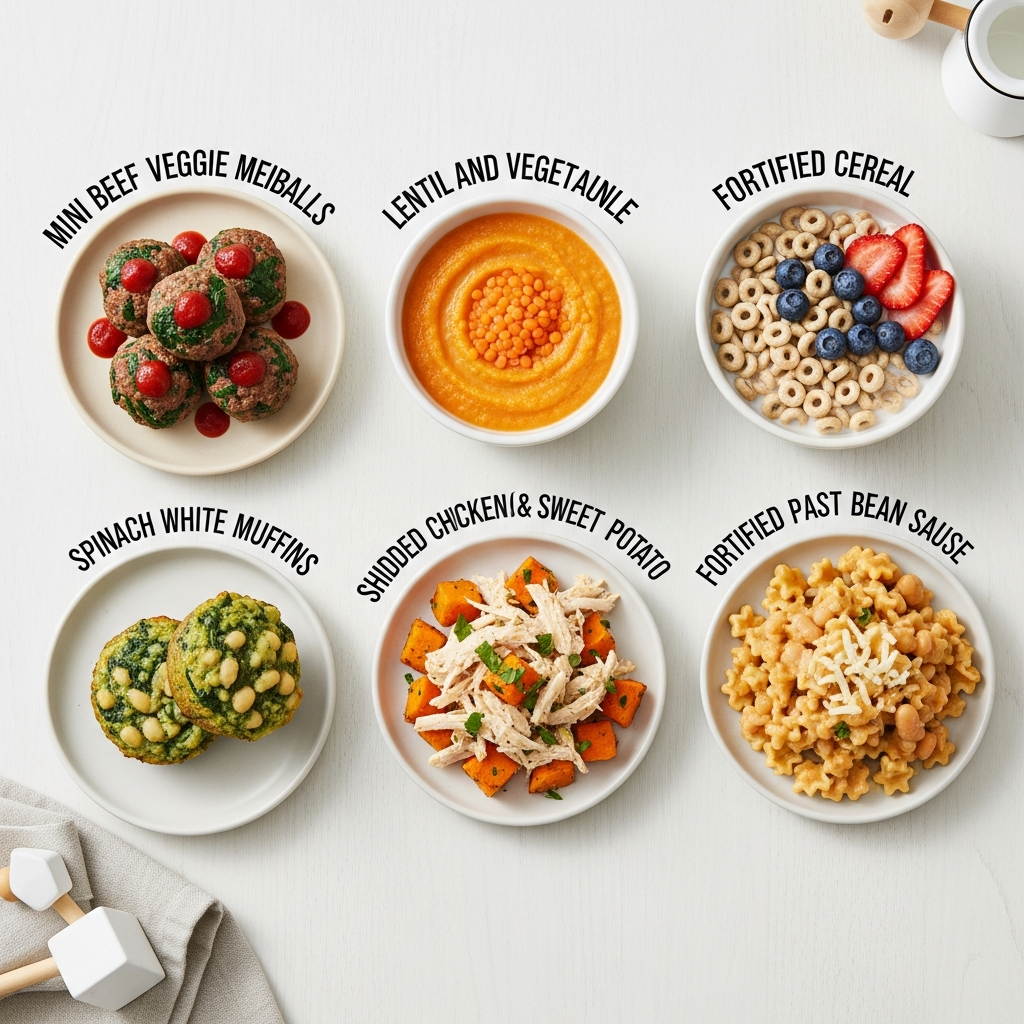
Here are some easy recipes designed to be appealing to toddlers and packed with iron. Remember to always adjust textures for your toddler’s chewing ability.
1. Beef and Veggie Mini Meatballs
These tiny meatballs are easy for little hands and full of iron.
Ingredients:
* 1/2 lb lean ground beef
* 1/4 cup finely grated carrot
* 1/4 cup finely chopped spinach
* 1/4 cup breadcrumbs (or crushed fortified cereal)
* 1 small egg, beaten
* Pinch of garlic powder (optional)
Instructions:
1. Preheat oven to 375°F (190°C).
2. In a bowl, gently mix all ingredients until just combined.
3. Roll into small, bite-sized meatballs (about 1-inch diameter).
4. Bake for 15-20 minutes, or until cooked through and lightly browned. Serve with a tomato sauce for extra Vitamin C.
2. Lentil & Sweet Potato Mash
A hearty, nutritious mash combining non-heme iron with Vitamin C.
Ingredients:
* 1/2 cup cooked brown or green lentils
* 1 medium sweet potato, peeled and cooked until very tender
* 1 tbsp olive oil or butter
* Pinch of cinnamon (optional)
Instructions:
1. Mash the cooked sweet potato until smooth.
2. Add the cooked lentils and olive oil/butter.
3. Mash everything together, leaving some texture for chewing. Add a splash of water or milk if needed to reach desired consistency.
3. Fortified Cereal Pancakes
A creative way to get fortified cereal into their diet.
Ingredients:
* 1/2 cup fortified infant or toddler cereal (e.g., oat or rice cereal)
* 1/2 cup all-purpose flour
* 1 tsp baking powder
* 1 small egg
* 1/2 cup milk (dairy or fortified plant-based)
* 1 tbsp melted butter or oil, plus extra for cooking
Instructions:
1. In a bowl, whisk together the dry ingredients: cereal, flour, and baking powder.
2. In another bowl, whisk the egg and milk.
3. Pour the wet ingredients into the dry ingredients and mix until just combined (don’t overmix). Stir in the melted butter/oil.
4. Heat a lightly oiled non-stick pan over medium heat. Pour small amounts of batter to form mini pancakes.
5. Cook for 2-3 minutes per side, until golden brown and cooked through. Serve with fruit for Vitamin C.
4. Spinach & Cheese Egg Muffins
Easy, grab-and-go muffins packed with iron from spinach and eggs.
Ingredients:
* 4 large eggs, whisked
* 1/4 cup milk
* 1/2 cup finely chopped fresh spinach
* 1/4 cup shredded cheese (cheddar or mozzarella)
* Pinch of black pepper (optional)
Instructions:
1. Preheat oven to 350°F (175°C). Lightly grease a mini muffin tin.
2. In a bowl, whisk eggs and milk.
3. Stir in the spinach and cheese.
4. Pour the mixture into the muffin tin, filling each cup about three-quarters full.
5. Bake for 12-15 minutes, or until set and lightly golden. Cool slightly before serving.
5. Tofu Scramble with Bell Peppers
A vibrant, plant-based meal combining tofu’s iron with Vitamin C from bell peppers.
Ingredients:
* 1/2 block (7 oz) firm tofu, pressed and crumbled
* 1 tbsp olive oil
* 1/4 cup finely diced bell pepper (any color)
* 1 tbsp nutritional yeast (for a cheesy flavor, optional)
* Pinch of turmeric (for color, optional)
* Salt to taste (very small amount for toddlers)
Instructions:
1. Heat olive oil in a non-stick pan over medium heat.
2. Add bell peppers and cook until slightly softened (about 3-5 minutes).
3. Add the crumbled tofu, nutritional yeast, and turmeric. Stir gently to combine.
4. Cook for 5-7 minutes, stirring occasionally, until the tofu is heated through and slightly browned. Serve warm.
6. Fruity Oat Bites
Sweet, chewy bites that combine iron from oats and dried fruit, and a little Vitamin C from fruit juice.
Ingredients:
* 1 cup rolled oats
* 1/2 cup finely chopped dried apricots or prunes (ensure no pits!)
* 1/4 cup apple or orange juice
* 1 tbsp nut butter (optional, ensure no allergy)
* 1/2 tsp cinnamon (optional)
Instructions:
1. In a bowl, combine oats, chopped dried fruit, and cinnamon if using.
2. Add the apple/orange juice and nut butter (if using). Mix well until everything is moistened and sticky.
3. Roll the mixture into small, bite-sized balls.
4. Place on a plate or baking sheet lined with parchment paper. Refrigerate for at least 30 minutes to firm up. Serve as a snack.
When to Talk to Your Pediatrician

While this article provides general information, every child is unique. If you have any concerns about your toddler’s iron intake, diet, energy levels, or suspect they might be iron deficient, please don’t hesitate to reach out to their pediatrician. They can offer personalized advice, suggest further testing, or recommend supplements if truly necessary. Always consult a healthcare professional before starting any supplements.
Focusing on a balanced diet with a variety of iron-rich foods is generally the best approach.
Getting enough iron is a vital part of supporting your toddler’s incredible journey of growth and discovery. It might feel like a big task to ensure they get all they need, but by focusing on a variety of iron-rich foods, pairing them smartly with Vitamin C, and trying out some fun, toddler-friendly recipes, you’re doing a wonderful job. Remember, patience and persistence are key when introducing new foods. You’ve got this, and your little one will thank you for setting them up for a strong, healthy start!