As parents, we’re always looking for meaningful ways to connect with our children and help them learn about the world around them. Sometimes, the simplest activities hold the biggest rewards. Bringing a bit of nature indoors through gardening can be one of the most enriching experiences you share as a family.
Indoor gardening with kids isn’t just about growing plants; it’s about nurturing minds, fostering responsibility, and creating a living classroom right in your home. It’s an easy, budget-friendly activity that offers a wealth of benefits for children of all ages, from toddlers to teenagers. Let’s explore why this hands-on hobby is such a wonderful addition to your family’s routine.
A Living Classroom in Your Home

Imagine a place where science, biology, and environmental studies come to life right before your child’s eyes. That’s exactly what an indoor garden provides. It offers a tangible, ever-changing lesson plan that engages children more deeply than any textbook ever could.
Understanding the Basics of Life
Through indoor gardening, children gain a firsthand understanding of fundamental life processes. They witness the magic of growth and the requirements for survival, connecting abstract concepts to real-world observations.
The Plant Life Cycle
Children can literally watch a tiny seed transform into a sprout, then grow into a mature plant that might even flower or bear fruit. This cycle illustrates concepts of birth, growth, and reproduction in a natural, gentle way. It teaches them about the progression of life.
Basic Biology in Action
From understanding how plants absorb water through their roots to realizing that sunlight helps them make their own food (photosynthesis), these biological processes become much clearer. They see these principles at work every day as they care for their plants. It’s a natural introduction to scientific inquiry.
Environmental Awareness
Caring for plants helps children understand their place in the ecosystem. They learn that plants contribute to clean air and a healthy environment. This simple act can spark an early appreciation for nature and conservation efforts.
Encouraging Curiosity and Discovery
An indoor garden naturally sparks questions. “Why is this leaf yellow?” “How does the water get to the top?” These inquiries lead to exploration and discovery, nurturing a child’s innate curiosity about the natural world.
Cultivating Patience and Responsibility

In a fast-paced world, learning patience is a precious gift. Indoor gardening provides a perfect opportunity for children to slow down, observe, and understand that good things often take time and consistent effort.
Learning the Value of Nurturing
A plant won’t thrive without consistent care. This simple truth teaches children about the importance of nurturing something delicate and dependent on them. It’s a powerful lesson in empathy and commitment.
Daily Care Routines
Watering, checking the soil, ensuring adequate light – these small tasks become part of a child’s routine. This consistency helps develop good habits and a sense of duty, understanding that living things rely on them.
Observing Growth Over Time
Plants don’t grow overnight. Children learn to watch for tiny changes, day by day. This observation helps them appreciate gradual progress and the beauty of slow development, teaching patience in a truly hands-on way.
Understanding Consequences
If a plant is neglected, it might wilt or even die. This natural consequence, in a controlled environment, helps children understand cause and effect. It’s a gentle way to learn about the importance of follow-through without harsh judgment.
Fostering a Sense of Ownership
When a child helps choose the seeds, plants them, and cares for the growing plant, they develop a strong sense of ownership. This personal investment leads to pride and a greater connection to the activity.
Boosting Emotional Well-being and Sensory Engagement

The simple act of being around nature has a calming effect, and indoor gardening brings this tranquility directly into your home. It engages multiple senses, providing a rich, soothing experience for children.
Reducing Stress and Anxiety
Gardening is a quiet, gentle activity that can be very therapeutic. Focusing on the plant and its needs can help children tune out distractions and worries, promoting a sense of calm and mindfulness. It’s a wonderful way to de-stress.
Engaging the Senses
Indoor gardening offers a multi-sensory experience that stimulates different parts of a child’s developing brain.
Touch
Children can feel the texture of the soil, the smoothness of seeds, the delicate leaves of a sprout. This tactile exploration is grounding and satisfying. Getting a little dirt on their hands is part of the fun!
Sight
They watch the vibrant green of new leaves, the unfurling of a flower bud, or the changing colors of ripening fruit. The visual spectacle of growth is captivating and can spark wonder.
Smell
The earthy scent of fresh soil, the fragrant aroma of herbs like basil or mint, or the subtle perfume of a flower can awaken their sense of smell. These natural scents are often soothing.
Taste
If you grow edible plants, children get to taste the literal fruits of their labor. There’s nothing quite like a fresh tomato or a sprig of mint they’ve grown themselves, often making them more willing to try new foods.
Developing Essential Skills
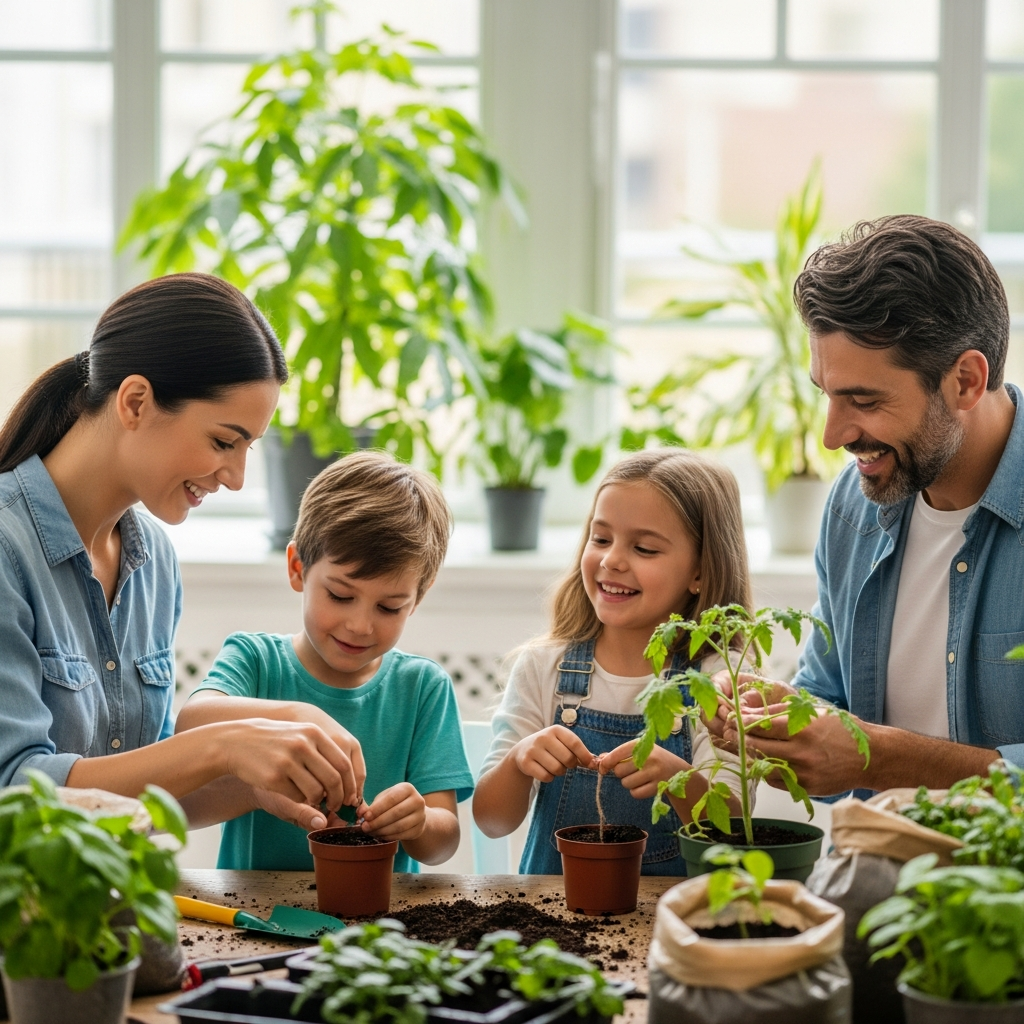
Beyond academic and emotional growth, indoor gardening helps children hone a variety of practical and cognitive skills that are valuable in many areas of life.
Enhancing Fine Motor Skills
Many gardening tasks require careful, precise movements, which are excellent for developing fine motor control.
Precision Tasks
Planting tiny seeds, gently watering delicate seedlings, or carefully repotting a plant all require fine motor skills and hand steadiness. These activities strengthen small muscles in the hands and fingers.
Hand-Eye Coordination
Using small gardening tools, like a trowel or a watering can, helps children improve their hand-eye coordination. They learn to control their movements to achieve a specific outcome.
Practicing Problem-Solving
When a plant isn’t thriving, it presents a natural problem-solving challenge. Children can participate in figuring out what might be wrong and how to fix it.
“Is it getting enough sunlight?” “Does it need more water, or less?” These questions encourage critical thinking and observation. It teaches them to analyze a situation and try different solutions.
Following Directions and Sequencing
Most gardening projects involve a series of steps: prepare the pot, add soil, plant the seed, water. Following these instructions helps children develop their ability to understand and execute a sequence of tasks.
Strengthening Family Bonds and Teamwork

In a world filled with individual screens and busy schedules, shared family activities are more important than ever. Indoor gardening provides a wonderful opportunity for families to work together and connect.
Collaborative Project Time
An indoor garden can become a shared family project where everyone has a role. One child might be responsible for watering, another for checking light, and a parent for general guidance. This shared responsibility fosters teamwork.
Working side-by-side on a common goal strengthens communication and mutual support. It’s a chance to chat, laugh, and learn from each other without the pressure of typical daily tasks.
Creating Shared Memories
These moments of nurturing a plant together become treasured family memories. “Remember when our basil plant grew so tall?” These shared experiences build a foundation of closeness and provide talking points for years to come. It’s about more than just the plants; it’s about the time spent together.
Accessible Fun, Rain or Shine
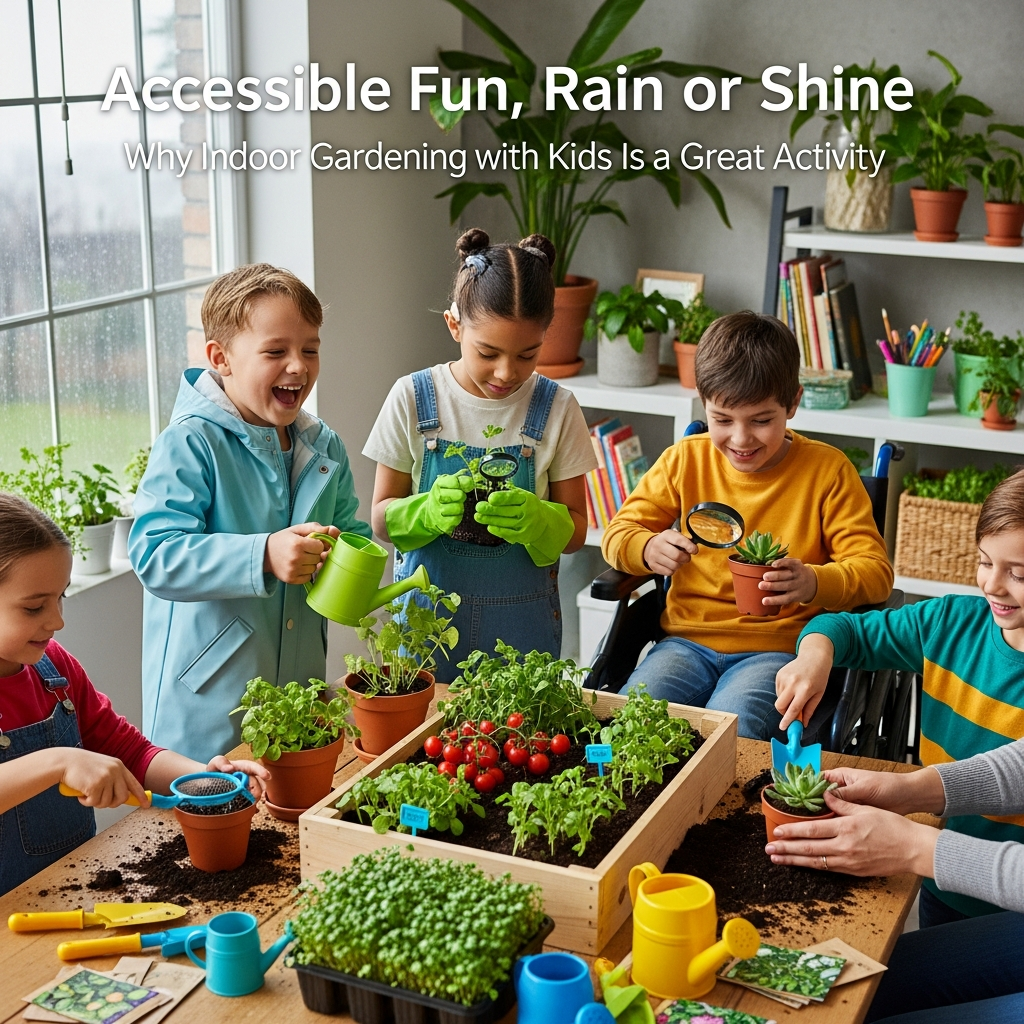
One of the greatest advantages of indoor gardening is its accessibility. You don’t need a sprawling backyard or perfect weather conditions to enjoy its benefits.
Space-Saving and Versatile
An indoor garden can be as small as a single pot on a windowsill or a few shelves in a sunny corner. This makes it ideal for apartments, small homes, or even just adding a touch of green to a child’s bedroom. It shows kids that nature can be brought into any living space.
Weather-Proof Entertainment
No matter if it’s pouring rain, snowing heavily, or scorching hot outside, your indoor garden remains a constant source of activity and learning. It’s a fantastic go-to option for engaging kids and reducing screen time, regardless of what the weather is doing.
Great Indoor Plants for Kids

When starting an indoor garden with children, choosing plants that are relatively easy to grow and offer quick results can help keep their interest high.
Easy-to-Grow Herbs
* Basil: Grows quickly from seed, smells wonderful, and can be used in cooking.
* Mint: Very hardy and spreads easily. Great for sensory play and making tea.
* Chives: Simple to grow, can be cut and used, and regrows quickly.
* Parsley: A bit slower than basil but still rewarding, and useful in many dishes.
Fast-Growing Vegetables
* Lettuce/Spinach: Some varieties can be grown in shallow containers and harvested as ‘cut-and-come-again’ greens.
* Radishes: Some dwarf varieties can mature relatively quickly in containers.
* Sprouting Seeds: Alfalfa, mung beans, or lentils sprout within days on a damp paper towel or in a jar. This offers instant gratification!
Fun Flowers and Unique Plants
* Marigolds: Easy to grow from seed, colorful, and produce cheerful blooms.
* Dwarf Sunflowers: Smaller varieties can be grown indoors and still provide a sense of achievement with their iconic blooms.
* Spider Plants: Very forgiving and produce ‘babies’ that can be easily propagated, teaching kids about plant reproduction.
* Succulents: Low maintenance and come in many interesting shapes and textures.
Practical Tips for Starting Your Indoor Garden

Ready to dig in? Here are a few simple tips to help you get started on your indoor gardening adventure with your kids.
Choose the Right Spot
Look for a windowsill or a table near a window that gets plenty of natural light. Most plants need at least 4-6 hours of indirect sunlight. You might want to research the specific light needs of your chosen plants.
Simple Supplies Needed
You don’t need fancy equipment. Basic supplies are:
* Small pots or containers: Recycled yogurt cups with drainage holes work great.
* Potting soil: A good quality, lightweight potting mix is essential.
* Seeds or small starter plants: Choose varieties known for indoor success.
* A small watering can: One that’s easy for little hands to manage.
* Gardening gloves (optional): For kids who don’t like getting too messy.
Make it a Regular Routine
Set a specific time each day or every other day for checking on the plants. This helps establish a routine and reinforces responsibility. Make it part of your daily family rhythm, like brushing teeth or reading a book.
Celebrate Small Victories
Point out every new sprout, every tiny leaf, every flower bud. These small successes are huge motivators for kids and show them that their hard work is paying off. Take photos to document the journey!
Overcoming Little Hurdles
Like any parenting endeavor, there might be a few bumps along the road. Don’t worry, these challenges also offer great learning opportunities.
Dealing with Mess
Gardening can be messy, especially with enthusiastic little helpers. Lay down a waterproof mat or old newspaper before you start. Embrace the dirt as part of the fun, and teach children that cleaning up is part of the activity. A small broom and dustpan can make them feel capable.
When a Plant Doesn’t Grow
Not every seed will sprout, and not every plant will thrive. This can be disappointing, but it’s also a valuable lesson in resilience. Talk about what might have happened (too much water, not enough light) and encourage them to try again. It’s about the effort and the learning, not just the perfect outcome.
Keeping Interest Alive
If interest starts to wane, try new things! Plant a different type of seed, introduce a unique plant like a Venus flytrap (if age-appropriate), or even create a mini terrarium. You can also integrate the plants into daily life, like using homegrown herbs in a family meal.
Indoor gardening with kids is more than just a hobby; it’s an investment in their growth, learning, and well-being. It’s an opportunity to create lasting memories, teach valuable life lessons, and bring a little bit of beautiful nature into your everyday family life. So, grab some seeds, find a sunny spot, and embark on this wonderful green adventure with your little ones. You’ll be amazed at all the beautiful things that grow, both in the pots and in your children’s hearts.