Bringing the joy of nature indoors can be a truly magical experience for children. Even if you don’t have a sprawling backyard, or when the weather outside isn’t cooperating, indoor gardening offers a wonderful way for kids to connect with the natural world. It’s a chance to get their hands a little dirty, watch life unfold, and learn valuable lessons right in your home.
This isn’t just about planting seeds; it’s about nurturing curiosity, fostering responsibility, and creating lasting memories together. From tiny toddlers to curious pre-teens, there’s an indoor gardening project suitable for every age. Let’s dig into some delightful activities that your children are sure to adore.
Why Indoor Gardening is Great for Kids
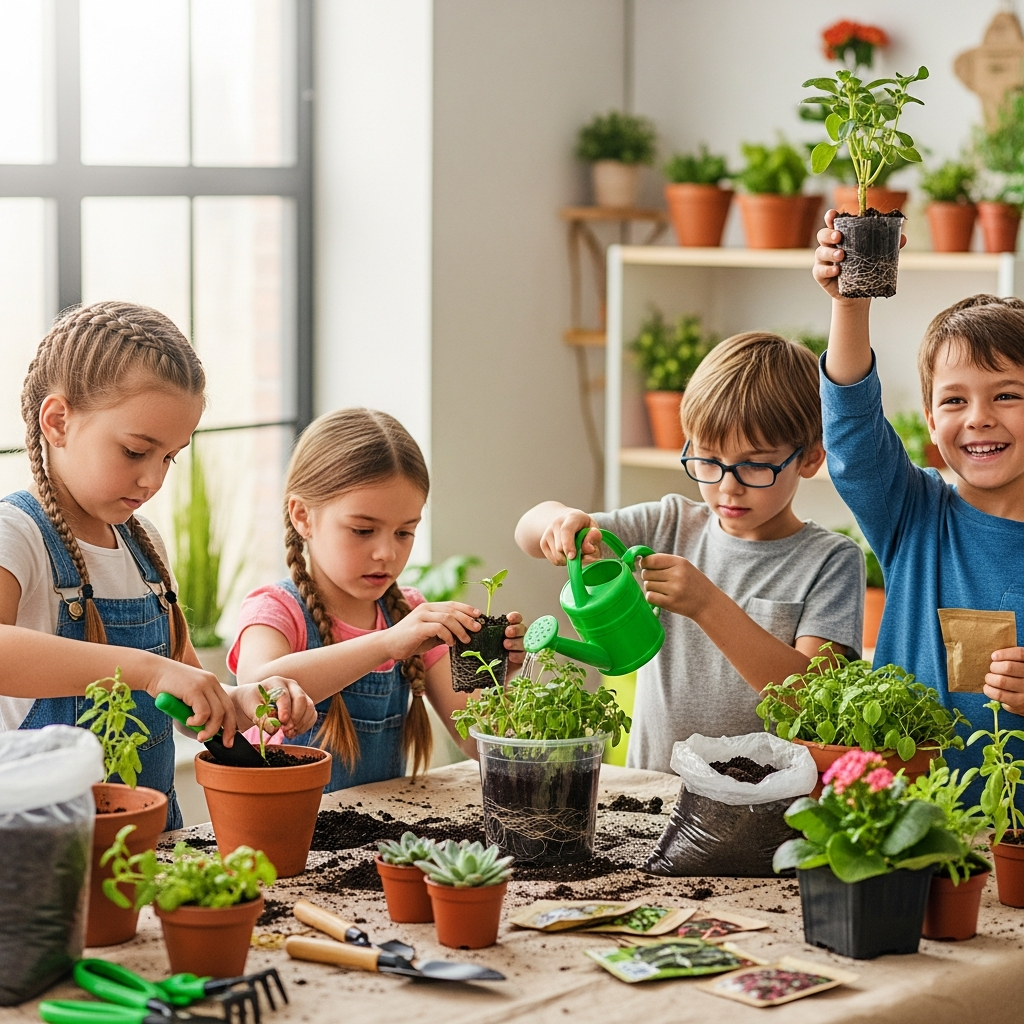
Indoor gardening isn’t just a fun pastime; it’s a powerful tool for growth and development in children. It offers a unique blend of education, sensory experience, and creative expression.
Learning Opportunities
Gardening opens up a world of discovery for young minds. It’s a hands-on science lesson in action.
Children learn about the plant life cycle, from tiny seed to sprout, and eventually to a mature plant. They begin to understand basic biology, like what plants need to grow. This can even spark conversations about where our food comes from, fostering a greater appreciation for healthy eating. They also practice math skills by measuring soil, water, or growth, and learn invaluable patience waiting for results.
Sensory Exploration
The garden engages all the senses in a gentle, enriching way. This can be especially beneficial for younger children.
Kids get to feel the texture of crumbly soil, smooth seeds, and delicate leaves. They can smell the earthy aroma of potting mix or the fresh scent of herbs. Watching plants grow, change colors, and even produce fruit or flowers provides a continuous visual feast. This multi-sensory engagement helps children develop their observational skills and connect more deeply with their environment.
Boosts Creativity and Fine Motor Skills
Gardening activities often involve crafting and careful handling, which are great for development.
Decorating pots with paint or markers allows children to express their artistic side. Scooping soil, planting small seeds, or carefully watering plants all require precision and coordination. These tasks naturally improve fine motor skills, hand-eye coordination, and dexterity, which are essential for many other activities, including writing.
Connects with Nature (Even Indoors)
In an increasingly digital world, indoor gardening offers a crucial link to nature.
It provides a calming, grounding activity that can reduce screen time and encourage focused attention. Caring for a living thing instills a sense of empathy and responsibility. It reminds children that even inside our homes, we can nurture life and witness the wonders of the natural world up close.
Getting Started: What You’ll Need
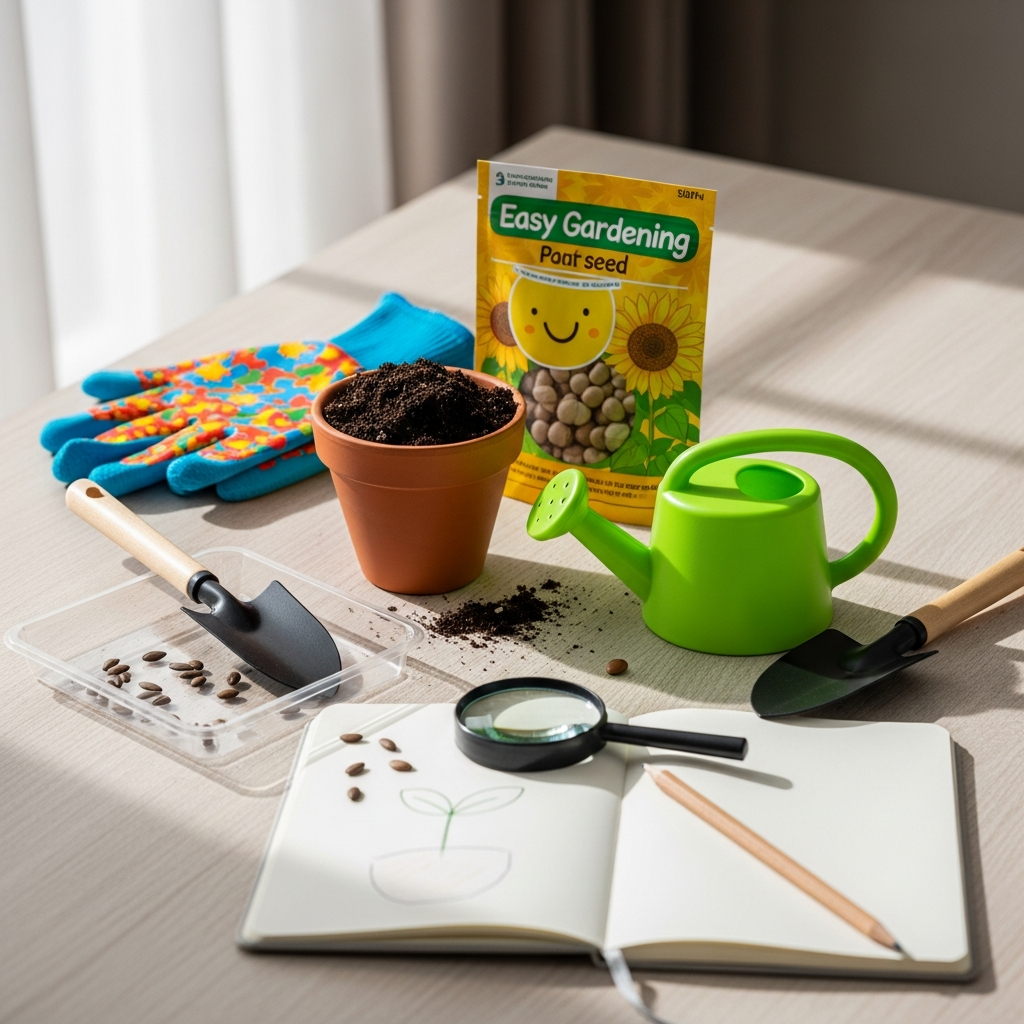
Before you embark on your indoor gardening adventure, gathering a few basic supplies will make the process smooth and enjoyable for everyone. You don’t need much to begin, and many items can be found around the house.
Basic Supplies
A small investment in essential tools can make a big difference in a child-friendly garden.
* Pots or Containers: Small terracotta pots are classic, but recycled plastic containers (yogurt cups, milk jugs cut in half) or even egg cartons work wonderfully. Just make sure they have drainage holes!
* Soil: A good quality potting mix or seed-starting mix is vital. Avoid garden soil, as it can contain pests and diseases.
* Seeds or Starts: Choose easy-to-grow options for quick success. More on this later.
* Watering Can: A small, kid-sized watering can with a gentle spout is perfect for preventing overwatering.
* Tools: Small trowels, spatulas, or even a large spoon can be useful for scooping soil. Kid-friendly gardening gloves are optional but can add to the fun.
Choosing the Right Spot
Finding the perfect home for your indoor garden is crucial for plant health and kid accessibility.
Most plants need sunlight to thrive, so a sunny window that gets several hours of direct light each day is ideal. If you don’t have enough natural light, a simple grow light can be a great investment. Ensure the spot has a stable room temperature, away from drafts or extreme heat. Most importantly, choose a location where your child can easily reach their plants to care for them independently.
Fun Indoor Gardening Projects for Little Hands (Ages 2-6)
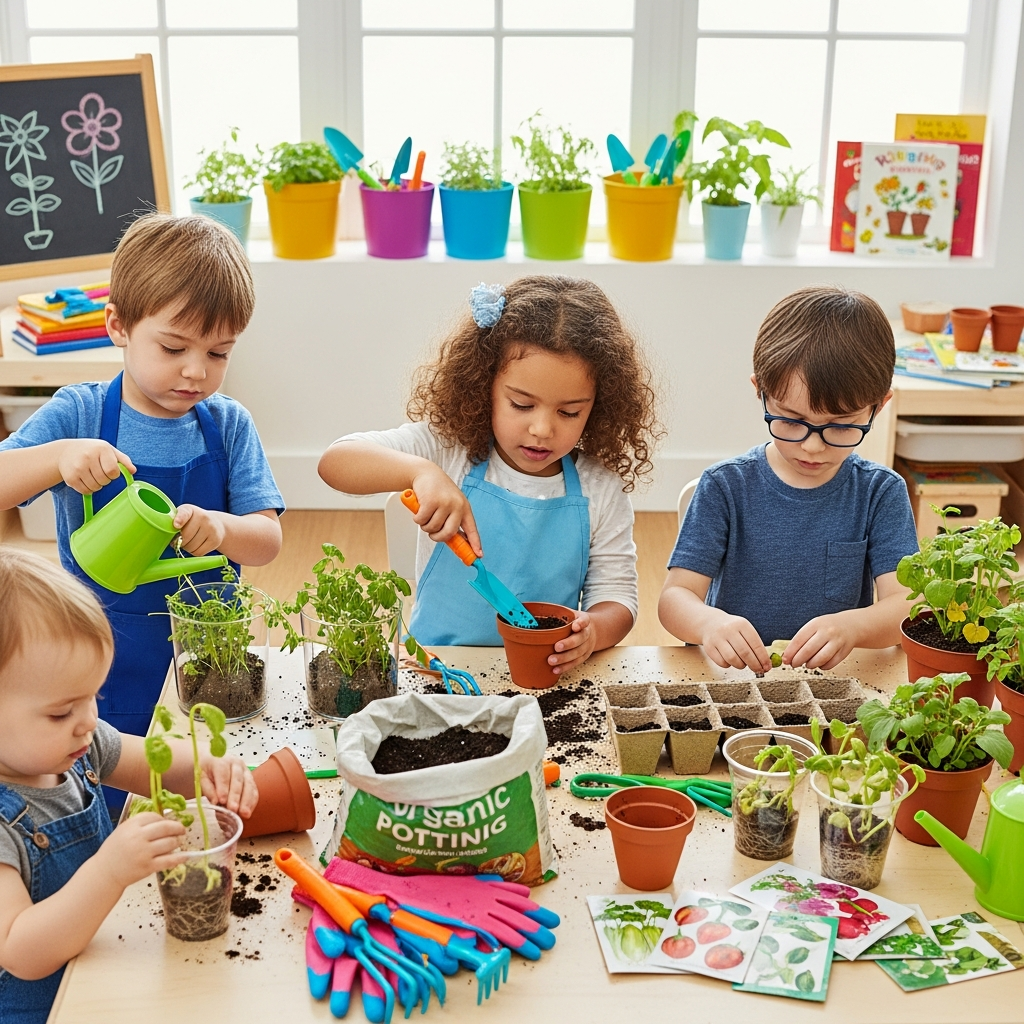
For the youngest gardeners, the key is quick results and simple steps. These activities are perfect for sparking early interest and making the most of their short attention spans.
Sprouting Beans in a Jar
This classic science experiment is a fantastic way to see germination up close. It offers near-instant gratification, which is perfect for preschoolers.
What You Need:
* A clear glass jar (like a pickle or jam jar)
* Paper towels
* Dried beans (lima beans or kidney beans work well)
* Water
Easy Steps:
1. Dampen a few sheets of paper towel and line the inside of the jar, pressing them against the glass.
2. Place several beans between the paper towel and the glass, spaced out so they have room to grow.
3. Add a little water to the bottom of the jar, just enough to keep the paper towels moist, but not soaking wet.
4. Place the jar in a warm spot, out of direct sunlight.
5. Check daily to make sure the paper towel stays damp, adding a tiny bit more water if needed.
Learning Focus:
Within a few days, your child will see the roots emerge and then the shoot. It’s a wonderful, fast lesson in how seeds sprout and the magic of new life.
Planting Herb Seeds
Herbs are forgiving and fragrant, making them excellent choices for tiny gardeners. The sensory aspect is a huge bonus.
Good Choices:
* Basil: Easy to grow, smells wonderful, and can be used in cooking.
* Mint: Grows quickly and is very fragrant.
* Parsley: Another easy-to-grow option with a pleasant scent.
Simple Process:
1. Fill small pots with potting mix, leaving about an inch of space from the rim.
2. Help your child sprinkle a few seeds onto the soil.
3. Cover the seeds with a very thin layer of soil (check seed packet for specific depth).
4. Gently water the soil until moist, being careful not to wash away the seeds.
5. Place the pots in a sunny window and keep the soil consistently damp.
Sensory Fun:
Once the herbs grow, children can gently touch and smell the leaves. You can even snip off a small piece to add to dinner, letting them taste the fruits (or leaves!) of their labor.
Growing Scraps into New Plants
This activity is not only fun but also teaches about sustainability and reducing food waste. It’s truly amazing for kids to watch.
Examples:
* Celery Bottoms: Cut off the base of a celery bunch.
* Green Onion Roots: Place the white root ends of green onions in water.
* Potato Eyes: Cut a piece of potato with an “eye” (sprout) on it.
How-To:
1. For Celery: Place the celery base in a shallow dish of water, cut side down. New shoots will emerge from the center.
2. For Green Onions: Stand the root ends upright in a glass with a bit of water covering the roots.
3. For Potatoes: Let the potato pieces dry for a day or two, then plant them in soil.
Wow Factor:
Watching a seemingly useless food scrap transform into a new plant is incredibly exciting for kids. It’s a visible lesson in resilience and regeneration.
Engaging Activities for Budding Gardeners (Ages 7-10)
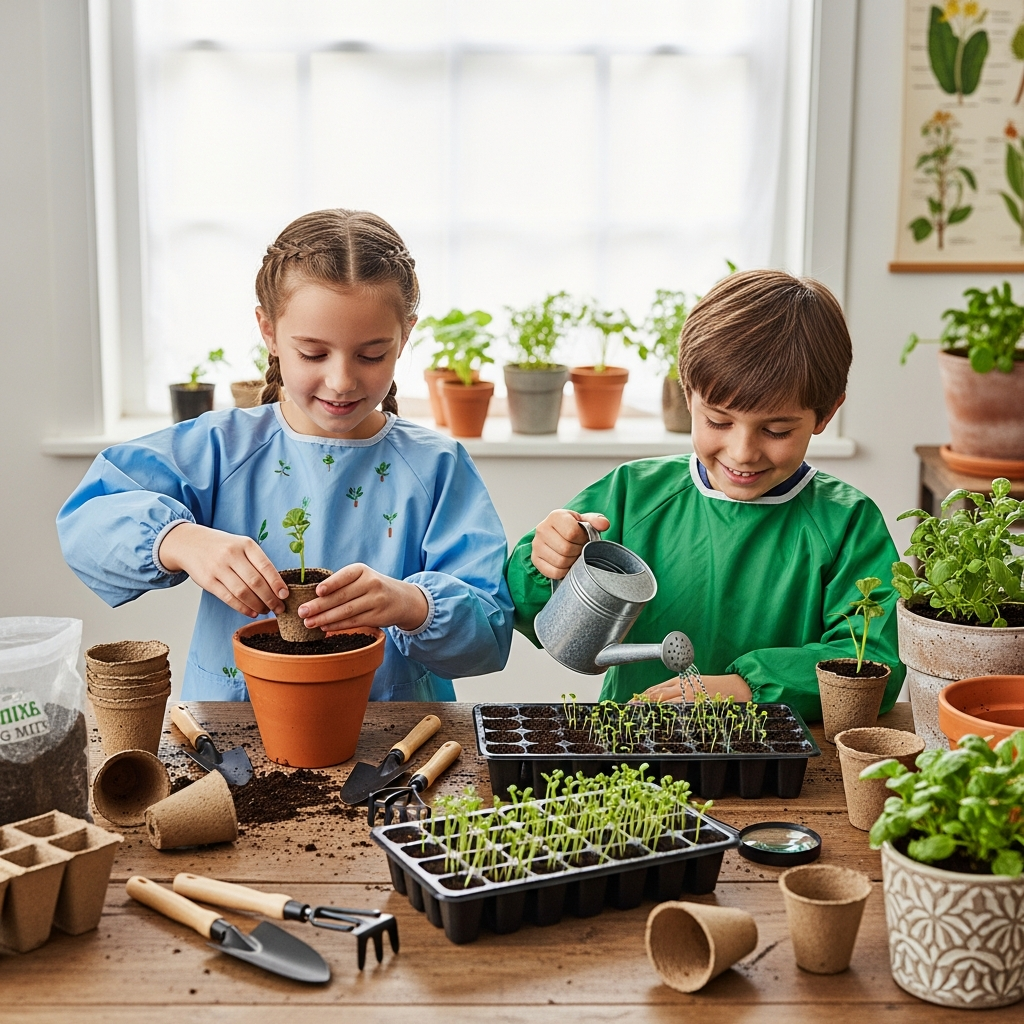
As children get a little older, they can handle more complex projects and enjoy a deeper understanding of the gardening process. These activities build on earlier skills and introduce new concepts.
Creating a Terrarium
A terrarium is like a miniature world under glass, and kids love designing their own tiny ecosystems.
What It Is:
A terrarium is a sealed or semi-sealed clear container that holds a collection of small plants, creating a self-sustaining environment.
Materials:
* A clear glass container (fishbowl, large jar, old vase)
* Small pebbles or gravel for drainage
* Activated charcoal (helps keep the environment fresh)
* Potting soil
* Small, slow-growing plants (ferns, moss, small succulents)
* Small decorative items (tiny figurines, rocks, twigs)
Design Fun:
1. Layer the pebbles at the bottom for drainage, followed by a thin layer of activated charcoal.
2. Add a generous layer of potting soil.
3. Help your child arrange their chosen plants, leaving space between them.
4. Mist with water and then let them add their decorative elements, creating a unique mini-landscape.
5. Place a lid on top (if using a closed terrarium) or leave it open (for open terrariums).
Learning Focus:
Terrariums teach about ecosystems, the water cycle (condensation often forms inside), and how plants adapt to different environments.
Decorating Plant Pots
This is where art and gardening beautifully combine, allowing kids to personalize their projects.
Art Project:
Provide plain terracotta pots or plastic containers and a variety of art supplies.
* Acrylic paints are great for terracotta.
* Permanent markers work well on plastic.
* Stickers, glitter, craft glue, and small gems can add extra flair.
Personal Touch:
Let your child freely decorate their pots before planting. This gives them a sense of ownership and pride in their gardening space. They can paint patterns, draw pictures, or even write their name. Once dry, these custom pots are ready to hold their green creations.
Starting a Seedling Nursery
For kids who enjoy a bit of planning and nurturing, starting seedlings is a rewarding experience. This can be a step towards a future outdoor garden or just a fun way to grow more plants indoors.
Planning Ahead:
This is perfect if you have an outdoor garden, but it’s also great for simply growing larger plants indoors. Encourage your child to research what plants grow well from seed.
Types of Seeds:
* Easy flowers like marigolds or zinnias.
* Vegetables such as cherry tomatoes, bell peppers, or lettuce.
Care:
1. Use seed-starting trays or small pots with drainage.
2. Fill with seed-starting mix, which is lighter and finer than potting soil.
3. Plant seeds according to package directions.
4. Ensure consistent warmth and light (a sunny window or grow light is essential).
5. Gentle watering is key; a spray bottle can work well.
6. Once seedlings have two sets of true leaves, they may need to be thinned out or transplanted into larger pots.
Responsibility:
This project teaches about delicate care, observation, and the responsibility of nurturing many young plants.
Growing Edible Microgreens
Microgreens are tiny, young edible greens harvested soon after the first leaves appear. They are quick, tasty, and full of nutrients.
Quick Harvest:
Microgreens can be ready to harvest in just 1-3 weeks, making them a satisfying project for kids who enjoy fast results.
Simple Setup:
* Shallow trays (recycled plastic takeout containers work well, with drainage holes added).
* A thin layer of potting mix or coco coir.
* Microgreen seeds (radish, kale, broccoli, arugula are good choices).
Taste Test:
1. Fill trays with about an inch of growing medium.
2. Sprinkle seeds densely over the surface.
3. Cover with a very thin layer of medium or leave uncovered, depending on the seed type (check instructions).
4. Keep moist and in a bright spot.
5. Once they are a few inches tall and have developed their first true leaves, use scissors to snip them just above the soil line.
Adding these vibrant, peppery greens to sandwiches, salads, or even as a garnish for dinner is a fantastic way for kids to enjoy their homegrown food.
Advanced & Creative Projects for Older Kids (Ages 11+)
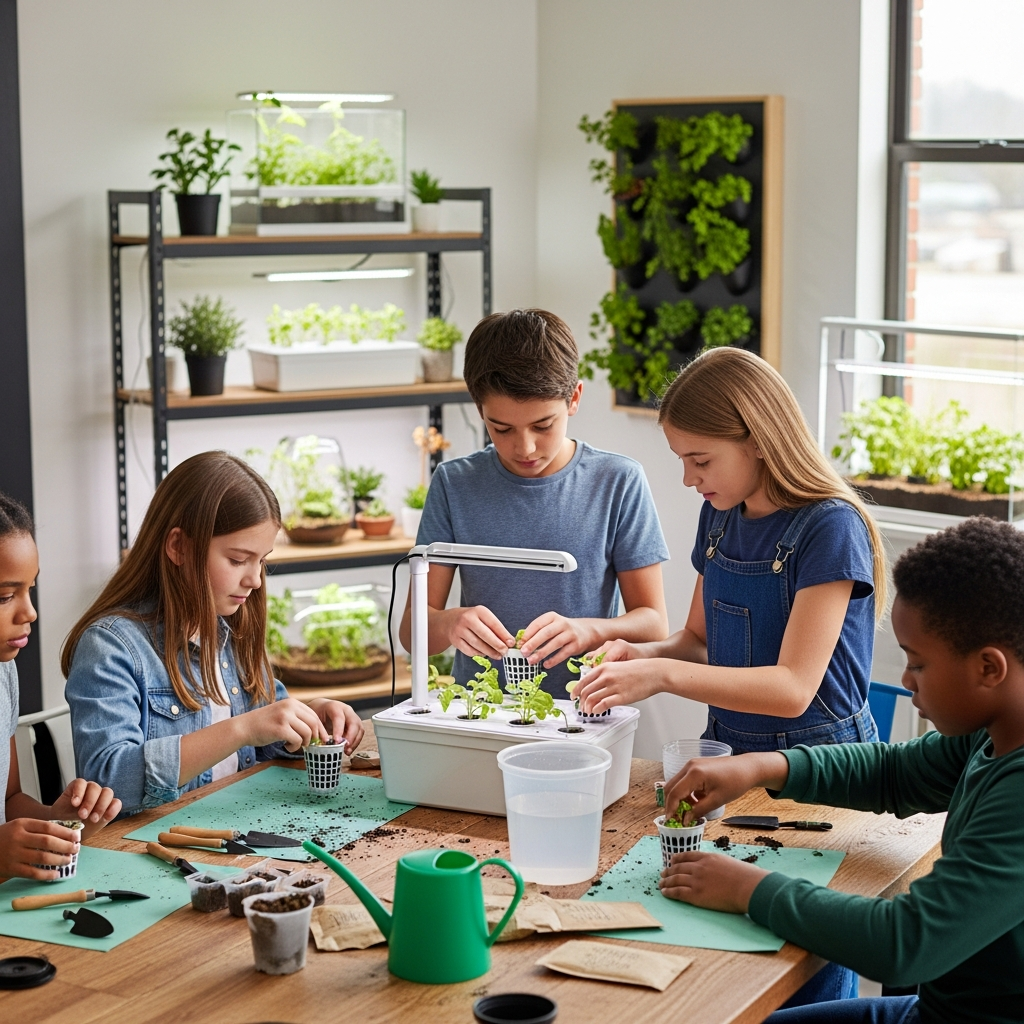
As children enter their pre-teen and teen years, they may be ready for more intricate projects that delve deeper into plant science or yield more significant harvests.
Hydroponic System Exploration (Simple Version)
Hydroponics, growing plants without soil, can seem complex, but simple DIY versions are great for older kids interested in science.
Introduction:
Explain that plants can grow in water with dissolved nutrients instead of soil. This is how many commercial farms grow produce efficiently.
DIY Setup:
1. Cut a plastic water bottle in half. Invert the top half into the bottom half, creating a funnel.
2. Thread a piece of cotton wick (from an old t-shirt) through the bottle cap of the top half, so it hangs into the bottom reservoir.
3. Fill the top section with a soilless growing medium like rockwool or coco coir.
4. Plant seeds or small starts in the medium.
5. Fill the bottom reservoir with water mixed with a diluted liquid plant food (follow package directions carefully).
Science Experiment:
This offers a fantastic opportunity to compare growth rates and plant health between a hydroponic setup and a traditional soil-based plant, fostering observation and critical thinking.
Propagating Houseplants
Many common houseplants can be easily propagated (making new plants from existing ones), which is a wonderful skill for older kids to learn. It’s like magic to grow a new plant from a snippet.
Types:
* Pothos and philodendrons: Easily root in water.
* Spider plants: Produce “spiderettes” that can be rooted.
* Succulents: Many varieties can be grown from a single leaf.
Methods:
1. Water Cuttings: For plants like pothos, simply snip a stem below a node (where a leaf grows) and place it in a jar of water. Roots will appear in a few weeks.
2. Soil Cuttings: For succulents, allow a leaf or cutting to “scab over” for a few days, then place it on or just beneath the soil surface.
3. Spider Plant Babies: Gently remove a “spiderette” and plant it in moist soil or place its base in water.
Gifting Idea:
Once new plants are rooted and growing, kids can pot them up and give them as thoughtful, handmade gifts to friends or family.
Indoor Vegetable Patch
With the right setup, older kids can enjoy the satisfaction of harvesting their own vegetables right from an indoor garden.
Container Choices:
Use larger pots (5-gallon minimum for tomatoes), grow bags, or even dedicated indoor grow systems.
Good Veggies:
* Bush beans: Compact and produce well.
* Cherry tomatoes: Look for dwarf or “determinate” varieties.
* Dwarf peppers: Sweet bell or small hot peppers.
* Lettuce and spinach: Quick-growing and easy to harvest.
Real Food:
This project requires consistent care, good lighting (a strong grow light is often needed for fruiting vegetables), and proper nutrient management. The reward of harvesting and eating their own homegrown vegetables is incredibly empowering and delicious.
Tips for a Successful Indoor Gardening Experience

To ensure your indoor gardening adventures are enjoyable and fruitful for both you and your children, keep these helpful tips in mind.
Patience is Key
Gardening teaches us to slow down and observe. Not everything happens instantly, and that’s part of the lesson.
Encourage your children to check their plants daily, but help them understand that growth takes time. Celebrate small changes, like a tiny root appearing or a leaf unfurling, rather than focusing solely on the end result. Remind them that nature works on its own timeline.
Make it a Routine
Consistency is important for plant health and for teaching children responsibility.
Establish a simple daily or weekly routine for watering, checking on plant health, and observing growth. You could even create a simple “garden chore chart” for older kids. A regular routine helps children feel more connected to their plants and reinforces their role as caregivers.
Embrace Imperfection
Not every seed will sprout, and not every plant will thrive. That’s okay!
Gardening is about learning and experimentation. Use any setbacks as opportunities to discuss what might have gone wrong and what could be done differently next time. It teaches resilience and the understanding that effort is valuable, even if the outcome isn’t always perfect. The joy is often in the process itself.
Document the Journey
Tracking progress can enhance the learning experience and create a wonderful record.
Encourage your child to keep a gardening journal. They can draw pictures of their plants, measure their height, note when they sprout or flower, and write down observations. Taking photos at different stages also creates a fantastic visual timeline of their hard work and the plants’ development.
Celebrate Small Victories
Acknowledge and praise every step of the gardening process.
Whether it’s the first tiny sprout pushing through the soil, a new leaf unfurling, or the first flower appearing, celebrate these milestones. When it’s time to harvest, make it a special event. These small celebrations reinforce their efforts and make the entire experience more rewarding and memorable.
Conclusion
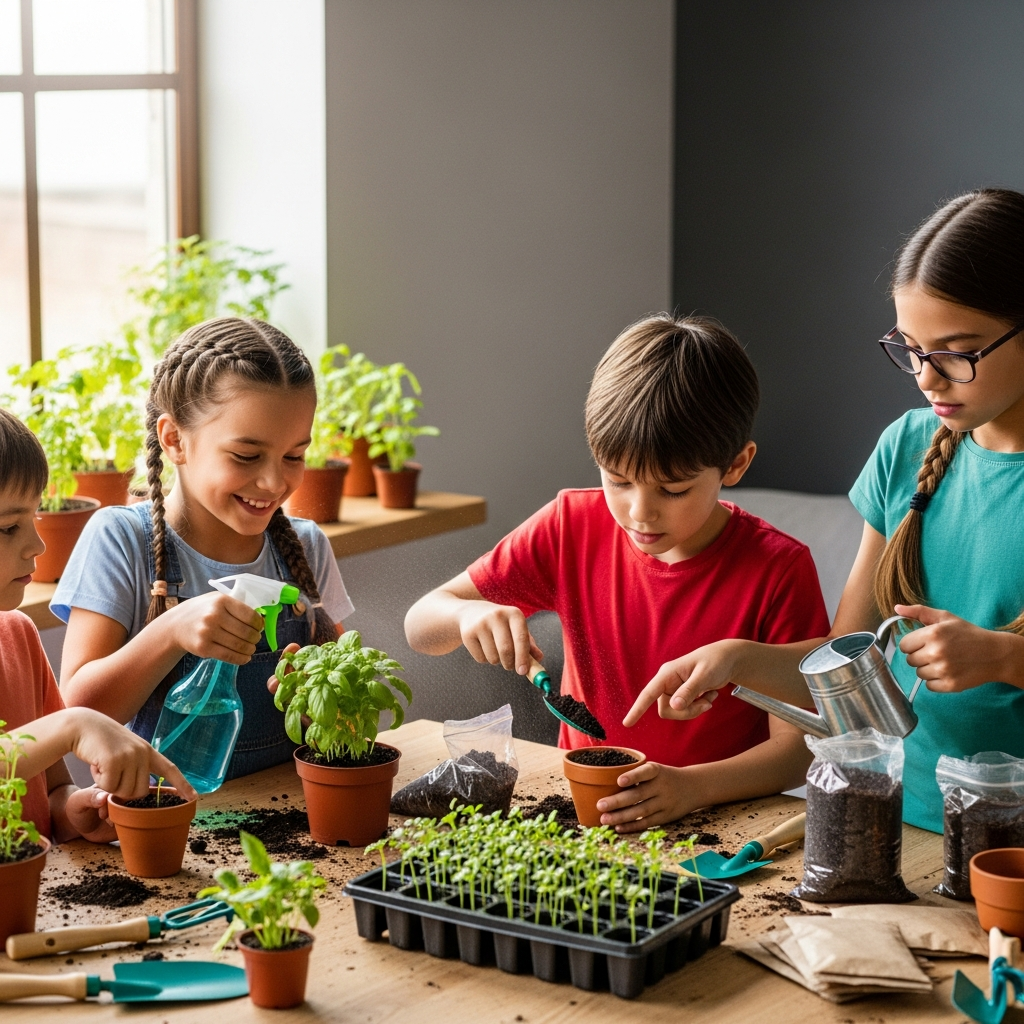
Indoor gardening offers a treasure trove of learning, sensory delight, and shared experiences for families. It’s a wonderful way to bring the peace and wonder of nature into your home, no matter the season or the size of your space. From the simplest bean sprout to a thriving indoor herb garden, these activities nurture curiosity, teach responsibility, and create lasting bonds.
So gather your little gardeners, pick a project, and watch as their love for the natural world blossoms right alongside their plants. Happy gardening, and enjoy every moment of this green adventure with your kids!