As a parent, you want nothing but the best for your baby, and when it comes to breastfeeding, the quality of your milk is a natural concern. While all breast milk is perfectly designed for your baby’s needs, you might wonder if there are ways to boost its fat content, especially if you have a baby who needs to gain weight or seems constantly hungry. Rest assured, your milk is always amazing, but there are indeed some gentle, natural strategies you can explore to potentially increase the fat in your breast milk. These methods often center around understanding your body, refining your feeding practices, and nourishing yourself.

Understanding Breast Milk Fat and Its Importance
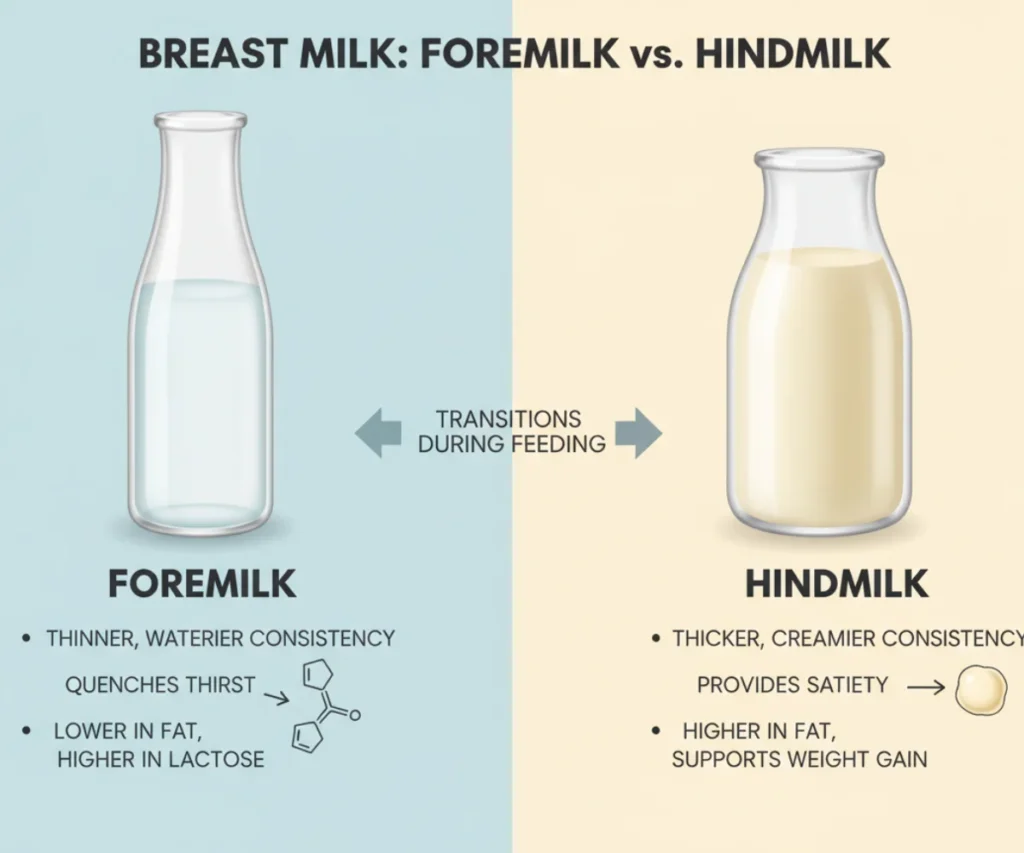
Before diving into the ‘how,’ let’s understand the ‘what’ and ‘why.’ Breast milk isn’t uniform; its composition changes even within a single feeding and throughout the day. It’s often talked about in terms of ‘foremilk’ and ‘hindmilk.’
Foremilk is the milk at the beginning of a feed, typically thinner and higher in lactose (milk sugar). It quenches your baby’s thirst and provides initial energy. Hindmilk comes later in the feeding, as the breast becomes emptier. It’s thicker, creamier, and significantly higher in fat.
The fat in breast milk is crucial for several reasons:
- Weight Gain: Fat is calorie-dense, providing the energy babies need for rapid growth.
- Brain Development: Essential fatty acids, like DHA, are vital for brain and neurological development.
- Satiety: Higher fat content helps babies feel fuller for longer, leading to more satisfying feeds and potentially longer stretches between feeds.
- Vitamin Absorption: Fat-soluble vitamins (A, D, E, K) require fat for proper absorption.
It’s important to remember that the total volume of milk your baby consumes is often more critical than obsessing over a precise fat percentage. A baby receiving enough milk overall will thrive. However, if you and your healthcare provider or lactation consultant feel there’s a need to explore ways to optimize fat content, these natural approaches can be very helpful.
Way 1 Optimize Your Pumping and Feeding Techniques
The way you approach feeding and pumping can significantly influence the fat content your baby receives. It’s all about ensuring your baby (or pump) has access to that rich hindmilk.
Maximize Hindmilk Access
To encourage your baby to get more of that creamy hindmilk, aim for longer, more complete emptying of one breast before offering the second. This allows the fat globules, which stick to the milk ducts, to be released as the breast empties.
- Nurse One Breast Fully: Try to let your baby finish one breast completely before offering the other. Look for signs of active swallowing slowing down, or the breast feeling softer. Some babies will naturally ‘switch’ when they’ve had enough from one side.
- Block Feeding (under guidance): If you have an oversupply and your baby is getting too much foremilk, a lactation consultant might suggest ‘block feeding,’ where you offer the same breast for a block of time (e.g., 2-3 hours) before switching. This can help ensure thorough emptying and greater hindmilk intake, but should always be done with professional advice.
- Pumping Long Enough: If you’re exclusively pumping, continue pumping for a few minutes after the milk flow slows down. This signals your body to release more hindmilk. Gentle breast massage during pumping can also help.

Compress and Massage During Feeds or Pumping
Hands-on techniques can be incredibly effective in encouraging milk flow and releasing more fat during both nursing and pumping sessions. Breast compression helps move milk forward, including the fattier hindmilk.
- During Nursing: While your baby is actively sucking, gently cup your breast with your hand and apply steady pressure. You’ll often see your baby’s swallowing become more vigorous. Release the pressure when your baby stops swallowing actively, or when your hand feels tired, and then repeat in another area of the breast.
- During Pumping: Use your hands to massage your breasts while pumping. Start from the chest wall and move towards the nipple. This can help empty your breasts more thoroughly and release more fat. Some parents find it helpful to compress the breast for a few seconds when the milk flow slows, then release and repeat.

Consider ‘Stratified Pumping’ or ‘Cream Pumping’ (For Pumpers)
For parents who pump, particularly those building a freezer stash, a technique called ‘stratified pumping’ or ‘cream pumping’ can be used to create higher-fat milk portions. This method leverages the natural separation of breast milk when left to settle.
How it works:
- Pump your milk as usual.
- Store the milk in the refrigerator for at least 6-12 hours, allowing the fat (cream) to rise to the top.
- Carefully pour off the lower, thinner, more watery milk into a separate bag or bottle for everyday use.
- The remaining milk at the top will be significantly higher in fat. You can store this ‘cream’ separately to add to your baby’s bottles when a fat boost is desired, or even mix it with the lower-fat milk to balance it out.
This method can be particularly useful for babies who need extra calories or for fortifying solids once they start them. Always ensure proper hygiene and storage guidelines when handling breast milk.

Way 2 Enhance Your Diet
While your body prioritizes your baby’s nutrition remarkably well regardless of your diet, nourishing yourself with nutrient-dense foods can support your overall milk production and potentially influence its fat content. Remember, the goal is not just to eat more, but to eat wisely.
Focus on Healthy Fats
Incorporating healthy fats into your diet won’t instantly make your milk richer, but it provides the building blocks for your body to produce the beneficial fats found in breast milk. These fats are also crucial for your own energy and postpartum recovery.
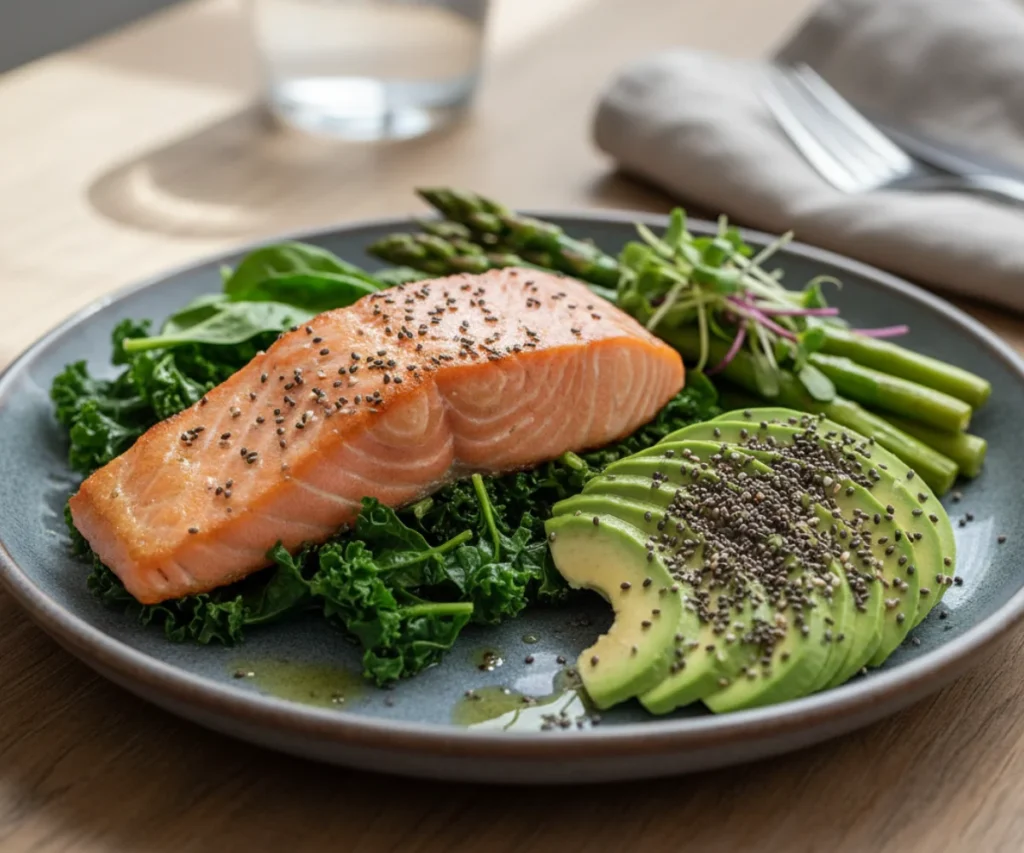
- Omega-3 Fatty Acids: Found in fatty fish like salmon, sardines, and chia seeds, flax seeds, and walnuts. These are vital for your baby’s brain and eye development.
- Monounsaturated Fats: Abundant in avocados, olive oil, and nuts (like almonds, cashews). These are heart-healthy and provide sustained energy.
- Polyunsaturated Fats: Present in various seeds (sunflower, pumpkin) and their oils.
Practical Tips:
- Add half an avocado to your breakfast or lunch.
- Sprinkle flaxseeds or chia seeds into your yogurt, oatmeal, or smoothies.
- Snack on a handful of nuts.
- Cook with olive oil.
- Aim for 2-3 servings of fatty fish per week.
- If you struggle to get enough through diet, discuss a high-quality Omega-3 supplement with your doctor.
Hydration is Key
While hydration doesn’t directly increase the fat content of your milk, it is absolutely fundamental for maintaining a healthy milk supply. Your body needs water to produce milk, and if you’re dehydrated, your overall supply might dip, which could indirectly affect the total amount of milk, and thus fat, your baby receives.
- Drink to Thirst: Listen to your body. Keep a water bottle handy and sip throughout the day.
- Water-Rich Foods: Incorporate fruits and vegetables with high water content, like cucumbers, watermelon, and oranges.
- Herbal Teas: Some lactation teas contain herbs that support milk production, but water is always paramount.
Aim for consistent hydration throughout your day, especially during and after nursing or pumping sessions. A well-hydrated body is a happy, milk-producing body!

Balanced Nutrition for Overall Wellness
Beyond specific fats, a generally balanced and nutrient-rich diet supports your overall health, which in turn supports healthy lactation. Your body is working hard to produce milk, so fuel it well!
- Whole Grains: Opt for oats, brown rice, quinoa, and whole-wheat bread for sustained energy and fiber.
- Lean Proteins: Include chicken, turkey, eggs, legumes, and tofu.
- Plenty of Fruits and Vegetables: These provide essential vitamins, minerals, and antioxidants.
Remember, breastfeeding burns extra calories, so ensure you’re consuming enough to support your energy levels. Avoid restrictive diets unless medically necessary, as they can negatively impact your milk supply and your own well-being. Focus on nourishing your body with wholesome, unprocessed foods.

Way 3 Rest Reduce Stress and Seek Support
Lactation is a complex physiological process, and it’s deeply connected to your overall well-being. Stress and lack of rest can impact hormone levels that are vital for milk production and let-down, indirectly affecting how much milk (and its fat content) your baby receives.
Prioritize Rest
While getting adequate sleep with a new baby often feels like an impossible dream, even small pockets of rest can make a difference. Chronic fatigue can stress your body and potentially affect milk production.
- Nap When Baby Naps: This age-old advice is golden. Even a 20-minute power nap can be rejuvenating.
- Accept Help: Let family or friends take on household chores, meal prep, or even baby-holding duties so you can rest.
- Delegate: Don’t feel you have to do it all. Prioritize your rest over a perfectly clean house.
- Create a Restful Environment: Dim the lights, put away screens, and try to unwind before trying to rest, even if it’s not a full night’s sleep.

Manage Stress
Stress can interfere with the hormone oxytocin, which is crucial for the milk ejection reflex (let-down). When let-down is inhibited, your baby might not get as much milk, including the fattier hindmilk.
- Mindfulness and Deep Breathing: Take a few moments each day for quiet reflection or deep breathing exercises.
- Gentle Movement: A short walk outdoors, gentle stretching, or postpartum yoga can do wonders.
- Listen to Music: Create a calming playlist for yourself, perhaps even while feeding.
- Connect with Loved Ones: Talking to a supportive partner, friend, or family member can help alleviate feelings of overwhelm.
Finding small ways to de-stress each day can have a surprisingly positive impact on your milk production and overall well-being. Your mental and emotional health are just as important as your physical health.

Connect with Lactation Consultants and Support Networks
You don’t have to navigate your breastfeeding journey alone. Professional guidance and peer support are invaluable resources.
- Lactation Consultants (IBCLCs): If you have concerns about your milk supply, your baby’s weight gain, or feeding techniques, an International Board Certified Lactation Consultant can provide personalized assessment and support. They can observe a feeding, check for latch issues, and offer tailored advice.
- Support Groups: Joining local or online breastfeeding support groups can provide a sense of community, shared experiences, and practical tips from other parents. Sometimes just knowing you’re not alone in your concerns is incredibly reassuring.
- Healthcare Providers: Always discuss any significant concerns about your baby’s growth or your milk supply with your pediatrician or family doctor.
Seeking help is a sign of strength, not weakness. These experts and communities are there to empower you on your feeding journey.

Important Considerations and Reassurance
While these methods can be helpful, it’s vital to keep the bigger picture in mind and avoid unnecessary anxiety.
Baby’s Cues Are Paramount
The best indicators of your baby getting enough milk, including enough fat, are not visible measurements of your milk, but rather your baby’s health and development:
- Consistent Weight Gain: Your pediatrician will monitor this closely.
- Adequate Wet and Dirty Diapers: This shows your baby is well-hydrated and nourished.
- Baby’s Demeanor: Is your baby generally content after feeds? Are they meeting developmental milestones?
Trust your baby’s signals and your pediatrician’s assessments. Trying to analyze your milk’s fat content visually (e.g., in a pumped bottle) can be misleading and cause undue stress. The milk you make is perfect for YOUR baby.

Consistency Over Quick Fixes
Increasing breast milk fat naturally is not about finding a magic bullet; it’s about consistent application of these strategies over time. Small, consistent changes in your feeding routine, diet, and self-care practices will yield the best results.
Be patient and kind to yourself throughout this journey. Breastfeeding is a marathon, not a sprint, and every step you take to nourish both yourself and your baby is a testament to your love and dedication.
Conclusion
The journey of breastfeeding is unique for every parent and baby, filled with its own joys and occasional worries. Understanding that you can naturally influence the fat content of your breast milk through optimized feeding techniques, a nourishing diet, and dedicated self-care can be incredibly empowering. Remember to prioritize thorough emptying of your breasts, embrace healthy fats in your meals, and make time for rest and stress reduction.
Ultimately, the most important thing is a healthy, growing baby and a confident, well-supported parent. Trust your body, listen to your baby’s needs, and never hesitate to reach out to a lactation consultant or healthcare provider for personalized guidance. Every drop of your breast milk is a testament to your incredible love, perfectly tailored for your little one’s journey.