How to Improve Kids’ Reading Skills
Reading is one of the most important skills a child can learn — it opens doors to imagination, knowledge, and confidence. But not every child falls in love with reading right away, and that’s okay. With patience, creativity, and consistency, you can help your child become a confident reader who truly enjoys books.
Here are some practical ways to improve kids’ reading skills while keeping the experience positive and engaging.
1. Read Together Every Day

Even ten minutes a day can make a big difference. Choose a cozy spot, cuddle up, and read aloud together. Hearing your voice helps children learn pronunciation, rhythm, and expression — and it builds a special bond between you.
2. Let Kids Choose Their Books
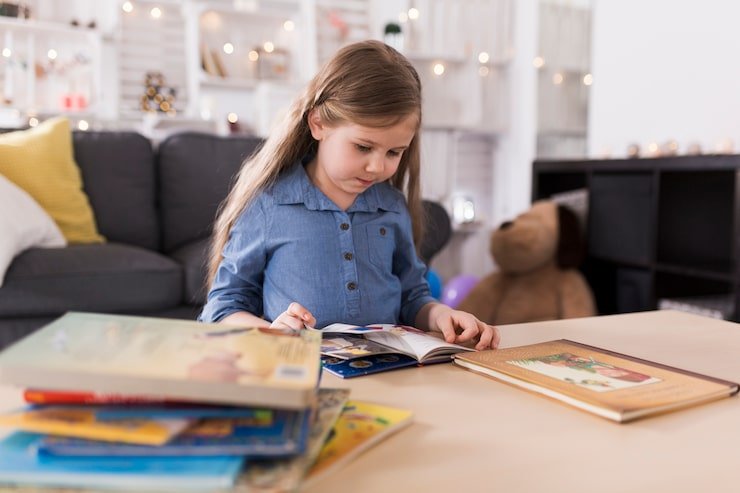
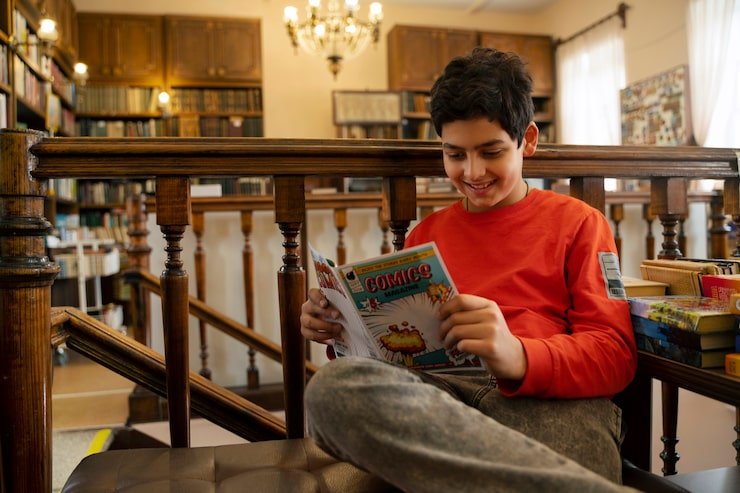
Children are more likely to read when they’re interested in the topic. Visit the library or bookstore and let them pick out their own books — whether it’s about animals, superheroes, or fairy tales. Choice gives them ownership of their reading journey.
3. Talk About the Story
Pause during reading to ask simple questions: “What do you think will happen next?” or “How do you think the character feels?” Discussing the story builds comprehension and critical thinking skills.
4. Create a Reading Routine
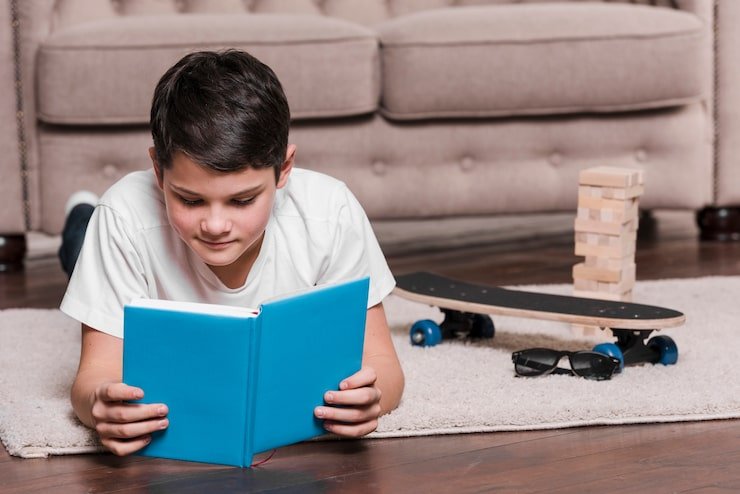
Set a specific time each day for reading — maybe before bedtime or after school. A consistent routine helps children see reading as a natural and enjoyable part of daily life.
5. Make Reading Interactive

Bring the story to life! Use different voices for characters, act out scenes, or let your child turn the pages and point to pictures. Interactive reading keeps kids engaged and helps them connect emotionally with the story.
6. Use Phonics Games and Activities

Phonics teaches children how letters and sounds work together. Play simple games like matching letter sounds, rhyming words, or building short words with magnetic letters. These playful exercises make learning to read fun and memorable.
7. Keep Books Within Reach

Display books on low shelves, in baskets, or near play areas. When books are easy to see and grab, children naturally reach for them more often. Rotate books occasionally to keep their curiosity fresh.
8. Praise Effort, Not Perfection

If your child struggles with a word, stay positive. Encourage them to sound it out or look at the pictures for clues. Praise their effort — “You worked hard on that word!” — to build confidence and motivation.
9. Be a Reading Role Model
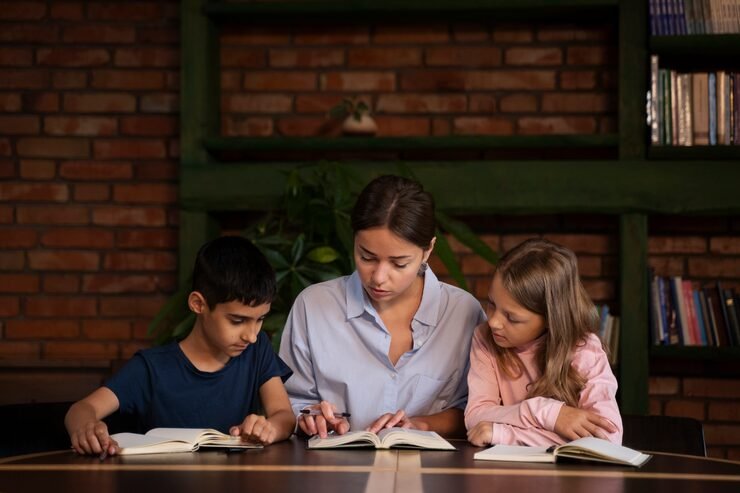
Children imitate what they see. Let them watch you read — whether it’s a book, magazine, or recipe. When they see that reading is something adults enjoy, they’ll be more likely to view it as a lifelong habit.
10. Mix Reading with Real-Life Activities
Show how reading connects to daily life — like following a recipe, reading signs on a walk, or looking up fun facts together. This helps kids understand that reading is useful and rewarding beyond storybooks.
Final Thoughts
Improving kids’ reading skills isn’t about pressure or perfection — it’s about consistency, encouragement, and joy. When children associate reading with warmth, curiosity, and success, they naturally grow into confident, lifelong readers.