Parenting is a beautiful journey filled with countless moments of joy, wonder, and sometimes, a little bit of chaos. In the midst of daily routines and unexpected challenges, it’s easy to get lost in the “what” – what to feed them, what school they should attend, what activities they should do. But what if we shifted our focus to the “how” and the “why” of parenting? What if we centered our efforts around nurturing their hearts as much as their minds?
Heart-centered parenting is about creating an environment where children feel loved, understood, and truly seen. It’s about guiding them not just to be successful, but to be kind, compassionate, and resilient human beings. Setting clear, heart-centered goals can help us navigate this journey with intention and purpose. Let’s explore seven key goals that can transform your family life.
What is Heart-Centered Parenting?

Heart-centered parenting is an approach that prioritizes a child’s emotional well-being, inner growth, and connection over strict rules or external achievements. It means leading with empathy, understanding, and unconditional love. It’s about seeing your child as a unique individual with their own feelings, thoughts, and needs.
This style encourages parents to respond to their children from a place of connection, rather than reaction. It focuses on teaching life lessons through gentle guidance, listening, and fostering a strong, loving bond. It’s about building a foundation of trust and respect within the family.
Why Focus on the Heart?
When we parent from the heart, we equip our children with internal strengths that will serve them throughout their lives. They learn to navigate their emotions, build meaningful relationships, and approach the world with kindness. This approach also strengthens the parent-child bond, making family life more harmonious and fulfilling for everyone. It helps children develop a strong sense of self and feel secure in who they are.
Goal 1: Nurturing Emotional Intelligence

One of the greatest gifts we can give our children is the ability to understand and manage their emotions. Emotional intelligence helps them navigate friendships, handle disappointments, and cope with life’s ups and downs. It’s about recognizing feelings in themselves and others.
Understanding Big Feelings
Children experience a wide range of emotions, often intensely. Our role is to help them identify these feelings and know that it’s okay to have them. We can do this by naming emotions and validating their experiences.
For example, when your toddler is frustrated because their block tower fell, you might say, “You seem really angry that your tower broke. It’s frustrating when things don’t work out.” This helps them connect a word to their feeling.
Developing Emotional Regulation
Once children can identify their feelings, the next step is to teach them healthy ways to cope. This doesn’t mean suppressing emotions, but rather expressing them constructively. We can model healthy coping mechanisms and offer calming strategies.
You might suggest taking a few deep breaths, getting a hug, or drawing a picture of what they feel. As they grow, they’ll learn to choose what works best for them.
Goal 2: Fostering Self-Compassion and Self-Worth

A child who believes in themselves and treats themselves with kindness is better equipped to face challenges and build healthy relationships. This goal is about nurturing their inner voice to be one of encouragement, not criticism. It means helping them understand their inherent value.
Building a Positive Self-Image
Encourage your child by focusing on their efforts and strengths, not just their achievements. Remind them often of their positive qualities. Let them know you love them for who they are, not for what they do.
Saying things like, “I love how persistent you are when you’re trying to figure something out,” or “You have such a kind heart,” reinforces their worth.
Embracing Imperfection
Life is full of mistakes, and teaching children to be kind to themselves when they fall short is crucial. Help them see mistakes as learning opportunities, not failures. Share your own small mistakes and how you learn from them.
When they make an error, you can say, “It’s okay to make mistakes; that’s how we learn and grow. What did you learn from this?” This teaches self-kindness.
Goal 3: Encouraging Empathy and Kindness

Empathy is the ability to understand and share the feelings of another. Kindness is putting that understanding into action. These qualities are fundamental for building positive relationships and contributing positively to the world.
Seeing Through Others’ Eyes
Help your child consider how others might feel in different situations. This can be done by discussing characters in books or movies, or by observing real-life interactions. Ask open-ended questions to spark their thinking.
For instance, after reading a story, you might ask, “How do you think the little bear felt when his toy was broken?” or “What could the other character have done to help?”
Acts of Kindness
Encourage your child to practice kindness regularly. This could be helping a sibling, sharing a toy, or making a card for a grandparent. Make kindness a visible part of your family’s daily life.
Even small gestures, like holding a door open for someone or saying “please” and “thank you,” teach them the value of consideration.
Goal 4: Cultivating Open Communication

A home where everyone feels safe to express their thoughts and feelings is a happy and healthy home. Open communication builds trust and strengthens family bonds. It’s about creating an atmosphere where listening is as important as speaking.
Creating a Safe Space for Sharing
Make time for conversations without judgment. Really listen to what your child is saying, both with their words and their body language. Put away distractions and give them your full attention.
You can set aside a “talk time” before bed or during dinner, where everyone gets a chance to share something about their day.
The Power of Connection
Regular, meaningful connection points throughout the day reinforce open communication. These don’t have to be long, elaborate chats. Even a quick hug and a moment of eye contact can strengthen your bond and signal that you’re there for them.
Simple check-ins, like “How was your day at school?” or “Is there anything on your mind?” show that you care.
Goal 5: Building Resilience and Problem-Solving Skills

Life will inevitably present challenges. A heart-centered goal is to equip our children with the inner strength to navigate these difficulties and the skills to find solutions. Resilience is about bouncing back, and problem-solving is about figuring out how.
Learning from Challenges
Instead of immediately fixing every problem for your child, allow them to experience a little struggle. Guide them by asking questions that prompt them to think of solutions themselves. This empowers them to take ownership.
When a toy breaks, you might ask, “Hmm, what do you think we could do to fix this?” or “What’s one idea you have to make it work again?”
Bouncing Back Stronger
Help your child understand that failures and setbacks are part of learning. Celebrate their efforts and their willingness to try again. Teach them to view challenges as opportunities to grow, not as reasons to give up.
You can say, “That didn’t work out as planned, but I saw how hard you tried. What will you try differently next time?” This fosters a growth mindset.
Goal 6: Instilling Core Values (Integrity, Respect)

Values like integrity, honesty, respect, and responsibility are the moral compass that guides a child’s decisions and actions. These are the principles that shape their character and how they interact with the world.
Living by Example
Children learn best by observing. Model the values you wish to see in your child. Let them see you being honest, respectful, and responsible in your daily life. Your actions speak louder than any lecture.
If you make a promise, keep it. If you make a mistake, admit it. This shows them what integrity looks like in practice.
Understanding Right from Wrong
Discuss ethical dilemmas in age-appropriate ways. Explain the reasoning behind rules and consequences, focusing on how actions affect others. This helps them develop their own moral reasoning.
Instead of just saying “No,” explain, “Hitting hurts people, and we don’t hurt others.” This helps them understand the impact of their actions.
Goal 7: Promoting Independence and Autonomy
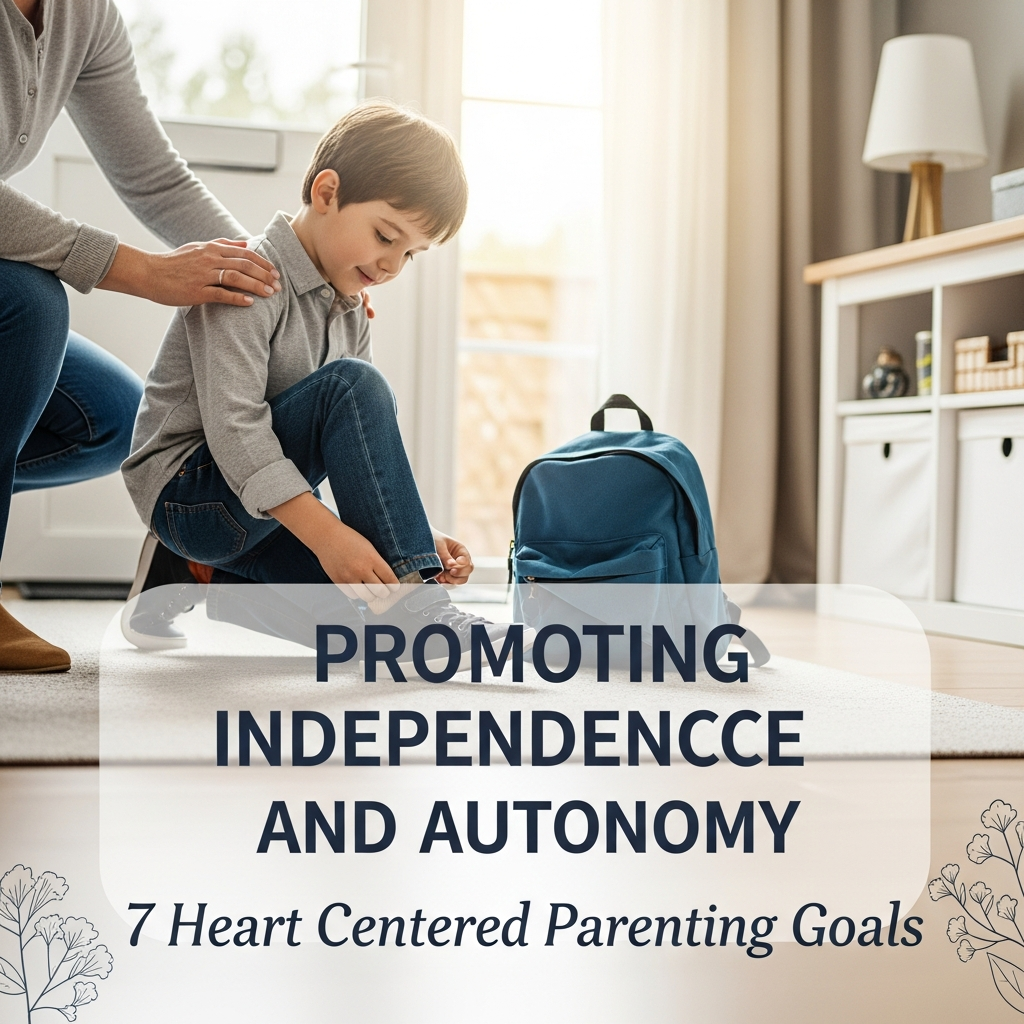
A heart-centered goal is to raise children who are capable, self-reliant, and confident in their ability to make good choices. This means gradually giving them more freedom and responsibility as they grow, within safe boundaries.
Age-Appropriate Choices
Offer your child choices whenever possible, even small ones. This helps them feel a sense of control and practice decision-making skills. It shows that you trust their judgment.
You might ask, “Do you want to wear the blue shirt or the green shirt today?” or “Would you like apples or oranges for a snack?”
Equipping for the Future
Teach them practical life skills and allow them to contribute to family tasks. Trust them to handle responsibilities that are appropriate for their age. This builds their confidence and prepares them for greater independence.
Let them help set the table, put away their toys, or even help with simple cooking tasks. These small acts build competence.
How to Implement These Goals Daily

Achieving these heart-centered parenting goals isn’t about perfection; it’s about consistent, loving effort. It’s a journey, not a destination.
Be Patient with Yourself
Parenting is tough, and there will be days when you don’t meet your own expectations. That’s perfectly normal. Practice self-compassion, just as you would teach your child. Every new day is a chance to start fresh.
Remember that you are human, and you are doing your best.
Small Steps Lead to Big Changes
You don’t need to overhaul your entire parenting style overnight. Choose one goal to focus on each week or month. Integrate small, actionable steps into your daily routine. Even a few minutes of intentional connection can make a difference.
Consistency in small efforts yields significant results over time.
Connect with Your Child
At the core of all these goals is connection. Spend quality time together, even if it’s just 15 minutes of uninterrupted play or conversation. Listen more than you speak. Let them know they are loved, unconditionally, every single day.
A strong connection makes it easier to guide, teach, and nurture their heart.
By focusing on these seven heart-centered parenting goals, you are not just raising children; you are nurturing compassionate, resilient, and confident individuals ready to embrace their own unique paths. This journey is rewarding for both you and your child, building a legacy of love, understanding, and inner strength.