Parenting a toddler is a beautiful journey filled with wonder, learning, and, let’s be honest, a fair amount of mess. As our little ones grow, they naturally want to explore and assert their independence, especially at mealtime. This often means embracing the art of self-feeding, which can lead to food flung across the kitchen, sticky fingers everywhere, and a mountain of cleanup.
But what if we could make mealtime a little less chaotic? What if we could offer our toddlers nutritious options that are easy for them to pick up and eat, and easier for us to clean up? That’s exactly what this article is about. We’ve rounded up 15 fantastic healthy toddler finger foods designed to minimize mess while still providing all the goodness your little one needs.
Why “No Mess” Matters for Toddlers (and Parents!)
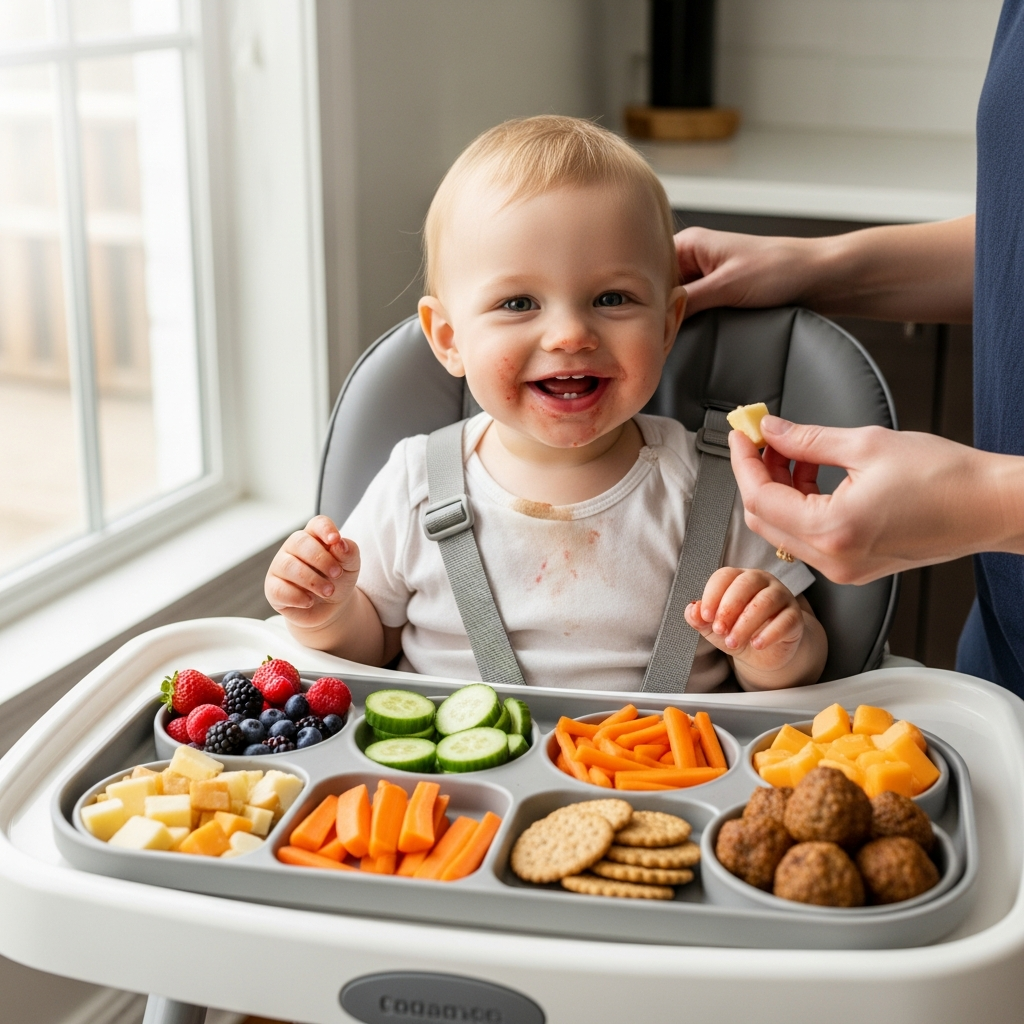
Offering finger foods is a huge milestone for toddlers. It helps them develop fine motor skills, hand-eye coordination, and a sense of independence. But the mess can be discouraging for parents.
Choosing “no mess” options means less stress for you, allowing you to actually enjoy watching your child discover new tastes and textures. It also encourages your toddler to self-feed without the overwhelming stickiness or slipperiness that can lead to frustration for both of you.
Safety First: Always Supervise and Prevent Choking Hazards
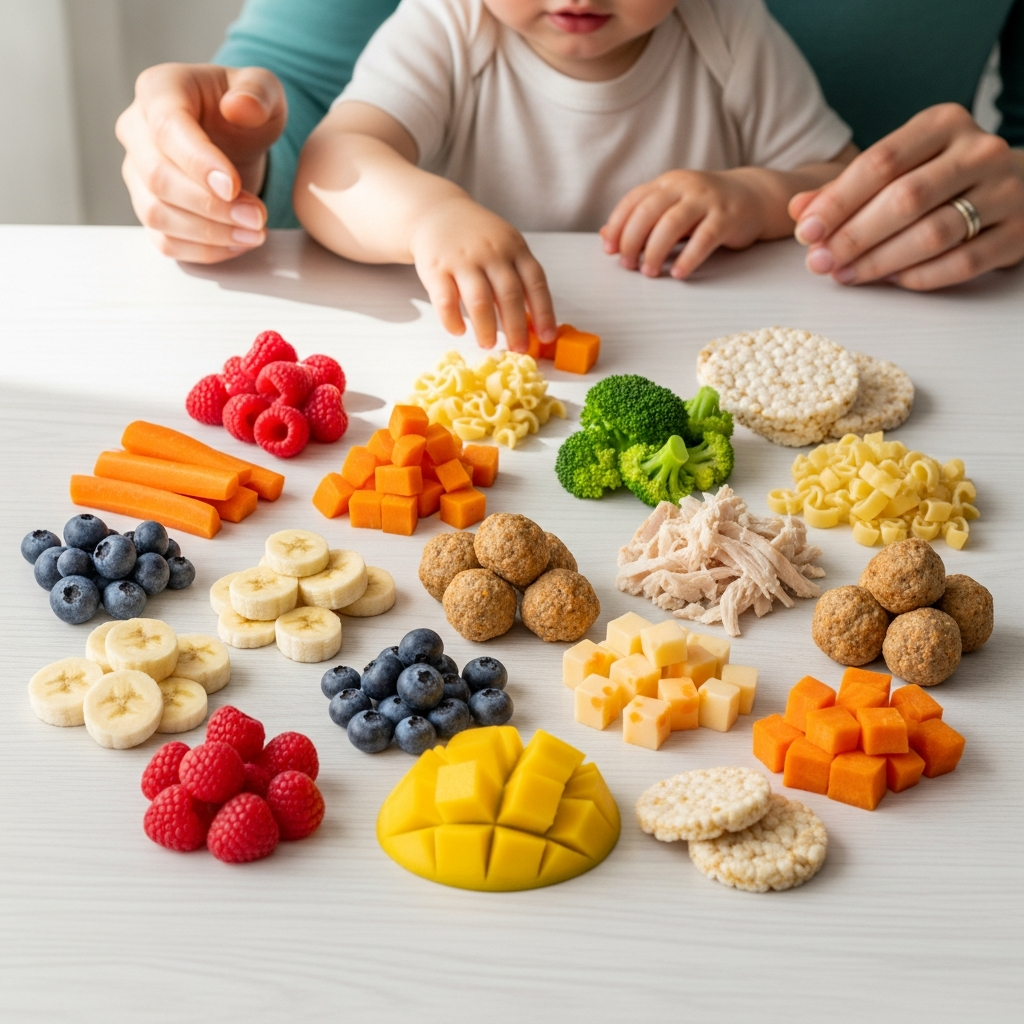
Before we dive into the delicious ideas, a quick but very important note on safety. Always supervise your toddler while they are eating. Cut food into small, manageable pieces, typically no larger than half an inch. Ensure foods are soft enough to be easily mashed between your fingers.
Avoid whole grapes, cherry tomatoes, hot dogs, large chunks of meat or cheese, nuts, seeds, popcorn, and sticky foods like peanut butter straight from a spoon, as these are common choking hazards for toddlers.
Fruity Favorites That Stay Put
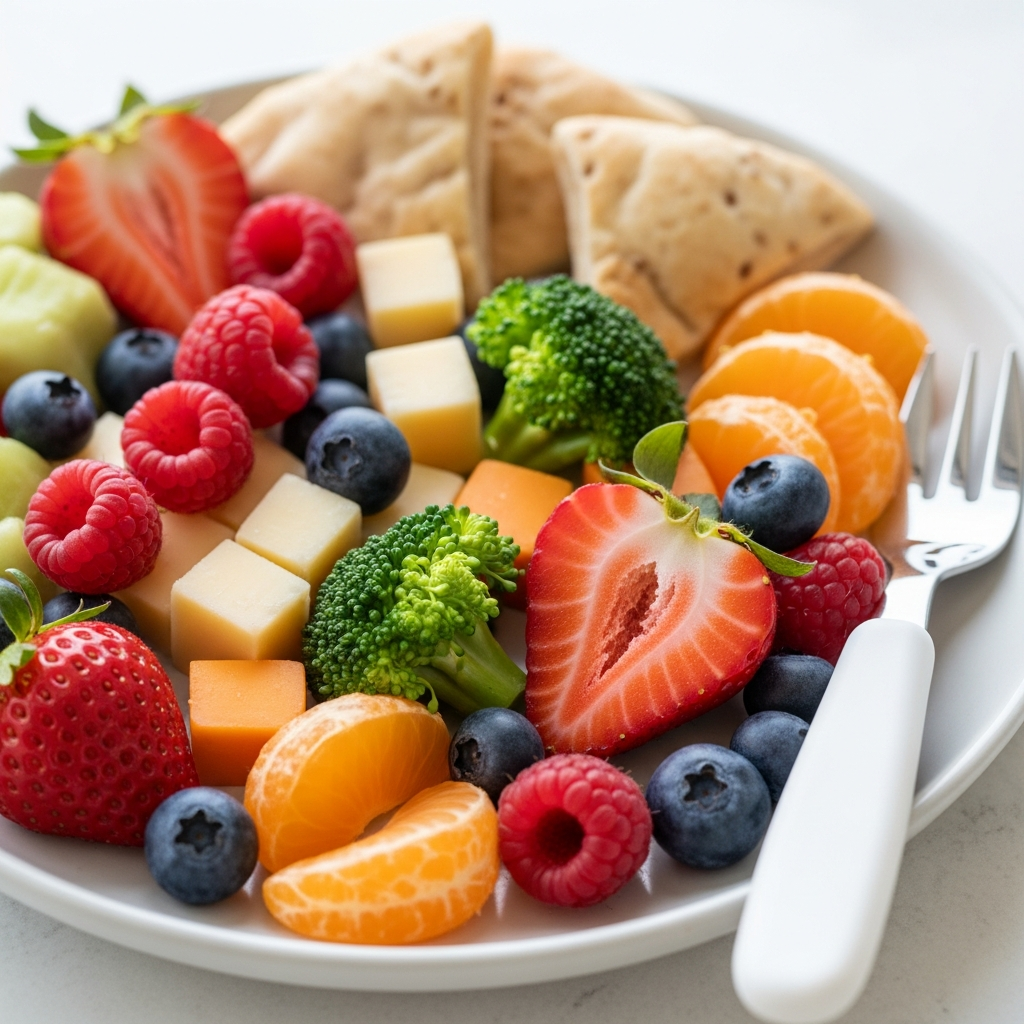
Fruits are naturally sweet, packed with vitamins, and many are perfect for mess-free snacking.
1. Steamed Sweet Potato Cubes
Sweet potatoes are a nutritional powerhouse, rich in Vitamin A and fiber. When steamed until tender and cut into small cubes, they become perfectly soft and easy for tiny hands to grasp.
Why It’s No-Mess
They hold their shape well and aren’t sticky or crumbly. Their natural sweetness means no need for added sauces.
Health Benefits
Excellent source of beta-carotene for healthy vision and immune function, plus dietary fiber for digestion.
Serving Tip
Steam a batch, cool them down, and store in the fridge for quick snacks throughout the week.
2. Banana Slices (Firm)
Bananas are a classic first food for good reason. They’re soft, easy to digest, and full of potassium. For minimal mess, choose a banana that’s ripe but still slightly firm.
Why It’s No-Mess
Slice them into coins about half an inch thick. They are easy to pick up and have a non-slippery surface, reducing smashes.
Health Benefits
A great source of energy, potassium for muscle function, and Vitamin B6.
Serving Tip
Offer just a few slices at a time to prevent them from becoming too mushy if played with too long.
3. Melon Cubes (Cantaloupe/Honeydew)
These colorful melons are hydrating and full of vitamins. When cut into small, firm cubes, they are an ideal no-mess finger food.
Why It’s No-Mess
They have a firm yet juicy texture that resists crumbling and isn’t overly sticky. The rind helps with grip if you leave a small piece on the edge for older toddlers.
Health Benefits
High in Vitamins A and C, promoting good immunity and skin health.
Serving Tip
Make sure they are truly bite-sized. Avoid watermelon for very young toddlers as it can be quite watery and soft, leading to more mess.
4. Blueberries (Halved for Safety)
Blueberries are tiny bursts of antioxidants. For younger toddlers (under 18-24 months), always halve or quarter them lengthwise to eliminate choking risk.
Why It’s No-Mess
Once halved, they are easy to pick up, pop into the mouth, and don’t leave much residue. They don’t typically squish into widespread messes.
Health Benefits
Packed with antioxidants, Vitamin C, and fiber, supporting brain development and immune health.
Serving Tip
Wash thoroughly and pat dry before serving. Offer a small handful at a time.
Veggie Victories for Tiny Hands
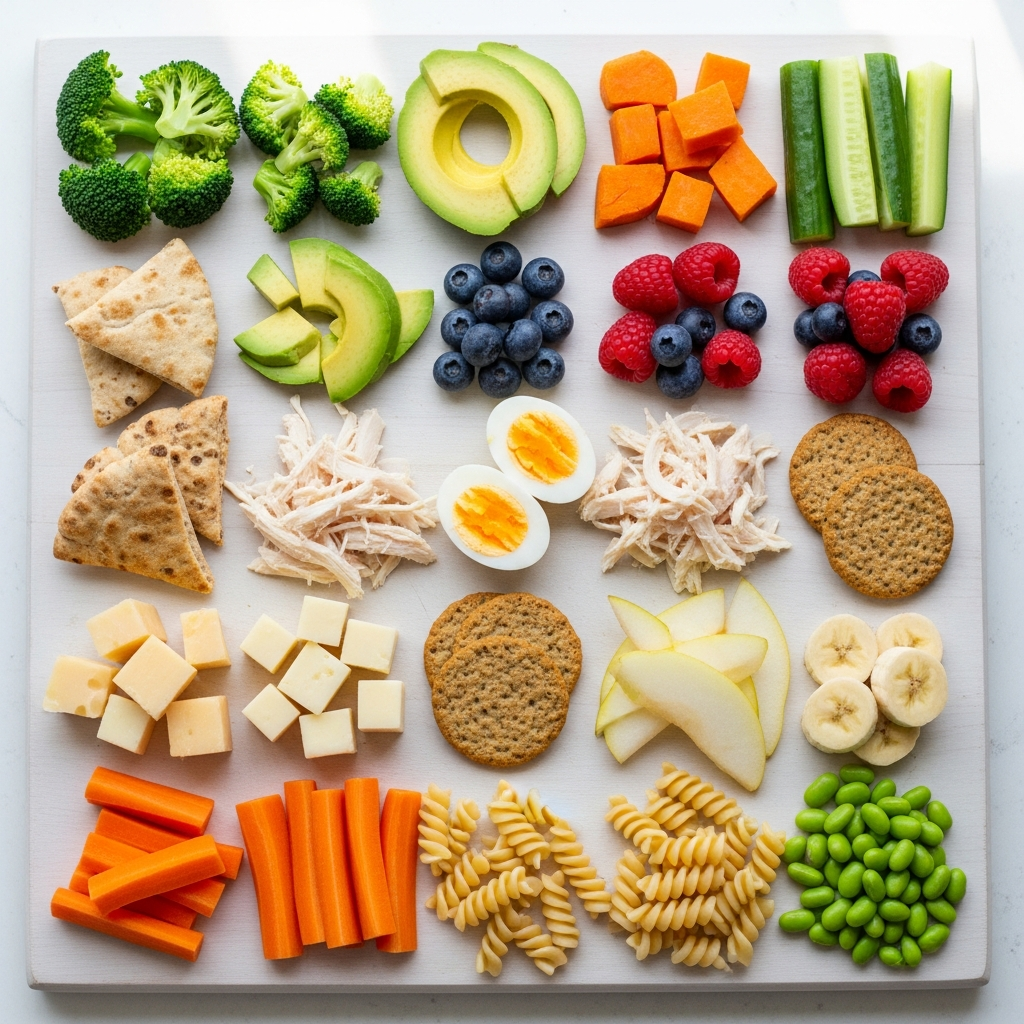
Getting toddlers to eat their vegetables can be a challenge, but these easy-to-handle options might just do the trick.
5. Cooked Broccoli Florets
Steamed broccoli, cooked until very tender but still holding its shape, is a fantastic finger food. The “tree” shape is often appealing to little ones.
Why It’s No-Mess
The stem acts as a natural handle, and the texture is soft enough to chew without crumbling excessively. It’s not slippery.
Health Benefits
Rich in Vitamin C, K, fiber, and iron, essential for growing bodies and a strong immune system.
Serving Tip
Steam until fork-tender. Cut into small, toddler-friendly florets, ensuring no large, firm stems are present.
6. Steamed Carrot Sticks
Like sweet potatoes, carrots are super healthy and become soft and manageable when steamed. Cut them into thin sticks or small coins.
Why It’s No-Mess
They are firm enough to grasp without breaking apart and aren’t sticky. Their natural color is also easy to clean if they do fall.
Health Benefits
Loaded with beta-carotene for eye health and Vitamin K for blood clotting.
Serving Tip
Steam until very soft. You can also roast them with a tiny bit of olive oil for a different flavor and texture.
7. Cucumber Sticks (Peeled)
For a refreshing and hydrating option, peeled cucumber sticks are excellent. They offer a cool crunch for toddlers who are teething.
Why It’s No-Mess
Cucumbers are mostly water, so they don’t leave much sticky residue. Peeling them removes the tougher skin, making them easier to chew.
Health Benefits
Hydrating and a good source of Vitamin K.
Serving Tip
Cut into thin sticks, about the size of an adult pinky finger. You can also scoop out the seedy middle part for very young toddlers.
Protein Power-Ups Without the Fuss
Regenerate Image
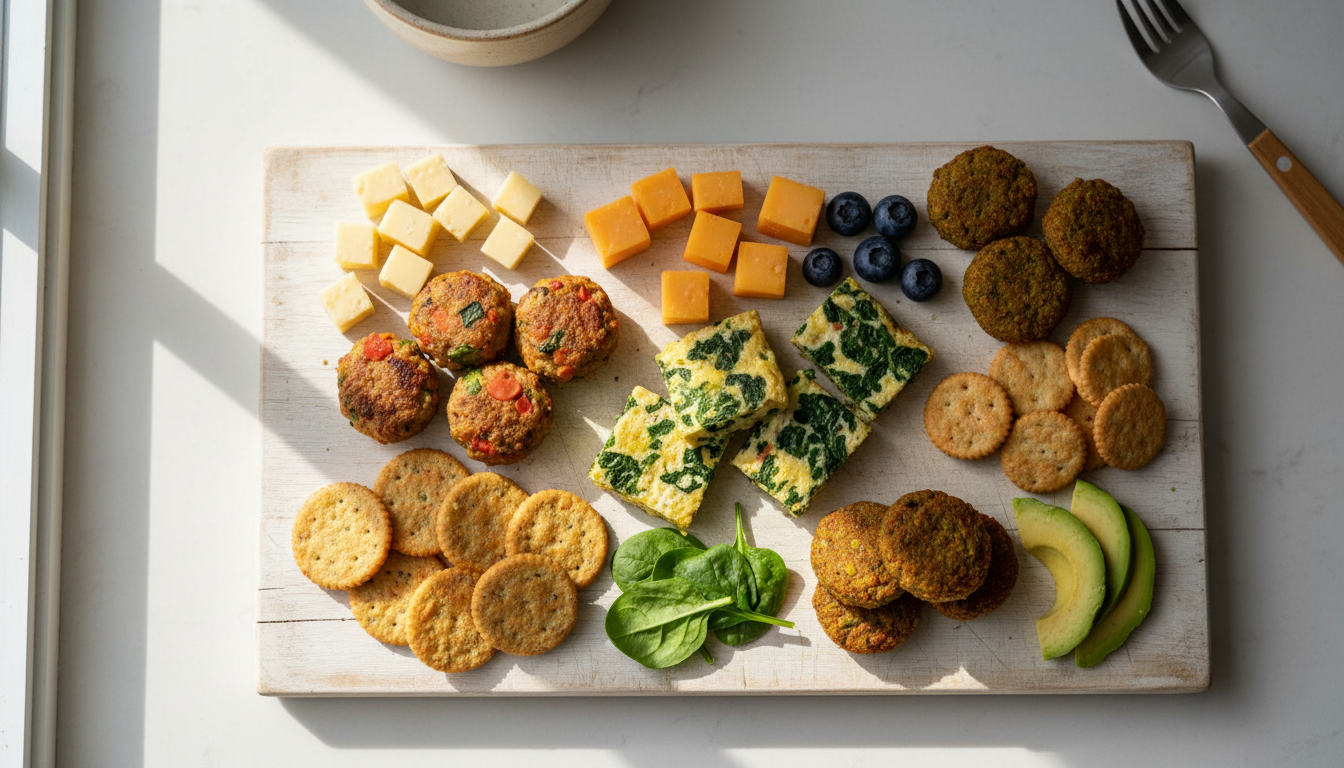
Protein is vital for your toddler’s growth and development. These options provide that essential nutrient without creating a huge mess.
8. Small Cheese Cubes
Cheese is a beloved snack for many toddlers. Opt for firmer cheeses like cheddar or mozzarella, cut into small cubes or sticks.
Why It’s No-Mess
They are firm, easy to pick up, and generally don’t crumble or stick much.
Health Benefits
An excellent source of calcium for strong bones and protein for growth.
Serving Tip
Choose full-fat cheese for toddlers. Always cut into small, non-choking hazard shapes (avoid string cheese for very young toddlers, as it can be stringy and harder to manage).
9. Hard-Boiled Egg Pieces
Eggs are a fantastic complete protein source and are incredibly versatile. Hard-boil an egg, cool it, and cut it into small pieces.
Why It’s No-Mess
Once cooked, eggs are firm and easy to pick up. They don’t smudge or stick.
Health Benefits
Rich in protein, Vitamin D, and choline, which is important for brain development.
Serving Tip
You can separate the yolk and white, or offer them together. Ensure pieces are small enough to be safe.
10. Shredded Chicken or Turkey
Cooked, unseasoned chicken or turkey breast, finely shredded, is an amazing lean protein source. It’s also very easy for toddlers to manage.
Why It’s No-Mess
The shredding makes it tender and easy to chew, and the individual strands are simple to pick up without leaving a sticky residue.
Health Benefits
Provides essential amino acids for growth and iron for energy.
Serving Tip
Cook chicken or turkey until very tender, then shred it into very small, thin strands. Make sure there are no bones or gristle.
11. Tofu Cubes (Baked or Sautéed)
Tofu is a wonderful plant-based protein. Baking or lightly sautéing firm or extra-firm tofu until slightly crispy creates a perfect finger food.
Why It’s No-Mess
The firm texture means it holds its shape, isn’t sticky, and doesn’t crumble easily. It’s easy for toddlers to grasp.
Health Benefits
Good source of protein, iron, and calcium, especially for plant-based diets.
Serving Tip
Press extra-firm tofu to remove excess water, then cut into small cubes. You can bake them with a tiny bit of olive oil or serve plain.
Grain Goodness for Growing Bodies
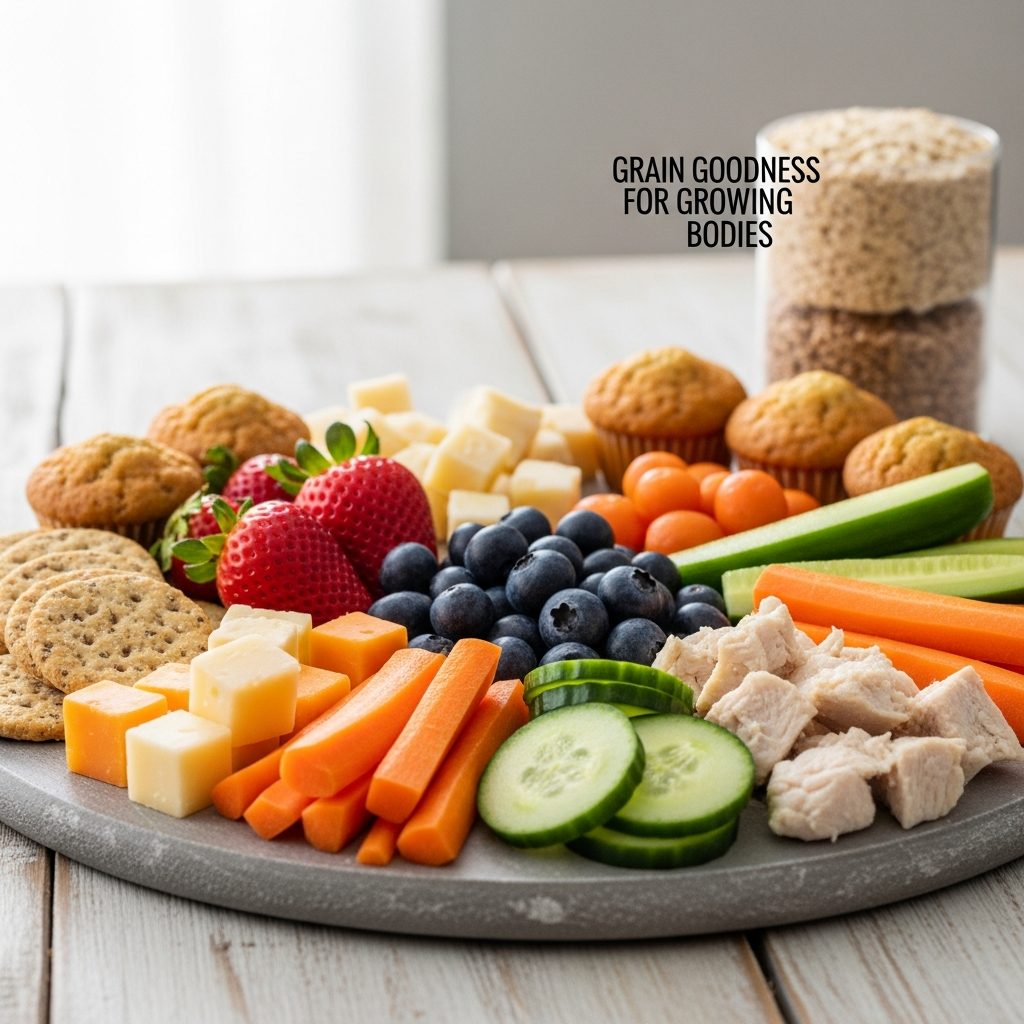
Grains provide essential carbohydrates for energy. These options are easy to handle and won’t create a huge mess.
12. Small Pieces of Whole Wheat Toast
Toast is a simple and versatile finger food. Using whole wheat bread adds extra fiber and nutrients.
Why It’s No-Mess
Toast is firm and holds its shape. If you cut it into small, thin strips or squares, it’s easy for toddlers to pick up without much mess. Avoid too much butter or jam for no-mess.
Health Benefits
Provides complex carbohydrates for sustained energy and fiber for digestion.
Serving Tip
Cut the crusts off and then cut the toast into small squares or “soldiers.” You can offer it plain or with a very thin smear of mashed avocado or a nut butter alternative.
13. O-Shaped Cereal
Plain, O-shaped cereals (like Cheerios) are a classic first finger food for a reason. They’re lightweight, dissolve easily, and are fun to pick up.
Why It’s No-Mess
They are incredibly easy to pick up, and if they fall, they just roll. They don’t stick or make a big mess.
Health Benefits
Fortified with iron and other essential vitamins and minerals.
Serving Tip
Offer a small handful directly on the highchair tray. Avoid giving large quantities as they can become a game of throwing.
14. Plain Rice Cakes (Broken)
Unsalted, plain rice cakes broken into small pieces offer a satisfying crunch and are very lightweight.
Why It’s No-Mess
They are dry and crumbly, but the crumbs are large and easy to sweep up, not sticky. They don’t stick to surfaces or hands.
Health Benefits
Provides simple carbohydrates for energy. Choose whole-grain options where possible.
Serving Tip
Break them into small, manageable pieces. You can offer them plain or with a very thin layer of mashed fruit.
15. Cooked Pasta (Small Shapes)
Small pasta shapes like rotini, penne, or ditalini, cooked until tender, are fantastic for little fingers. A tiny drizzle of olive oil can help prevent sticking.
Why It’s No-Mess
The shapes are easy to pick up, and if served plain or with a very light coating of olive oil, they aren’t messy. Avoid heavy sauces.
Health Benefits
Provides carbohydrates for energy. Whole wheat pasta offers added fiber.
Serving Tip
Cook until very soft. Drain well and let cool. A tiny bit of olive oil can keep them from sticking together too much.
General Tips for Successful No-Mess Mealtimes
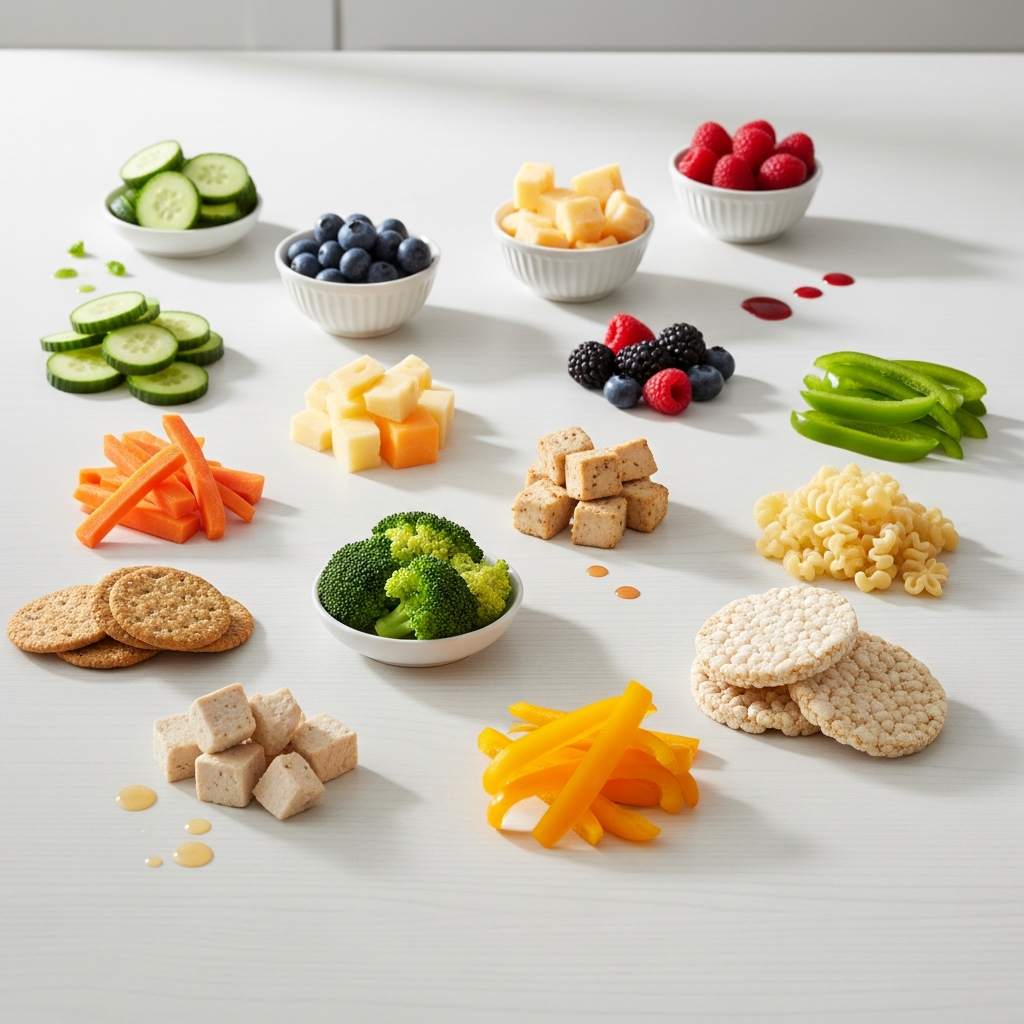
Even with the best “no mess” foods, toddlers will still be toddlers. But these tips can help keep the chaos to a minimum:
* Start Small: Offer only a few pieces of food at a time. This prevents overwhelming your toddler and reduces the amount of food that could end up on the floor.
* Use a Suction Plate: A plate that sticks to the highchair tray can dramatically reduce plate-tossing incidents.
* Embrace the Tray: Sometimes, simply putting food directly on a clean highchair tray is the easiest way. There’s no plate to throw!
* Wipe-Down Plan: Have a wet cloth or baby wipes ready for quick cleanup during and after the meal.
* Patience is Key: Remember that exploring food is part of learning. Some mess is inevitable, but these ideas help you manage it better.
* Model Good Eating: Sit and eat with your toddler. They learn so much by watching you.
What to Avoid for Truly No-Mess Eating
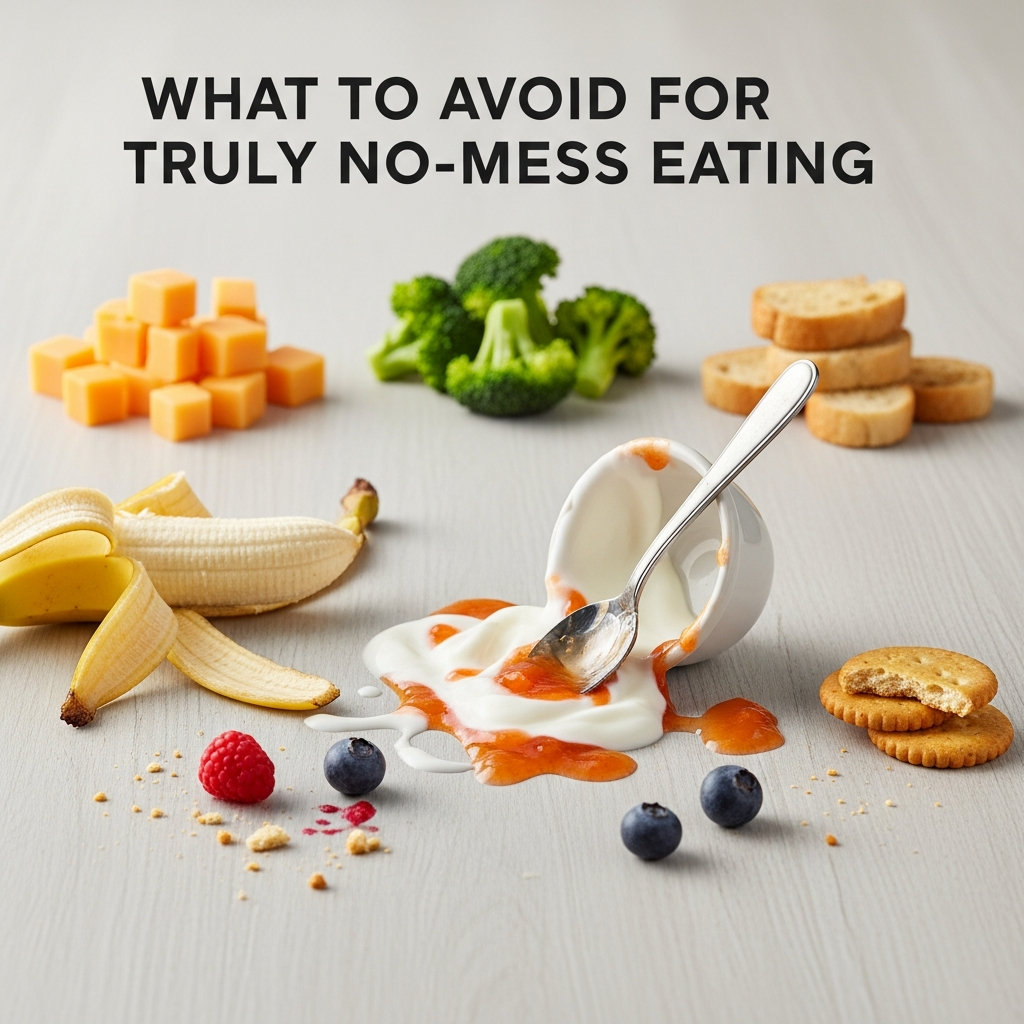
While we want to encourage variety, some foods, while healthy, are just inherently messy for a toddler. If “no mess” is your goal for a particular meal, you might want to postpone these:
* Yogurt (especially in pouches – they love to squeeze!)
* Applesauce or purees (unless spoon-fed)
* Very crumbly crackers or cookies
* Soups or stews (unless thickened significantly)
* Juicy fruits without skin (like mango, very ripe peaches)
Conclusion: Enjoying Mealtimes Together
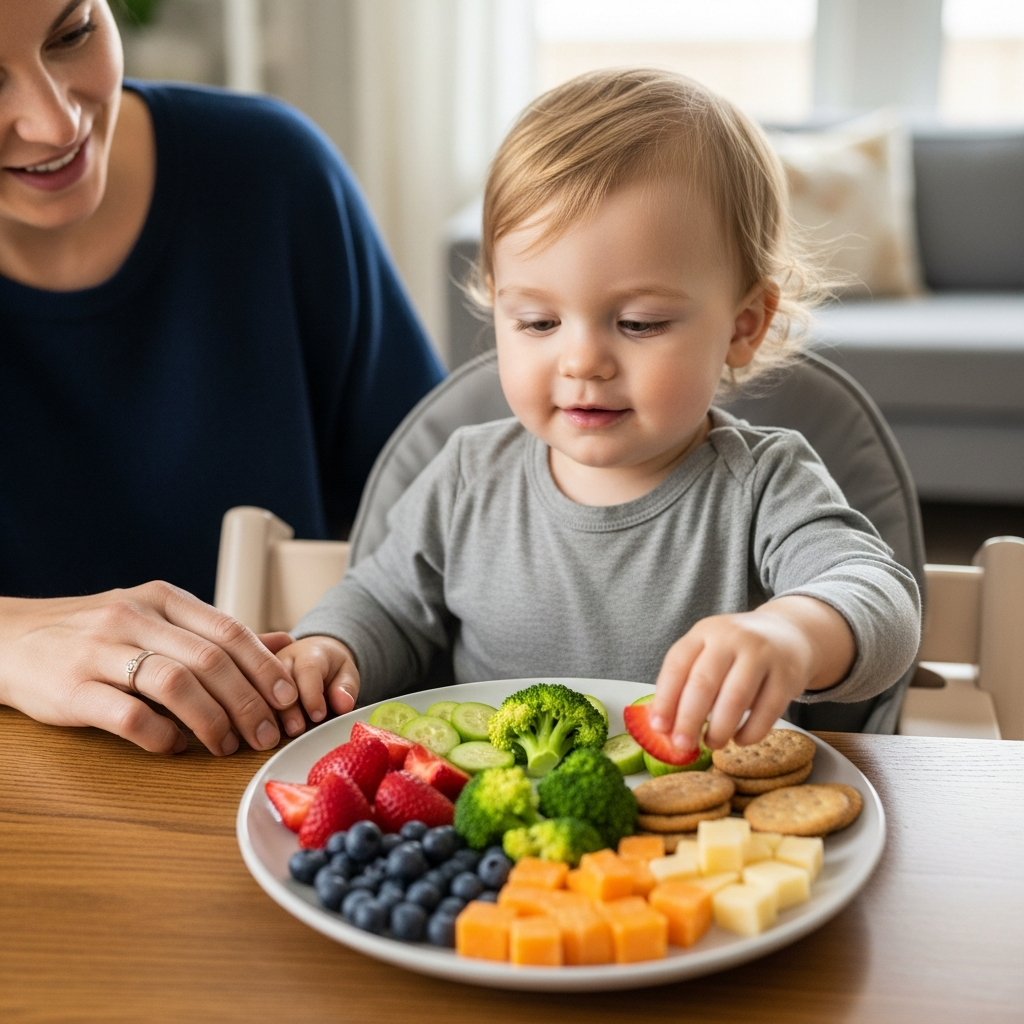
Feeding a toddler can feel like a constant balancing act between nutrition, development, and maintaining some semblance of cleanliness. By choosing healthy, no-mess finger foods, you’re not just making your life a little easier, you’re also empowering your child to explore their food independently in a positive way.
Remember, every meal is an opportunity for learning and connection. So, take a deep breath, pick a few ideas from this list, and enjoy these precious, albeit sometimes sticky, moments with your growing little one. You’re doing a wonderful job!