The daily challenge of feeding our children feels never-ending, doesn’t it? From breakfast battles to dinner dilemmas, snacks often become the unsung heroes—or the sneaky villains—in our quest for healthy eating. We want our kids to fuel their busy bodies with good stuff, but sometimes it feels like they’re hardwired to prefer anything that comes in a brightly colored wrapper.
As parents, we know healthy snacks are crucial. They bridge the hunger gaps between meals, provide essential nutrients for growing minds and bodies, and can even prevent those dreaded “hangry” meltdowns. But how do we get them to actually *eat* the good stuff? It often comes down to creativity, presentation, and a little bit of sneaky nutrition.
You’re not alone in this struggle. That’s why we’ve put together a list of 15 healthy snack ideas that kids genuinely enjoy. These aren’t just good for them; they’re tasty, fun, and designed to disappear from the plate with smiles, not sighs.
Why Snacking Matters for Growing Kids

Children, especially toddlers and preschoolers, have small stomachs and incredibly high energy needs. They burn through calories much faster than adults, and their little tummies can’t hold enough food at mealtime to sustain them for long periods. This is where healthy snacks come in.
Snacks help keep their energy levels steady throughout the day, preventing slumps and irritability. They also offer a fantastic opportunity to squeeze in extra vitamins, minerals, and fiber that they might miss during main meals. Think of snacks as mini-meals, just as important for their overall development.
General Tips for Successful Snacking

Before we dive into the delicious ideas, let’s touch on a few strategies that can make healthy snacking a smoother experience for everyone.
Involve Your Kids
When children have a say in what they eat, they’re much more likely to try it. Let them choose between two healthy options, or even help with simple prep tasks.
Make it Fun
Kids eat with their eyes first. Cut fruit into fun shapes, arrange veggies like a rainbow, or use colorful skewers. A little effort can go a long way.
Keep it Simple and Accessible
You don’t need gourmet snacks every time. Often, the quickest and easiest options are the best. Store healthy choices at kid-friendly heights in the fridge or pantry.
Don’t Force It
Offer the snack, but if they’re not hungry, don’t push it. Forcing food can create negative associations. They’ll eat when they’re truly hungry.
Think About Texture and Taste
Some kids prefer crunchy, others soft. Some like sweet, some savory. Offer a variety to see what your child gravitates towards. Sometimes just changing the texture (like freezing grapes) can make all the difference.
The 15 Healthy Snack Ideas Kids Will Actually Eat

Here are some go-to snacks that have proven to be kid-favorites, combining nutrition with taste and fun.
1. Apple Slices with Nut or Seed Butter
This classic pairing is a winner for a reason. The crispness of the apple meets the creamy, satisfying butter. It’s packed with fiber, healthy fats, and protein to keep them full.
Why it’s a winner:
Fiber from apples and protein/healthy fats from butter provide sustained energy. It’s easy to prepare and widely loved.
Pro-Parent Tip:
Cut apples into thin slices or “fries” for smaller hands. Offer different kinds of butter, like almond, cashew, or sunflower seed butter if there are nut allergies. A sprinkle of cinnamon can add extra flavor.
2. Yogurt Parfait Cups
Layers of creamy yogurt, colorful berries, and a sprinkle of low-sugar granola make a delightful and nutritious treat.
Why it’s a winner:
Calcium for strong bones, probiotics for gut health, and antioxidants from fruit. It feels like a dessert!
Pro-Parent Tip:
Use plain Greek yogurt for extra protein and less sugar, then sweeten naturally with a drizzle of honey or a mashed banana. Let kids layer their own parfaits to make it interactive.
3. Cheese Sticks or Cubes with Whole-Wheat Crackers
Cheese is a kid-friendly powerhouse of calcium and protein. Paired with whole-wheat crackers, it becomes a balanced, satisfying snack.
Why it’s a winner:
Excellent source of calcium and protein. Whole-wheat crackers add fiber. Quick and no-mess.
Pro-Parent Tip:
Try different types of cheese, like cheddar, mozzarella, or Colby Jack. Use fun cookie cutters to make cheese shapes.
4. Fruit Skewers
What’s more appealing than fruit on a stick? Mix and match their favorite fruits like grapes, strawberries, melon chunks, and blueberries.
Why it’s a winner:
Full of vitamins and antioxidants. Visually appealing and fun to eat.
Pro-Parent Tip:
Use blunt-tipped skewers for safety. For an extra treat, offer a small dollop of yogurt or a light fruit dip on the side.
5. Smoothies
A fantastic way to sneak in fruits and veggies. Blend bananas, berries, a handful of spinach (they won’t taste it!), yogurt, and a splash of milk or water.
Why it’s a winner:
Customizable, hydrating, and a great way to pack in nutrients. Kids often love the sweet taste.
Pro-Parent Tip:
Freeze overripe bananas or berries beforehand to make the smoothie extra thick and cold. Use reusable silicone pouches for on-the-go sipping.
6. Ants on a Log
Celery sticks filled with peanut butter (or sunbutter) and topped with raisins. It’s a classic for a reason!
Why it’s a winner:
Fiber from celery, protein and healthy fats from butter, and a touch of sweetness from raisins. Fun name!
Pro-Parent Tip:
Let kids assemble their own “logs.” Try dried cranberries or chocolate chips (in moderation) instead of raisins for variety.
7. Veggies and Hummus
Offer colorful veggie sticks like carrots, cucumber, bell peppers, or snap peas with a side of creamy hummus.
Why it’s a winner:
Excellent source of vitamins, fiber, and plant-based protein. Hummus provides healthy fats and protein.
Pro-Parent Tip:
Cut veggies into fun shapes or sticks. Offer different flavored hummus options like roasted red pepper or garlic (if your child likes it!).
8. Hard-Boiled Eggs
Simple, portable, and packed with nutrients. Hard-boiled eggs are a quick and easy snack that keeps hunger at bay.
Why it’s a winner:
High in protein, choline (great for brain development), and vitamins. Very filling.
Pro-Parent Tip:
Peel them in advance for quick grabbing. Sprinkle with a tiny bit of salt and pepper, or even a little paprika for older kids.
9. Banana “Nice” Cream
Blend frozen banana slices until smooth and creamy. It tastes just like soft-serve ice cream!
Why it’s a winner:
Naturally sweet, potassium-rich, and feels like an indulgent treat without added sugar.
Pro-Parent Tip:
Add a spoonful of cocoa powder for chocolate banana “nice” cream, or a few berries for a different flavor. Serve immediately.
10. Air-Popped Popcorn
A whole-grain snack that’s fun to eat. Just be sure to serve it plain or with very light seasoning, and remember it’s best for older children (4+) due to choking risk.
Why it’s a winner:
Whole grain, high in fiber, and satisfyingly crunchy.
Pro-Parent Tip:
Avoid excessive butter and salt. A light sprinkle of nutritional yeast can add a cheesy flavor and B vitamins.
11. Whole-Wheat Pita Bread with Tzatziki or Guacamole
Cut whole-wheat pita bread into triangles and serve with a creamy, flavorful dip.
Why it’s a winner:
Fiber from pita bread, healthy fats from guacamole, and probiotics from tzatziki (yogurt-based).
Pro-Parent Tip:
Warm the pita bread slightly before cutting. You can also offer a variety of dipping sauces like salsa or a mild bean dip.
12. Edamame (Steamed)
These vibrant green soybeans are fun to pop out of their pods and are full of plant-based protein and fiber.
Why it’s a winner:
Excellent source of plant protein, fiber, and iron. Fun interactive snack.
Pro-Parent Tip:
Buy them frozen in the pod, steam quickly, and serve slightly warm. A tiny sprinkle of sea salt can enhance the flavor.
13. Berries (Fresh or Frozen)
Strawberries, blueberries, raspberries, blackberries—these tiny powerhouses are packed with vitamins and antioxidants.
Why it’s a winner:
Rich in vitamins, fiber, and antioxidants. Naturally sweet and requires no prep.
Pro-Parent Tip:
For teething babies or hot days, frozen berries (especially grapes or blueberries) can be a refreshing and soothing snack. Just be sure to halve grapes for younger children to prevent choking.
14. Energy Bites (No-Bake)
These little balls of goodness are typically made with oats, nut butter, a touch of honey or maple syrup, and sometimes add-ins like flax seeds or mini chocolate chips.
Why it’s a winner:
Packed with fiber, protein, and healthy fats for sustained energy. Easy to make ahead.
Pro-Parent Tip:
Let your kids help roll the mixture into balls. Store them in the fridge for a quick grab-and-go option throughout the week. Be mindful of allergies with nut butter.
15. Roasted Chickpeas
Crispy, savory, and surprisingly addictive! Toss canned chickpeas with a little olive oil and your child’s favorite spices (paprika, garlic powder, or just salt) and roast until crunchy.
Why it’s a winner:
Good source of fiber and plant-based protein. A great alternative to chips.
Pro-Parent Tip:
Ensure they are thoroughly dried before roasting for maximum crispiness. Experiment with sweet versions too, like cinnamon and a tiny bit of maple syrup.
Making Healthy Snacks a Habit

Shifting towards healthier snacking doesn’t happen overnight. It’s a journey, and every small step counts.
Plan Ahead
Take some time each week to plan out snacks and do a little prep. Wash and cut fruits and veggies, portion out cheeses, or make a batch of energy bites. Having healthy options ready means you’re less likely to grab something less ideal when hunger strikes.
Stock Your Pantry and Fridge
Make it easy to choose healthy. Keep your home stocked with ingredients for these snacks. If it’s available, they’ll eat it. If it’s not, they won’t.
Lead by Example
Kids are great imitators. Let them see you enjoying healthy snacks. Share your apple slices or a handful of berries with them.
Be Flexible
Some days they’ll eat everything, other days nothing. That’s okay! Don’t let one refusal derail your efforts. Just keep offering a variety of nutritious choices.
What to Keep in Mind (Allergies and Portions)
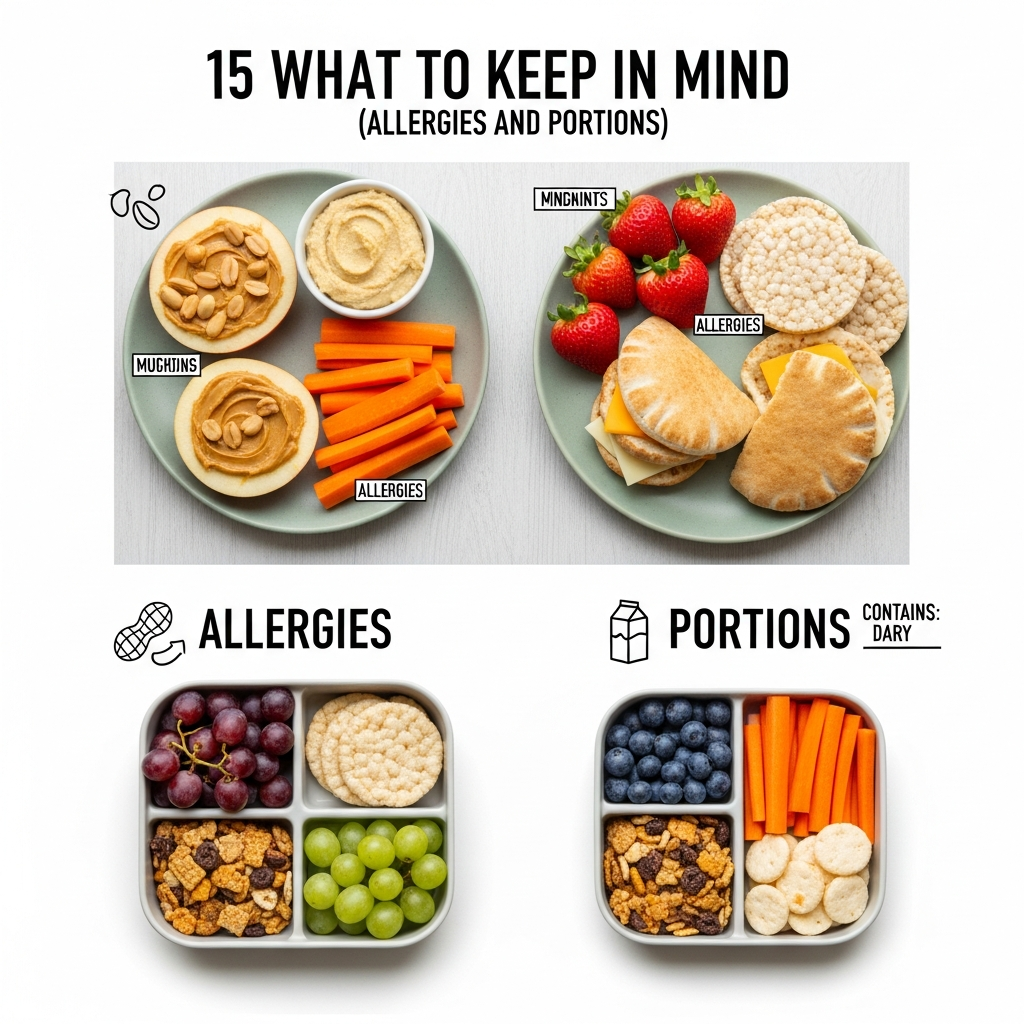
Always be mindful of your child’s specific dietary needs and potential allergies. If you’re unsure, consult with your pediatrician. When introducing new foods, especially common allergens like nuts, do so carefully and observe for any reactions.
Also, remember that portion sizes for children are smaller than for adults. A small handful of fruit or a few cheese cubes are often plenty for a snack. The goal is to tide them over until the next meal, not fill them up entirely.
Conclusion
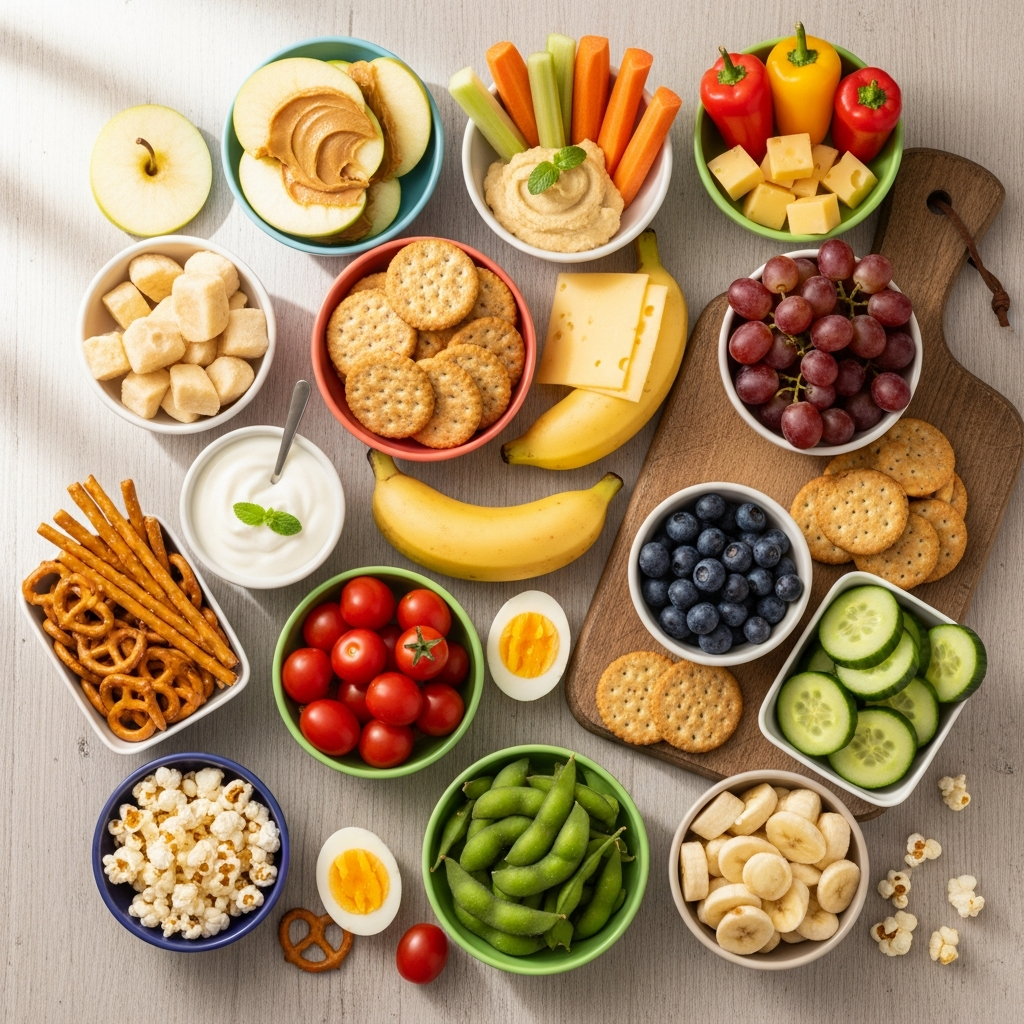
Feeding kids can feel like a constant balancing act, but with a little creativity and a lot of patience, you can absolutely encourage them to enjoy healthy foods. These 15 snack ideas are a fantastic starting point to explore what your child likes and introduce them to a world of delicious, nutritious options.
Remember, every step towards healthier eating is a win. Keep offering, keep experimenting, and celebrate the small victories. You’re doing a great job nurturing your little ones, one healthy bite at a time.