5 Surprising Health Facts Your Blood Type Reveals
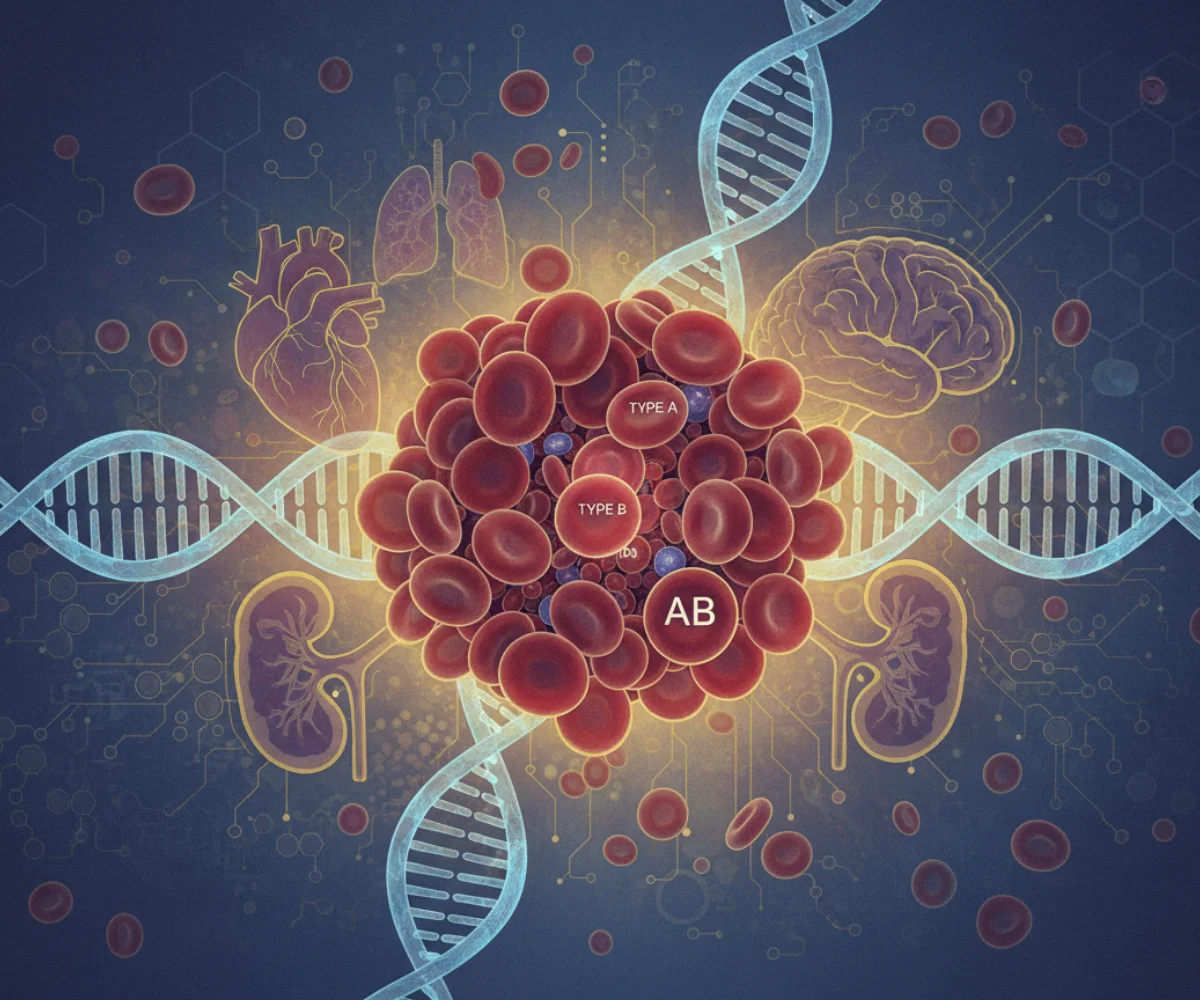
Our blood type, determined by the presence or absence of specific antigens on the surface of red blood cells, is a fundamental aspect of our genetic makeup. While widely known for its critical role in blood transfusions, recent scientific research has increasingly unveiled intriguing connections between blood type and various aspects of our health, from disease susceptibility to metabolic functions. Far from being a mere label, your blood type (A, B, AB, or O) acts as a fascinating biological fingerprint that may offer surprising insights into your predispositions and overall well-being. Understanding these connections can empower you with valuable knowledge, allowing for more informed health choices and a proactive approach to your personal health journey.
1. Blood Type and Cardiovascular Disease Risk
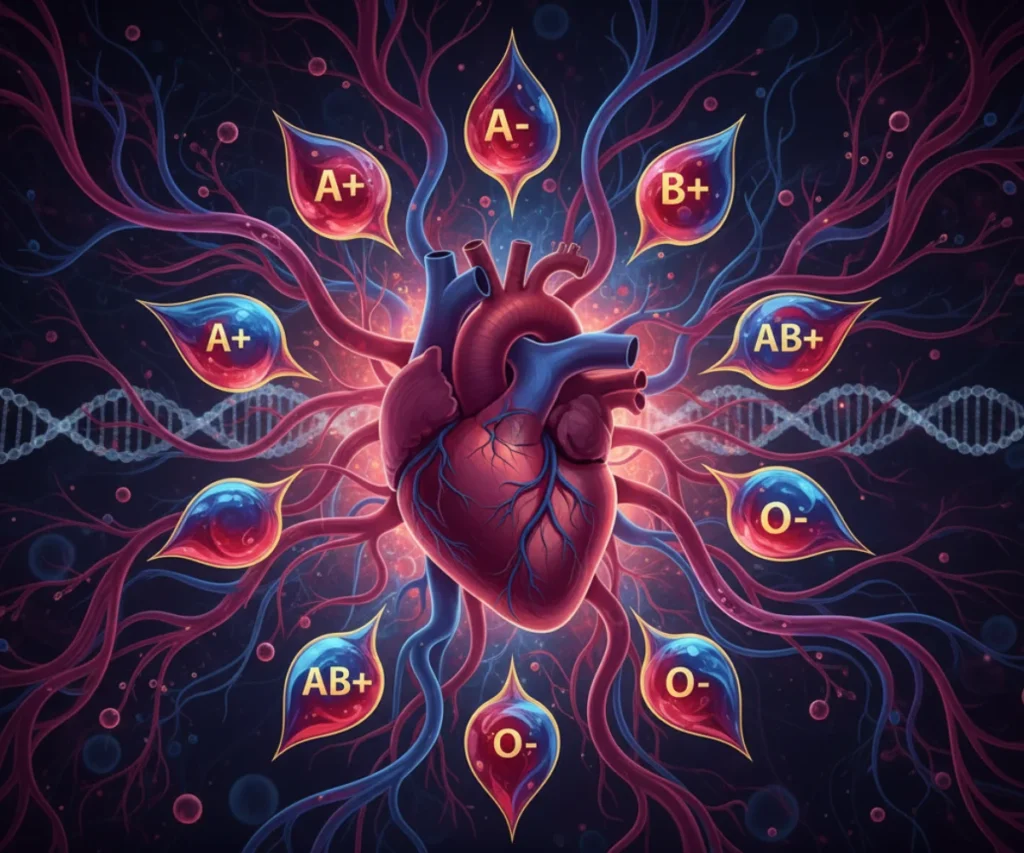
Cardiovascular disease (CVD) remains a leading cause of mortality worldwide. While traditional risk factors like diet, exercise, smoking, and genetics are well-established, a growing body of evidence suggests that blood type can also play a significant, albeit often overlooked, role in an individual’s susceptibility to heart-related conditions.
Type O Blood and Lower Heart Disease Risk
Individuals with Type O blood have consistently shown a slightly lower risk of developing certain cardiovascular diseases, particularly coronary artery disease. Researchers hypothesize several mechanisms behind this:
- Von Willebrand Factor: People with Type O blood typically have lower levels of von Willebrand factor (vWF), a protein involved in blood clotting. Higher vWF levels are associated with increased risk of clot formation, which can lead to heart attacks and strokes.
- Factor VIII: Similarly, Type O individuals tend to have lower levels of Factor VIII, another clotting protein. Reduced levels of these clotting factors may offer a protective effect against thrombotic events.
- Cholesterol and Inflammation: Some studies suggest that Type O individuals might also have a more favorable lipid profile and lower systemic inflammation markers, though this area requires further research for definitive conclusions.
Increased Risk for Non-O Blood Types
Conversely, individuals with non-O blood types (A, B, and AB) appear to have a modestly increased risk of cardiovascular events. This elevated risk is primarily attributed to higher levels of vWF and Factor VIII, which contribute to a pro-thrombotic state. Type AB blood, in particular, has been linked to a slightly higher risk of heart disease and stroke compared to A and B types, possibly due to a combination of factors related to both A and B antigens.
It is crucial to remember that blood type is just one piece of the puzzle. Lifestyle choices, family history, and other medical conditions remain primary determinants of cardiovascular health. However, knowing your blood type can add another layer of understanding to your personal risk assessment, potentially encouraging more rigorous management of other modifiable risk factors if you are a non-O blood type.
2. Blood Type and Susceptibility to Certain Infections

Our blood type antigens are not just passive markers; they can influence how our immune system interacts with various pathogens. This interaction can either confer protection or increase susceptibility to specific bacterial, viral, and parasitic infections.
H. pylori and Type O Blood
Perhaps one of the most well-known associations is between Type O blood and an increased susceptibility to infection by Helicobacter pylori (H. pylori). This bacterium is a common cause of peptic ulcers, gastritis, and in some cases, stomach cancer. The theory suggests that the O antigen (which is essentially the absence of A and B antigens) may serve as a more accessible binding site for H. pylori, allowing it to adhere more easily to the stomach lining in Type O individuals.
Malaria and Type O Blood
Interestingly, Type O blood may offer a protective advantage against severe forms of malaria. Studies have shown that red blood cells with Type O antigens are less likely to adhere to the walls of blood vessels when infected with the malaria parasite (Plasmodium falciparum). This reduced adherence may prevent complications like cerebral malaria, which is a severe and often fatal form of the disease.
Viral Infections and Other Blood Types
Research into blood type and viral infections is ongoing. For instance, some studies have suggested potential links between blood types and susceptibility to certain noroviruses (stomach flu) and even SARS-CoV-2 (the virus causing COVID-19). For example, preliminary research during the COVID-19 pandemic indicated that individuals with Type O blood might have a slightly lower risk of infection and severe illness, while those with Type A blood might have a slightly higher risk, though these findings require further robust investigation and replication.
The intricate ways in which blood type antigens interact with pathogens highlight the complex interplay between our genetics and the microbial world. This knowledge can contribute to understanding population-level disease patterns and developing targeted preventative strategies.
3. Blood Type and Digestive Health
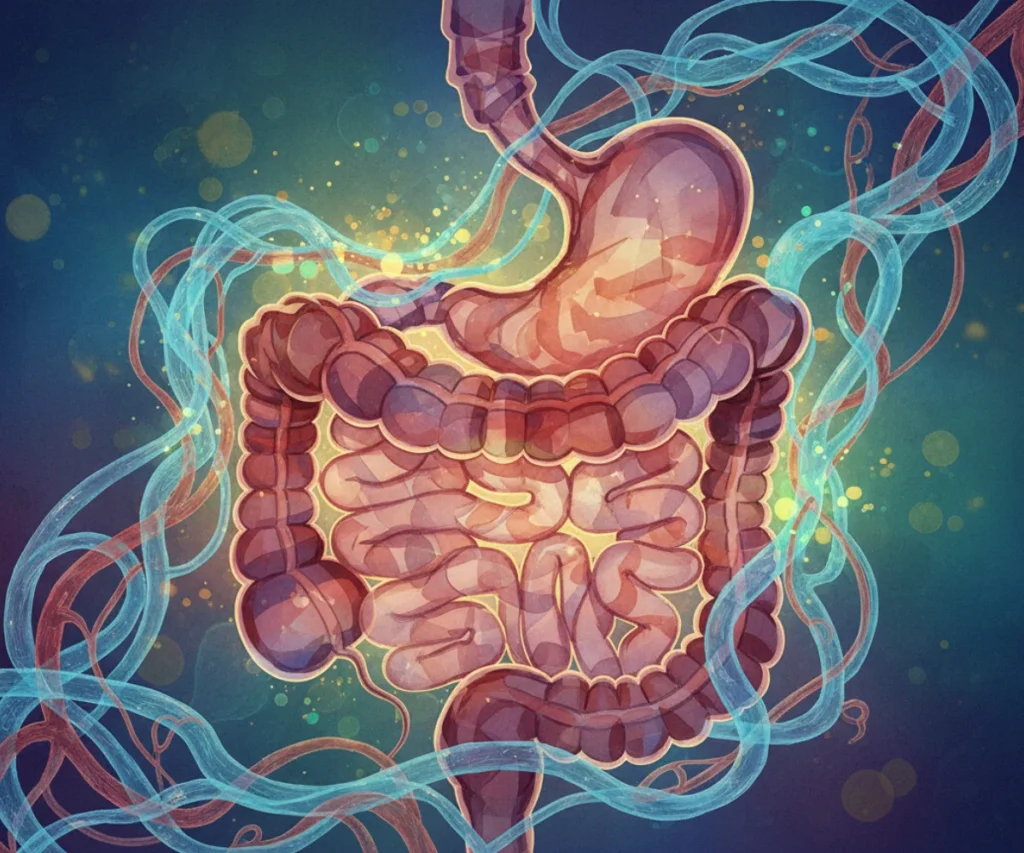
Beyond specific infections, blood type can also subtly influence various aspects of digestive health and even how we process certain foods. This area has gained significant attention, particularly with the rise of blood type diets, though the scientific consensus on the efficacy of such diets remains debated.
Enzyme Activity and Antigen Expression
The genes that determine blood type also influence the expression of enzymes and antigens in the digestive tract. These antigens can affect the composition of the gut microbiome, which in turn plays a crucial role in digestion, nutrient absorption, and overall gut health.
- Type A: Individuals with Type A blood may have higher stomach acid levels and tend to metabolize carbohydrates more efficiently. Some theories suggest they might thrive on a more plant-based diet.
- Type B: Type B individuals are often described as having a robust digestive system, capable of processing a wider variety of foods, including meats and dairy, with less difficulty.
- Type AB: Combining features of both A and B, Type AB individuals might have a more complex digestive profile, potentially benefiting from a mixed diet.
- Type O: Type O individuals are sometimes suggested to have higher stomach acid and an ancestral predisposition to a meat-heavy diet, though modern dietary recommendations emphasize balance for all blood types.
Gut Microbiome Composition
The antigens present on gut epithelial cells, which are dictated by blood type, can act as receptors or food sources for different strains of bacteria. This can lead to variations in the dominant bacterial species found in the gut microbiome among individuals of different blood types. A balanced and diverse gut microbiome is essential for optimal digestion, nutrient synthesis, and immune function. While specific dietary recommendations based purely on blood type lack strong scientific backing, understanding these underlying biological differences can open avenues for personalized nutritional strategies in the future.
It’s important to approach blood type-specific dietary claims with caution and consult with healthcare professionals or registered dietitians for personalized nutrition advice, rather than relying solely on blood type for dietary choices.
4. Blood Type and Stress Response

The way our bodies react to stress is a complex interplay of hormones and neurological responses. Emerging research suggests that blood type might play a role in influencing an individual’s physiological and psychological responses to stress.
Cortisol Levels and Blood Type A
Individuals with Type A blood have been theorized to have higher baseline levels of the stress hormone cortisol, and they may produce more cortisol in response to stressful situations. This prolonged or heightened cortisol response could potentially lead to increased feelings of anxiety, greater susceptibility to the negative health impacts of chronic stress, and a slower recovery from stressful events. This might explain why Type A individuals are sometimes perceived as more prone to stress or more perfectionistic.
Fight-or-Flight Response and Type O
Conversely, Type O individuals are sometimes described as having a more robust ‘fight-or-flight’ response. While they may experience an initial surge of stress hormones, their systems might be more efficient at clearing these hormones, leading to a quicker return to baseline. This doesn’t mean Type O individuals are stress-proof, but their physiological recovery might be different.
Implications for Well-being
Understanding these potential predispositions can be valuable. For instance, if you are Type A and prone to higher cortisol responses, implementing stress-reduction techniques like mindfulness, yoga, or regular exercise might be particularly beneficial for your long-term health. For Type O individuals, recognizing their strong fight-or-flight response might help them to develop coping mechanisms that channel this energy constructively. However, it’s vital to note that individual temperament, life experiences, and environmental factors are far more influential in shaping stress responses than blood type alone. These associations are still under investigation and should be viewed as potential genetic tendencies rather than definitive psychological profiles.
5. Blood Type and Risk of Certain Cancers
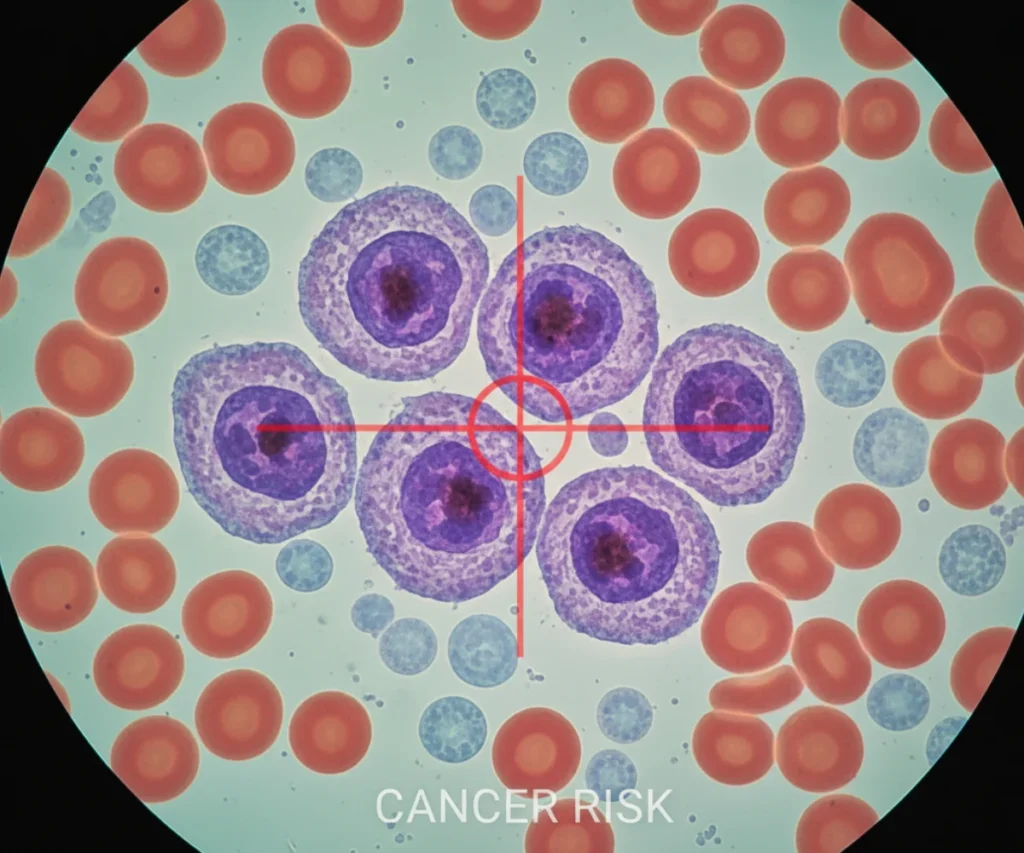
The intricate relationship between blood type and health extends to cancer risk. Studies have identified correlations between specific blood types and the incidence of certain cancers, suggesting that blood group antigens may influence cellular processes relevant to cancer development and progression.
Stomach Cancer and Type A Blood
Type A individuals have been consistently linked to a higher risk of developing stomach cancer. This increased susceptibility is partly attributed to their higher propensity for H. pylori infection, which is a known risk factor for gastric cancer. Additionally, the A antigen itself might play a role in promoting the growth and spread of certain stomach cancer cells, though the exact mechanisms are still being elucidated.
Pancreatic Cancer and Non-O Blood Types
Research indicates that individuals with non-O blood types (A, B, and AB) have a slightly elevated risk of pancreatic cancer compared to those with Type O blood. While the absolute increase in risk is small, this association is robust across multiple studies. One proposed mechanism involves the ABO antigens influencing inflammation and immune responses, which are factors in pancreatic cancer development. Another theory suggests that ABO genes might be linked to other genes that play a role in cancer susceptibility.
Other Cancer Associations
Beyond stomach and pancreatic cancers, some studies have explored links between blood types and other malignancies, such as ovarian cancer (some evidence suggests Type A may have a higher risk), and colon cancer (with inconsistent findings across studies regarding specific blood types). It’s important to stress that these are statistical associations and not direct causes. The overall risk of developing cancer is influenced by a complex interplay of genetic, environmental, and lifestyle factors. Blood type adds another layer of biological insight, prompting further research into personalized cancer prevention and treatment strategies.
For individuals with blood types associated with a slightly higher risk for specific cancers, it underscores the importance of adhering to recommended screening guidelines, maintaining a healthy lifestyle, and discussing any concerns with their healthcare provider. Regular check-ups and early detection remain paramount in cancer prevention and management.
Conclusion

While blood type has long been recognized for its crucial role in transfusions, the expanding body of scientific research continues to unveil its surprising and profound connections to various aspects of our health. From influencing our risk of cardiovascular disease and susceptibility to infections, to potentially affecting digestive health, stress responses, and even certain cancer risks, our ABO blood group system is far more than a simple classification.
It’s important to reiterate that these associations represent statistical trends and predispositions, not definitive destinies. Your blood type is just one piece of a vast and intricate health puzzle, with lifestyle choices, environmental factors, and overall genetic makeup playing equally, if not more, significant roles. However, understanding these potential biological tendencies can offer a fascinating lens through which to view your personal health profile. Armed with this knowledge, you can engage more proactively with your healthcare providers, make more informed decisions about your well-being, and perhaps even inspire further exploration into the personalized frontiers of medicine. Ultimately, recognizing the unique biological blueprint of your blood type empowers you to take a more tailored and intelligent approach to nurturing your health.