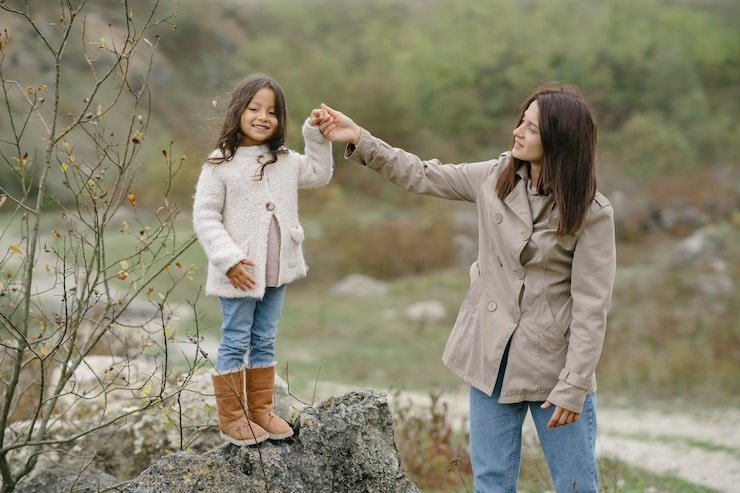
How to Guide Your Kids Through Life’s Changes
Change is a part of life — new schools, new homes, new friends, and even new family dynamics. While adults often understand that change is normal, for children, it can feel confusing, scary, and overwhelming.
As parents, we can’t shield our kids from every change, but we can guide them through it with love, patience, and understanding. Whether it’s a big transition like moving to a new city or smaller adjustments like starting a new grade, how you help your child cope can make all the difference in how they handle change throughout their lives.
This article will help you understand what children feel during transitions and how to support them emotionally, mentally, and practically.
1. Understand How Change Affects Children

Every child reacts differently to change. Some adapt quickly, while others struggle with anxiety, sadness, or even anger. Their reactions depend on their age, personality, and the type of change they’re facing.
Common emotional responses to change include:
- Anxiety or worry about the unknown.
- Sadness over losing familiar routines or friends.
- Frustration or acting out due to lack of control.
- Withdrawal or clinginess, especially in younger children.
Understanding these reactions helps you respond with empathy instead of frustration. Remember, for kids, even small changes — like a new babysitter or moving bedrooms — can feel like big disruptions.
2. Be Honest and Keep Communication Open

The best way to help your child through a transition is to talk about it openly and honestly. Kids sense when something is happening, and withholding information can make them more anxious.
How to communicate effectively:
- Explain what’s changing in simple, age-appropriate language.
- Be honest but reassuring — focus on what will stay the same too.
- Encourage questions and listen patiently.
- Avoid giving false promises just to comfort them.
For example, if you’re moving, you might say, “We’re going to live in a new house. You’ll still have your toys, your room, and our bedtime stories. It’s okay to feel sad about leaving your friends — we’ll find ways to stay in touch.”
Clear, compassionate communication helps kids feel safe and included in the process.
3. Acknowledge Their Feelings

When children express worry, sadness, or even anger, it’s important not to dismiss their emotions. Phrases like “Don’t worry, you’ll be fine” may come from good intentions but can make kids feel unheard.
Instead, validate what they’re feeling. You might say:
- “I can see that you’re sad about changing schools.”
- “It’s okay to miss your old home. I miss it too.”
- “I understand this feels hard right now.”
By acknowledging their emotions, you’re teaching them it’s okay to feel what they feel — and that you’ll be there to help them work through it.
4. Maintain Familiar Routines

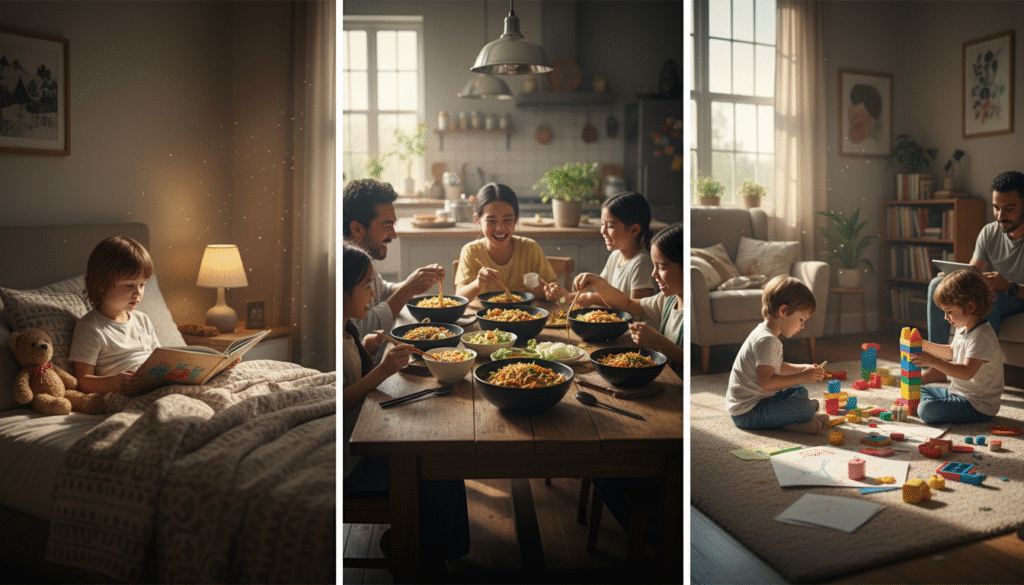
During times of change, consistency provides comfort. Familiar routines — like mealtime, bedtime, or family game night — act as anchors when everything else feels uncertain.
Try to keep daily rituals as normal as possible, even if the environment changes. If you’ve recently moved, for example, keep bedtime stories and morning routines the same as before.
Routines remind children that while some things change, the love and security of family remain constant.
5. Involve Kids in the Process
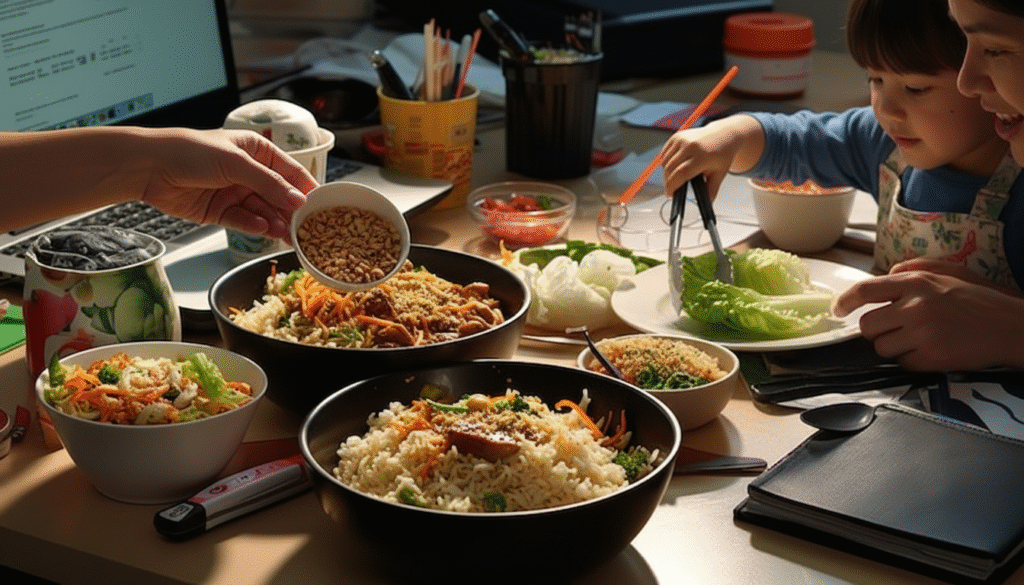
When children feel included, they feel more in control — and less afraid. Involving them in decisions or tasks related to the change helps them adjust better.
Examples:
- Let them help pack boxes during a move.
- Ask for their input when setting up a new room.
- Let them choose their backpack or supplies before starting a new school.
- Include them in family discussions about upcoming changes.
Small decisions empower children and make transitions feel like shared adventures rather than forced changes.
6. Focus on What’s Staying the Same
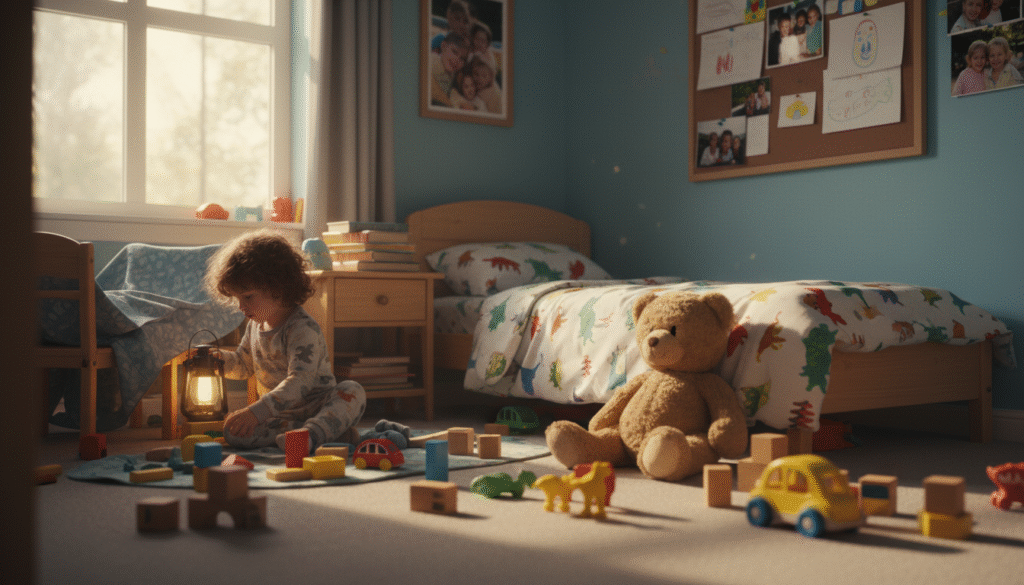
When life feels uncertain, kids need reassurance that not everything is changing. Emphasize the constants — the people, routines, and values that will stay the same.
You can remind them:
- “No matter where we live, we’ll always have family movie nights.”
- “You’ll still talk to Grandma every Sunday.”
- “Our family rules and traditions aren’t changing.”
Highlighting stability gives children a sense of security and helps them focus on familiar comforts.
7. Be a Calm, Positive Example
Children often mirror their parents’ emotions. If you’re anxious, they’ll pick up on it. If you stay calm and optimistic, they’ll feel safer.
It’s okay to show that you also have feelings, but balance honesty with reassurance. For example:
“I’m a little nervous about this change too, but I know we’ll get through it together.”
Your attitude sets the emotional tone for your family. When you handle change with confidence and flexibility, your kids learn to do the same.
8. Encourage Expression Through Play and Creativity

Younger children often don’t have the words to express complex emotions. Play, drawing, or storytelling can help them process feelings more easily.
Ways to help them express themselves:
- Give them crayons and ask them to draw what they feel.
- Use dolls, toys, or role-play to act out situations.
- Write a story together about a character going through a similar change.
Play helps children express what they can’t yet verbalize, allowing you to understand and comfort them better.
9. Stay Patient During Behavioral Changes
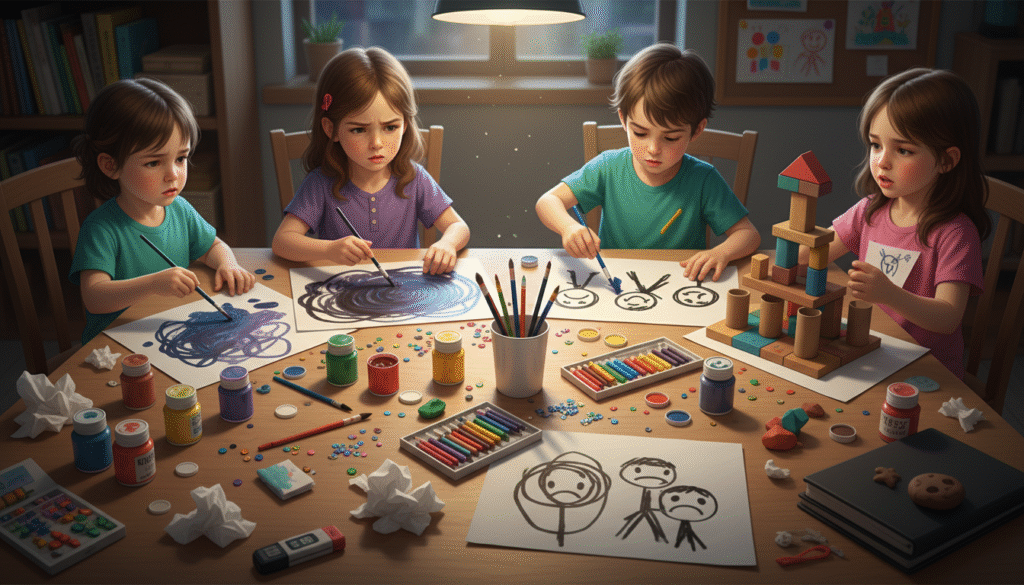
Change can cause temporary setbacks in behavior — like clinginess, tantrums, or regression (bedwetting, thumb-sucking, or anxiety). This is normal.
Instead of reacting with frustration, respond with empathy. Say things like, “I know this is hard for you, and it’s okay to feel upset.”
Stay consistent with boundaries but offer extra reassurance. With time and patience, most behavior changes will pass as your child adjusts.
10. Introduce New Routines Gradually
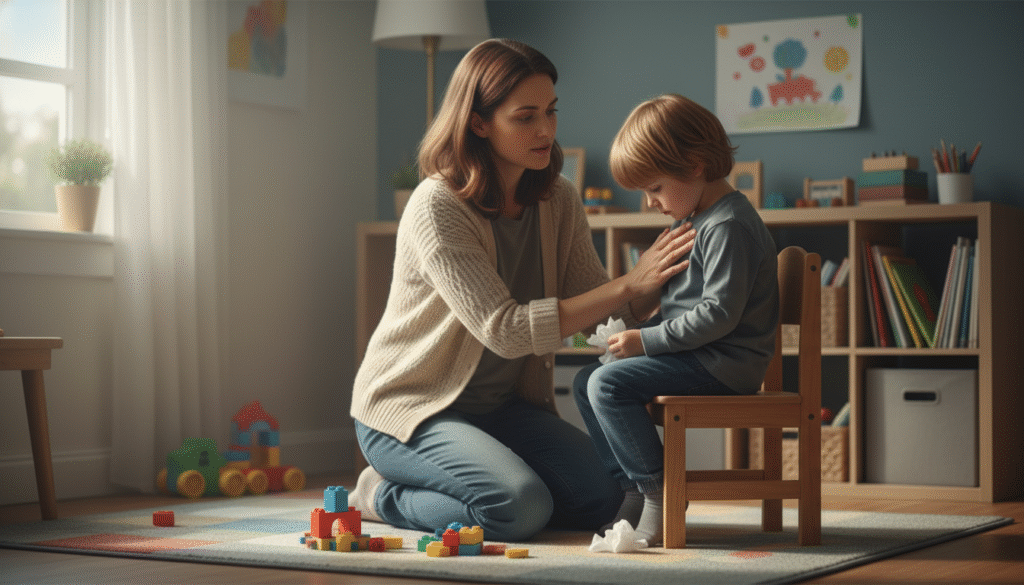
When possible, avoid overwhelming your child with too many changes at once. Introduce new routines step by step.
For example:
- If starting a new school, visit beforehand to meet the teacher and see the classroom.
- If moving, show pictures of the new home or neighborhood in advance.
- Create countdowns to big changes to mentally prepare them.
Gradual transitions give children time to adapt emotionally and mentally, reducing stress and anxiety.
11. Encourage Connection and Support
Friendships and social connections are a big part of your child’s world. Help them maintain old relationships and build new ones when necessary.
Ideas:
- Arrange video calls or playdates with old friends.
- Join community groups, clubs, or sports activities to meet new people.
- Attend local events as a family to make new connections together.
Having social support helps kids feel they belong, even in new environments.
12. Keep Talking — Even After the Change Happens
Sometimes kids seem fine during a transition but struggle emotionally weeks or months later. Keep checking in with them.
Ask open-ended questions like:
- “How are you feeling about your new school?”
- “What do you miss about your old home?”
- “What’s something you like about this new place?”
These conversations show your child that you’re still available and willing to listen, no matter how much time has passed.
13. Create New Traditions

When old routines fade away, new ones can bring comfort. Creating fresh traditions gives your family something positive to look forward to.
Ideas:
- Have a weekly “new memories night” where everyone shares something they enjoyed that week.
- Start a Sunday breakfast ritual or a monthly family outing.
- Create a scrapbook or memory box to celebrate milestones in the new chapter.
New traditions remind children that change can bring exciting opportunities too.
14. Teach Flexibility and Resilience
Life will always bring change — big and small. Helping your children build resilience prepares them to handle future transitions with confidence.
Ways to teach flexibility:
- Model adaptability — show that you can adjust plans without panic.
- Praise effort and problem-solving instead of focusing on mistakes.
- Encourage positive thinking: “What’s one good thing about this change?”
- Read stories or watch movies about characters who adapt to challenges.
Resilient kids learn that while change may be uncomfortable, it’s also a chance to grow.
15. Watch for Signs of Emotional Struggle
Most kids adjust with time and support, but sometimes change can trigger deeper emotional challenges like anxiety or depression.
Warning signs to watch for:
- Persistent sadness or withdrawal.
- Difficulty sleeping or changes in appetite.
- Increased anger, irritability, or defiance.
- Loss of interest in activities they used to enjoy.
If these signs continue, don’t hesitate to reach out to a school counselor, pediatrician, or child therapist. Getting professional support early can make a big difference.
16. Celebrate Progress

As your child begins to adapt, celebrate their small victories. Acknowledge their courage and effort:
“I’m proud of how you handled your first week at your new school.”
“You’ve made some great new friends — that’s amazing.”
Celebrating progress helps kids feel proud of themselves and reinforces that change can lead to growth and positive experiences.
17. Keep Family Bonds Strong
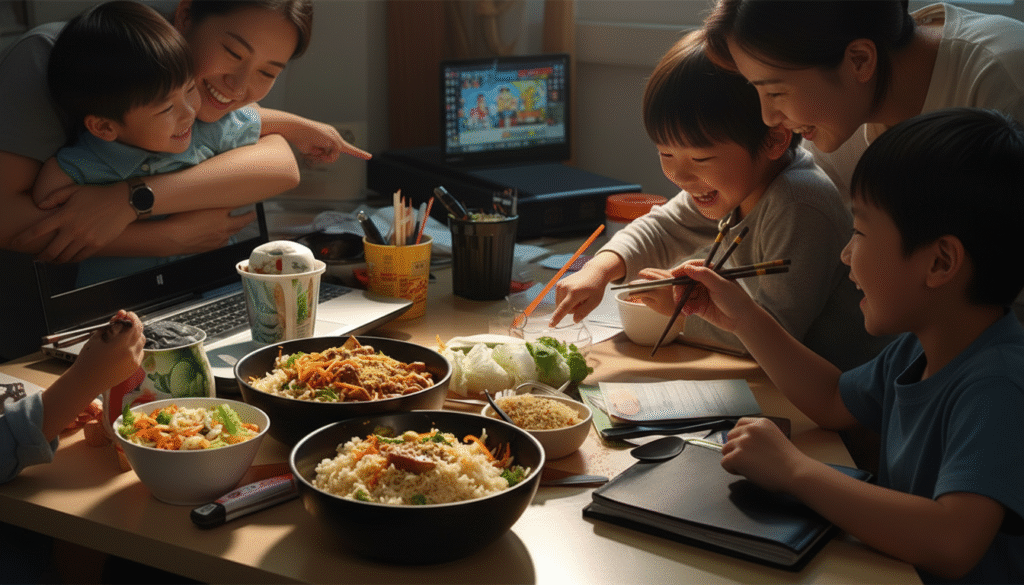
During times of change, family is the most important source of stability. Make time to connect, even in small ways.
Eat meals together, share bedtime stories, or plan weekly family nights. These consistent moments remind children that home is wherever the family is — and that love remains their foundation.
Conclusion
Life’s changes can be unpredictable, but they don’t have to be overwhelming — for you or your children. When parents approach transitions with understanding, patience, and reassurance, kids learn that change is not something to fear but something to embrace.
By listening, validating feelings, maintaining routines, and modeling resilience, you’re giving your children the emotional tools they’ll need for a lifetime.
Change is part of growing up, but with your guidance and love, your kids will not only adapt — they’ll thrive.
So, the next time life shifts direction, take a deep breath, hold your child close, and remind them: change might be hard now, but it can also be the start of something beautiful.