
5 Girl Symptoms and 5 Boy Signs in Second Trimester
The second trimester is often considered the golden period of pregnancy, characterized by renewed energy and a visible baby bump. During this time, many expectant parents look for physical clues to determine the gender of their baby. While medical technology provides definitive answers, various cultural beliefs and old wives’ tales suggest that the mother’s body exhibits specific signs depending on the baby’s sex. This article examines ten common symptoms and signs associated with carrying a girl or a boy during the second trimester.
Girl Symptom 1 Higher Fetal Heart Rate
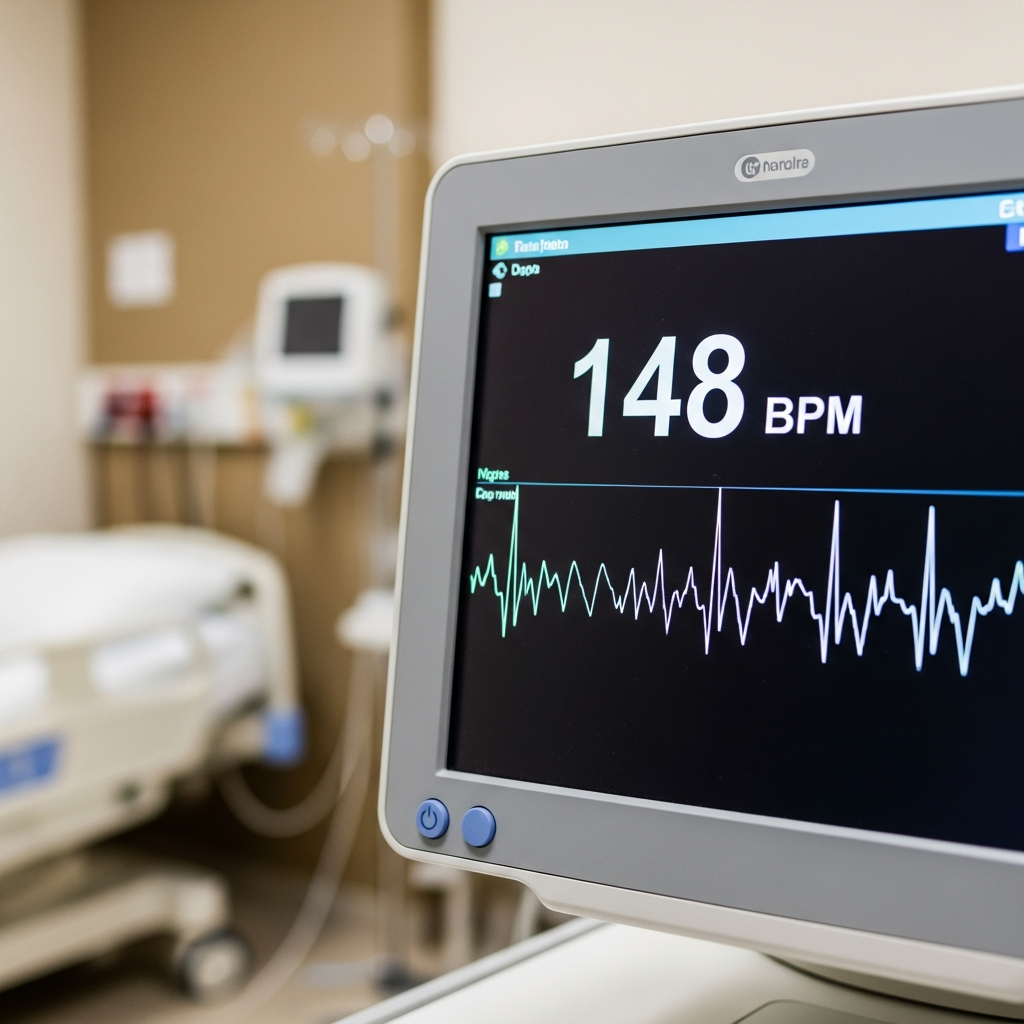
One of the most persistent beliefs in pregnancy folklore relates to the baby’s heart rate. It is often suggested that a fetal heart rate exceeding 140 beats per minute is a strong indicator of a girl. During second trimester checkups, many parents closely monitor these numbers, believing that the faster rhythm reflects the different hormonal environment of a female fetus.
Girl Symptom 2 Carrying the Baby High
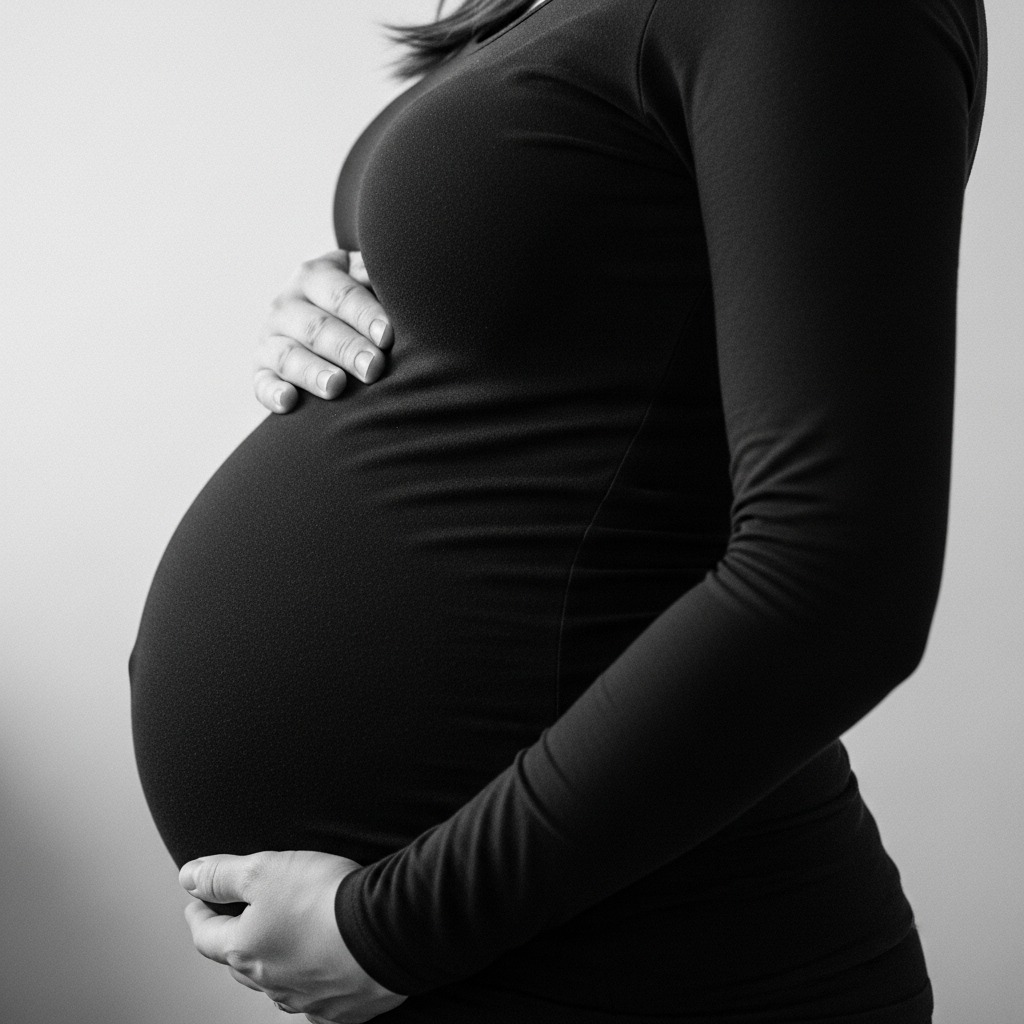
The physical shape of the pregnancy bump is frequently used as a gender predictor. Carrying the baby high up in the abdomen, near the ribs, is a classic sign traditionally associated with having a girl. This distribution of weight is often cited by onlookers and family members as a primary reason to expect a daughter.
Girl Symptom 3 Skin Breakouts and Hair Changes
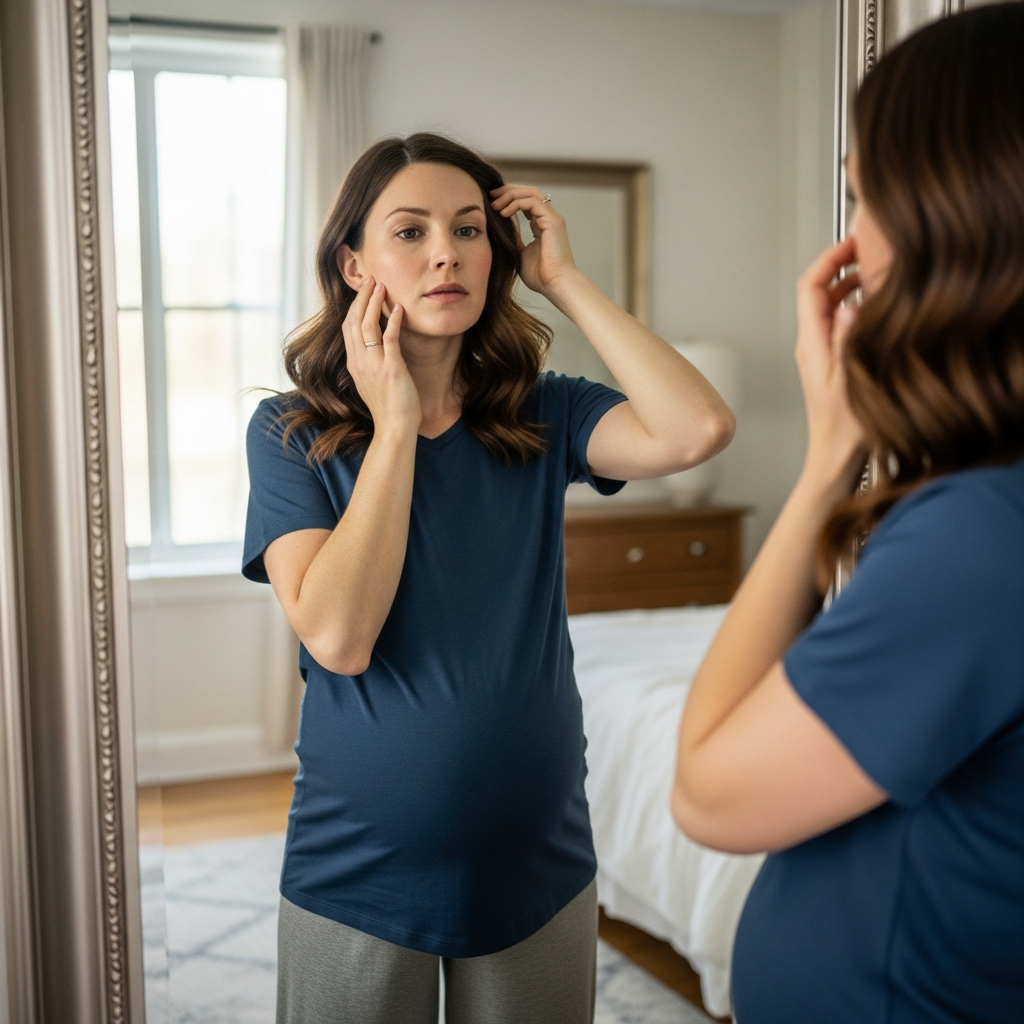
There is an old saying that a baby girl steals the mother’s beauty. In the second trimester, some women experience an increase in skin oiliness and acne, or they may find their hair becomes thinner or less vibrant. According to folklore, these changes are caused by the additional female hormones introduced by the baby.
Girl Symptom 4 Cravings for Sweets and Fruit

Dietary preferences in the second trimester are often analyzed for gender clues. A strong and consistent craving for sweet treats, such as chocolate, cakes, and citrus fruits, is widely believed to be a symptom of carrying a girl. This belief suggests that the mother’s body seeks out glucose to support the specific needs of a female child.
Girl Symptom 5 Increased Morning Sickness Severity

While morning sickness typically peaks in the first trimester, many believe that if nausea persists or is particularly severe well into the second trimester, it indicates a girl. The theory suggests that higher levels of the pregnancy hormone hCG, which can be more prevalent when carrying a girl, lead to more intense or prolonged digestive discomfort.
Boy Sign 1 Lower Fetal Heart Rate
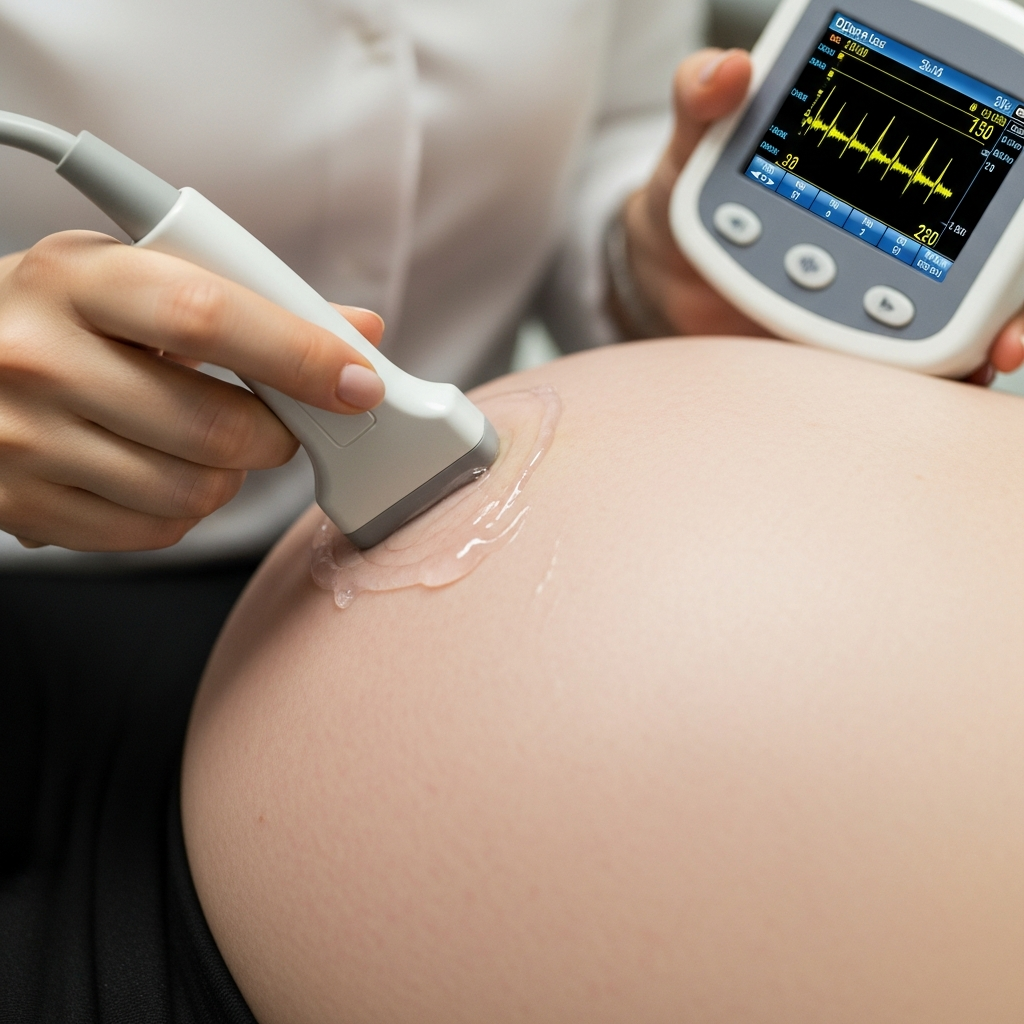
Conversely to the belief about girls, a slower fetal heart rate is often interpreted as a sign of a boy. If the heartbeat consistently measures below 140 beats per minute during second trimester ultrasounds or Doppler checks, tradition suggests a male fetus. Many parents enjoy tracking these beats to see if the theory holds true for their pregnancy.
Boy Sign 2 Carrying the Baby Low

Carrying the pregnancy weight low in the pelvis is a hallmark sign attributed to carrying a boy. In this scenario, the bump often protrudes forward like a basketball rather than spreading across the waist. This distinct shape is one of the most commonly discussed physical signs among expectant parents and their social circles.
Boy Sign 3 Radiant Skin and Thick Hair

The legendary pregnancy glow is often associated with carrying a boy. Many believe that when expecting a son, the mother will experience exceptionally clear skin and thick, lustrous hair growth during the second trimester. This boost in physical appearance is viewed as a positive side effect of male hormones present in the mother’s system.
Boy Sign 4 Cravings for Salty and Savory Foods

If a mother finds herself reaching for pickles, potato chips, meats, and cheeses, folklore suggests she is having a boy. Cravings for salty, savory, and protein-rich foods are the traditional opposite of the sweet cravings associated with girls and are considered a reliable sign by many proponents of old wives’ tales.
Boy Sign 5 The Symptom of Cold Feet

An unusual physical symptom linked to carrying a boy is the sensation of having cold feet. Some believe that if a woman’s feet feel colder than they did prior to pregnancy, it is a metabolic indicator that she is expecting a son. While there is no scientific basis for this, it remains a popular anecdote in gender prediction discussions.
Conclusion
Speculating on a baby’s gender through physical symptoms and signs is a cherished tradition for many families. While the ten signs listed above—ranging from heart rates to food cravings—provide a fun way to engage with the pregnancy journey, they are not a substitute for clinical diagnosis. For those seeking certainty, ultrasounds, non-invasive prenatal testing, or amniocentesis remain the only scientifically proven methods to determine the sex of the baby.