The transition to solid foods is an exciting milestone in an infant’s development, yet it often brings unexpected challenges to their delicate digestive systems. Constipation is a common concern for parents during this phase as the baby’s gut learns to process complex nutrients. Identifying specific dietary triggers is the first step in managing and preventing discomfort. This guide examines six common foods that are frequently associated with digestive backup in babies, providing parents with the knowledge needed to make informed nutritional choices.
1. Cow Milk and Excessive Dairy
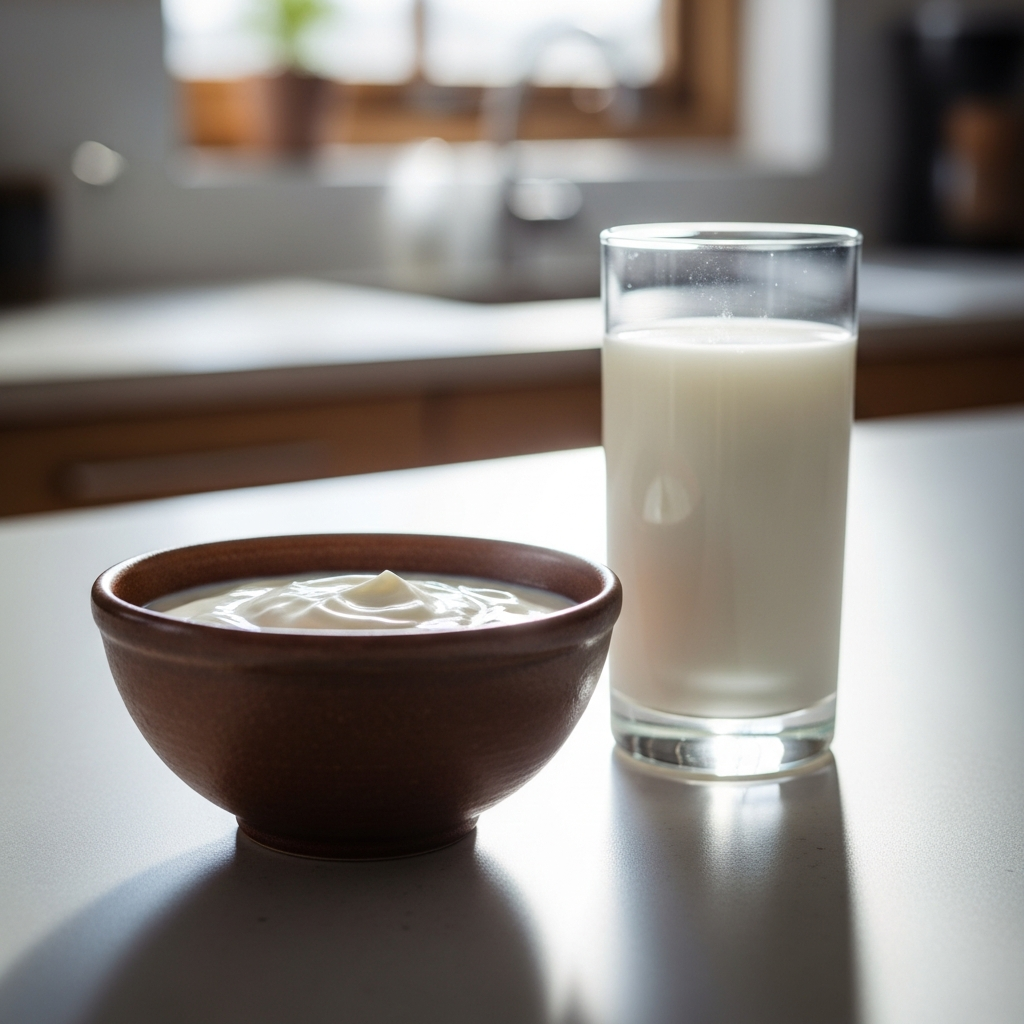
Cow milk and various dairy products are often the primary culprits behind infant constipation. The high protein and calcium content in cow milk can be difficult for a baby’s immature digestive tract to break down efficiently. Unlike breast milk or formula designed for infants, the proteins in cow milk can cause the stool to become hard and difficult to pass. If your baby has started consuming cheese or yogurt in significant quantities, these low-fiber, high-fat options may contribute to slower bowel movements.
2. White Rice Cereal
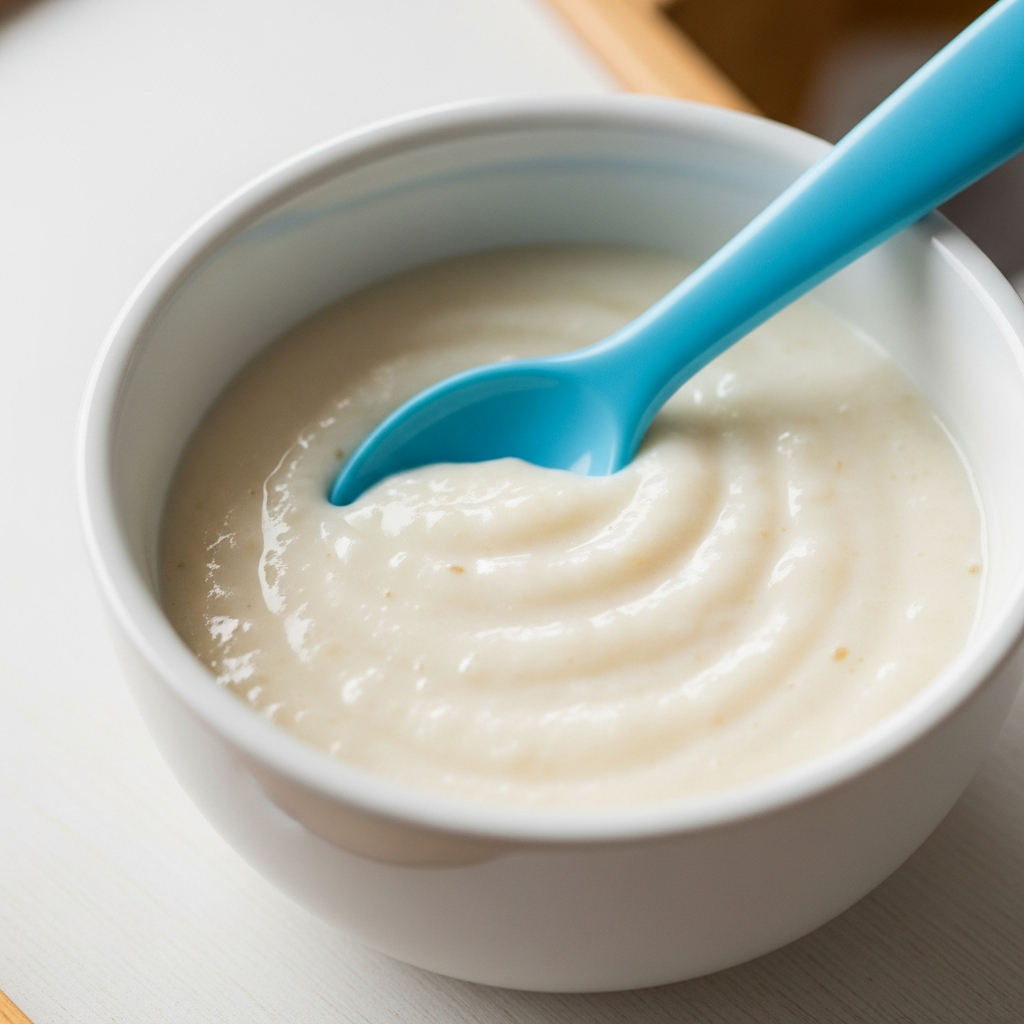
Rice cereal is a traditional first food for many infants, but it is also one of the most common causes of binding. Because white rice is highly processed and stripped of its natural fiber, it tends to absorb water in the intestines, leading to firmer stools. Many pediatricians now recommend alternating rice cereal with high-fiber options like oatmeal or barley cereal to maintain a healthy digestive flow and prevent the common issue of rice-induced constipation.
3. Unripe Bananas
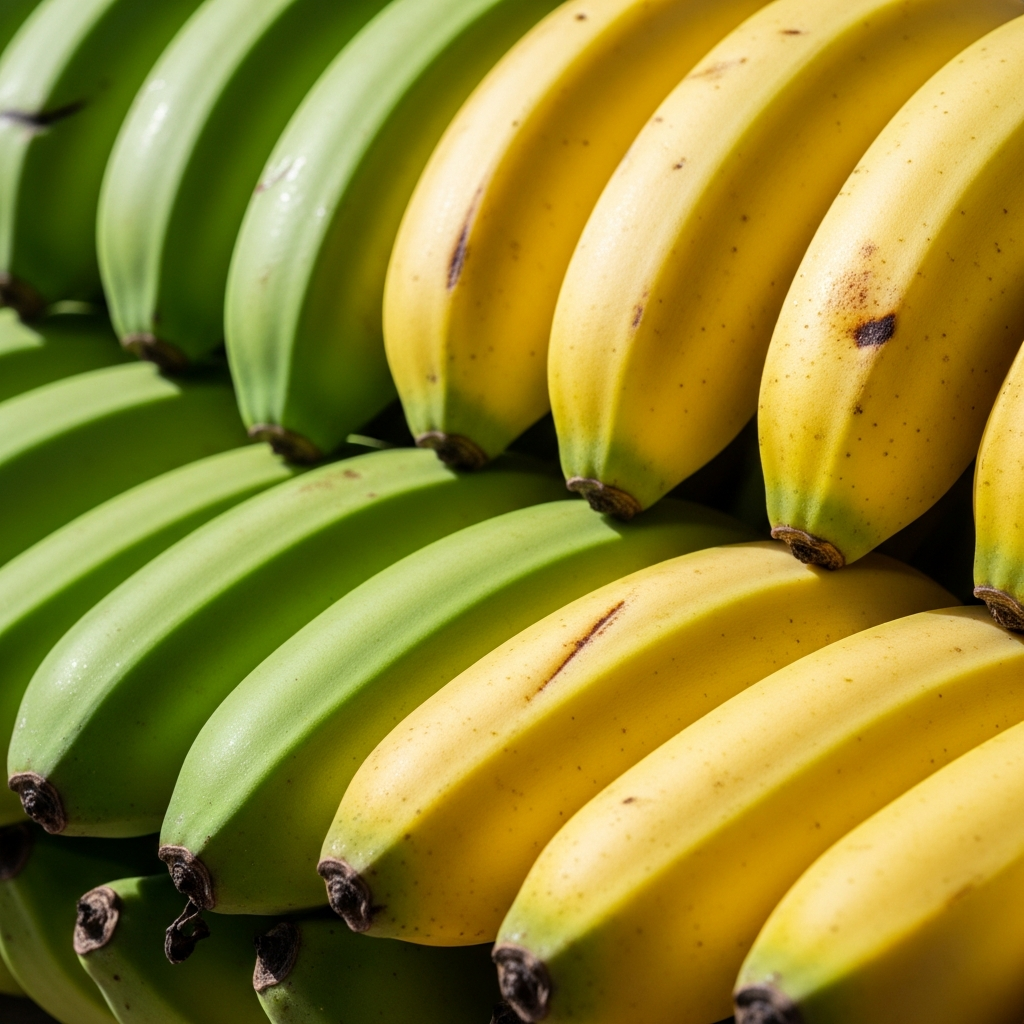
While ripe bananas can actually help with bowel movements due to their fiber content, unripe or green bananas have the opposite effect. Unripe bananas contain high levels of resistant starch that the body cannot easily digest. This starch slows down the movement of food through the intestines and can lead to significant blockage in babies. Always ensure that bananas are yellow with brown spots before offering them to your child to ensure they are easy to digest.
4. Cooked Carrots
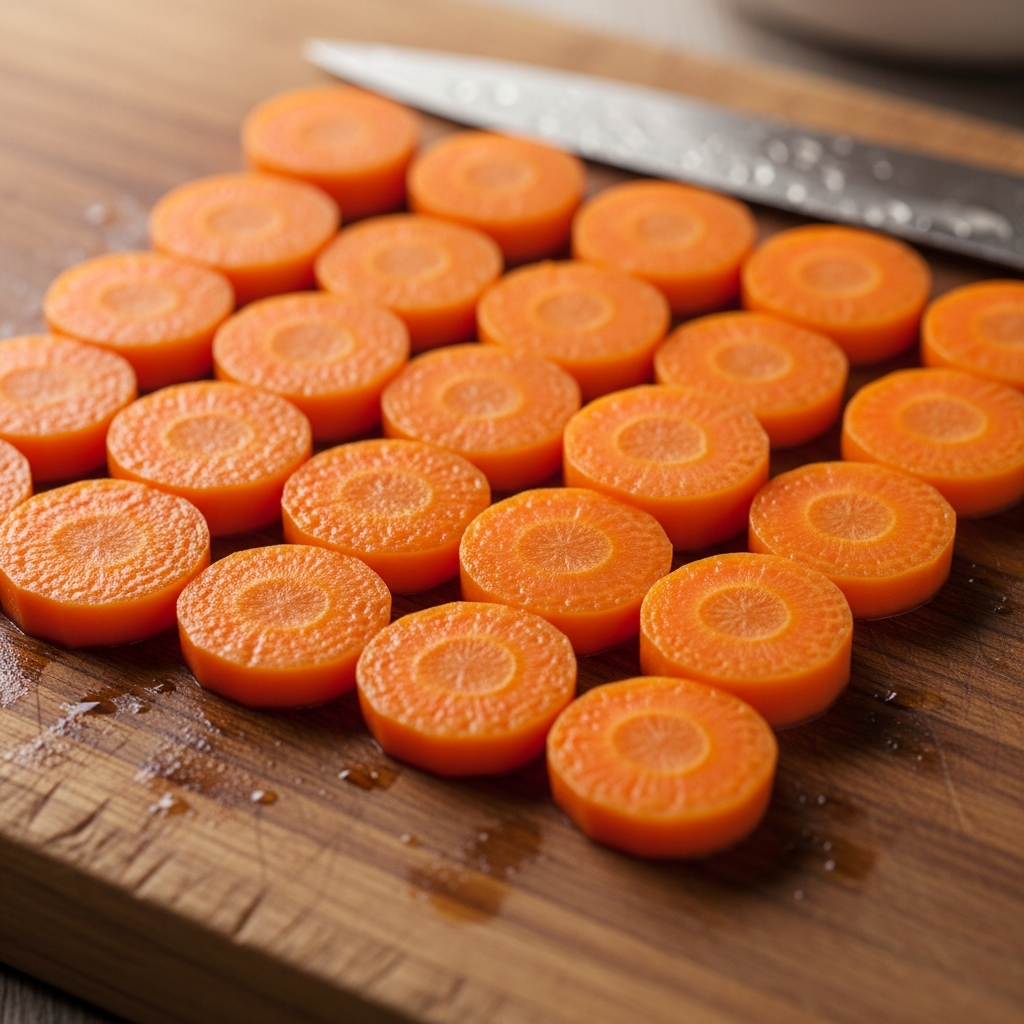
Carrots are a staple in many homemade baby purees, but they can be surprisingly binding when cooked. The steaming or boiling process changes the structure of the fiber in carrots, which can result in firmer stools for some infants. While they are a nutritional powerhouse rich in Vitamin A, it is best to serve them in moderation or alongside high-fiber fruits like pears or prunes if you notice your baby is struggling with regular bowel movements.
5. Low-Fiber Processed Grains
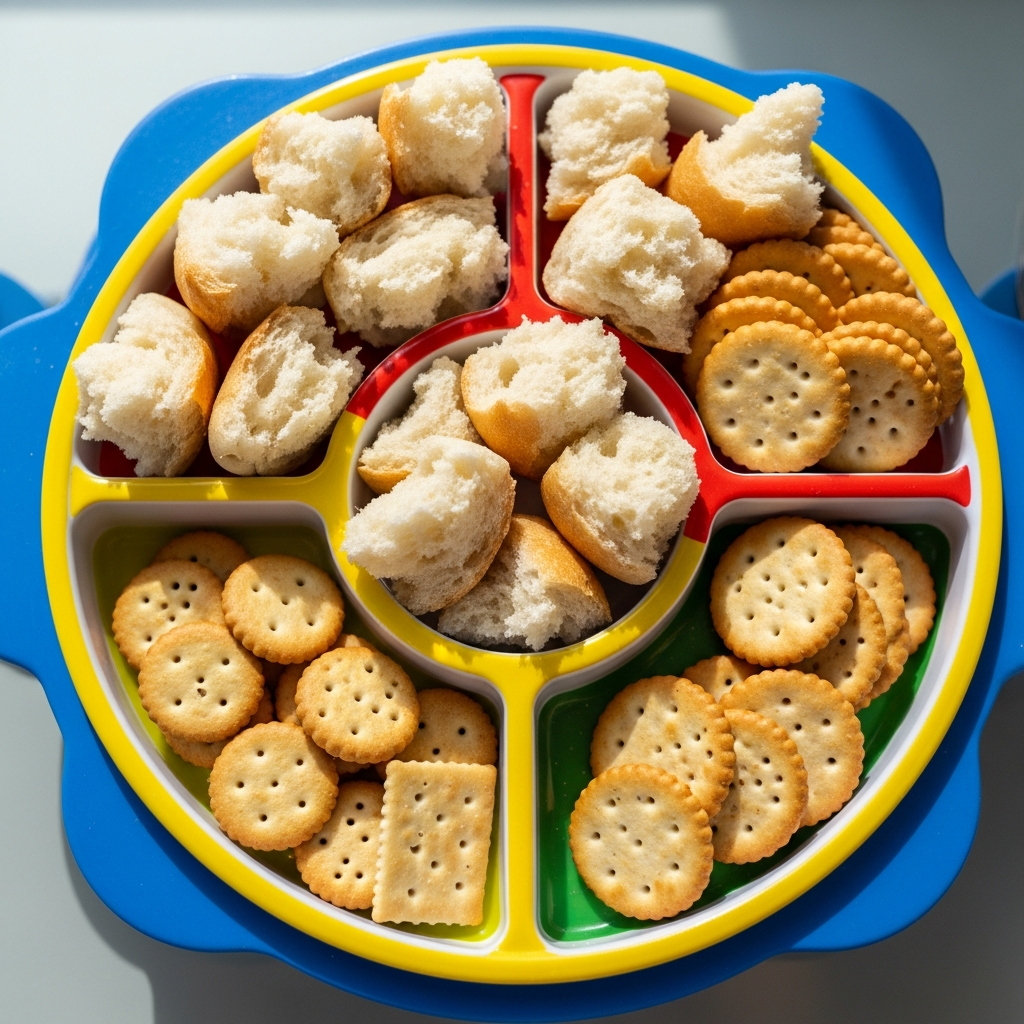
Foods made from refined white flour, such as white bread, pasta, or crackers, lack the essential roughage needed to keep the digestive system moving. These processed grains are quickly broken down into simple sugars, leaving very little bulk to move through the colon. For babies who are already eating finger foods, replacing white flour products with whole-grain alternatives can significantly improve stool consistency and frequency.
6. Large Quantities of Apple Sauce
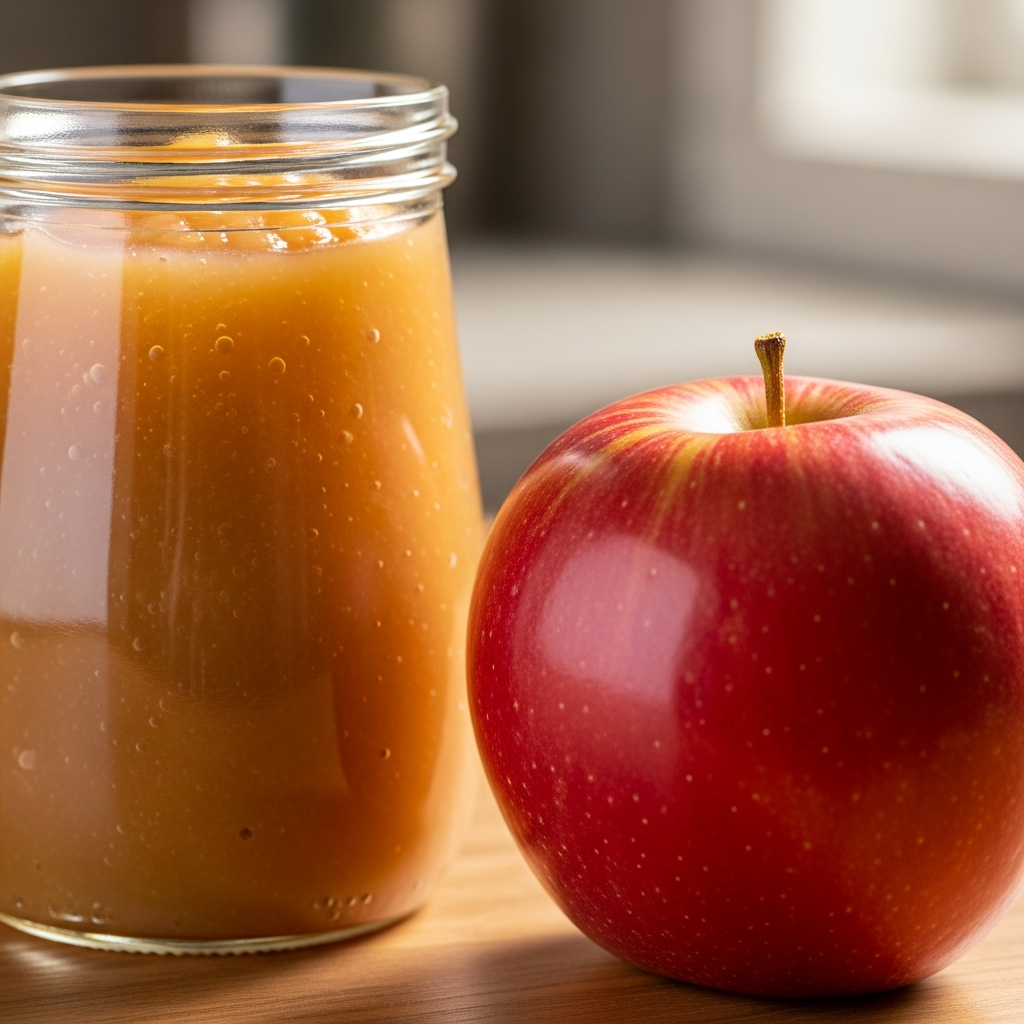
Although many parents turn to fruit when constipation strikes, apple sauce can be deceptive. While raw apples with the skin on are high in fiber, cooked and peeled apple sauce contains pectin, which can actually firm up the stool. This is why apple sauce is a component of the BRAT diet used to treat diarrhea. If your baby is already constipated, substituting apple sauce with pear puree or diluted prune juice is often a more effective strategy for relief.
Conclusion
Managing a baby’s diet requires a careful balance of nutrients to ensure both growth and digestive comfort. By being mindful of these six common binding foods, parents can better navigate the introduction of solids. If dietary adjustments do not resolve the constipation, or if the baby shows signs of distress, it is always recommended to consult with a pediatrician for personalized medical advice. A combination of hydration, fiber-rich foods, and physical activity will usually keep a baby’s digestive system on the right track.