Introduction: The Whispers and the Wonder

There’s a special kind of magic that comes with expecting a baby. From the moment you see that positive test, your mind starts racing with dreams, plans, and, of course, countless questions. One of the most common and fun questions that often pops up in conversations with friends, family, and even strangers, is about your baby’s gender. Will it be a boy or a girl?
For generations, people have tried to guess a baby’s gender using all sorts of old wives’ tales. You might have heard about the ring swing test, morning sickness severity, or even the shape of a pregnant belly. But perhaps one of the most persistent and talked-about myths revolves around the baby’s heart rate. Many believe that a fast fetal heart rate means a girl, while a slower one points to a boy. But is there any truth to this popular idea? Let’s dive into what science, and doctors, actually say.
Unpacking the Old Wives’ Tale: A Closer Look
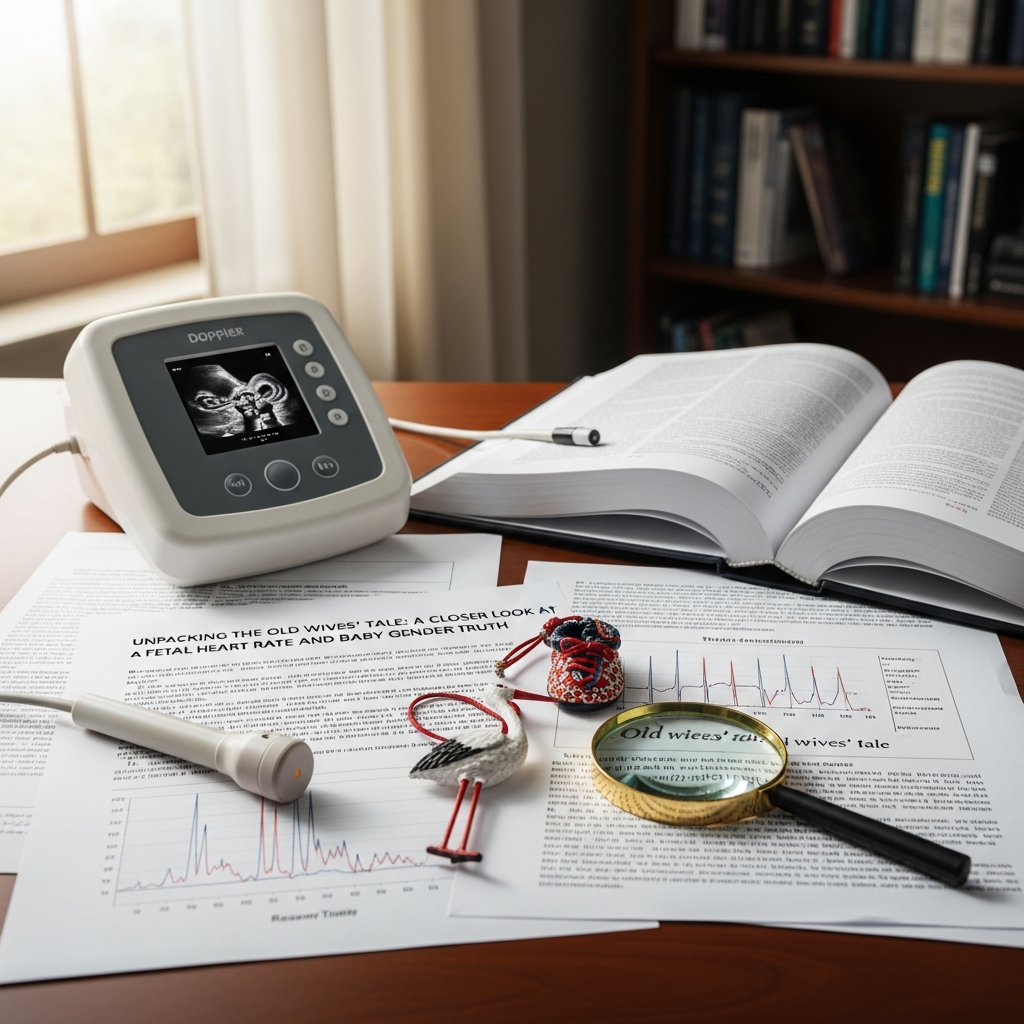
It’s natural to be curious about your baby’s gender. This curiosity often leads us to embrace these fun, old traditions. They add a playful element to the waiting game, making the journey to meet your little one even more exciting.
The Myth Explained
The belief is quite specific: if your baby’s heart beats at 140 beats per minute (bpm) or higher, you’re likely having a girl. If it’s below 140 bpm, then it’s a boy. This number, 140 bpm, often acts as the magic dividing line in many conversations among expectant parents and their loved ones. It’s a common topic in prenatal classes, online forums, and even during those first few prenatal check-ups.
Where Did This Myth Come From?
This particular myth, like many old wives’ tales, likely stemmed from observation long before modern medical technology existed. Without ultrasounds or genetic tests, people relied on patterns and correlations, however loose, to make predictions. Perhaps, over time, a few lucky guesses reinforced the idea, making it a beloved piece of pregnancy folklore that has been passed down through generations. It’s a testament to the human desire to understand and predict the unknown, especially something as significant as a new life.
What is Fetal Heart Rate (FHR), Really?
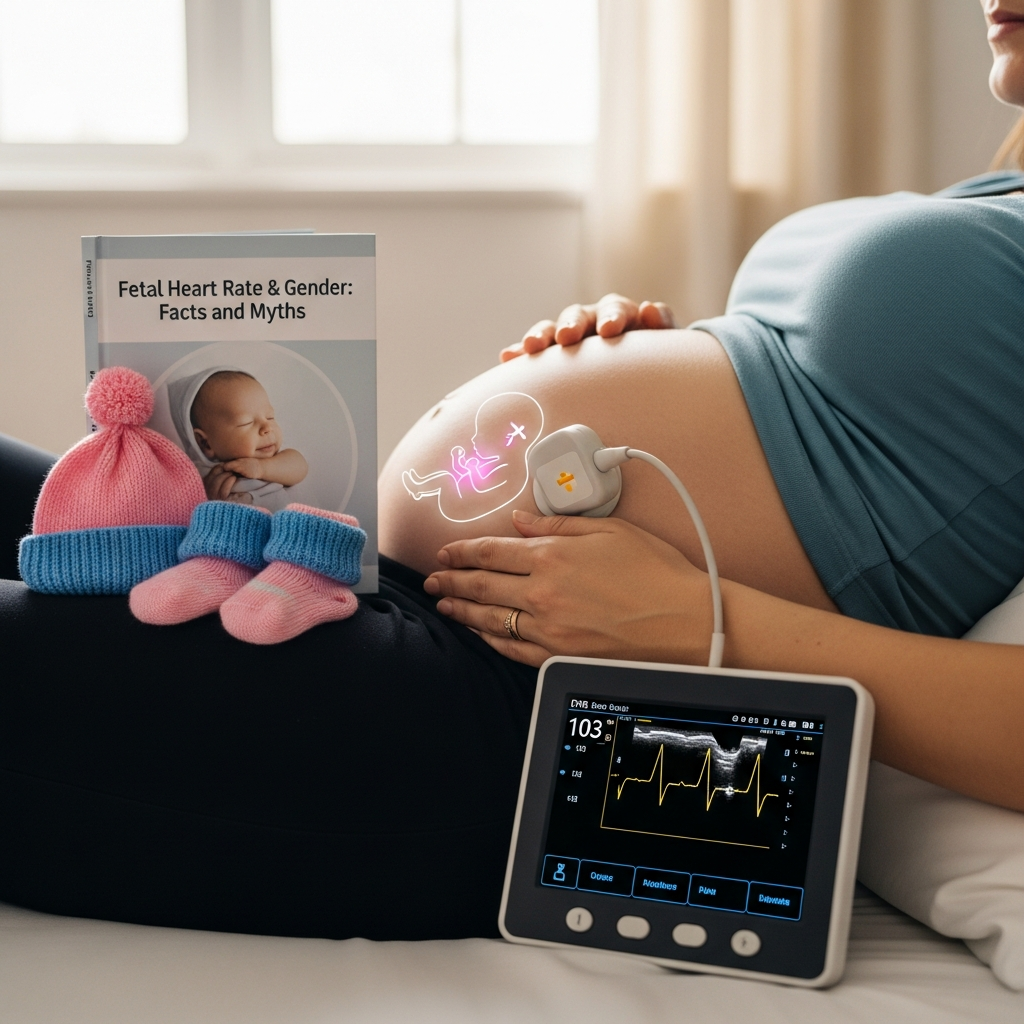
Before we talk about gender, it’s important to understand what fetal heart rate truly is and why it’s so important during pregnancy. It’s much more than just a number; it’s a vital sign of your baby’s health.
The Developing Heartbeat
Fetal heart rate is simply the speed at which your baby’s tiny heart is beating. This incredible process starts very early on. You can often hear or see your baby’s heartbeat as early as 6 weeks into pregnancy during an ultrasound scan. This is a truly magical moment for many parents, a first tangible sign of the life growing within. The heart rapidly develops and begins to pump blood, essential for your baby’s growth and development.
How is FHR Measured?
Doctors and midwives have a few ways to listen to and measure your baby’s heart rate during your prenatal appointments.
Using a Doppler Device
This is the most common method you’ll experience during routine check-ups. A small, handheld ultrasound device is placed on your belly. It uses sound waves to detect your baby’s heartbeat and converts it into an audible sound, often a fast “whoosh-whoosh” or “galloping” sound.
During Ultrasound Scans
During your regular ultrasound scans, the sonographer will not only look at your baby’s development but also measure the heart rate. This provides a visual confirmation of the heart’s activity.
Continuous Monitoring in Later Pregnancy
In later stages of pregnancy, especially during labor, continuous fetal monitoring might be used. This involves straps placed around your belly that track your baby’s heart rate over time, giving healthcare providers a detailed picture of their well-being.
What’s Considered a Normal FHR?
It’s important to know that a baby’s heart rate isn’t a fixed number. It changes quite a bit, especially as they grow. Generally, a normal fetal heart rate is between 110 and 160 beats per minute (bpm). However, this can fluctuate.
FHR in Early Pregnancy
In the very early weeks, when the heart is just starting to form, the rate can be a bit lower. It then rapidly increases. For example, at around 6 weeks, it might be closer to 90-110 bpm, but by 9-10 weeks, it often peaks, reaching around 170-180 bpm. This rapid increase is a normal and healthy part of development.
FHR in Later Pregnancy
As your pregnancy progresses into the second and third trimesters, the heart rate usually stabilizes. It typically settles into that 110-160 bpm range. Just like an adult’s heart rate, a baby’s heart rate can also speed up or slow down slightly depending on what they are doing inside the womb.
Debunking the Gender Myth: What Science Says

The question remains: does any of this relate to whether you’re having a boy or a girl? When we turn to scientific research, the answer becomes clear.
The Research Speaks
Many studies have been conducted to investigate the link between fetal heart rate and baby gender. These studies look at large groups of pregnant people and carefully record their baby’s heart rates, then compare them to the actual gender determined later. The overwhelming conclusion from these scientific investigations is that there is no consistent, reliable difference in heart rates between baby boys and baby girls.
Essentially, a baby with a heart rate of 150 bpm is just as likely to be a boy as a girl. The same goes for a baby with a heart rate of 130 bpm. The variations you see in fetal heart rate are not due to gender but to many other factors related to the baby’s development and environment.
Why the Myth Persists
So, if science debunks it, why does this myth still pop up so often?
* Confirmation Bias: People tend to remember instances that support their beliefs and forget those that don’t. If someone guesses “girl” because of a high heart rate, and it turns out to be a girl, they’ll remember that ‘success’.
* Fun and Hope: It’s a fun, harmless game during pregnancy. It provides a simple way for people to engage with the excitement of an upcoming baby and share their hopes or predictions.
* Lack of Awareness: Not everyone is aware of the scientific findings, so the myth continues to be passed down through conversations.
Factors That Actually Influence Fetal Heart Rate

If gender doesn’t influence your baby’s heart rate, then what does? It’s a complex interplay of several factors, all related to your baby’s growth and immediate environment.
Not Gender, But Other Things!
Understanding these influences can help you appreciate the amazing development happening inside you.
Gestational Age and FHR
As mentioned earlier, the most significant factor influencing FHR is how far along you are in your pregnancy.
* Early Increase: In the very early weeks (around 6-9 weeks), the heart rate quickly increases as the heart develops.
* Later Stabilization: After this initial surge, it usually settles into a more consistent range for the rest of the pregnancy.
Fetal Activity and FHR
Just like an adult’s heart rate speeds up when they exercise or are active, your baby’s heart rate will also change with their movements.
* Wiggling and Kicking: When your baby is active, moving around, kicking, or even just stretching, their heart rate will naturally increase.
* Sleeping: When your baby is resting or sleeping quietly, their heart rate will tend to be a bit lower. This variability is a sign of a healthy, responsive nervous system.
Maternal Health and FHR
Your health as the expectant parent can also play a role in your baby’s heart rate.
* Stress or Anxiety: High stress levels in the mother can sometimes subtly affect the baby’s heart rate.
* Caffeine or Medications: Certain medications or stimulants like caffeine that you consume can cross the placenta and temporarily influence your baby’s heart rate.
* Underlying Health Conditions: If you have certain health conditions, like a fever or thyroid issues, these can sometimes impact your baby’s heart rate.
Other Minor Factors
The time of day, your baby’s position, and even the temperature around your belly can cause minor fluctuations in heart rate. These are usually temporary and not a cause for concern.
How Baby’s Gender is Truly Determined

If fetal heart rate isn’t the key, then what truly determines if you’re having a boy or a girl? The answer lies in genetics, established right at the moment of conception.
The Chromosome Story
Gender is determined by chromosomes.
* XX for a Girl: If the egg is fertilized by a sperm carrying an X chromosome, the baby will have two X chromosomes (XX) and will be a girl.
* XY for a Boy: If the egg is fertilized by a sperm carrying a Y chromosome, the baby will have an X and a Y chromosome (XY) and will be a boy.
It’s the sperm, from the father, that carries either an X or a Y chromosome, making it the determinant of gender. This happens at the very beginning, long before a heartbeat is even detectable.
Reliable Gender Prediction Methods
While old wives’ tales are fun, there are several accurate medical ways to determine your baby’s gender, if you choose to find out.
Anatomy Scan (Mid-Pregnancy Ultrasound)
This is the most common and beloved method for many parents. Usually performed around 18-22 weeks of pregnancy, this detailed ultrasound allows the sonographer to check your baby’s development and, if the baby is in a cooperative position, visually confirm the gender by looking at the external genitalia.
Non-Invasive Prenatal Testing (NIPT)
This is a blood test, usually done after 10 weeks of pregnancy. It’s primarily used to screen for certain chromosomal conditions, but it can also detect the presence of Y chromosomes in your blood (which come from the baby). If a Y chromosome is found, it’s a boy; if not, it’s a girl. This test is highly accurate for gender determination.
Chorionic Villus Sampling (CVS) and Amniocentesis
These are more invasive diagnostic tests, typically performed to check for genetic conditions or chromosomal abnormalities. They analyze cells from the placenta (CVS) or amniotic fluid (amniocentesis) and can definitively determine the baby’s gender. However, these tests carry small risks and are not performed solely for gender prediction.
Why Fetal Heart Rate Monitoring Matters (Beyond Gender)

While fetal heart rate doesn’t tell you if you need blue or pink booties, it’s an incredibly important tool for your healthcare provider. Its primary purpose is to assess your baby’s health and well-being.
A Window into Baby’s Well-being
Every time your doctor or midwife listens to your baby’s heartbeat, they aren’t looking for gender clues. Instead, they are listening for signs that your baby is growing well and is healthy. A consistent, strong heartbeat with appropriate variations is a reassuring sign of healthy development.
What Your Doctor Looks For
During your prenatal appointments, your healthcare provider considers several aspects of the fetal heart rate:
* Steady Rate: Is the heart beating within the normal range for your baby’s gestational age?
* Variability: Does the heart rate fluctuate naturally? Good variability means your baby’s nervous system is developing properly.
* Reactions to Activity: Does the heart rate increase when your baby moves? This shows that their heart is responding well to activity.
If there are any unusual patterns or concerns, your doctor will discuss them with you and might recommend further tests. This is a normal part of prenatal care, ensuring that both you and your baby are doing well.
Embracing the Journey: Boy or Girl, Love Prevails

The anticipation of meeting your baby, whether you know their gender or choose to be surprised, is one of the most exciting parts of pregnancy. It’s a journey filled with love, wonder, and countless preparations.
Focus on Health and Happiness
Remember that the most important thing is a healthy pregnancy and a healthy baby. The joy of welcoming a new life into your family transcends gender. Every baby is a unique miracle, bringing their own special spark into the world. Focus on nourishing your body, preparing your home, and bonding with your little one.
The Joy of Surprise (or Knowing!)
Whether you decide to find out your baby’s gender early on or prefer the ultimate surprise at birth, both choices are wonderful and personal. Knowing can help with nursery planning and name choices, while waiting can add an extra layer of excitement to your delivery day. Regardless of your choice, the love you have for your baby is what truly matters.
Conclusion: The Heart of the Matter

The popular notion that fetal heart rate can predict your baby’s gender is a charming old wives’ tale, but it’s just that—a tale. Scientific evidence consistently shows no reliable link between your baby’s heartbeat and whether they will be a boy or a girl. Fetal heart rate is a dynamic vital sign, influenced by your baby’s age, activity, and your own health, not their gender.
The true value of fetal heart rate monitoring lies in its ability to provide crucial insights into your baby’s well-being throughout your pregnancy. So, the next time you hear your baby’s strong, rhythmic heartbeat, rest assured it’s a beautiful sound confirming their healthy development, full of life, and entirely independent of whether you’ll be buying blue or pink. Embrace the journey, cherish every moment, and get ready to fall head over heels in love with your little one, no matter their gender.