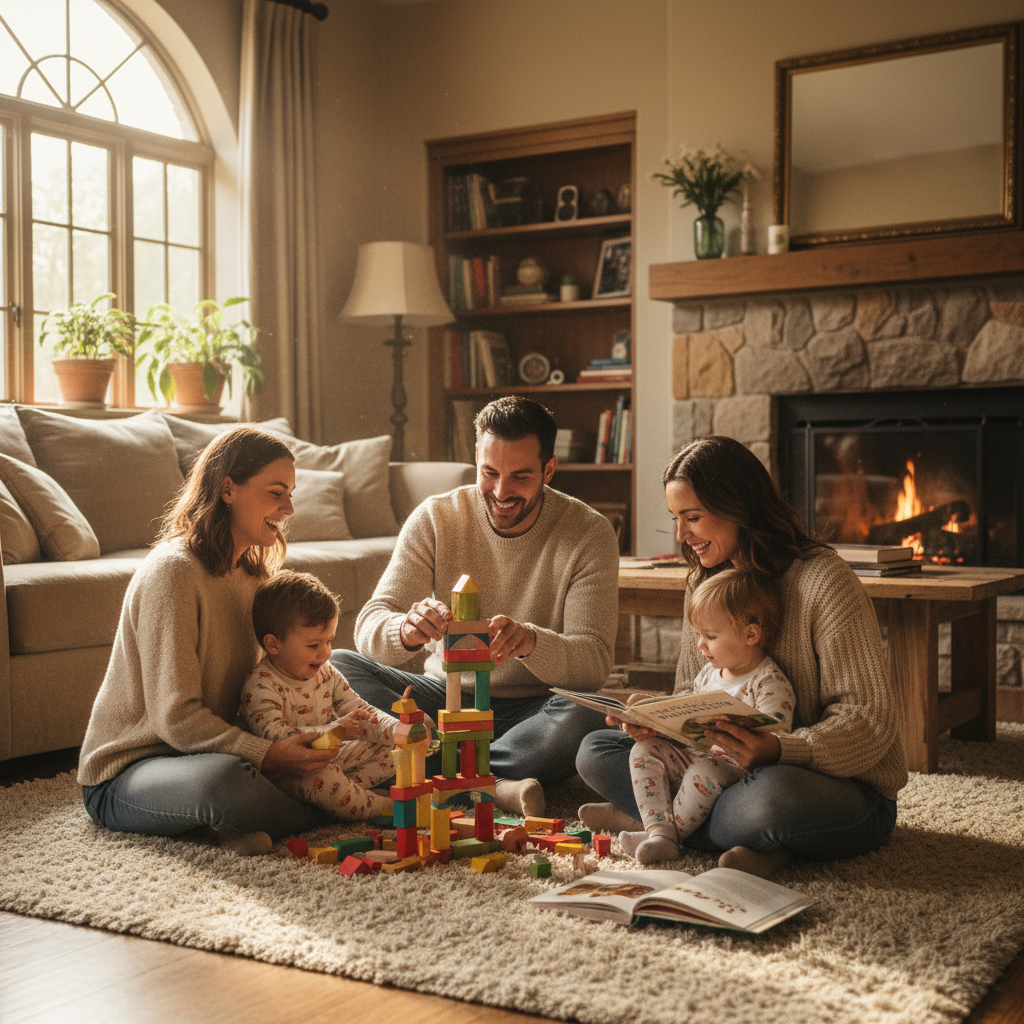
The 5 Most Important Pillars of Education You Can Build at Home
As parents, we often think of ‘education’ primarily in terms of school, textbooks, and academic achievements. While formal schooling is undeniably crucial, the truth is that the most profound and lasting education often begins and is continually reinforced right within the walls of our homes. Our role as parents extends far beyond homework help; we are the primary architects of foundational learning that shapes character, resilience, and a lifelong love for discovery.
Building a strong educational foundation at home isn’t about replicating a classroom or adding more pressure. Instead, it’s about intentionally weaving key principles into the fabric of daily family life, creating an environment where children naturally thrive, question, and grow. These five pillars are not just ‘nice-to-haves’; they are essential building blocks for raising well-rounded, capable, and compassionate individuals ready to navigate the complexities of the world.
Pillar 1 – Fostering Curiosity and a Love for Learning

One of the greatest gifts we can give our children is an insatiable curiosity and an enduring love for learning. This pillar isn’t about memorizing facts; it’s about igniting a spark that makes them want to understand how the world works. It’s about encouraging questions, even the silly or seemingly endless ones, and exploring answers together.
How to Nurture Curiosity at Home
- Ask open-ended questions Encourage ‘why’ and ‘how’ questions. Instead of just answering, turn it into a shared investigation.
- Explore interests Provide opportunities for children to dive deep into topics that fascinate them, whether it’s dinosaurs, space, or how a toaster works.
- Read together daily Books open up new worlds, ideas, and vocabulary. Make reading a cherished family ritual.
- Embrace everyday learning Point out shapes in the grocery store, discuss plant growth in the garden, or explain how a recipe works. Learning is everywhere.
Pillar 2 – Nurturing Critical Thinking and Problem-Solving Skills
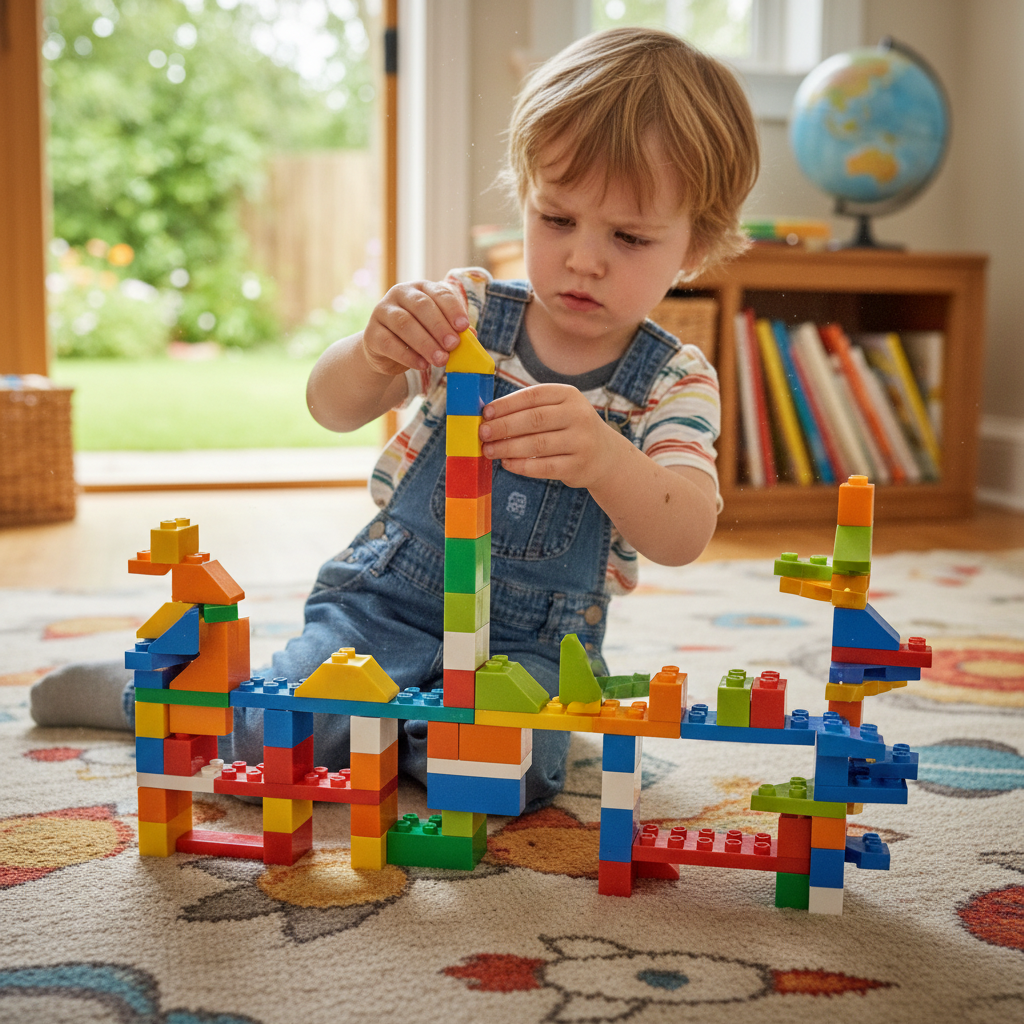
In a world overflowing with information, the ability to think critically and solve problems is more valuable than ever. This pillar teaches children to analyze situations, evaluate information, and devise creative solutions, rather than simply accepting things at face value. It empowers them to become independent thinkers.
Developing Strong Thinkers
- Encourage ‘what if’ scenarios Play games where you brainstorm solutions to hypothetical problems or challenges.
- Let them struggle (a little) When faced with a puzzle or a tricky task, resist the urge to jump in immediately. Offer guidance, but let them work through the frustration and find their own way.
- Discuss dilemmas Talk about real-life situations, like why a friend might be upset or how to fairly share toys, and explore different perspectives and potential outcomes.
- Involve them in family decisions Ask for their input on simple choices, like meal planning or weekend activities, explaining the pros and cons of different options.
Pillar 3 – Cultivating Emotional Intelligence and Empathy

Education isn’t just about the mind; it’s profoundly about the heart. Emotional intelligence—understanding and managing one’s own emotions, and recognizing and influencing the emotions of others—is a cornerstone of healthy relationships and personal well-being. Empathy allows children to connect deeply with others.
Building Emotional Foundations
- Name feelings Help children identify and articulate their emotions by giving them words for what they’re experiencing (e.g., ‘You seem frustrated’).
- Model empathy Show compassion for others in your own actions and words. Discuss how characters in books or movies might be feeling.
- Teach conflict resolution Guide them through disagreements with siblings or friends, focusing on understanding each other’s perspectives and finding fair compromises.
- Practice active listening When your child speaks, give them your full attention. This teaches them their feelings matter and models respectful communication.
Pillar 4 – Building Resilience and a Growth Mindset
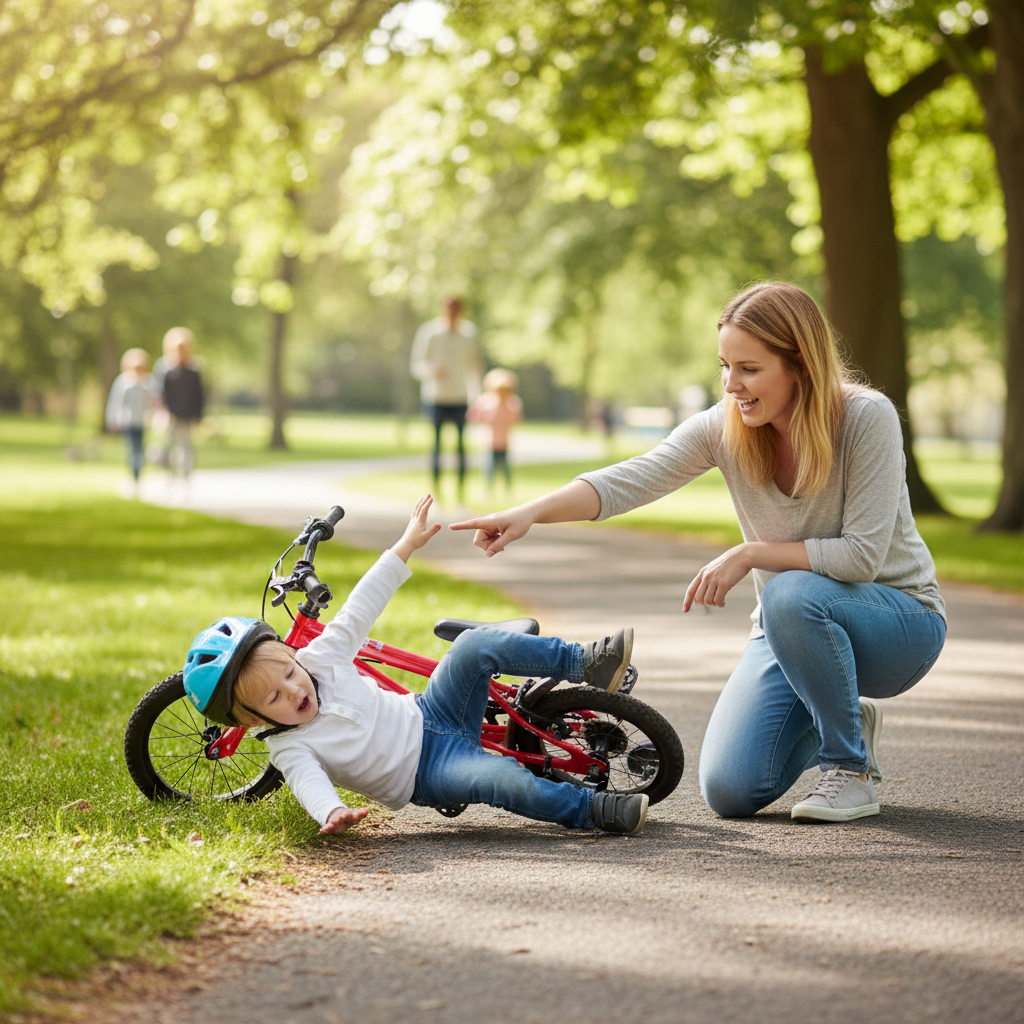
Life is full of challenges, and teaching children to bounce back from setbacks is a vital life skill. This pillar focuses on developing resilience—the ability to adapt and recover from difficulty—and fostering a growth mindset, which teaches that abilities can be developed through dedication and hard work.
Strengthening Inner Fortitude
- Celebrate effort, not just outcomes Praise their persistence and hard work, regardless of whether they ‘succeeded’ in the traditional sense.
- Frame mistakes as learning opportunities Help them see that errors are chances to learn and improve, not failures.
- Encourage challenges Support them in trying new things, even if they’re difficult or they might not be perfect at them immediately.
- Share your own struggles Talk about times you’ve faced challenges and how you overcame them. This normalizes struggle and models coping strategies.
Pillar 5 – Instilling Responsibility and Practical Life Skills
True education prepares children for independent living. This pillar emphasizes the importance of responsibility—understanding their role in the family and wider community—and equipping them with practical life skills that will serve them well throughout their lives. These skills build confidence and self-sufficiency.
Empowering Through Practicality
- Age-appropriate chores Involve children in household tasks from a young age, teaching them that contributing is a normal part of family life.
- Financial literacy basics Teach about saving, spending, and giving with an allowance or by involving them in simple budgeting discussions.
- Self-care routines Guide them in managing their own hygiene, organizing their belongings, and making healthy choices.
- Community involvement Encourage participation in community service or simply caring for neighbors, fostering a sense of civic responsibility.
Conclusion
The education we provide at home forms the very bedrock of who our children become. By intentionally focusing on these five pillars—curiosity, critical thinking, emotional intelligence, resilience, and responsibility—we equip them with far more than just academic knowledge. We give them the tools to navigate life with confidence, empathy, and a lifelong desire to learn and contribute.
Remember, building these pillars is a journey, not a destination. It’s about consistent, loving effort in the everyday moments. Embrace the role of your child’s first and most influential teacher, and watch as they flourish into remarkable individuals. What small step can you take today to strengthen one of these pillars in your home?