As parents, we’re often bombarded with advice and expectations. One area that can feel particularly daunting is early literacy. You might picture strict lessons, flashcards, or hours spent drilling ABCs, feeling overwhelmed before you even begin. But what if we told you it’s much simpler, more natural, and more joyful than you imagine?
The truth is, building a foundation for reading and writing doesn’t require a special degree or expensive tools. It happens naturally through the everyday moments you already share with your child. It’s about connection, conversation, and making learning a delightful part of your family life.
This article aims to ease your worries and show you how easily you can nurture your child’s literacy skills, often without even realizing you’re doing it. It’s about small, consistent efforts that add up to big impacts, making the journey enjoyable for both of you.
What Exactly Is “Early Literacy” Anyway?
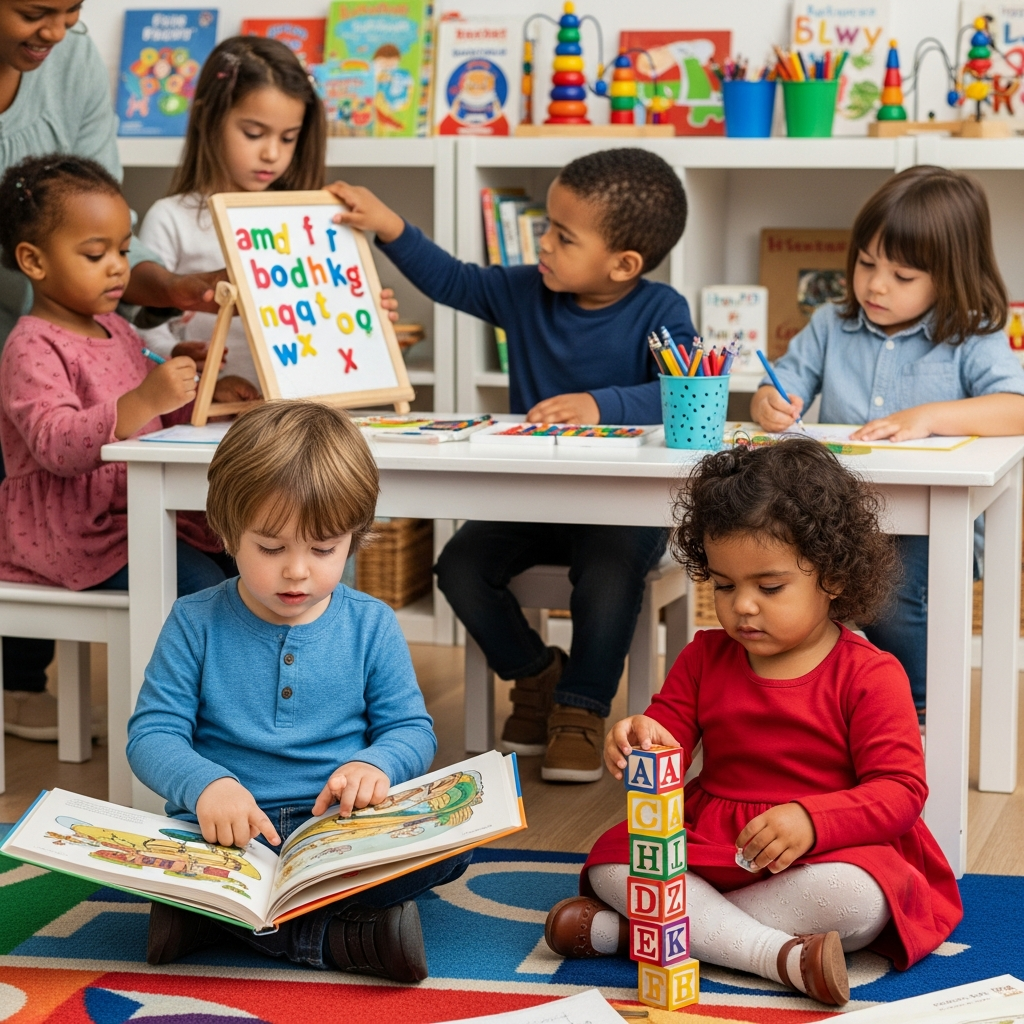
When we talk about early literacy, many parents immediately think of teaching their child to read before kindergarten. While reading is the goal, early literacy is a much broader concept. It’s about building a strong foundation of skills that make learning to read and write easier later on.
It’s less about formal instruction and more about exposure and experience. Think of it as laying the groundwork for a lifelong love of words and stories.
More Than Just Reading Books
Early literacy encompasses several key skills, all working together. You’re probably already fostering many of these without realizing it.
* Print Awareness: Understanding that print carries meaning, knowing how to hold a book, and recognizing letters.
* Letter Knowledge: Being able to identify letters by name and recognize their shapes.
* Narrative Skills: The ability to describe things and events, and tell stories in a logical order.
* Vocabulary: Knowing the names of many objects, feelings, and ideas.
* Phonological Awareness: The ability to hear and play with the individual sounds in spoken words.
* Listening Skills: Being able to pay attention and understand what is being said.
It Starts from Day One
The incredible thing about early literacy is that it begins at birth. From the moment you speak to your newborn, you’re building their vocabulary and listening skills. When you cuddle and read a board book, even if they’re just gumming it, you’re introducing them to the world of print.
These early interactions are not just sweet moments; they are powerful learning experiences. Your voice, your touch, and your presence are the best teaching tools your child will ever have.
Dispelling Common Myths About Early Literacy

It’s easy to feel pressure from well-meaning friends, social media, or even our own internal expectations. Let’s clear up some common misunderstandings about early literacy that might be making you feel overwhelmed.
Myth 1: You Need Special Teaching Tools
Many parents feel they need specific apps, expensive learning programs, or fancy flashcards. This simply isn’t true. The most effective tools are already in your home: books, your voice, and everyday objects.
Everyday conversations, shared story times, and pointing out words in the environment are far more powerful than any purchased gadget.
Myth 2: It Means Pushing Kids Too Soon
The goal is not to force a child to read before they are ready. Pushing a child too hard can actually lead to frustration and a dislike for reading. Early literacy is about gentle exposure and fostering curiosity at their own pace.
It’s about creating a positive environment where learning feels natural and fun, not like a chore. The readiness for formal reading varies greatly from child to child.
Myth 3: Only “Academic” Parents Can Do It
You don’t need to be a teacher or have a college degree to support your child’s literacy development. You are your child’s first and most important teacher. Your love, attention, and willingness to engage are what truly matter.
Every parent, regardless of their own educational background, can create a rich literacy environment for their child.
Myth 4: It’s All About Flashcards and Worksheets
While some structured activities have their place, relying solely on flashcards or worksheets can make learning feel dry and unengaging for young children. Children learn best through play, interaction, and real-world experiences.
Instead of drills, think about games, songs, stories, and conversations. These are the most natural and effective ways for young minds to absorb new information.
The Simple Truth: Everyday Moments Are Learning Moments

The beauty of early literacy is that it fits seamlessly into your daily life. You don’t need to carve out extra time or create elaborate lesson plans. Many of the things you already do with your child are building blocks for literacy.
Think about how you naturally interact with your little one. These interactions are where the magic happens.
Talking, Talking, Talking
One of the most powerful things you can do is simply talk to your child. From birth, narrate your day, describe what you see, and respond to their babbling.
* Narrate your day: “Now we’re going to put on your socks. This one is blue!” or “Mommy is chopping carrots for dinner.”
* Ask open-ended questions: Instead of “Did you have fun?”, try “What was your favorite part of playing at the park today?” This encourages them to use more descriptive language.
* Respond with interest: When your child speaks, even in babble, make eye contact and respond. This shows them their words have value and encourages them to communicate more.
Reading Aloud: Your Most Powerful Tool
Reading books together is perhaps the single most important activity for early literacy. It’s a wonderful way to bond and expose your child to new words, concepts, and the joy of stories.
Make it a daily ritual
Even five to ten minutes a day makes a huge difference. Choose a consistent time, like before nap or bedtime, to create a comforting routine.
Choose engaging books
Let your child pick books they love, even if it’s the same one every night. Repetition helps them learn and anticipate words. Look for bright colors, textures, and simple stories for babies and toddlers.
Talk about the pictures
Don’t just read the words. Point to objects, ask “What do you see here?”, or “What do you think will happen next?” This builds comprehension and narrative skills.
Let them choose
Giving your child agency over book selection makes reading feel like their special time, not a chore. Their interest is the best guide.
Sing Songs and Recite Rhymes
Songs and nursery rhymes are incredibly effective for early literacy. They’re fun, memorable, and teach children about the sounds of language.
* Builds phonological awareness: The rhythm and rhyme help children hear individual sounds and word patterns, a key skill for decoding words later on.
* Enhances memory: Repetitive songs and rhymes help children remember words and sequences.
* Expands vocabulary: Many songs introduce new words in a playful context.
Pointing Out Print in the World
Words are everywhere, not just in books. Make it a game to spot them in your environment.
* Road signs, grocery labels, cereal boxes: Point to the word “STOP” on a sign or the name of their favorite cereal.
* Letters on blocks, magnets: Play with alphabet blocks or refrigerator magnets, naming the letters as you go.
* Restaurant menus: Even if they can’t read, looking at a menu together introduces them to print.
Encouraging Scribbles and Drawing
Early writing skills begin long before forming letters. Giving your child opportunities to scribble and draw helps them develop fine motor skills and understand that marks on paper can convey meaning.
* Pre-writing skills: Holding a crayon and making marks builds hand strength and coordination needed for writing.
* Expression: Drawing allows children to tell stories and express ideas visually, which is a precursor to written communication.
* Provide materials: Keep paper, crayons, and markers easily accessible. Don’t worry about neatness; focus on the act of creation.
Making Literacy a Joyful Part of Your Day (Practical Tips)
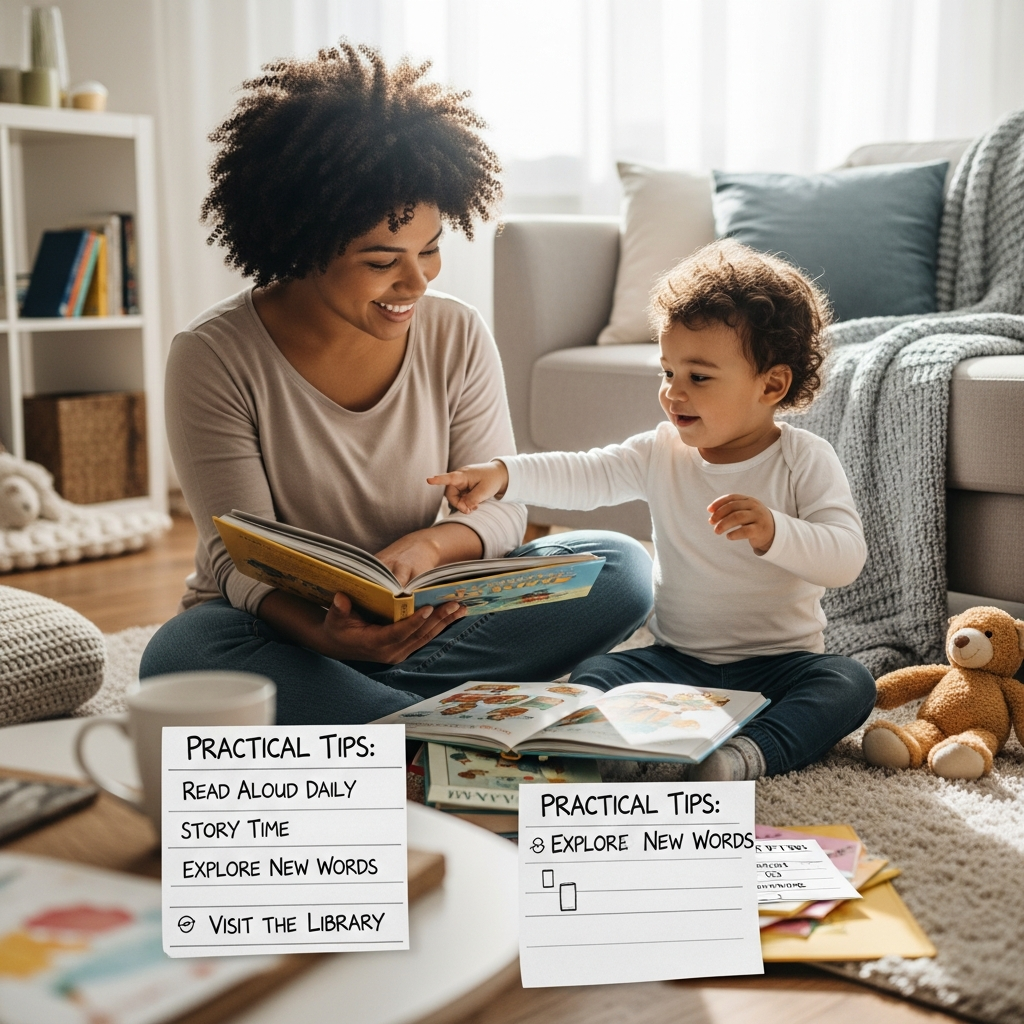
Here are some actionable tips to weave literacy into your family’s routine, keeping it light and fun.
Create a “Reading Nook”
Designate a cozy spot in your home with soft pillows, good lighting, and a basket of books. This inviting space makes reading feel special and relaxing. It doesn’t need to be fancy, just comfortable and accessible.
Visit the Library Often
Your local library is a treasure trove! It’s free, offers a vast selection of books for all ages, and often hosts story times and other child-friendly events. Making library visits a regular outing normalizes and celebrates reading.
Turn Chores into Learning
Incorporate literacy into everyday tasks.
* Reading recipes: If your child is old enough, have them help “read” a simple recipe with you. Point out numbers and ingredient names.
* Making lists: Ask them to help you make a grocery list, drawing pictures for items or sounding out words.
Play Word Games
Simple games can be powerful learning tools.
* “I Spy” with colors or initial sounds: “I spy with my little eye something that starts with /b/…”
* Rhyming games: “What rhymes with cat?” or singing songs with rhyming words.
Be a Reading Role Model
Let your child see you reading for pleasure. Whether it’s a newspaper, a novel, or a magazine, your example shows them that reading is a valued and enjoyable activity for adults too. Children learn by imitation.
Age-Specific Ideas for Building Literacy (Flexible Guide)

Remember, these are general guidelines. Every child develops at their own pace, so follow your child’s lead and interests.
Babies (0-12 months)
Focus on sensory experiences and sound.
* Cuddles and board books: Choose sturdy board books with bright colors and simple images. Let them mouth and explore the book.
* Singing, talking: Sing lullabies, talk about what you’re doing, and respond to their coos and babbles.
* Responding to babbling: Mimic their sounds and engage in “conversations.” This teaches them about turn-taking in communication.
Toddlers (1-3 years)
Introduce more interactive elements and words.
* Repetitive stories: Toddlers love predictability. Read books with repetitive phrases and allow them to “fill in the blanks.”
* Naming objects in books: Point to pictures and name the objects. Ask, “Where’s the dog?”
* Encouraging simple conversations: Ask them about their day, what they like, or what they’re playing.
* Scribbling with crayons: Provide chunky crayons and large paper for them to make their first marks.
Preschoolers (3-5 years)
Build on their growing awareness of letters and sounds.
* Letter recognition: Introduce letter names and sounds through games, songs, and alphabet books.
* Story sequencing: After reading a story, ask “What happened first? What happened next?” or have them retell it in their own words.
* Writing their name: Encourage them to trace or attempt to write their own name.
* Pretending to read: Let them “read” a book to you, using the pictures to tell the story. This shows they understand the concept of a story.
The Long-Term Benefits of Early Literacy (Beyond Reading)

Nurturing early literacy does much more than just prepare your child for school. It lays a foundation for many aspects of their development and well-being.
* Stronger parent-child bond: Shared reading and conversations create special, loving moments that strengthen your relationship.
* Better school readiness: Children with strong early literacy skills tend to transition more smoothly into kindergarten and perform better academically.
* Enhanced communication skills: A rich language environment helps children express themselves clearly and understand others better.
* Increased curiosity and imagination: Stories open up new worlds and ideas, sparking a child’s natural curiosity and creative thinking.
* Lifelong love of learning: When learning is associated with joy and connection from an early age, it fosters a positive attitude towards education that can last a lifetime.
Conclusion
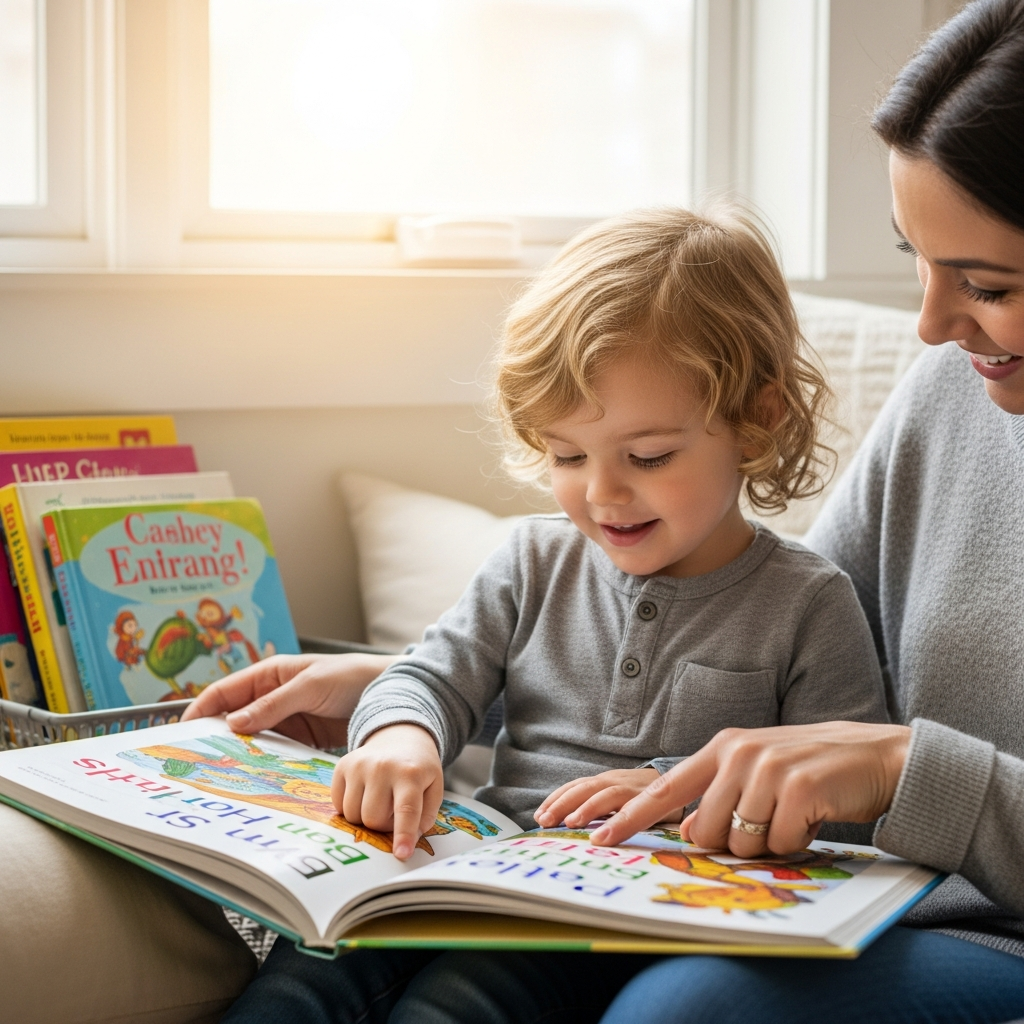
Early literacy doesn’t have to be a source of stress or an item to check off a to-do list. It’s a natural, organic process that unfolds through your everyday interactions with your child. It’s about talking, singing, playing, and sharing stories in a loving and supportive environment.
Let go of the pressure to be perfect or to “teach” in a formal way. Instead, embrace the simple, joyful moments. Cuddle up with a book, sing a silly song, point out letters on a street sign – these small acts are profoundly powerful. You are already giving your child the greatest gift: the gift of language and story, paving the way for a future filled with imagination and learning.