Having two little ones can feel like navigating a joyful, yet sometimes chaotic, adventure. From quick trips to the store to leisurely strolls in the park, getting both children from point A to point B often requires a trusty companion: the double stroller. It’s more than just a piece of gear; it’s your key to freedom, convenience, and keeping everyone safe and happy.
Choosing the right double stroller, however, can feel like a big decision. With so many options out there, how do you find the one that perfectly fits your family’s unique needs and lifestyle? Don’t worry, we’re here to help. This guide will walk you through everything you need to know, making your choice a little easier and a lot less overwhelming.
Why You Need a Double Stroller

If you have twins, siblings close in age, or even an older child who still needs a ride sometimes, a double stroller isn’t just a luxury – it’s often a necessity. It brings a surprising amount of calm to your daily outings.
The Gift of Convenience
Imagine trying to push one stroller while holding another child’s hand, or wrangling two toddlers in a crowded space. A double stroller keeps both children contained and comfortable, freeing up your hands and your peace of mind. Errands become smoother, and walks become more enjoyable.
Safety First
Keeping both children securely buckled in a stroller means less worry about them wandering off in busy areas or running into danger. It gives you control and ensures their safety, especially in places like parking lots or busy streets.
Togetherness on the Go
A double stroller allows siblings to experience the world side-by-side (or front-to-back), sharing moments and making memories. It also means you don’t have to push two separate strollers, making you a more cohesive and efficient unit.
More Freedom for Parents
Ultimately, a good double stroller gives you back some of your independence. You can get out, explore, and run your daily errands without feeling trapped at home. It truly broadens your horizons as a parent of two.
Types of Double Strollers: Side-by-Side vs. Tandem
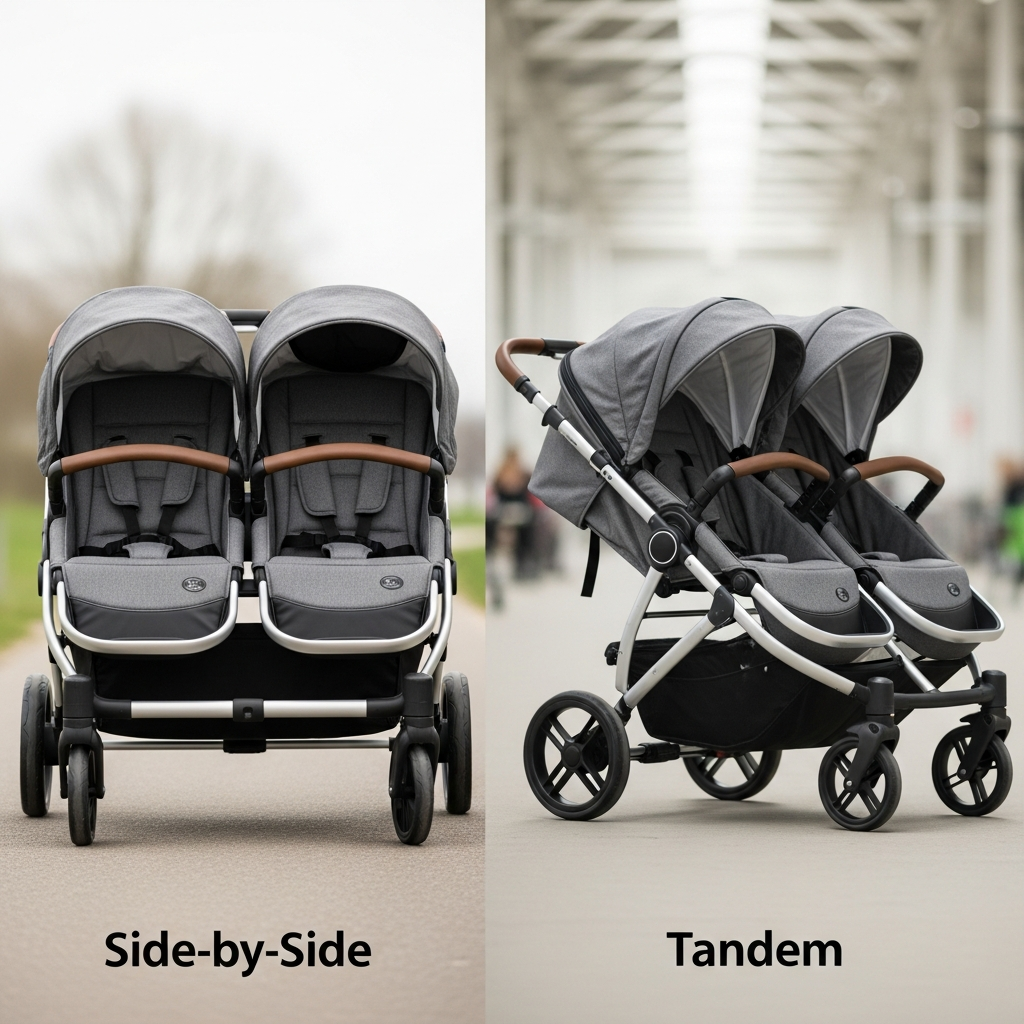
The first big decision you’ll face is choosing the basic layout of your double stroller. Each style has its own set of advantages and things to consider.
Side-by-Side Strollers
These strollers feature two seats positioned next to each other, just like a single stroller but wider.
Pros of Side-by-Side Strollers
* Equal Views: Both children get a clear view of the world, which can help reduce sibling squabbles over who gets to see more.
* Easy Access: It’s often easier to reach both children, offer snacks, or adjust their harnesses.
* Often Lighter: Compared to some tandem models, many side-by-side strollers can feel lighter to push and maneuver.
* Sense of Equality: Great for twins or siblings close in age, as neither child feels “behind” the other.
Cons of Side-by-Side Strollers
* Width Issues: The main drawback is their width. They can be challenging to fit through narrow doorways, store aisles, or crowded pathways.
* Bulky Fold: While some fold surprisingly well, they often remain wide and might take up more space in your car trunk.
Best For Side-by-Side Strollers
These are ideal for twins or siblings who are very close in age. They work well for families who mostly navigate wider spaces like parks, sidewalks, or suburban shopping centers.
Tandem Strollers (Front-to-Back)
Tandem strollers have one seat behind the other, making them long but narrow, similar to a single stroller’s width.
Pros of Tandem Strollers
* Narrow Profile: Their biggest advantage is their slim width. They can easily glide through standard doorways, crowded shops, and tight spaces where a side-by-side might struggle.
* Flexible Configurations: Many tandem strollers offer various seating arrangements. You can often attach an infant car seat in the front or back, use two toddler seats, or even have a bassinet option.
* Good for Age Gaps: They work well when you have a baby and an older toddler, as the older child can sit in the front (or back) and easily hop in and out.
Cons of Tandem Strollers
* Limited View for Back Child: The child in the back seat often has a more restricted view, which some children might not appreciate.
* Can Be Long: Their length can make them a bit trickier to maneuver around tight corners or in small elevators.
* Heavier to Push: With one child ahead of the other, they can sometimes feel heavier to push, especially uphill or over bumps.
Best For Tandem Strollers
Tandem strollers are excellent for siblings with a larger age gap, or for families who frequent places with narrow aisles or tight turns.
Sit-and-Stand Strollers
These are a clever hybrid, designed for families with an infant or young toddler and an older child who still needs a rest sometimes but also likes to stand.
Pros of Sit-and-Stand Strollers
* Flexibility for Older Child: The older child can choose to sit on a bench seat or stand on a platform at the back, offering them more independence.
* Compact Footprint: Often more compact than full double strollers, making them easier to store and transport.
* Great for Age Gaps: Perfect for when you have a baby and a preschooler who doesn’t always want to be strapped into a full seat.
Cons of Sit-and-Stand Strollers
* Limited Comfort for Older Child: The sit-and-stand bench seat might not be as comfortable for long periods or naps compared to a full stroller seat.
* Not for Two Young Children: Not suitable for two infants or two young toddlers who both need full recline and containment.
Best For Sit-and-Stand Strollers
Ideal for families with a baby and an older sibling (around 2.5 years and up) who is transitioning out of needing a full stroller seat but still needs a place to rest tired legs.
Convertible Strollers
These innovative strollers start as a single stroller but can expand to accommodate a second child with an additional seat or attachment.
Pros of Convertible Strollers
* Long-Term Investment: You buy one stroller that adapts as your family grows, potentially saving money in the long run.
* Versatility: Offers the flexibility of a single stroller when you only have one child with you.
* Seamless Transition:*No need to buy a completely new stroller when your second child arrives.
Cons of Convertible Strollers
* Can Be Pricier: The initial investment might be higher than a standard single stroller.
* May Be Bulkier: When in double mode, they can sometimes be a bit bulkier or heavier than dedicated double strollers.
Best For Convertible Strollers
These are fantastic for parents who are planning to have another child down the road and want a flexible, future-proof solution.
Key Features to Consider When Buying a Double Stroller

Once you’ve thought about the general type of double stroller, it’s time to dive into the details. These features will greatly impact your daily experience.
Age and Size of Your Children
This is crucial. Consider how old your children are now and how old they will be when you use the stroller most.
* Infant Compatibility: If you have a newborn, you’ll need seats that fully recline or are compatible with an infant car seat or bassinet attachment. Not all double strollers are suitable for newborns in both seats.
* Weight and Height Limits: Check the maximum weight and height for each seat. You want a stroller that will last until both children no longer need it.
* Headroom: Make sure there’s enough room for your children’s heads as they grow, especially with canopies.
Maneuverability and Wheels
Pushing two children can be a workout! Good maneuverability makes a huge difference.
* Wheel Type: Air-filled tires offer the smoothest ride, especially on uneven terrain, but can get flat. Rubber or foam-filled tires are maintenance-free and good for everyday use. Plastic wheels are common on lighter, more budget-friendly models but can feel less smooth.
* Suspension: Look for strollers with good suspension, particularly if you’ll be on varied terrain. It absorbs shocks and provides a comfier ride for your little ones.
* Swivel vs. Fixed Front Wheels: Swivel wheels make turning easy, while fixed wheels are better for straight-line stability during jogging (if it’s a jogging stroller). Many strollers offer a lockable swivel feature.
* Ease of Pushing: If possible, try pushing the stroller in a store, perhaps with some weight in the seats, to get a feel for how it handles.
Folding and Portability
A double stroller needs to fit into your life, which includes your car and your storage space.
* One-Hand Fold: A highly desirable feature for parents often juggling two children.
* Compactness When Folded: Measure your car trunk! Some double strollers fold surprisingly small, while others remain quite bulky.
* Weight of the Stroller: Remember, you’ll be lifting this in and out of your car. A lighter stroller is a definite plus.
Seating Options and Comfort
Happy children make for happy outings.
* Recline Positions: Individual recline for each seat is wonderful, allowing one child to nap while the other stays upright. A deep recline is essential for newborns and napping toddlers.
* Adjustable Leg Rests: These provide better support for growing legs and can extend the life of the stroller.
* Canopies: Look for large, extendable canopies with good UV protection. Peek-a-boo windows are great for checking on your little ones.
* Padding: Well-padded seats offer a more comfortable ride.
* Fabric: Durable, easy-to-clean fabric is a must.
Safety Features
Safety is always the top priority.
* 5-Point Harnesses: These are standard and essential for securing children safely. They should be easy to adjust.
* Brakes: Look for brakes that are easy to engage and disengage, yet secure enough to hold the stroller firmly on an incline. A single-action foot brake is often preferred.
* Sturdy Frame: A robust frame indicates a durable and safe stroller.
Storage and Accessories
These little extras can make a big difference in your daily convenience.
* Basket Size: A large, easily accessible storage basket underneath is invaluable for diaper bags, groceries, and toys.
* Parent Console: Cup holders for your coffee and a small pocket for your phone or keys are very handy.
* Child Trays: For snacks and drinks.
* Rain Covers/Mosquito Nets: Some strollers include these, others sell them separately.
* Car Seat Compatibility: If you plan to use an infant car seat with your stroller, ensure it’s compatible and check if adapters are included or sold separately.
Durability and Quality
A double stroller is an investment, so you want it to last.
* Frame Material: Aluminum frames are typically lightweight and strong.
* Fabric Quality: High-quality, tear-resistant fabrics will withstand daily wear and tear.
* Brand Reputation: Established brands often offer better quality and customer service.
* Warranty: Check the warranty period for peace of mind.
Budget
Double strollers range widely in price.
* Entry-Level: Offer basic functionality and might be simpler in features.
* Mid-Range: A good balance of features, quality, and price.
* Premium: Often boast advanced features, superior materials, and sleek designs.
Consider what features are truly essential for your family and what you can live without. Remember, a higher price doesn’t always mean it’s the right stroller for *your* family.
Practical Tips for Choosing Your Double Stroller
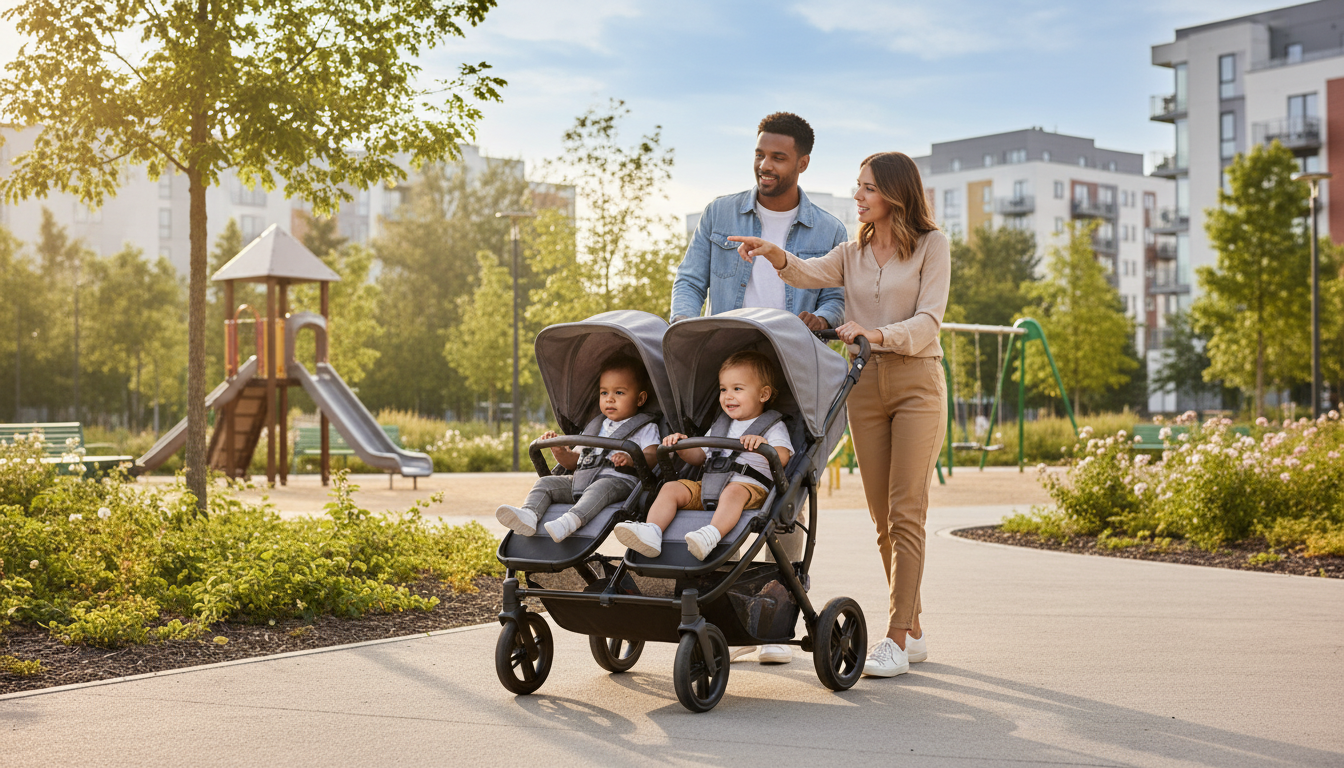
Beyond the features, here are some real-world tips to guide your decision.
* Measure Everything: Before you buy, measure your home’s doorways, your car’s trunk, and any common pathways you use (e.g., your front gate, elevator). This will save you a lot of frustration later.
* Test Drive (if possible): Visit a store and try pushing the stroller. Put some weights (like bags of flour or rice) in the seats to simulate the weight of your children. Practice folding and unfolding it.
* Read Real Parent Reviews: Look for reviews from parents who have a similar lifestyle to yours. They often highlight practical pros and cons not found in product descriptions.
* Think About Your Lifestyle: Do you live in the city and rely on public transport, or do you drive everywhere in the suburbs? Do you mostly walk on paved paths, or do you need something for light off-roading? Your daily routine will heavily influence the best choice.
* Consider Resale Value: Some well-known brands hold their value better, which can be a plus if you plan to sell it later.
Common Mistakes to Avoid

Buying a double stroller is a significant purchase. Avoid these common pitfalls to make sure you get it right the first time.
* Buying Solely Based on Looks: A beautiful stroller that doesn’t fit through your front door or in your car is not practical. Functionality comes first.
* Not Checking Weight Limits: Always check the individual seat weight limits, not just the overall stroller capacity. Ensure it can comfortably hold your children for years to come.
* Forgetting to Measure: As mentioned, this is probably the most common mistake. Don’t assume it will fit!
* Ignoring Folding Size and Weight: You’ll be lifting and storing this stroller often. If it’s too heavy or bulky for your space, it will quickly become a burden.
* Prioritizing Price Over Safety or Functionality: While budget is important, compromising on essential safety features or key functionalities will only lead to regret and potentially a second purchase later on.
Conclusion
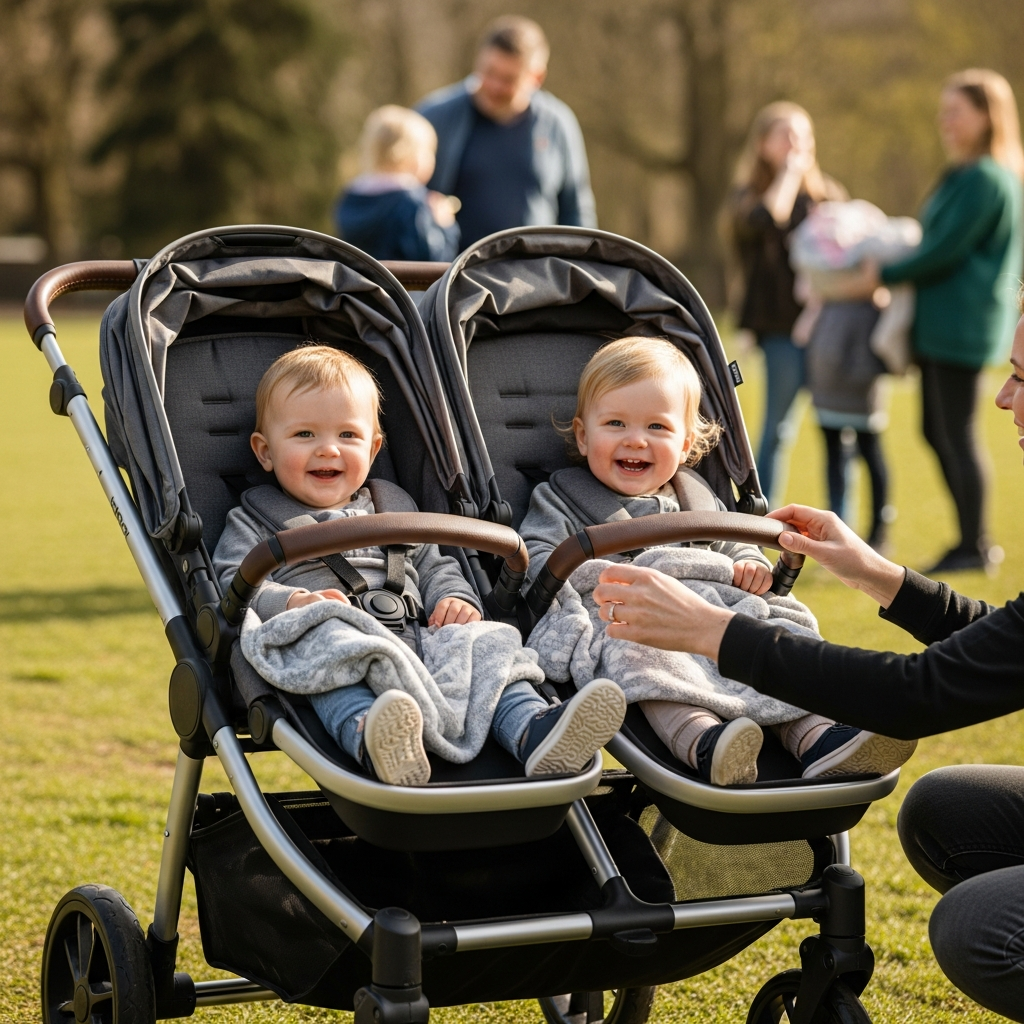
Choosing the best double stroller for your family is a personal journey. There’s no single “perfect” option because every family’s needs, children, and lifestyle are unique. By taking the time to understand the different types and features, and by thinking about your daily routines, you can make a confident decision.
Remember, this isn’t just about buying a piece of equipment; it’s about investing in convenience, safety, and creating joyful memories with your little ones. Take a deep breath, consider your options, and choose the double stroller that will truly support your family’s adventures for years to come. You’ve got this, parent!