Creative Cleaning With Kids Ideas to Teach Responsibility
Teaching kids to clean doesn’t just make your home tidier — it builds responsibility, independence, confidence, and good lifelong habits. When cleaning feels fun and engaging instead of boring or forced, kids are more willing to participate. With a little creativity, you can turn daily chores into bonding moments, games, and learning opportunities.
Here are simple, playful, and effective ways to involve your kids in cleaning while teaching them responsibility in a positive, enjoyable way.
1. Turn Cleaning Into a Game
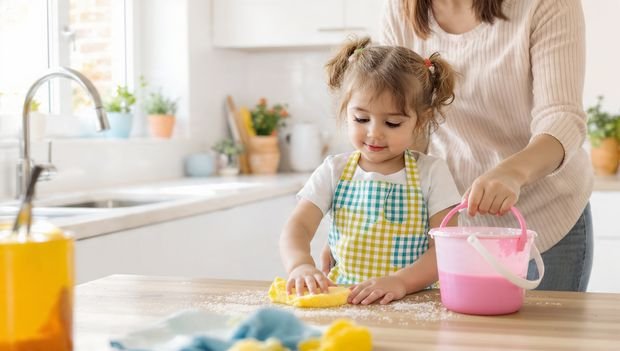
Kids love games — use this to your advantage.
Fun cleaning games:
- Race the Timer: Set a 2–5 minute timer and challenge kids to finish a task before it rings.
- Color Hunt: Pick a color and ask your child to put away all items of that color.
- Treasure Basket Game: Hide a small reward under one toy — kids must clean to find it.
- Music Cleanup: Play upbeat songs and let kids clean until the music stops.
Games make cleaning exciting instead of tiring.
2. Create Small, Simple Tasks
Kids get overwhelmed by big chores. Break tasks into tiny, achievable steps.
Examples:
- “Pick up blocks first.”
- “Put all books on the shelf.”
- “Place shoes by the door.”
- “Throw papers in the bin.”
Small wins help build confidence.
3. Give Kids Their Own Cleaning Tools
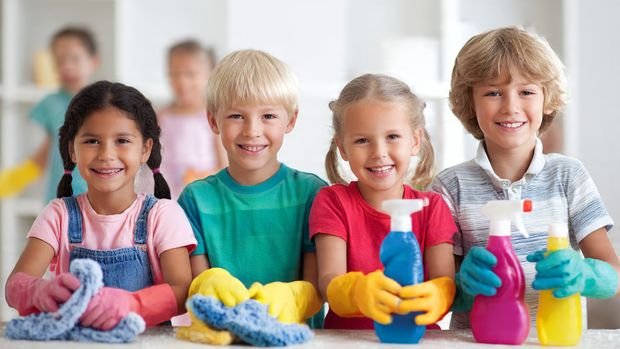
Kids feel responsible when they have their own “mini” tools.
Ideas include:
- Child-size broom
- Small dustpan
- Mini spray bottle (with water only)
- Colorful cleaning cloths
- Their own laundry basket
Personal tools make kids feel important and included.
4. Make a Visual Chore Chart
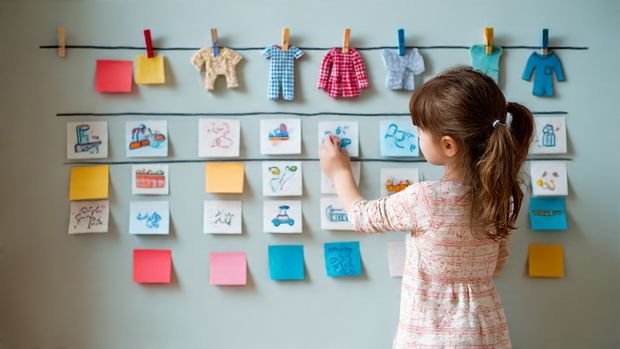
Visual charts help kids understand routines without constant reminders.
Benefits:
- Kids see what to do
- They enjoy checking off tasks
- Encourages ownership
- Builds consistent habits
Use stickers, icons, or drawings for younger kids.
5. Use the “One Basket Method”
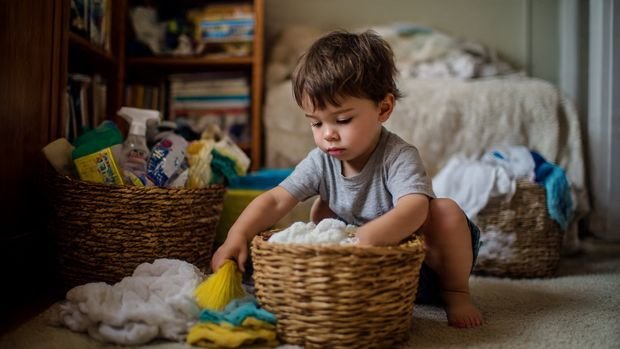
Give kids a basket and let them walk around picking up everything that doesn’t belong in a room.
Afterward, help them put each item back in the right place.
Why it works:
- Fast
- Easy
- Fun
- Teaches sorting skills
A perfect hack for messy playrooms!
6. Make Cleaning a Family Routine
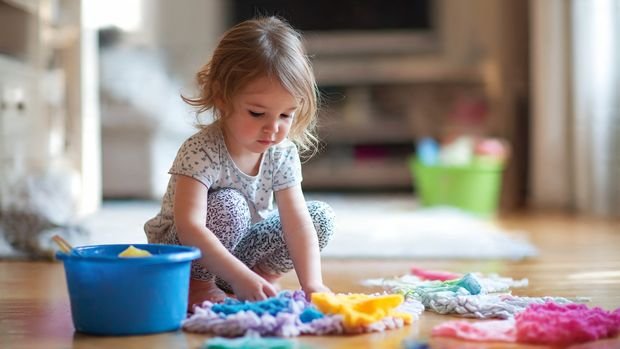
Kids learn from what they see. If they watch you clean with a positive attitude, they’ll join in naturally.
Try a daily “10-minute family tidy”:
- Set a timer
- Play fun music
- Everyone cleans together
It builds teamwork, connection, and responsibility.
7. Give Kids Cleaning Choices
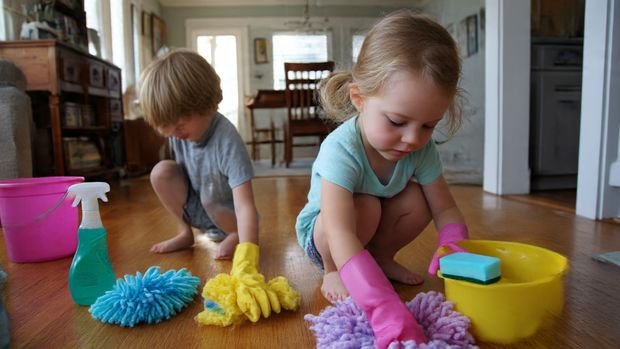
Choice increases cooperation.
Offer simple options:
- “Do you want to dust the table or tidy your toys?”
- “Should we start with the living room or your room?”
- “Wipe counters or fold clothes?”
Kids feel more in control and willing to help.
8. Turn Laundry Into Learning Time
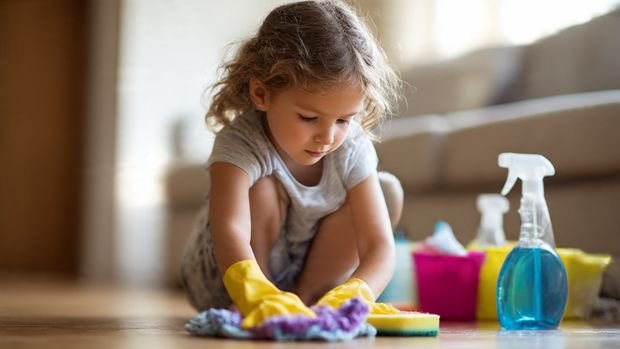
Laundry is perfect for teaching responsibility and skills.
Laundry activities for kids:
- Sorting dark and light clothes
- Matching socks
- Folding small items
- Putting their clothes away
- Carrying their laundry basket
This builds independence and organization.
9. Use Reward Systems Wisely
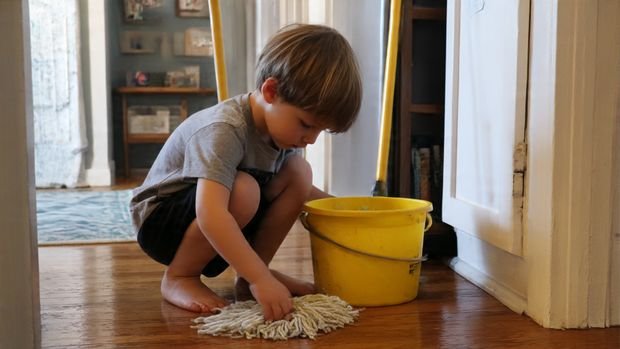
Rewards motivate kids when used positively.
Reward ideas:
- Sticker charts
- Extra playtime
- Small treats
- A special family activity
- Choosing the next weekend game
Rewards should celebrate effort — not create pressure.
10. Teach Cleaning Through Role-Play
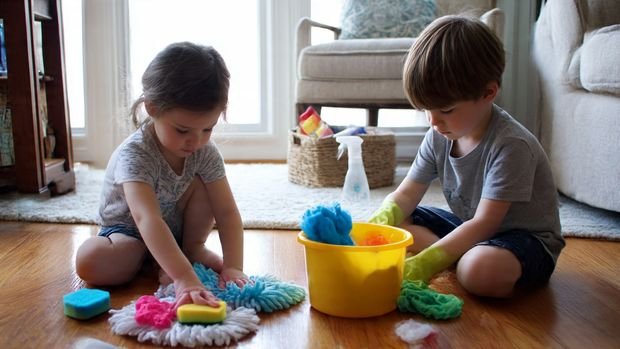
Kids love pretend play. Use it to teach life skills.
Fun role-play ideas:
- Play “housecleaning crew”
- Pretend to be cleaners in a hotel
- “Superhero cleaners” saving the messy world
- Use toy vacuums or dusters
Pretend play makes cleaning meaningful and exciting.
11. Use Positive Language and Encouragement
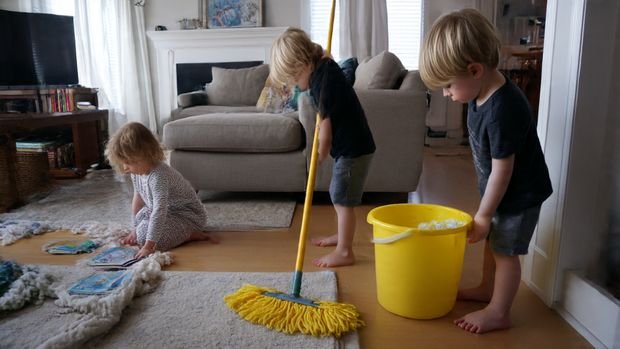
Praise motivates kids and makes chores feel rewarding.
Examples:
- “Great job! The room looks amazing.”
- “I love how responsibly you cleaned your toys.”
- “You’re becoming so independent!”
Positive reinforcement builds lifelong responsible habits.
12. Keep Tasks Age-Appropriate
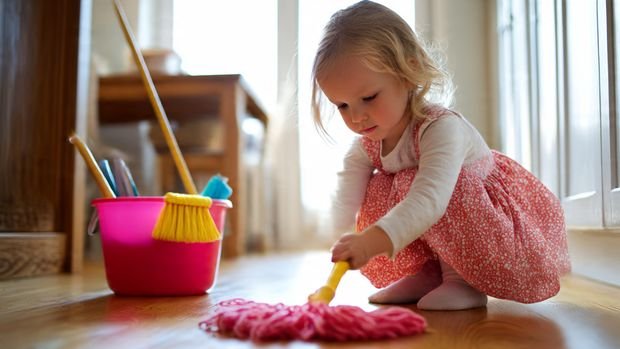
Every age group can help — but tasks should match their abilities.
Toddlers (2–3 years):
- Pick up toys
- Throw trash away
- Wipe spills
Preschoolers (4–5 years):
- Set the table
- Sort laundry
- Dust low surfaces
School-age kids (6–9 years):
- Make their bed
- Sweep floors
- Fold clothes
Older kids (10+):
- Vacuum
- Help in the kitchen
- Organize their room
When tasks fit their age, kids feel successful — not stressed.
13. Keep Cleaning Sessions Short and Fun
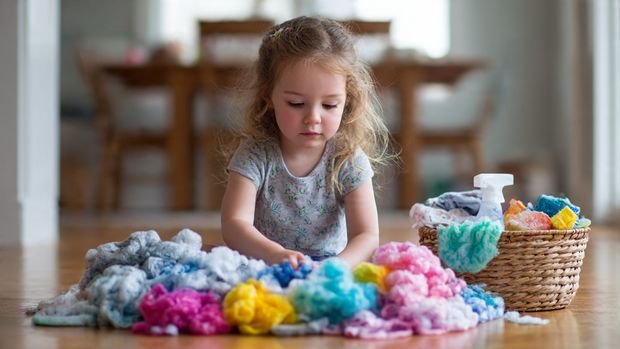
Kids lose interest quickly. Short bursts make cleaning manageable.
Try:
- 5-minute tidy breaks
- Quick chore challenges
- Small sessions throughout the day
Short tasks keep kids engaged and motivated.
Final Thoughts
Teaching kids responsibility through cleaning doesn’t have to be a battle. With playful routines, creative ideas, and positive encouragement, cleaning becomes an enjoyable learning experience. Kids learn discipline, independence, teamwork, and pride in their environment.
Remember: the goal is not perfection — it’s participation. Every small effort your child makes builds responsibility and confidence that lasts a lifetime. With these creative strategies, you’ll enjoy a cleaner home, happier kids, and more peaceful days together.