Welcoming a little one into your life is a journey filled with joy, wonder, and a whole lot of gear decisions. Among the most important choices you’ll make is selecting a car seat. It’s not just a convenience; it’s a critical piece of safety equipment that protects your precious cargo on every ride. If you’re feeling overwhelmed by the options, especially when it comes to convertible car seats, you’re definitely not alone.
This guide is here to walk you through everything you need to know about convertible car seats. We’ll break down the jargon, share practical tips, and help you feel confident in choosing the perfect seat for your family. Think of this as a friendly chat with an experienced parent, here to make your decision a little bit easier.
What is a Convertible Car Seat?
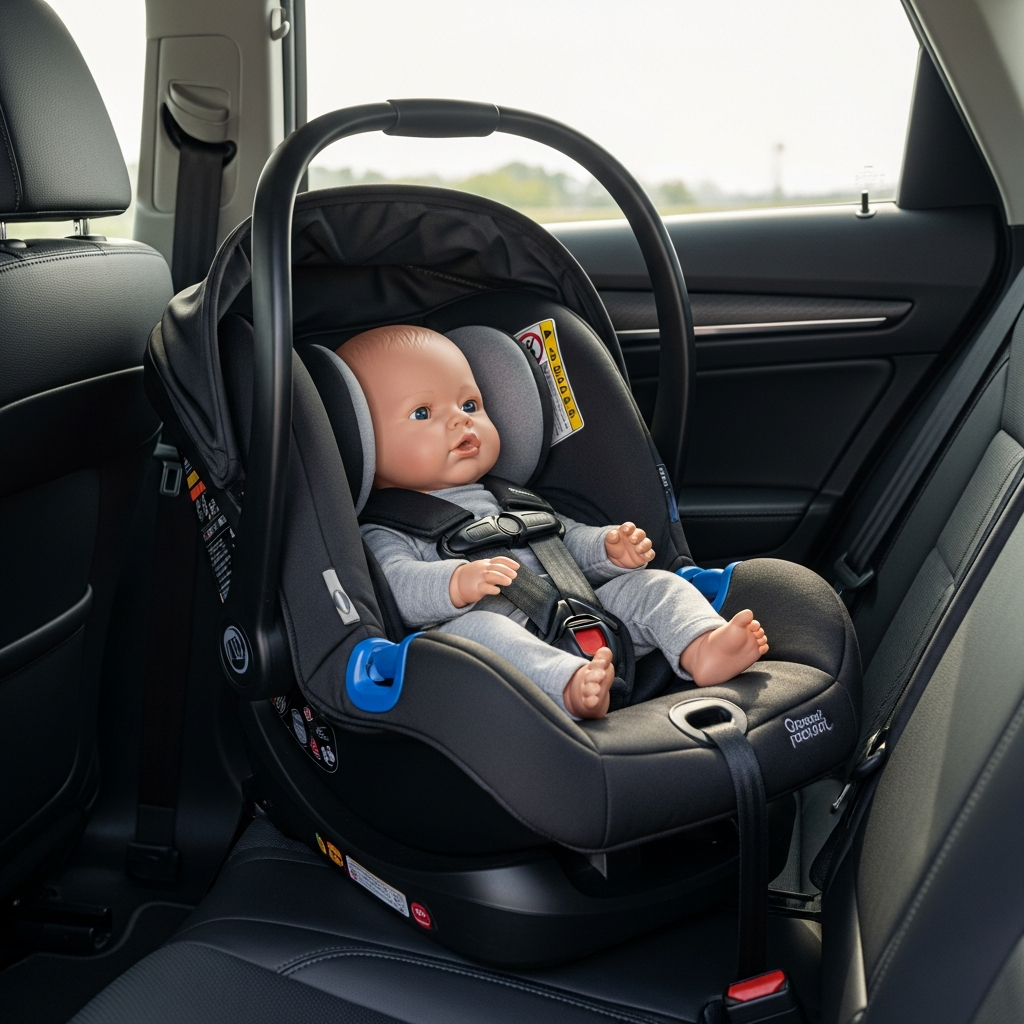
Let’s start with the basics. A convertible car seat is a special kind of car seat designed to “convert” as your child grows. Unlike an infant-only car seat, which is solely used rear-facing and has a carrier that detaches from a base, a convertible car seat stays in the car. It can be installed rear-facing for infants and toddlers, and then later, it can be converted to a forward-facing seat for older toddlers and preschoolers.
The beauty of a convertible car seat is its longevity. It often bridges the gap from infancy through the early elementary years, potentially being the only car seat you’ll need after your baby outgrows their infant-only carrier, or even from day one if you choose to skip the infant seat entirely.
Why Choose a Convertible Car Seat?
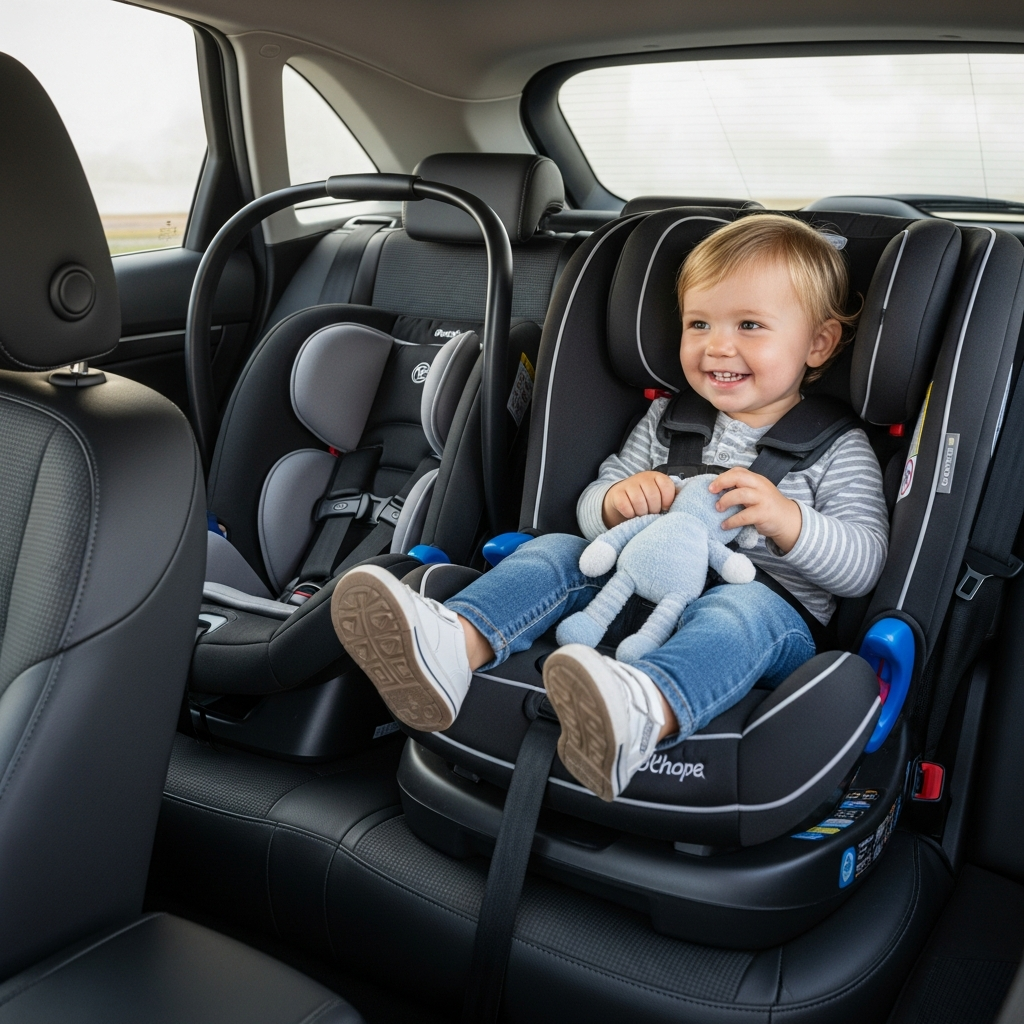
Many parents wonder if a convertible seat is the right choice for them. Here are a few compelling reasons why they are a popular and often excellent option:
Longevity and Cost-Effectiveness
Instead of buying an infant car seat and then upgrading to a forward-facing seat, a convertible car seat combines these two stages into one product. This means you generally get more years of use out of a single purchase, which can save you money in the long run.
Extended Rear-Facing Safety
Medical and safety experts strongly recommend keeping children rear-facing for as long as possible. Convertible car seats allow children to ride rear-facing for much longer than most infant-only seats, often up to 40-50 pounds or more, depending on the model. This is a significant safety benefit.
Versatility
Some parents choose to start with a convertible car seat right from birth, skipping the infant carrier phase altogether. This works well if you don’t mind not having a detachable carrier or if your lifestyle doesn’t require frequently moving the car seat in and out of the car or attaching it to a stroller.
Key Features to Look For
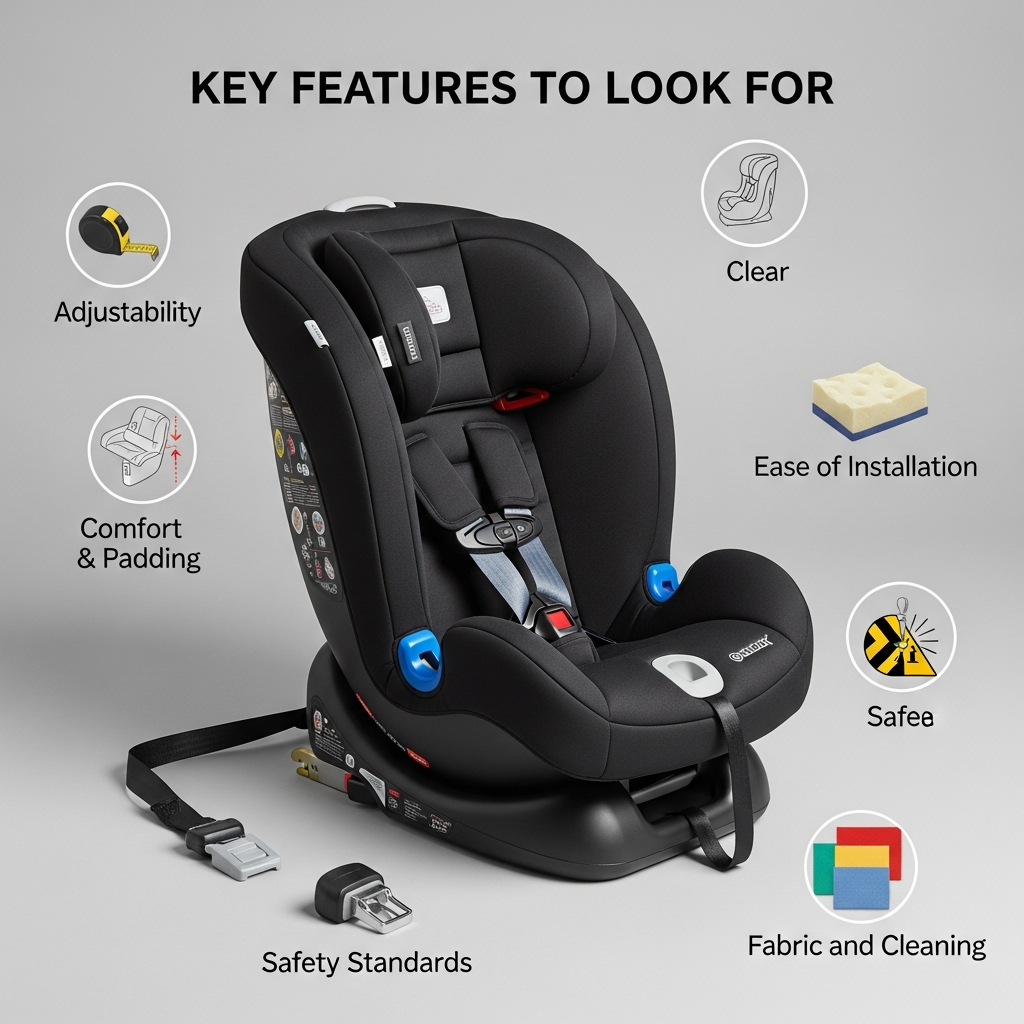
When you start browsing, you’ll notice that convertible car seats come with a vast array of features. Knowing which ones are most important can help you narrow down your choices.
Weight and Height Limits
This is arguably the most crucial feature. Every car seat has specific limits for both rear-facing and forward-facing modes.
Rear-Facing Limits
Look for high rear-facing weight and height limits. The higher these limits, the longer your child can safely remain rear-facing, which is the safest position for them. Many seats now go up to 40 or 50 pounds rear-facing.
Forward-Facing Limits
Check the forward-facing weight and height limits as well. This will tell you how long your child can use the seat in this mode before needing a booster seat.
Remember to always consult your specific car seat’s manual and never exceed these limits.
Safety Features
All car seats sold in the United States must meet federal safety standards. However, some seats offer additional features that can enhance protection.
Side-Impact Protection
Many seats include extra padding, foam, or air-filled components designed to absorb energy in a side-impact collision. This can be a very valuable feature.
Steel Frames
Some car seats boast steel-reinforced frames for added strength and durability.
Energy-Absorbing Foam
Often called EPS (Expanded Polystyrene) foam, this material is similar to what’s found in bicycle helmets and helps absorb crash forces.
Anti-Rebound Bar
This is a bar or panel that extends from the foot of the car seat when installed rear-facing. It’s designed to limit the car seat’s rotation toward the vehicle’s back seat in a frontal crash, offering enhanced safety.
Ease of Installation
A car seat is only safe if it’s installed correctly, and notoriously, this can be tricky. Look for features that make installation simpler and more reliable.
LATCH System (Lower Anchors and Tethers for CHildren)
Most newer cars and car seats are equipped with LATCH. It’s an alternative to using the vehicle’s seat belt for installation. Some LATCH connectors are simpler to use than others (e.g., push-on connectors versus hook-style).
Seatbelt Installation
You’ll need to know how to install with a seatbelt, as LATCH has weight limits. Look for clear belt paths and lock-offs that help secure the belt.
Recline Indicators
These are usually bubble levels or colored lines that help you achieve the correct recline angle for rear-facing, which is essential for an infant’s airway.
Clear Instructions
A well-written, easy-to-understand manual is surprisingly helpful!
Comfort for Your Child
A comfortable child is a happier traveler. Consider these elements:
Padding and Fabric
Look for soft, breathable fabrics and ample padding, especially around the head and body. Some fabrics are designed to be moisture-wicking or temperature-regulating.
Adjustable Headrest and Harness
Seats with an “no-rethread” harness are a huge convenience. This means you can adjust the harness height without having to take the seat apart and re-thread straps through different slots.
Recline Options
Multiple recline positions help ensure your child is comfortable and properly angled for safety, especially as they grow.
Ease of Cleaning
Let’s be real: kids are messy. Spills, crumbs, and other unidentifiable substances will inevitably find their way onto the car seat.
Removable, Machine-Washable Covers
This feature is a game-changer. Being able to easily remove and wash the fabric cover will save you a lot of headache.
Cup Holders
Integrated or detachable cup holders can be a blessing for drinks and snacks, but check if they’re easy to clean.
Fit in Your Vehicle
This often-overlooked feature is critical.
Vehicle Dimensions
Before you buy, measure the available space in your car’s back seat. Some convertible seats are quite wide or deep, which can be an issue in smaller cars or if you need to fit multiple car seats.
Test Fit
If possible, try installing the car seat in your car before purchasing it. This helps ensure a good fit and that you can achieve a proper, tight installation.
Understanding Car Seat Safety Terms
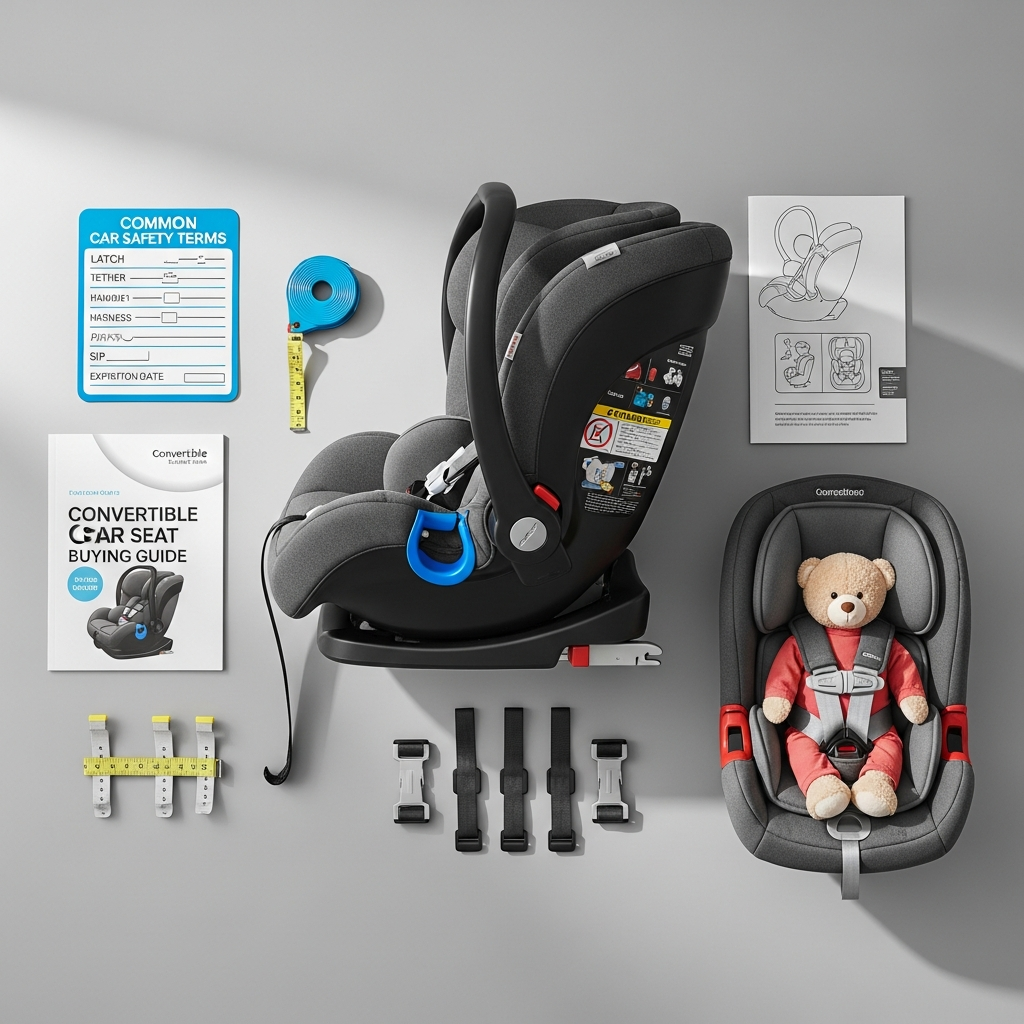
The world of car seats has its own vocabulary. Here are some terms you might encounter and what they mean:
LATCH System
Lower Anchors and Tethers for CHildren. This is an attachment system in your car and on the car seat designed to simplify installation without using the vehicle’s seat belt. Always check the weight limits for LATCH use in both your car’s manual and your car seat’s manual.
Tether Strap
This strap is used for *forward-facing* car seats. It connects the top of the car seat to an anchor point in your vehicle (usually on the back of the seat or in the cargo area). The tether significantly reduces forward head movement in a crash, making it a critical safety component.
Anti-Rebound Bar
As mentioned earlier, this feature is specific to *rear-facing* installation. It’s a bar that rests against the vehicle’s seat back, reducing the car seat’s rotation and rebound in a collision.
EPS Foam
Expanded Polystyrene foam. This is a crushable, energy-absorbing material used in car seats (and helmets) to manage impact forces during a crash.
Chest Clip Placement
The chest clip on the harness should always be positioned at armpit level. This ensures the shoulder straps stay properly on your child’s shoulders and helps distribute crash forces safely. It is not designed to restrain the child, only to keep the straps in place.
When to Make the Switch (or Start With One)
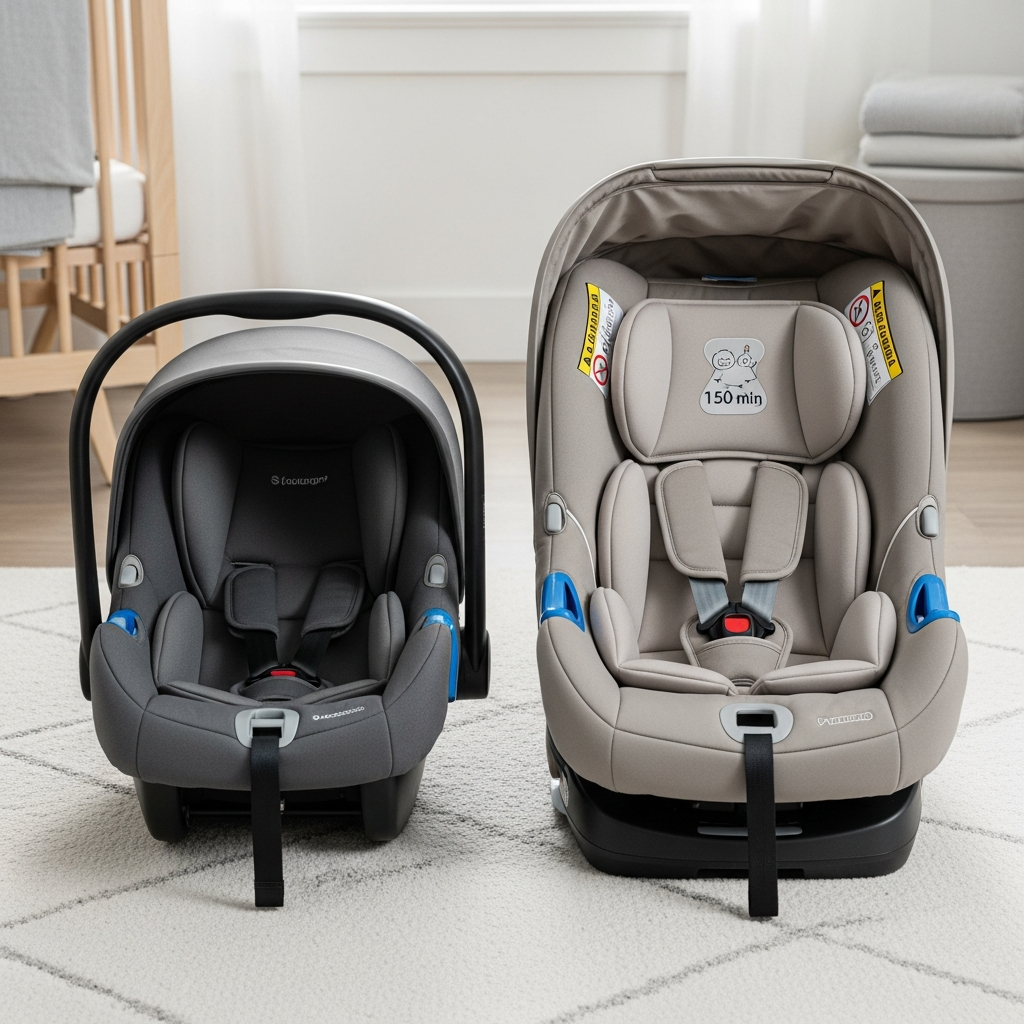
Knowing when to transition your child’s car seat setup is a common concern for parents.
From Infant Seat to Convertible
You’ll know it’s time to move your baby from their infant-only seat to a convertible seat when they outgrow the infant seat’s weight or height limits. Crucially, pay attention to the height limit: if your baby’s head is less than one inch from the top of the car seat shell, it’s time to switch, even if they haven’t reached the weight limit. Do not wait until they turn one year old; keep them rear-facing as long as the seat allows.
From Rear-Facing to Forward-Facing
This is a big milestone, and it’s important not to rush it. Your child should remain rear-facing until they reach the maximum weight or height limit for rear-facing in *their specific convertible car seat*. For most seats, this is at least 40 pounds, and some go higher. The American Academy of Pediatrics recommends keeping children rear-facing until at least 2 years old, and ideally much longer, up to 3 or 4 years old, if their car seat allows. Rear-facing is five times safer for young children in a crash.
Installation Tips and Best Practices
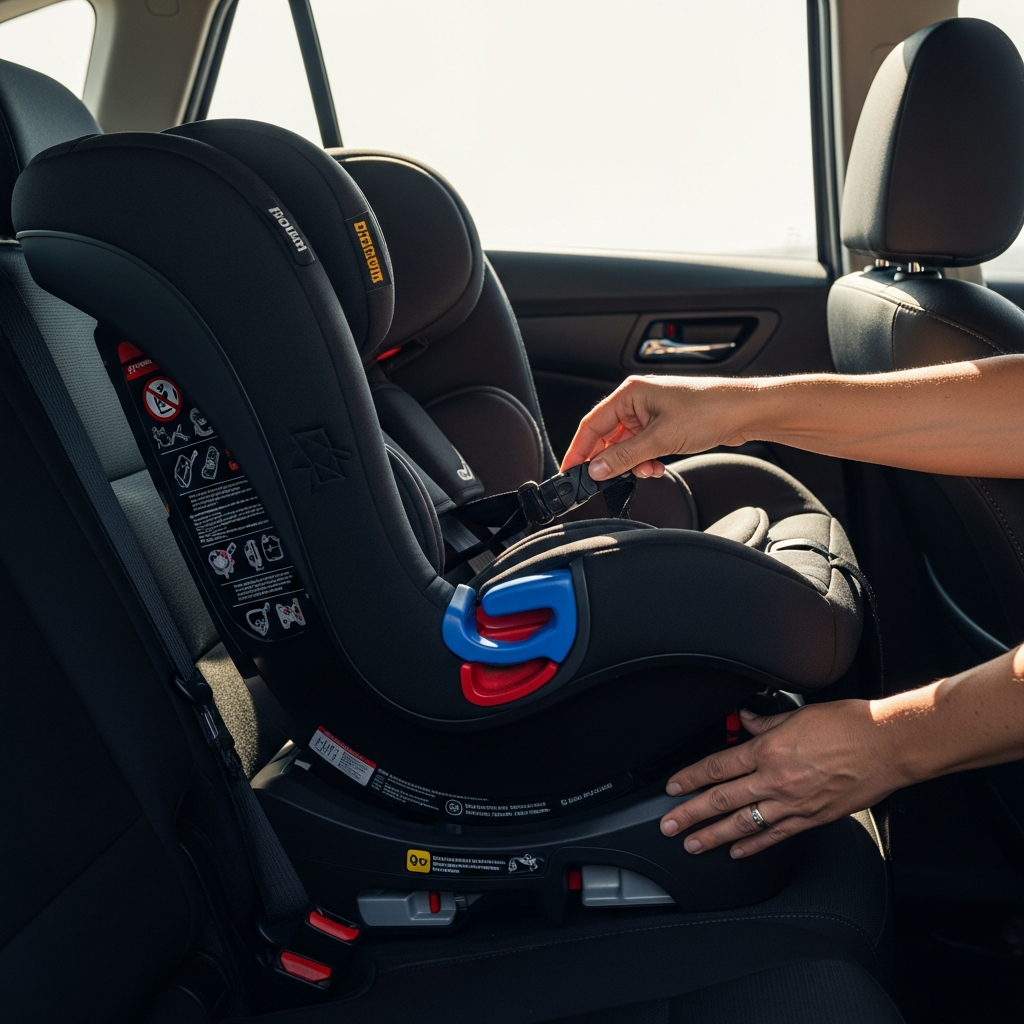
Correct installation is paramount for car seat safety. Here’s how to get it right:
Read the Manual
This cannot be stressed enough. Both your car seat manual and your vehicle owner’s manual have specific instructions for car seat installation. Read them cover to cover.
The “Inch Test”
Once installed, grab the car seat at the belt path (where the LATCH strap or seat belt goes through) and try to move it side-to-side and front-to-back. It should not move more than one inch in any direction.
Check the Recline Angle
For rear-facing, ensure the car seat is reclined at the correct angle as indicated by the seat’s level indicator. This is vital for newborns and young infants who cannot support their heads.
Harness Fit
The harness straps should be snug against your child’s body, with no slack. You should not be able to pinch any excess webbing at the collarbone. For rear-facing, the harness straps should be at or below your child’s shoulders. For forward-facing, they should be at or above their shoulders.
Get it Inspected
Many communities have certified Child Passenger Safety Technicians (CPSTs) who can inspect your car seat installation for free and teach you how to properly install and use it. This is a highly recommended step.
Common Mistakes to Avoid
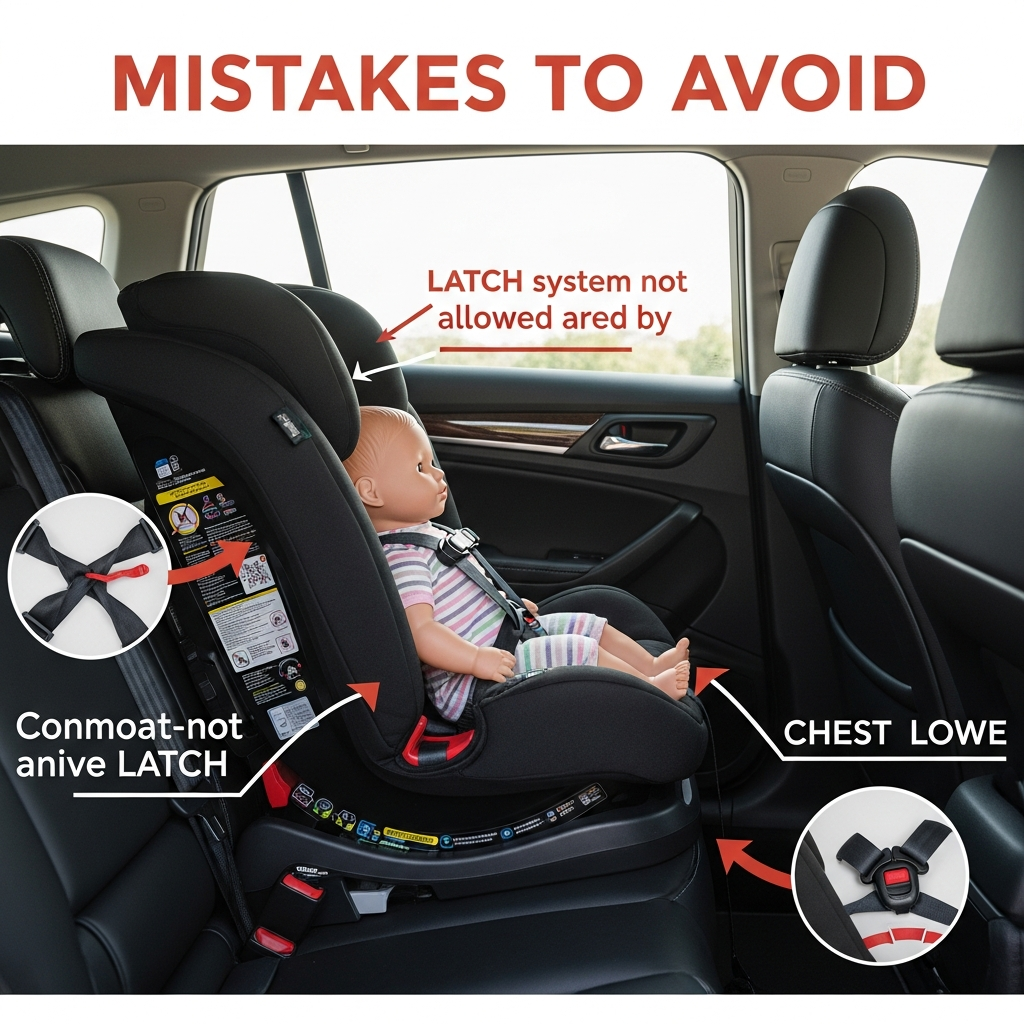
Even with the best intentions, parents can sometimes make mistakes. Being aware of them helps you avoid them.
* Turning Forward Too Soon: The most common mistake. Always keep your child rear-facing until they reach the maximum weight OR height limit of their car seat.
* Loose Installation: An improperly installed car seat can lead to serious injury in a crash. Remember the “inch test.”
* Wrong Harness Height: Harness straps too high or too low reduce effectiveness.
* Bulky Clothing: Puffy coats or snowsuits can create too much space between your child and the harness, making it unsafe. Dress your child in thin layers and use blankets *over* a buckled harness.
* Expired Car Seats: Car seats have an expiration date, usually found on a sticker on the seat itself. Plastics degrade over time, and safety standards evolve.
* Using Secondhand Seats: Unless you know the full history of a used car seat (never been in a crash, not expired, all parts present), it’s generally not recommended.
Budgeting for Your Convertible Car Seat
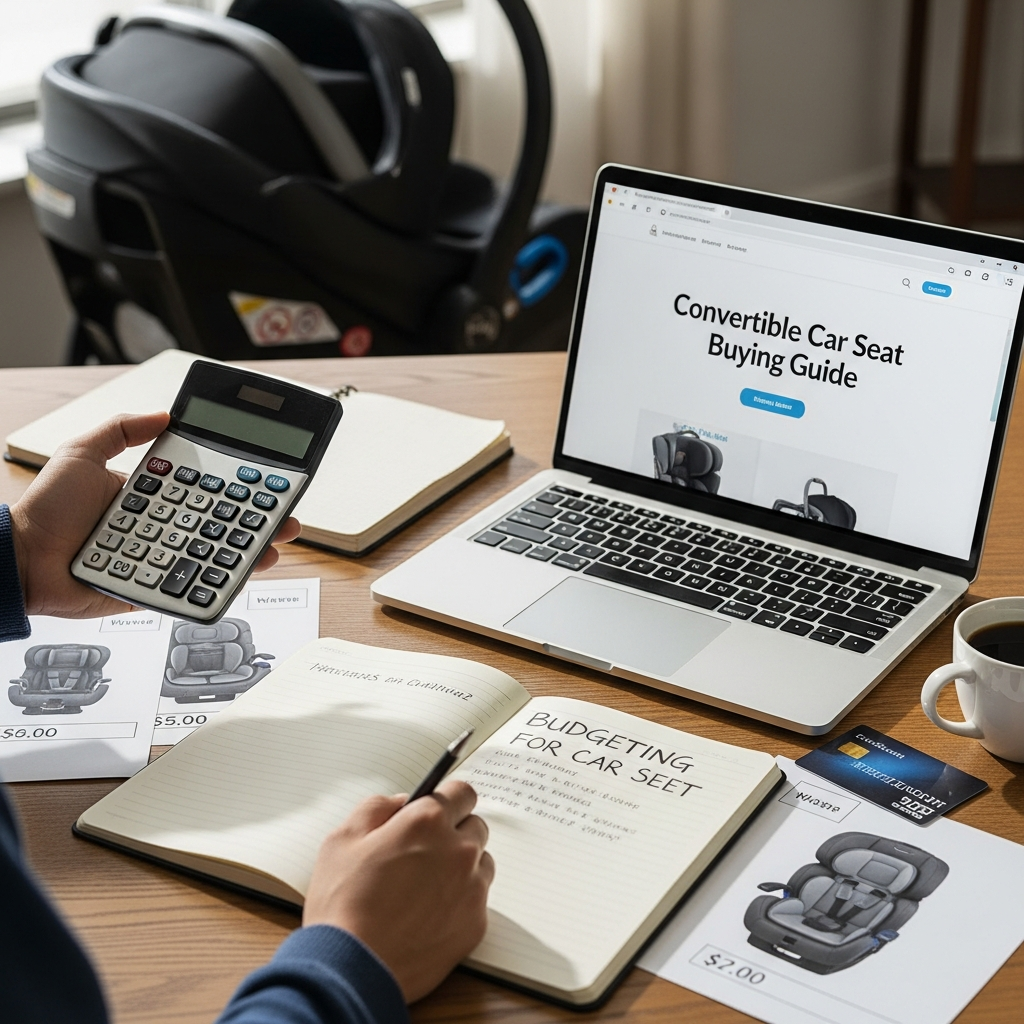
Convertible car seats vary widely in price, from under $100 to $400+. While more expensive seats often come with premium fabrics, extra padding, or features like magnetic buckles, a higher price doesn’t necessarily mean it’s safer. All new car seats meet the same federal safety standards.
Prioritize safety features, proper fit for your child and vehicle, and ease of installation over excessive bells and whistles. A properly installed, basic car seat is always safer than an expensive one that is installed incorrectly.
Our Top Tips for Buying
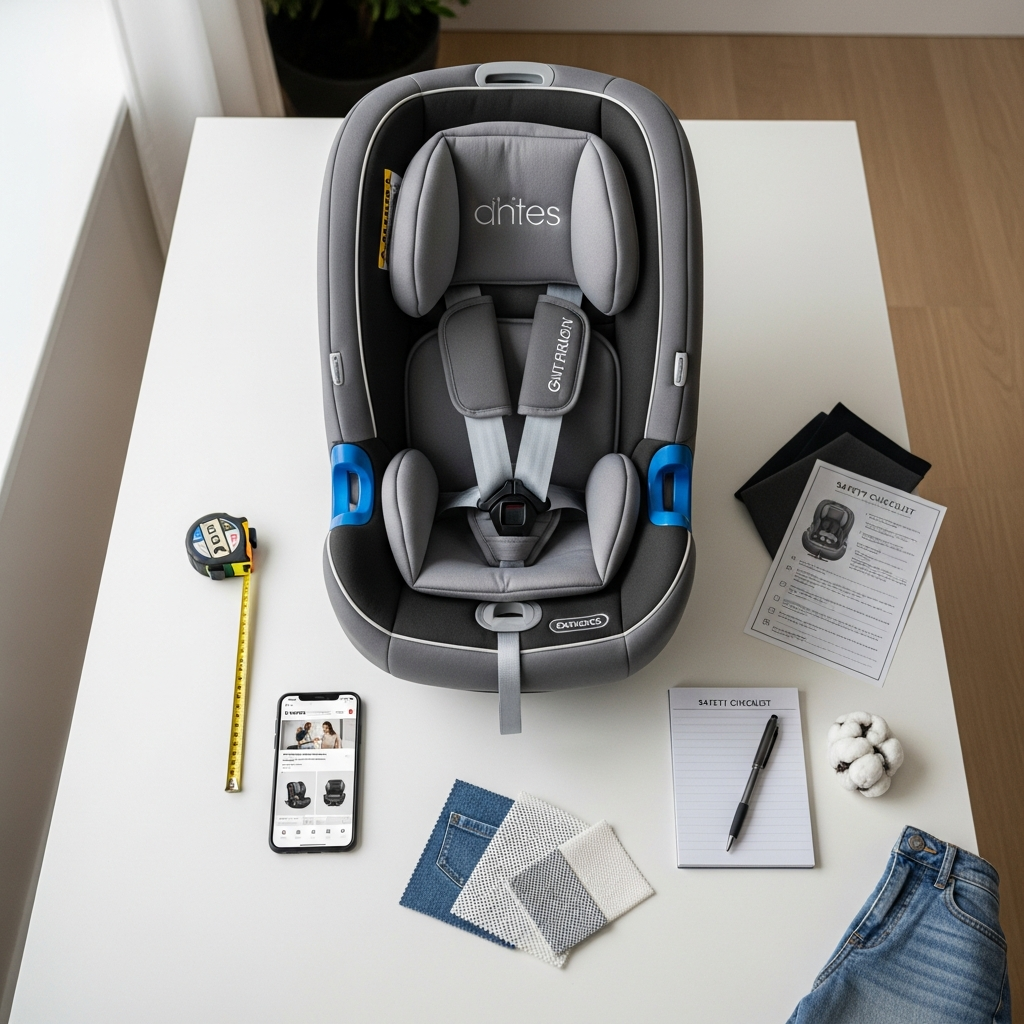
To wrap things up, here are some practical tips to guide your buying process:
* Measure Your Car: Before you even start looking at seats, measure the depth and width of your back seat. This will help you rule out seats that simply won’t fit.
* Read Reviews (Carefully): Online reviews can offer insights into ease of installation or common issues, but remember that every car and child is different.
* Visit a Store: If possible, go to a store that has floor models. Touch the fabrics, try adjusting the harness, and get a feel for the seat’s overall size and weight.
* Consider Your Lifestyle: Do you frequently travel with your child? Do you have multiple cars? These factors might influence your choice.
* Don’t Compromise on Safety: While budget is a factor, never sacrifice safety for a lower price. All new car seats are safe when used correctly.
Choosing a convertible car seat is a significant decision, but it doesn’t have to be a stressful one. By understanding the key features, prioritizing safety, and ensuring a proper fit and installation, you can make a choice that gives you peace of mind on every journey. You’re doing a fantastic job researching and preparing for your child’s safety. Trust your instincts, use this guide as a resource, and you’ll find the perfect fit for your family.