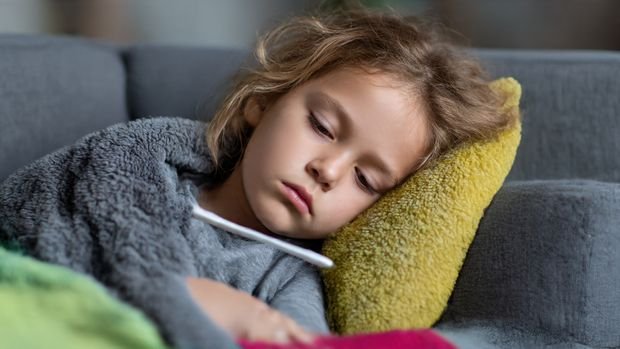
Common Childhood Illnesses Every Parent Should Know About
Childhood is a period of rapid growth, learning, and exploration — but it also comes with frequent minor illnesses that can worry parents. Because a child’s immune system is still developing, they are more likely to catch infections, especially if they attend daycare, school, or play with other kids.
Understanding the most common childhood illnesses helps parents stay calm, recognize symptoms early, and provide the right care when needed. Here is a helpful guide to the illnesses most children experience at some point, along with tips on what parents can do.
1. The Common Cold
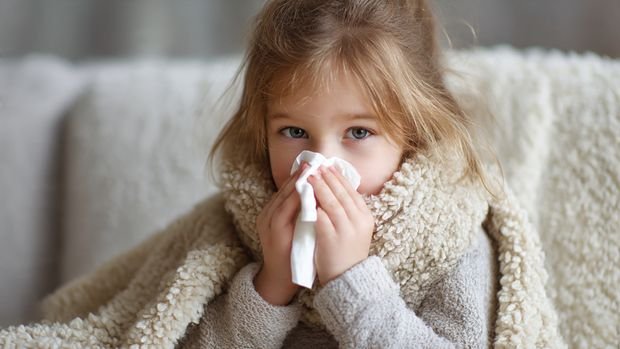
The common cold is one of the most frequent childhood illnesses. Kids may get several colds each year.
Common symptoms include:
- Runny or stuffy nose
- Sneezing
- Mild cough
- Slight fever
- Sore throat
- Fatigue
How parents can help:
- Offer plenty of fluids
- Use a humidifier to ease congestion
- Give warm soups or broths
- Let the child rest
Colds usually clear within 7–10 days.
2. Fever
Fever itself is not an illness but a symptom that the body is fighting an infection.
Common signs:
- Warm forehead
- Fatigue
- Irritability
- Loss of appetite
How to care for a child with fever:
- Keep them hydrated
- Dress them in light clothing
- Give room-temperature sponge baths
- Follow pediatrician advice for fever medicines (if recommended)
Always seek medical advice for prolonged fever or very young infants.
3. Cough and Bronchitis
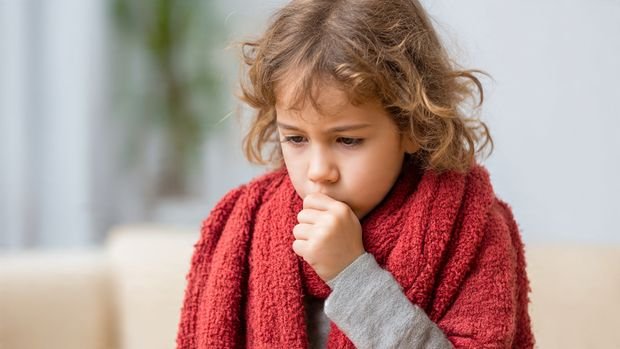
Coughs happen when the body tries to clear the airways. Sometimes, a cold can develop into mild bronchitis.
Symptoms to notice:
- Persistent cough
- Chest congestion
- Wheezing (sometimes)
- Fatigue
Helpful care tips:
- Warm fluids
- Honey for children over 1 year old
- Humidifier to ease breathing
If breathing seems difficult, consult a doctor immediately.
4. Ear Infections
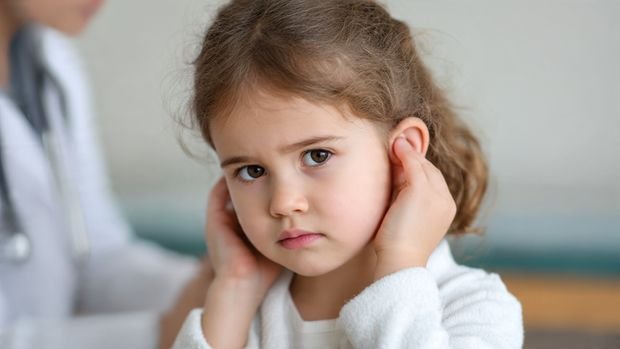
Ear infections are very common, especially after a cold or throat infection.
Signs of an ear infection:
- Ear pain
- Tugging at ears
- Fever
- Trouble sleeping
- Irritability
- Fluid draining (sometimes)
What parents can do:
- Use warm compresses
- Keep the child comfortable
- Follow doctor’s treatment if prescribed
Ear infections often improve with proper care.
5. Sore Throat
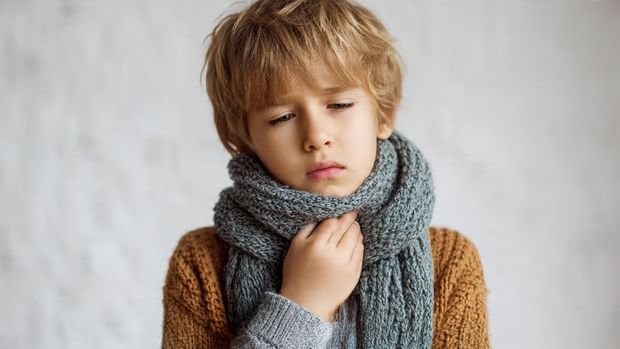
A sore throat can be viral or, less commonly, caused by bacteria.
Symptoms include:
- Pain while swallowing
- Red throat
- Fever
- Swollen glands
Care tips:
- Warm liquids (soup, tea)
- Soft foods
- Rest
- Consult a doctor if symptoms worsen
6. Stomach Flu (Gastroenteritis)
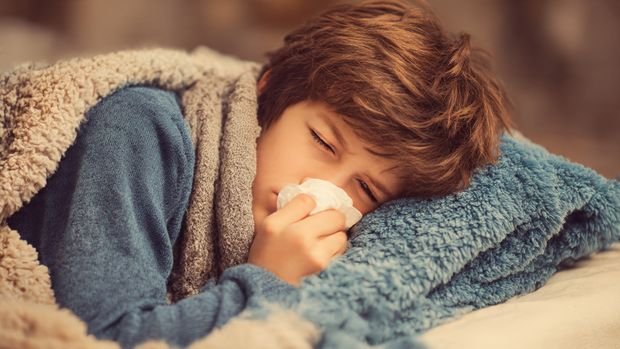
Stomach flu is a common infection that affects the digestive system.
Symptoms:
- Vomiting
- Diarrhea
- Stomach cramps
- Loss of appetite
- Mild fever
How to help your child:
- Keep them hydrated
- Offer small, frequent sips of water or ORS
- Avoid heavy foods initially
- Let them rest
Seek urgent care for signs of dehydration.
7. Hand, Foot, and Mouth Disease
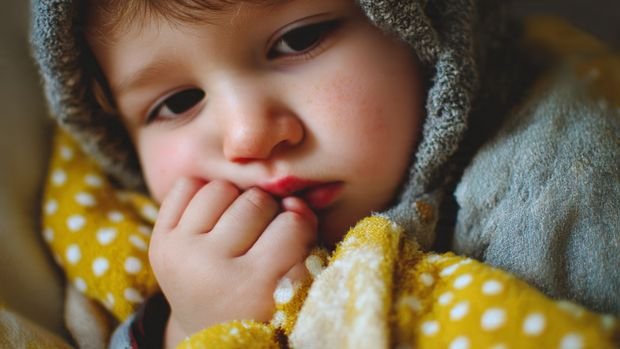
A mild but contagious illness common in younger children.
Symptoms:
- Fever
- Mouth sores
- Rash on hands and feet
- Reduced appetite
Care tips:
- Cool liquids to soothe mouth sores
- Soft foods
- Calm, quiet environment
It usually clears within a week.
8. Chickenpox
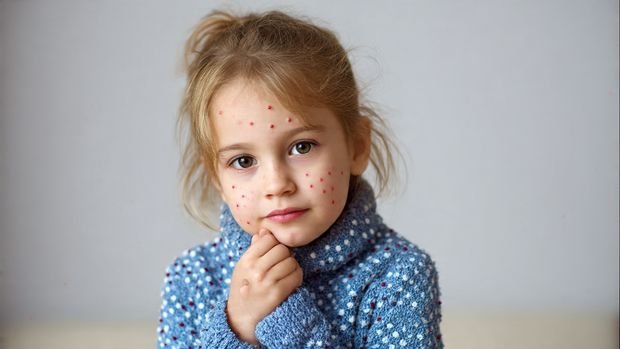
A once-common childhood illness that causes an itchy rash.
Symptoms:
- Itchy red spots that turn into blisters
- Fever
- Tiredness
- Loss of appetite
Care tips:
- Keep nails trimmed to reduce scratching
- Use cooling lotion
- Give lukewarm baths
- Keep child comfortable
Children usually recover fully with proper care.
9. Allergies
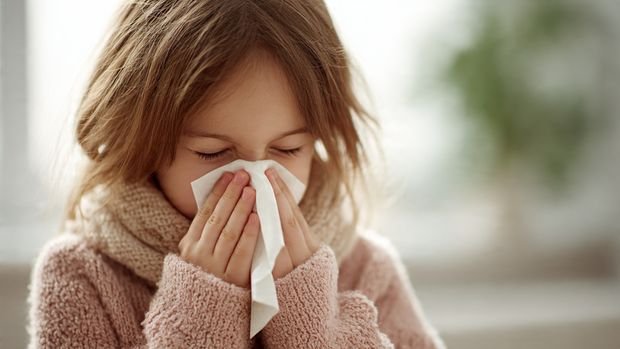
Seasonal or food allergies are increasingly common among children.
Common allergy signs:
- Sneezing
- Itchy, watery eyes
- Rashes
- Stuffy nose
- Tummy pain (for food allergies)
What parents can do:
- Identify triggers
- Use doctor-recommended remedies
- Maintain clean home environment
A pediatrician may suggest allergy testing if needed.
10. RSV (Respiratory Syncytial Virus)
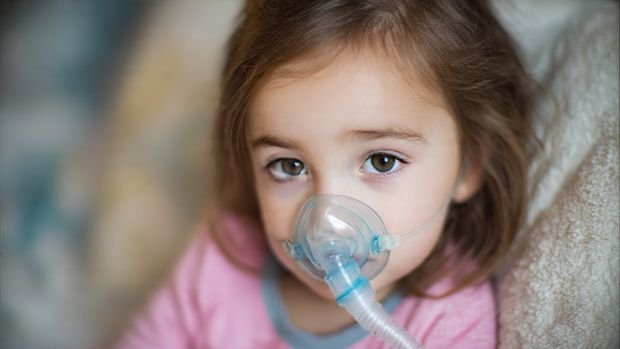
RSV is a common virus that affects the lungs and breathing passages, especially in babies.
Symptoms:
- Runny nose
- Persistent cough
- Fast breathing
- Fever
- Wheezing
Care tips:
- Keep baby hydrated
- Use humidifier
- Keep nose clear using saline drops
Seek medical attention if breathing seems difficult.
11. Conjunctivitis (Pink Eye)
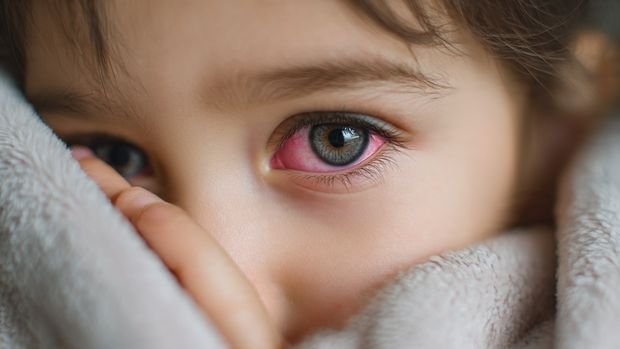
Pink eye can be caused by bacteria, viruses, or allergies.
Symptoms:
- Red eyes
- Itching
- Watery or sticky discharge
- Sensitivity to light
Care tips:
- Keep eyes clean with warm water
- Avoid touching the eyes
- Wash hands frequently
- Follow doctor’s advice for drops if needed
12. Skin Rashes
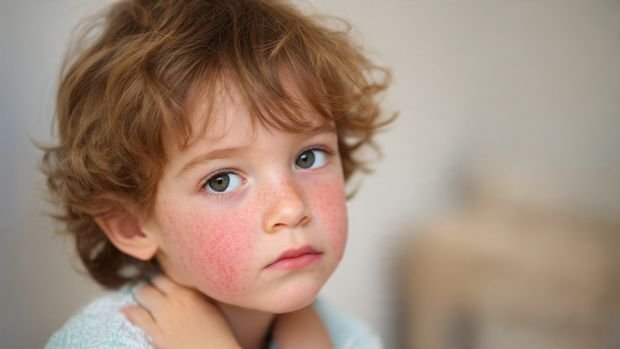
Rashes are common in childhood and can be caused by heat, allergies, viral infections, or irritants.
Signs:
- Red or bumpy skin
- Itching
- Patches or spots
Care tips:
- Use gentle skincare products
- Keep skin cool and dry
- Avoid scratching
- Consult a doctor if rash worsens
Final Thoughts
Childhood illnesses are a normal part of growing up. While they can be stressful for parents, most common illnesses are mild and resolve with proper care, rest, and attention. Understanding symptoms, staying observant, and using gentle home care can help children recover comfortably.
The most important thing is staying calm, offering comfort, and seeking medical advice when needed. As children grow, their immune systems strengthen — and they become better at fighting off infections. With love, patience, and awareness, parents can handle these common childhood illnesses confidently.