
Common Child Behaviour Problems & How Parents Can Respond Calmly
Every child goes through phases of challenging behavior — tantrums, whining, not listening, hitting, arguing, or refusing routines. These behaviors are normal parts of development, but they can feel overwhelming for parents. The good news? With calm, consistent responses, you can guide your child toward better habits while keeping your home peaceful.
Here’s a simple, parent-friendly guide to common child behavior problems and how to handle them with patience and confidence.
Tantrums: Why They Happen & How to Respond
Tantrums usually appear when kids feel overwhelmed, tired, hungry, or unable to express themselves.
Stay calm and try:
- A comforting phrase like “You’re safe, I’m here.”
- Soft tone and slow breathing.
- Giving them space to calm down.
- Offering a hug when they’re ready.
Avoid yelling or reasoning during the tantrum — kids can’t process instructions while overwhelmed.
Not Listening or Ignoring Instructions

Kids “ignore” when they’re distracted, tired, overstimulated, or don’t understand expectations.
Try this:
- Get to their eye level.
- Use short, simple instructions.
- Offer choices (“Red cup or blue cup?”).
- Use a calm, firm tone.
- Praise them immediately when they listen.
Consistency makes listening better over time.
Whining for Attention

Whining is often a signal of tiredness, hunger, or a need for connection.
Respond calmly by:
- Saying, “Use your big kid voice, I can’t understand whining.”
- Modeling the tone you want.
- Praising them when they speak calmly.
- Giving small moments of positive attention.
Attention for good behavior reduces whining.
Hitting, Biting, or Pushing

These behaviors happen when kids lack emotional regulation or problem-solving skills.
Stay calm & teach gently:
- Say, “We use gentle hands.”
- Remove them from the situation.
- Help them express feelings (“You’re mad. Let’s use words.”).
- Teach safe alternatives like squeezing a stress ball.
Avoid hitting back — it sends mixed messages.
Sibling Fights

Arguments between siblings are normal but stressful.
Try this:
- Stay neutral — don’t pick sides.
- Help each child share their feelings.
- Teach simple problem-solving (“What’s a fair solution?”).
- Separate them for cool-down time if needed.
Praise teamwork whenever you see it.
Backtalk or Rudeness

Backtalk usually shows frustration or a need for independence.
Respond calmly with:
- “I hear you, but we speak respectfully.”
- Offering choices to give them control.
- Modeling respectful communication.
Keep your tone firm but kind.
Refusing Bedtime

Bedtime resistance happens when kids aren’t tired or want more attention.
Make bedtime easier by:
- Creating a predictable routine.
- Avoiding screens 1 hour before bed.
- Offering calm activities (books, soft music).
- Giving choices (“Do you want the red pajamas or blue ones?”).
A peaceful routine encourages cooperation.
Refusing to Eat Certain Foods
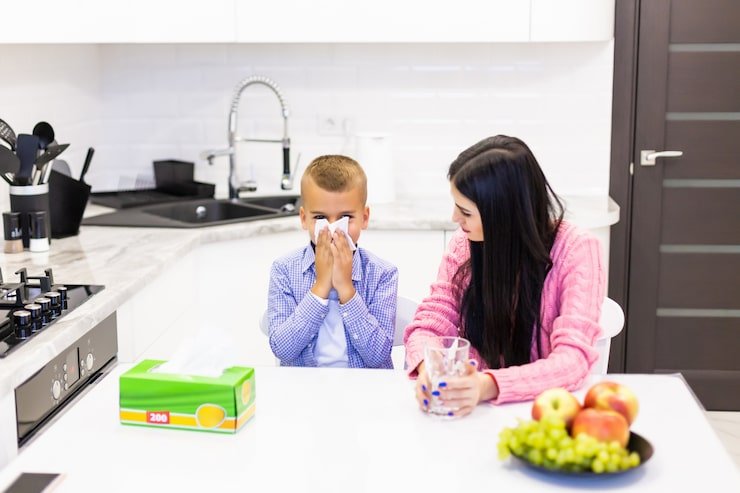
Picky eating is often about control, not the food itself.
Support them by:
- Offering small portions.
- Serving familiar foods with new ones.
- Avoiding pressure (“Just one more bite”).
- Praising effort (“Thanks for trying!”).
Patience works better than force.
Constant “No!” or Power Struggles
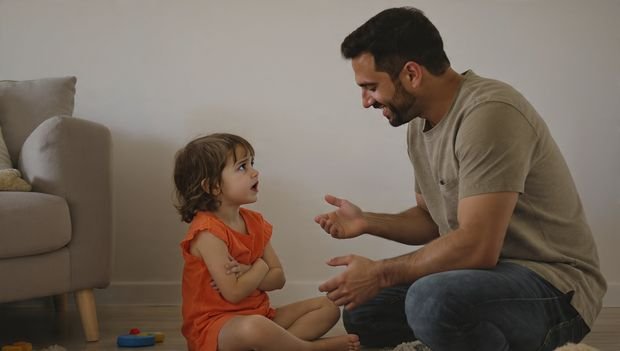
Kids say “no” to feel independent.
Avoid battles by:
- Giving limited choices.
- Offering simple responsibilities.
- Staying calm and consistent.
- Using positive language (“Let’s try together”).
Less power struggle = more cooperation.
Throwing Things

Kids throw objects when excited, angry, or testing limits.
Calm responses include:
- “We only throw soft toys. Not hard things.”
- Redirecting: “Let’s throw this ball instead.”
- Teaching cause and effect (“This can break or hurt someone”).
Redirection works better than punishment.
Clinging or Separation Anxiety

Kids cling when they need comfort or reassurance.
Help them by:
- Keeping goodbyes short and warm.
- Offering a comfort item.
- Building predictable routines.
- Practicing short separations.
Your calm confidence eases their anxiety.
Lying or Blaming Others

Small children often lie because they fear punishment or don’t yet understand honesty.
Respond calmly with:
- “Tell me the truth, you won’t be in trouble.”
- Focusing on solutions, not blame.
- Praising honesty when it happens.
Honesty grows when kids feel safe telling the truth.
Overexcitement or Hyperactive Moments

Kids get overwhelmed by their own energy.
Ways to manage:
- Offer physical outlets (jumping, dancing).
- Use calm-down corners.
- Create routines that include movement breaks.
Prevention works better than reaction.
Final Thoughts
All kids have challenging moments — it’s part of how they learn and grow. The goal isn’t to eliminate difficult behavior but to guide children with calmness, empathy, and consistent boundaries. When parents stay centered, kids learn emotional regulation, respect, and problem-solving naturally.