Hands-On Color Activities Using Simple Home Materials
Colors are one of the first things young children learn to recognize. Exploring colors through hands-on activities helps build creativity, fine motor skills, sensory awareness, and early cognitive development. The best part? You don’t need fancy supplies — everyday home materials are enough to create fun, interactive, and meaningful learning experiences.
Here are simple, playful, and engaging color activities you can set up at home to help kids learn and enjoy the world of colors.
Color Sorting With Household Items
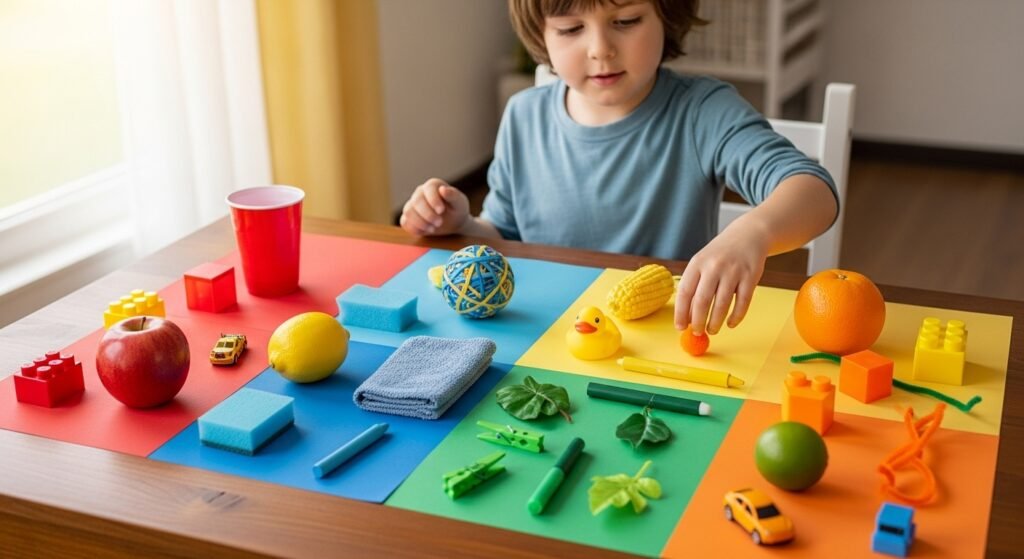
Sorting is one of the easiest ways to teach colors.
Use items like:
- Buttons
- Pom-poms
- Lego pieces
- Bottle caps
- Crayons
Provide bowls or trays in different colors and let kids sort the items.
This boosts observation, coordination, and color recognition.
DIY Color Mixing With Water
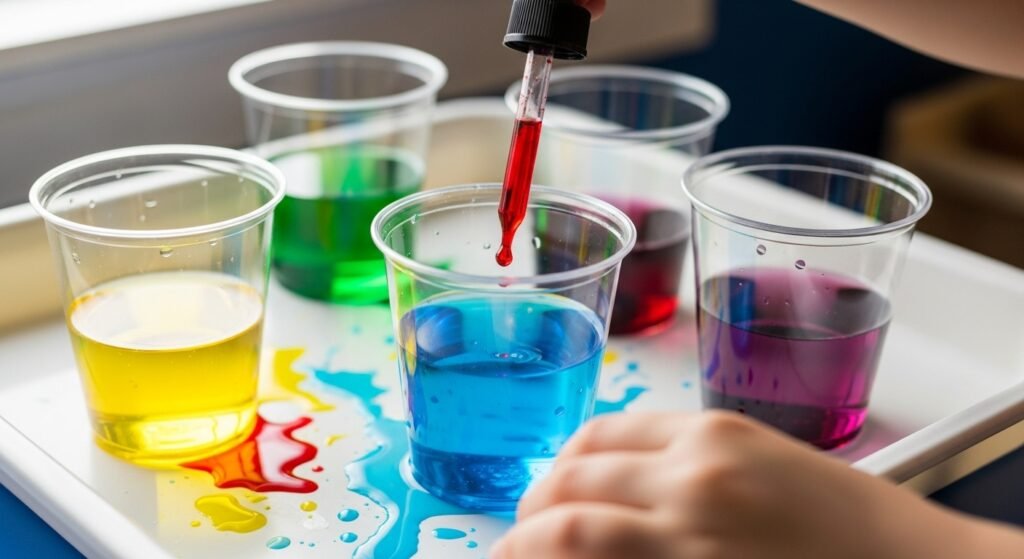
Fill three cups with water and add red, blue, and yellow food coloring.
Give your child empty cups and let them mix colors to discover new shades.
Try combinations like:
- Red + blue → purple
- Blue + yellow → green
- Red + yellow → orange
Kids learn cause and effect while enjoying magical color changes.
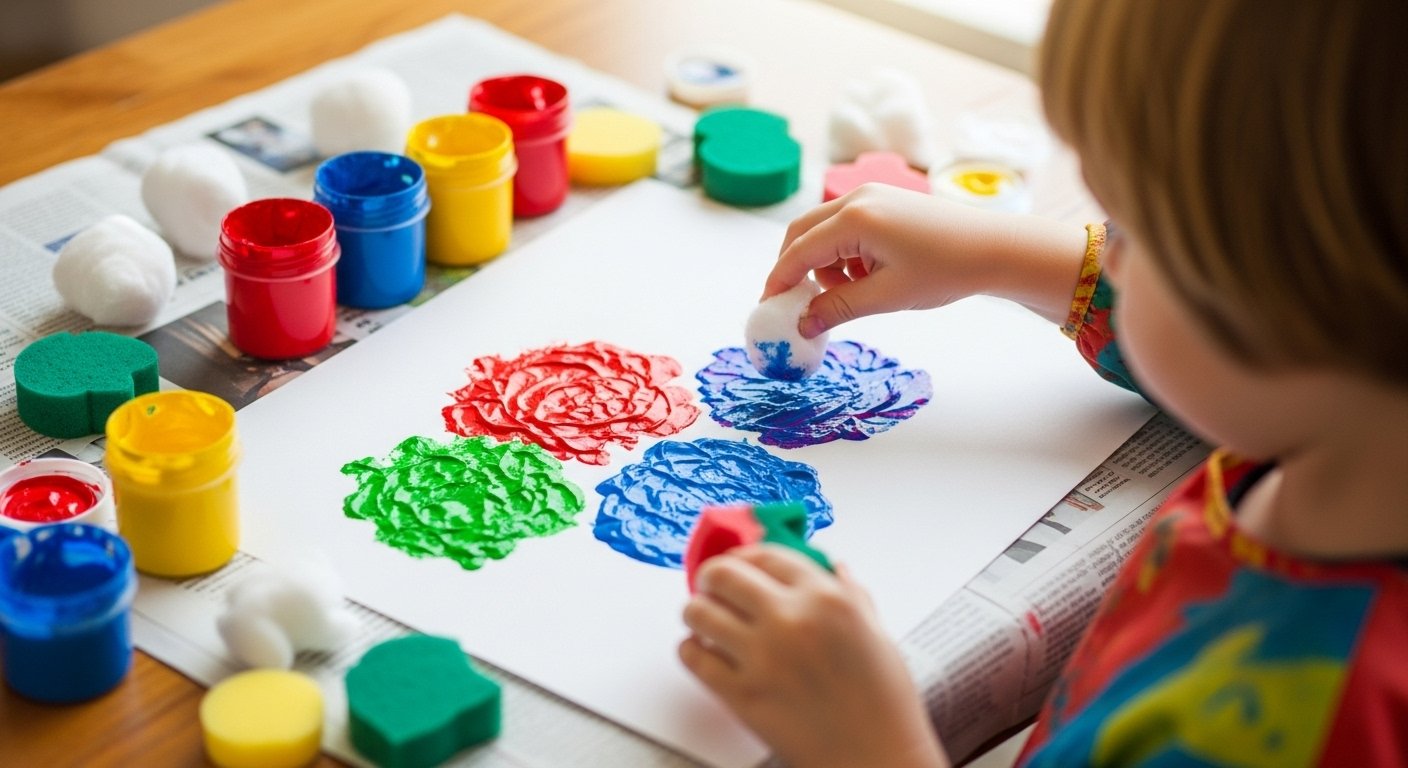
Painting With Cotton Balls or Sponges
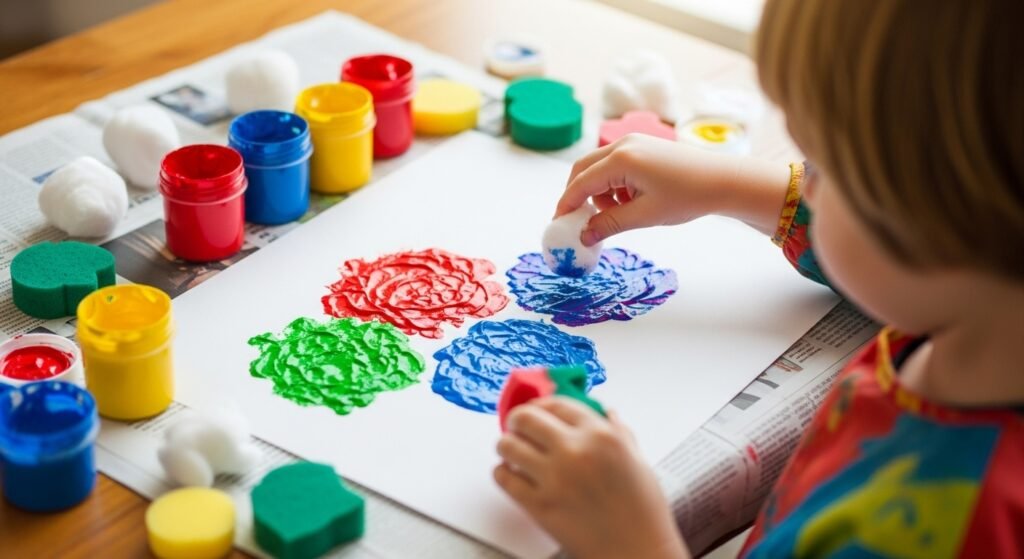
Skip paintbrushes — use cotton balls, sponges, or even old toothbrushes.
This activity helps kids explore:
- Color blending
- Patterns
- Texture painting
It’s messy, sensory-rich, and lots of fun!
Color Scavenger Hunt Around the House
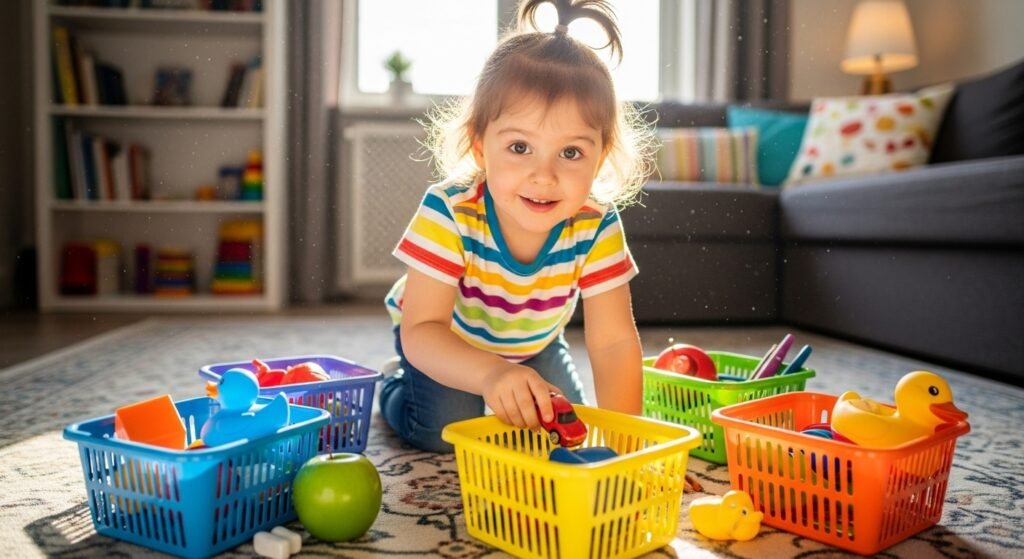
Create a list of colors and ask your child to find matching objects.
For example:
- Something red
- Something green
- Something yellow
- Something blue
This turns color learning into an exciting treasure hunt.
Rainbow Rice Sensory Bin
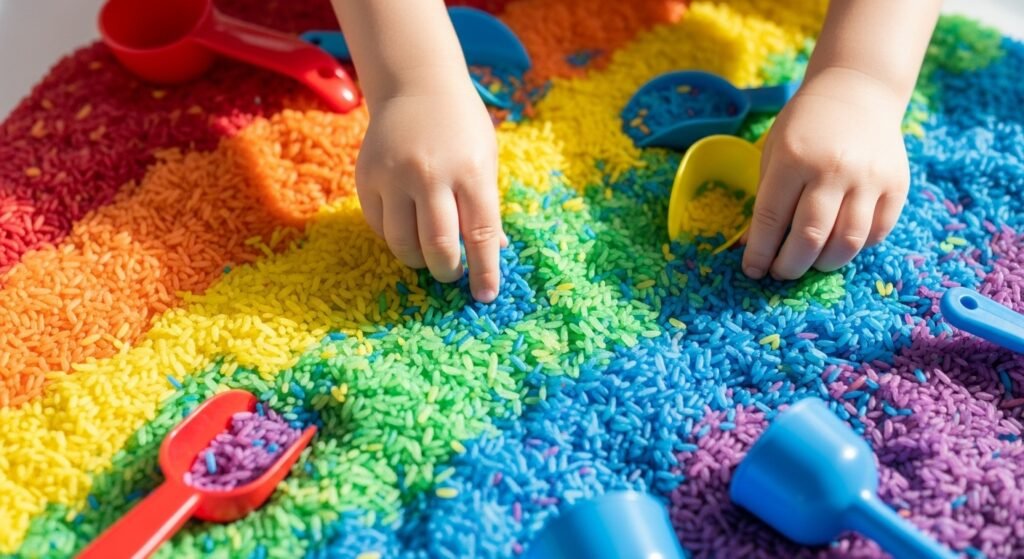
Dye uncooked rice using food coloring and a few drops of vinegar.
Let kids scoop, pour, and sort the colorful rice.
Add:
- Cups
- Spoons
- Funnels
- Small toys
A relaxing sensory activity that builds fine motor skills.
Color Matching With Clothes Pins
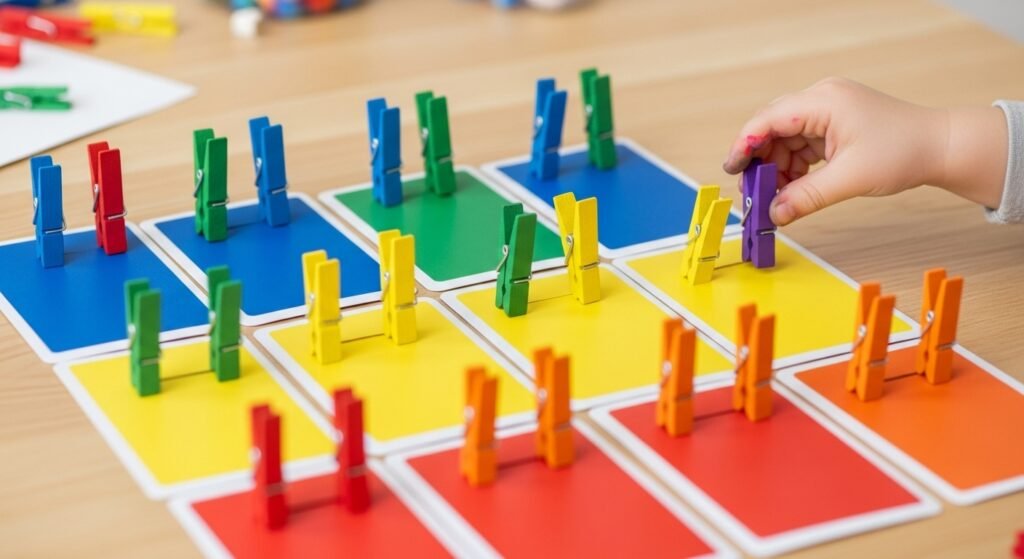
Write color names or draw colored circles on cardboard.
Kids match each clothespin to its correct color.
This strengthens:
- Color recognition
- Finger strength
- Coordination
A perfect quiet-time learning game.
Fruit and Vegetable Color Sorting
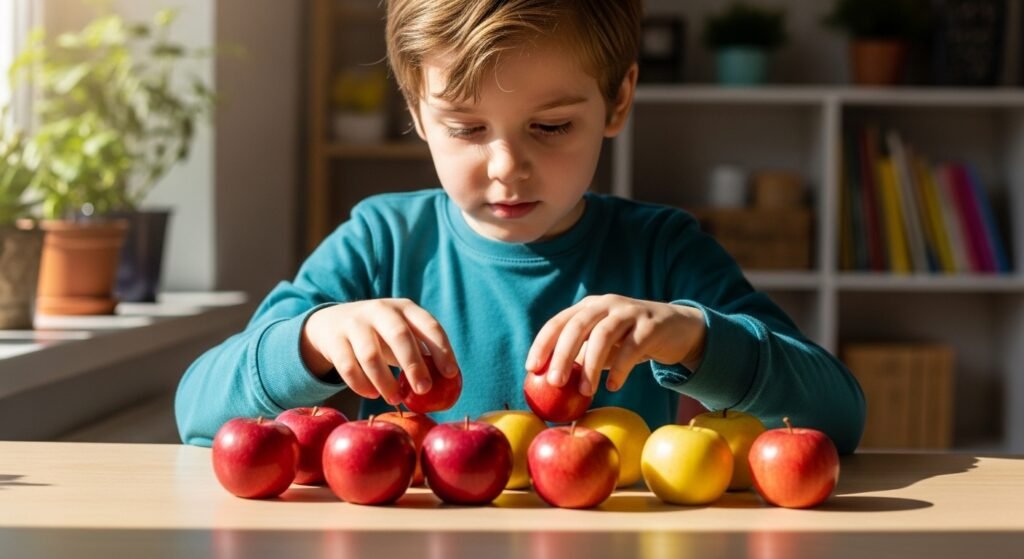
Use your kitchen to teach colors in a natural way.
Kids can sort:
- Green cucumbers
- Orange carrots
- Yellow bananas
- Red apples
- Purple grapes
Healthy, simple, and educational!
DIY Rainbow Using Nature Items
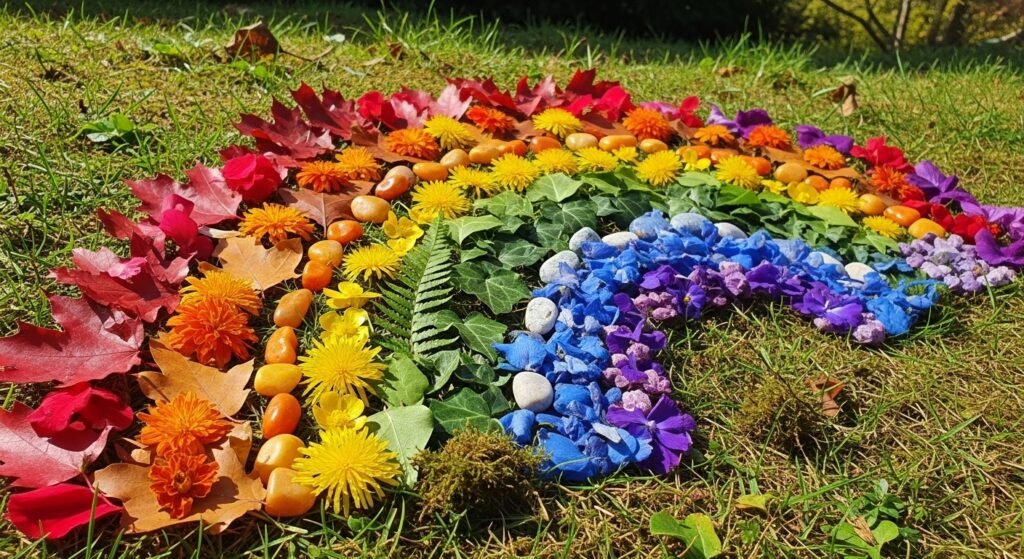
Go on a nature walk and collect leaves, flowers, stones, and sticks.
Then create a rainbow by arranging items according to their colors.
This activity encourages creativity and outdoor exploration.
Colored Ice Play for Hot Days
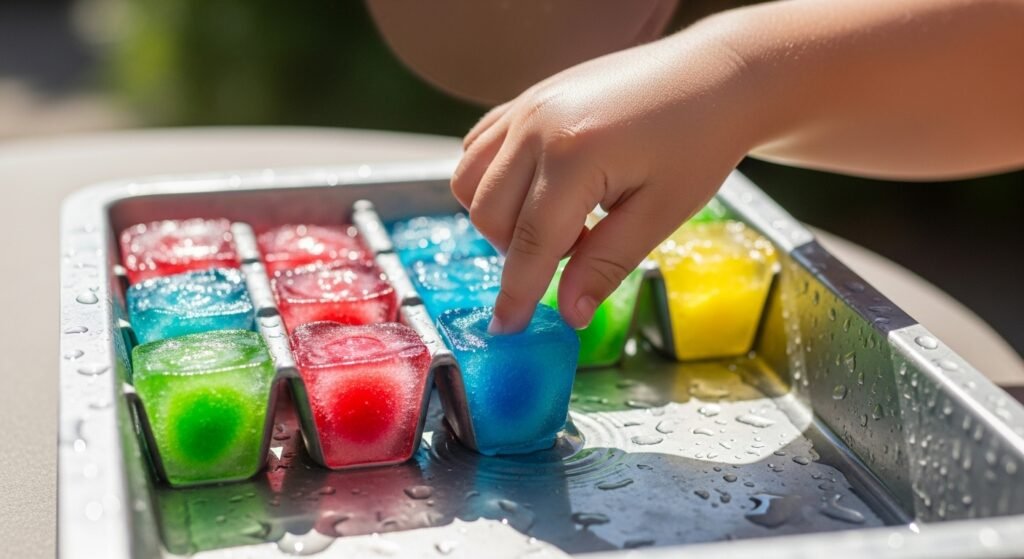
Freeze colored water in ice cube trays.
Kids use the cubes to paint on paper or mix them in warm water.
It’s a sensory-rich activity that teaches:
- Temperature awareness
- Color melting
- Blending effects
Perfect for summer learning.
Pom-Pom Color Race Game
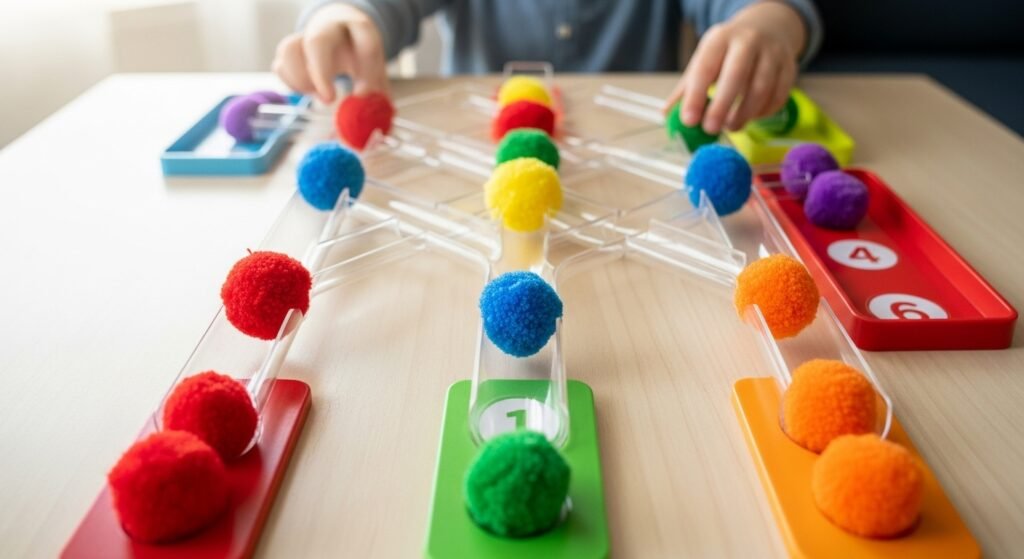
Create colored circles on a big sheet of paper.
Give your child a straw and let them blow the matching pom-poms into the correct circle.
This improves:
- Oral motor skills
- Focus
- Color matching
A fun way to get kids moving.
Bubble Wrap Color Printing
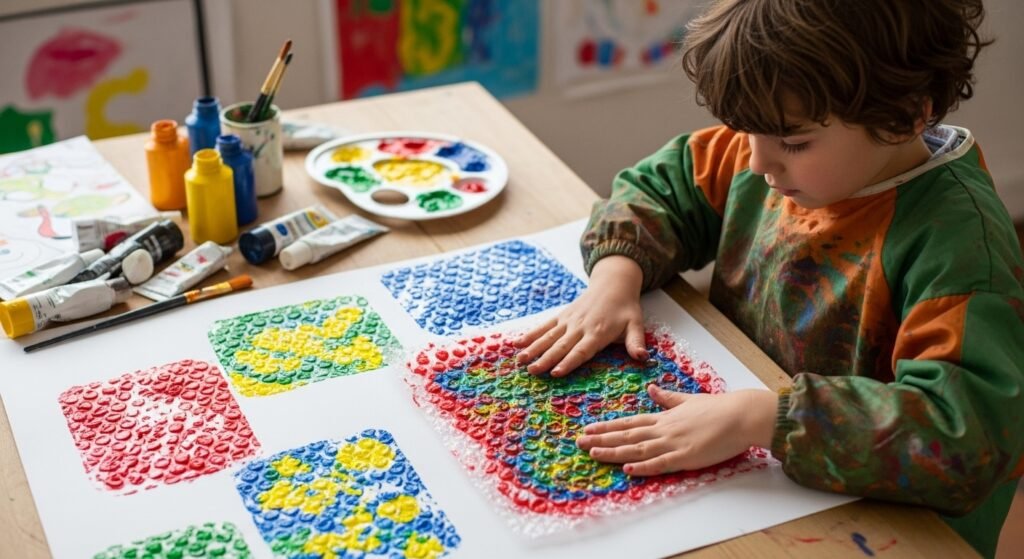
Paint bubble wrap with different colors and press paper onto it.
Kids enjoy:
- Patterns
- Texture
- Repeating prints
This is a creative way to combine art and sensory play.
Color-Themed Snack Time
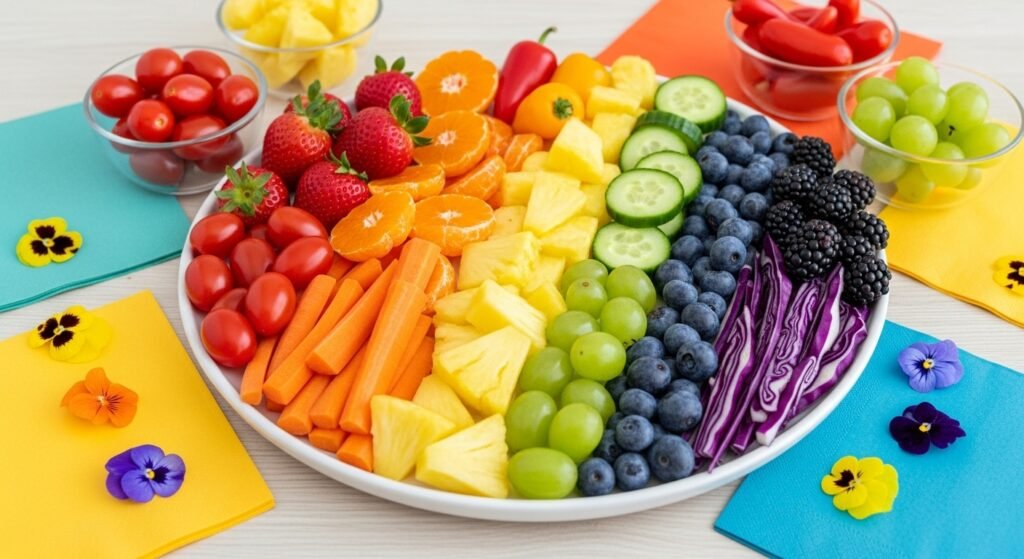
Make a snack plate using foods of one color.
Examples:
- Red: strawberries, tomatoes, apple slices
- Green: grapes, cucumbers, peas
- Yellow: corn, bananas, cheese
Kids learn colors through real-life food exploration.
Colored Tape Shapes on the Floor
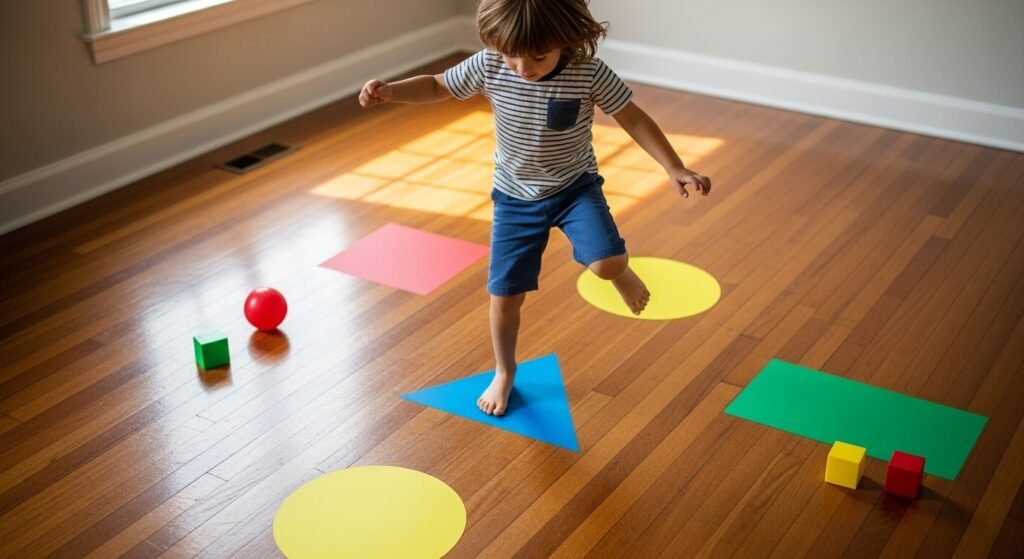
Use colorful tape to create shapes, lines, and paths on the floor.
Kids can:
- Walk on the paths
- Sort toys onto the shapes
- Jump on the color you call out
Great for physical play and color recognition together.
Final Thoughts
Color activities don’t have to be complicated to be effective. With simple household materials and creative ideas, kids can explore and learn colors in engaging, hands-on ways that make learning memorable. These activities encourage creativity, sensory exploration, and early cognitive development — all while keeping kids happily busy.