Welcome to the beautiful, bewildering world of new motherhood. It’s a journey filled with incredible highs, precious firsts, and sometimes, overwhelming questions. Among the many mysteries a newborn brings, cluster feeding often stands out as a particularly perplexing and exhausting phase. You might find yourself asking, ‘Is my baby getting enough? Am I doing something wrong? Why does my baby want to feed again, just an hour after the last time?’
You are not alone. Cluster feeding is a completely normal, natural, and often crucial part of infant development and establishing your milk supply. It’s a period where your baby seems to want to feed almost constantly, often for several hours at a stretch, taking short breaks in between. It can feel relentless, making you doubt your body, your milk, and your sanity. But understanding the ‘why’ and ‘how’ of cluster feeding can transform it from a source of anxiety into a manageable, even bonding, experience.
This guide is here to empower you with the truths about cluster feeding, offering reassurance, practical strategies, and the knowledge you need to navigate this phase with confidence and peace of mind. Let’s uncover the secrets together.
What Is Cluster Feeding Really
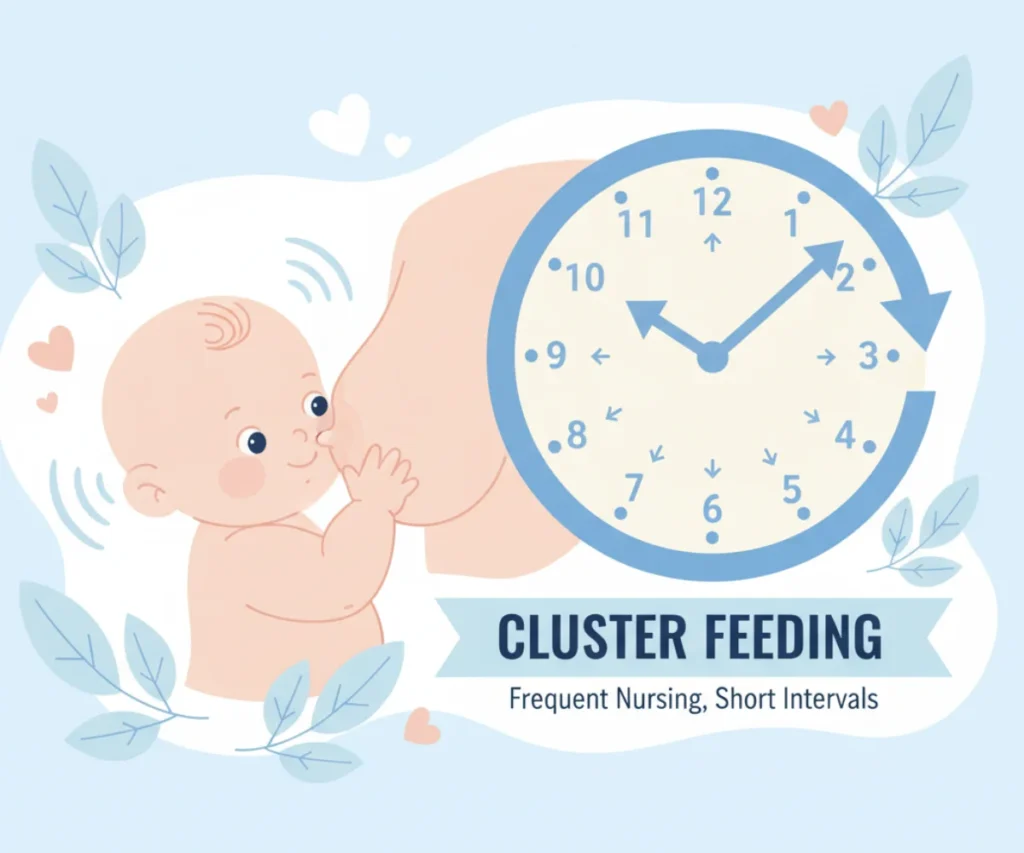
At its core, cluster feeding is when a baby nurses much more frequently than usual over a specific period, often lasting several hours. Instead of the typical 2-3 hour stretches between feeds, your baby might want to feed every hour, every 30 minutes, or even more often. This intense period of feeding can occur at various times, but it’s most common in the evenings or late afternoons.
It’s important to differentiate cluster feeding from simply a hungry baby or a baby who isn’t getting enough milk. With cluster feeding, your baby will typically still have plenty of wet and soiled diapers, indicating they are getting sufficient milk overall. The key characteristic is the pattern: short, frequent feeds concentrated into a block of time, followed by a longer stretch of sleep or contentment.
Is This Normal
Absolutely, yes! Cluster feeding is not only normal but also a very common and healthy behavior in newborns and young infants. It’s a fundamental aspect of their development and plays a vital role in establishing and maintaining a robust milk supply for breastfeeding mothers. Many parents worry that frequent feeding means their baby isn’t getting enough, or that their milk supply is dwindling. This is almost never the case during cluster feeding.
Instead, consider it a highly efficient biological strategy. Your baby instinctively knows what they need to do to thrive. Their frequent nursing sessions send powerful signals to your body to produce more milk, perfectly aligning your supply with their growing demands. It’s nature’s way of fine-tuning your breastfeeding relationship.
How to Spot Cluster Feeding
Recognizing cluster feeding can help you prepare and respond effectively, reducing anxiety. Here are the common signs:
- Increased Frequency: Your baby demands to feed much more often than usual, perhaps every 30-60 minutes, for a period of 3-4 hours or sometimes even longer.
- Fussiness and Restlessness: Your baby might be more irritable or fussy than normal between feeds, only seeming content when at the breast.
- Evening Pattern: It often occurs in the late afternoon or evening, just before a longer sleep stretch for the baby (and hopefully for you!).
- Not Always Gulping: While some feeds might be vigorous, others might involve more comfort sucking than deep, active feeding.
- Age-Related: Most common in the first few weeks and months, especially around growth spurts (e.g., 2-3 weeks, 6 weeks, 3 months).
- Satisfied After a Marathon: Despite the intensity, your baby typically seems content, perhaps sleeps for a longer period, and produces enough wet and soiled diapers over 24 hours.
Why Do Babies Cluster Feed

Understanding the reasons behind cluster feeding can provide immense peace of mind. It’s not random; it’s driven by several crucial developmental and physiological needs.
Growth Spurts
Babies grow at an astonishing rate, especially in their first year. These periods of rapid growth, known as growth spurts, demand extra calories and nutrition. Common growth spurt timings include around 2-3 weeks, 6 weeks, 3 months, and 6 months. During these times, babies naturally increase their feeding to fuel their development. Cluster feeding ensures they get the energy required to literally grow before your eyes.
Think of it like an athlete training for a big event; they need more fuel. Your baby is busy building connections, growing bones, and developing organs, all of which are energy-intensive processes.
Building Your Milk Supply
For breastfeeding mothers, cluster feeding is a powerful natural mechanism to regulate milk supply. The more frequently a baby nurses, the more your body is signaled to produce milk. This is based on the principle of supply and demand. When your baby has an increased need (like during a growth spurt or just to establish a baseline supply in the early weeks), their frequent nursing tells your breasts to ramp up production.
This is especially important in the early weeks when your milk supply is still being established. Frequent stimulation from cluster feeding helps lay the foundation for a robust and consistent milk supply moving forward, ensuring you’ll have enough milk to meet your baby’s needs as they grow.
Comfort and Security
Beyond hunger, babies find immense comfort and security at the breast. The warmth of your skin, the rhythm of your heartbeat, and the familiar scent of mom all contribute to a feeling of safety and contentment. Cluster feeding can often be a baby’s way of seeking comfort, especially if they are feeling overstimulated, tired, or simply need extra closeness.
This emotional need for proximity and touch is just as valid as their caloric needs. Nursing isn’t just food; it’s also love, reassurance, and a powerful tool for self-soothing in the overwhelming world outside the womb.
Teething and Discomfort
While less common than growth spurts or milk supply regulation, cluster feeding can sometimes be a response to discomfort. A baby who is teething, experiencing a mild cold, or just feeling a bit off might seek the comfort of the breast more frequently. The act of sucking can be soothing, and the closeness to mom provides a sense of security when they’re not feeling their best.
If you suspect teething, look for other signs like drooling, swollen gums, or fussiness with solids. However, if cluster feeding is accompanied by other signs of illness (fever, extreme lethargy, poor diaper output), always consult your pediatrician.
Common Misconceptions About Cluster Feeding

The intense nature of cluster feeding often leads to misunderstandings and unnecessary worry for new parents. Let’s debunk some common myths.
It Doesn’t Mean You Don’t Have Enough Milk
This is perhaps the most pervasive and damaging misconception. Many moms assume that if their baby is feeding constantly, it must mean their milk supply is insufficient. This is almost never true during a cluster feeding phase. In fact, it’s quite the opposite: your baby is actively working to increase your supply to meet their growing needs.
Your breasts are never truly ’empty.’ Milk production is an ongoing process, and frequent nursing helps stimulate further production. Trust your body and your baby. If your baby is gaining weight appropriately and producing enough wet and soiled diapers, your supply is likely fine.
It’s Not a Sign of Hunger Pains
While cluster feeding is driven by a need for calories, it’s not the same as a baby suffering from hunger pains because they haven’t eaten in a long time. Babies are naturally designed to seek nourishment when needed, and cluster feeding is a proactive measure rather than a desperate response to starvation. It’s their sophisticated way of ensuring future needs are met.
A baby experiencing genuine hunger due to insufficient feeding would show other signs, such as poor weight gain, lethargy, or very infrequent wet/soiled diapers. Cluster feeding typically occurs in otherwise healthy, thriving babies.
It Won’t Last Forever
This truth is essential for any exhausted new mom to hear. While cluster feeding can feel like an endless cycle, it is a temporary phase. It typically lasts for a few days at a time, coinciding with growth spurts, and then the feeding pattern will usually settle back into longer stretches. As your baby gets older, the episodes of cluster feeding tend to become less frequent and less intense.
Remember that every phase with a newborn is fleeting. While you’re in the thick of it, it’s okay to acknowledge that it’s tough, but hold onto the knowledge that it will pass.
How to Survive Cluster Feeding

While cluster feeding is normal, it can be incredibly draining. Having a survival strategy can make all the difference, transforming a challenging period into one where you still feel supported and able to function.
Prepare Your Comfort Zone
Since you’ll be spending a significant amount of time sitting and nursing, create a comfortable and well-stocked feeding station. Think of it as your ‘nest.’
- Choose a comfortable chair or sofa with good back support.
- Keep a large water bottle or glass within arm’s reach. Hydration is crucial!
- Stock up on easy-to-eat, healthy snacks like fruit, nuts, granola bars, or pre-cut veggies.
- Have a charger for your phone or tablet nearby.
- Grab a good book, turn on a podcast, or queue up a show.
- Keep the remote control, burp cloths, and a spare pacifier (if used) handy.
The goal is to minimize getting up and down, allowing you to focus on your baby and yourself.
Hydrate and Nourish Yourself
Producing milk burns calories and requires plenty of fluids. Neglecting your own needs during cluster feeding can lead to exhaustion and dehydration. Make it a priority to drink water constantly throughout the day, especially during nursing sessions. Keep a water bottle with you at all times.
Similarly, ensure you’re eating nutritious, energy-boosting meals and snacks. Don’t skip meals. You need fuel to sustain milk production and manage the demands of new parenthood. Consider meal prepping or asking for help with meals from friends and family.
Get Support from Your Partner or Family
You don’t have to go through cluster feeding alone. Communicate your needs to your partner, family members, or close friends. They can help in numerous ways:
- Bringing you food and drinks while you’re nursing.
- Taking care of household chores (laundry, dishes, tidying).
- Watching the baby for short periods when they’re not feeding, allowing you to nap, shower, or just have a few minutes to yourself.
- Offering emotional support and reassurance.
- Handling diaper changes, burping, or settling the baby between feeds so you can rest your arms.
Don’t be afraid to ask for specific help. Most people want to support new parents but might not know how unless you tell them.
Practice Self-Care Even Small Acts
Even during intense cluster feeding, try to carve out small moments for self-care. It might not be a full spa day, but even five minutes can make a difference.
- Take a warm, quick shower.
- Listen to your favorite song.
- Step outside for a breath of fresh air.
- Do a few gentle stretches.
- Call a supportive friend or family member.
These small acts can help you reset mentally and emotionally, providing a much-needed break from the intensity of constant feeding.
Know When to Ask for Help
While cluster feeding is normal, it’s essential to recognize when you might need professional assistance. If you are experiencing persistent pain during nursing, have concerns about your baby’s weight gain, or are feeling overwhelmingly depressed or anxious, reach out for help.
A lactation consultant can assess your latch and provide personalized advice. Your pediatrician can address any concerns about your baby’s health. And don’t hesitate to speak to your doctor or a therapist if you’re struggling with your mental health. Asking for help is a sign of strength, not weakness.
When Cluster Feeding Becomes a Concern

While cluster feeding is a normal and healthy part of infant development, there are times when excessive fussiness or frequent feeding might signal an underlying issue that needs attention. It’s important for new moms to be aware of these distinctions.
Signs to Look Out For
If your baby is feeding constantly but also exhibiting any of the following signs, it’s worth a closer look:
- Poor Weight Gain: If your baby is not gaining weight according to their pediatrician’s guidelines, despite frequent feeding.
- Decreased Diaper Output: Fewer wet or soiled diapers than expected for their age. This is a primary indicator of insufficient milk intake.
- Lethargy or Unresponsiveness: A baby who is unusually sleepy, difficult to rouse for feeds, or generally unresponsive.
- Persistent Crying, Not Just Fussiness: If your baby’s crying is inconsolable and goes beyond typical fussiness, even after feeding and comfort measures.
- Signs of Dehydration: Sunken soft spot (fontanelle), dry mouth, lack of tears, or decreased urine output.
- Fever or Other Illness Symptoms: Any signs of illness like a fever, persistent cough, or unusual rash.
- Pain During Feeds (for Mom): If you are experiencing significant, ongoing pain during nursing, it could indicate a latch issue or other problem.
When to Call Your Pediatrician or Lactation Consultant
Don’t hesitate to reach out to a healthcare professional if you have any concerns. It’s always better to be safe than sorry, and professionals are there to support you.
- If you notice any of the concerning signs listed above.
- If you are experiencing persistent nipple pain or breast pain. A lactation consultant can help assess your baby’s latch and positioning.
- If you feel your milk supply is genuinely low (e.g., breasts never feel full, no let-down sensation, baby not gaining weight).
- If you feel overwhelmed, depressed, or unable to cope. Maternal mental health is paramount.
- If your baby seems to be in constant pain or discomfort, not just fussing.
Your pediatrician can rule out any medical issues, and a lactation consultant is an invaluable resource for breastfeeding challenges.
The Benefits Beyond the Breast

While cluster feeding can be challenging, it’s important to remember that it’s not just about filling tiny tummies. This intense period of closeness offers profound benefits for both mother and baby.
Bonding and Attachment
These long, frequent feeding sessions provide an incredible opportunity for skin-to-skin contact, eye contact, and intimate physical closeness. This strengthens the bond between you and your baby, fostering a deep sense of attachment and security. The quiet moments spent together, even if tiring, are building blocks for a loving and secure relationship.
Your baby feels safe, loved, and comforted in your arms, and you get to immerse yourself in the incredible experience of nurturing your child. These are the moments that, in hindsight, often become cherished memories.
Hormonal Boost for Mom
Frequent nursing triggers the release of oxytocin in your body, often called the ‘love hormone.’ Oxytocin promotes feelings of well-being, relaxation, and maternal bonding. It also helps with uterine contractions, aiding in your postpartum recovery.
While cluster feeding can be exhausting, the surge of oxytocin can act as a natural stress reliever, helping you cope with the demands of new motherhood and fostering that deep, unconditional love for your little one.
Conclusion
Cluster feeding is undoubtedly one of the more demanding rites of passage for new breastfeeding mothers. It’s a phase that tests patience, resilience, and often, your belief in your own body. But armed with the truth, you can face it not with fear, but with understanding and empowerment.
Remember that cluster feeding is a normal, healthy, and often essential part of your baby’s development and your breastfeeding journey. It’s your baby’s ingenious way of growing, building your milk supply, and seeking comfort in their new world. It’s temporary, and you are not alone in experiencing it.
Lean on your support system, prioritize your own hydration and nourishment, and practice radical self-compassion. You are doing an amazing job, and your baby is thriving because of your dedication. Trust your instincts, embrace the closeness, and know that this intense period will pass, leaving you with a stronger bond and a robust milk supply for the adventures ahead. You’ve got this, mama.