Congratulations, new parent! You’re embarking on one of life’s most incredible adventures. And if you’re considering or have decided on cloth diapering your newborn, you’re also embracing an eco-friendly, often cost-effective, and wonderfully soft option for your little one. While it might seem a bit daunting at first glance, especially with a tiny, squishy newborn, I promise it’s entirely manageable and incredibly rewarding. Many parents have walked this path before you, and with a few essential tips, you’ll be a cloth diapering pro in no time.
This guide is designed to equip you with the best practical advice, making your cloth diaper journey with your newborn as smooth and stress-free as possible. Let’s dive into the world of cute prints, fluffy bottoms, and confident diaper changes!
Why Choose Cloth Diapers for Your Newborn?
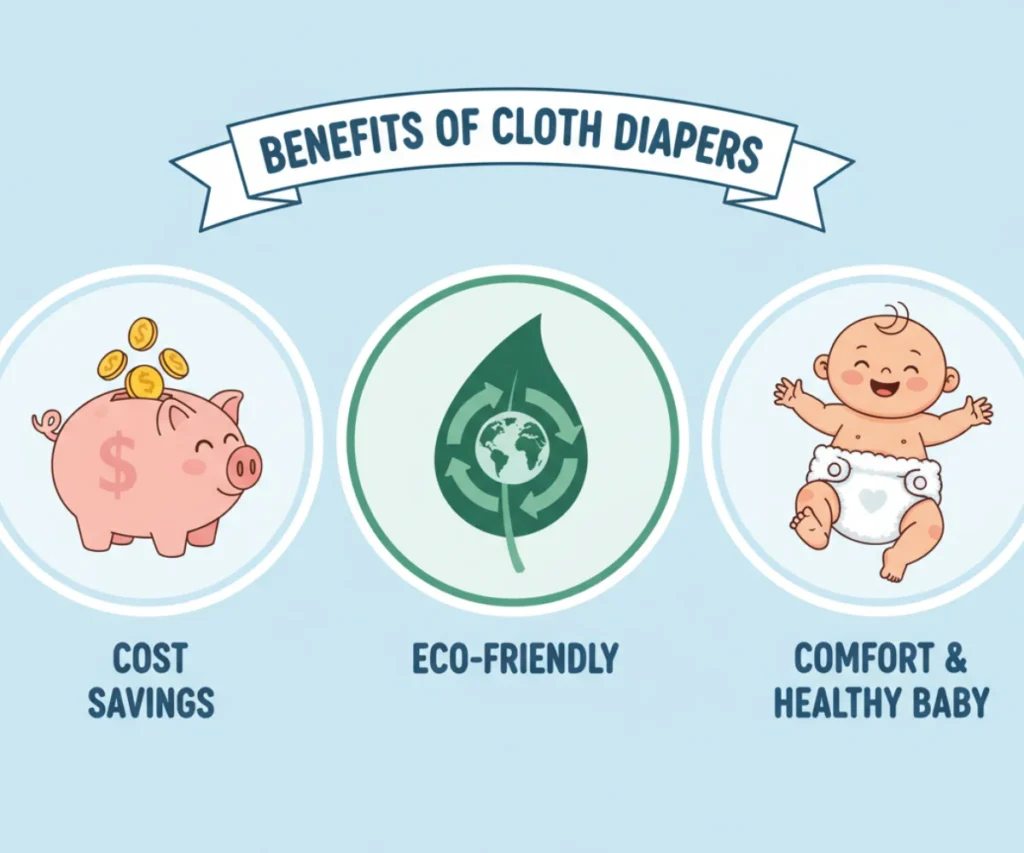
Before we get to the tips, let’s briefly touch upon why so many parents are choosing cloth diapers for their precious newborns. Beyond the undeniable cuteness factor, there are compelling reasons to go cloth:
- Environmental Impact: Disposable diapers contribute significantly to landfills, taking hundreds of years to decompose. Cloth diapers drastically reduce this waste, offering a greener choice for our planet.
- Cost-Effectiveness: While the initial investment might seem higher, cloth diapers save a substantial amount of money in the long run, especially if you plan to use them for multiple children.
- Gentle on Baby’s Skin: Many cloth diapers are made from natural fibers like cotton, bamboo, or hemp, reducing exposure to the chemicals often found in disposables. This can mean fewer diaper rashes for sensitive skin.
- Adorably Soft: Let’s be honest, there’s something incredibly endearing about a baby in a fluffy, colorful cloth diaper. They look so cozy and comfortable!
- Early Potty Training: Some parents report that babies in cloth diapers become more aware of wetness, potentially leading to earlier potty training cues.
Choosing cloth is a personal decision, and whatever your reasons, know that you’re giving your baby a wonderful start while also making a conscious choice for the environment.
Getting Started The Essentials

Before you even bring your little one home, it’s helpful to have your cloth diapering toolkit ready. Understanding the basic components will make the actual process much smoother.
Types of Cloth Diapers for Newborns
The world of cloth diapers offers a delightful variety. For newborns, some types are more popular due to their fit and ease of use:
- Prefolds and Covers: These are rectangular pieces of absorbent fabric (prefolds) folded around the baby and secured with a Snappi or pins, then covered with a waterproof cover. They are economical and customizable.
- Fitted Diapers and Covers: A fitted diaper is entirely absorbent and shaped like a disposable, but it’s not waterproof on its own, so it requires a separate waterproof cover. Great for absorbency, especially overnight.
- All-in-Ones (AIOs): As the name suggests, the absorbent material and waterproof cover are sewn together into one piece. They are the most similar to disposables in terms of ease of use, making them a popular choice for busy parents or caregivers.
- Pocket Diapers: These have a waterproof outer layer and a stay-dry inner layer, creating a ‘pocket’ where you stuff absorbent inserts. You can customize the absorbency, but they require stuffing after washing.
For newborns, many parents start with prefolds and covers or newborn-sized AIOs because they offer a snug fit for tiny legs.
Key Accessories You’ll Need
- Waterproof Covers: Essential for prefolds and fitted diapers. Look for double gussets for extra leak protection.
- Wet Bags: For storing soiled diapers when out and about, or for short-term storage at home before laundry day.
- Diaper Pail or Hanging Wet Bag: For storing soiled diapers at home. Airflow is key to preventing excessive odors.
- Cloth Wipes: An eco-friendly alternative to disposable wipes. You can wet them with water or a mild solution.
- Diaper Sprayer: (Optional but highly recommended once solids are introduced) Attaches to your toilet to spray off solids easily.
- Cloth Diaper Safe Cream: Important to prevent residue buildup on your diapers.
Tip 1 Master the Newborn Fit

This is arguably the most crucial tip for preventing leaks and ensuring your baby’s comfort. Newborns are tiny, and getting the fit just right can take a little practice, but once you’ve got it, it becomes second nature.
A well-fitted cloth diaper should be snug but not tight. You want to contain everything without restricting your baby’s movement or leaving deep red marks on their delicate skin. The most common cause of leaks is a poor fit around the legs or waist.
Achieving the Perfect Fit
- Snug Leg Openings: The fabric around your baby’s thighs should tuck neatly into the crease of their leg, forming a seal. There should be no gaps where you can easily slide a finger in. If there are gaps, leaks are almost guaranteed.
- Waist Comfort: The diaper should sit below the belly button (especially important for healing umbilical stumps) and be snug enough that you can’t easily pull it down, but loose enough that you can slide two fingers comfortably underneath.
- Proper Rise: The ‘rise’ refers to how high the diaper comes up on your baby’s torso. For newborns, you want it to come up high enough on their back to contain blowouts, often reaching just below their belly button. If using snap-down rise settings, adjust to the smallest setting for newborns.
- Check for Bulges: Ensure all absorbent material is tucked inside the waterproof layer. Any fabric peeking out is an invitation for moisture to wick onto clothes.
- Snug but Gentle: Always prioritize your baby’s comfort. If it looks or feels too tight, adjust it. Red marks mean it’s too tight.
Remember that newborns grow incredibly quickly, so what’s a perfect fit today might need adjusting next week. Don’t be afraid to experiment with different snaps or folds until you find what works best for your baby’s unique shape.
Tip 2 Prepping Your Diapers Before First Use
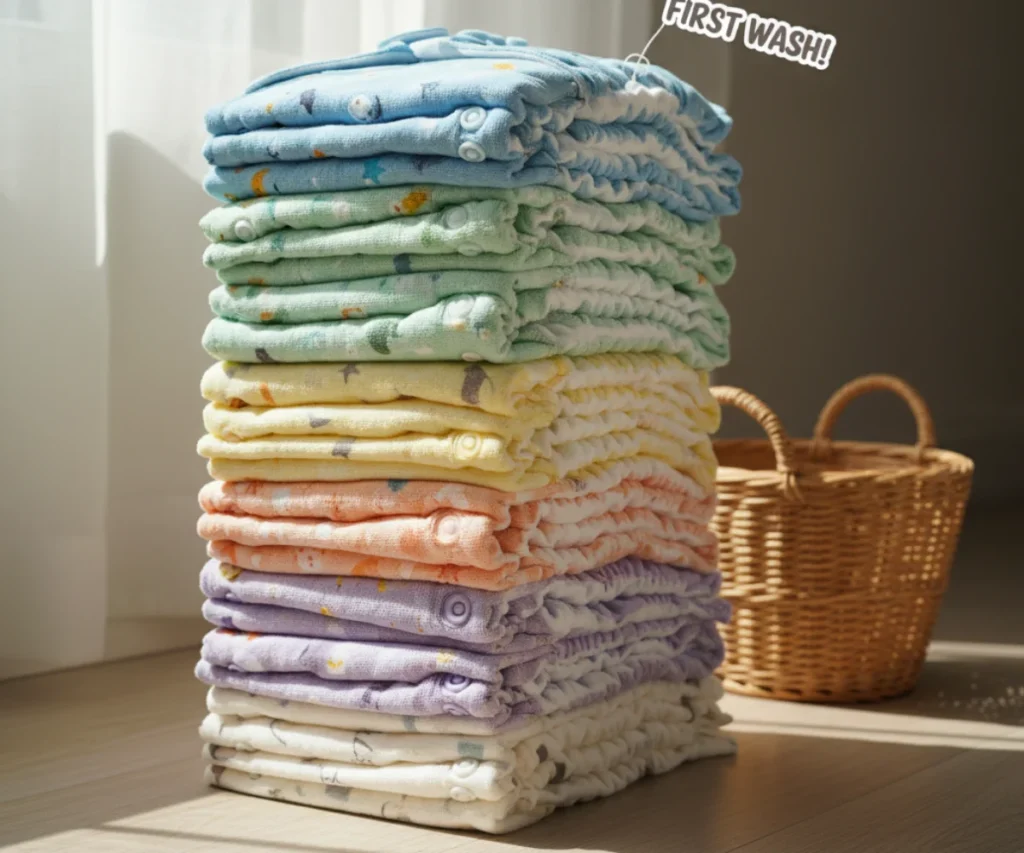
You wouldn’t wear new clothes without washing them first, and the same goes for cloth diapers! Prepping is an essential step to ensure maximum absorbency and cleanliness right from the start. This process varies slightly depending on the material:
- Natural Fibers (Cotton, Hemp, Bamboo): These fabrics contain natural oils that need to be washed away to unlock their full absorbency. They typically require 3-6 washes in hot water with detergent, drying in between, before they reach peak absorbency. You can wash them with other laundry as long as it’s a full load.
- Synthetic Fibers (Microfiber, Zorb): These tend to reach full absorbency much faster, usually after just one wash in warm water with detergent.
- PUL/TPU Covers (Waterproof Shells): These only need one wash in warm or cold water with detergent to be ready.
The goal is to remove any manufacturing residues and ‘prime’ the fibers to hold as much liquid as possible. Skipping this step can lead to leaks and frustration, so take the time to do it right before your baby arrives!
Tip 3 Build a Good Stash

Newborns go through a surprising number of diapers each day – often 10-12 or even more! To avoid daily laundry, you’ll want a stash that allows you to wash every 2-3 days. Having enough diapers means less stress and more time snuggling your baby.
Recommended Newborn Stash
The exact number depends on your chosen diaper type and how frequently you plan to do laundry:
- For washing every 2 days: Aim for 24 newborn-sized diapers.
- For washing every 3 days: Aim for 30-36 newborn-sized diapers.
- Covers (if using prefolds/fitteds): You’ll need fewer covers than absorbent inserts, typically 6-8 covers for every 24 prefolds/fitteds, as covers can often be wiped clean and reused a few times before washing.
It’s often a good idea to start with a variety pack or a small set of different brands/types to see what you prefer before investing heavily in one kind. Some babies are long and lean, others are chunky, and certain diaper styles will simply fit better.
Tip 4 The Diaper Change Routine

Changing a cloth diaper is very similar to changing a disposable, with one key difference: handling the soiled material. Developing a smooth routine will make changes quick and efficient, even in the middle of the night.
Step-by-Step Diaper Change
- Gather Supplies: Have your fresh cloth diaper, cloth wipes (pre-wet or a spray bottle of water nearby), a changing pad, and diaper cream within arm’s reach.
- Undress Baby: Unsnap or unvelcro the soiled diaper.
- Clean Up: For wet-only diapers, simply wipe clean with wet wipes. For poopy diapers, use the front of the soiled diaper to gently wipe away as much solid waste as possible from your baby’s bottom.
- Wipe Thoroughly: Use your wet cloth wipes to clean thoroughly from front to back, getting into all the little creases. Pat dry if using cream.
- Apply Cream: If needed, apply a cloth diaper-safe cream (more on this below).
- Fresh Diaper: Place the fresh diaper under your baby, ensuring the back is at their waist level. Bring the front up and fasten securely, checking for the perfect fit (see Tip 1!).
- Dispose of Diaper: For a wet-only diaper, simply toss it into your wet bag or diaper pail.
Handling Poopy Diapers
- Breastfed Newborns: Exclusively breastfed baby poop is water-soluble. This means you generally don’t need to rinse it off before tossing the diaper into your wet bag or pail. Your washing machine can handle it!
- Formula-fed or Solid-fed Babies: Once formula is introduced or when your baby starts solids, their poop becomes more solid and is no longer water-soluble. At this point, you’ll need to remove as much solid waste as possible before washing. Options include:
- Dunk and Swish: Holding the diaper in the toilet water and swishing.
- Diaper Sprayer: A hose attachment for your toilet that makes rinsing quick and hygienic.
- Fleece Liners: These can catch solids, making them easy to dump into the toilet.
Don’t be intimidated by the ‘poop’ part. Most parents find a system that works quickly and isn’t nearly as gross as they initially imagined!
Tip 5 Develop a Solid Wash Routine

Your wash routine is the backbone of successful cloth diapering. A good routine ensures your diapers are thoroughly clean, odor-free, and absorbent for years to come. A poor routine can lead to smells, rashes, and reduced diaper lifespan.
Key Principles of Cloth Diaper Washing
- Pre-wash Cycle: This is crucial! A short, cold rinse cycle (or a quick wash) helps to remove the majority of urine and surface solids, preventing them from contaminating your main wash.
- Main Wash Cycle: A heavy-duty, long, hot water wash with the recommended amount of a good quality, strong detergent. This is where the deep cleaning happens.
- Sufficient Detergent: Don’t skimp! Cloth diapers are heavily soiled items. Use a mainstream, reliable detergent and follow the package’s directions for heavily soiled items or hard water. Avoid detergents with fabric softeners, excessive brighteners, or dyes that can build up.
- Water Temperature: Hot water for the main wash helps sanitize and dissolve oils and residues. Cold or warm for the pre-wash.
- Proper Loading: Your washing machine should be about 2/3 to 3/4 full for the main wash. Too few diapers won’t create enough agitation; too many won’t get clean.
Sample Wash Routine (Adjust for your machine and water type)
- Pre-wash: Cold water quick wash or rinse cycle, add half the recommended detergent.
- Main Wash: Hot water heavy-duty cycle, add full recommended detergent. (You can add other small, colorfast laundry to bulk up the load if needed).
- Extra Rinse (Optional): If you have very soft water or want extra peace of mind, you can add an extra cold rinse at the end.
- Drying: Hang dry covers and AIOs (especially those with PUL/TPU) to extend their life. Inserts, prefolds, and fitteds can be tumble-dried on low or medium heat.
If you encounter smells or persistent stains, a quick search for ‘cloth diaper wash routine troubleshooting’ for your specific washing machine type can be a lifesaver. Hard water areas might benefit from a water softener additive like Borax or Calgon.
Tip 6 Choose the Right Diaper Cream
FailedRetry
Diaper rash happens, even with cloth diapers. Using the right cream is important to protect your baby’s skin and prevent damage to your diapers. Many conventional diaper creams, especially those with petroleum or zinc oxide, can leave a residue on cloth diapers, reducing their absorbency over time.
- What to Avoid: Creams containing petroleum jelly, cod liver oil, or high levels of zinc oxide are generally not recommended for direct contact with cloth diapers as they can ‘build up’ and waterproof the absorbent fabric.
- Cloth Diaper Safe Creams: Look for creams specifically marketed as ‘cloth diaper safe.’ These are often zinc-free or use very low concentrations of zinc oxide, and rely on ingredients like shea butter, coconut oil, or non-petroleum bases. Examples include GroVia Magic Stick, Earth Mama Organic Diaper Balm, or small amounts of pure coconut oil.
- Using Barrier Liners: If you absolutely need to use a conventional, heavy-duty rash cream (e.g., for a severe rash), you can use a disposable or reusable fleece liner between the cream and the diaper. This acts as a barrier to protect your cloth.
Always apply creams sparingly and ensure your baby’s bottom is clean and dry before application.
Tip 7 Understand Absorbency and Leaks
FailedRetry
Even with a perfect fit and a solid wash routine, you might experience a leak now and then. Don’t worry, it’s usually an easy fix! Leaks are often due to either a fit issue (see Tip 1) or an absorbency issue.
Boosting Absorbency
Newborns pee frequently, but in smaller amounts. As they grow, they’ll pee larger amounts, which can overwhelm a diaper not adequately boosted for absorbency, especially for naps or overnight.
- Natural Fibers are Key: Hemp and bamboo inserts are excellent for boosting absorbency because they are very thirsty and relatively trim. Cotton prefolds can also be folded to add extra layers.
- Layering: You can layer different types of inserts. For example, a microfiber insert (fast absorbing) on top of a hemp insert (slow but high capacity) works well.
- Doublers: These are thin, extra absorbent pads designed to be added to any diaper for more capacity.
Troubleshooting Leaks
If you’re experiencing consistent leaks, consider these common culprits:
- Fit: Re-evaluate the leg openings and waist. Are there any gaps?
- Not Enough Absorbency: Is your baby out-peeing the diaper? This is especially common as babies get older or for heavy wetters. Add an extra insert.
- Detergent Residue/Buildup: If your diapers repel water instead of absorbing it, you might have detergent or cream buildup. A ‘strip’ wash (a deep cleaning process) might be needed.
- Wetness Wicking: Is any part of the absorbent material peeking out from under the waterproof cover? Even a tiny bit can wick moisture onto clothes.
- Diaper Compression: Tight onesies or car seat straps can compress a very wet diaper, squeezing moisture out.
Keep a mental note or a small log of when and how leaks occur – this information helps pinpoint the problem and find a solution.
Tip 8 Storage Solutions
FailedRetry
Storing soiled cloth diapers between washes is straightforward, but a few practices can keep odors at bay and make laundry day easier.
- Wet Bag vs. Dry Pail: Most parents opt for a ‘dry pail’ method, meaning you simply toss the soiled (and rinsed, if necessary) diapers into an open-lidded hamper or a large hanging wet bag. This allows for airflow, which helps to minimize odors.
- Lined Pails: You can use a dedicated diaper pail lined with a large reusable pail liner, or simply use a tall laundry hamper.
- Airflow is Your Friend: Avoid sealing wet diapers in an airtight container, as this can trap moisture and foster ammonia smells and mold. An open-air approach works best.
- Location: Keep your storage solution in a well-ventilated area of your nursery or laundry room.
A typical diaper changes every 2-3 days will prevent diapers from sitting too long and becoming overly soiled or smelly. For particularly stinky poops, you might want to rinse immediately and store in a smaller, dedicated wet bag.
Tip 9 Don’t Be Afraid to Ask for Help
Cloth diapering, like all aspects of parenting, comes with its learning curve. It’s okay to feel overwhelmed, confused, or to have questions. You are not alone! There’s a vibrant and supportive community of cloth diapering parents eager to share their knowledge and encouragement.
- Online Communities: Facebook groups dedicated to cloth diapering are fantastic resources. Search for groups like ‘Cloth Diapering 101’ or ‘Newborn Cloth Diapering.’ You’ll find experienced parents, brand representatives, and troubleshooting advice at your fingertips.
- Local Support: Check if there are any local cloth diapering groups or meetups in your area. Connecting with parents face-to-face can provide invaluable real-life tips and demonstrations.
- Retailer Support: Many online and brick-and-mortar cloth diaper retailers offer excellent customer service and advice on specific products or wash routines.
- Friends and Family: If you know someone who cloth diapers, don’t hesitate to pick their brain! They can be a wonderful source of practical, personalized advice.
No question is too silly, and sharing your challenges can often lead to quick solutions. Lean on your village!
Tip 10 Embrace Imperfection and Enjoy the Journey
FailedRetry
Finally, and perhaps most importantly, remember that parenting is rarely perfect, and neither is cloth diapering. There will be leaks, forgotten wash days, and moments of doubt. And that’s absolutely okay!
- Flexibility is Key: Some days you might opt for a disposable, especially for long outings or when you’re feeling exhausted. That’s perfectly fine! Every cloth diaper used is one less in the landfill, and every moment of sanity you preserve is invaluable.
- Celebrate Small Wins: Did you successfully change a poopy diaper without a mess? Hooray! Did your wash routine yield perfectly clean and fresh diapers? Fantastic! Acknowledge your progress.
- Focus on the Big Picture: You’re doing something wonderful for your baby, your wallet, and the planet. That’s a huge accomplishment.
The newborn phase flies by in a blur of sleepless nights and incredible firsts. Try to relax, trust your instincts, and enjoy the snuggly, cloth-diapered moments with your little one. You’ve got this!
Conclusion
Cloth diapering your newborn is a journey filled with learning, adaptation, and immense satisfaction. By mastering the fit, establishing a consistent wash routine, understanding absorbency, and knowing when to ask for help, you’ll navigate this path with confidence and ease. Remember to be kind to yourself, embrace the imperfections, and cherish every moment with your little one. You’re making a fantastic choice, and with these 10 tips, you’re well-equipped for a successful and joyful cloth diapering experience!