Addressing childhood weight concerns requires a sensitive, balanced approach that prioritizes overall health over strict dieting. Since children are still growing and developing, the focus must shift from calorie restriction to building sustainable healthy habits. This guide explores twelve scientifically backed strategies to help children achieve a healthier weight while fostering a positive relationship with food and exercise. Always consult with a pediatrician before making significant changes to a child’s lifestyle.
1. Prioritize Whole Foods Over Processed Snacks

Transitioning the family pantry from processed goods to whole foods is a fundamental step. Processed snacks often contain hidden sugars and unhealthy fats that lead to weight gain. Encourage the consumption of fresh fruits, vegetables, lean proteins, and whole grains. These foods provide essential nutrients and fiber, which helps children feel full for longer periods and supports their natural growth cycles.
2. Eliminate Sugary Beverages

Sugar-sweetened beverages like soda, energy drinks, and even some fruit juices are major contributors to excess calorie intake. These drinks offer little nutritional value and can lead to energy crashes. Replacing these with water or plain milk can significantly reduce daily caloric intake without making a child feel deprived of food. Infusing water with slices of lemon or cucumber can make hydration more appealing.
3. Encourage Active Play Daily

Physical activity for children should not feel like a chore or a structured workout. Instead, focus on active play such as tag, riding bikes, swimming, or dancing. The goal is to ensure at least sixty minutes of moderate to vigorous physical activity most days of the week. This helps burn calories while improving cardiovascular health and strengthening developing muscles.
4. Establish Consistent Sleep Routines

Sleep plays a critical role in weight management and metabolic health. Lack of sleep can disrupt the hormones that regulate hunger and fullness, leading to overeating and cravings for high-calorie foods. Ensure that children follow a consistent bedtime schedule and get the age-appropriate amount of rest, which typically ranges from nine to twelve hours depending on their stage of development.
5. Eat Meals Together as a Family

Family mealtimes provide an opportunity for parents to model healthy eating behaviors. When families eat together, children are more likely to consume vegetables and less likely to eat unhealthy snacks. This environment also allows parents to monitor portion sizes and engage in positive conversations, which reduces the likelihood of emotional eating or distractions during meals.
6. Practice Mindful Eating Habits
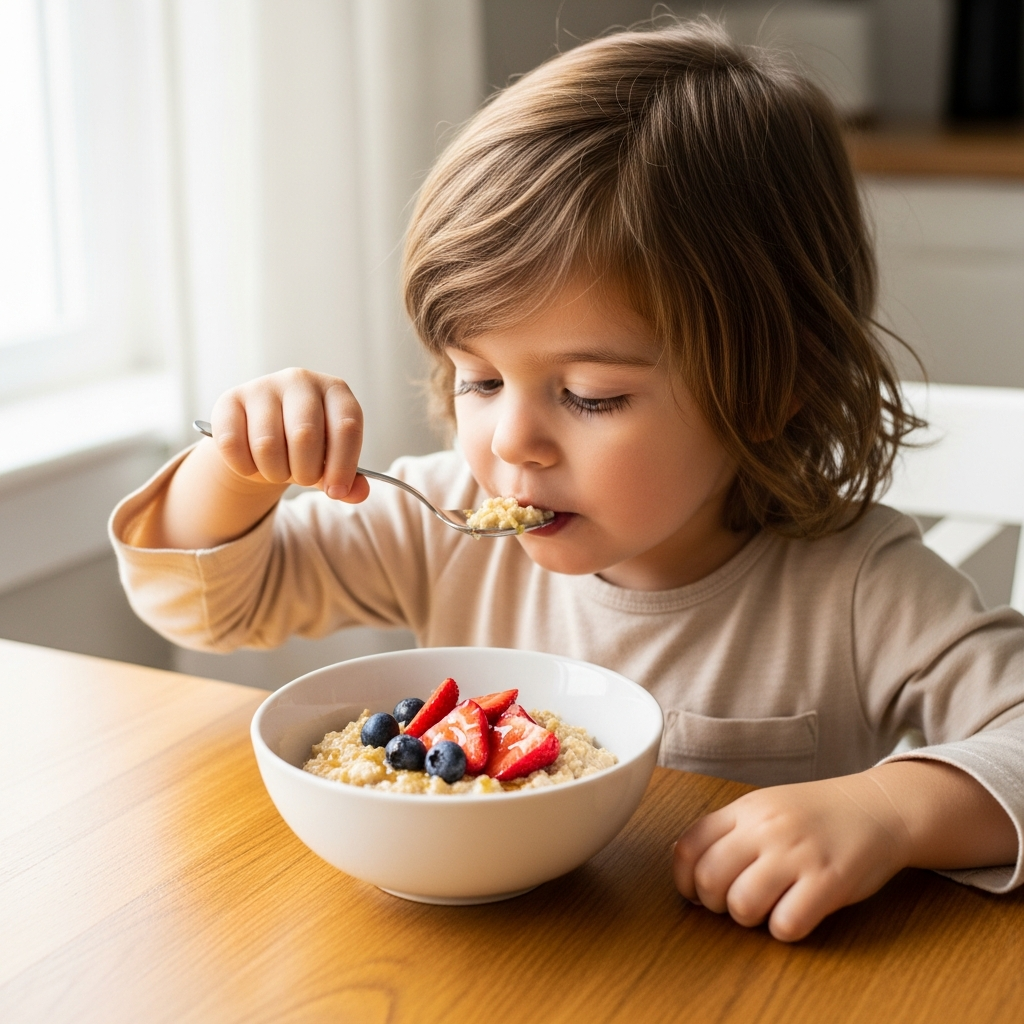
Mindful eating involves paying attention to hunger and fullness cues. Encourage children to eat slowly and savor their food, which gives the brain enough time to receive the signal that the stomach is full. Discourage eating while watching television or playing video games, as distracted eating often leads to overconsumption and a lack of awareness regarding satiety.
7. Manage Portion Sizes Appropriately

Using smaller plates and bowls can naturally help control portion sizes without making the child feel restricted. It is important to serve portions that are appropriate for the child’s age and activity level rather than using adult-sized servings. Allow the child to ask for seconds if they are genuinely still hungry, but encourage a waiting period of twenty minutes first.
8. Limit Sedentary Screen Time

Excessive screen time is closely linked to childhood obesity due to its sedentary nature and the prevalence of food advertising. Set clear boundaries for the use of tablets, computers, and televisions. By reducing screen time, children are more likely to seek out physical activities or creative hobbies that keep them moving and engaged.
9. Focus on Hydration with Water

Sometimes children mistake thirst for hunger. Ensuring that a child stays well-hydrated throughout the day can prevent unnecessary snacking. Water supports every metabolic process in the body and helps maintain energy levels. Carrying a reusable water bottle to school and during activities makes it easier for children to prioritize hydration over other options.
10. Provide Nutrient-Dense Snacks

Snacking is a normal part of a child’s day, but the quality of the snacks matters. Instead of crackers or cookies, offer nutrient-dense options like Greek yogurt, nuts, seeds, or apple slices with peanut butter. These snacks provide a combination of protein, healthy fats, and fiber that stabilizes blood sugar and keeps hunger at bay until the next meal.
11. Set Realistic and Positive Goals

Weight loss in children should be viewed as a long-term journey toward health rather than a quick fix. Set small, achievable goals that focus on behaviors rather than the number on the scale. For example, a goal could be to try one new vegetable a week or to take a family walk after dinner. Celebrating these small victories builds confidence and reinforces positive habits.
12. Consult with a Professional

Professional guidance is essential when managing a child’s weight. A pediatrician or a registered dietitian can provide personalized advice tailored to the child’s specific growth charts and medical history. They can help identify if there are underlying medical issues and ensure that any weight management plan does not interfere with the child’s nutritional needs for growth and development.
Conclusion
Supporting a child in achieving a healthy weight is a collaborative family effort that relies on patience, consistency, and positive reinforcement. By implementing these twelve strategies, parents can help their children develop lifelong habits that promote physical health and emotional well-being. The focus should always remain on health, vitality, and growth, ensuring that every child feels supported and loved throughout their journey toward a healthier lifestyle.