Bringing a new baby home is a whirlwind of emotions, joy, and learning. If you’ve chosen to breastfeed, you’re embarking on a beautiful journey that is deeply rewarding, yet often challenging. It’s a natural process, but that doesn’t mean it comes without its own unique set of hurdles. Many new parents feel immense pressure to get everything “right,” especially when it comes to feeding their little one.
It’s completely normal to feel a bit lost or unsure at times. Breastfeeding is a skill that both you and your baby learn together, and like any new skill, there can be bumps along the way. While some common struggles are simply part of the learning curve, there are a few mistakes that, if not addressed, can become genuinely dangerous for both you and your baby. Understanding these pitfalls isn’t about scaring you, but about empowering you with knowledge so you can breastfeed confidently and safely.
Understanding the Importance of Safe Breastfeeding Practices

Breastfeeding offers incredible benefits, from providing your baby with essential nutrients and antibodies to fostering a deep bond. It’s a significant part of early parenthood for many families.
Why Breastfeeding is Valued
Breast milk is often called “liquid gold” for good reason. It adapts to your baby’s changing needs, providing perfect nutrition. It also contains antibodies that help protect your baby from illnesses and infections. For mothers, breastfeeding can help with postpartum recovery and may lower the risk of certain health conditions later in life.
The Learning Curve
Despite its natural roots, breastfeeding doesn’t always come easily. You might face challenges like sore nipples, worries about milk supply, or a baby who struggles to latch. These are common experiences, and they highlight why understanding the process and knowing when to seek help is so crucial. Avoiding certain mistakes can make a world of difference in your breastfeeding journey.
Mistake 1: Ignoring Pain and Discomfort

Many new moms are told that breastfeeding shouldn’t hurt. While some initial tenderness is common as your body adjusts, persistent or severe pain is a red flag. Ignoring these signals can lead to serious health complications for you, making breastfeeding very difficult or even impossible.
What Kind of Pain Should You Watch Out For?
It’s important to distinguish between mild discomfort and concerning pain.
Persistent Nipple Pain
If your nipples are constantly sore, cracked, blistered, or bleeding after the first week or so, something is likely wrong. This isn’t just uncomfortable; it’s a sign that your nipples are being damaged.
Engorgement and Clogged Ducts
Engorgement happens when your breasts become overly full, hard, and painful. If left unaddressed, engorgement can sometimes lead to clogged milk ducts, which feel like a tender, hard lump in your breast.
Fever and Body Aches
If you develop a fever, chills, body aches, and a red, painful, or warm area on your breast, these are signs of a more serious issue that needs immediate attention.
The Dangers of Ignoring These Signs
Ignoring pain or discomfort can escalate quickly.
Mastitis and Breast Abscess
A clogged duct can turn into mastitis, which is an infection of the breast tissue. If mastitis isn’t treated, it can sometimes lead to a breast abscess, a painful collection of pus that might require draining. Both mastitis and abscesses are very serious and can make you feel extremely unwell.
Early Weaning
Persistent pain can be incredibly discouraging. Many mothers decide to stop breastfeeding sooner than they intended because the pain becomes too much to bear. This can be heartbreaking for moms who wished to continue.
What to Do
If you’re experiencing pain, don’t suffer in silence. Contact a lactation consultant, your doctor, or your baby’s pediatrician right away. They can help identify the cause of the pain and recommend solutions. This might involve improving your baby’s latch, adjusting feeding positions, or treating an infection.
Mistake 2: Not Ensuring a Proper Latch

The way your baby takes your breast into their mouth – known as the latch – is fundamental to successful and comfortable breastfeeding. A poor latch is one of the most common reasons for pain in the mother and insufficient milk intake for the baby.
What Does a Good Latch Look Like?
A good latch means your baby has a wide-open mouth, taking in a large portion of your areola (not just the nipple). Their lips should be flanged outwards, like a fish. You should hear swallowing sounds, not clicking or smacking. Most importantly, it should feel comfortable, or at least not painful, after the initial few seconds.
The Dangers of a Poor Latch
The implications of an improper latch extend to both mother and baby.
Insufficient Milk Transfer to Baby
If your baby isn’t latched deeply enough, they won’t be able to effectively remove milk from your breast. This means they won’t get enough to eat, which can lead to poor weight gain, dehydration, and even failure to thrive, especially in newborns.
Nipple Damage and Pain for Mom
A shallow latch focuses suction on your nipple, leading to soreness, cracking, blistering, and intense pain. This nipple damage can also open the door to infections like thrush or bacterial infections, which further complicate breastfeeding.
Low Milk Supply
When milk isn’t efficiently removed from the breast, your body receives a signal that less milk is needed. Over time, this can lead to a decrease in your overall milk supply, making it harder to meet your baby’s needs and potentially causing frustration for both of you.
How to Achieve a Better Latch
Practice is key, but so is knowing what to look for. Hold your baby close, tummy to tummy. Aim your nipple towards your baby’s nose, waiting for them to open their mouth wide, like a big yawn. Bring your baby quickly to your breast, rather than leaning forward to bring your breast to your baby. Look for those flanged lips and a mouthful of breast tissue. If it hurts, gently unlatch by inserting a clean finger into the corner of your baby’s mouth and try again.
Mistake 3: Feeding by a Strict Schedule Instead of Baby’s Cues

In the past, strict feeding schedules were often recommended. However, modern understanding of infant nutrition and breast milk production emphasizes feeding on demand, especially for newborns.
Why Newborns Need Frequent, On-Demand Feeds
Newborns have tiny stomachs and breast milk is easily digestible, so they need to eat very frequently. Their bodies are also working hard to signal your breasts to produce enough milk. The more often and effectively milk is removed, the more milk your body will make. This “supply and demand” system is crucial for establishing a healthy milk supply.
The Dangers of Scheduled Feeding (Especially Early On)
Sticking to a rigid feeding schedule can have serious consequences.
Inadequate Weight Gain and Dehydration for Baby
If you wait too long between feeds, your baby might not be getting enough milk. This can quickly lead to inadequate weight gain, which is a significant concern for newborns. In severe cases, it can cause dehydration, a dangerous condition for infants that often requires medical intervention.
Impact on Mother’s Milk Supply
Limiting feeds, particularly in the first few weeks, can signal your body that less milk is needed. This can severely impact your milk supply, making it difficult to produce enough milk for your baby long-term. Establishing a robust supply early on is vital.
Engorgement and Discomfort for Mom
Going too long without feeding or expressing milk can lead to engorgement, making your breasts uncomfortably full and hard. As mentioned earlier, engorgement can increase your risk of clogged ducts and mastitis.
Learning Your Baby’s Hunger Cues
Instead of watching the clock, watch your baby. Early hunger cues include rooting (turning their head towards your hand when stroked on the cheek), stirring, mouth movements, and bringing hands to their mouth. Crying is a late sign of hunger, and it can be harder to latch a very upset baby. Offer the breast when you see those early signs, which might be every 1.5 to 3 hours, or even more frequently, especially during growth spurts.
Mistake 4: Delaying or Avoiding Professional Help for Problems

Breastfeeding challenges are common, and for most issues, there is help available. Delaying seeking professional advice can turn a small, manageable problem into a major, dangerous one.
When to Seek Help
It’s natural to try to figure things out on your own, but some situations definitely warrant professional intervention.
Persistent Pain or Damage
If you have ongoing nipple pain, cracking, or any signs of infection (like a red streak or painful lump) that don’t improve quickly.
Baby Not Gaining Weight
Your baby’s pediatrician will monitor their weight closely. If your baby isn’t gaining weight as expected, or is losing too much, this is an urgent sign that something needs to be addressed immediately.
Concerns About Milk Supply
If you’re worried your baby isn’t getting enough milk, or if your supply seems to be dropping, a lactation consultant can help assess the situation and create a plan.
Signs of Infection
Any fever, chills, or flu-like symptoms, especially if accompanied by breast pain or redness, need prompt medical attention.
The Dangers of Waiting
Hesitation can have serious ramifications for both you and your baby.
Worsening Health Issues
An untreated infection can spread and become more severe. A baby not gaining weight can suffer developmental setbacks or require hospitalization. Waiting too long can turn a simple fix into a much more complicated and dangerous situation.
Irreversible Damage to Supply or Nipple
Some issues, if left unaddressed, can cause long-term damage. For example, severe, untreated nipple damage can become chronic, and a severely low milk supply that isn’t addressed quickly can become very difficult to fully restore.
Feeling Overwhelmed and Giving Up
Struggling alone can lead to intense feelings of frustration, anxiety, and defeat. Many mothers stop breastfeeding because they don’t get the support they need when facing difficulties. This can lead to feelings of guilt and disappointment.
Who Can Help?
Don’t hesitate to reach out to a certified lactation consultant (IBCLC), your baby’s pediatrician, or your own doctor. They are trained to offer expert guidance and support tailored to your specific situation. Many hospitals also offer breastfeeding support groups or helplines.
Mistake 5: Incorrectly Storing or Handling Pumped Breast Milk
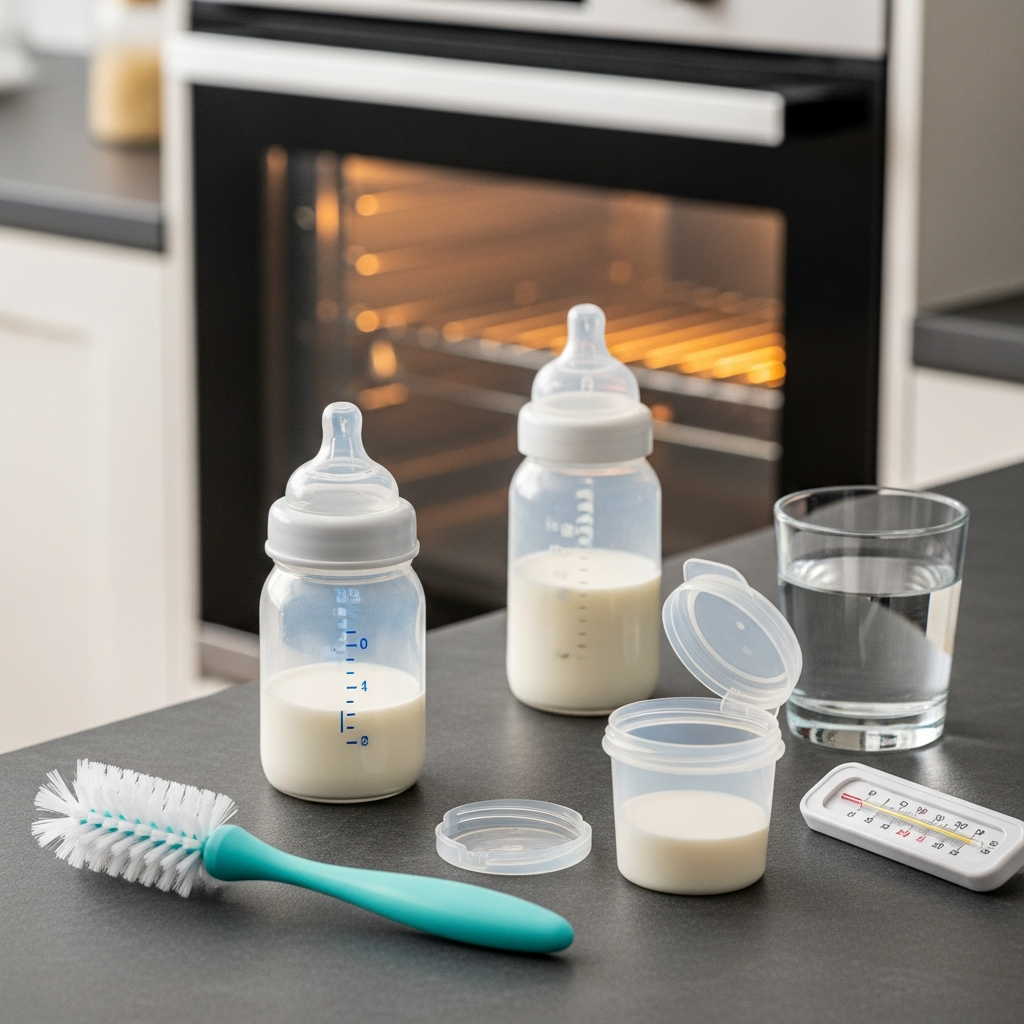
Pumping breast milk allows many mothers to continue providing breast milk when they are away from their baby. However, pumped breast milk must be handled and stored correctly to maintain its safety and nutritional value. Incorrect practices can pose serious health risks to your baby.
Why Proper Storage is Crucial
Breast milk is a biological fluid. Like any food product, it can spoil or become contaminated if not handled properly. Babies, especially newborns and those with weakened immune systems, are particularly vulnerable to bacteria and other pathogens.
The Dangers of Improper Storage
Making errors in storing pumped milk can lead to significant health problems.
Bacterial Contamination
If milk is left at room temperature for too long, stored in unclean containers, or mixed with older, improperly stored milk, bacteria can grow rapidly. This bacterial growth can be harmful to an infant’s developing digestive system.
Loss of Nutritional Value
While some nutrients are resilient, improper storage, such as excessive heating or freezing and thawing multiple times, can degrade certain delicate components of breast milk, like antibodies and certain vitamins.
Foodborne Illness for Baby
Feeding your baby contaminated breast milk can lead to foodborne illnesses. Symptoms can range from mild digestive upset like diarrhea and vomiting to more severe issues requiring hospitalization, especially in very young or vulnerable infants.
Safe Storage Guidelines
Following these guidelines will help ensure your pumped milk remains safe and nutritious for your baby.
Room Temperature (freshly expressed)
* Breast milk can be safely kept at room temperature (up to 77°F or 25°C) for up to 4 hours.
Refrigerator (freshly expressed)
* Store breast milk in the back of the refrigerator (not in the door) for up to 4 days.
Freezer (freshly expressed)
* Breast milk can be stored in a freezer (0°F or -18°C) for about 6 months, and ideally up to 12 months in a deep freezer.
Thawing
* Thaw frozen milk in the refrigerator overnight, or by holding it under cool or lukewarm running water.
* Do NOT thaw breast milk at room temperature or in a microwave. Microwaving can create “hot spots” that burn a baby’s mouth and can destroy important nutrients and antibodies.
* Once thawed, use the milk within 24 hours if kept in the refrigerator, and do not refreeze it.
Always use clean hands and sterilized containers when handling breast milk. Label containers with the date they were expressed to ensure you use the oldest milk first.
Key Takeaways for Confident Breastfeeding

Breastfeeding is a journey unique to every mother and baby. While these five mistakes can be dangerous if ignored, the good news is that most challenges can be overcome with knowledge, patience, and support. Remember these key points:
* Listen to Your Body: Pain is a signal that something needs attention. Don’t ignore it.
* Watch Your Baby: Learn their hunger cues and feed on demand, not by the clock.
* Prioritize Latch: A good latch protects your nipples and ensures your baby gets enough milk.
* Seek Help Early: Don’t hesitate to contact a lactation consultant or your doctor for any concerns. Early intervention can prevent minor issues from becoming major problems.
* Practice Safe Handling: Proper storage of pumped milk is crucial for your baby’s health.
Conclusion

Breastfeeding is a beautiful gift you can give your baby, and you are doing an amazing job simply by trying. It’s okay to make mistakes; everyone does. The most important thing is to learn from them, stay informed, and never be afraid to ask for help. With the right support and awareness, you can navigate your breastfeeding journey safely and confidently, ensuring the best for both you and your little one. You’ve got this, mama.