
Welcome to the beautiful journey of motherhood and breastfeeding! It’s a truly special time, but let’s be honest, it can also come with its unique set of questions and worries, especially when it comes to milk supply. You might be wondering if you’re making enough milk for your little one, or how your diet impacts everything. Rest assured, you’re not alone in these thoughts. Many parents feel this way, and the good news is that your diet plays a supportive role in this incredible process.
Think of your body as an amazing factory, working hard to provide for your baby. Just like any factory, it needs the right fuel to operate efficiently. Eating well during breastfeeding isn’t just about making milk; it’s also about nourishing your own body as you recover from childbirth and navigate the demands of new parenthood. It’s about feeling strong, energized, and capable, so you can fully enjoy those precious moments with your baby.
In this article, we’re going to explore 10 fantastic foods that are often celebrated for their potential to help boost your milk supply. We’ll also cover general nutritional tips and offer some gentle reassurance to help you feel confident and supported on your breastfeeding journey.
Understanding Milk Supply and Nutrition
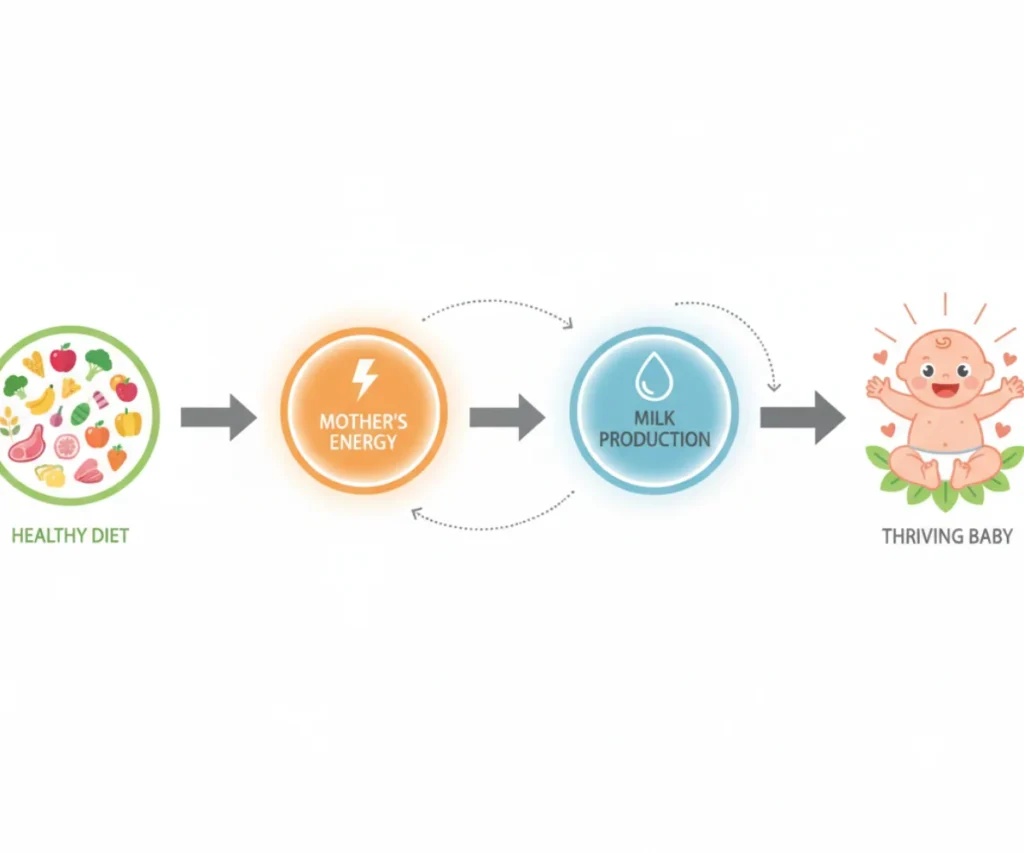
Before we dive into specific foods, let’s briefly touch on how milk supply generally works. At its core, breastfeeding operates on a supply-and-demand basis. The more your baby nurses or you pump, the more milk your body is signaled to produce. However, for this signal to translate into abundant milk, your body needs adequate energy, nutrients, and hydration.
Breastfeeding is a demanding process. Your body uses extra calories to produce milk, which is why you might feel hungrier or thirstier than usual. Focusing on nutrient-dense foods helps ensure both you and your baby are getting what you need. While no single food is a magic bullet, incorporating a variety of healthful options can certainly contribute to a robust milk supply and your overall well-being.
It’s important to remember that every parent and baby duo is unique. What works for one might be slightly different for another. The goal is to build a foundation of good nutrition that supports your body’s natural ability to produce milk, rather than relying solely on specific foods to fix a perceived supply issue.
Key Nutrients for Breastfeeding Parents
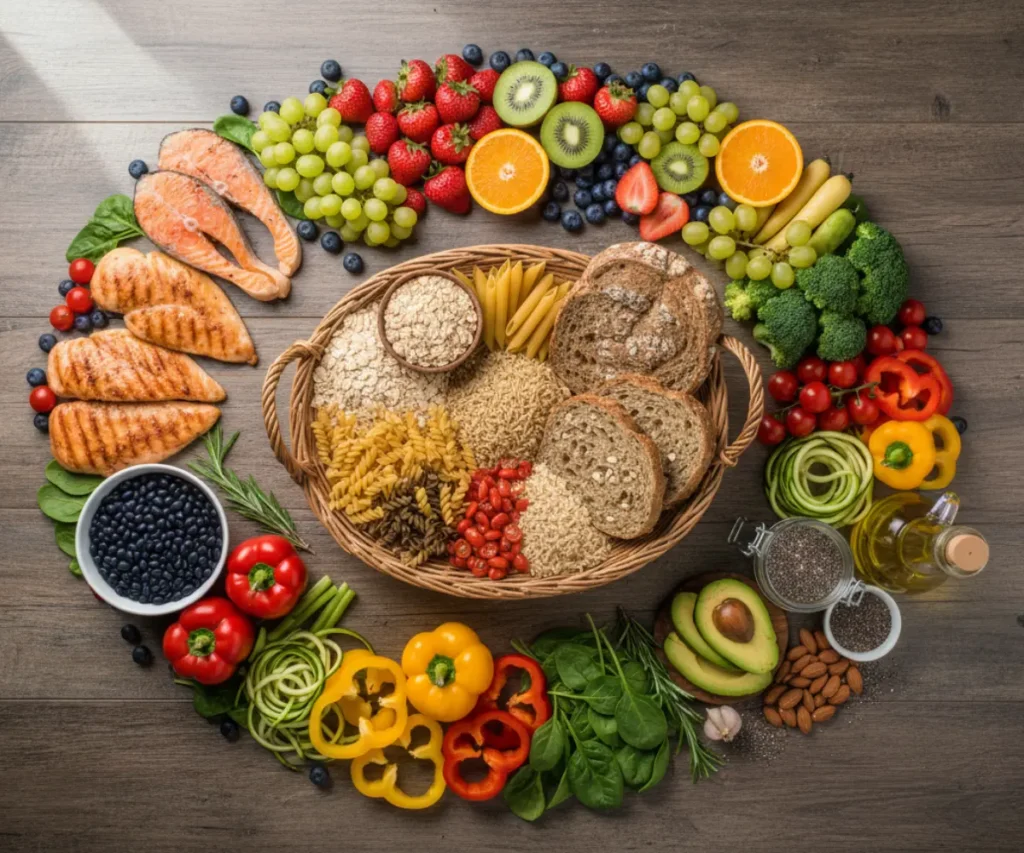
Beyond specific milk-boosting foods, a balanced diet rich in key nutrients is paramount. Here’s a quick overview of what your body particularly needs during this time:
- Increased Calories: You’ll likely need an extra 300-500 calories per day, depending on your activity level and metabolism. Focus on healthy, nutrient-rich sources.
- Protein: Essential for tissue repair and growth for both you and your baby. Include lean meats, poultry, fish, eggs, dairy, beans, lentils, and nuts.
- Calcium: Crucial for bone health. Aim for dairy products, fortified plant milks, leafy greens, and fortified cereals.
- Iron: Important for energy levels and preventing anemia, especially after childbirth. Red meat, poultry, fish, beans, lentils, and fortified cereals are good sources.
- Omega-3 Fatty Acids: Important for your baby’s brain and eye development. Found in fatty fish (salmon, sardines), flaxseeds, chia seeds, and walnuts.
- Vitamins (especially B vitamins and Vitamin D): B vitamins support energy, and Vitamin D is vital for bone health and immunity. Sunlight exposure, fortified foods, and supplements can help.
- Hydration: Arguably one of the most important aspects! Your body needs plenty of fluids to produce milk. Drink water, herbal teas, and clear broths throughout the day.
10 Foods That Boost Milk Supply
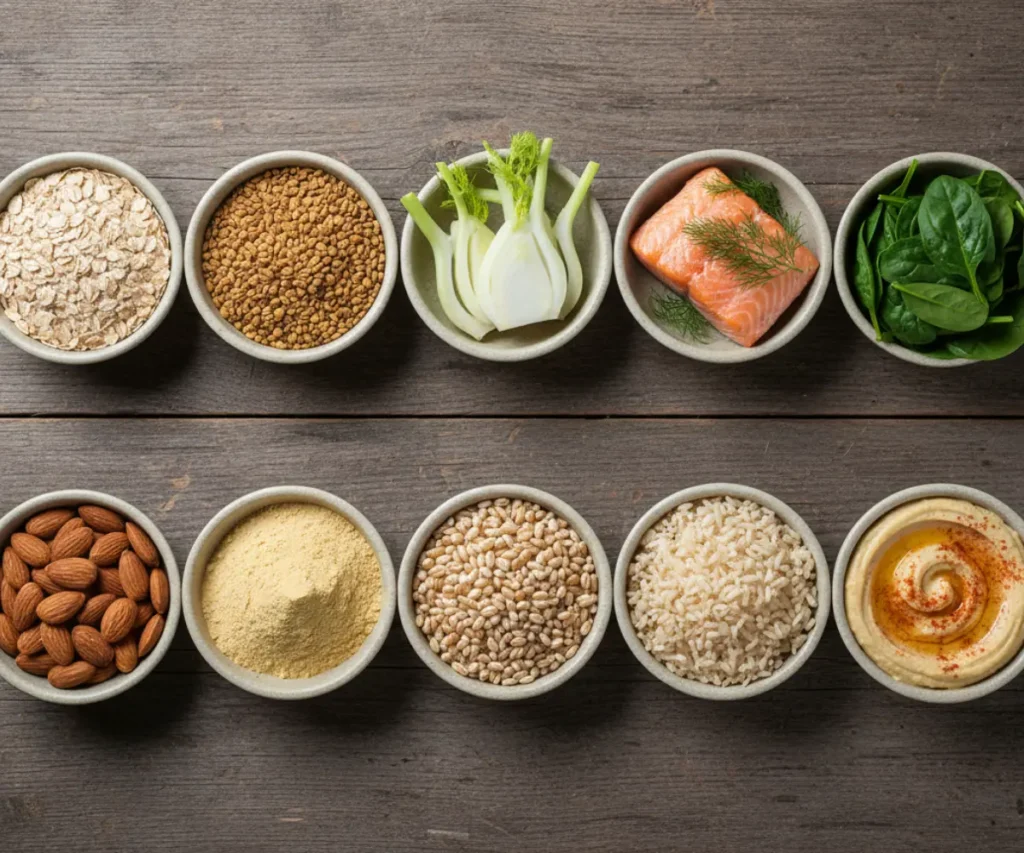
Now, let’s explore those fantastic foods often called “galactagogues”—foods that are believed to help increase milk supply. Remember to listen to your body and introduce new foods gradually.
1. Oats
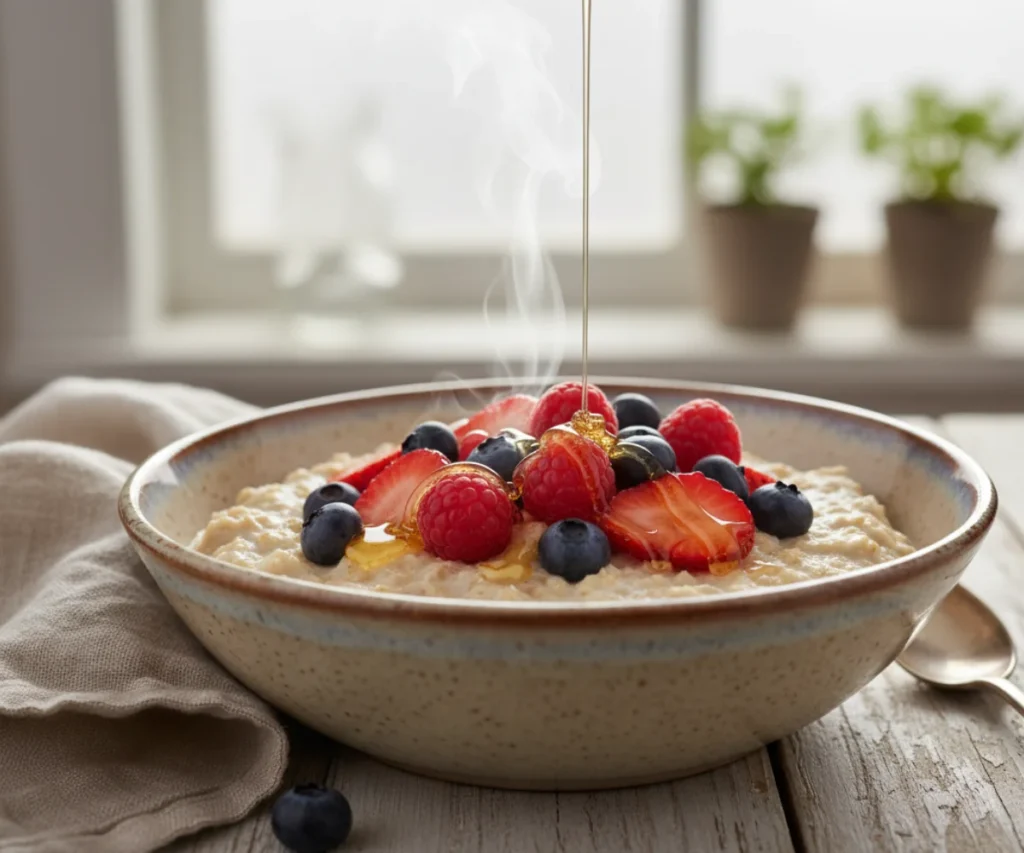
Oats are a classic for a reason! They are a fantastic source of whole grains, iron, and fiber. Many breastfeeding parents swear by oatmeal for its milk-boosting properties. While the exact science isn’t fully understood, some theories suggest that the saponins in oats may help stimulate the pituitary gland, which produces milk-making hormones.
- How to enjoy: Start your day with a warm bowl of oatmeal, make overnight oats for a quick breakfast, or even bake lactation cookies with oats.
- Parent tip: Keep a packet of instant oatmeal handy for those quick, hungry moments, or prepare a big batch of baked oatmeal squares at the start of the week.
2. Fenugreek
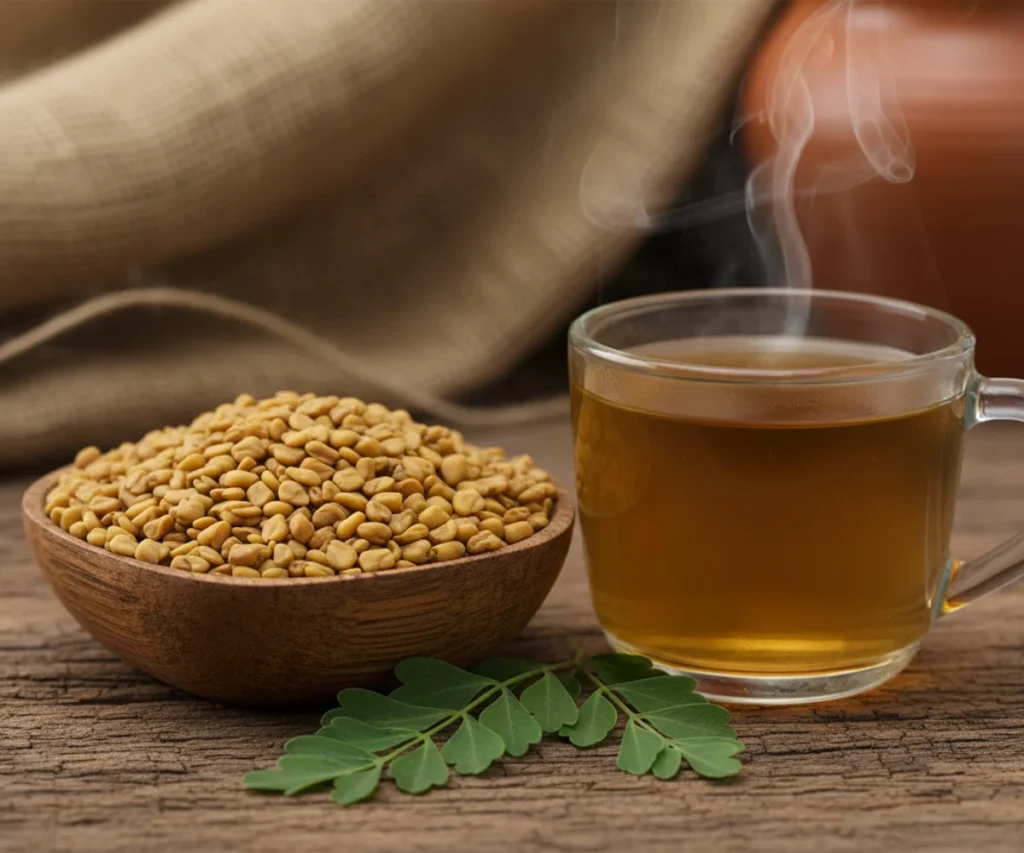
Fenugreek is a well-known herb often used to increase milk supply. It contains phytoestrogens, which are plant chemicals similar to estrogen, and diosgenin, which is thought to influence milk production. It’s often found in lactation supplements.
- How to enjoy: Fenugreek can be consumed as a tea, in capsule form, or as seeds added to cooking. The seeds have a slightly maple-like aroma and taste.
- Parent tip: Start with a small amount and observe your body and baby for any reactions. Some babies might be sensitive to it, and it can sometimes cause digestive upset. Always consult with your healthcare provider before taking any herbal supplements, especially when breastfeeding.
3. Fennel
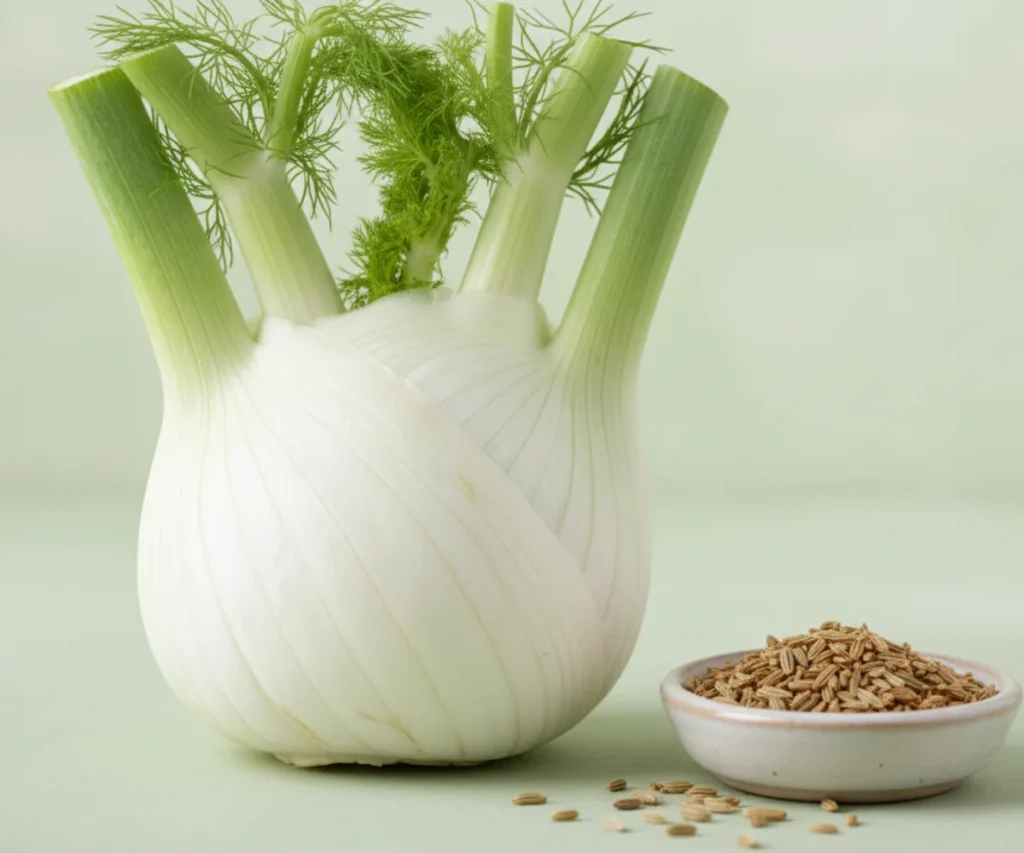
Fennel, with its subtle licorice-like flavor, is another traditional galactagogue. Both the bulb and the seeds are used. Fennel contains anethole, which has estrogen-like properties believed to stimulate milk production.
- How to enjoy: Slice fresh fennel bulb into salads, roast it as a side dish, or brew fennel seeds into a soothing tea.
- Parent tip: Fennel tea can be a lovely, calming drink. You can find it in most grocery stores or make your own by steeping crushed fennel seeds in hot water.
4. Leafy Green Vegetables
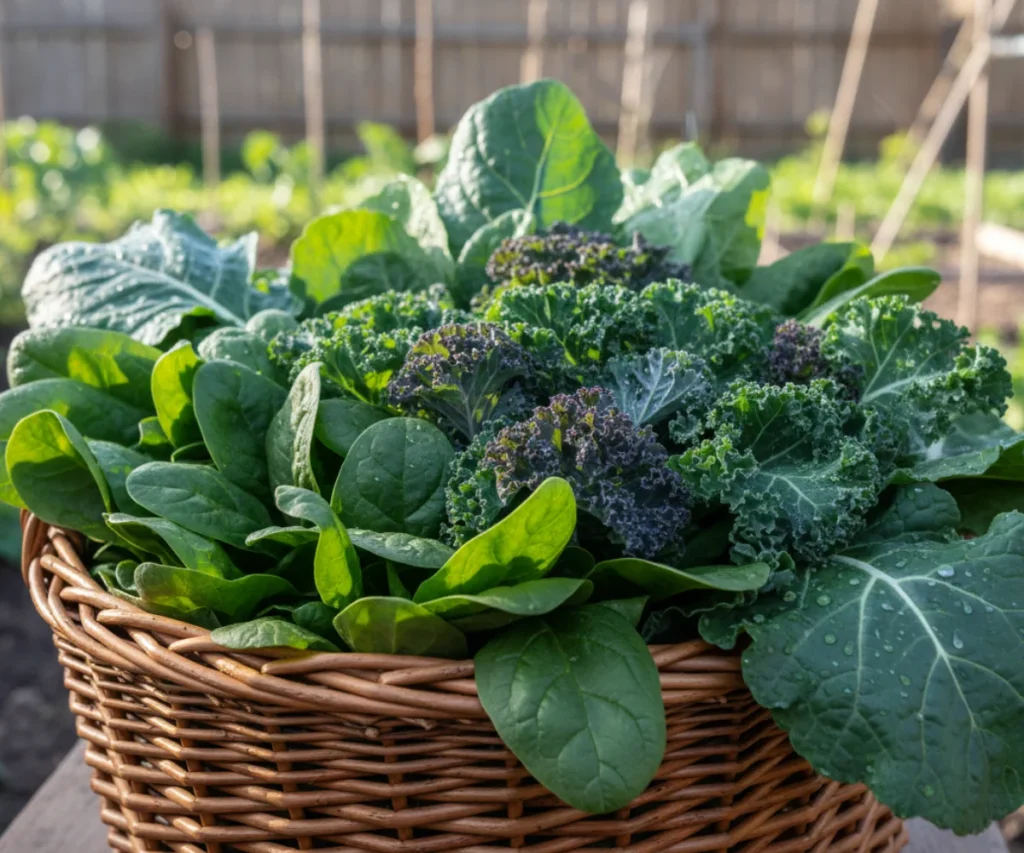
Spinach, kale, collard greens, and other dark leafy vegetables are powerhouses of nutrients. They are rich in iron, calcium, folate, and vitamins A, C, and K, all of which are vital for your overall health and, indirectly, for milk production. They also contain phytoestrogens, similar to fenugreek and fennel.
- How to enjoy: Add a handful of spinach to your smoothies, sauté kale with garlic as a side, or make a hearty salad with mixed greens.
- Parent tip: Make a big batch of a green smoothie base (spinach, water, a little fruit) that you can grab and blend throughout the week for a quick nutrient boost.
5. Lean Proteins (Salmon, Chicken, Lentils)
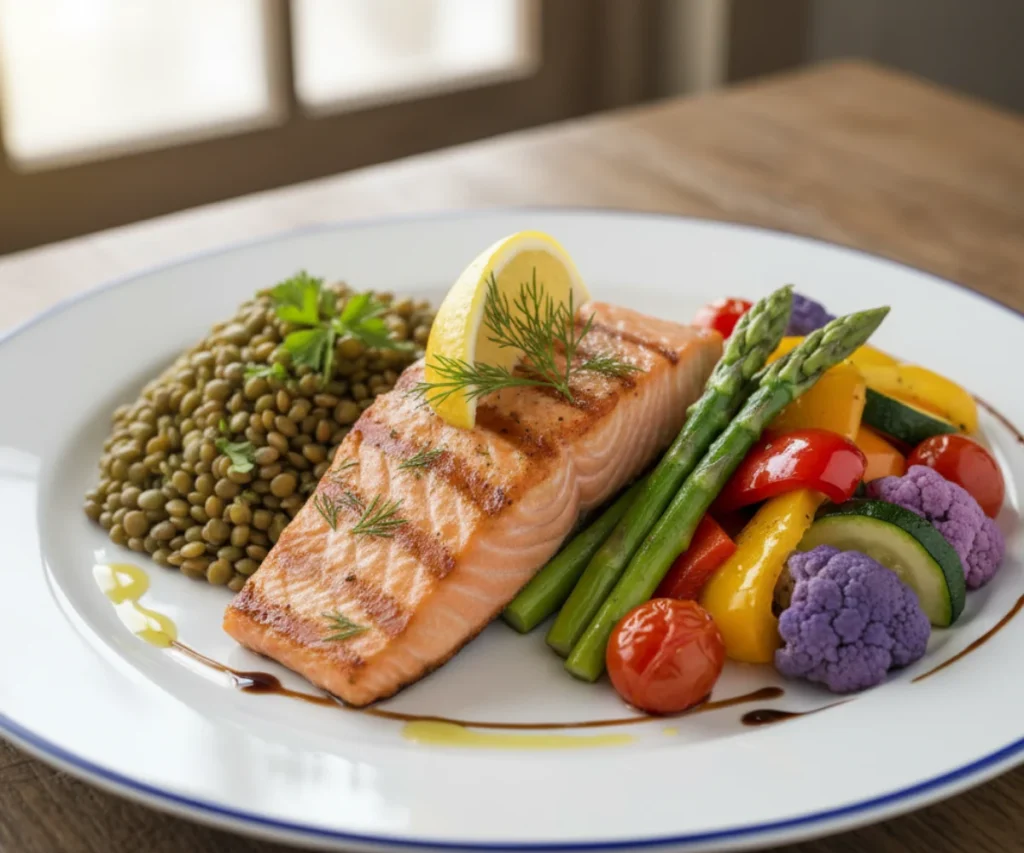
Protein is essential for rebuilding your body and maintaining energy levels, which are critical for producing breast milk. Healthy protein sources ensure you have the necessary amino acids for your body’s functions and for your baby’s growth.
- How to enjoy: Include sources like salmon (rich in Omega-3s!), lean chicken or turkey, eggs, tofu, beans, and lentils in your meals.
- Parent tip: Prepare a versatile protein source like roasted chicken or a pot of lentils at the beginning of the week to easily add to meals for quick, nutritious options.
6. Nuts and Seeds (Almonds, Flax, Chia)
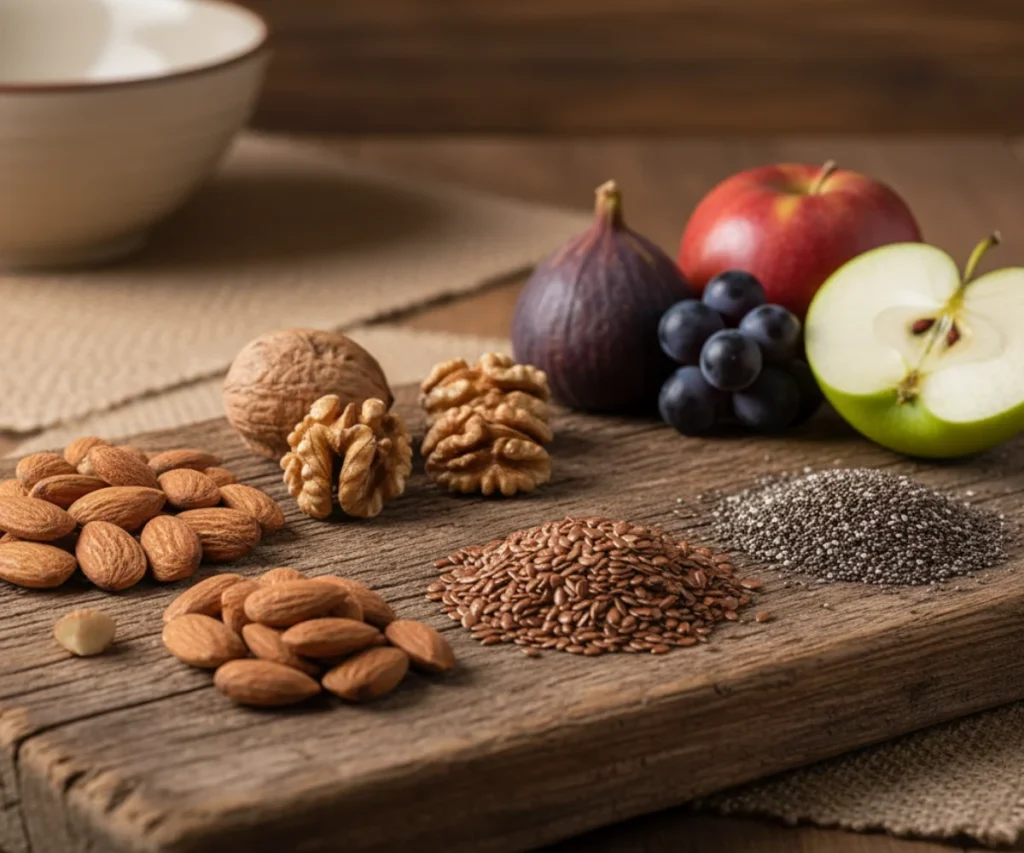
Nuts and seeds are packed with healthy fats, protein, fiber, vitamins, and minerals. Almonds, in particular, are often cited as a good source of calcium and healthy fats. Flaxseeds and chia seeds are excellent sources of omega-3 fatty acids, which are beneficial for both you and your baby’s development.
- How to enjoy: Snack on a handful of almonds, sprinkle ground flaxseeds or chia seeds into your oatmeal or yogurt, or add them to smoothies.
- Parent tip: Keep a small container of mixed nuts and seeds in your diaper bag or next to your nursing chair for a convenient, healthy snack.
7. Brewer’s Yeast
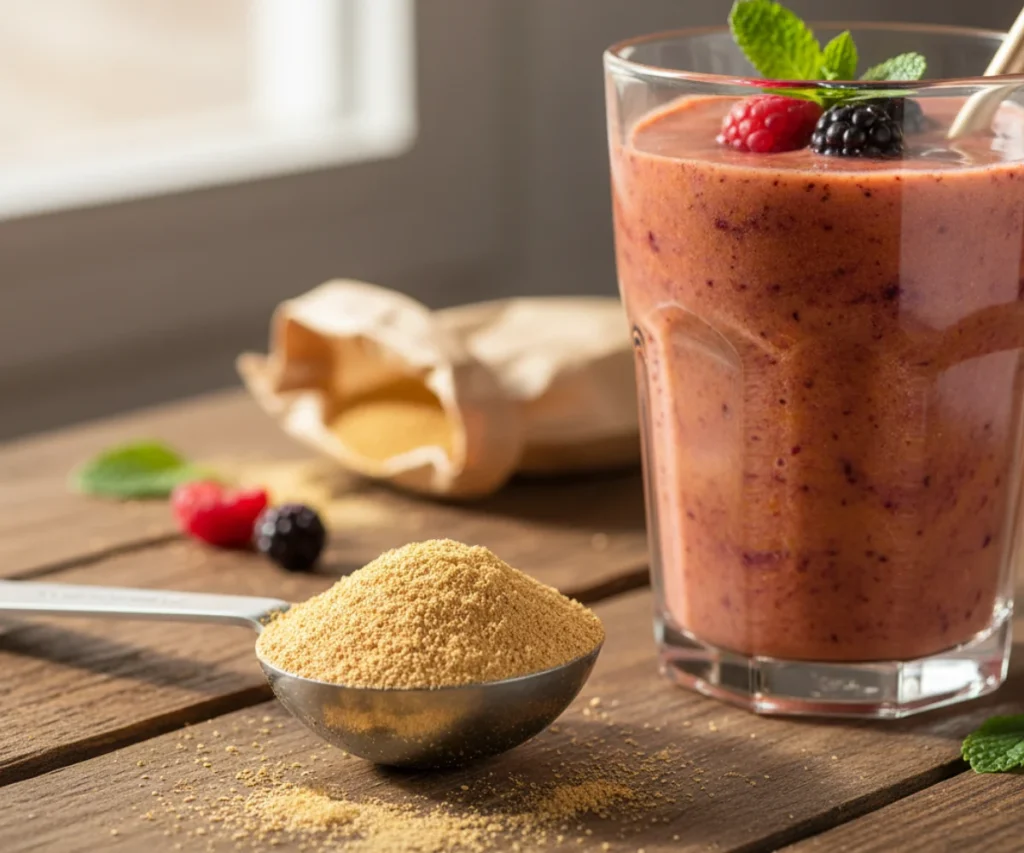
Brewer’s yeast is a nutritional powerhouse, rich in B vitamins, iron, and protein. While the exact mechanism isn’t fully understood, many breastfeeding parents report an increase in milk supply after incorporating it into their diet. It’s thought to be the combination of nutrients that supports overall health and energy.
- How to enjoy: It has a distinctive, slightly bitter taste, so it’s best mixed into strong-flavored foods like smoothies, lactation cookies, or even savory dishes.
- Parent tip: Start with a small amount and gradually increase to see how you tolerate it. Some people prefer the taste masked in a peanut butter smoothie or a batch of baked goods.
8. Barley
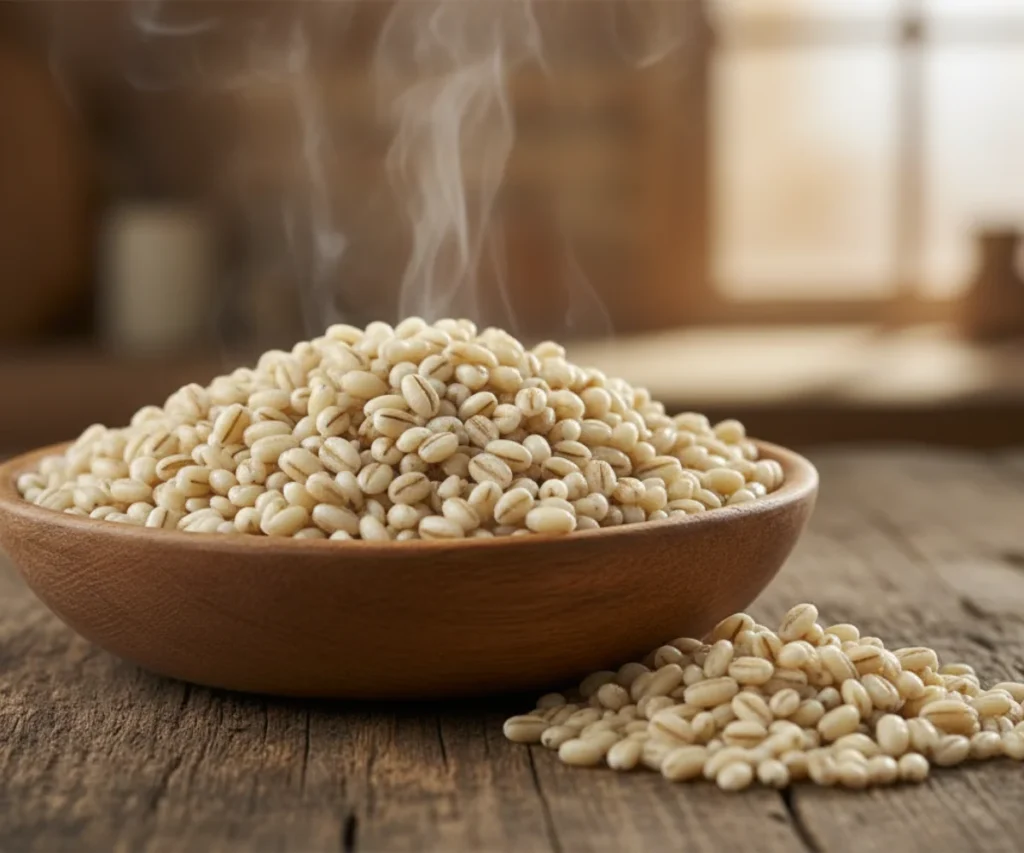
Barley is a nutritious whole grain rich in fiber and has traditionally been used as a galactagogue. It contains polysaccharides, which are thought to stimulate prolactin (the milk-making hormone) production. It’s also incredibly hydrating.
- How to enjoy: Add cooked barley to soups and stews, make a hearty barley salad, or simply enjoy it as a side dish instead of rice. Barley water is also a traditional drink for boosting milk supply.
- Parent tip: Cook a large batch of barley at the beginning of the week and keep it in the fridge to easily add to various meals throughout the week.
9. Brown Rice
Brown rice, a whole grain, is an excellent source of complex carbohydrates, providing sustained energy. While not a direct galactagogue like fenugreek, the steady energy it provides helps support your body’s demanding task of milk production. It’s also a great source of fiber and B vitamins.
- How to enjoy: Serve brown rice as a side dish, use it as a base for grain bowls, or incorporate it into stir-fries and salads.
- Parent tip: Batch-cook brown rice and store it in portions for quick, easy meals throughout your busy week.
10. Hummus and Chickpeas
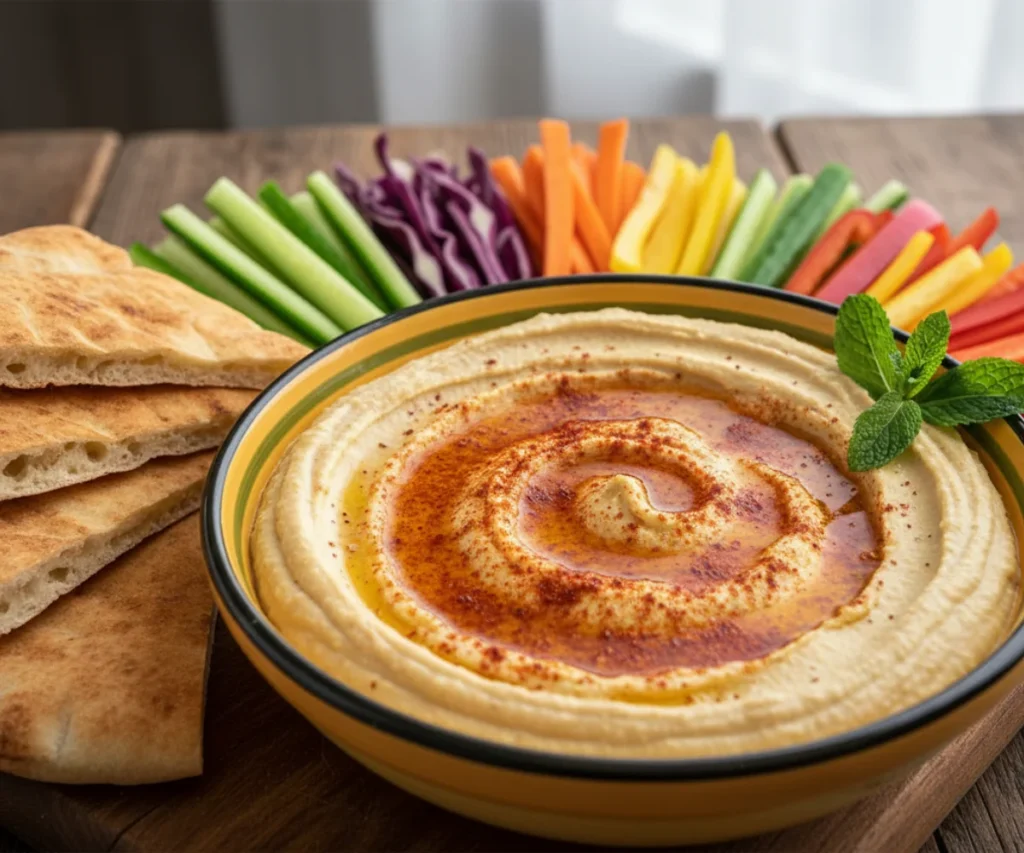
Chickpeas (garbanzo beans) and hummus, made from chickpeas, are wonderful sources of plant-based protein, fiber, iron, and folate. These nutrients are all crucial for breastfeeding parents, helping maintain energy levels and supporting overall health, which in turn aids milk production.
- How to enjoy: Snack on hummus with veggies or pita bread, add chickpeas to salads, curries, or make a hearty chickpea stew.
- Parent tip: Keep a tub of ready-made hummus in the fridge for a quick and easy snack or addition to meals. It’s a great way to get a protein boost without much effort.
Beyond Food Hydration, Rest, and Support

While diet is important, it’s just one piece of the puzzle. Supporting your milk supply and your overall well-being as a breastfeeding parent also involves:
- Hydration: Drink plenty of water throughout the day. Keep a water bottle with you and sip frequently. If your urine is pale yellow, you’re likely well-hydrated.
- Frequent Nursing/Pumping: Remember the supply-and-demand principle! The more effectively and frequently milk is removed from your breasts, the more your body will produce.
- Rest: Easier said than done with a newborn, but try to rest whenever you can. Sleep deprivation can impact hormone regulation and stress levels, potentially affecting supply.
- Stress Management: High stress can sometimes interfere with the let-down reflex. Find small ways to relax and de-stress, even if it’s just a few minutes of deep breathing.
- Seeking Support: Don’t hesitate to reach out to a lactation consultant, support groups, or your healthcare provider if you have concerns about your milk supply.
Foods to Limit or Avoid (Briefly)
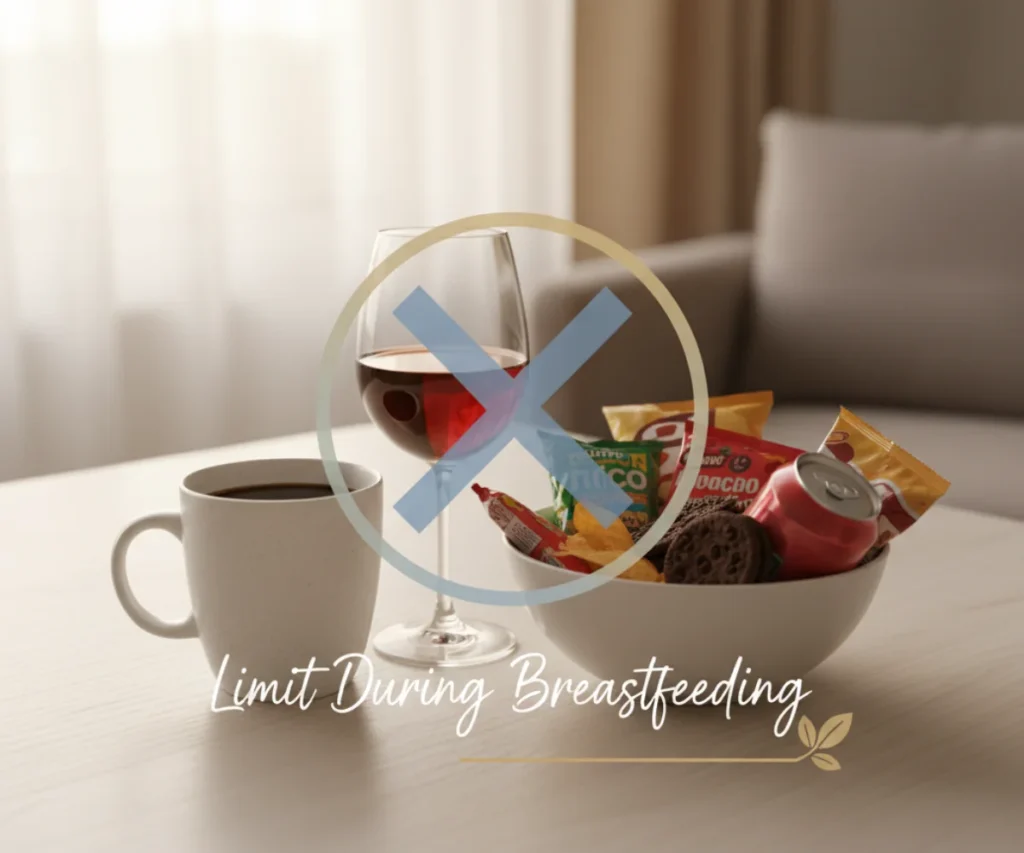
While moderation is often key, some substances are generally advised to be limited or avoided during breastfeeding:
- Excessive Caffeine: Small amounts are usually fine, but too much can make both you and baby jittery.
- Alcohol: It’s best to avoid or limit alcohol intake significantly. If you do have an occasional drink, wait for it to clear your system before nursing.
- Highly Processed Foods and Sugary Drinks: These offer little nutritional value and can leave you feeling sluggish. Focus on nutrient-dense, whole foods instead.
- Certain Herbs: Some herbs can decrease milk supply (e.g., peppermint, sage). Always consult with a healthcare professional before consuming large quantities of any herb while breastfeeding.
When to Seek Professional Help

It’s normal to have questions or concerns about your milk supply. If you consistently feel your baby isn’t getting enough milk, isn’t gaining weight, or if you’re experiencing pain, please reach out to a lactation consultant or your doctor. They can assess the situation, check your baby’s latch, and offer personalized advice and support. Trust your instincts and remember that professional help is always available.
A Nurturing Conclusion

Breastfeeding is a beautiful journey of nourishment and bonding, and your diet plays a supportive role in this incredible process. By incorporating these 10 milk-boosting foods into a balanced, hydrating diet, you’re not only supporting your milk supply but also taking wonderful care of your own body as you navigate the joys and challenges of new parenthood.
Remember to be kind to yourself. Focus on progress, not perfection. Every little bit counts, and your dedication to providing for your baby is truly amazing. Stay nourished, stay hydrated, and embrace the incredible strength and capability of your body. You’ve got this, mama!