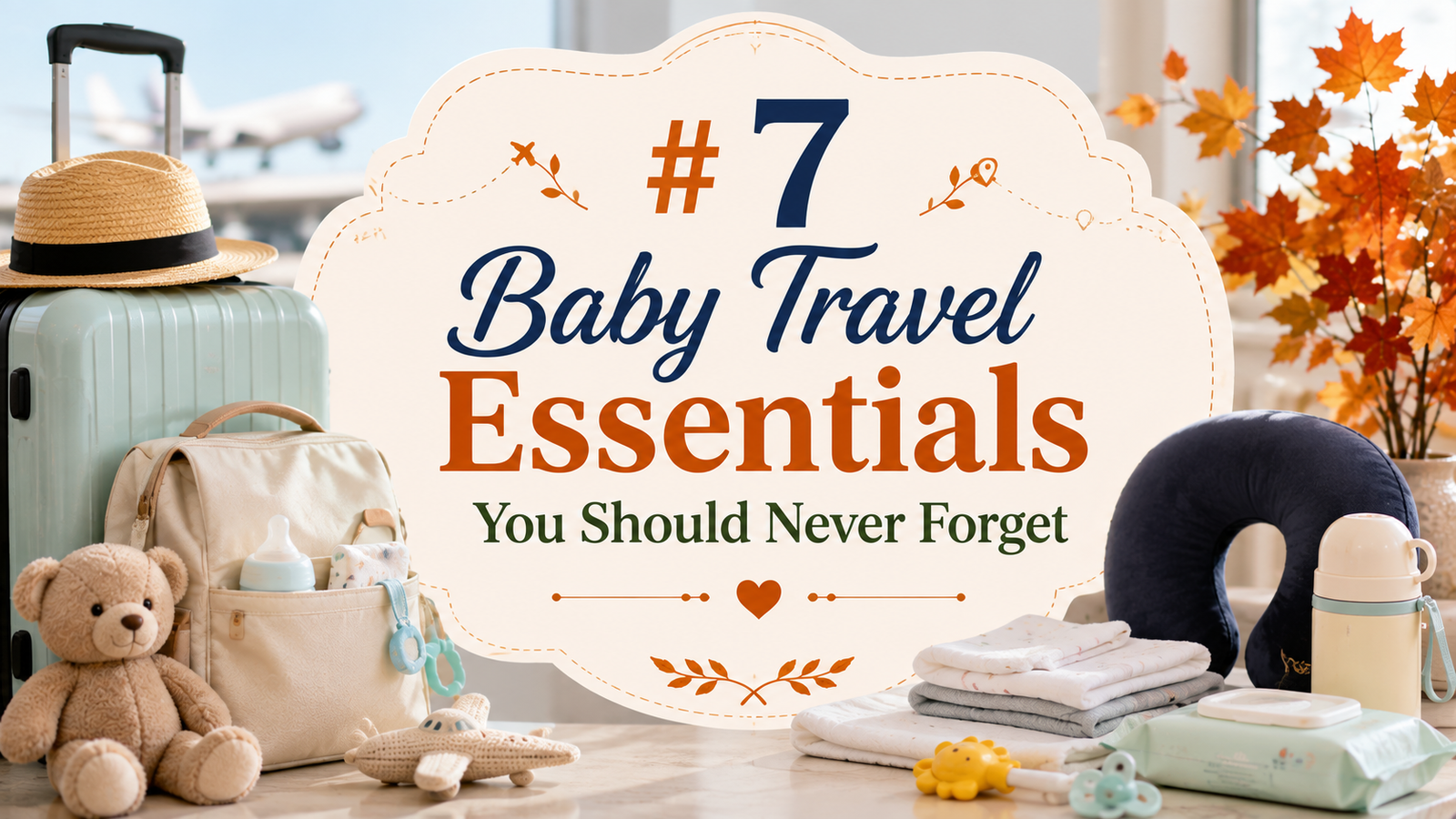
7 Baby Travel Essentials You Should Never Forget
Traveling with an infant can feel like preparing for a small-scale military expedition. The sheer volume of “stuff” required for someone so small is often staggering. However, the difference between a stressful trip and a memorable adventure often comes down to the gear you bring along.
While you can’t pack the entire nursery, certain items are non-negotiable for maintaining sanity, safety, and sleep schedules. Whether you are hopping on a cross-country flight or embarking on a weekend road trip, these seven essentials will ensure that you and your little one are prepared for whatever the journey throws your way.
1. Portable Crib
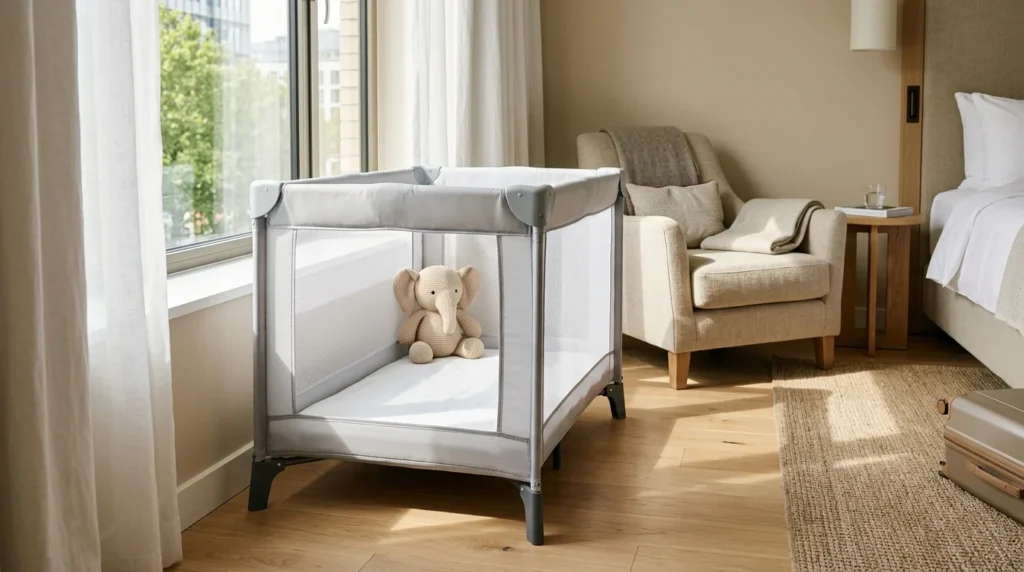
Sleep is the holy grail of traveling with a baby. When a child is in an unfamiliar environment, having a consistent, safe, and comfortable place to sleep is paramount. While many hotels and rentals offer “cribs,” they are often outdated, bulky, or of questionable cleanliness.
Bringing your own portable crib—often referred to as a travel cot or a “Pack ‘n Play”—ensures that your baby has a familiar environment. Modern travel cribs are designed to be ultra-lightweight, with some models even fitting into a standard suitcase or a dedicated backpack.
Why it’s essential:
- Safety Standards: You know exactly how it was assembled and that it meets current safety regulations.
- Familiarity: The smell and feel of their own bed can help babies settle down faster in a new location.
- Multi-purpose: Beyond sleeping, it serves as a “baby jail”—a safe, contained space where the baby can play while you unpack or get ready.
2. Diaper Bag
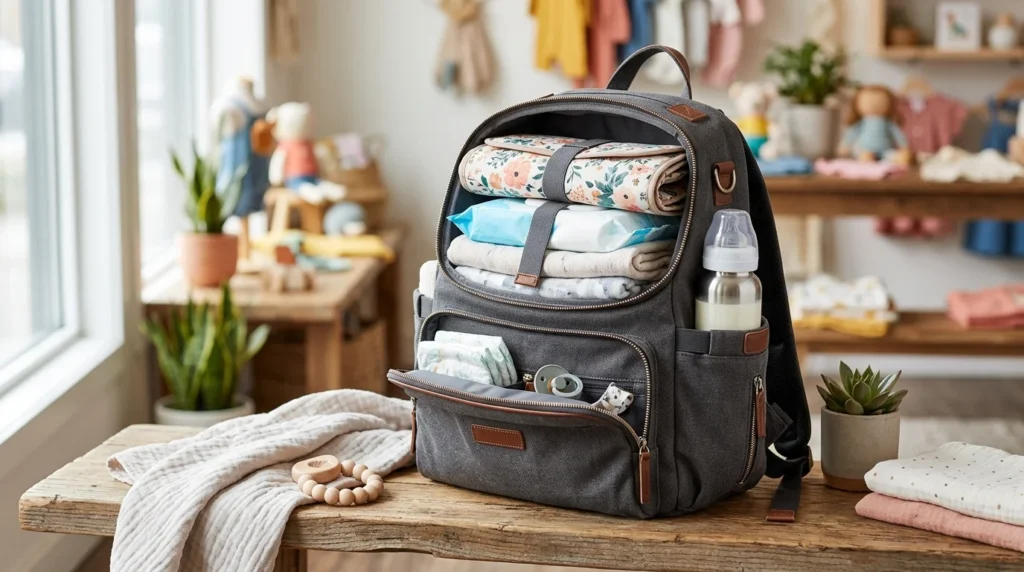
The diaper bag is your mobile command center. When you are traveling, you are often away from your “base” for hours at a time, meaning your bag needs to be stocked for every possible blowout, hunger pang, or boredom-induced meltdown.
For travel, a backpack-style diaper bag is almost always superior to a shoulder bag. It keeps your hands free for carrying the baby, navigating tickets, or pulling luggage. Look for a bag with insulated pockets to keep bottles at the right temperature and a dedicated waterproof compartment for soiled clothing.
What to keep inside:
- The “Rule of Two”: Always pack at least two more diapers than you think you’ll need for the duration of the transit.
- Disposable Bags: Scented bags for dirty diapers are a must, especially when there isn’t a trash can nearby.
- Portable Changing Pad: You never know when you’ll have to use a park bench or a cramped airplane lavatory as a changing station.
3. Baby Carrier
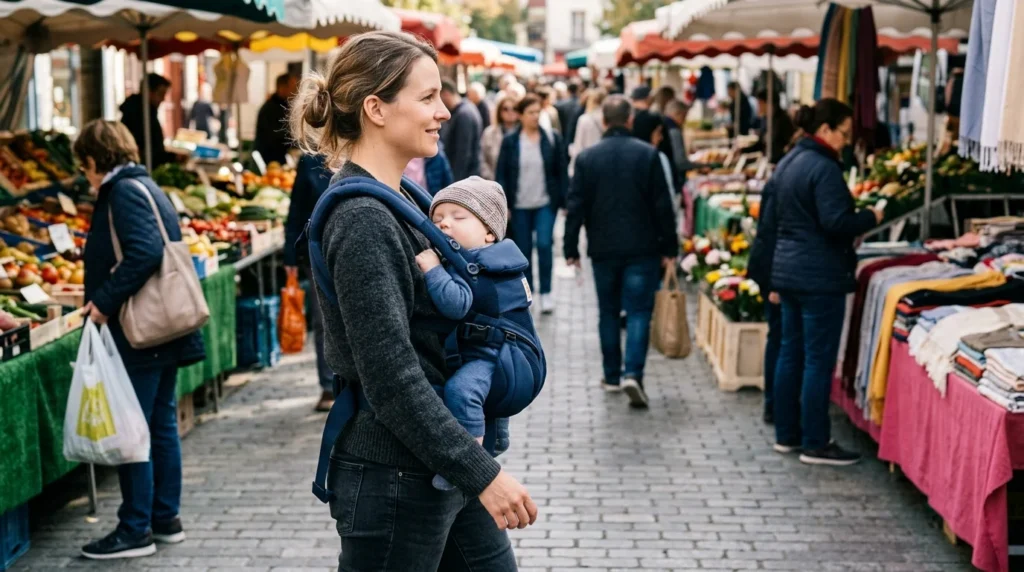
In the world of travel, a high-quality baby carrier is worth its weight in gold. Airports, train stations, and historical sites with stairs or cobblestones are notoriously unfriendly to strollers. A carrier allows you to navigate these obstacles with ease while keeping your baby close and calm.
Wearing your baby also helps with “contact naps” on the go, which can be a lifesaver if your flight is delayed or you are stuck in a long queue. Additionally, it frees up your hands to handle passports, luggage, or a much-needed cup of coffee.
Key benefits for travelers:
- Hands-Free Navigation: Crucial for boarding planes and managing luggage.
- Security Ease: Many airports allow you to wear your baby through the metal detector (check local regulations), saving you from the hassle of waking a sleeping child.
- Soothing Proximity: The heartbeat and warmth of the parent can significantly reduce travel anxiety for the baby.
4. Travel Stroller
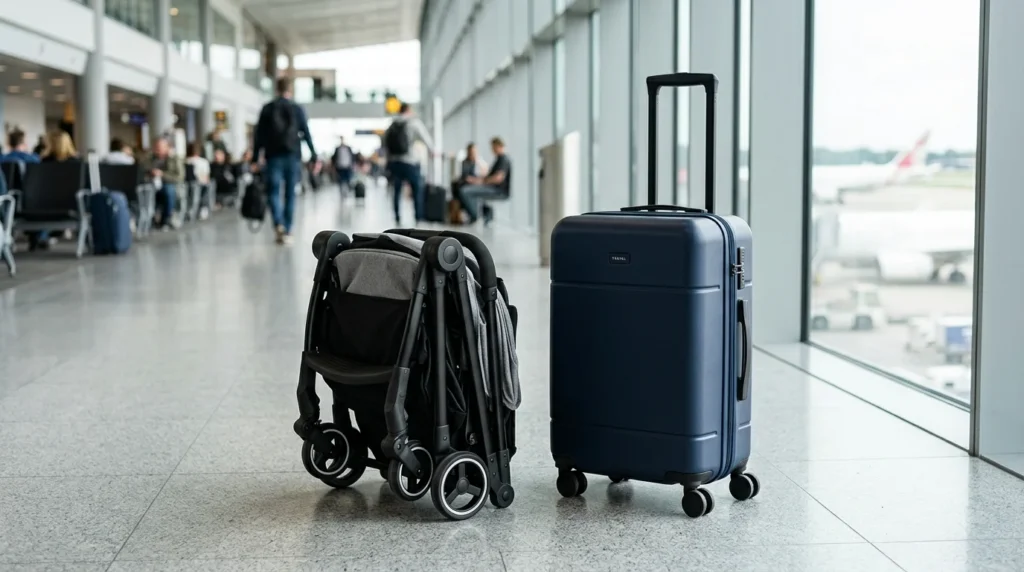
While a carrier is great, you’ll eventually want a break from the physical weight of the baby. A dedicated travel stroller is different from your everyday “full-size” stroller. It should be lightweight, easy to fold with one hand, and ideally, small enough to fit in the overhead bin of an airplane.
The ability to “gate-check” a stroller is a standard perk of most airlines, but having a stroller that folds small enough to be treated as carry-on luggage is a game-changer. It means you have your wheels the moment you step off the plane, rather than waiting at the jet bridge or baggage claim.
Look for these features:
- One-Hand Fold: Essential when you are holding a baby in the other arm.
- Sun Canopy: A large canopy is vital for protecting delicate skin during outdoor sightseeing.
- Storage Basket: Even a small basket helps take the weight off your shoulders by holding the diaper bag.
5. Sound Machine
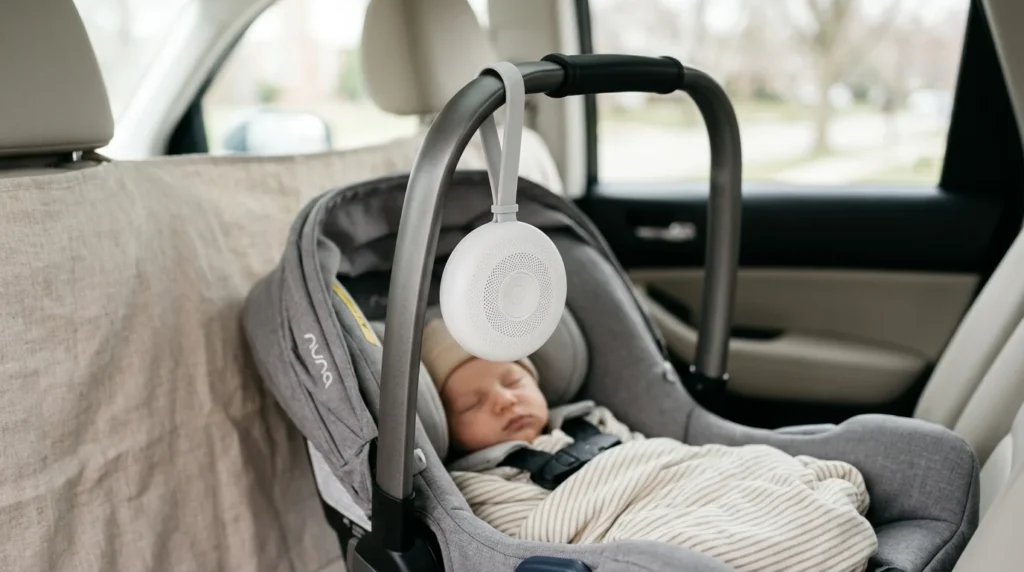
Traveling is noisy. From the hum of airplane engines to the slamming of hotel doors and the honking of city traffic, there are constant disruptions to a baby’s sleep. A portable sound machine creates a “noise curtain” that masks these environmental sounds.
Maintaining a sleep routine is the best way to prevent an overtired baby. If you use white noise at home, bringing a portable version provides a powerful “sleep cue” that tells the baby it’s time to rest, regardless of where they are in the world.
Travel tips for sound machines:
- Battery Life: Choose a rechargeable model that can last at least 12 hours on a single charge.
- Portability: Many models come with a clip or strap, allowing you to attach it to the stroller or car seat for naps on the move.
- Volume Control: Ensure it can get loud enough to drown out significant noise but has a safe limit for the baby’s hearing.
6. High Chair
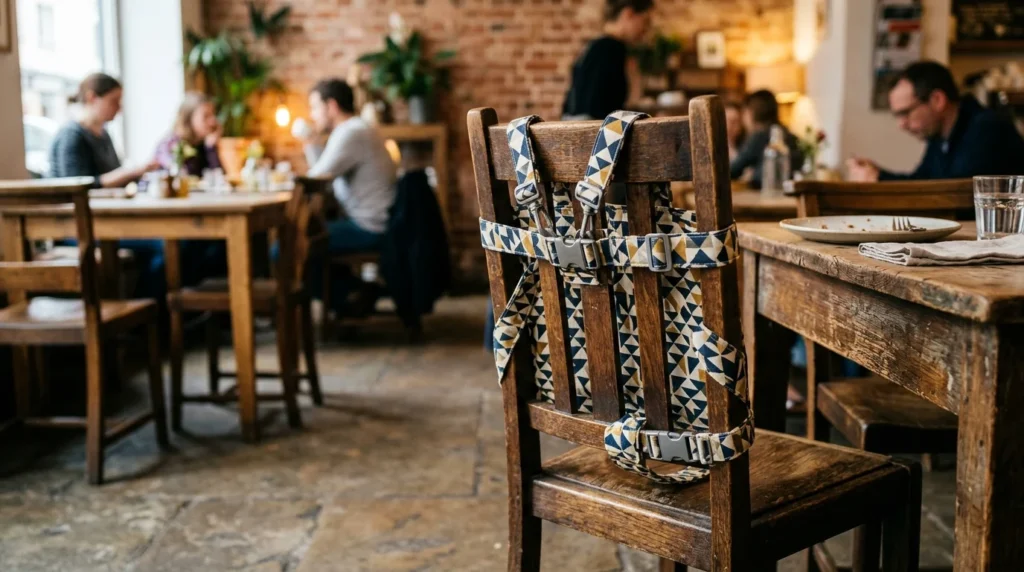
Feeding a baby who has started solids can be one of the most challenging aspects of travel. Not every Airbnb or local restaurant will have a high chair available, and trying to feed a squirming baby on your lap is a recipe for a mess.
A portable travel high chair—either a fabric harness that slips over a standard chair or a “hook-on” seat that attaches to a table—solves this problem instantly. These items fold down to the size of a book and can be tossed into your diaper bag or suitcase.
Why it’s a lifesaver:
- Cleanliness: You don’t have to worry about the hygiene of a communal restaurant high chair.
- Safety: It keeps the baby securely strapped in so they can’t wiggle away during mealtime.
- Inclusion: It allows the baby to sit at the table with the rest of the family, making mealtime a more social and manageable experience.
7. First Aid
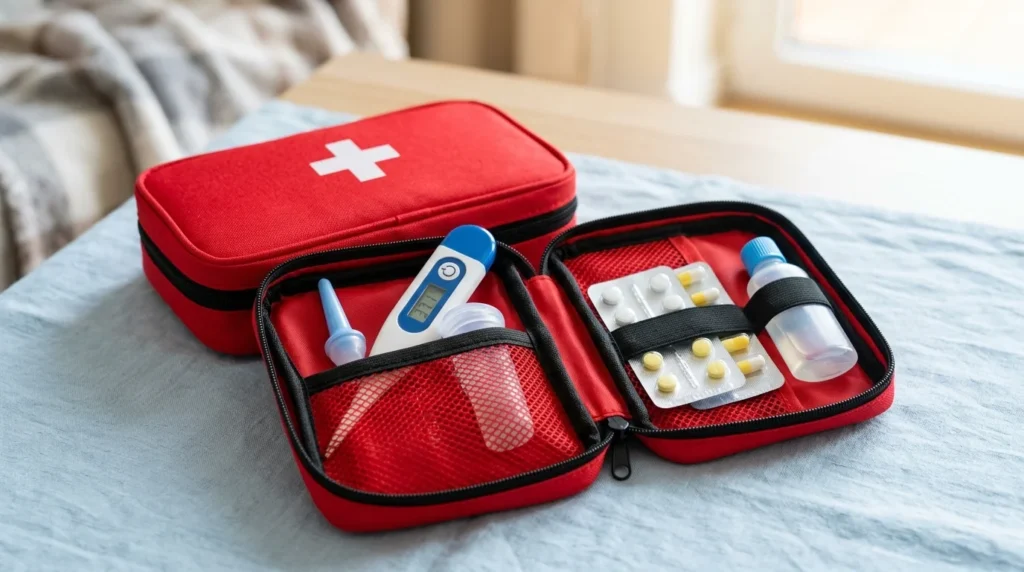
Nothing ruins a trip faster than a sick baby and no supplies. Finding a pharmacy in a foreign country or at 3:00 AM in an unfamiliar city is stressful. A compact, well-stocked first aid and health kit is an absolute necessity.
You should prepare for the “Big Three” of travel ailments: fevers, digestive issues, and minor injuries. Always consult with your pediatrician before you leave to ensure you have the correct dosages for your child’s age and weight.
The must-have items:
- Fever Reducer: Pediatric acetaminophen or ibuprofen.
- Digital Thermometer: For peace of mind and accurate reporting to a doctor if needed.
- Nasal Aspirator and Saline: Essential for clearing stuffy noses caused by dry airplane air or new climates.
- Basic Wound Care: Alcohol wipes, antibiotic ointment, and various sizes of bandages.
- Rehydration Salts: Small packets of electrolyte powder can be vital if the baby experiences a stomach bug.