
Simple Baby Sleep Routine Tips That Actually Work
Every parent knows the dream- a peaceful night’s sleep, not just for them, but for their precious little one. The reality, however, often involves midnight wakings, endless rocking, and a constant search for that magic bullet to baby sleep. If you’re feeling exhausted and overwhelmed, you’re not alone. The good news is that creating a consistent baby sleep routine isn’t about magic; it’s about predictability, comfort, and gentle guidance. And yes, it actually works.
This guide is crafted with you in mind- a tired parent looking for practical, empathetic advice that cuts through the noise. We’ll walk through simple, actionable steps to establish a sleep routine that not only helps your baby settle down for the night but also brings a sense of calm and predictability to your family’s evenings. Let’s reclaim those nights, one gentle step at a time.
Understanding Baby Sleep Routines and Their Importance
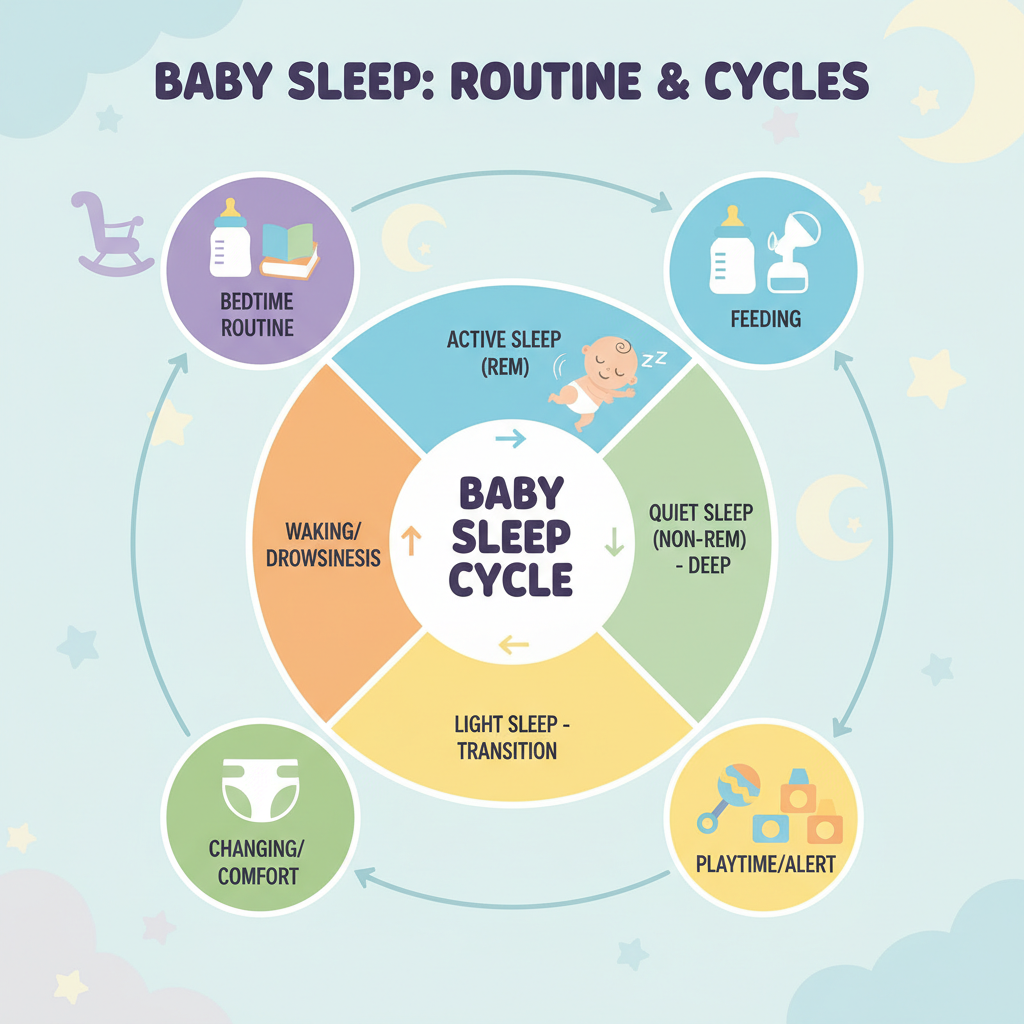
At its heart, a baby sleep routine is a predictable sequence of calming activities that you do with your baby every night before sleep. It’s a gentle signal to your little one’s brain and body that it’s time to wind down, relax, and prepare for rest. Think of it as a series of comforting cues that transition your baby from the stimulation of the day to the tranquility of sleep.
Why Do Routines Matter So Much?
- Biological Rhythms Babies thrive on predictability. A consistent routine helps regulate their circadian rhythm, their internal clock, making it easier for them to distinguish between day and night.
- Reduces Overtiredness An overtired baby is often a baby who struggles to fall asleep and stay asleep. A routine ensures your baby winds down before they hit that overtired threshold.
- Promotes Longer Sleep Stretches When babies know what to expect, they feel more secure. This security can lead to less resistance at bedtime and longer, more consolidated sleep periods.
- Provides Security and Comfort The familiar sequence of events creates a sense of safety and comfort for your baby, making the transition to sleep less daunting.
- Predictability for Parents A routine isn’t just for baby; it gives parents a structured end to their day, offering a much-needed mental break and some predictable ‘me time’.
- Stronger Parent-Child Bonding The quiet, focused time spent during a routine, like cuddling or reading, strengthens your bond with your baby.
It’s important to remember that a routine isn’t about strict adherence to the clock, especially in the early months. It’s about the sequence of events, creating a soothing ritual that becomes a cherished part of your family’s evening.
When to Begin a Sleep Routine

Many parents wonder when the ‘right’ time is to start a sleep routine. The truth is, you can begin introducing gentle, predictable habits from day one, even with a newborn. However, a more structured, formal bedtime routine typically becomes effective and noticeable around 6 to 8 weeks of age, once your baby’s sleep patterns start to mature slightly.
Newborns 0-6 Weeks – Gentle Habits
In the very early weeks, your newborn’s sleep is largely dictated by hunger and comfort. Their sleep cycles are short, and they often mix up day and night. During this stage, focus on:
- Distinguishing Day from Night Keep days bright and noisy, and nights dark and quiet.
- Consistent Bedtime Prep Even if it’s just a quick diaper change, dimming the lights, and a cuddle before putting them down to sleep.
- Responding to Cues Prioritize feeding and comfort, but always try to put them down ‘drowsy but awake’ when possible.
Infants 6-8 Weeks and Beyond – Routine Takes Shape
By 6-8 weeks, many babies start to develop a more predictable pattern. This is an excellent time to introduce a more formal sleep routine. It doesn’t have to be long or complicated, but consistency is key. Your baby’s developing brain will begin to associate these activities with sleep, making the transition smoother.
Remember, every baby is unique. Some babies might be ready for more structure earlier, while others might take a bit longer. Observe your baby’s cues, and don’t hesitate to start small and build up gradually.
Building Blocks of an Effective Bedtime Routine

A successful sleep routine doesn’t need to be elaborate. The most effective routines are simple, calming, and consistently followed. Here are the core elements you can mix and match to create the perfect sequence for your family:
Consistency is Your Superpower
This is arguably the most crucial element. Doing the same set of activities, in the same order, at roughly the same time each night, is what truly signals to your baby that sleep is coming. Their internal clock will begin to anticipate these cues, making it easier for them to settle.
- Same Time, Every Night Aim for a bedtime window, not a strict minute. For example, 7:00 PM to 7:30 PM.
- Same Order, Every Time This predictability is comforting and powerful.
The Calming Wind-Down Hour
Before the actual bedtime routine begins, aim for a ‘wind-down hour’. This means reducing stimulation and creating a peaceful atmosphere in your home. It’s not about silence, but about quiet, calm activities.
- Dim the Lights Lowering the lights signals to the brain that melatonin production (the sleep hormone) should begin.
- Quiet Play or Cuddles Opt for gentle activities like reading a book together, quiet floor play, or simply snuggling on the couch.
- Avoid Screens Blue light from phones, tablets, and TVs can interfere with melatonin production.
Warm Bath Magic
A warm bath can be incredibly relaxing for babies, washing away the day’s stimulation and preparing them for sleep. It doesn’t have to be every night, especially for newborns, but it can be a wonderful part of a regular routine for older babies.
- Soothing Sensation The warmth and gentle rocking of the water can be very calming.
- Part of the Sequence If you include a bath, place it early in the routine to allow for drying and dressing without rushing.
Nourishment and Cuddles
A final feeding before bed is a natural and comforting part of many babies’ routines. Whether breast or bottle, this provides a sense of fullness and security.
- Last Feed of the Day This often happens right before bedtime, but ideally, try to separate the feeding from falling asleep to avoid a ‘feed-to-sleep’ association.
- Comforting Touch Gentle rocking, patting, or simply holding your baby close during this time reinforces the feeling of safety and love.
Quiet Time – Stories or Lullabies
The power of your voice, whether reading a simple board book or singing a soft lullaby, is immense. It’s a beautiful way to bond and calm your baby.
- Bedtime Stories Even very young babies benefit from hearing your voice and looking at pictures.
- Lullabies or Soft Music Gentle melodies can be incredibly soothing and help transition your baby to sleep.
Creating the Perfect Sleep Environment
The physical space where your baby sleeps plays a huge role in their ability to settle and stay asleep.
- Darkness is Key Use blackout curtains to make the room as dark as possible, even for naps. This helps with melatonin production.
- Cool Temperature The ideal room temperature for baby sleep is typically between 68-72°F (20-22°C).
- White Noise (Optional) A white noise machine can help block out household sounds and create a consistent, womb-like environment.
- Safe Sleep Space Always ensure your baby’s crib or bassinet meets safe sleep guidelines- firm mattress, fitted sheet, no loose blankets, bumpers, or toys.
By thoughtfully combining these elements, you can create a gentle, loving routine that signals ‘sleep time’ to your baby and fosters healthy sleep habits for years to come.
Tailoring the Routine to Your Baby’s Age
While the core principles of a sleep routine remain constant, the specifics will naturally evolve as your baby grows. What works for a newborn might not be ideal for an older infant, and vice-versa. Here’s how to adapt your routine to different developmental stages:
Newborns 0-3 Months – Gentle Beginnings
At this stage, your baby is still adjusting to life outside the womb. Their sleep is fragmented, and they need frequent feeds. Focus on establishing foundational habits rather than strict schedules.
- Short and Sweet Keep the routine brief, perhaps 15-20 minutes. A bath might be too much stimulation every night.
- Key Elements Diaper change, swaddle, feeding, cuddle, put down drowsy but awake.
- Focus on Cues Learn your baby’s sleepy cues (yawning, rubbing eyes, disengaging).
- Flexibility is Paramount Don’t stress if the routine gets derailed. Just get back to it the next night.
Infants 3-6 Months – Structure Takes Shape
Around 3-4 months, many babies experience a significant sleep regression, but also start to consolidate sleep. This is a prime time to solidify your routine.
- Longer Routine You can expand to 20-30 minutes, incorporating more elements like a bath, massage, or story.
- Consistent Bedtime Aim for a more consistent bedtime, often between 6:30 PM and 8:00 PM, depending on their last nap.
- Nap Routines Start introducing mini-routines for naps too, like dimming lights and a quick lullaby.
- Addressing Sleep Associations Gently work on putting your baby down awake to encourage self-soothing.
Older Babies 6-12 Months – Solidifying Habits
By this age, your baby’s sleep patterns are more mature, and they are likely on 2-3 naps a day. The routine can become a cherished family ritual.
- Comprehensive Routine A full bath, massage, feeding (may move earlier in the routine), story, lullabies, and cuddles.
- Independence Encourage more independence in falling asleep.
- Dealing with Separation Anxiety This can peak around 8-12 months. Extra cuddles and reassurance during the routine can help.
- Consistent Wake Times A consistent morning wake time helps anchor the entire day’s schedule.
Remember, these are guidelines. Always observe your baby and adjust as needed. The goal is a peaceful transition to sleep, not a rigid schedule that causes stress.
Troubleshooting Common Routine Challenges
Even the best routines can hit bumps in the road. It’s normal for babies to resist, have off nights, or go through developmental changes that impact sleep. Here’s how to navigate common challenges with patience and understanding:
My Baby Resists the Routine
If your baby is fussy, crying, or fighting sleep during the routine, it’s a sign something might be off.
- Is the Timing Right? An overtired baby will fight sleep. An undertired baby might not be ready. Adjust bedtime by 15-30 minutes earlier or later to find their sweet spot.
- Is the Routine Too Long or Too Short? Newborns need shorter routines, older babies can handle more. Ensure it’s age-appropriate.
- Is There Too Much Stimulation? Sometimes, less is more. Ensure the wind-down is truly calming, with dim lights and quiet activities.
- Consistency Check Have you been consistent? Occasional deviations are fine, but frequent changes can confuse your baby.
Early Morning Wakings
Waking before 6:00 AM can be frustrating. Consider these factors:
- Light and Noise Even a sliver of morning light or a small noise can wake a baby. Blackout curtains and white noise can be incredibly helpful.
- Room Temperature Is the room getting too cold in the early morning?
- Naps An early morning waking can sometimes be a sign of too much daytime sleep or naps that are too late in the day.
- Hunger For younger babies, hunger is a common culprit. For older babies, assess if they truly need a feed or if it’s a habit.
Frequent Night Wakings
Many factors contribute to night wakings, even with a solid routine.
- Sleep Associations Does your baby rely on a specific prop (pacifier, rocking, feeding) to fall asleep at bedtime? If so, they might need that same prop to fall back asleep during natural night wakings.
- Developmental Leaps Around 4, 8-10, and 12 months, babies go through significant developmental changes that can disrupt sleep. Be patient; these phases usually pass.
- Hunger (Age-Appropriate) Young babies genuinely need night feeds. As they get older, assess if they are truly hungry or if it’s a comfort feed.
- Discomfort Check for teething, illness, or a wet diaper.
Travel and Schedule Disruptions
Life happens! Don’t let travel or illness completely derail your efforts.
- Maintain Core Elements Focus on the most important parts of your routine (e.g., feeding, story, cuddles) even if the timing or location changes.
- Be Flexible It’s okay to deviate. The goal is to get back on track as soon as possible.
- Pack Familiar Items Bring your baby’s favorite sleep sack, lovey, or white noise machine to create a familiar environment.
When facing challenges, take a deep breath. It’s a journey, not a sprint. Every baby is different, and what works for one might not work for another. Be consistent, be patient, and trust that you’re doing your best.
Gentle Reminders for Parents – Self-Care and Patience

As you embark on or refine your baby’s sleep routine, it’s crucial to extend the same patience and compassion to yourself that you offer your little one. Parenting is a marathon, not a sprint, and there will be good nights and challenging ones. Here are some gentle reminders to keep in mind:
Patience is Your Best Friend
Establishing a new routine takes time, often weeks, not days. There will be setbacks, growth spurts, teething, and developmental leaps that temporarily disrupt even the most solid routines. Don’t view these as failures. Instead, see them as temporary phases. Stick with your routine, and your baby will usually get back on track.
Embrace Flexibility
While consistency is paramount, life isn’t always perfectly predictable. There will be times when the routine needs to be adjusted for special occasions, travel, or illness. It’s okay! The occasional deviation won’t ruin everything. The key is to return to your established routine as soon as you can. Don’t strive for perfection; strive for consistency most of the time.
Trust Your Parental Instincts
You know your baby better than anyone else. While advice from experts, friends, and family can be helpful, ultimately, you are the best judge of what your baby needs. Pay attention to their unique cues, temperament, and responses to the routine. If something doesn’t feel right, or if your baby is consistently distressed, don’t hesitate to adjust or seek professional advice from your pediatrician or a certified sleep consultant.
Remember Your Own Well-being
It’s easy to pour all your energy into your baby’s sleep, but remember that your well-being is just as important. A well-rested parent is better equipped to handle the demands of parenthood. Prioritize your own rest when possible, even if it means napping when your baby naps or asking for help from a partner, friend, or family member. Don’t feel guilty about taking a moment for yourself.
Creating a successful sleep routine is a journey of love, learning, and adaptation. Celebrate small victories, be kind to yourself on tough days, and remember that you are providing your baby with the incredible gift of healthy sleep habits. You are doing an amazing job.
Conclusion
The journey to better baby sleep can feel daunting, but with the right tools and a loving, consistent approach, it’s an achievable dream. Implementing simple, effective baby sleep routine tips is one of the most powerful gifts you can give your child- and yourself. By creating a predictable sequence of calming activities, you’re not just helping your baby sleep; you’re fostering a sense of security, regulating their natural rhythms, and building beautiful memories together.
Remember, consistency, patience, and a deep understanding of your baby’s unique needs are your greatest allies. There will be good nights, and there will be challenging nights, but by sticking to your chosen routine with empathy and flexibility, you’re laying the foundation for restful sleep for years to come. Start small, celebrate every step forward, and trust in your ability as a parent. Sweet dreams await!