The Best Baby Skincare Tips for a Healthy Baby
Bringing a new baby home is an incredible journey filled with joy, wonder, and a fair share of learning curves. Among the many things new parents navigate, understanding and caring for your baby’s delicate skin often brings up questions. A baby’s skin is much thinner and more sensitive than adult skin, making it more susceptible to dryness, irritation, and environmental factors. But don’t worry, nurturing your little one’s skin doesn’t have to be complicated. With a few gentle practices and a bit of knowledge, you can keep their skin soft, supple, and healthy.
This guide will walk you through the best baby skincare tips, from daily routines to tackling common skin issues, all designed to give you confidence in caring for your baby’s most precious layer.
Understanding Your Baby’s Delicate Skin
A newborn’s skin is truly a marvel, but it’s also incredibly vulnerable. It’s still developing its protective barrier, which means it loses moisture faster and is more prone to absorbing substances from its environment. This is why choosing the right products and routines is so important. Think of their skin as a delicate flower that needs careful nurturing to bloom beautifully.
Why Baby Skin Needs Special Care

- Thinner Skin Barrier: Baby skin is about 20-30% thinner than adult skin, making it more permeable.
- Less Natural Moisturizing Factors: Their skin produces fewer natural oils, leading to quicker dryness.
- Immature Immune System: Their skin’s immune response is still developing, making them more susceptible to irritants and infections.
- Temperature Regulation: Babies have difficulty regulating their body temperature, which can impact skin health.
Gentle Bathing Routines
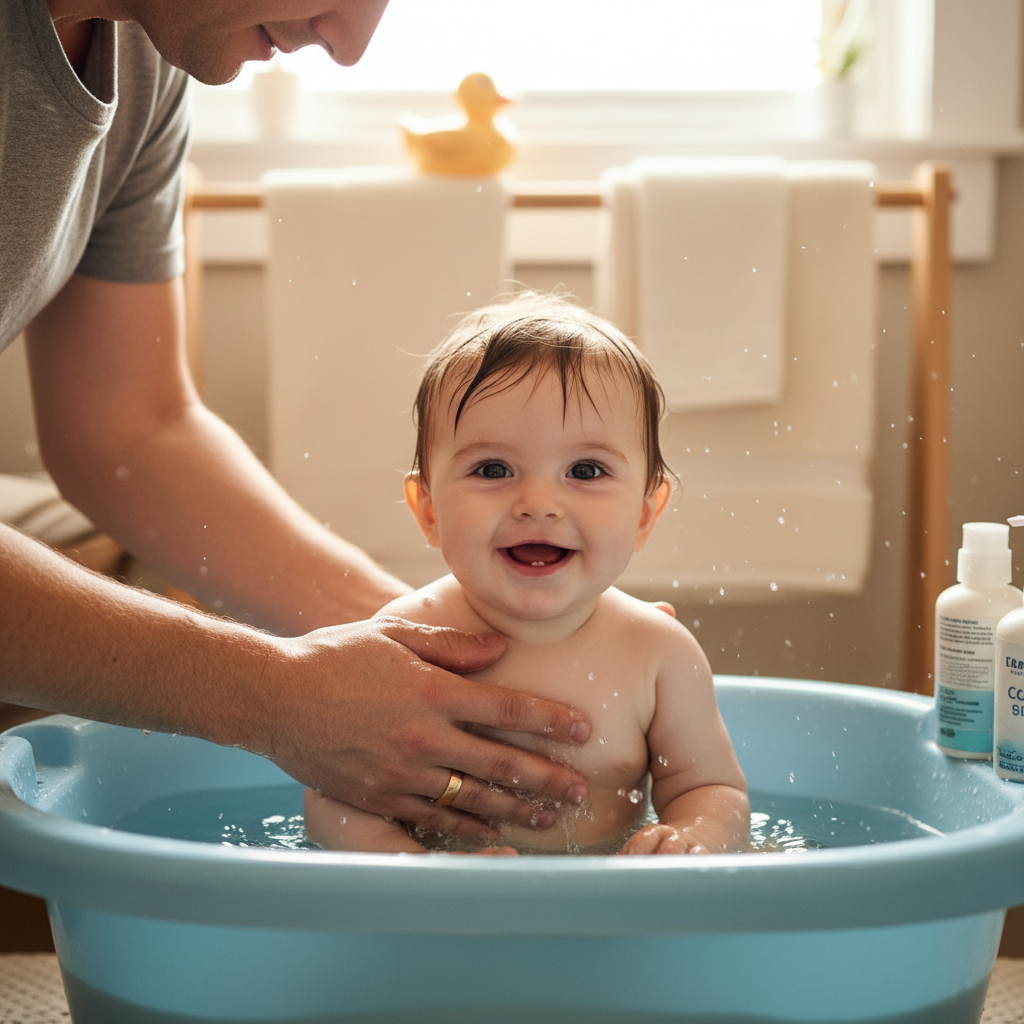
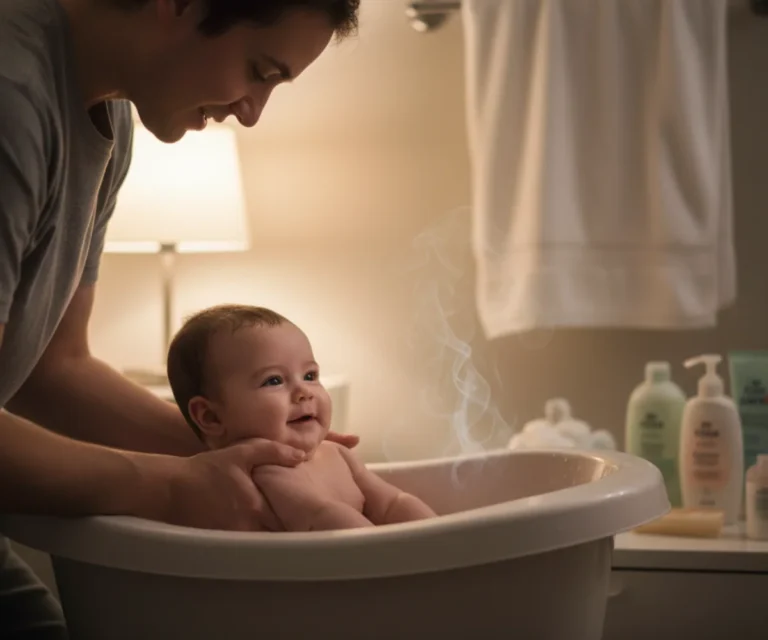
Bath time can be a wonderful bonding experience, but it’s important to keep it gentle and brief to protect your baby’s skin. Over-bathing or using harsh products can strip away natural oils and lead to dryness.
Tips for Happy Bath Time

- Frequency Matters: For newborns, 2-3 baths a week are usually sufficient. Sponge baths are great until the umbilical cord stump falls off. As they get older and more active, daily baths are fine, but keep them short (5-10 minutes).
- Water Temperature: Use lukewarm water, not hot. Test it with your elbow or a bath thermometer; it should feel comfortable, around 98-100°F (37-38°C).
- Mild Cleansers: Choose fragrance-free, pH-neutral, tear-free baby cleansers. A little goes a long way. Avoid regular soaps, which can be drying.
- Gentle Washing: Use your hand or a soft washcloth. Pay attention to creases – behind the ears, neck folds, armpits, and diaper area.
- Pat Dry: Instead of rubbing, gently pat your baby’s skin dry with a soft towel. Make sure to get into all the skin folds to prevent moisture buildup.
The Art of Moisturizing Baby Skin
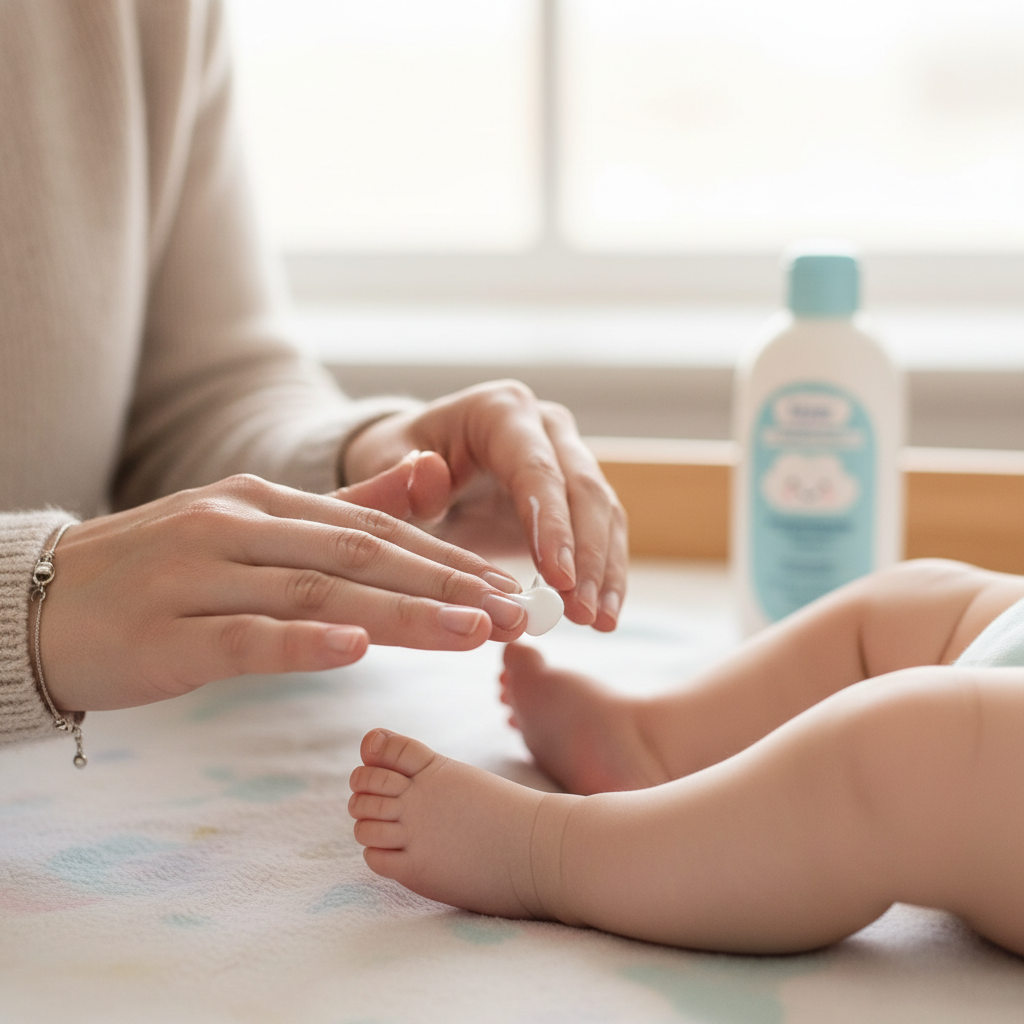
Moisturizing is a crucial step to lock in hydration, especially after a bath. It helps maintain the skin’s natural barrier and keeps it soft and smooth.
Choosing and Applying Moisturizer
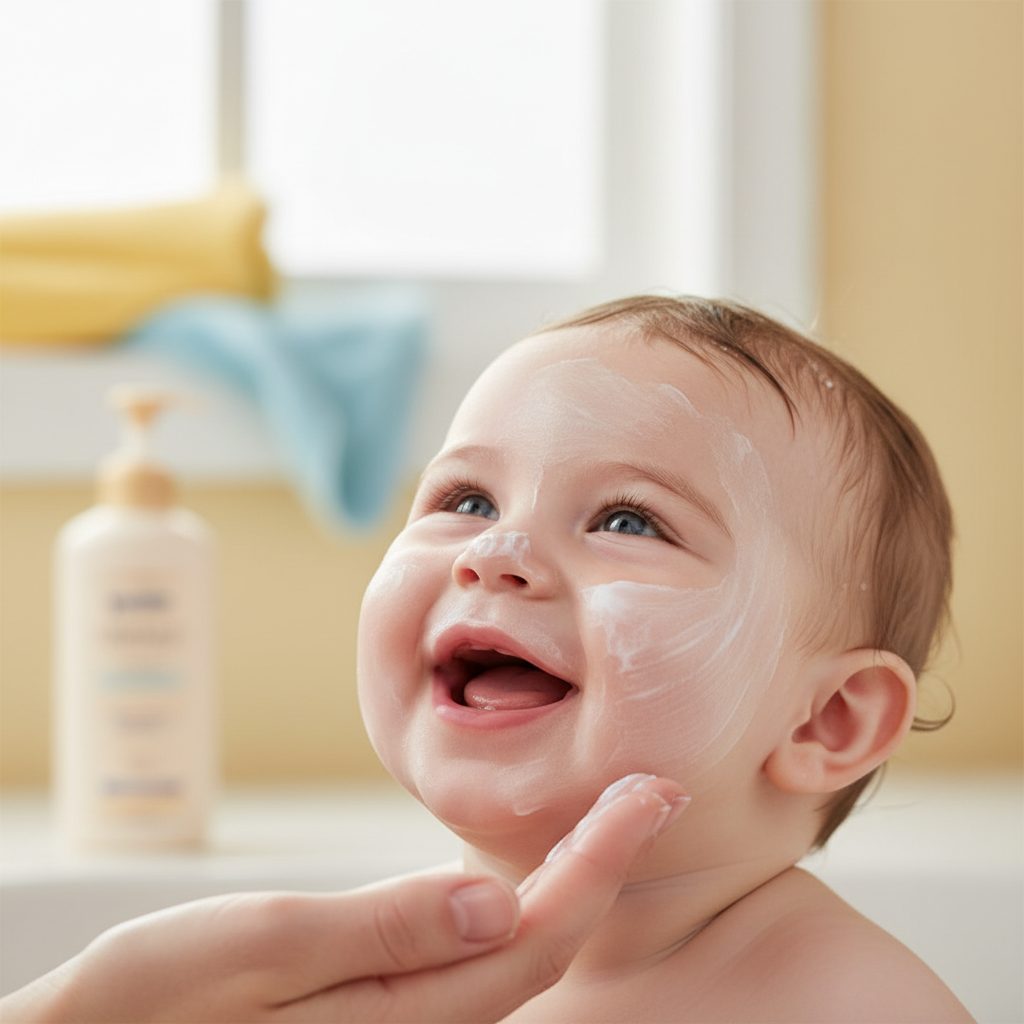
- Product Selection: Opt for fragrance-free, hypoallergenic baby lotions or creams. For very dry skin, petroleum jelly or thicker ointments can be effective.
- Timing is Key: Apply moisturizer within a few minutes of bathing, while the skin is still slightly damp. This helps seal in the moisture.
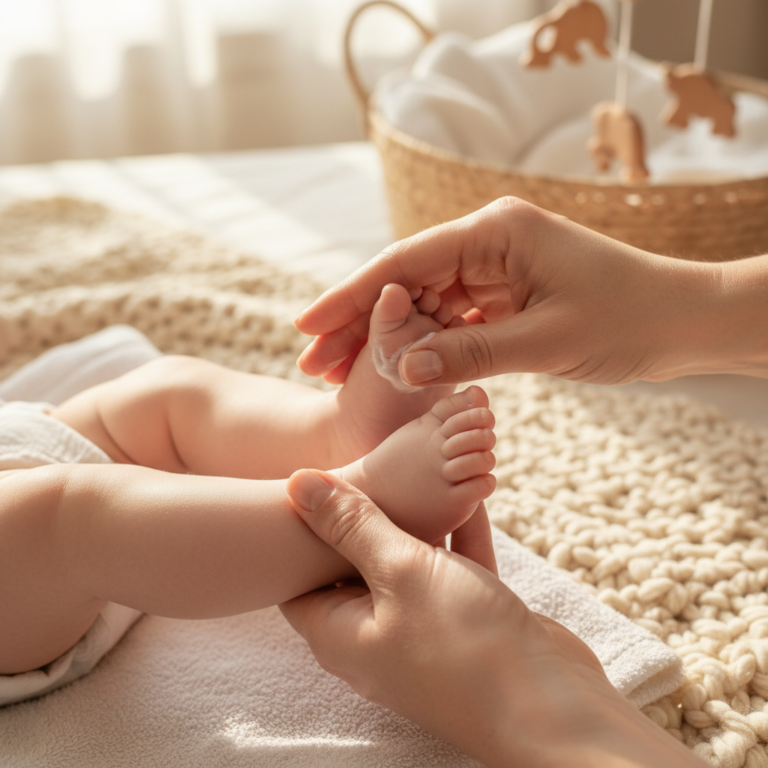
- Gentle Massage: Apply a small amount and gently massage it into your baby’s skin. This is also a lovely way to bond.
- Focus on Dry Areas: Pay extra attention to areas prone to dryness, like elbows, knees, and cheeks.
Diaper Care Essentials

The diaper area is a common spot for skin irritation due to constant moisture and friction. Proper diaper care is essential to prevent diaper rash and keep your baby comfortable.
Preventing Diaper Rash
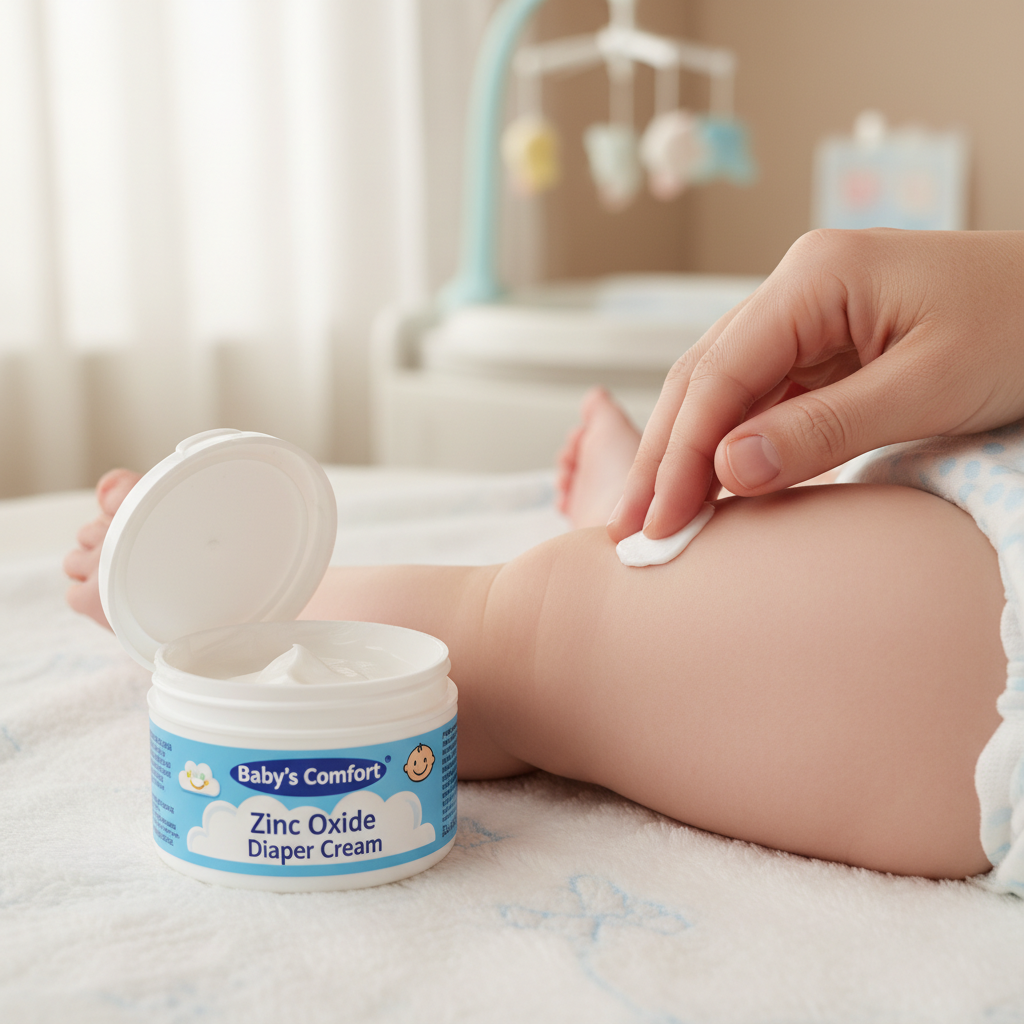
- Frequent Changes: Change wet or soiled diapers promptly. Newborns may need changing every 1-3 hours.
- Gentle Cleaning: Use warm water and a soft cloth or fragrance-free, alcohol-free baby wipes. Wipe from front to back.
- Air Time: Allow your baby’s bottom to air dry completely for a few minutes before putting on a new diaper. This is a great time for a little tummy time!
- Barrier Cream: Apply a thick layer of zinc oxide or petroleum jelly-based diaper cream with each change, especially at night or if your baby is prone to rash.
- Correct Diaper Size: Ensure diapers fit well – not too tight, not too loose – to prevent chafing and leaks.
Sun Safety for Little Ones

Protecting your baby from the sun’s harmful rays is paramount, as their skin is highly susceptible to sunburn.
Shielding Your Baby from the Sun
- Seek Shade: Keep babies under six months out of direct sunlight. Use umbrellas, canopies, and stroller covers.
- Protective Clothing: Dress your baby in lightweight, long-sleeved clothing and wide-brimmed hats.
- Limited Sunscreen Use: For babies under six months, consult your pediatrician before using sunscreen. If absolutely necessary, apply a minimal amount of a mineral-based sunscreen (zinc oxide or titanium dioxide) to small areas like the face and back of hands. For babies over six months, mineral sunscreens are generally recommended for exposed skin.
- Avoid Peak Hours: Stay indoors or in deep shade between 10 AM and 4 PM when the sun’s UV rays are strongest.
Handling Common Skin Concerns

Even with the best care, babies can experience common skin issues. Knowing how to identify and address them can bring peace of mind.
A Quick Guide to Common Issues
- Cradle Cap: Greasy, scaly patches on the scalp. Gently massage baby oil onto the scalp, let it sit for a few minutes, then brush gently with a soft baby brush and wash with mild baby shampoo.
- Baby Acne: Small red bumps, usually on the face. It’s common and usually clears up on its own. Keep the area clean with water and mild baby cleanser. Do not squeeze.
- Eczema (Atopic Dermatitis): Dry, red, itchy patches. Keep skin well-moisturized, use gentle products, and avoid triggers. Consult your pediatrician for treatment options.
- Heat Rash (Miliaria): Tiny red bumps in skin folds or areas covered by clothing. Dress your baby in loose, breathable clothing and keep them cool.
When to Call the Pediatrician

While most baby skin issues are minor, it’s always best to err on the side of caution. Contact your pediatrician if you notice:
- A rash that spreads rapidly or is accompanied by fever.
- Signs of infection, such as pus, swelling, or increasing redness.
- Severe itching that seems to be bothering your baby.
- Any skin concern that doesn’t improve with home care or worsens.
Nurturing Healthy Skin- A Daily Commitment

Caring for your baby’s skin is a loving act that contributes to their overall comfort and well-being. By embracing a routine of gentle cleansing, consistent moisturizing, diligent diaper care, and smart sun protection, you’re building a strong foundation for healthy skin that will serve them well as they grow.
Remember, you’re doing a wonderful job. Trust your instincts, and don’t hesitate to reach out to your pediatrician if you have any concerns. Your baby’s skin is resilient, and with your gentle touch, it will thrive.