Simple Baby Skincare Routine for Healthy and Sensitive Skin
Welcoming a new baby into your life is a journey filled with immense joy and a fair share of questions, especially when it comes to their delicate skin. As parents, we all want to protect our little ones, and understanding how to care for their sensitive skin is a big part of that. It can feel overwhelming with so many products and conflicting advice out there, but taking care of your baby’s skin doesn’t have to be complicated. In fact, a simple, consistent routine is often the most effective.
This guide is designed to empower you with the knowledge and confidence to nurture your baby’s skin, keeping it healthy, soft, and comfortable. We’ll walk through understanding their unique skin needs, choosing the right products, and establishing an easy daily routine that works for both you and your little one. Let’s create a gentle foundation for your baby’s skin health.
Understanding Baby Skin- It’s Delicate!
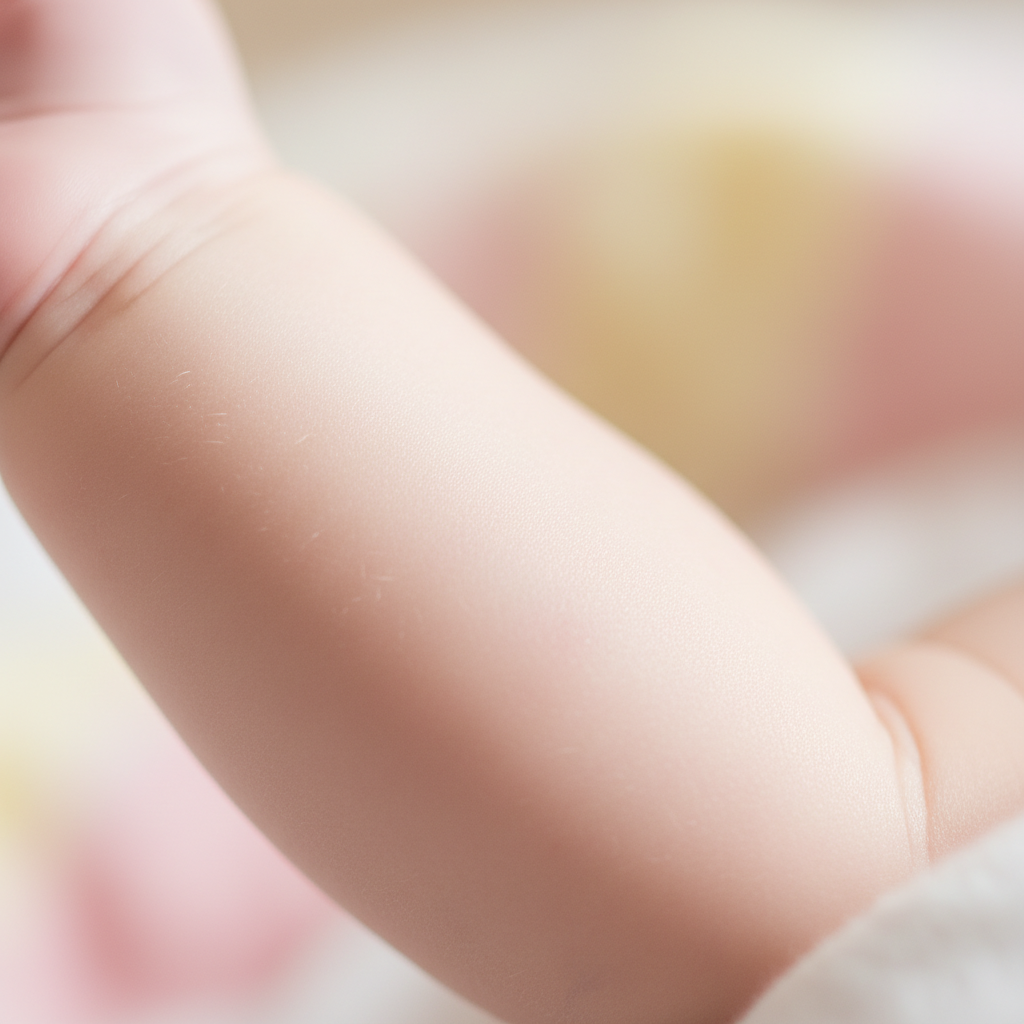
A baby’s skin is truly remarkable, but it’s also incredibly vulnerable compared to adult skin. It’s thinner, more permeable, and its protective barrier is still developing. This means it’s more susceptible to dryness, irritation, and environmental factors. Understanding these differences is the first step toward providing the best care.
Why Baby Skin Needs Special Care
Your baby’s skin barrier is not fully mature until they are about a year old. This immature barrier means:
- Increased Permeability Their skin absorbs substances more easily, making them more sensitive to chemicals, fragrances, and dyes found in some products.
- Higher Risk of Dryness The skin’s ability to retain moisture isn’t fully developed, leading to quicker dehydration.
- Greater Sensitivity They are more prone to rashes, eczema, and allergic reactions.
- Less Protection from UV Rays Melanin production is still developing, making them highly susceptible to sunburn.
Because of these factors, a thoughtful and gentle approach to skincare is not just beneficial, but essential for their comfort and long-term skin health.
Essential Skincare Products for Babies
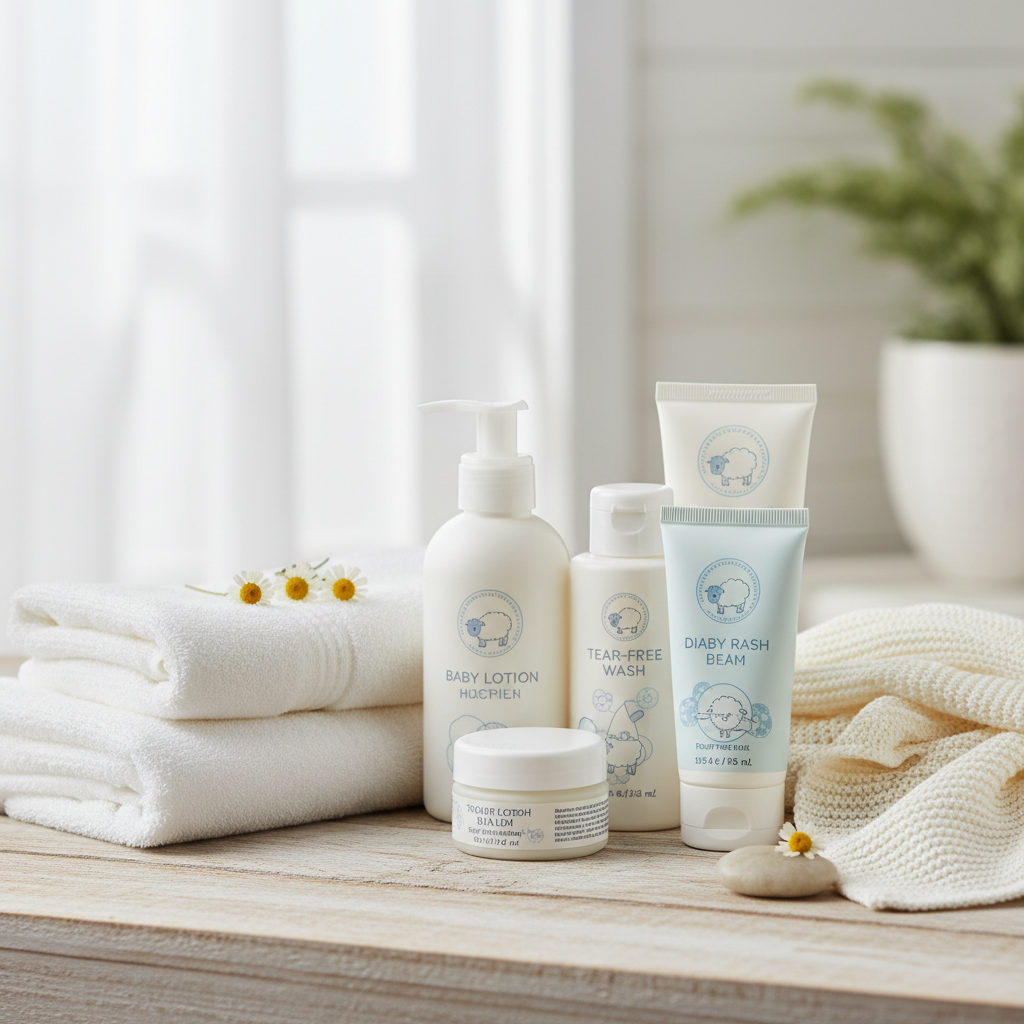
Navigating the baby product aisle can be daunting. The key is to look for products specifically designed for babies, ideally labeled as ‘hypoallergenic,’ ‘fragrance-free,’ and ‘dye-free.’ When in doubt, simpler is always better.
Cleansers
For baths, choose a mild, tear-free baby wash that won’t strip natural oils from their skin. Avoid harsh soaps, which can be drying. Some parents opt for plain water for newborns for the first few weeks, which is perfectly fine.
Moisturizers
A good baby moisturizer or lotion is crucial, especially for babies with dry or sensitive skin. Look for creams or ointments that are free of fragrances and dyes. Ingredients like ceramides can be beneficial for strengthening the skin barrier.
Diaper Cream
A barrier cream is your best friend in preventing and treating diaper rash. Zinc oxide and petroleum jelly are common, effective ingredients. Apply a thin layer with every diaper change, especially overnight.
Sun Protection
For babies under six months, the best sun protection is shade, protective clothing, and wide-brimmed hats. Sunscreen is not recommended for this age group. For babies over six months, a broad-spectrum mineral sunscreen with zinc oxide or titanium dioxide is safe for exposed areas.
Building Your Simple Baby Skincare Routine
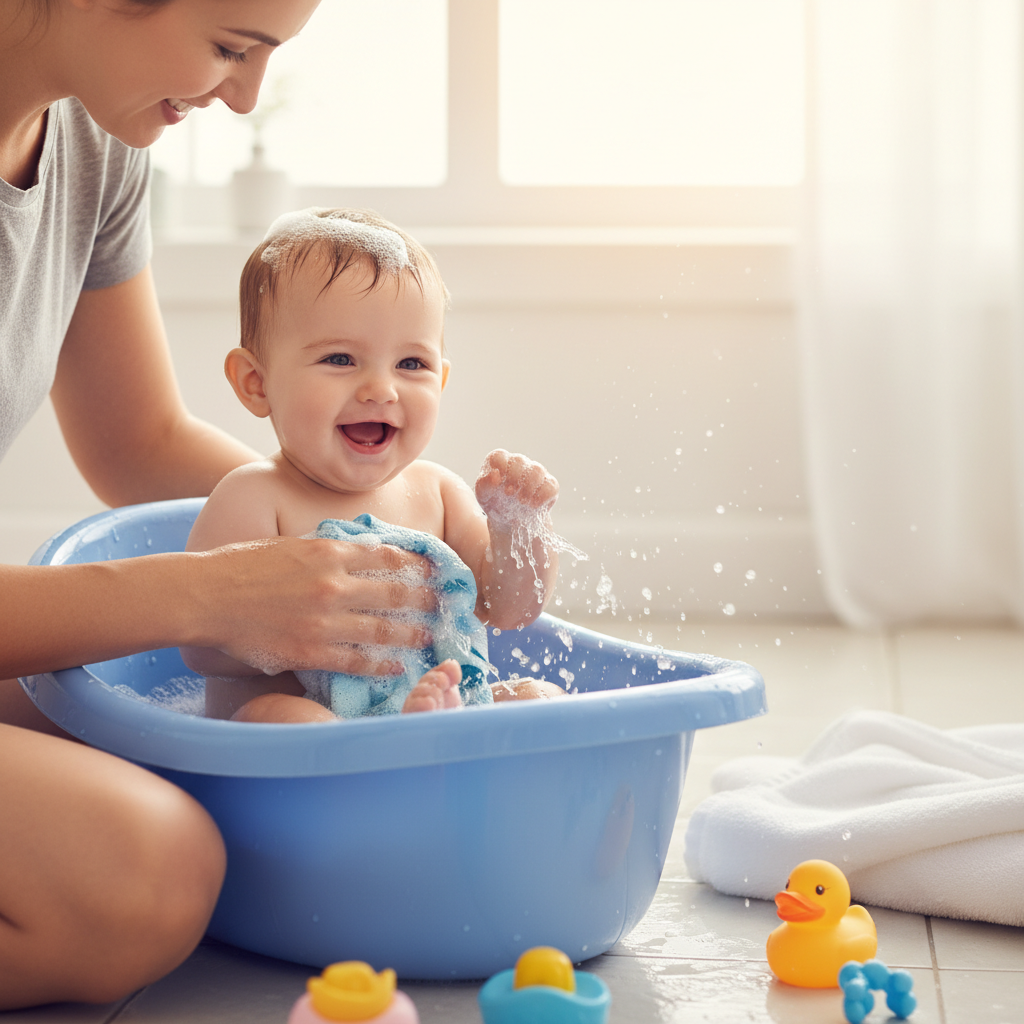
A routine doesn’t have to be rigid or complex. Consistency and gentleness are what matter most. Here’s a simple framework you can adapt to your family’s rhythm.
Daily Bathing Practices
Newborns don’t need a daily bath. Two to three times a week is usually sufficient to keep them clean without drying out their skin. For older babies who are more mobile and messy, daily baths might become necessary. Here’s how to make bath time safe and gentle:
- Water Temperature Ensure the water is comfortably warm, not hot. Test it with your elbow or a bath thermometer (around 98-100°F or 37°C).
- Use Mild Cleanser Sparingly Apply a small amount of baby wash to a soft washcloth or your hand, lather gently, and rinse thoroughly. Focus on creases (neck, armpits, groin).
- Keep it Short Baths should be brief, around 5-10 minutes, to prevent skin from drying out.
- Pat Dry Gently Instead of rubbing, gently pat your baby’s skin dry with a soft towel, paying special attention to skin folds.
Moisturizing Magic
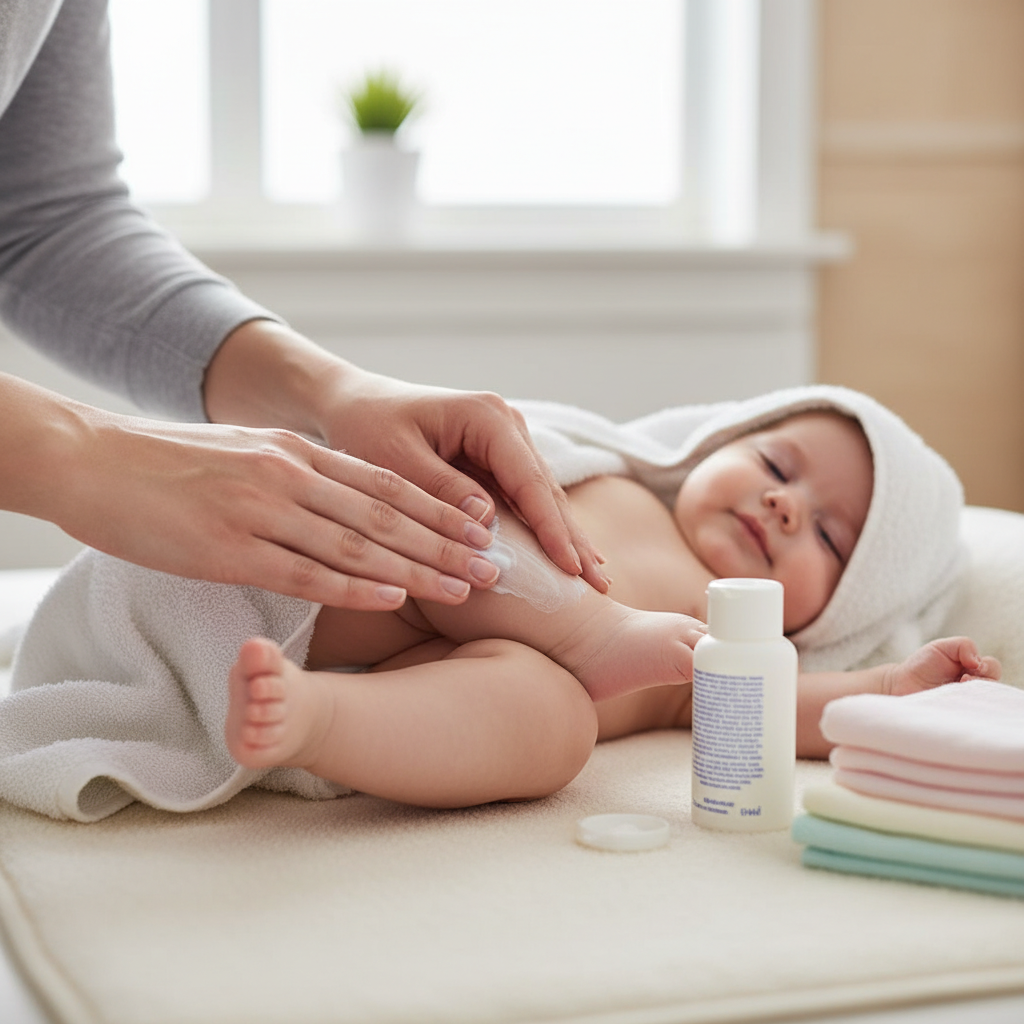
Moisturizing is a key step, especially right after a bath when the skin is still slightly damp. This helps lock in moisture.
- When to Apply Within three minutes of taking your baby out of the bath.
- How to Apply Use a generous amount of fragrance-free baby lotion or cream. Gently massage it all over their body.
- Focus on Dry Areas Pay extra attention to areas prone to dryness, like legs, arms, and cheeks.
For babies with very dry skin or eczema, you might need to moisturize multiple times a day.
Diaper Changing Protocol
Diaper changes are frequent, so making them part of your skincare routine is essential for preventing irritation.
- Clean Thoroughly Use fragrance-free, alcohol-free baby wipes or a soft cloth dampened with water to clean the diaper area. Always wipe front to back.
- Allow to Air Dry If possible, let your baby’s bottom air dry for a minute or two before putting on a new diaper. This reduces moisture.
- Apply Barrier Cream A thin layer of diaper cream acts as a protective shield against wetness and irritation. Don’t be shy about using it preventatively.
- Change Frequently Regular diaper changes are the best defense against diaper rash.
Sun Safety Steps
Protecting your baby from the sun is vital, as their skin is highly vulnerable to UV damage.
- Seek Shade Keep babies under six months out of direct sunlight. Use umbrellas, stroller canopies, and shady spots.
- Protective Clothing Dress your baby in lightweight, long-sleeved clothing and wide-brimmed hats.
- Sunscreen for Older Babies For babies over six months, apply a mineral-based sunscreen (zinc oxide or titanium dioxide) to small areas of exposed skin if shade and clothing aren’t enough. Reapply every two hours, or more often if sweating or swimming.
Addressing Common Baby Skin Issues
Even with the best routine, babies can still experience common skin issues. Here’s a quick guide to some frequent concerns and how to manage them.
Diaper Rash
This is perhaps the most common skin complaint for babies. It manifests as red, irritated skin in the diaper area.
- Prevention is Key Frequent diaper changes, thorough cleaning, and consistent use of a barrier cream.
- Treatment Increase diaper-free time, continue using a thick layer of zinc oxide or petroleum jelly cream. If it doesn’t improve within a few days or worsens, consult your pediatrician.
Eczema and Dry Patches
Eczema (atopic dermatitis) can appear as red, itchy, dry patches, often on the face, scalp, and creases of joints.
- Gentle Care Use fragrance-free, hypoallergenic products. Keep baths short and lukewarm.
- Moisturize Heavily Apply a thick emollient cream or ointment multiple times a day, especially after baths.
- Avoid Triggers Identify and avoid potential irritants like harsh soaps, certain fabrics (wool), or allergens.
- Seek Medical Advice If severe, persistent, or causing discomfort, a pediatrician can recommend stronger treatments.
Cradle Cap
Characterized by greasy, scaly patches on a baby’s scalp, cradle cap is harmless and usually resolves on its own.
- Gentle Washing Wash your baby’s hair daily with a mild baby shampoo.
- Soft Brushing Gently brush the affected area with a soft baby brush or comb to loosen scales after shampooing.
- Oil Treatment For stubborn cases, you can apply a small amount of baby oil or mineral oil to the scalp an hour before bath time, then gently brush and shampoo.
Baby Acne
Tiny red bumps or whiteheads, often on the face, caused by maternal hormones. It’s temporary and usually clears up on its own within a few weeks.
- No Treatment Needed Do not squeeze or scrub the acne.
- Gentle Cleansing Wash your baby’s face with plain water and a mild baby cleanser once a day.
When to Consult a Pediatrician
While most baby skin issues are minor and resolve with simple care, it’s always wise to consult your pediatrician if you notice any of the following:
- Rashes that are spreading rapidly, blistering, or causing your baby significant discomfort.
- Signs of infection, such as pus, fever, or red streaks.
- Eczema that is severe, weeping, or not responding to home treatments.
- Any skin concern that worries you or doesn’t improve within a few days of gentle care.
Your pediatrician is your best resource for personalized advice and diagnosis.
Caring for your baby’s sensitive skin is an act of love, and a simple, consistent routine is your most powerful tool. By choosing gentle products, following a basic daily regimen, and knowing how to address common concerns, you’re providing the best possible foundation for their skin health. Remember, you’re doing a wonderful job, and your baby’s healthy, happy skin is a testament to your loving care. Embrace these precious moments, knowing you’re nurturing them from head to tiny toe.