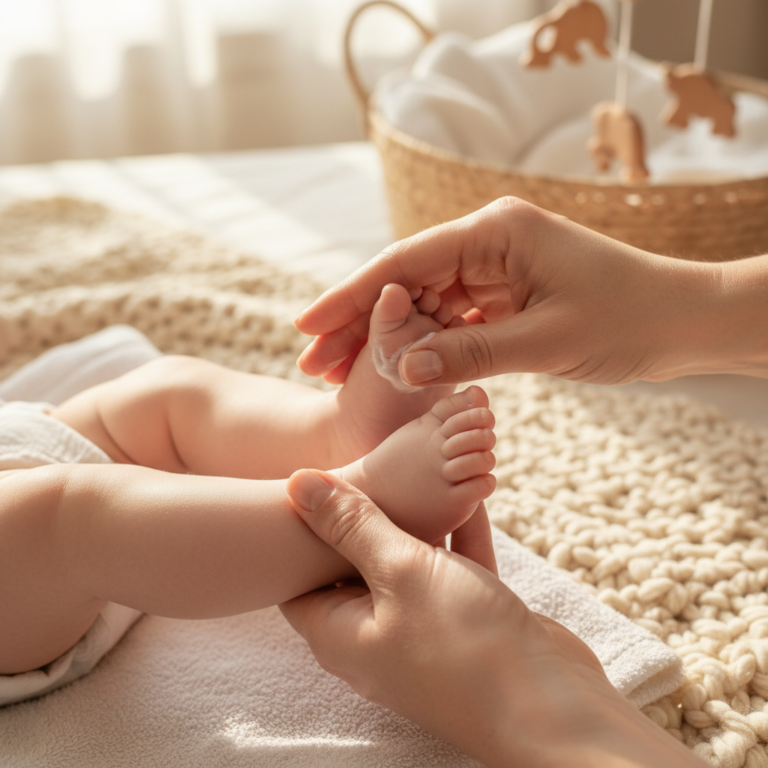
7 Baby Skincare Mistakes New Parents Are Probably Making
Welcome to the wonderful, sometimes overwhelming, world of new parenthood! Among the many joys and challenges, caring for your baby’s delicate skin can feel like a mystery. It’s so soft, so sensitive, and prone to all sorts of little changes. Don’t worry, you’re not alone if you’ve felt a bit unsure about what’s best. Many new parents inadvertently make small skincare missteps simply because they don’t know any better. This guide is here to gently walk you through seven common baby skincare mistakes and offer simple, loving solutions to keep your little one’s skin happy and healthy.
Mistake 1 – Overbathing Your Little One

It’s tempting to want your baby to be perfectly clean all the time, but frequent bathing can actually strip away the natural oils that protect their delicate skin. Newborns especially don’t get very dirty, and daily baths can lead to dryness and irritation.
The Gentle Approach to Bathing
- Frequency For newborns, 2-3 baths a week are usually plenty. As they get older and more active, you might increase it to every other day or daily quick washes.
- Water Temperature Always test the water with your elbow or wrist; it should be lukewarm, not hot.
- Quick Washes Keep bath time short, around 5-10 minutes, to prevent skin from drying out.
Mistake 2 – Using Harsh Adult Products
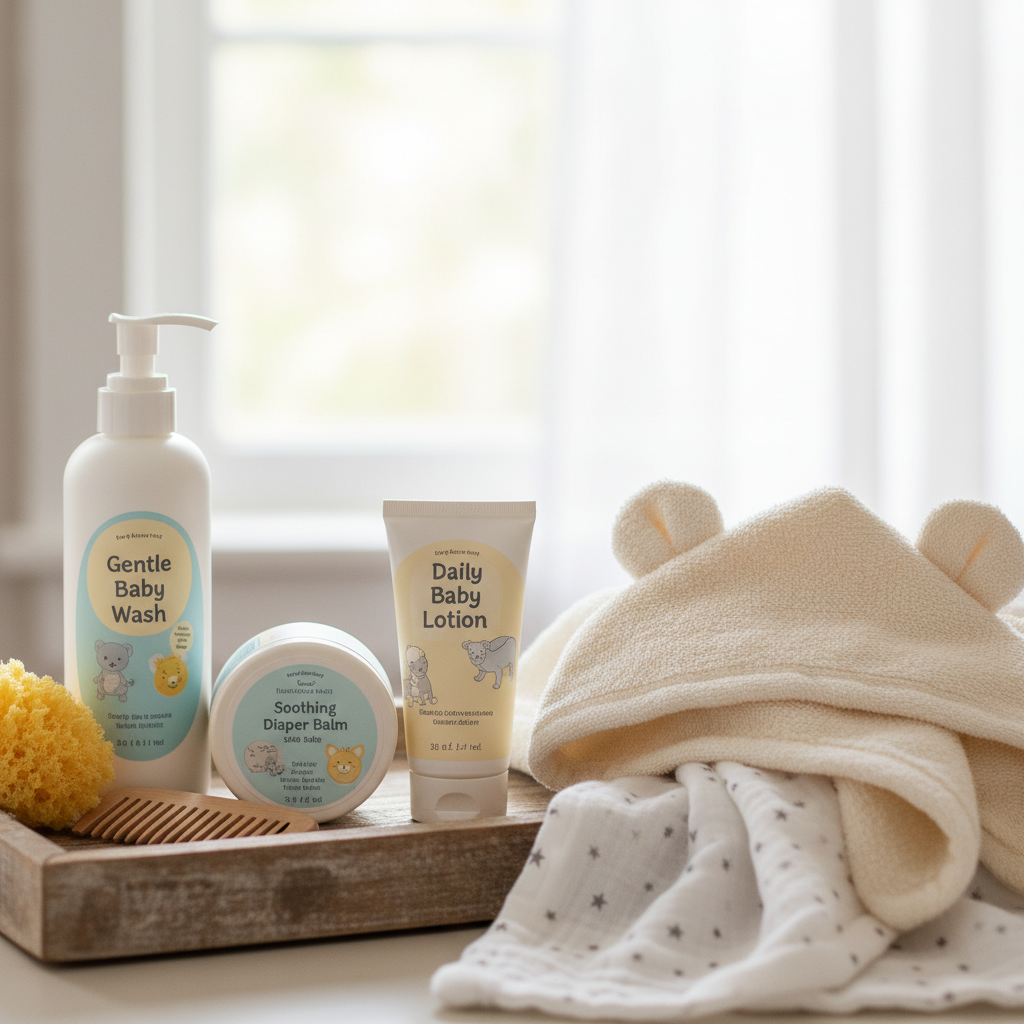
Your baby’s skin is much thinner and more permeable than adult skin, making it highly susceptible to irritation from harsh chemicals, fragrances, and dyes found in many adult skincare products. What’s fine for you can be too much for them.
Choosing Baby-Safe Options
- Fragrance-Free Opt for products labeled “fragrance-free” rather than “unscented,” as the latter can still contain masking fragrances.
- Hypoallergenic Look for products specifically designed for babies and labeled hypoallergenic, dermatologist-tested, or pediatrician-recommended.
- Simple Ingredients The fewer ingredients, the better. Avoid parabens, phthalates, and sulfates.
Mistake 3 – Skipping Moisturizer or Using the Wrong Type
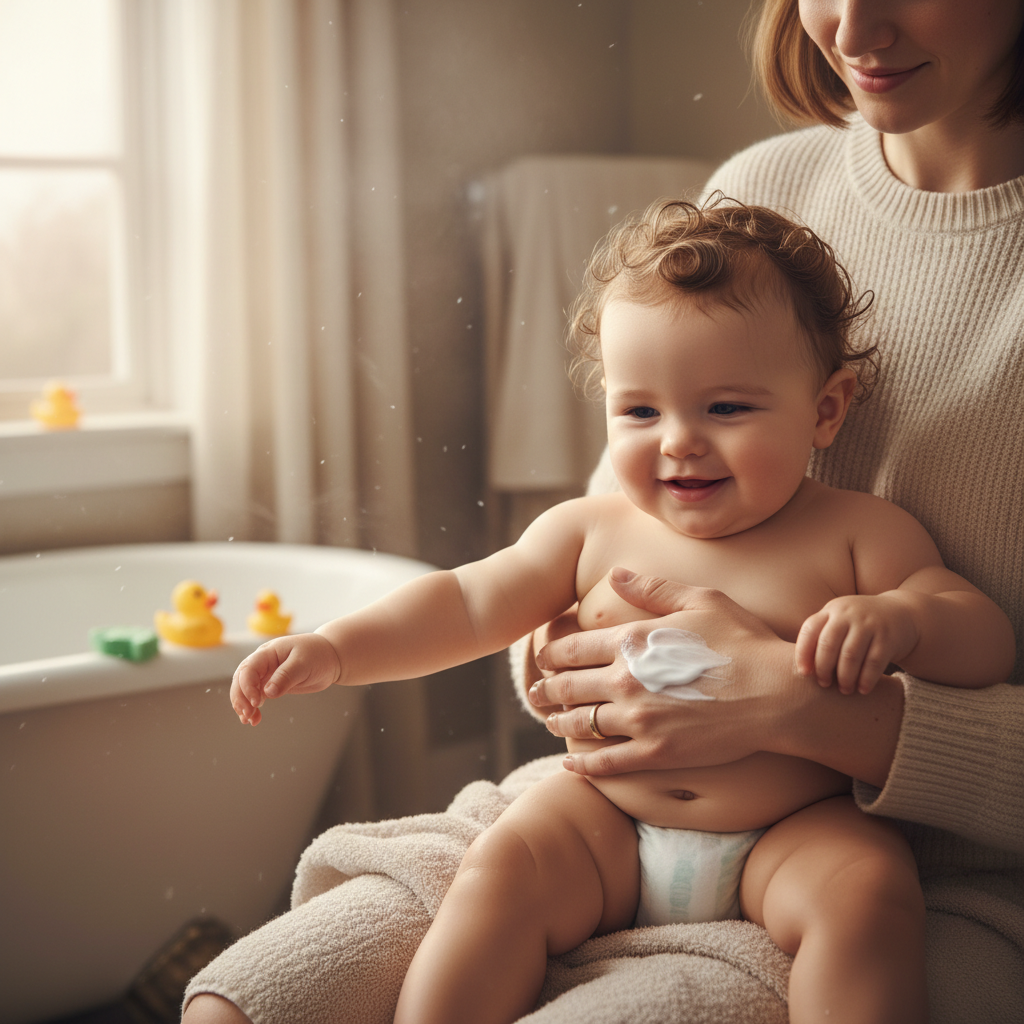
Just like adults, babies need moisturizer to keep their skin hydrated, especially after a bath. Skipping this step can lead to dry patches, flakiness, or even exacerbate conditions like eczema. Using a thin, watery lotion might not provide enough barrier protection.
Moisturizing Best Practices
- When to Apply Gently pat your baby dry after a bath, then immediately apply a generous amount of moisturizer to lock in hydration.
- Choose Wisely For dry or sensitive skin, thick creams or ointments are often more effective than lotions. Look for ingredients like ceramides or colloidal oatmeal.
- Gentle Massage Make it a soothing bonding experience with a gentle massage.
Mistake 4 – Neglecting Diaper Area Care
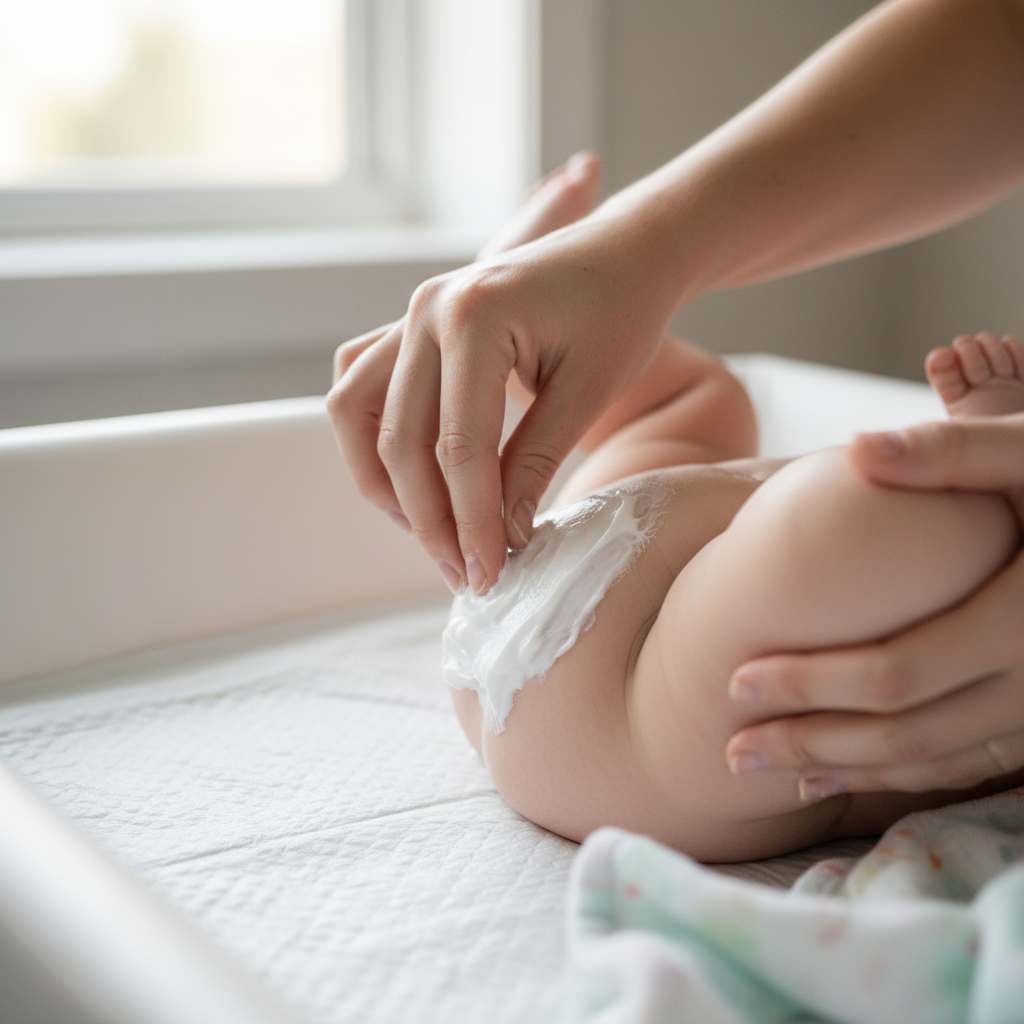
The diaper area is a hotspot for moisture and friction, making it highly prone to rashes and irritation. Many parents might not change diapers frequently enough or use the right products to protect this sensitive zone.
Protecting Against Diaper Rash
- Frequent Changes Change wet or soiled diapers as soon as possible to minimize contact with irritants.
- Gentle Cleaning Use soft, fragrance-free wipes or a damp cloth with water. Pat dry thoroughly.
- Barrier Creams Apply a thick layer of zinc oxide or petroleum jelly-based diaper cream at every change, especially before bedtime, to create a protective barrier.
- Air Time Allow your baby to have some diaper-free time to let the skin breathe.
Mistake 5 – Ignoring Sun Protection

A baby’s skin is extremely vulnerable to sun damage. Many parents underestimate the strength of the sun or assume a cloudy day offers enough protection, leading to potential sunburns and increased long-term risks.
Safe Sun Habits for Babies
- Seek Shade Keep babies under 6 months primarily in the shade. Use umbrellas, canopies, and shade covers.
- Protective Clothing Dress your baby in lightweight, long-sleeved clothing and wide-brimmed hats when outdoors.
- Sunscreen (6+ Months) For babies over 6 months, apply a broad-spectrum sunscreen with an SPF of 30-50 to small exposed areas, like the face and back of hands. Always patch test first.
Mistake 6 – Over-Treating Minor Rashes
It’s natural to want to fix any skin issue immediately, but sometimes, a minor rash just needs time and simple care. Applying too many different products or harsh remedies can worsen the problem or cause new irritation.
When to Treat, When to Observe
- Observe First For mild redness or small bumps, try keeping the area clean and dry, and give it some air. Often, minor irritations resolve on their own.
- Simple Solutions For common issues like diaper rash, stick to proven barrier creams. For dry patches, use a thick moisturizer.
- Consult a Doctor If a rash persists, spreads, looks blistered, or is accompanied by fever or discomfort, always consult your pediatrician.
Mistake 7 – Not Patch Testing New Products
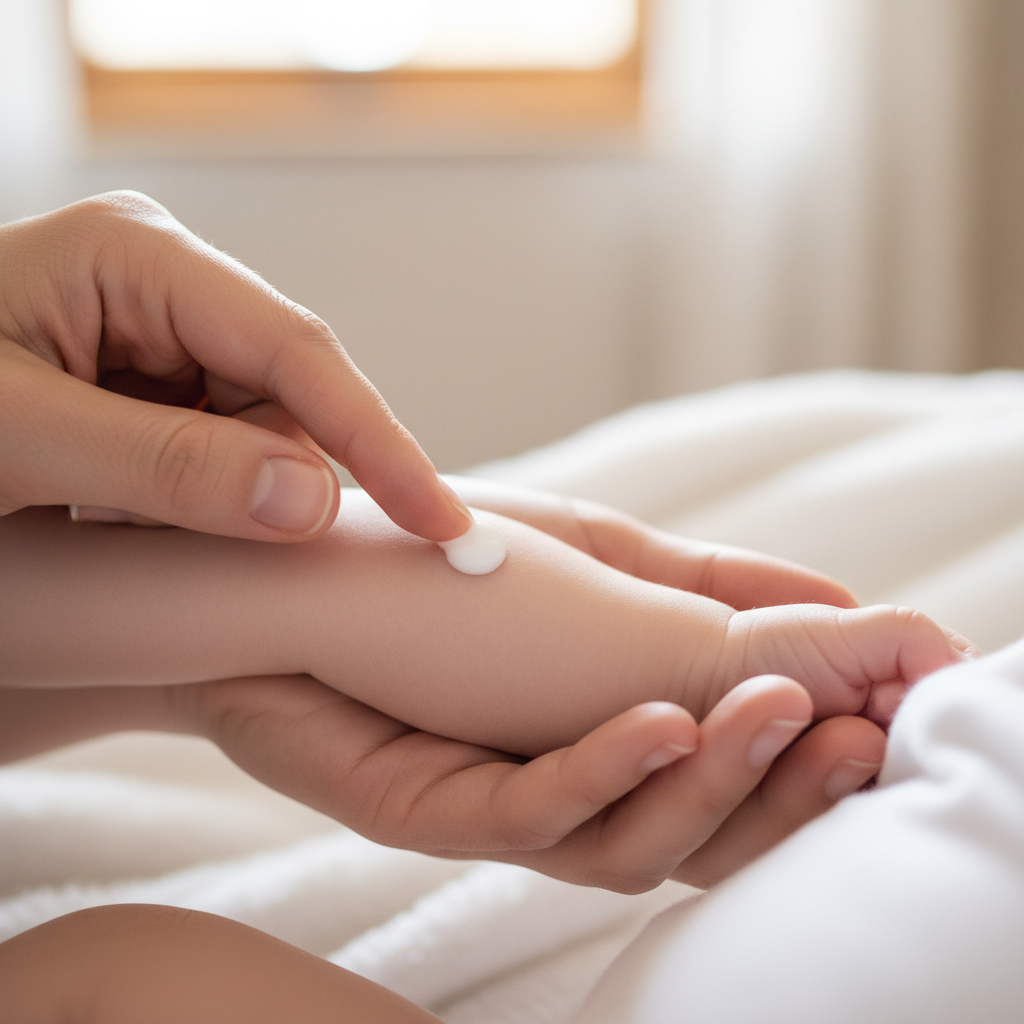
Introducing a new product, whether it’s a lotion, wash, or sunscreen, carries the small risk of an allergic reaction or irritation. Applying it all over your baby’s body without testing can lead to widespread discomfort.
The Importance of Patch Testing
- Small Area Test Before using any new product extensively, apply a tiny amount to a small, inconspicuous area of your baby’s skin, like the inner arm or behind the ear.
- Wait and Observe Wait 24-48 hours. If there’s no redness, rash, or irritation, it’s likely safe to use more broadly.
- One Product at a Time Introduce new products one at a time so you can easily identify the culprit if a reaction occurs.
Caring for your baby’s skin is an act of love, and it’s okay to learn as you go. By avoiding these common mistakes and embracing a gentle, informed approach, you’ll be well on your way to keeping your little one’s skin soft, healthy, and happy. Remember, if you ever have concerns about your baby’s skin, your pediatrician is always your best resource. You’re doing a wonderful job, parent!