33 Easy Baby Activities and Sensory Play Ideas for 9–12 Months
The transition between nine and twelve months is a period of remarkable growth. During this window, infants begin to develop greater mobility, refine their fine motor skills, and exhibit an intense curiosity about the world around them. Engaging your baby in structured sensory play and simple activities is essential for cognitive and physical development. This guide provides thirty-three safe, easy, and effective ways to stimulate your child’s senses and encourage milestones such as crawling, grasping, and early problem-solving.
1. Sensory Discovery Bags
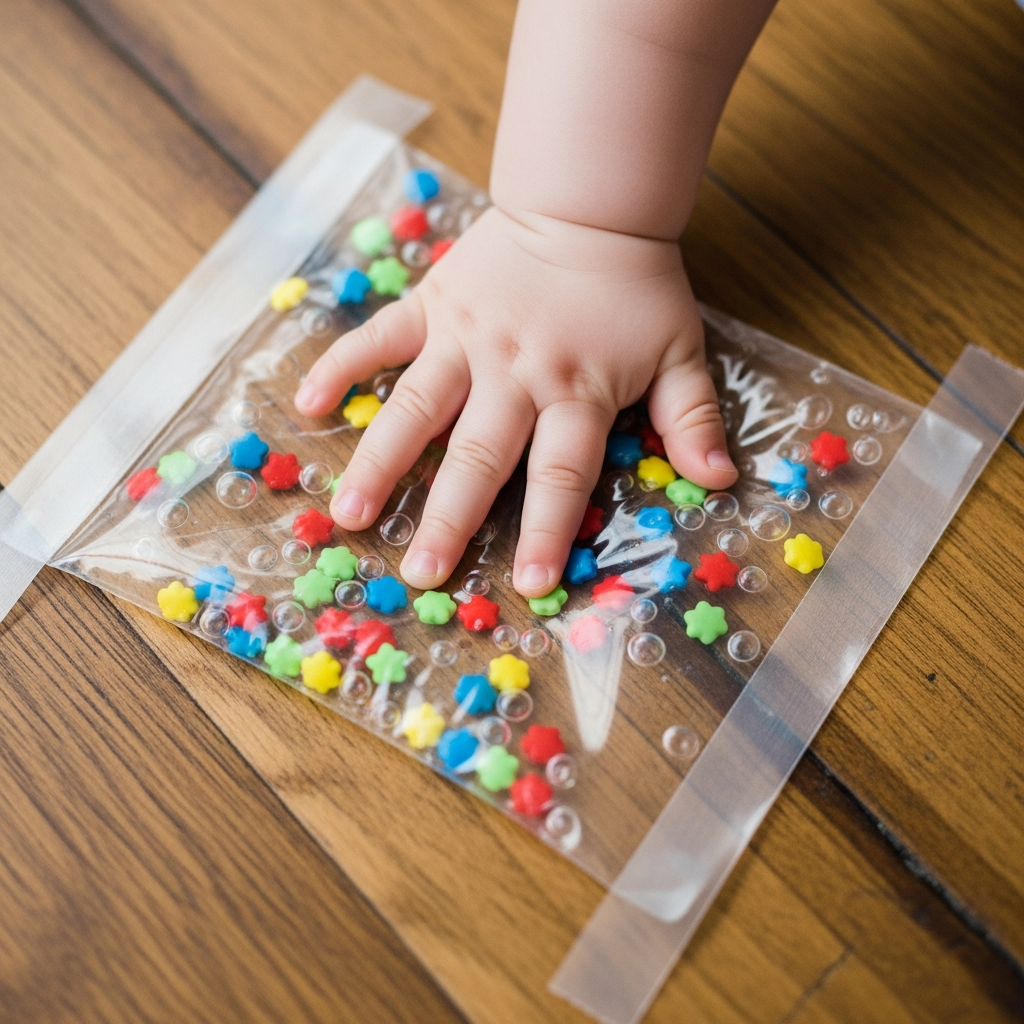
Fill sealable plastic bags with hair gel and small items like glitter or beads. Tape the edges to a floor or table to prevent leaking. This allows your baby to explore textures and move items around without making a mess, stimulating visual and tactile senses.
2. Edible Yogurt Painting
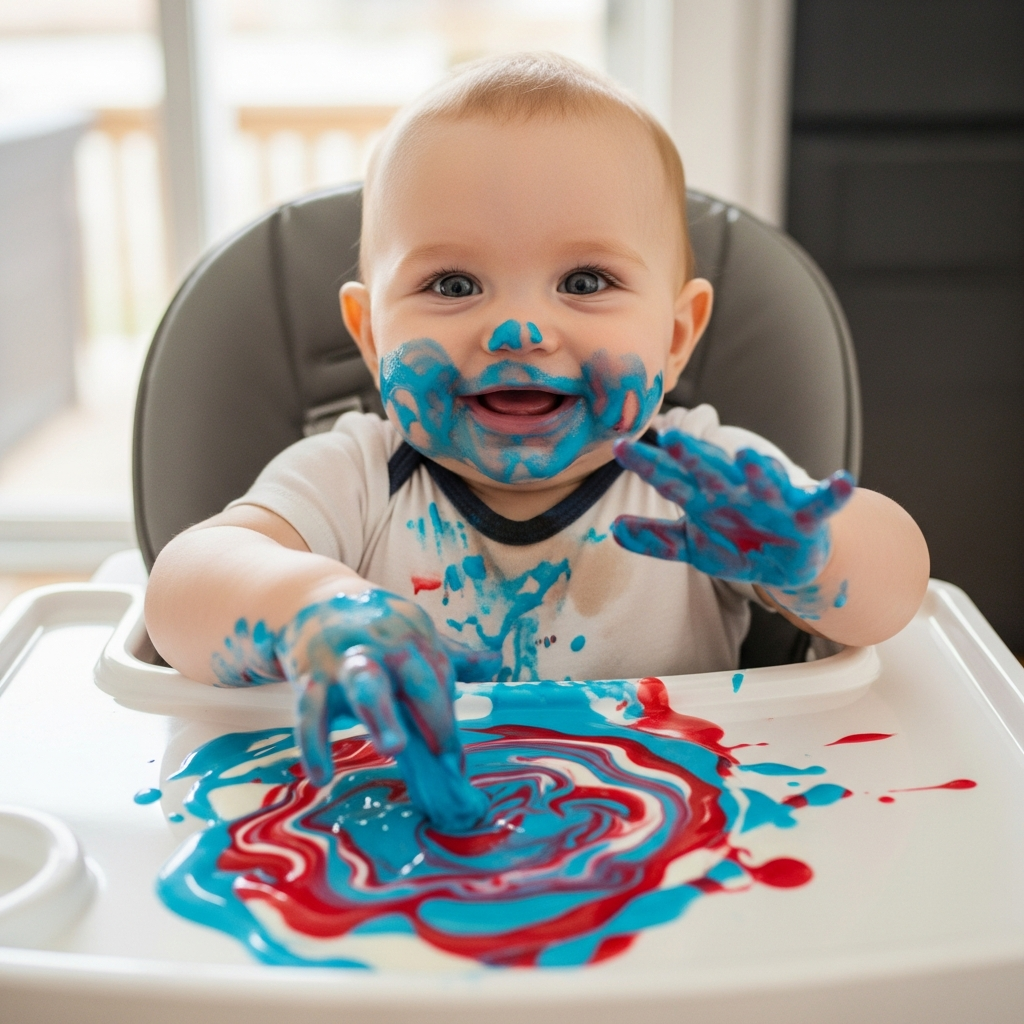
Mix a few drops of food coloring into plain yogurt to create safe, edible paint. Spread it on a high chair tray or a large sheet of paper. This activity encourages creative expression and tactile exploration while being completely taste-safe for curious infants.
3. Muffin Tin Toy Rescue
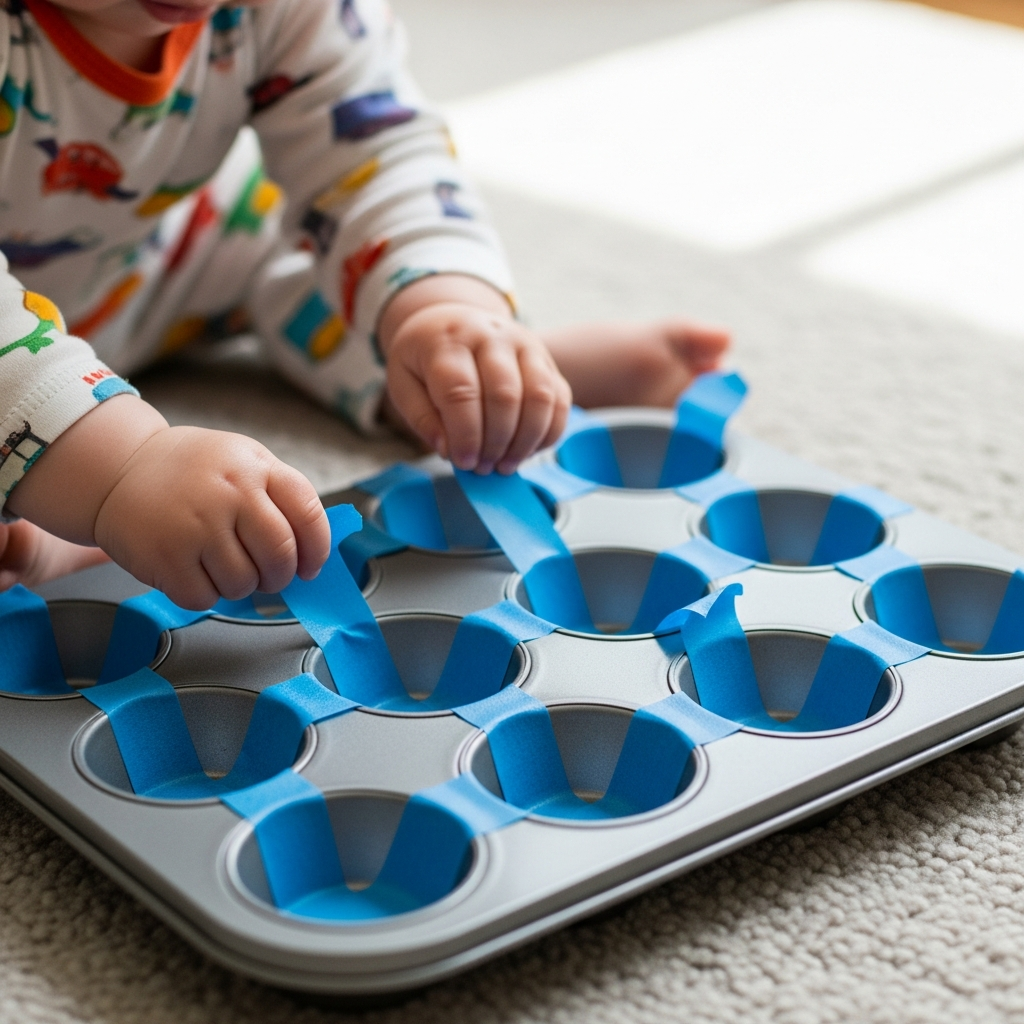
Place small toys inside the cups of a muffin tin and cover them with painter’s tape. Your baby will use their fine motor skills to peel back the tape and ‘rescue’ the toys, which helps develop the pincer grasp and problem-solving abilities.
4. Texture Scavenger Box

Gather a variety of household items with different textures, such as a silk scarf, a rough sponge, and a soft stuffed animal. Place them in a box for your baby to pull out and examine, enhancing their tactile vocabulary and sensory processing.
5. Sticky Wall Contact Paper
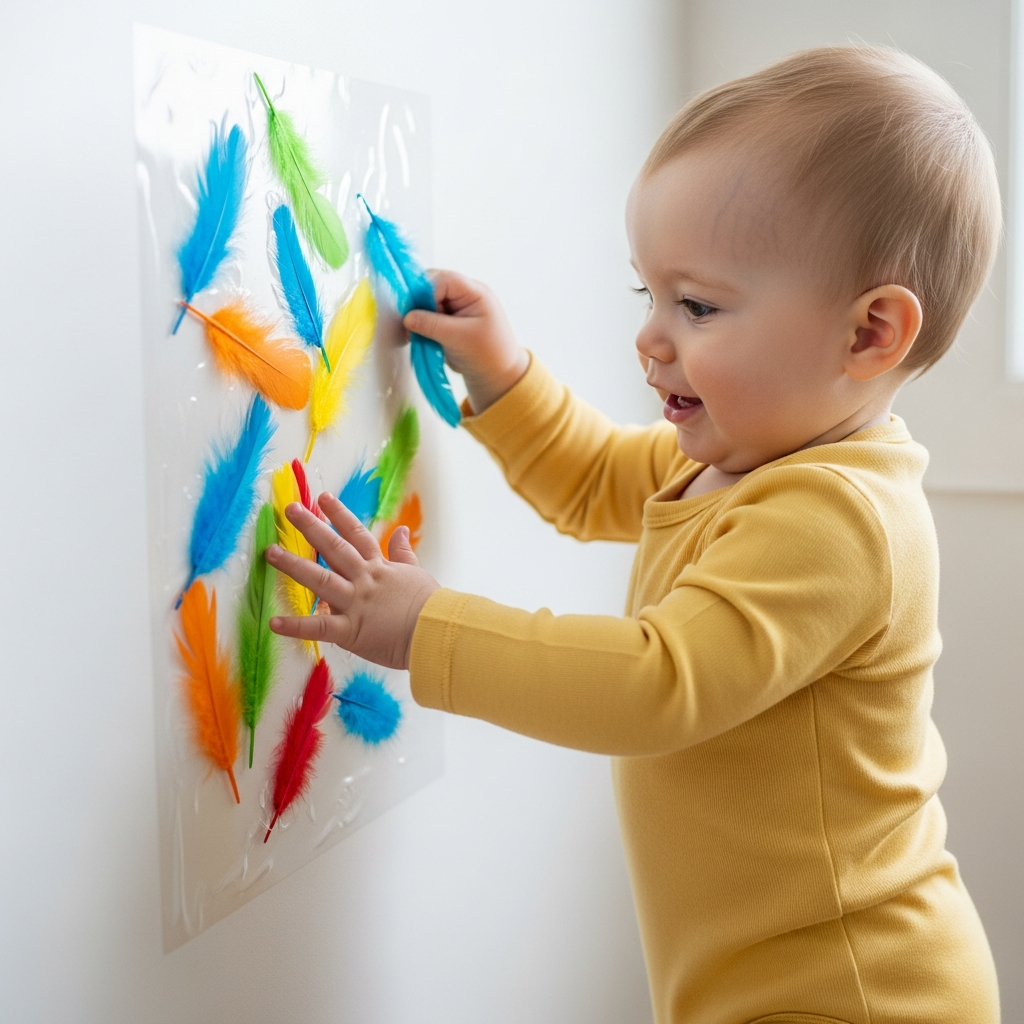
Tape a piece of clear contact paper to a wall with the sticky side facing out. Provide lightweight items like feathers or scraps of paper for your baby to stick on and pull off. This promotes vertical play and shoulder stability.
6. Water Play with Ladles
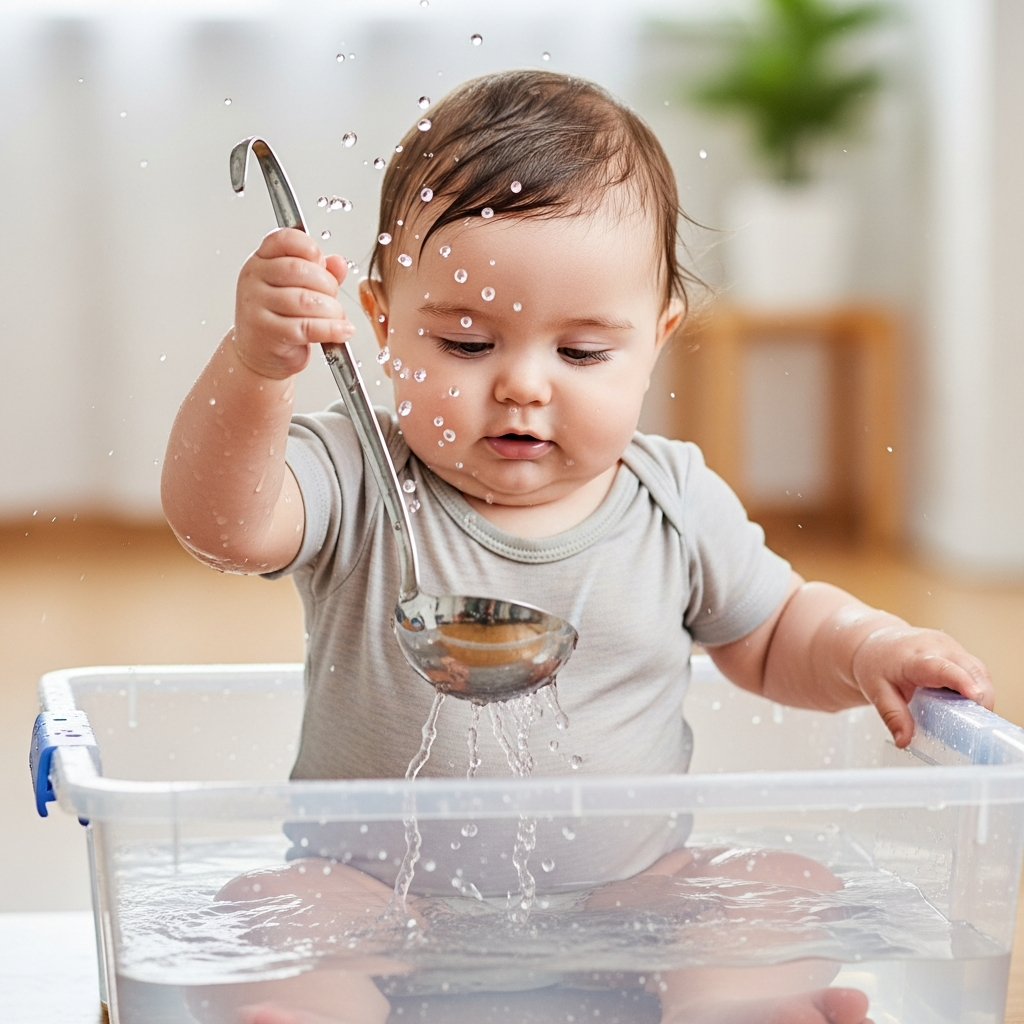
Fill a shallow bin with a small amount of water and provide kitchen ladles or large spoons. Supervised water play helps babies understand cause and effect while improving hand-eye coordination as they scoop and pour.
7. Cardboard Tunnel Navigation
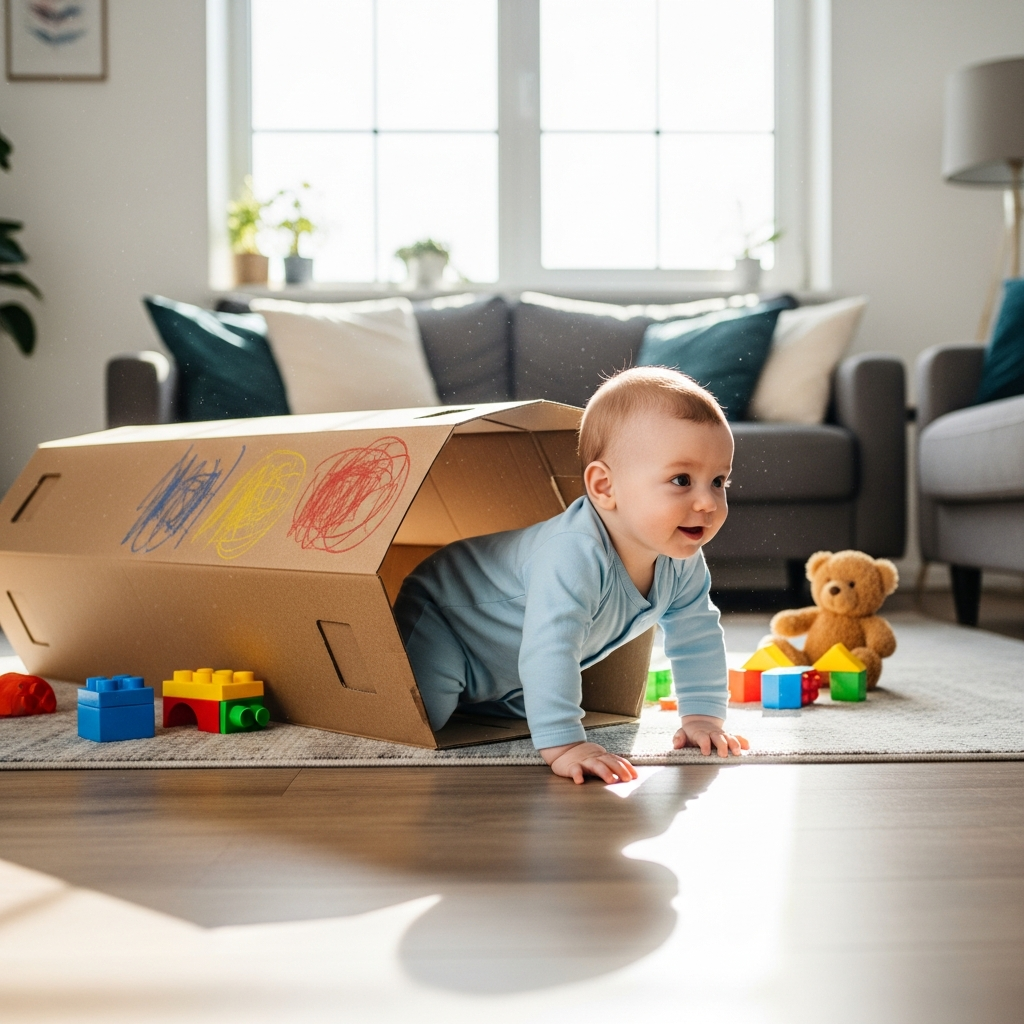
Open both ends of a large cardboard box to create a tunnel. Encourage your baby to crawl through by placing a favorite toy at the other end. This supports gross motor development and spatial awareness.
8. Cup Stacking Challenge
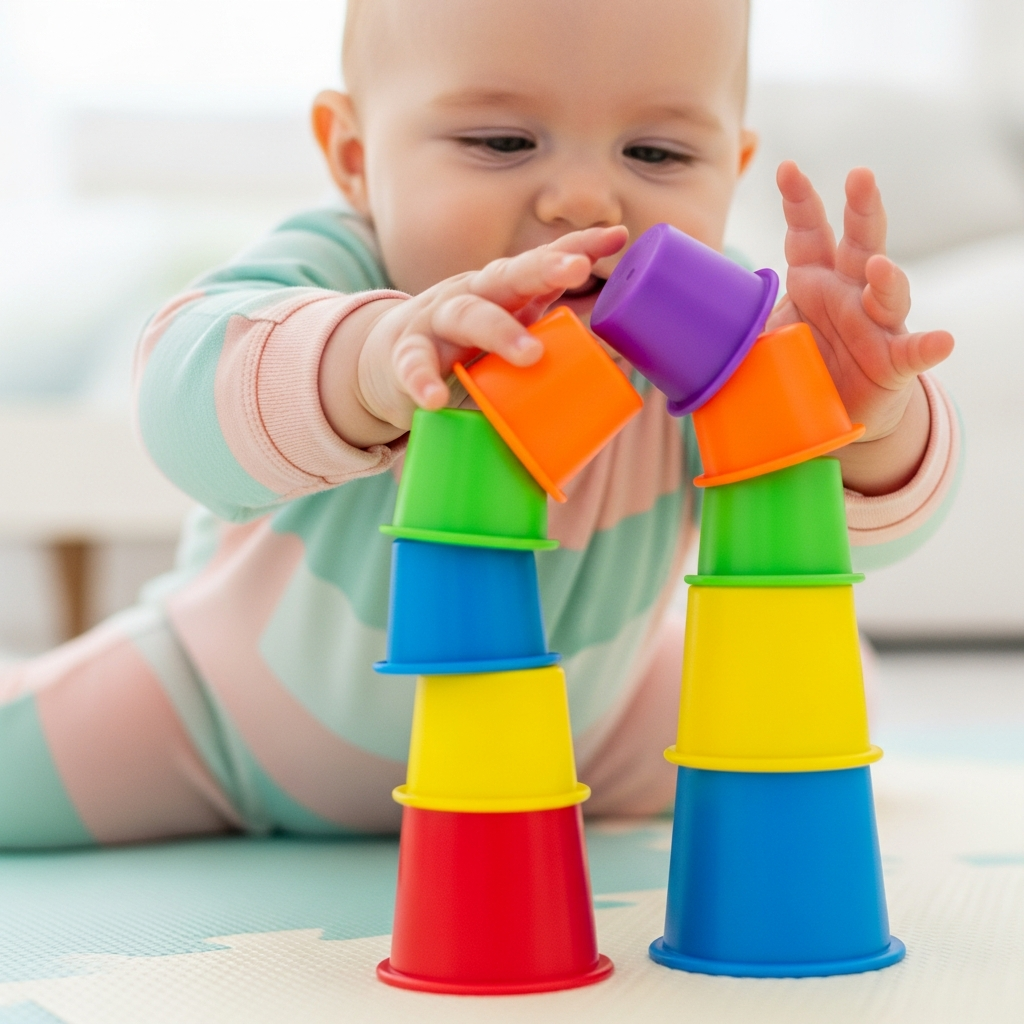
Use plastic nesting cups or simple Tupperware to build small towers. Babies at this age love knocking things down, which teaches them about gravity and physical properties while they eventually learn to stack the pieces themselves.
9. DIY Sensory Texture Board
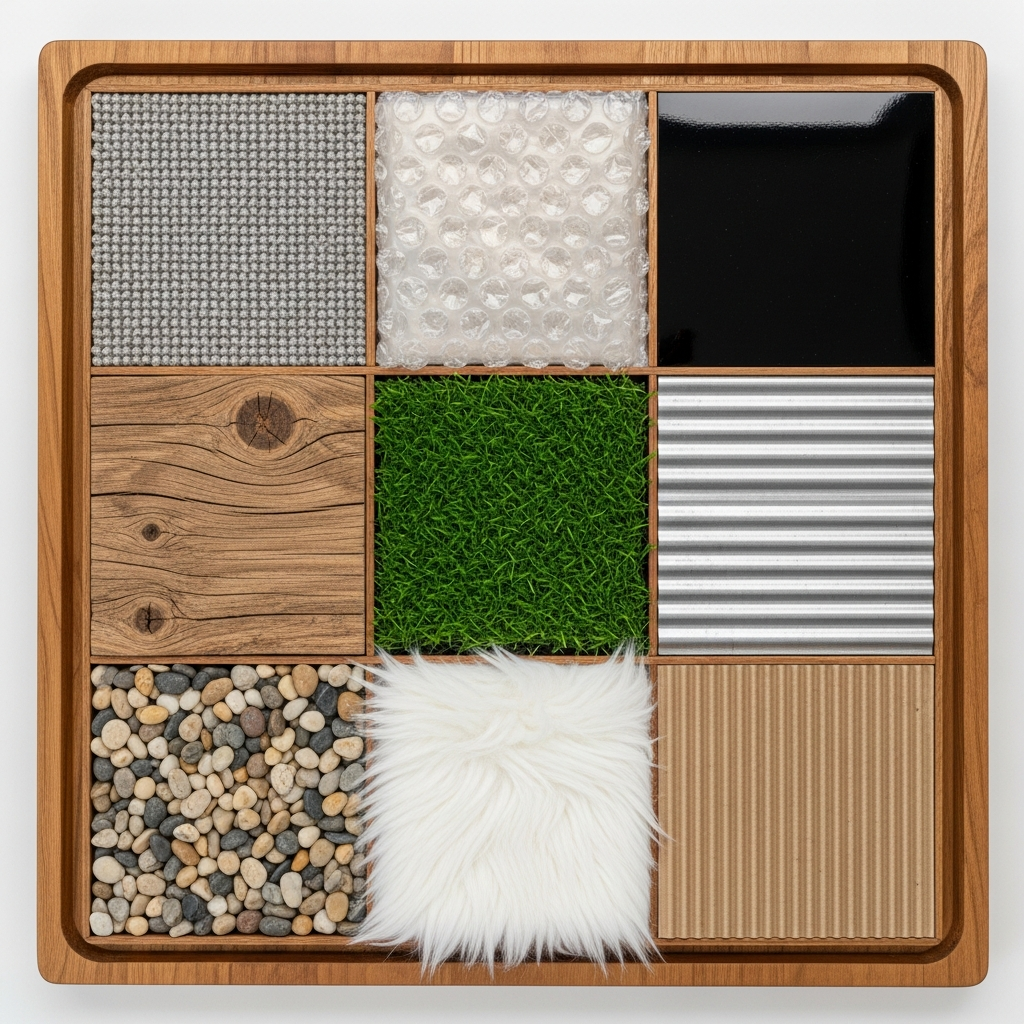
Glue different materials like corrugated cardboard, faux fur, and sandpaper onto a sturdy board. Secure the board to the floor or wall so the baby can explore the contrasting sensations safely with their fingertips.
10. Soft Ball Pit Exploration

Fill a small inflatable pool or a laundry basket with soft plastic balls. This provides a multi-sensory environment where the baby can move through the balls, feeling the pressure and practicing their reach-and-grasp skills.
11. Gelatin Treasure Hunt
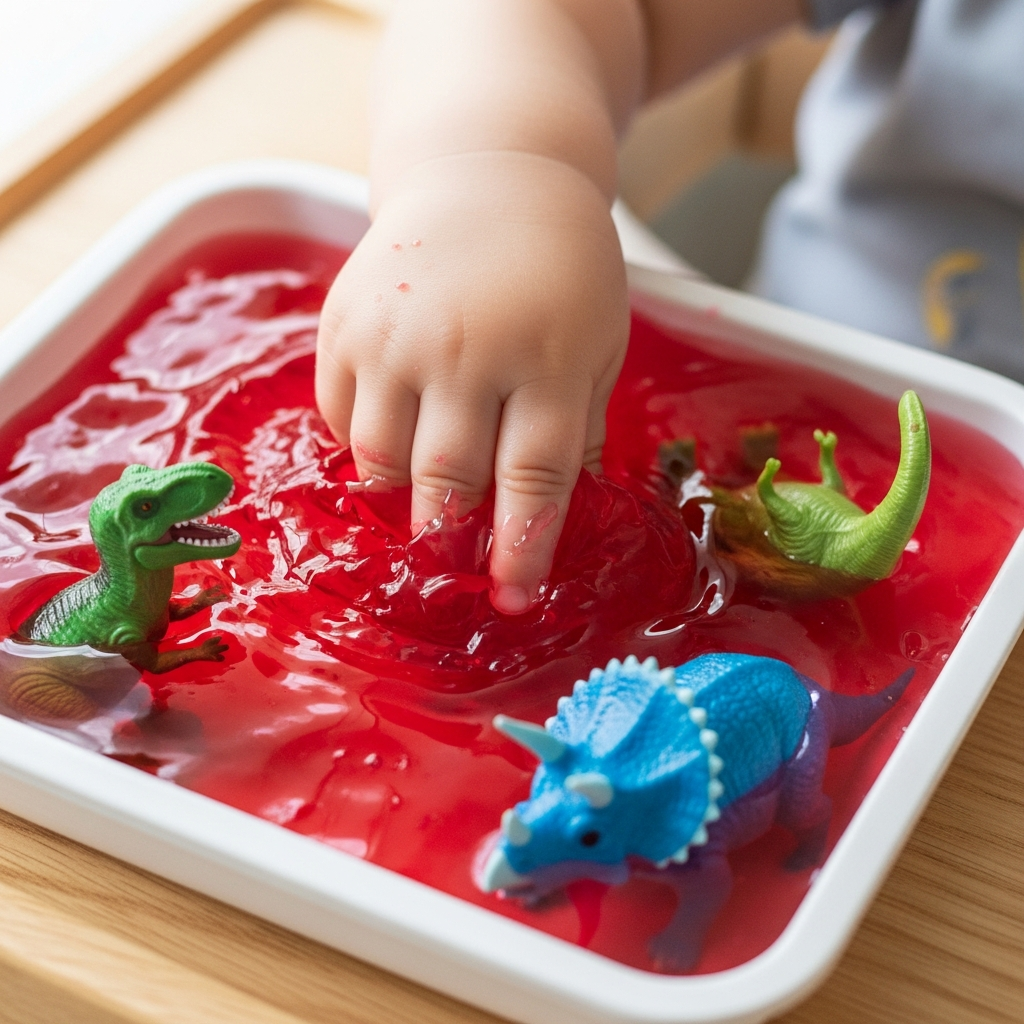
Hide large, waterproof toys inside a tray of set gelatin. Your baby will enjoy the squishy, cold texture as they dig through the jelly to find the hidden objects. This is a fantastic high-sensory activity that is safe for tasting.
12. Self-Recognition Mirror Play
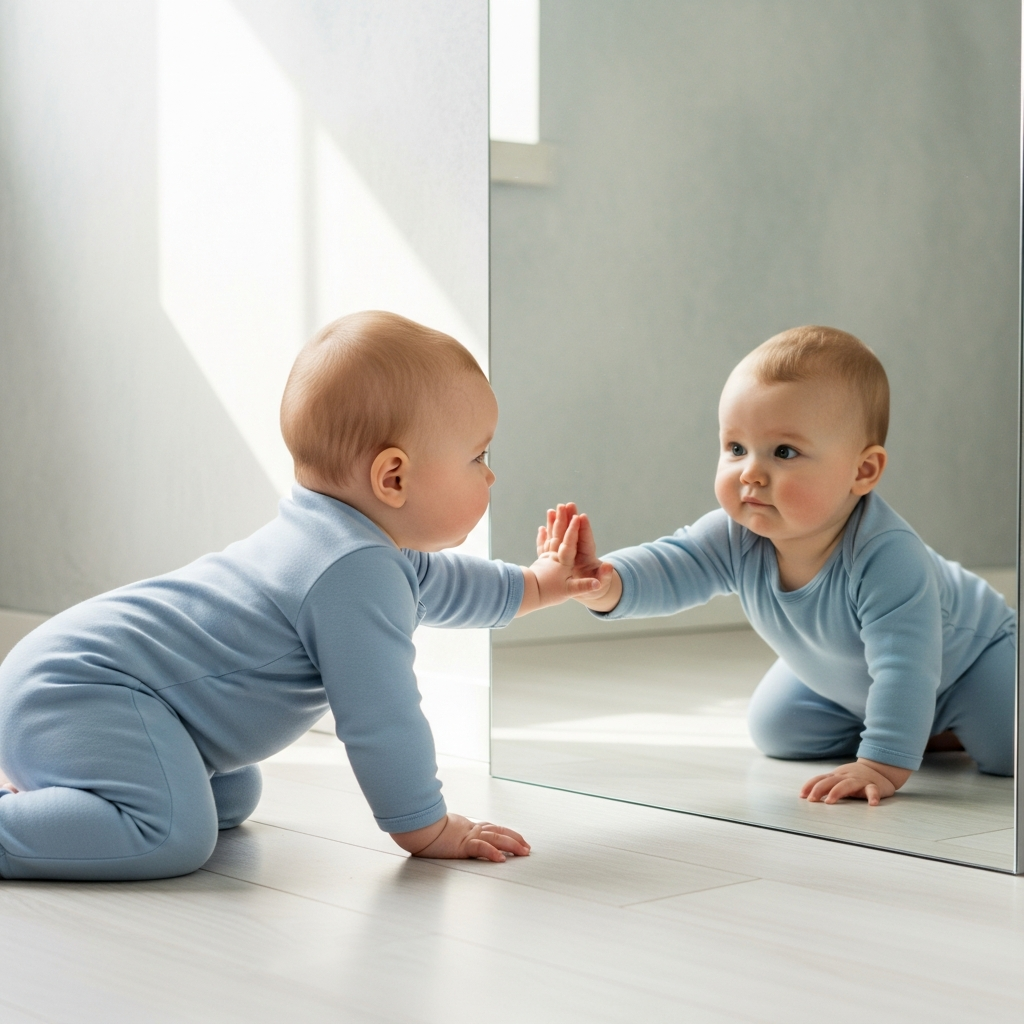
Place a baby-safe mirror at floor level. Babies in the 9-12 month range are starting to recognize their own reflections. This activity supports social-emotional development and self-awareness.
13. Safe Kitchen Cabinet Exploration
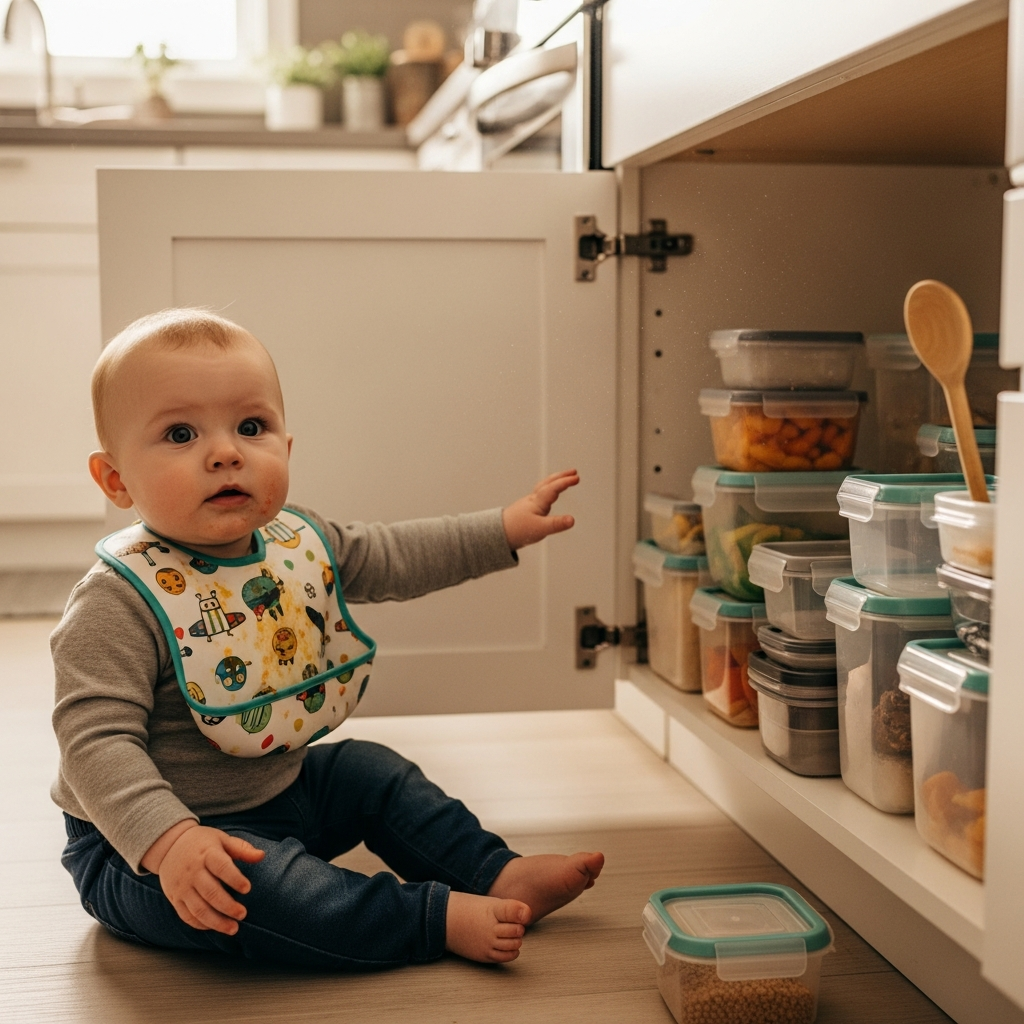
Designate one low kitchen cabinet as a ‘safe’ zone filled with plastic bowls, wooden spoons, and whisking tools. Allowing your baby to explore real-world objects fosters independence and curiosity.
14. Interactive Busy Board
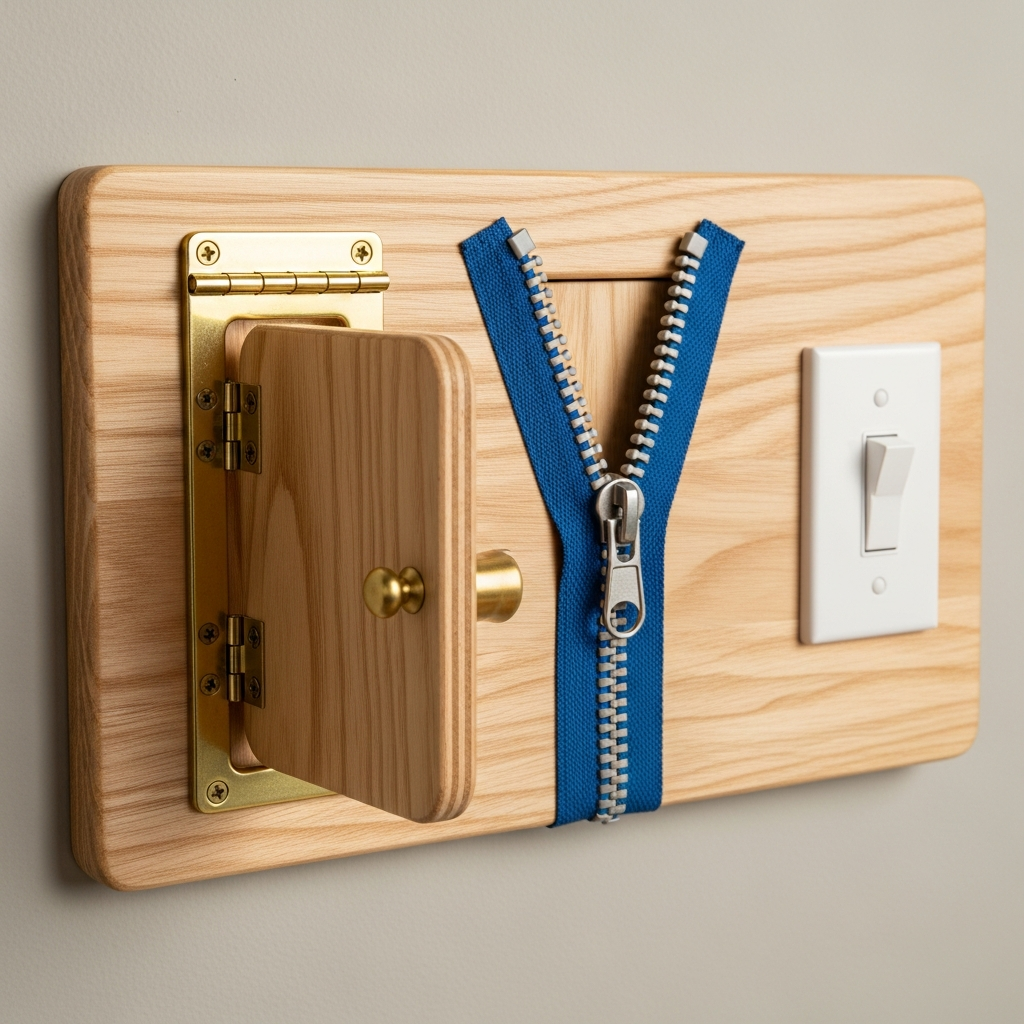
Construct a board with safe hardware like sliding latches, large buttons, and zippers. These mechanical movements fascinate older infants and provide excellent practice for fine motor control.
15. Post-it Note Removal
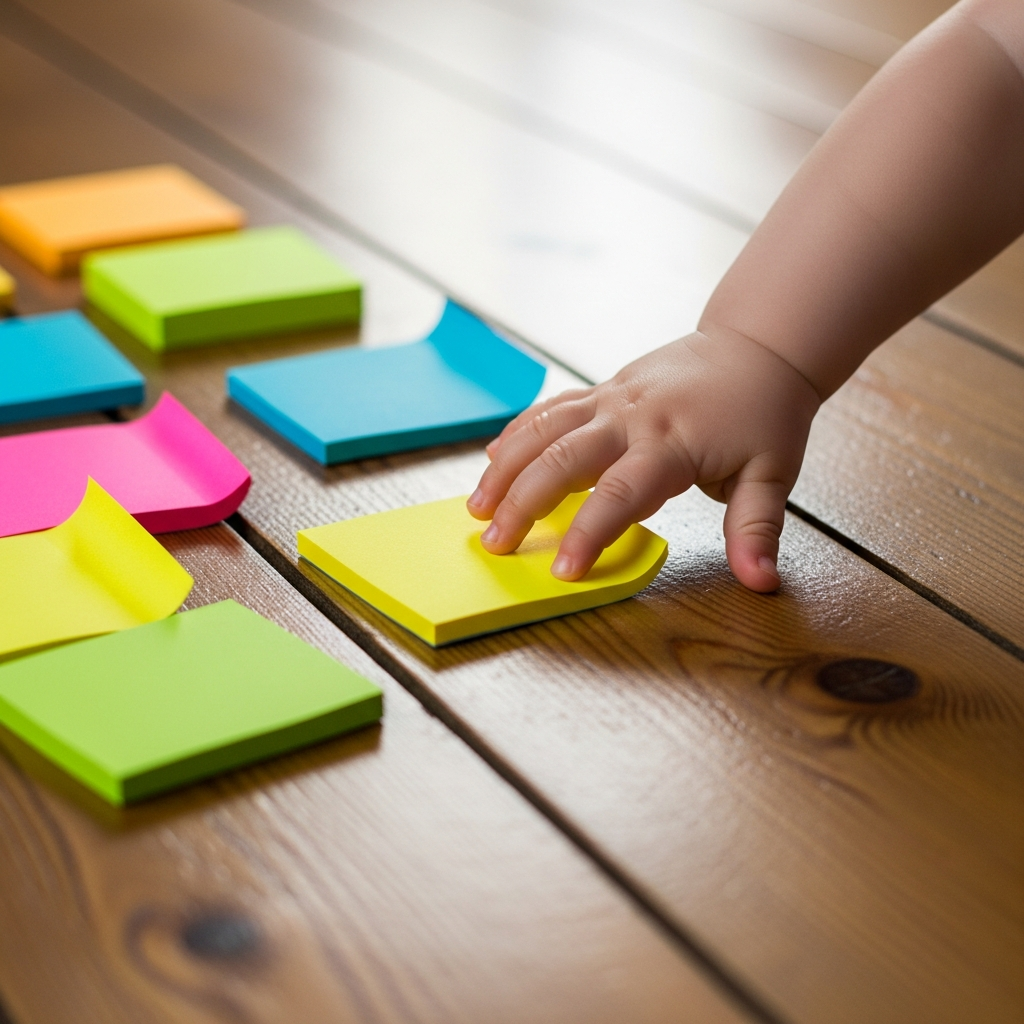
Stick several Post-it notes on the floor or furniture within the baby’s reach. The act of grabbing the edge and peeling the note off is a great way to strengthen the small muscles in the hands.
16. Visual Sensory Bottles
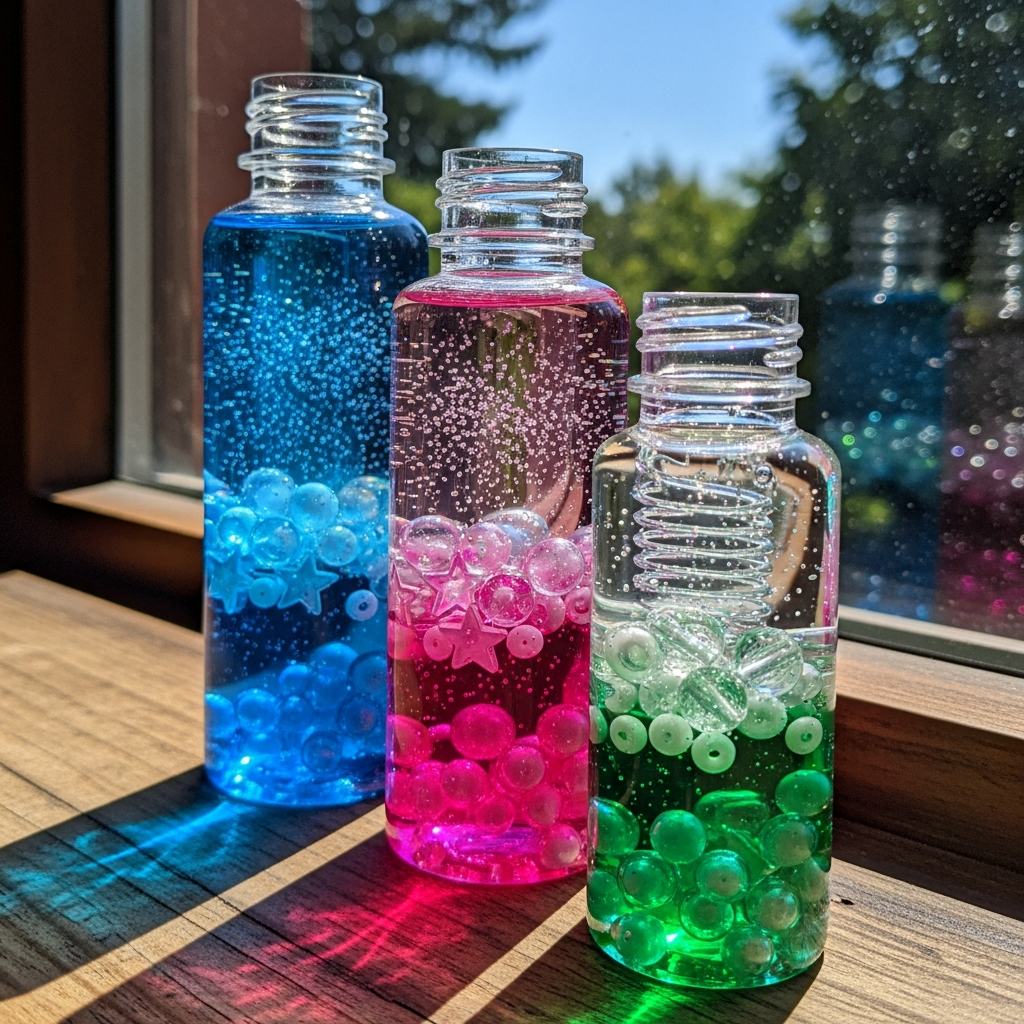
Fill empty plastic bottles with water, oil, food coloring, and sequins. Glue the caps shut securely. These bottles provide a calm visual experience as the baby watches the colors and objects swirl inside.
17. Floating Balloon Play
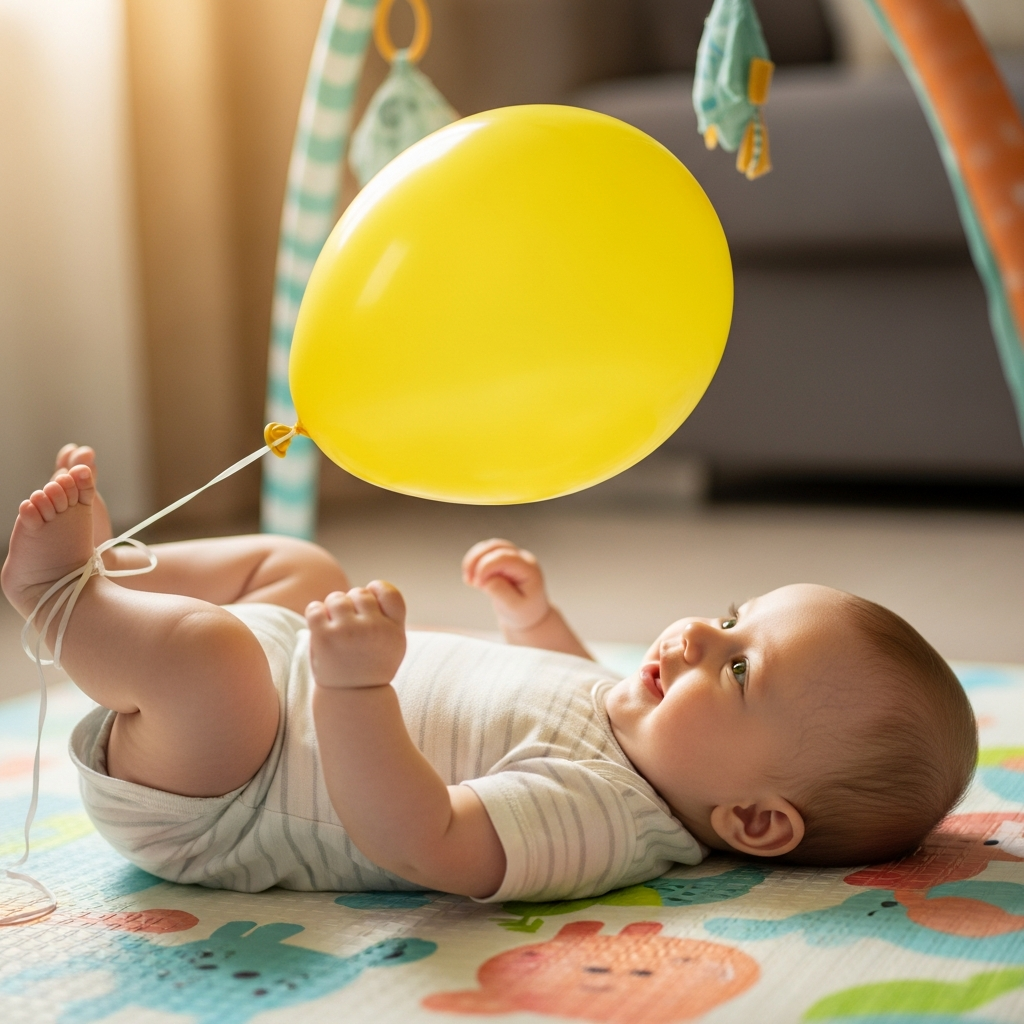
Loosely tie a helium-filled balloon to your baby’s ankle while they are lying on their back. As they kick their legs, the balloon moves, teaching them about the connection between their movements and external reactions.
18. Edible Whipped Cream Sensory
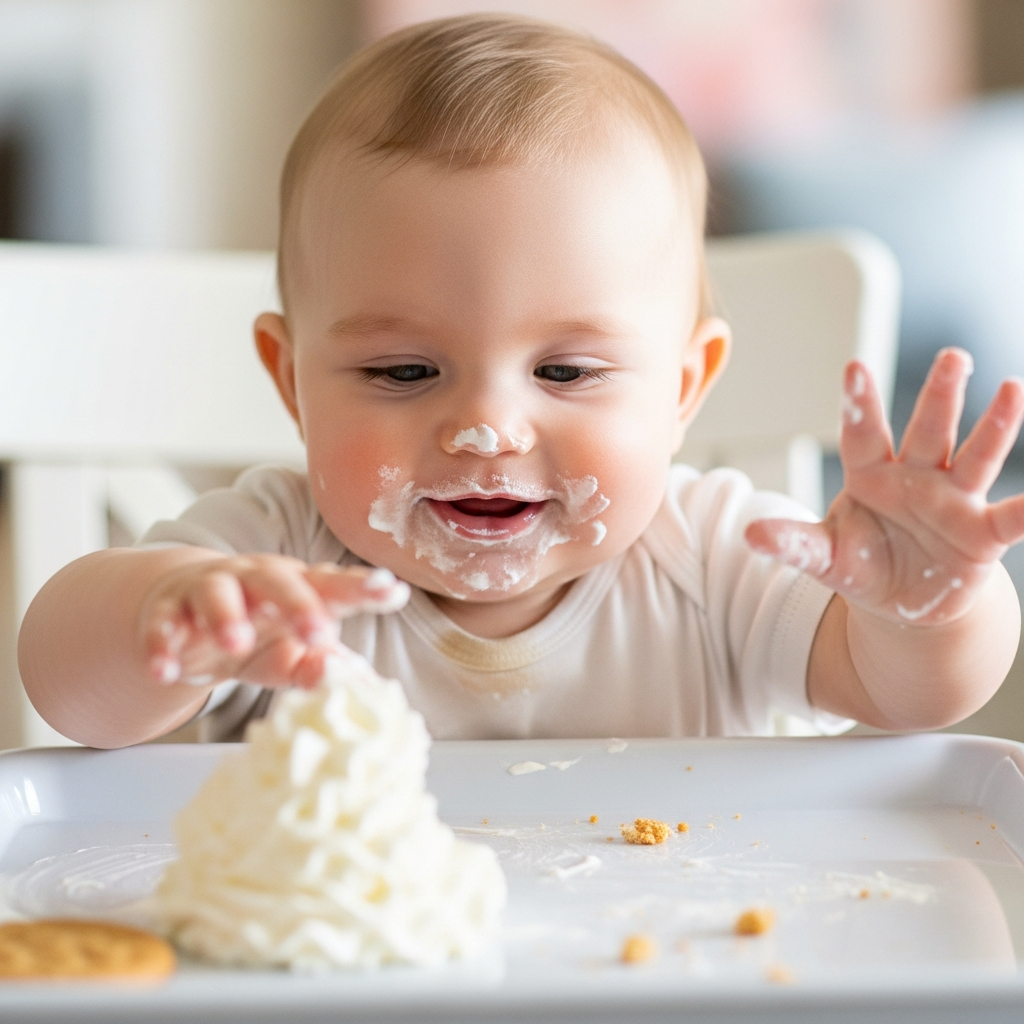
Put a dollop of whipped cream on a clean surface. The light, airy texture is a delight for babies to squish and taste. It offers a unique tactile experience compared to thicker pastes or liquids.
19. Animal Sound Development
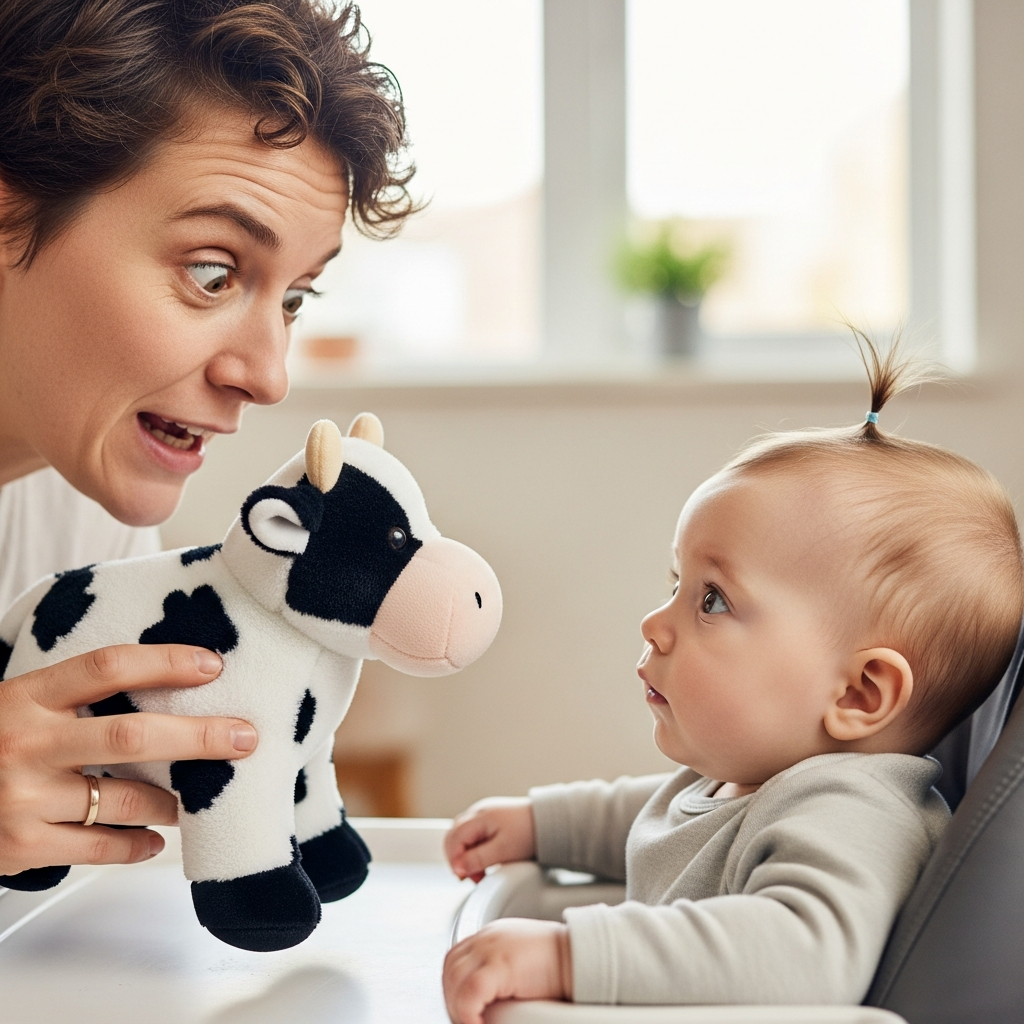
Use picture books or toy animals to mimic different sounds. Encouraging your baby to imitate ‘moo’ or ‘woof’ supports early language development and auditory discrimination.
20. Ribbon Pulling Box
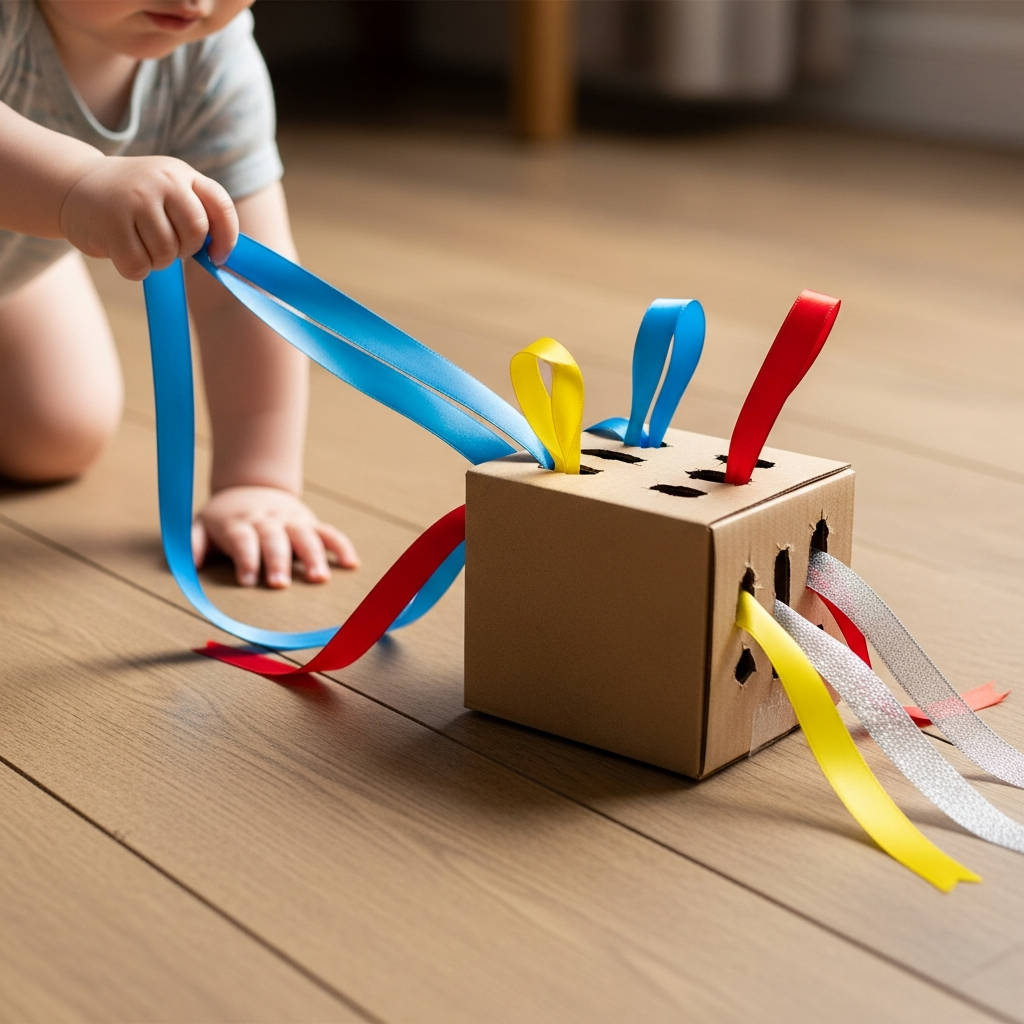
Poke holes in a cardboard box and thread various lengths of colorful ribbon through them, knotting the ends inside. Your baby can pull the ribbons back and forth, which is highly engaging for their developing motor skills.
21. Bubble and Sponge Bath Play
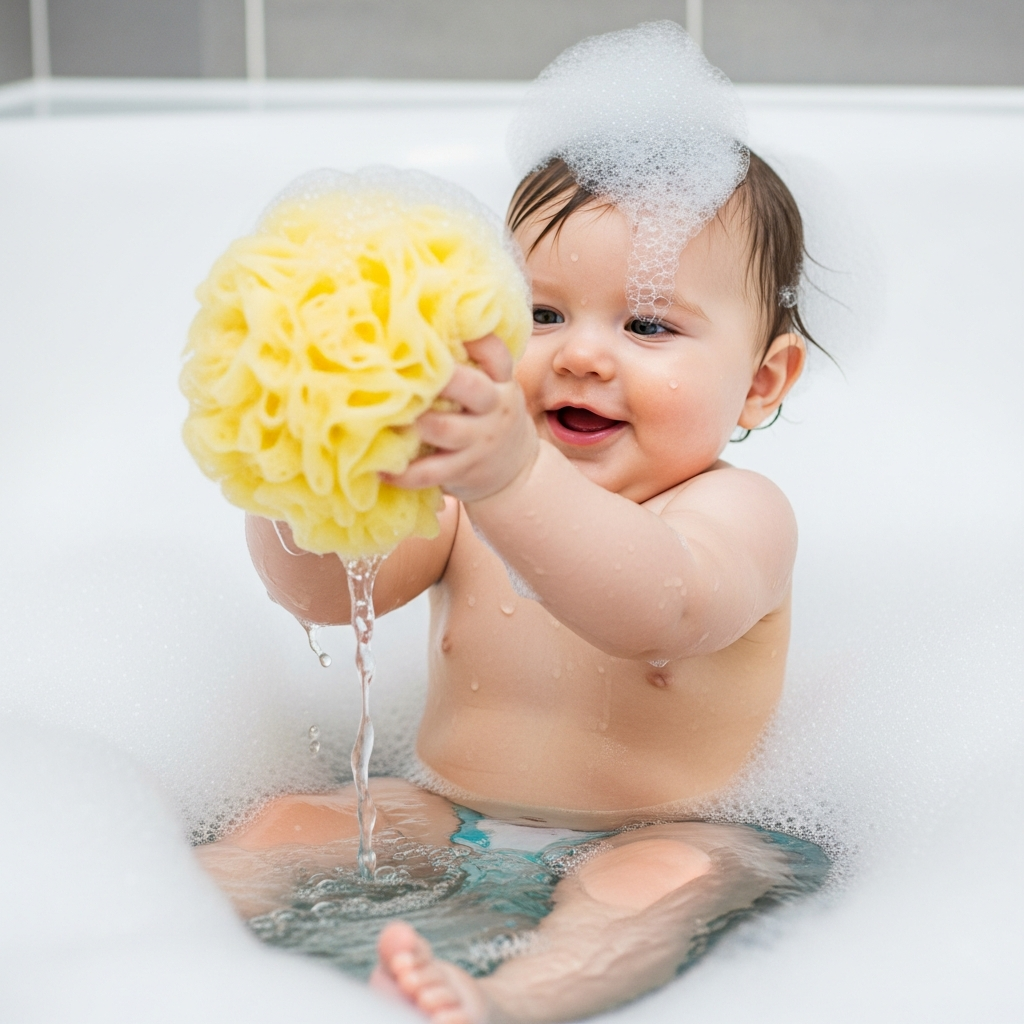
Introduce sponges of different sizes and soft bubbles during bath time. Squeezing a wet sponge is an excellent way to build hand strength and explore the concept of absorption.
22. Cardboard Box Fort Building
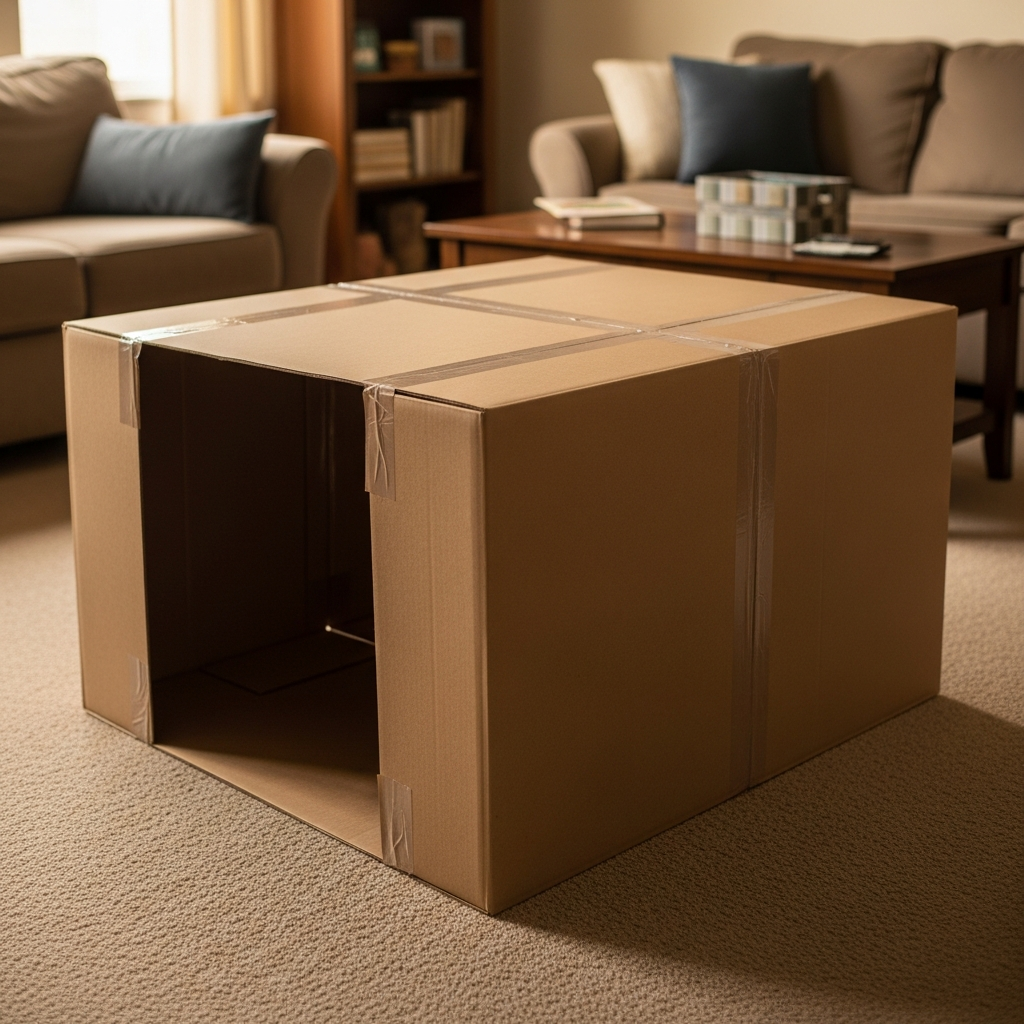
Stack several large boxes to create a small ‘house’ or fort. Babies love the feeling of being inside a cozy space, and navigating the entrances helps them understand their body size relative to objects.
23. Dry Pasta Sensory Bin
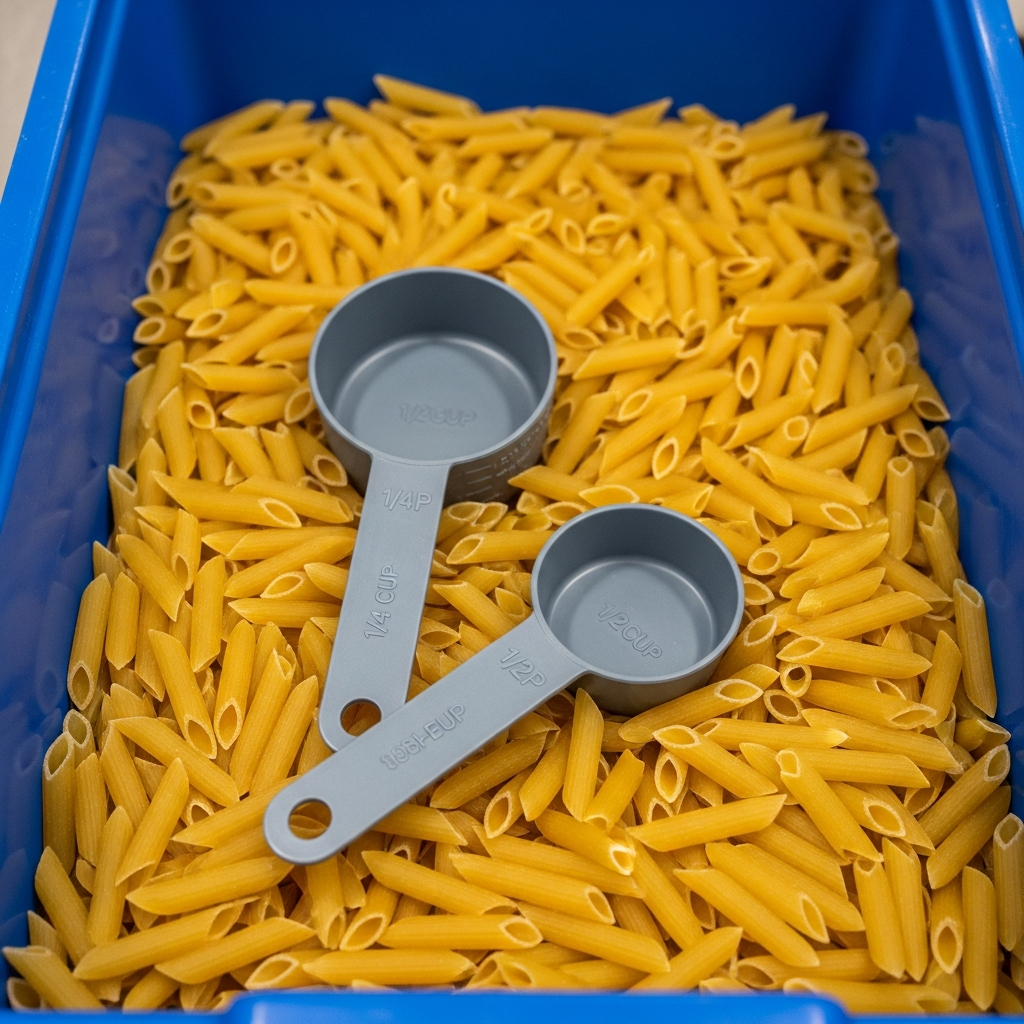
Fill a large container with dry pasta shapes like penne or fusilli. Add scoops and cups. The sound of the pasta hitting the bin and the hard texture provide a rich auditory and tactile experience.
24. High Chair Painting with Purees
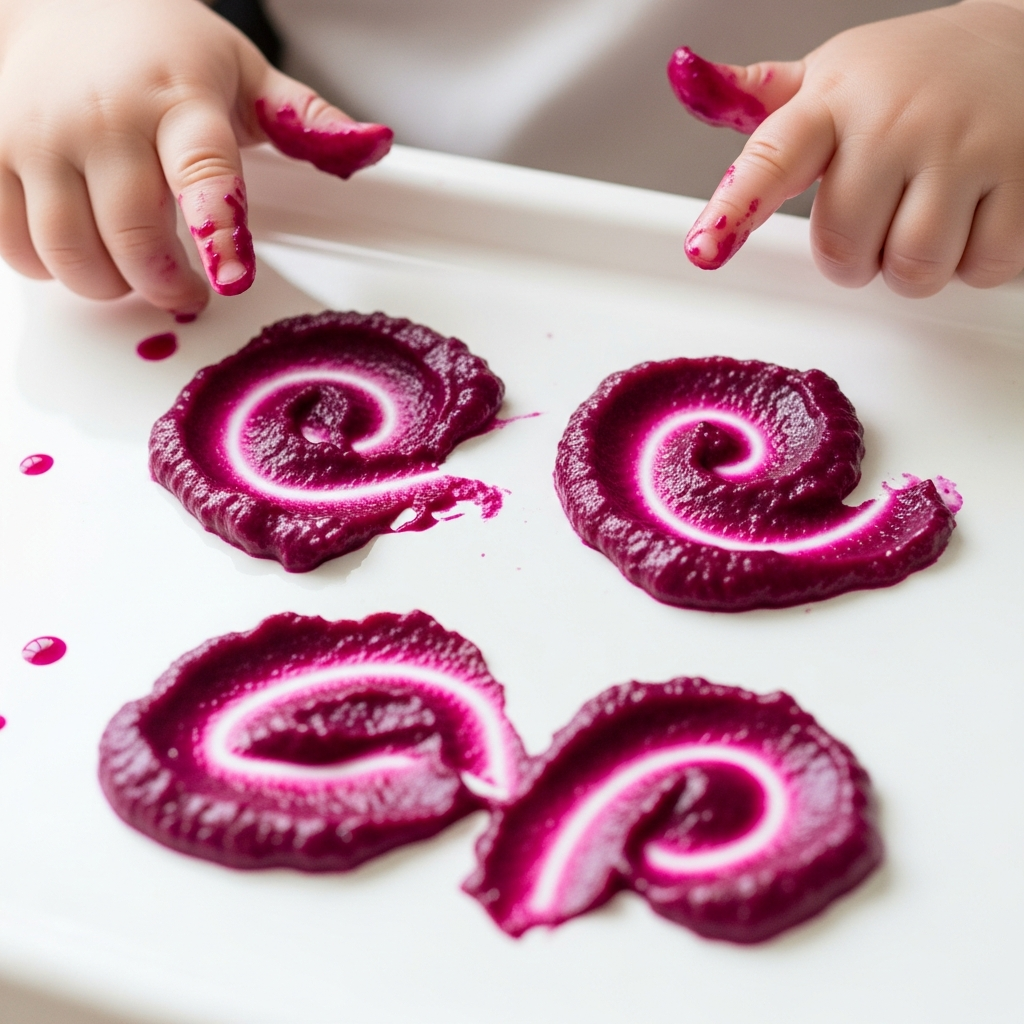
Use dark-colored vegetable purees like beet or blueberry on a light-colored tray. This allows the baby to ‘paint’ and smear while they eat, making mealtime a multi-sensory learning experience.
25. Scarf Pulling Tissue Box
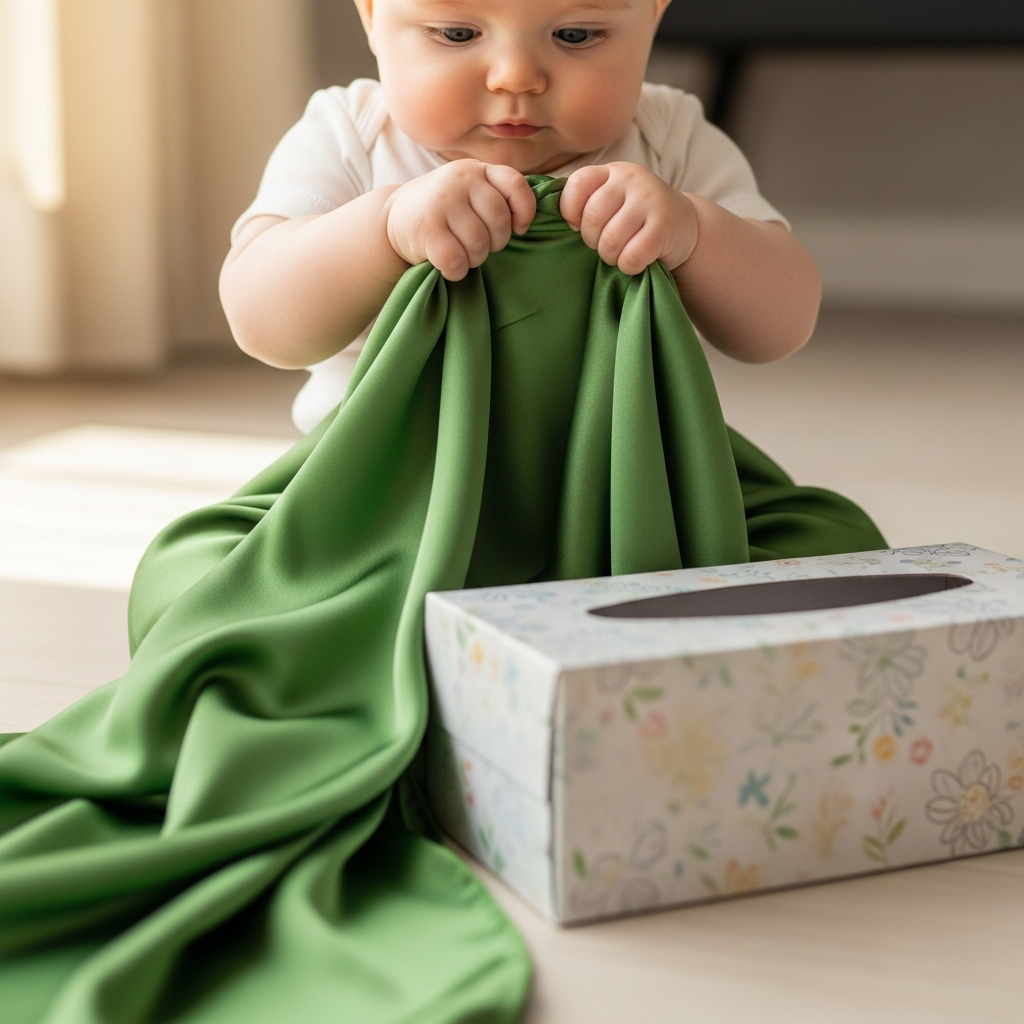
Stuff an empty tissue box with lightweight silk scarves or fabric scraps. Your baby will love the repetitive motion of pulling them out one by one, which mimics the fun of pulling out actual tissues.
26. Outdoor Nature Texture Walk

Take your baby to a park and let them touch safe natural items like smooth stones, crunchy leaves, or soft grass. Exposure to natural textures and fresh air is vital for sensory integration.
27. Everyday Object Treasure Basket
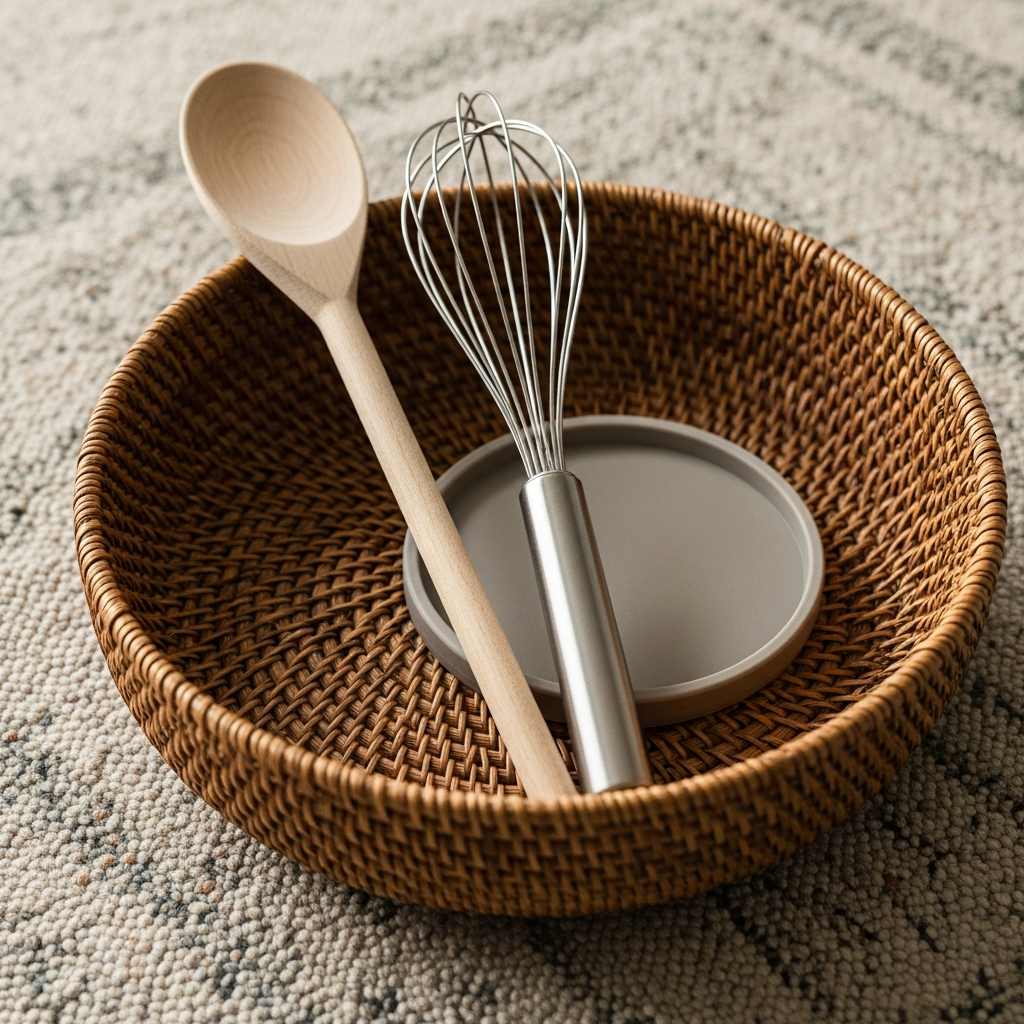
Fill a low basket with safe household items such as a large whisk, a clean makeup brush, and a silicone spatula. Exploring the different weights and materials of real objects is highly educational.
28. Chilled Ice Cube Sensory
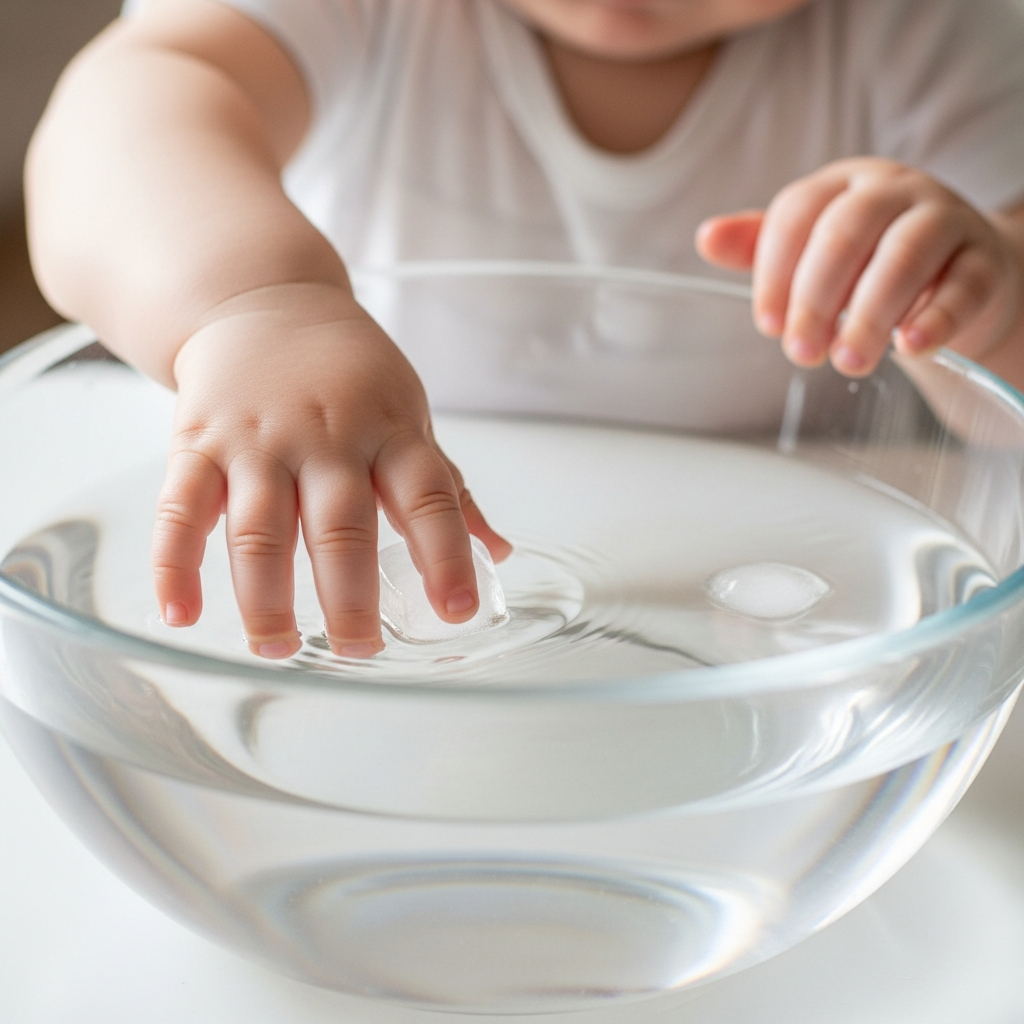
Place a few large ice cubes in a bowl of water. The cold temperature and the slipperiness of the ice provide a challenging and exciting sensory contrast for the baby to investigate.
29. Bubble Wrap Stomping
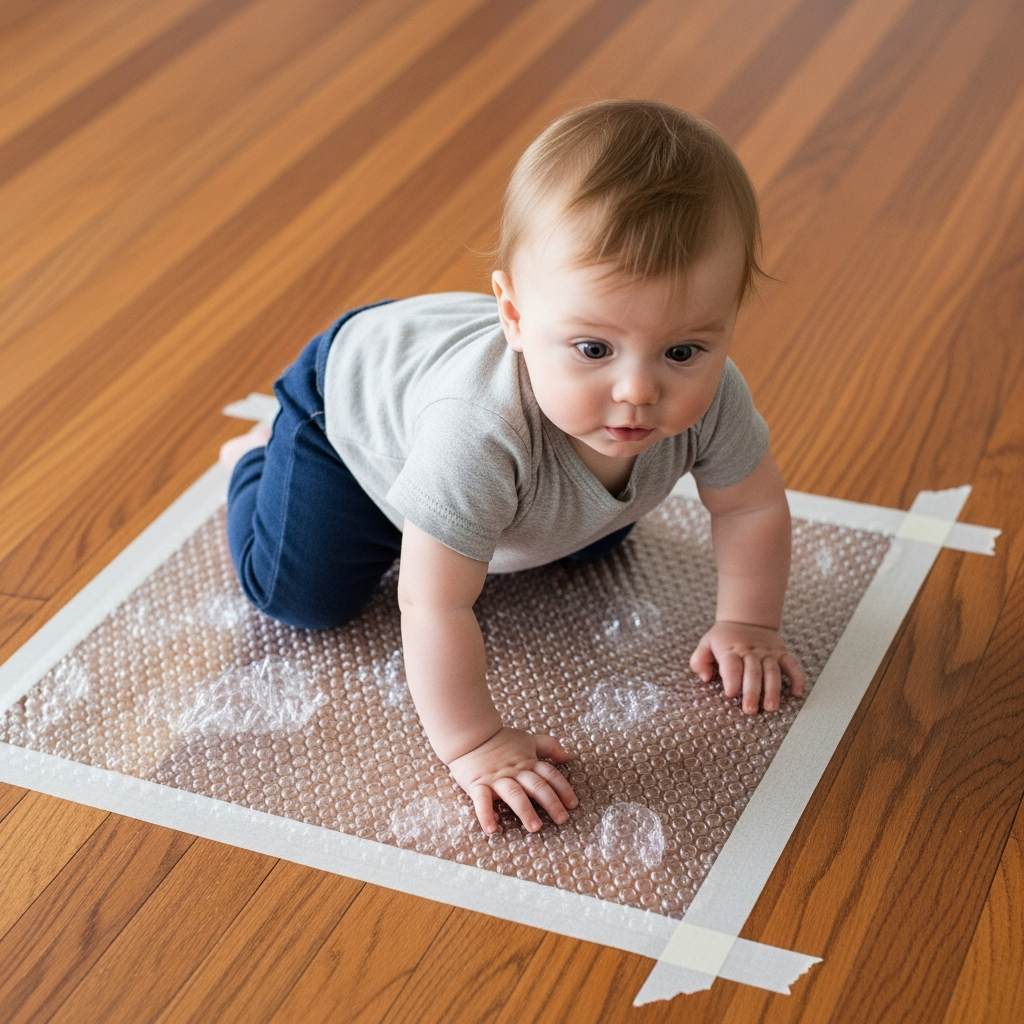
Tape a sheet of bubble wrap to the floor. If your baby is crawling or starting to cruise, the popping sound and unique texture under their hands or feet provide immediate sensory feedback.
30. Wall Shadow Puppets

Use a flashlight in a dimmed room to create simple shadow puppets on the wall. The movement of the shadows captures the baby’s attention and helps develop their visual tracking skills.
31. Laundry Basket Mobility Play
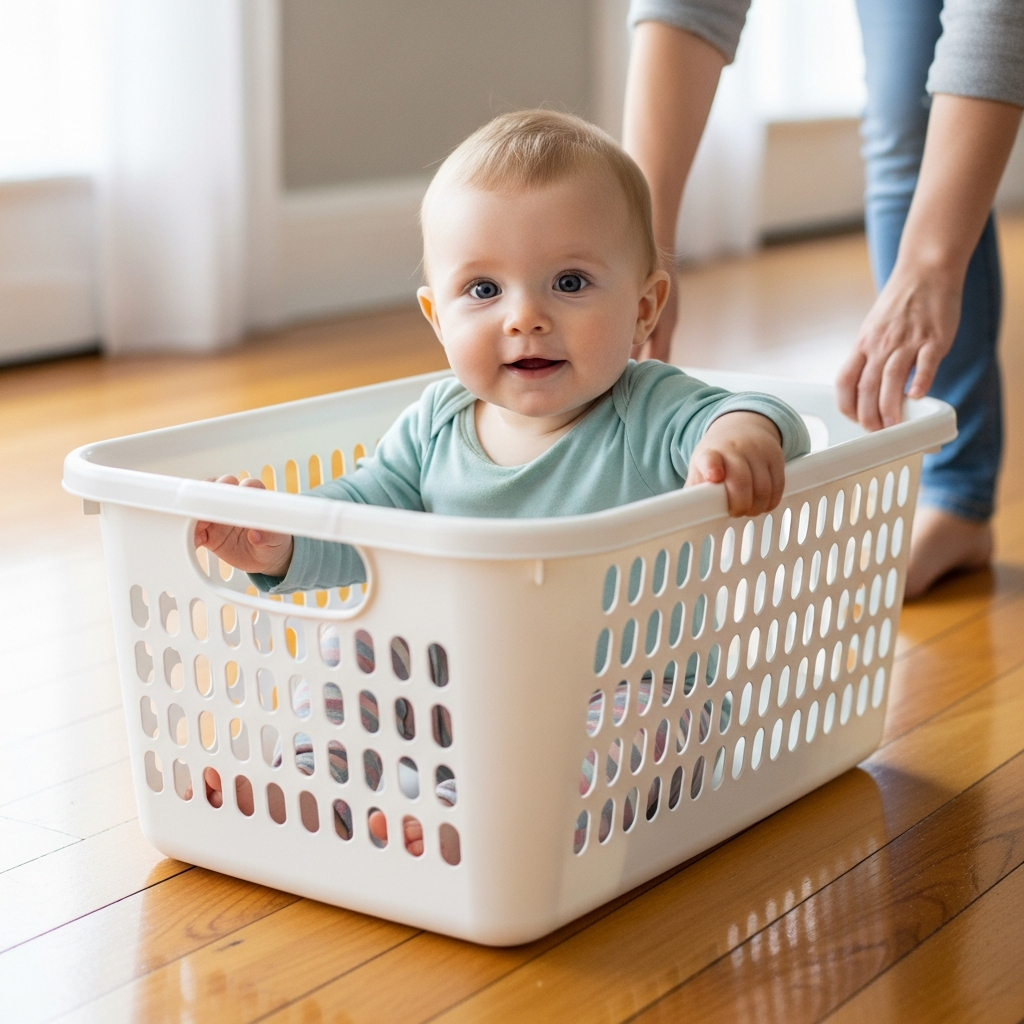
Place your baby in a laundry basket with a few toys and gently slide it across the floor. This provides a sense of motion and helps with balance as they adjust to the movement.
32. Rainbow Cooked Pasta
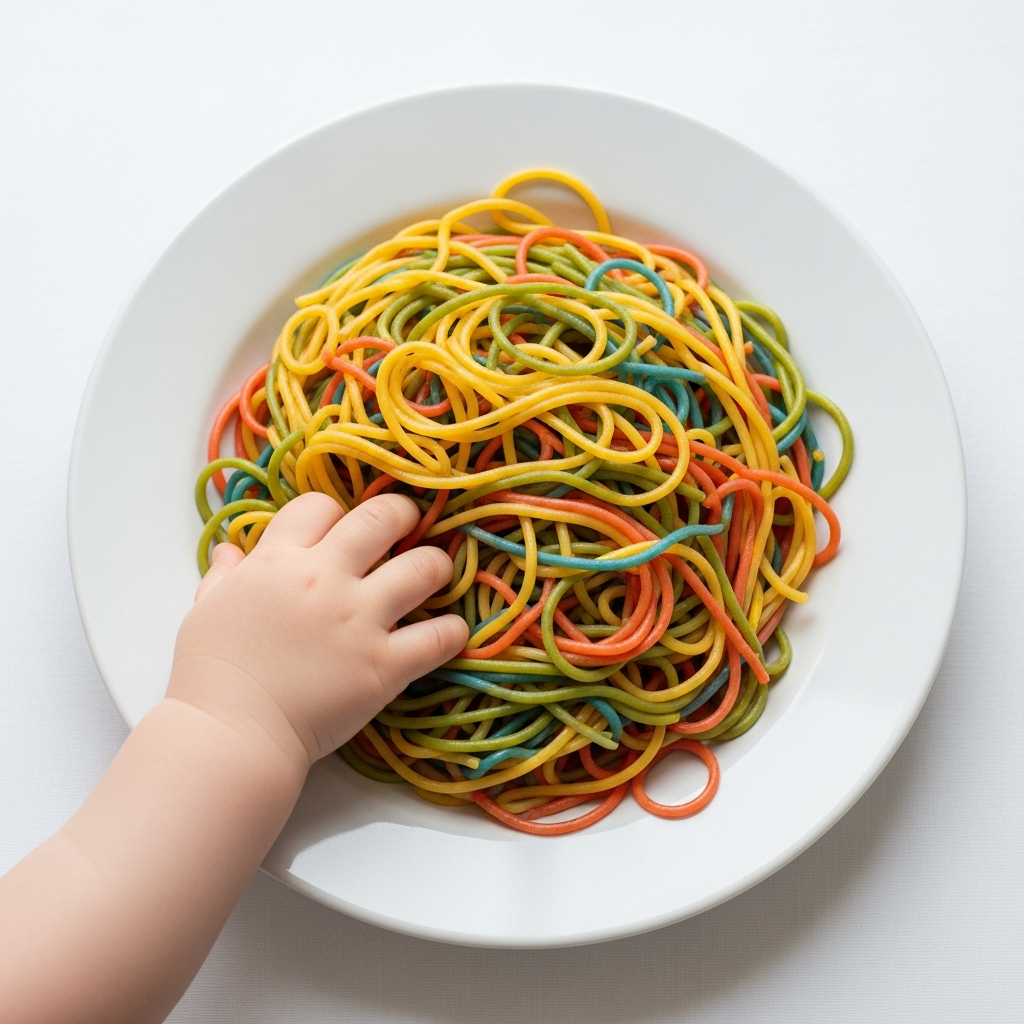
Cook spaghetti and toss it with a bit of oil and food coloring. The slippery, wiggly texture of the noodles is fascinating for babies to touch, pull apart, and taste.
33. Homemade Musical Pan Jam
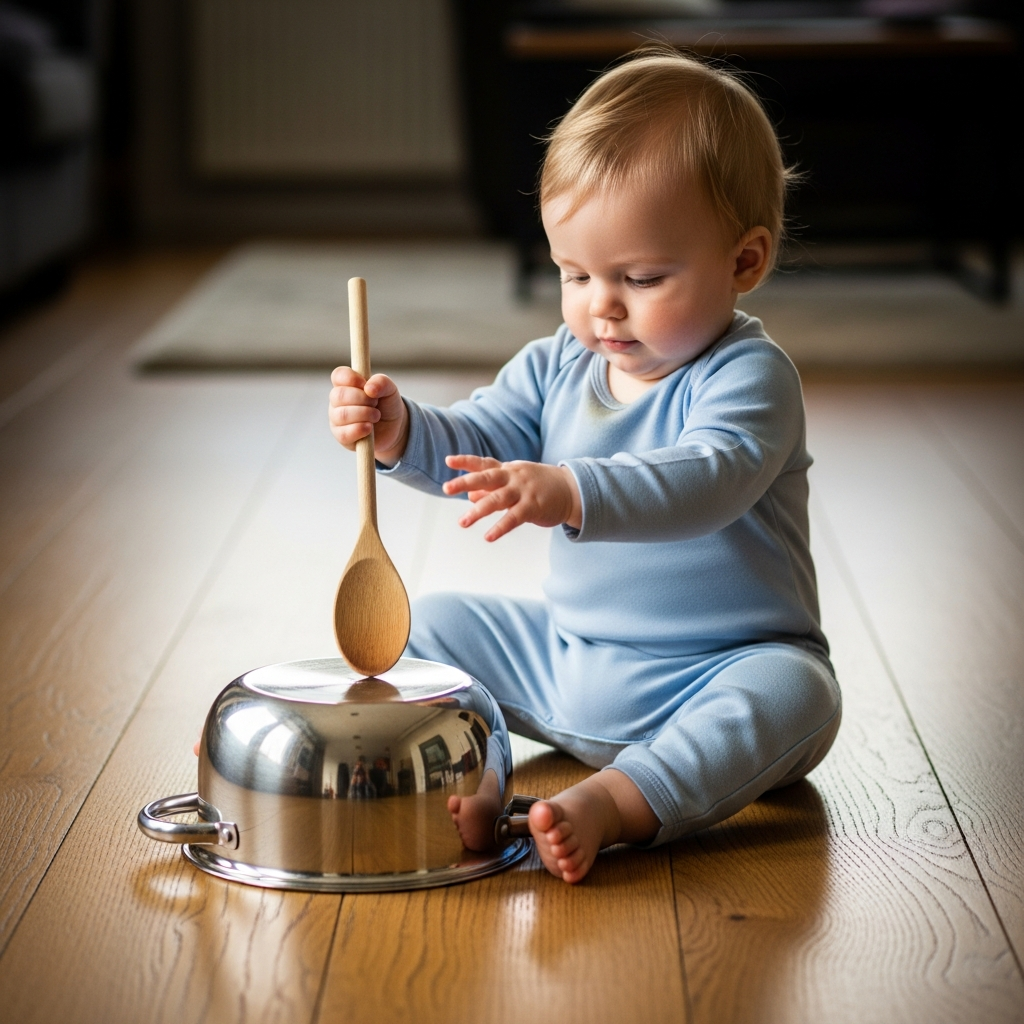
Give your baby a metal pot and a wooden spoon. This classic activity is excellent for teaching cause and effect, rhythm, and auditory processing through the creation of different sounds.
Conclusion
Engaging in these thirty-three activities will not only keep your 9–12 month old entertained but also significantly support their developmental milestones. Sensory play is a foundational element of early childhood learning, helping to build nerve connections in the brain’s pathways. Always ensure that play is supervised and that all materials used are age-appropriate and safe. By providing a variety of textures, sounds, and physical challenges, you are giving your baby the tools they need to explore and understand their environment with confidence.